

The Pantheon of the Gods
From the primordial waters of Egypt and Mesopotamia to the celestial courts of Olympus and Mount Meru. Browse 390+ deities across 37 world mythologies with faceted domains, eras, and primary-source provenance.
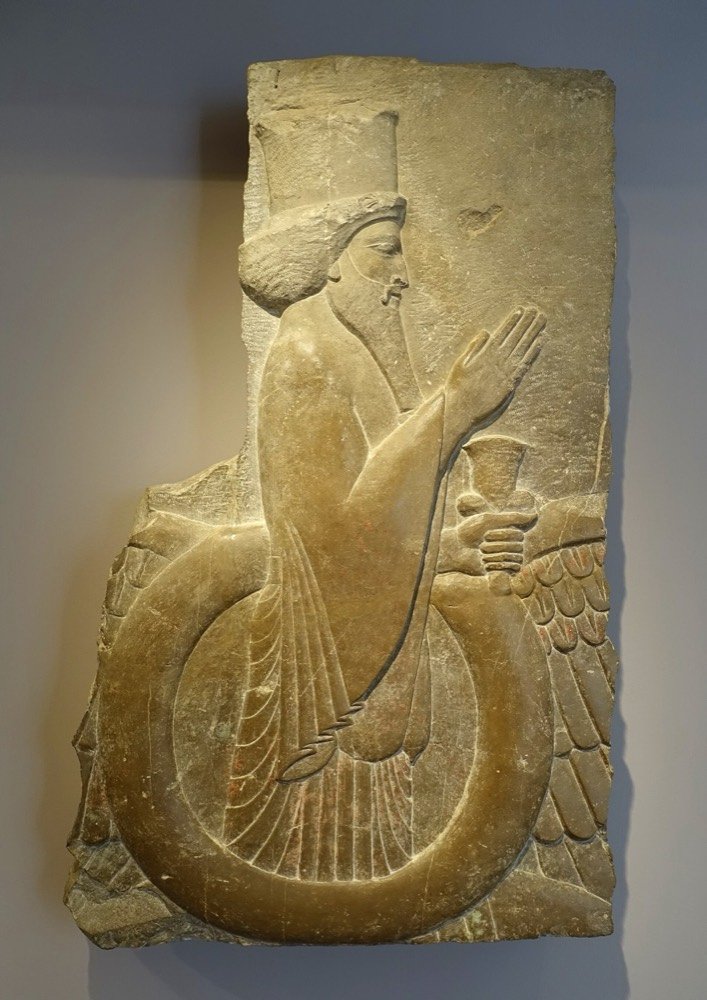
Ahura Mazda
Supreme god of Zoroastrianism, the "Wise Lord" who created the world and the order of asha, locked in a cosmic struggle with the destructive spirit Angra Mainyu.
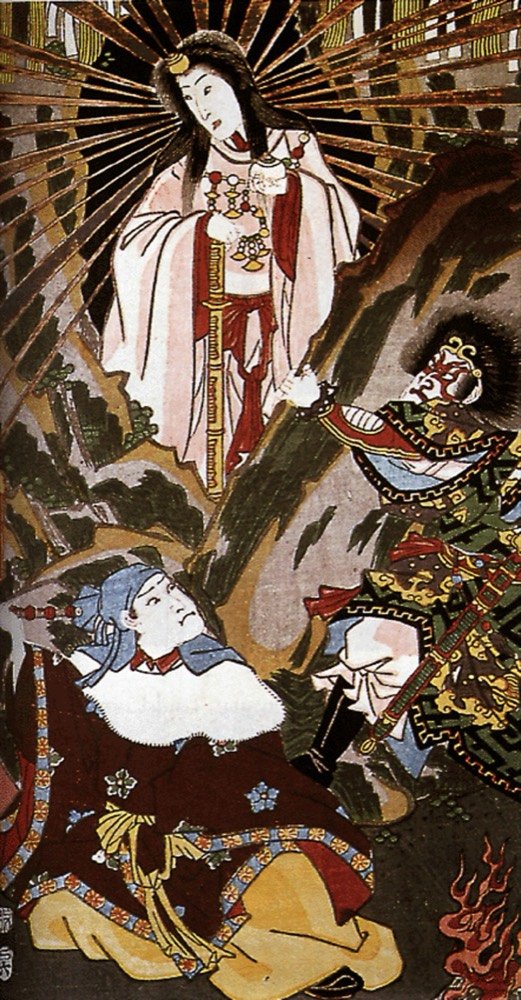
Amaterasu
The sun goddess who rules Takamagahara and heads the imperial mythic lineage; her retreat into the Heavenly Rock Cave plunged heaven and earth into darkness.
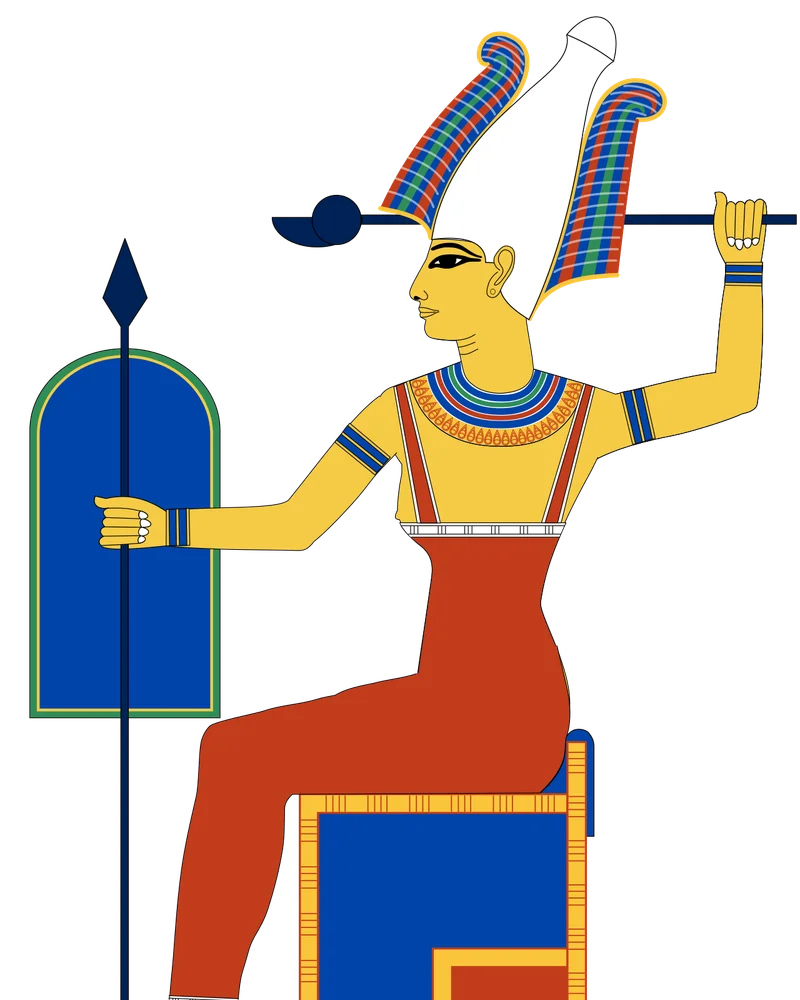
Anat
The young warrior goddess of Ugarit, Baal's sister and fiercest ally, who wades through battle, bullies El into granting Baal a palace, finds Baal's body, and destroys Mot.
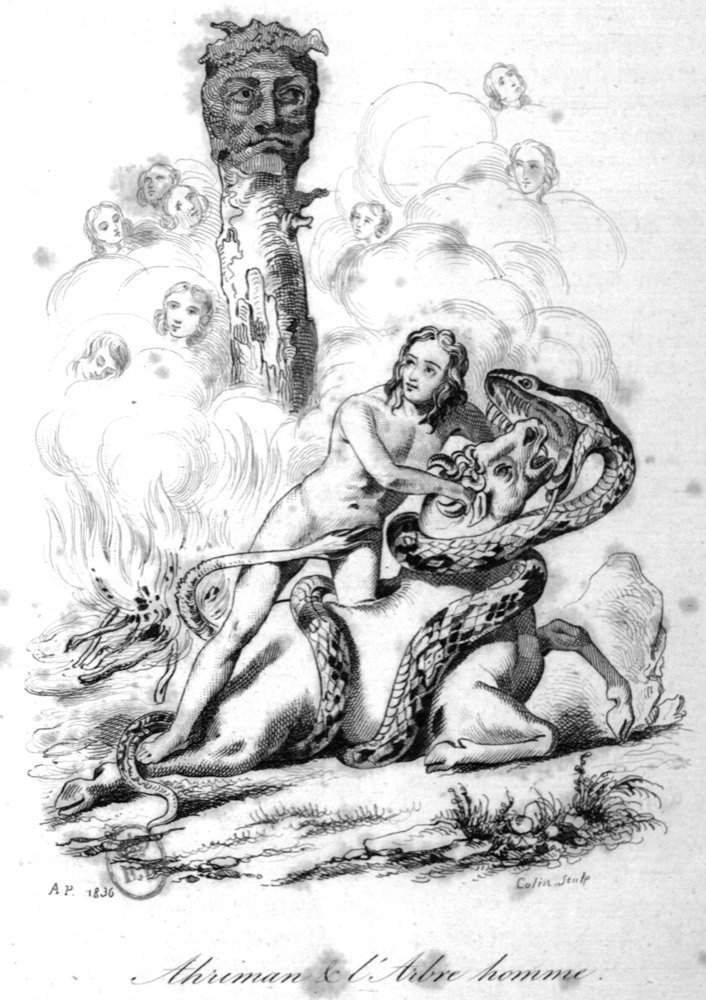
Angra Mainyu
The destructive spirit opposed to Ahura Mazda, known in Middle Persian as Ahriman. He corrupts creation with vermin, disease, and death, and will be defeated at the world's renovation.
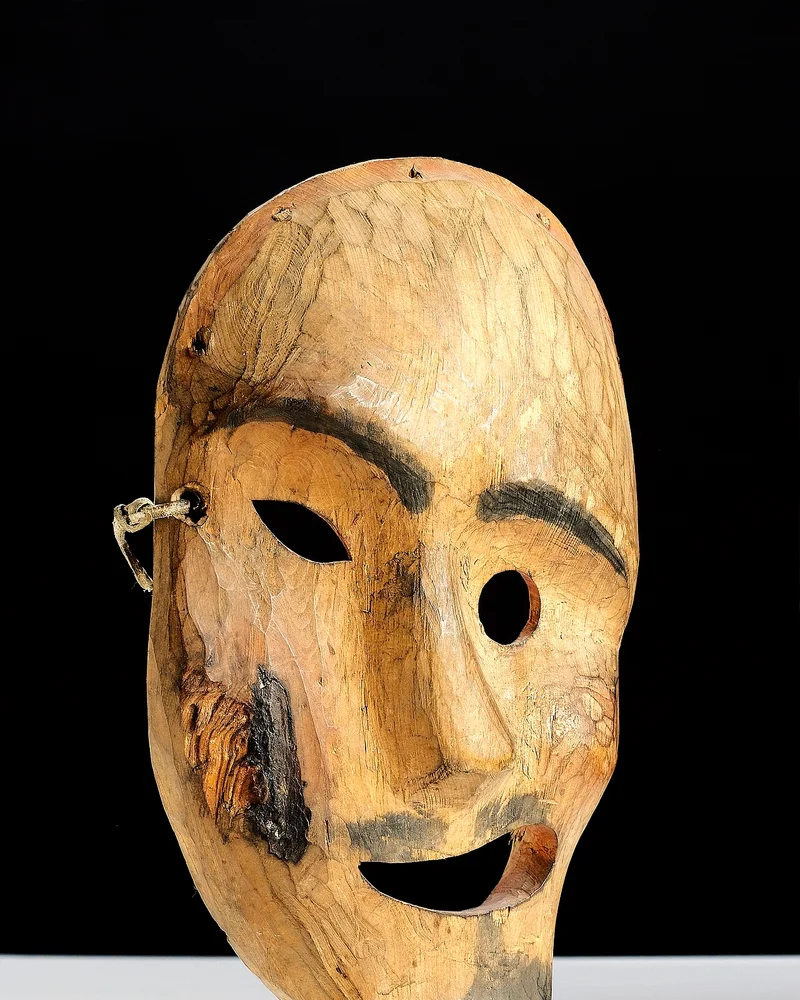
Anningan (the Moon Man)
The brother who became the moon after pursuing his sister, the sun, across the sky; in Iglulik tradition the Moon Spirit also helps angakkuit, watches over hunting and the birth of children, and punishes those who break taboos.
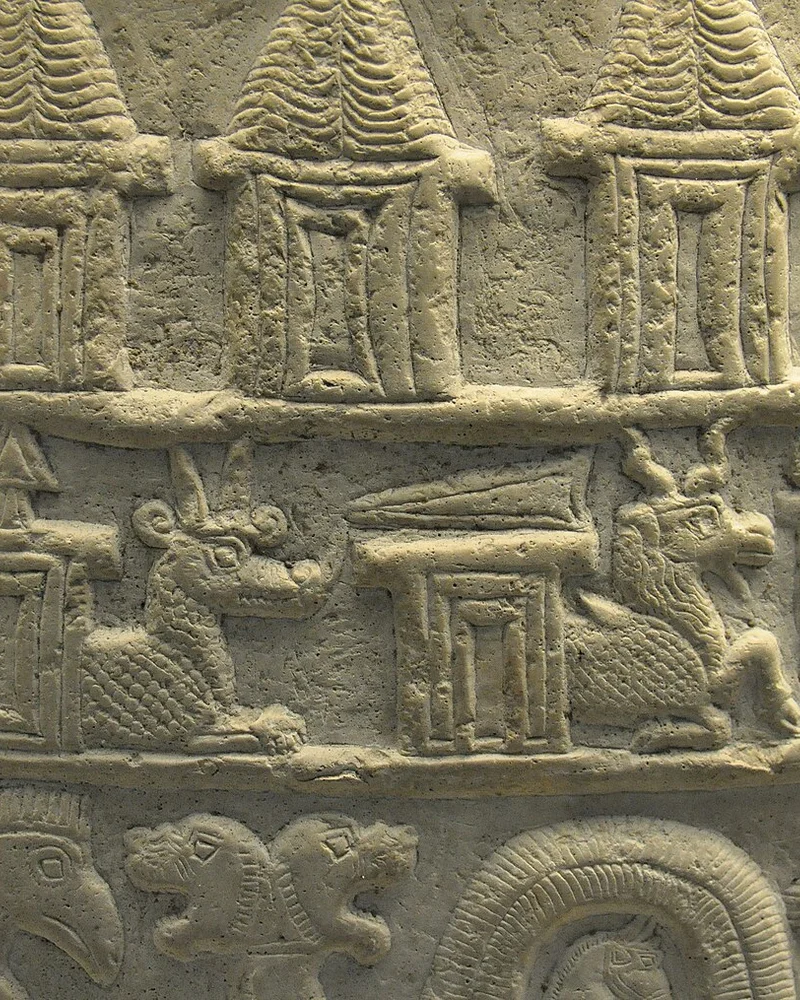
Anu
King of the gods and lord of the heavens. Anu is the supreme deity of the Mesopotamian pantheon, father of the gods, and source of all royal authority.
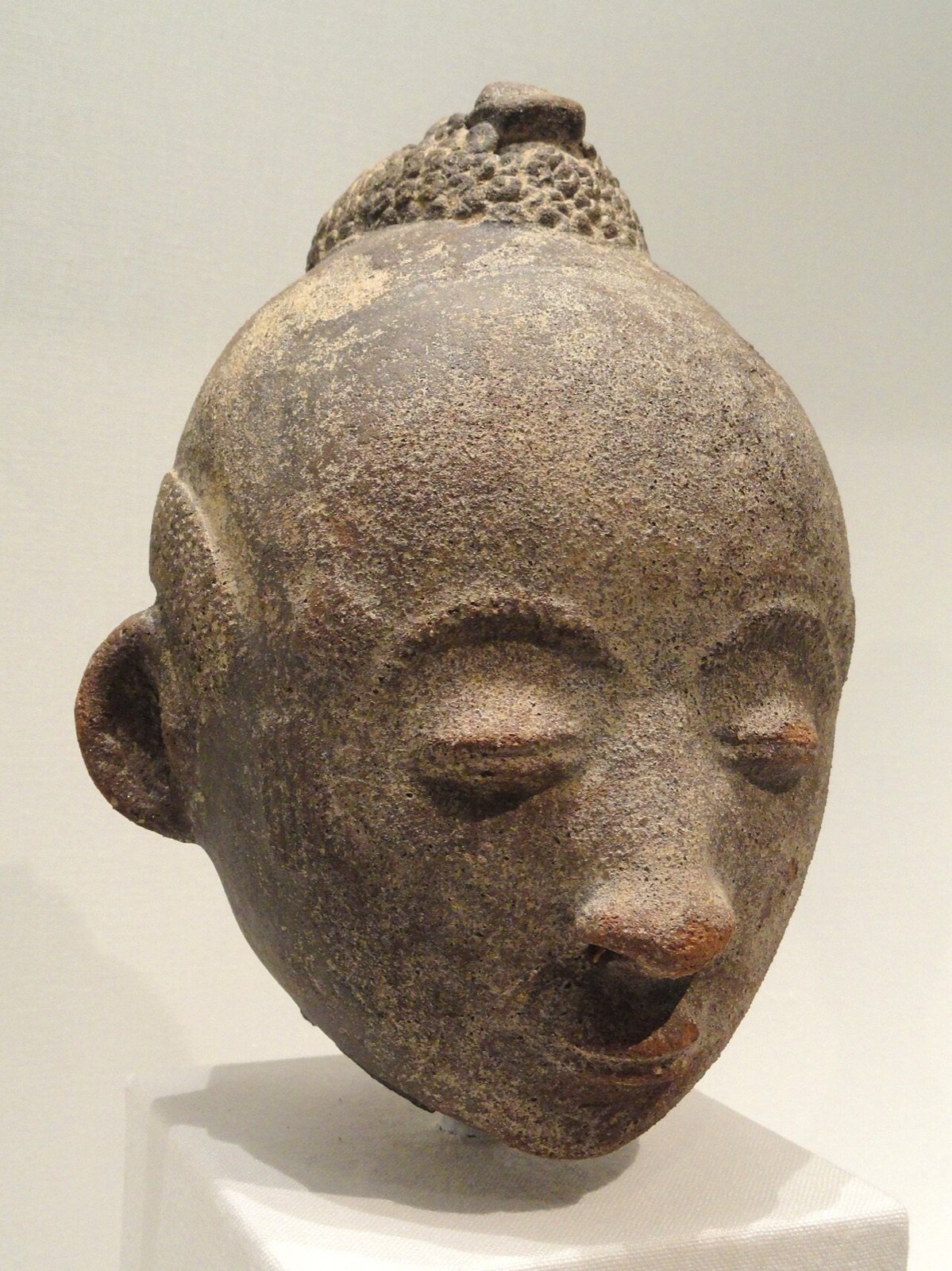
Asase Yaa
Earth as mother of cultivation, oath, and burial, with sacred days on which the soil must rest.
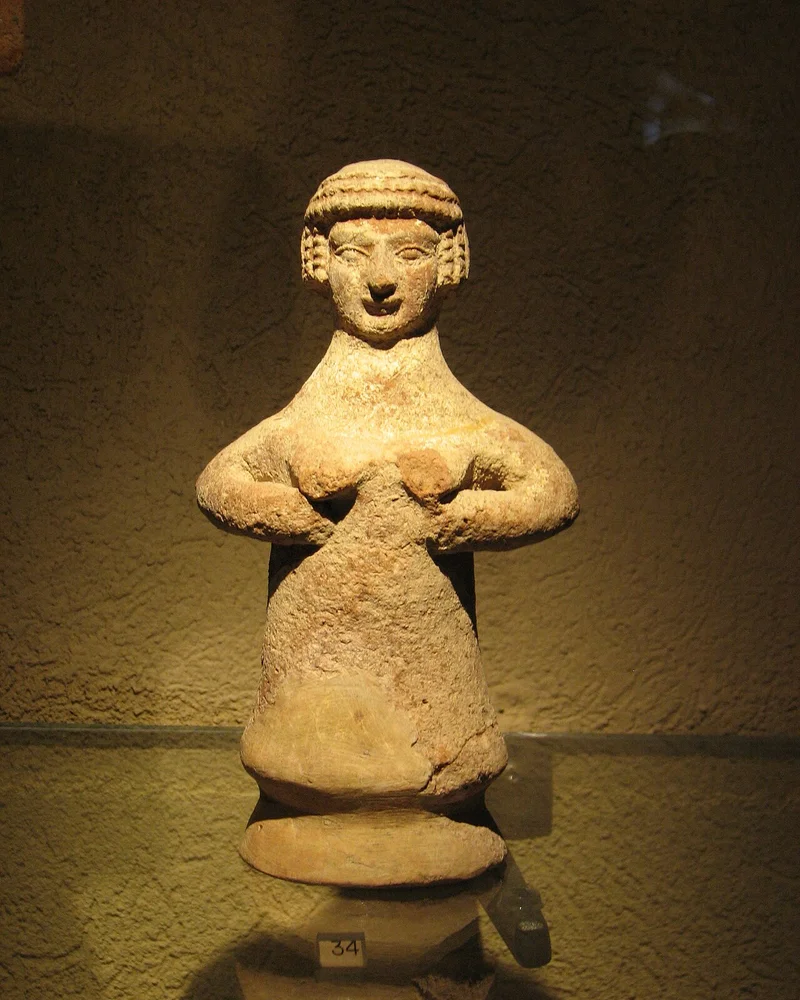
Athirat (Asherah)
El's consort, 'Lady Athirat of the Sea' and 'Creatress of the Gods', mother of the seventy sons of El, who can persuade El when no one else can.
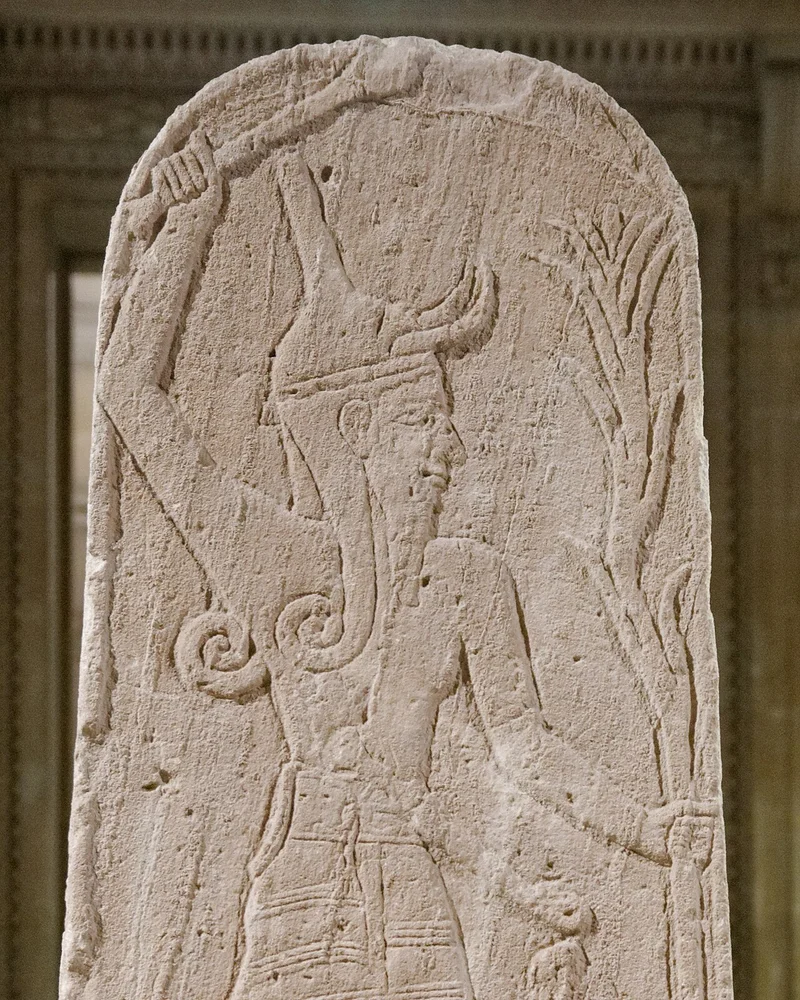
Baal (Baʿlu Haddu)
The storm-god of Ugarit, 'Rider of the Clouds', whose rain makes the land fertile; he defeats Yamm the Sea, builds his palace on Mount Zaphon, is swallowed by Mot (Death), and returns to life.
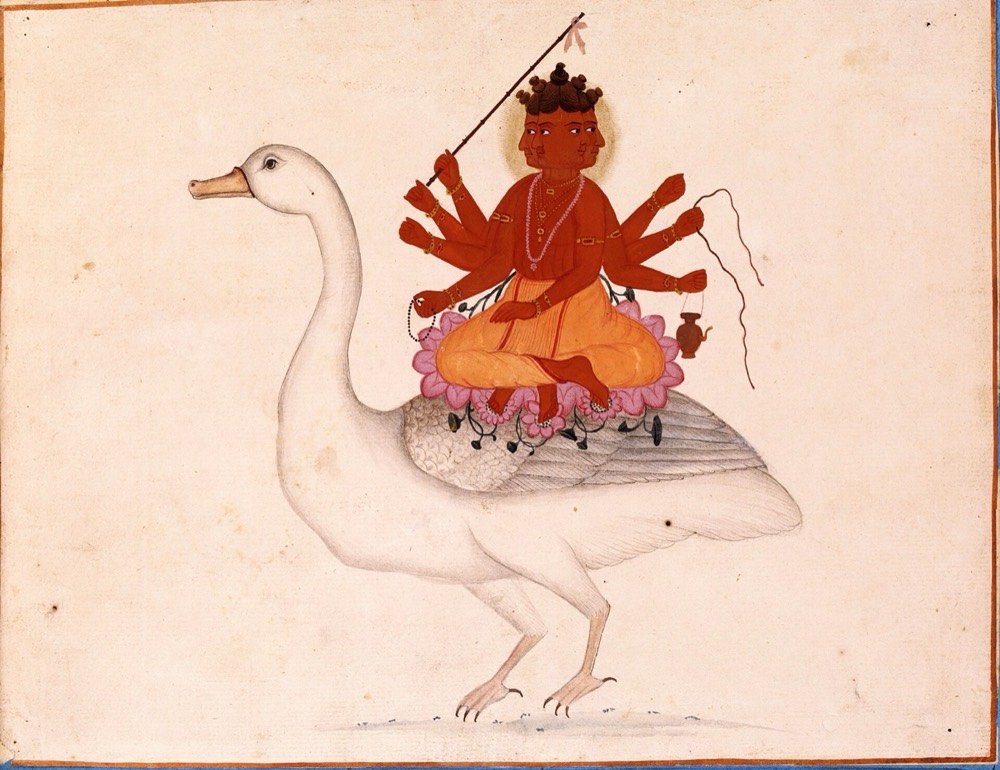
Brahma
The four-faced creator god, born from a lotus rising from Vishnu's navel. First of the Trimurti, yet temples dedicated to him are famously rare.

Brigid
Daughter of the Dagda, patron of poets, smiths and healers; Cormac's Glossary (c. 900) names three sisters called Brigit. Her cult merged with St Brigid of Kildare, whose flame and holy wells are still tended.
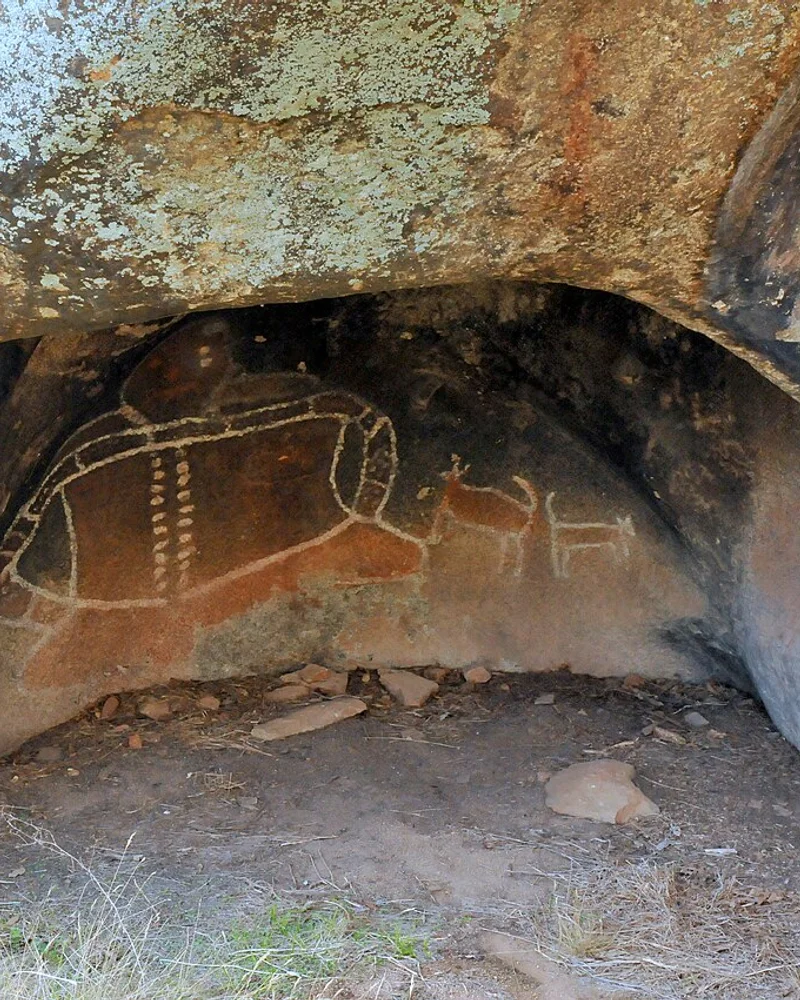
Bunjil
The creator ancestor of the Kulin nations of central Victoria, a wedge-tailed eagle who shaped the land, made people, gave them law, and rose into the sky, where the Wurundjeri and Boon Wurrung see him as the star Altair.
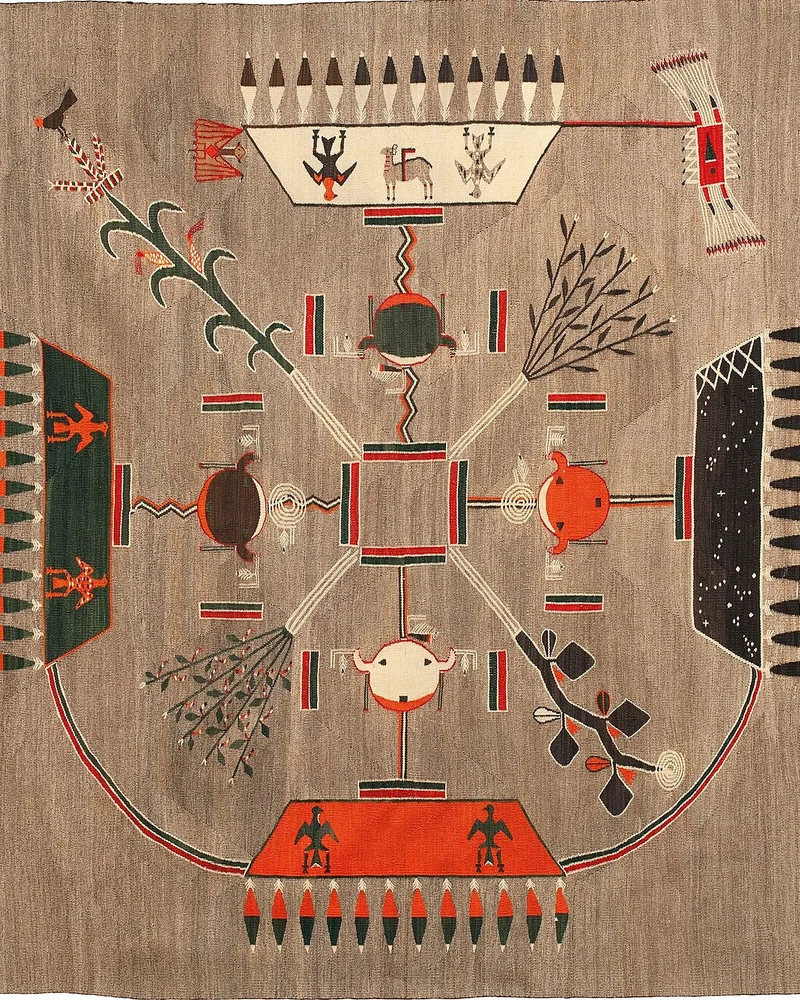
Changing Woman (Asdzą́ą́ Nádleehé)
The most beloved of the Diné Holy People, 'Woman who changes', found as an infant on Chʼóolʼį́ʼí, mother of the Hero Twins by the Sun, and creator of the first Diné clans; she grows old and young again with the seasons.

Danu
The primordial mother goddess whose name lives on in the Tuatha Dé Danann, the divine tribe of Ireland. Though rarely appearing in myths directly, her presence permeates the land itself.
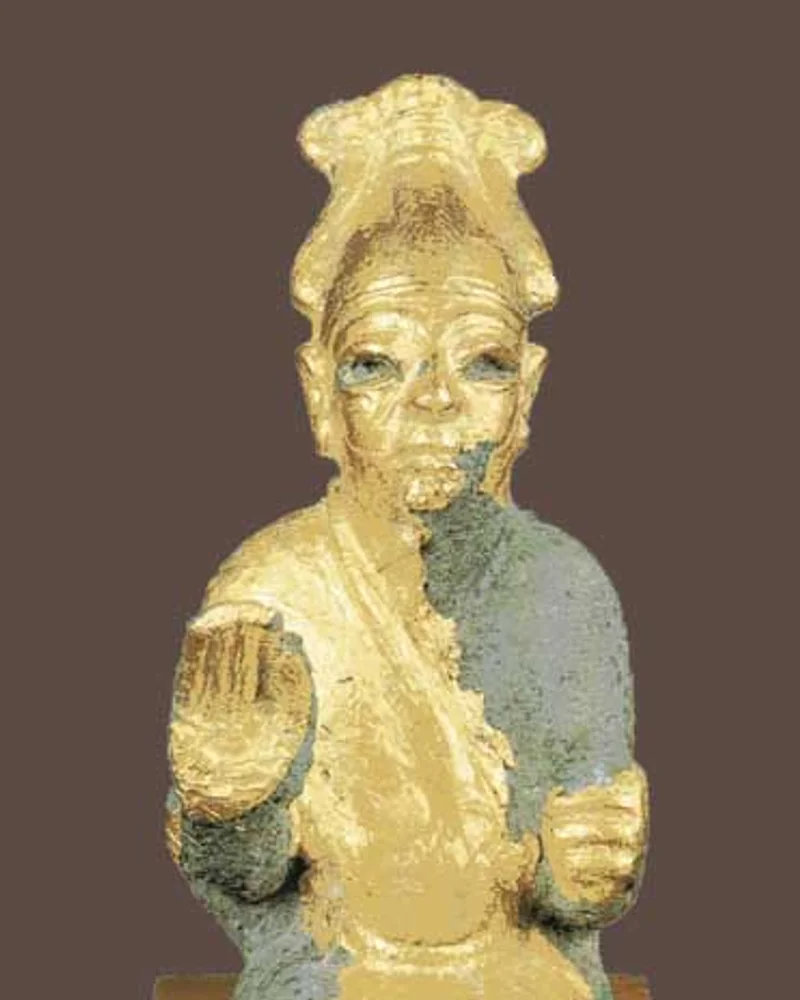
El (Ilu)
The aged king and father of the gods at Ugarit, 'Bull El', 'Father of Years', who presides over the divine assembly from his dwelling at the source of the two rivers and whose permission every younger god seeks.
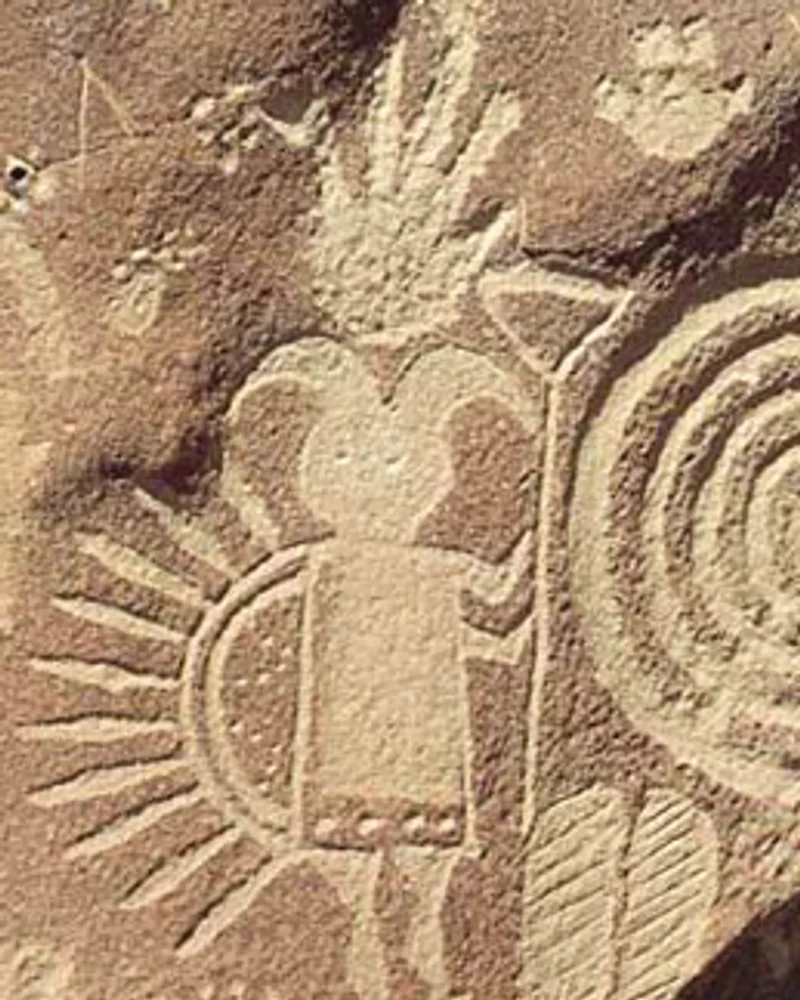
First Man (Áłtsé Hastiin)
One of the first beings of the lower worlds, who with First Woman leads the people through the emergence, helps order the world above, and in many tellings finds the infant Changing Woman.

First Woman (Áłtsé Asdzą́ą́)
First Man's partner in the lower worlds, whose quarrel with him leads to the separation of women and men and, in many tellings, to the birth of the monsters; she helps raise Changing Woman.
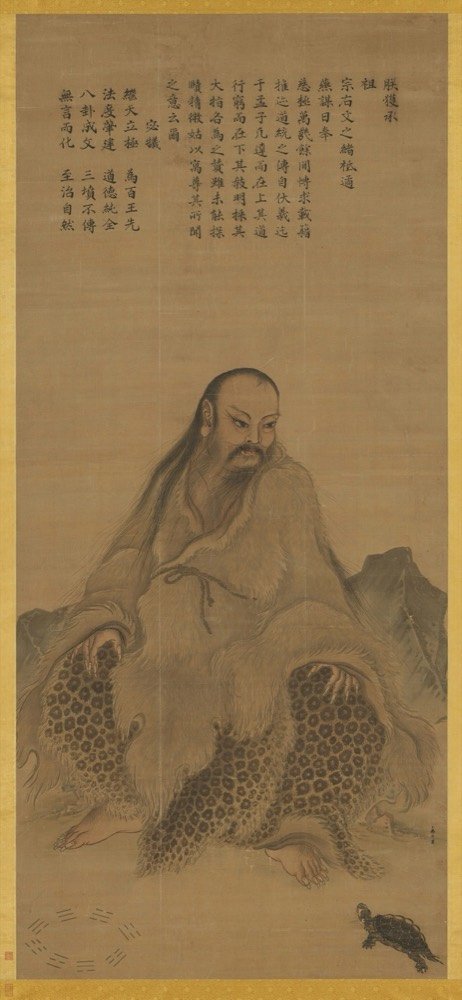
Fuxi
First of the Three Sovereigns, serpent-bodied like his consort Nüwa. He devised the eight trigrams from the patterns of sky and earth, taught net-fishing, and instituted marriage rites.
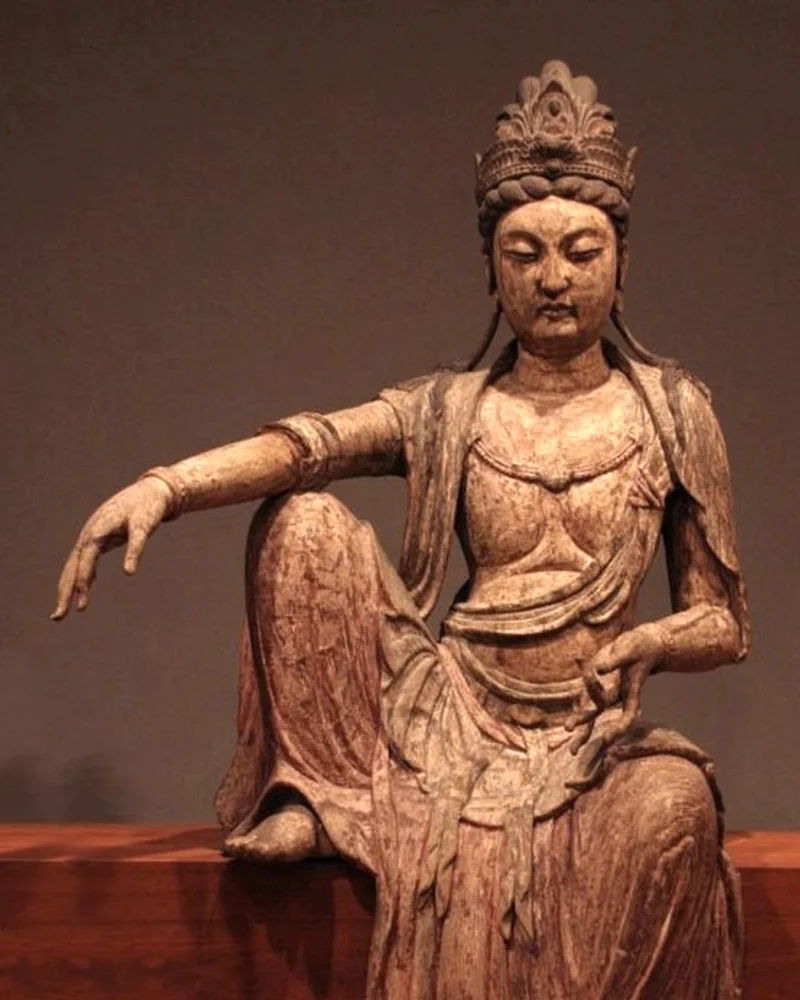
Guanyin
The Bodhisattva of Compassion who hears the cries of all beings in the world. She is one of the most beloved deities in East Asian Buddhism, embodying unconditional mercy and the motherly aspect of divine love.
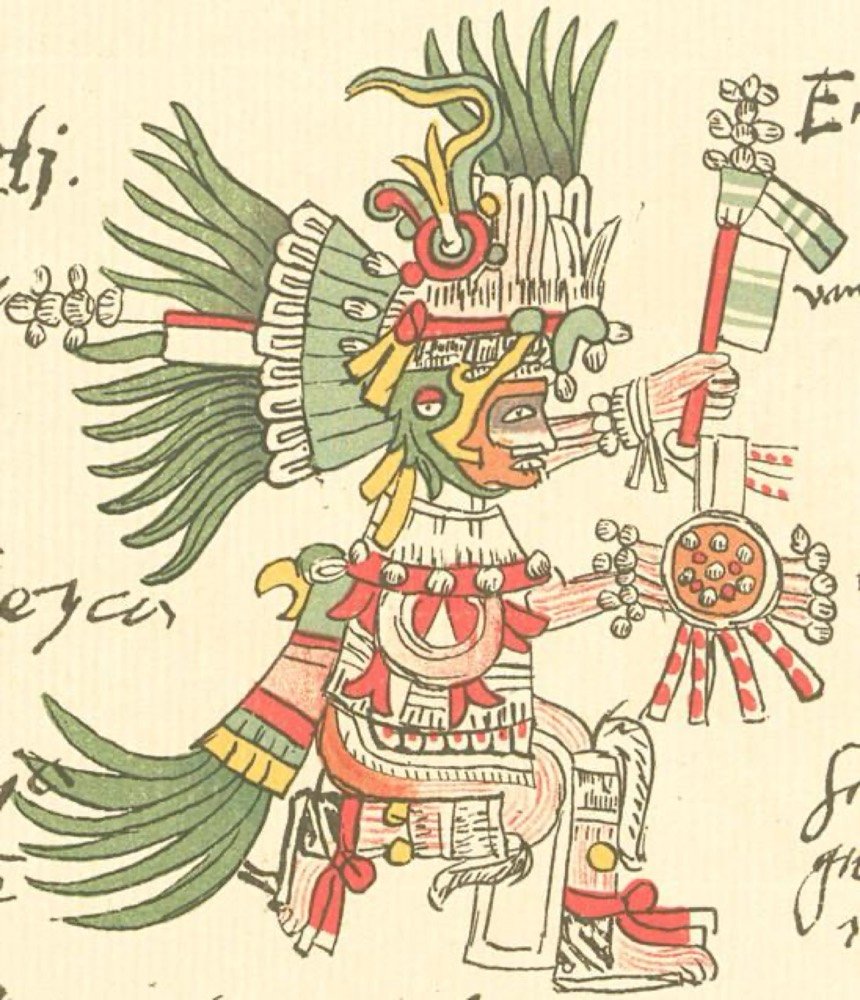
Huitzilopochtli
Tribal patron of the Mexica, god of war and the sun. Born fully armed on Serpent Hill, he slew his sister Coyolxauhqui with the fire serpent and guided his people from Aztlan to Tenochtitlan.
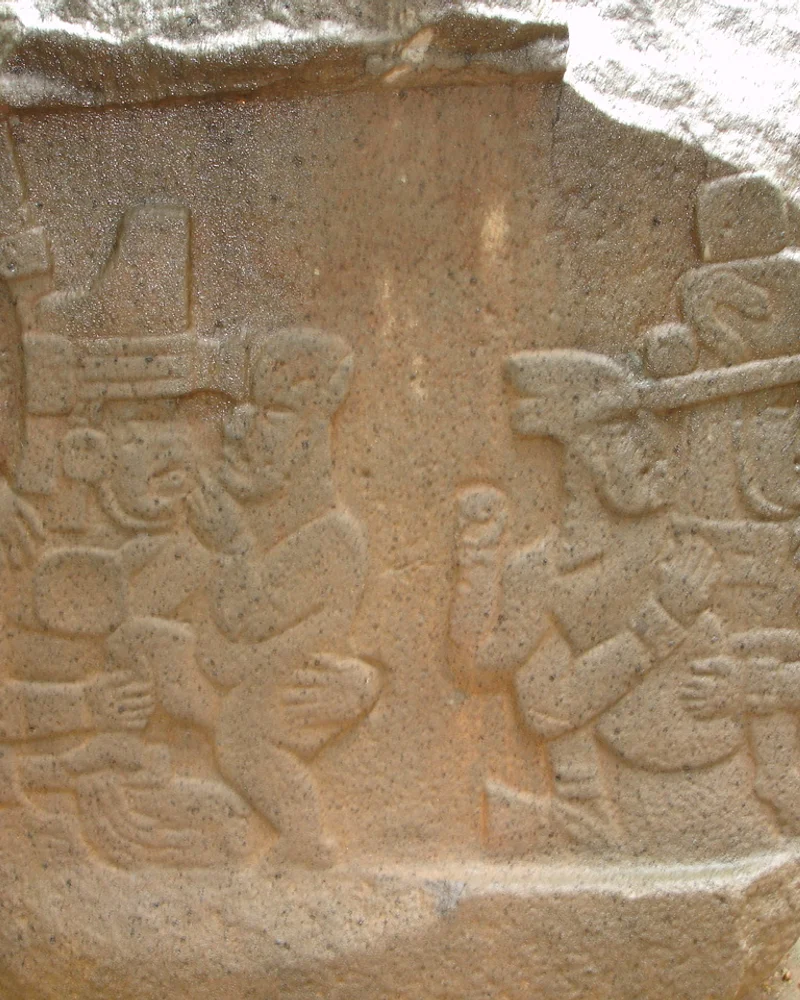
Hunahpu and Xbalanque
The Hero Twins of Maya mythology, sons of the maize god Hun Hunahpu. Through cleverness and sacrifice, they defeated the lords of death and became the sun and moon.
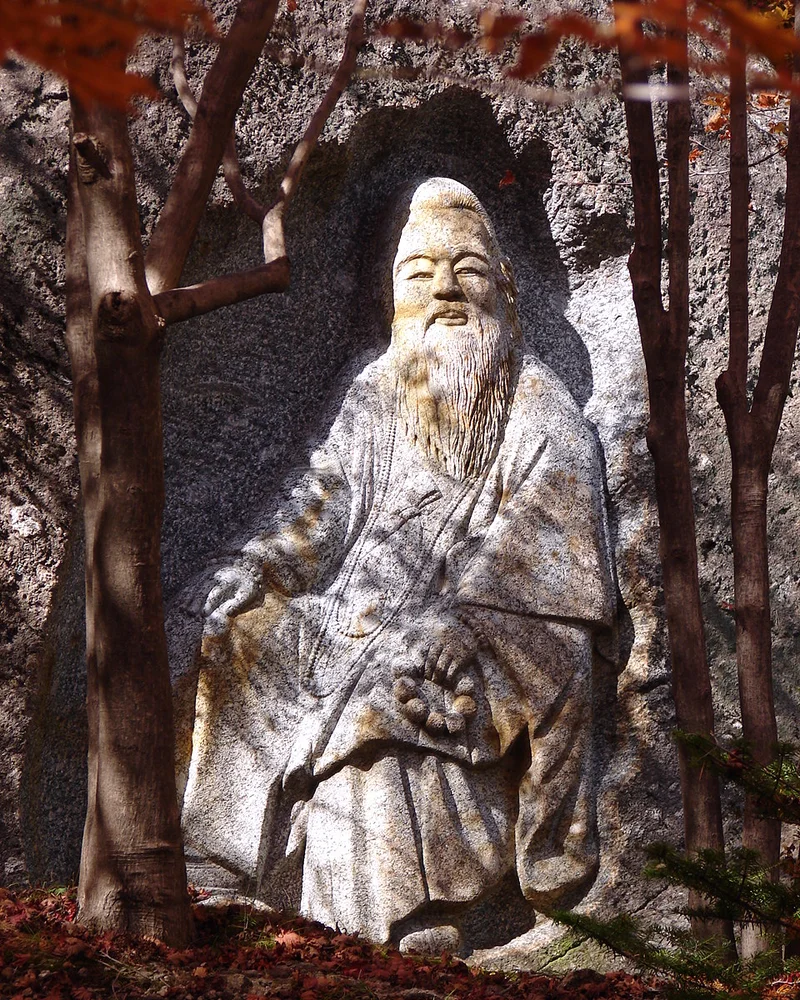
Hwanin
The Lord of Heaven in the Dangun myth, who sees that his son Hwanung longs for the human world, looks down on Mount Taebaek as a place where he could 'widely benefit humanity', and sends him down with three heavenly seals.
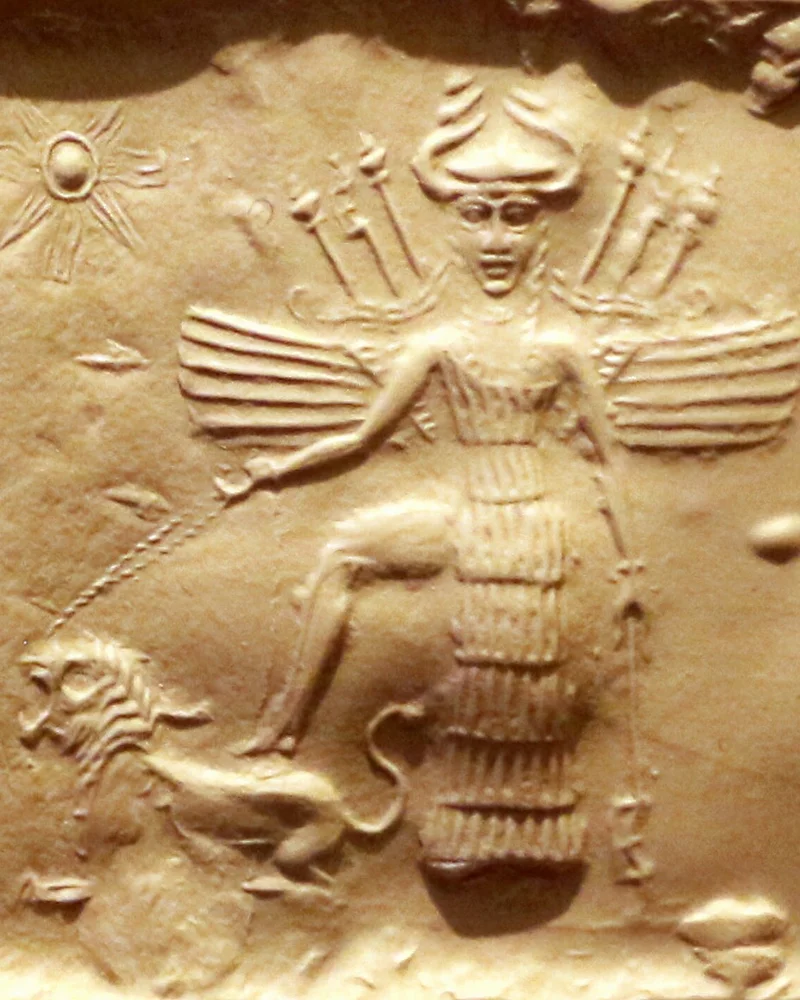
Inanna
Queen of Heaven and goddess of love and war. Inanna is the most complex and dynamic deity of the Mesopotamian pantheon, embodying both desire and destruction.
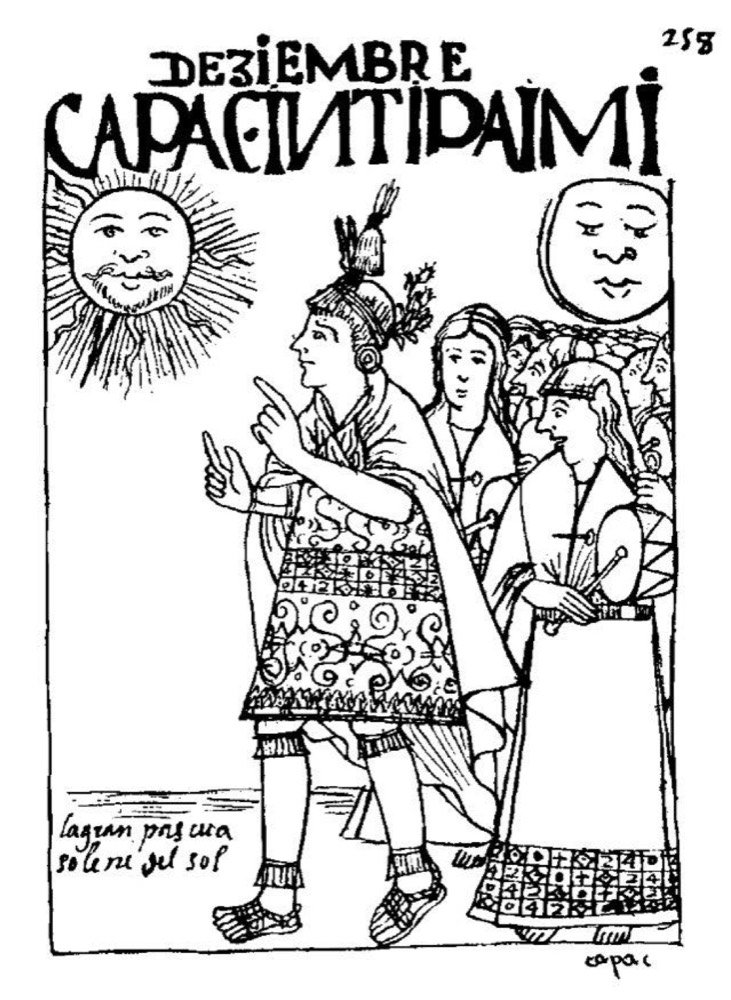
Inti
Sun god and royal ancestor of the Inca empire, pictured as a golden disk with a human face. The Sapa Inca ruled as his son; Coricancha and the June solstice feast were his.
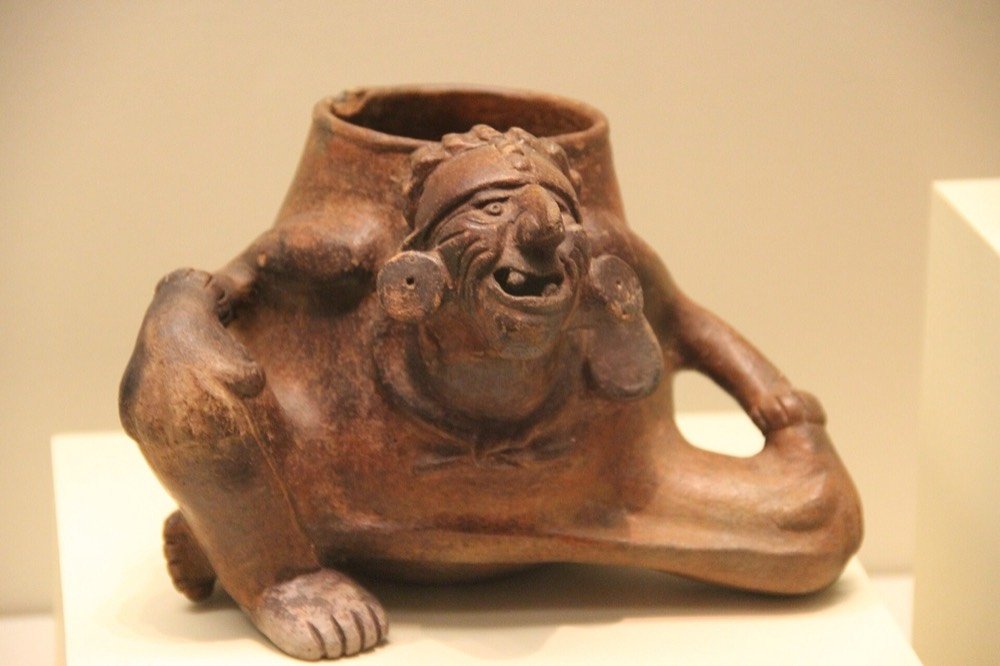
Itzamna
Supreme sky god of the Maya pantheon, "God D" of the codices: a toothless old man enthroned on a sky-band. Colonial sources credit him with inventing writing and the calendar.
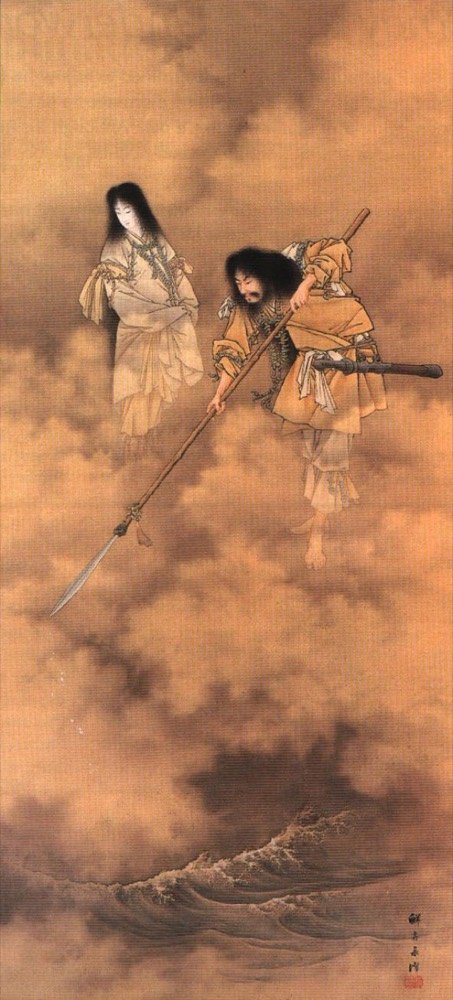
Izanagi
The male creator who stirred the sea into islands with Izanami and fathered the land and its gods; after a failed descent to the underworld, his purification produced the three noble children.
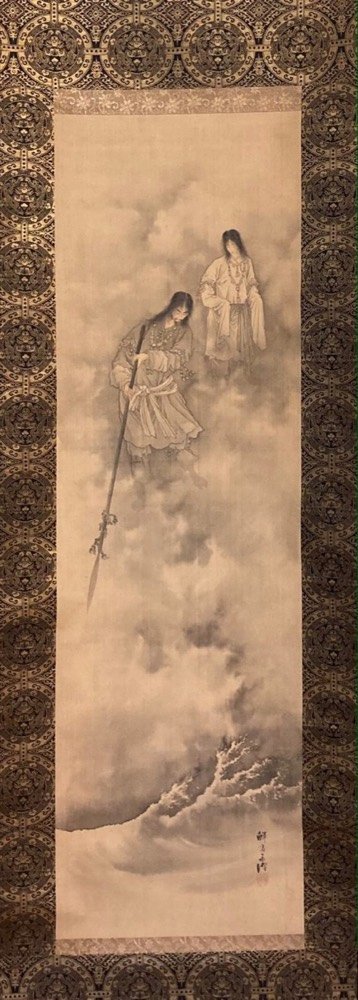
Izanami
The goddess who bore the islands of Japan with Izanagi. Burned to death delivering the fire god, she became ruler of Yomi and vowed to strangle a thousand people each day.
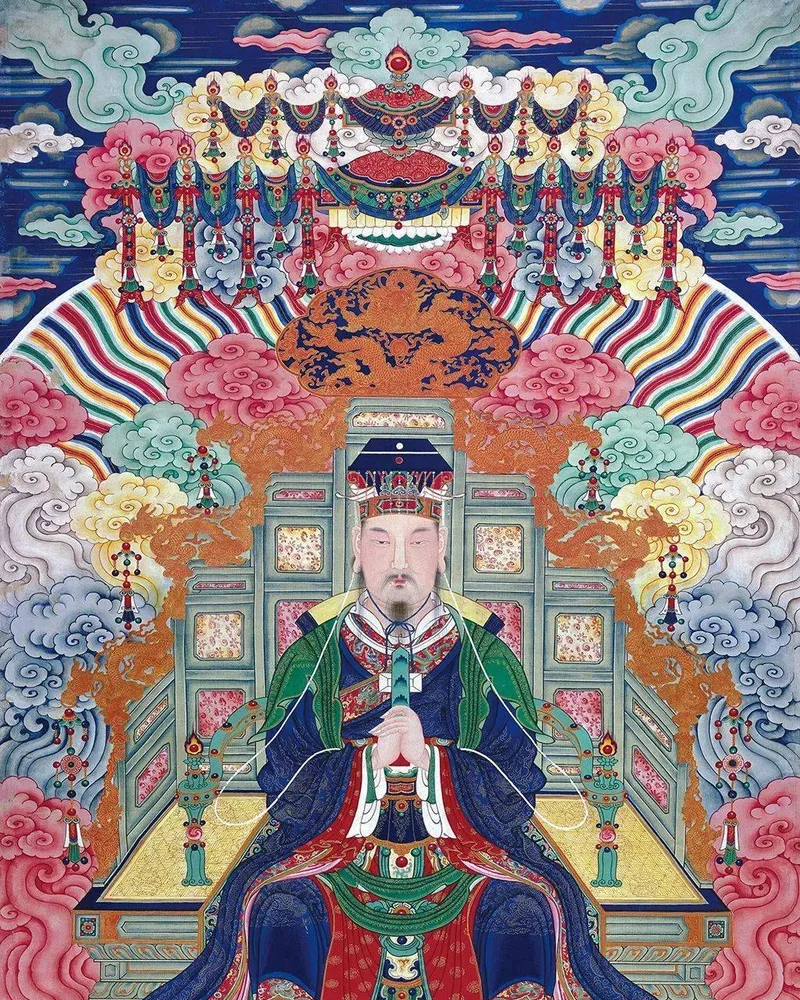
Jade Emperor
The supreme ruler of Heaven and lord of all gods. He governs the cosmos through a vast celestial bureaucracy, determining the fate of mortals and immortals alike.
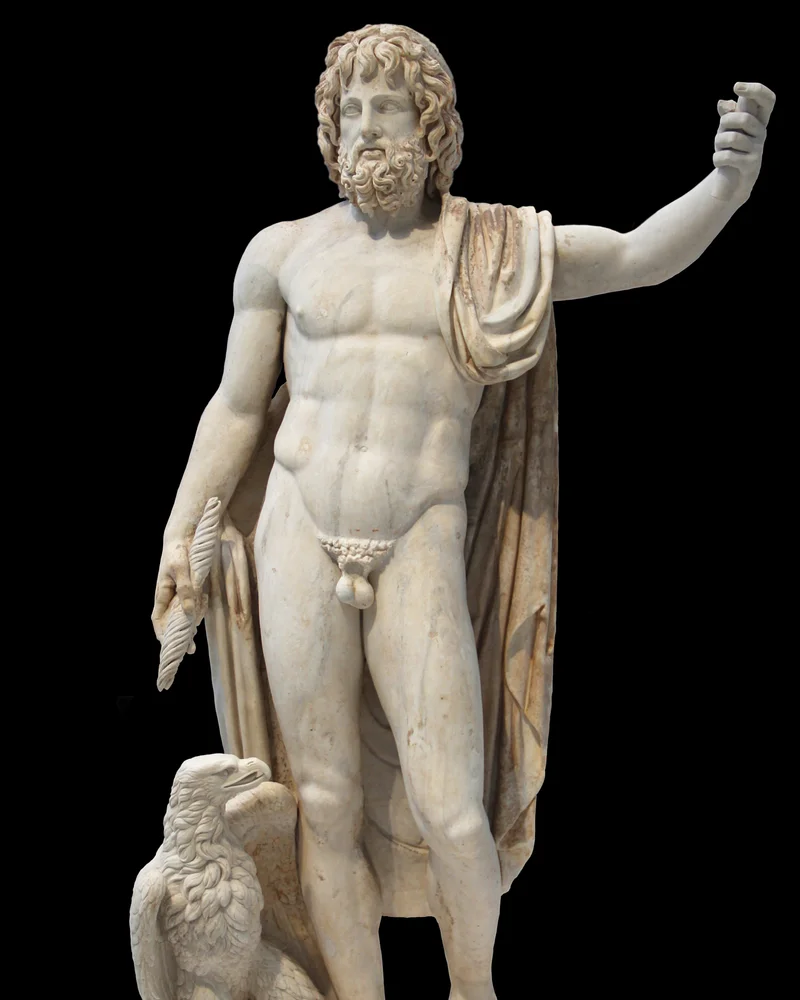
Jupiter
King of the gods and god of sky, lightning, and thunder. Supreme deity of the Roman state religion, protector of Rome and source of divine authority for Roman emperors.
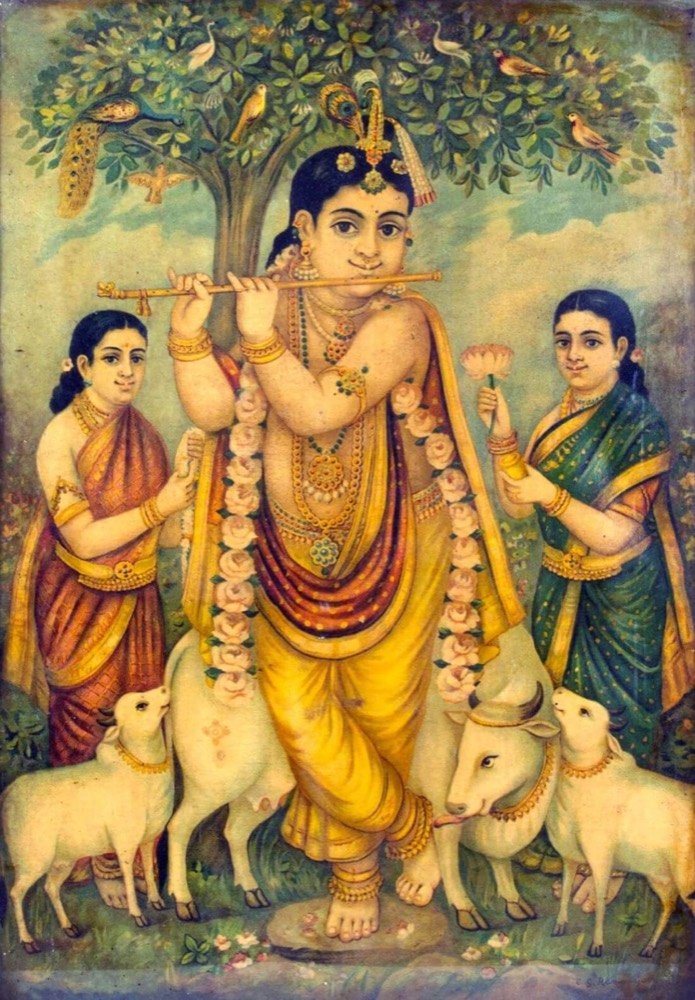
Krishna
Vishnu's eighth avatar: the blue cowherd with a flute who lifted Mount Govardhana on one finger, slew the tyrant Kamsa, and as Arjuna's charioteer spoke the Bhagavad Gita on the battlefield.
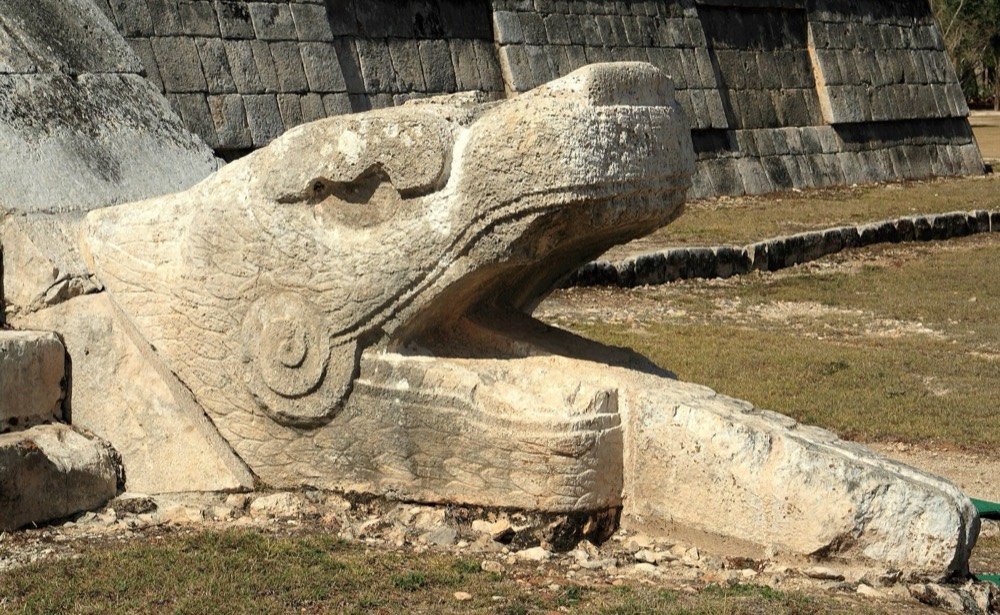
Kukulkan
The feathered serpent of Yucatec Maya religion, counterpart of Quetzalcoatl. At each equinox a serpent of light and shadow descends the stairway of his pyramid at Chichén Itzá.
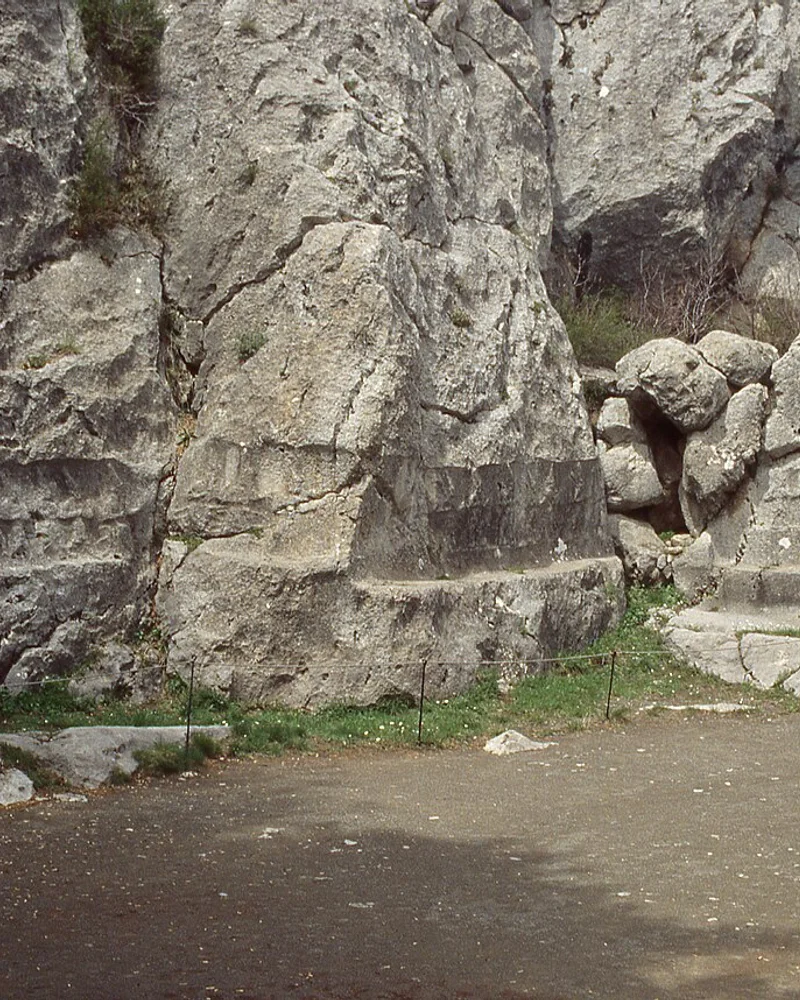
Kumarbi
Hurrian father of the gods who seizes kingship in heaven by biting off the sky-god Anu's loins, unwittingly conceives the storm-god Teššub, and spends the rest of the Kumarbi cycle fathering monsters to overthrow him.
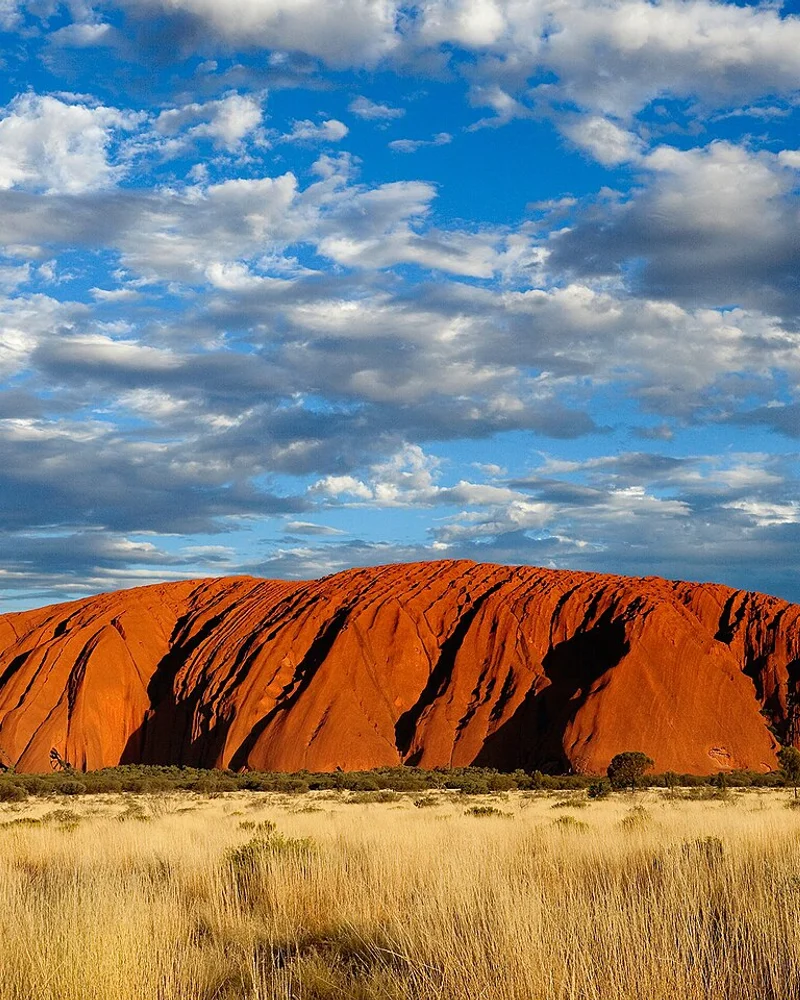
Kuniya
The woma python woman of Aṉangu Tjukurpa who came to Uluṟu and, when her nephew was killed by Liru warriors, confronted and struck down a Liru warrior at Muṯitjulu Waterhole; the marks of the fight remain in the rock.
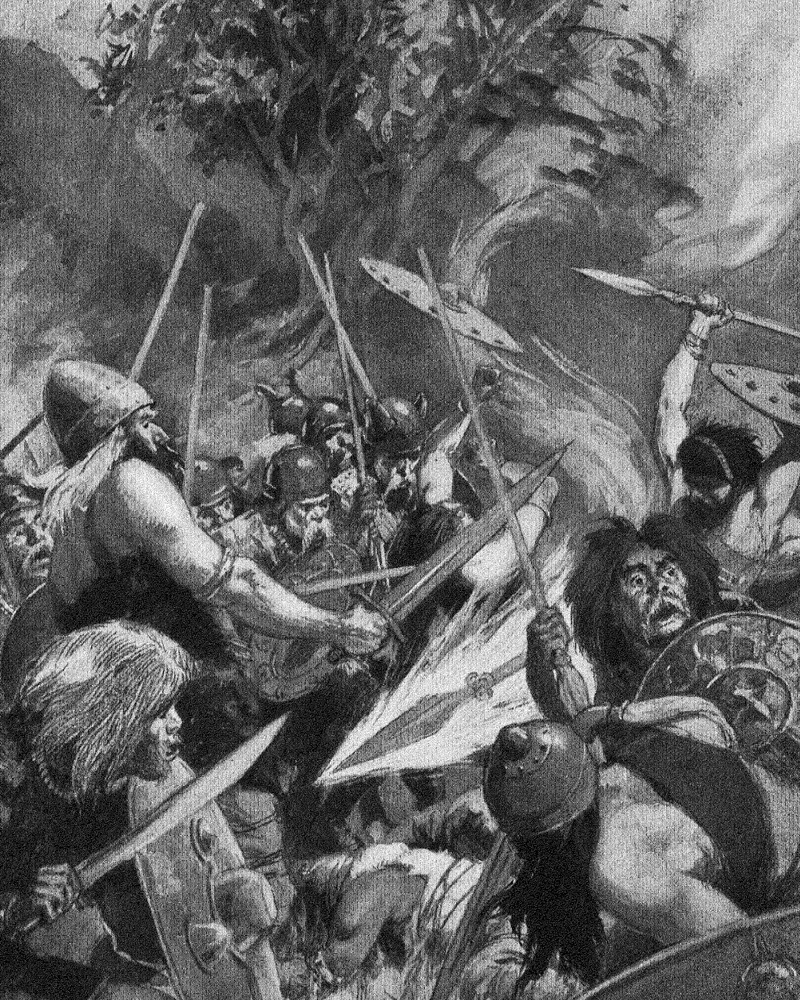
Lugh
The master of all skills and arts. A youthful warrior king who led the Tuatha Dé Danann to victory against the Fomorians.

Malina (the Sun Woman)
The sister who became the sun: when she discovered that the visitor in the dark was her brother, she fled with a burning torch into the sky, and he has pursued her ever since as the moon.
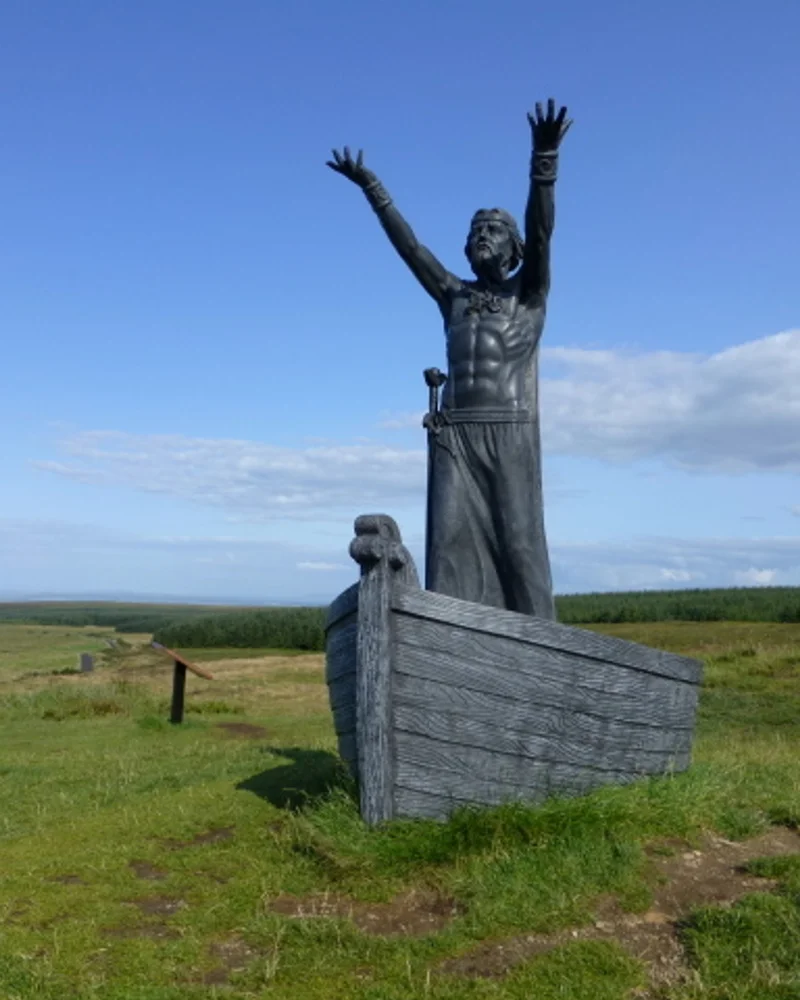
Manannán mac Lir
Lord of the sea and guardian of Tír na nÓg, the Land of Youth. He rides the waves in his chariot and cloaks the Otherworld in mist.
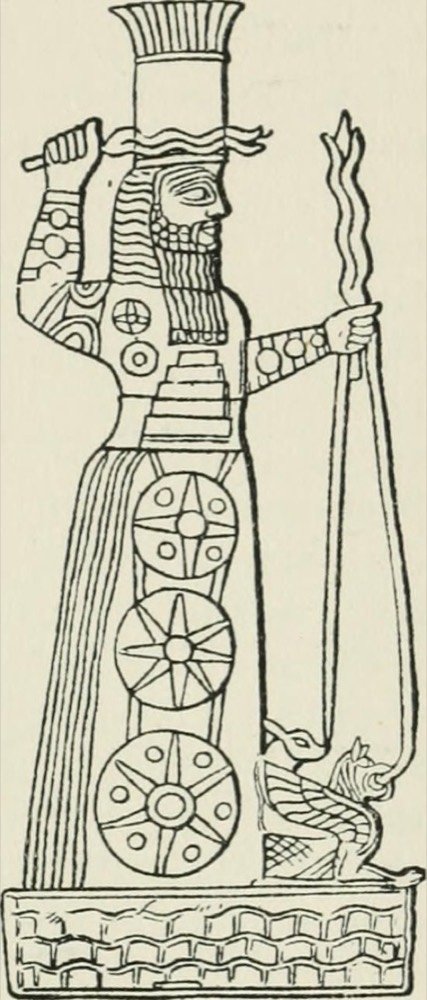
Marduk
Patron god of Babylon who, in Enuma Elish, slew Tiamat, split her body into heaven and earth, and took kingship of the gods; his ziggurat Etemenanki likely inspired the Tower of Babel.
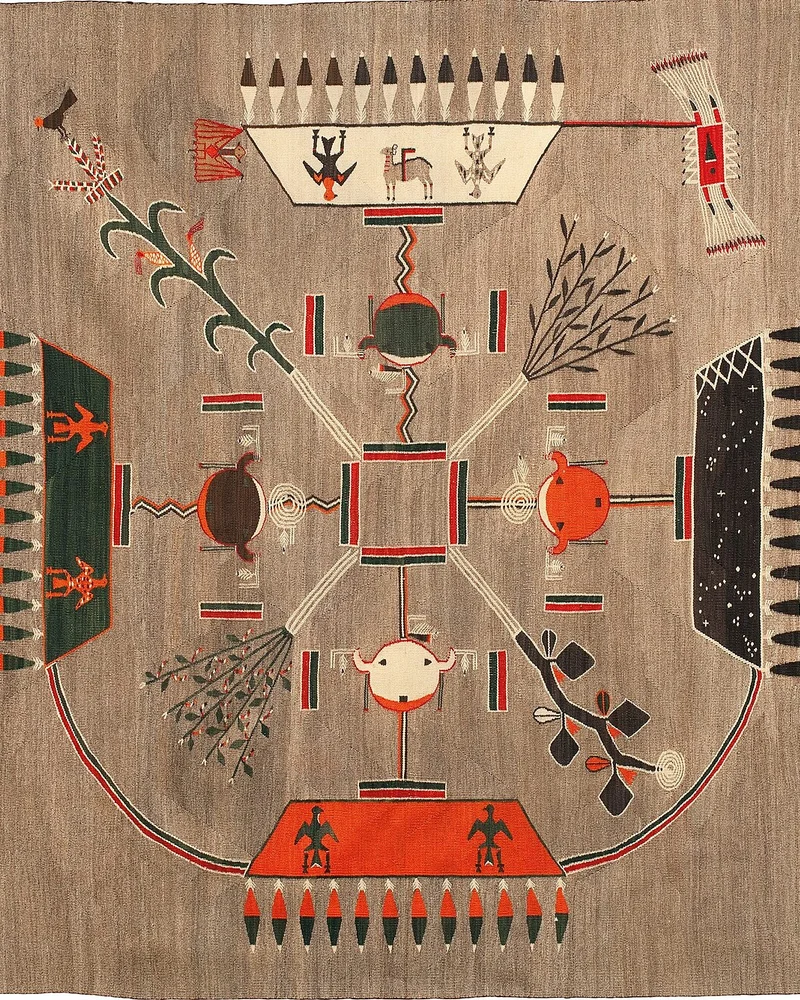
Monster Slayer (Naayééʼ Neizghání)
The elder of the Hero Twins, son of Changing Woman and the Sun, who with his brother journeys to their father's house and returns with lightning weapons to destroy the monsters that preyed on the Earth Surface People.

Nuada Airgetlám
The first king of the Tuatha Dé Danann, who lost his arm in battle and his throne with it—until Dian Cécht forged him a working hand of silver.
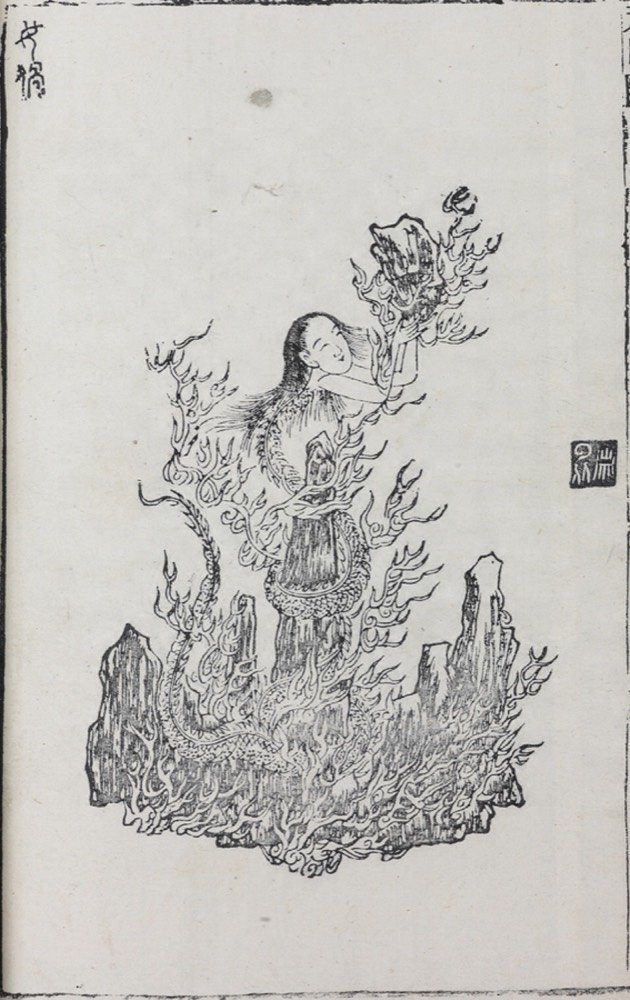
Nüwa
Serpent-bodied creator goddess who molded the first humans from yellow clay, smelted five-colored stones to mend the broken sky, and is paired with Fuxi as ancestor of humankind.
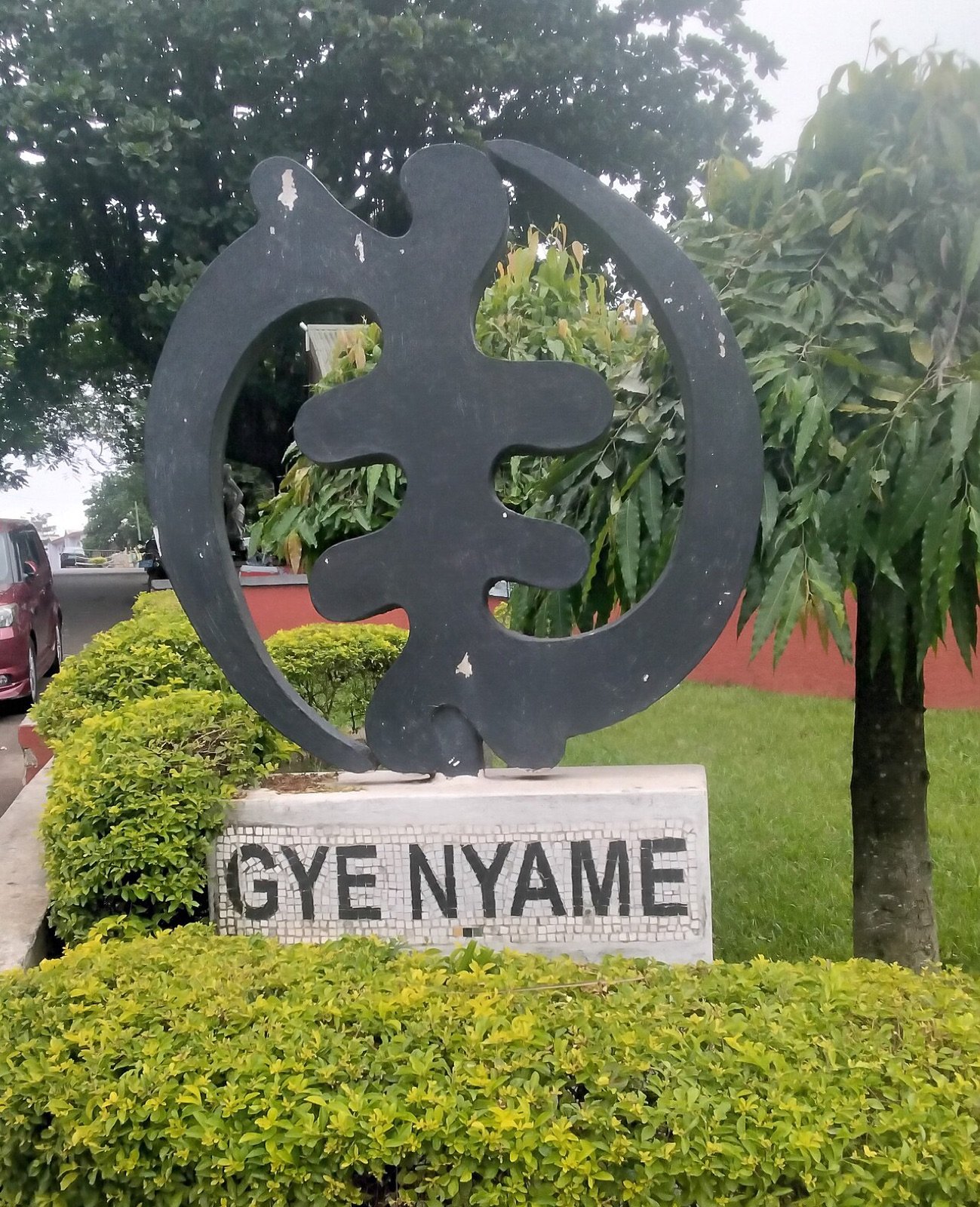
Nyame
The Akan sky and Supreme Being, remote but not absent, source of rain, destiny, and stories.
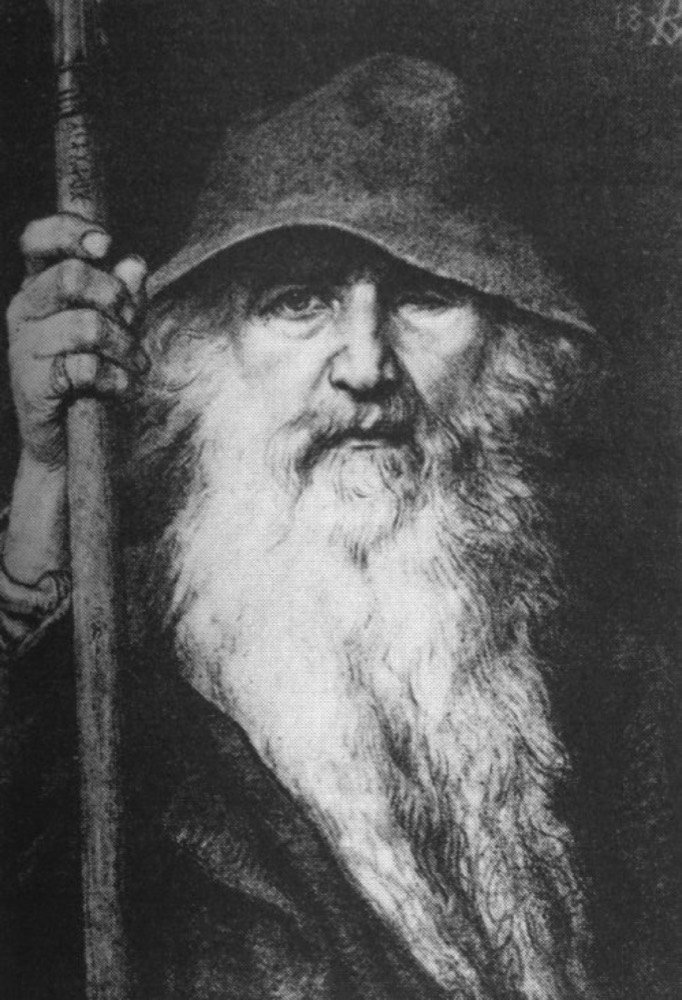
Odin
One-eyed chief of the Aesir who pledged an eye at Mimir's well and hung nine nights on the world tree to win the runes.
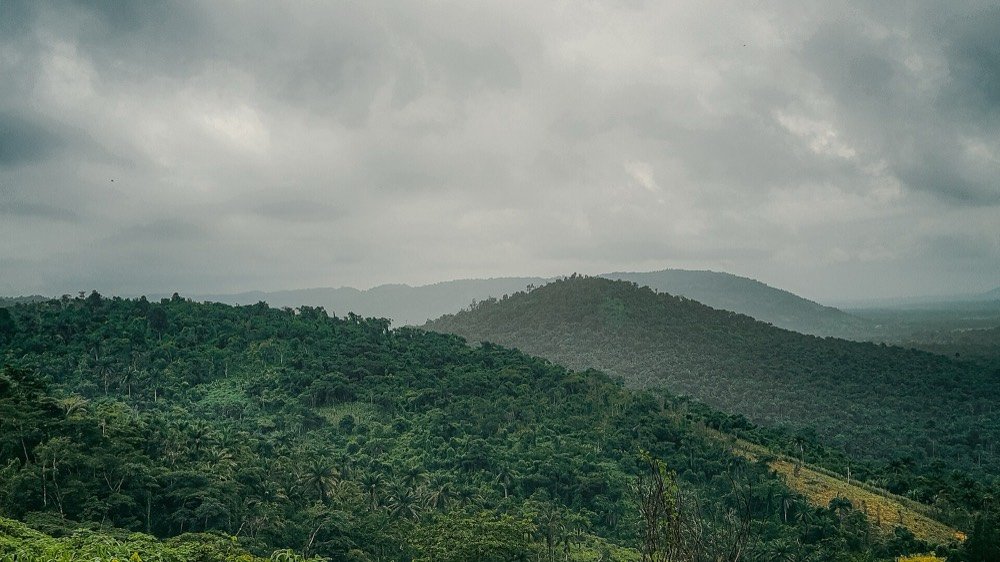
Olodumare
Supreme god of the Yoruba pantheon, also called Olorun, 'Owner of the Sky'. Source of ase, the power behind all effective action, he has no shrines or images and rules through the orishas.
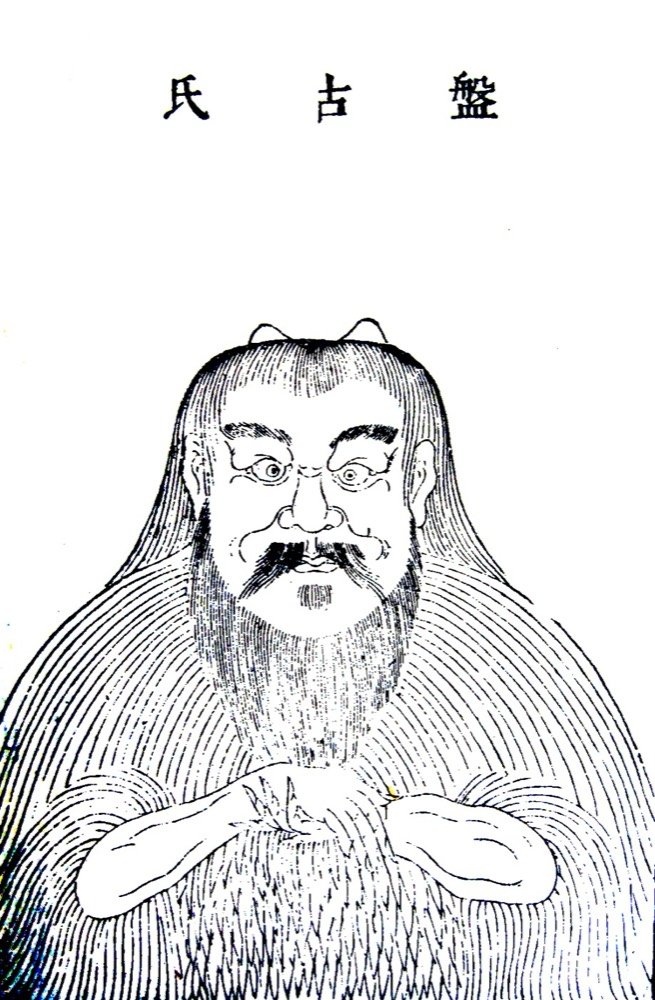
Pangu
The primordial giant of Chinese creation myth, born inside a cosmic egg. He held sky and earth apart for eighteen thousand years, and his dying body became the sun, moon, mountains, and rivers.
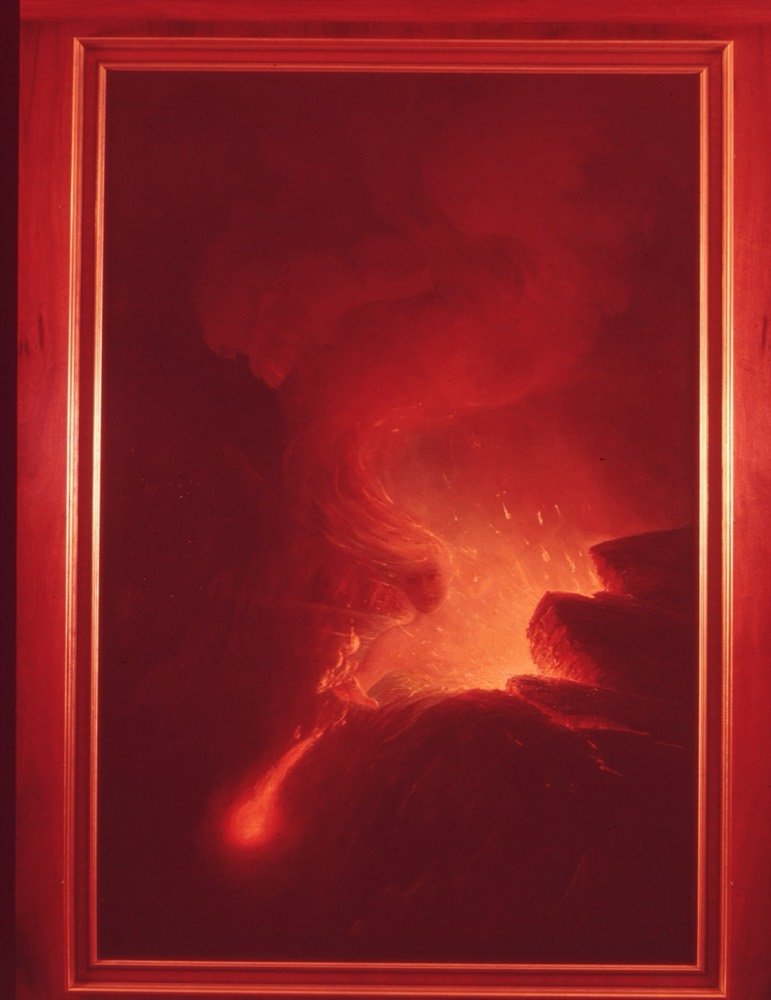
Pele
The Hawaiian volcano goddess who dwells in Halemaumau crater on Kilauea. Chased down the island chain by her sea-goddess sister, she dug fire pits at each island until settling there. Offerings continue today.
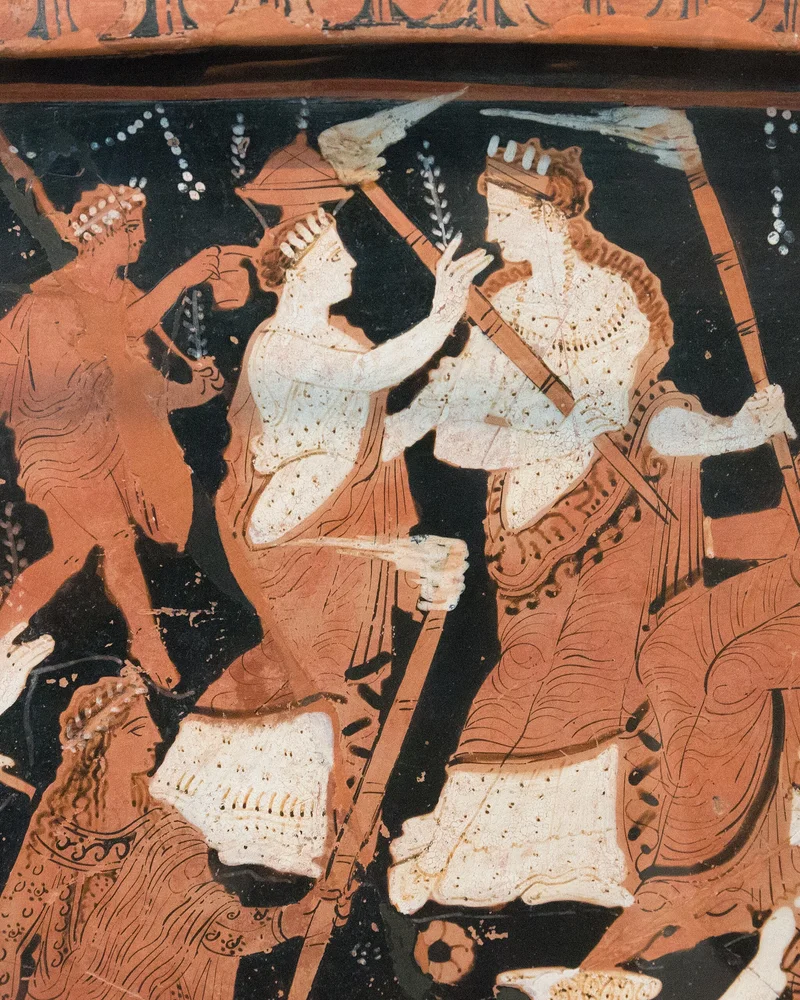
Persephone
Queen of the Underworld and goddess of spring growth. Daughter of Zeus and Demeter, wife of Hades. Her annual return from the underworld brings spring; her descent brings winter.
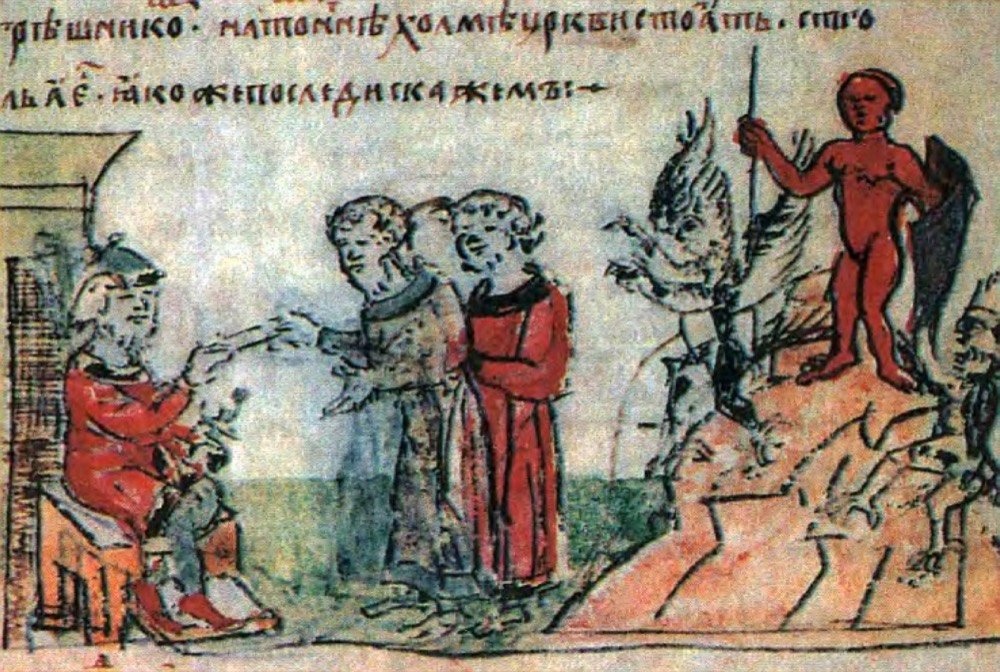
Perun
Chief god of Kievan Rus, lord of thunder, war and oaths; Prince Vladimir raised his silver-headed idol in 980 and drowned it in the Dnieper after baptism.
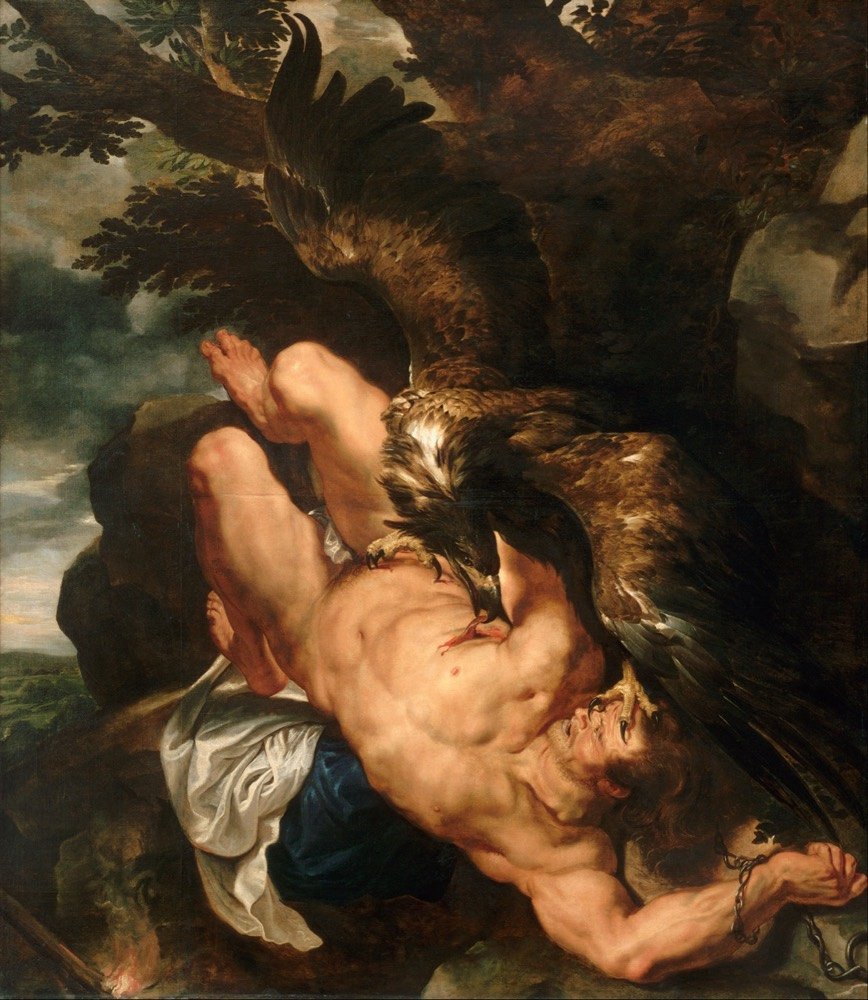
Prometheus
Son of the Titan Iapetus, his name meaning forethought. For stealing fire for mankind he was nailed to a Caucasian crag, an eagle feeding daily on his liver, until Heracles freed him.
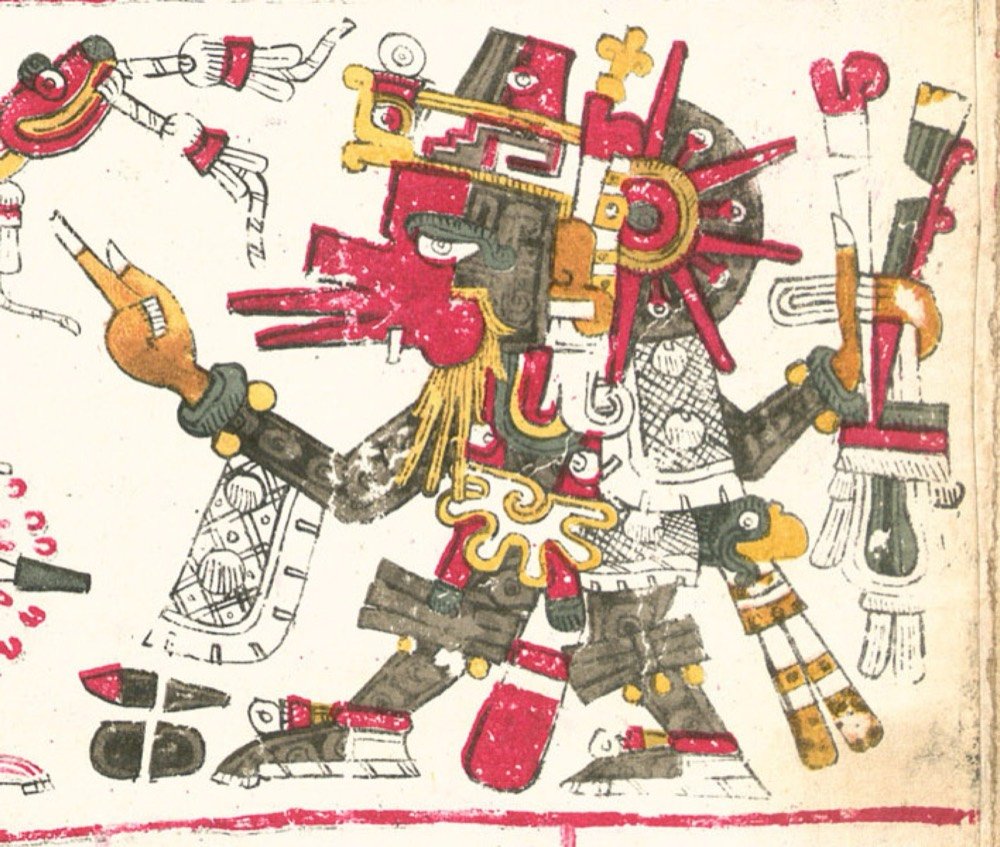
Quetzalcoatl
The Feathered Serpent, god of wind and knowledge. He retrieved the bones of past humanity from the underworld and bled on them to create the people of the Fifth Sun.
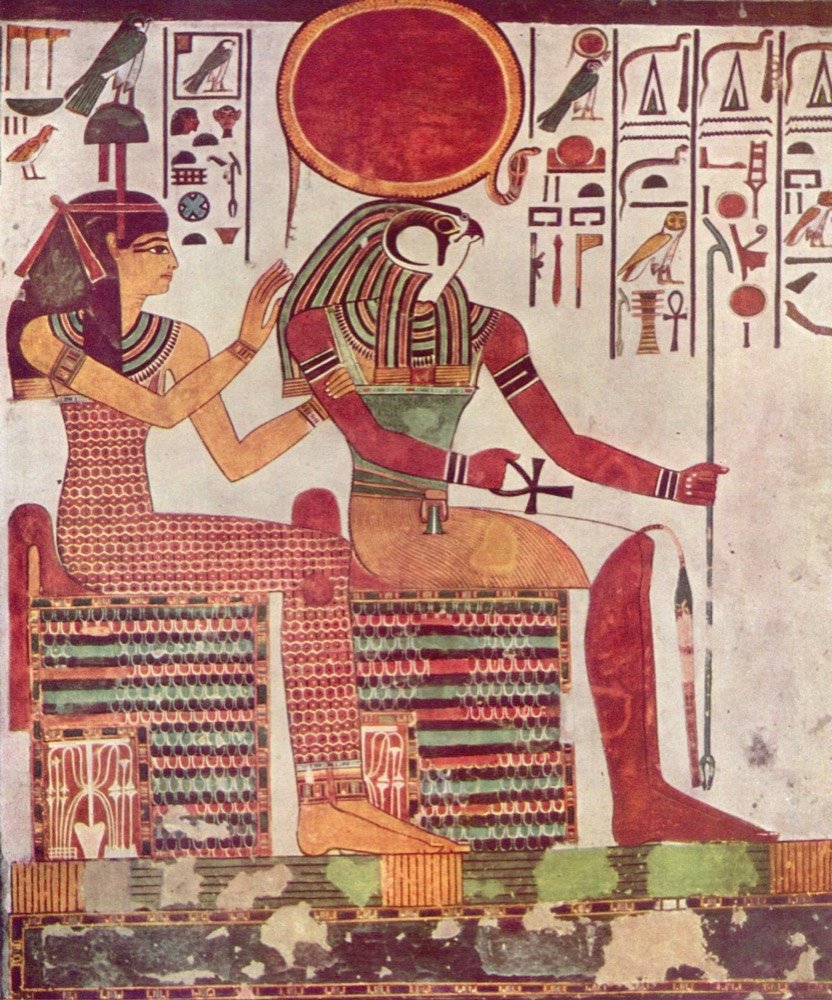
Ra
The Egyptian sun god and creator, falcon-headed and crowned with the solar disk, who sails the sky by day and battles the chaos serpent Apep in the netherworld each night.
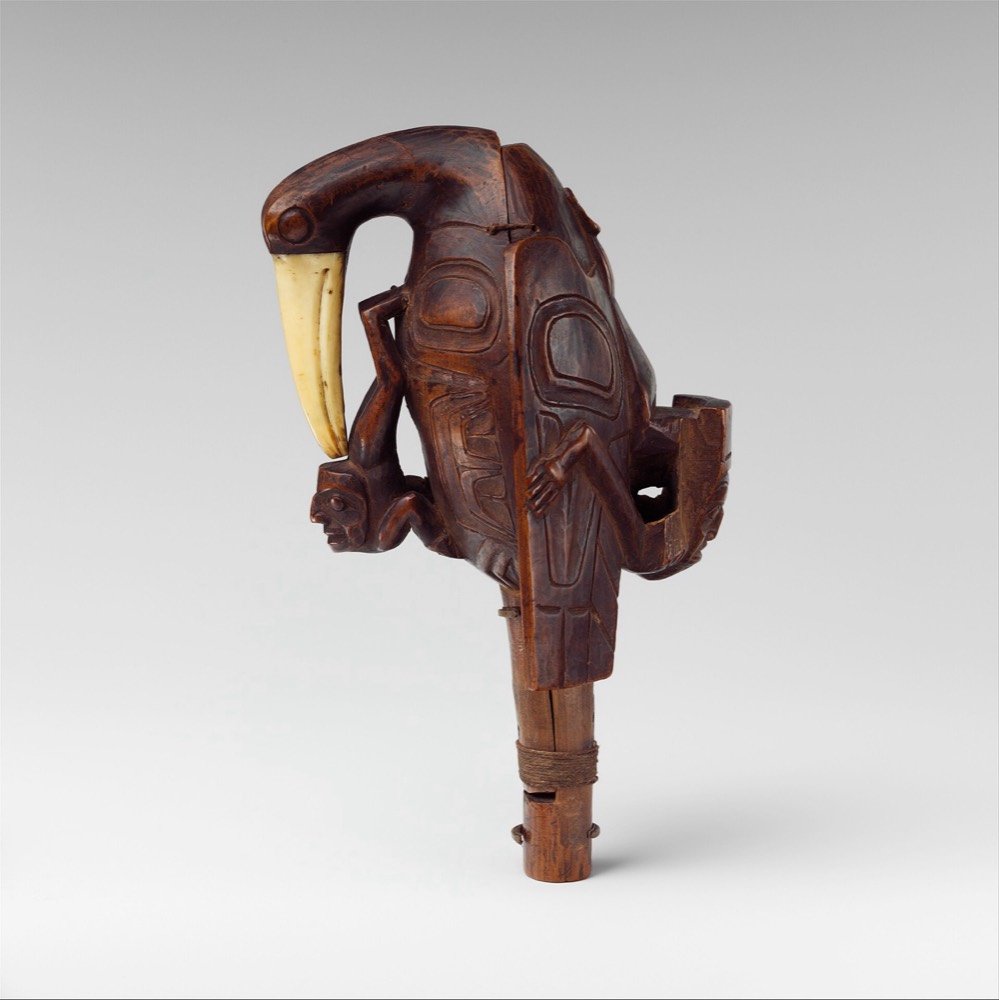
Raven
Trickster and transformer of the Haida, Tlingit, and other Northwest Coast peoples: he stole the sun, moon, and stars for the sky, and coaxed the first humans out of a clamshell.
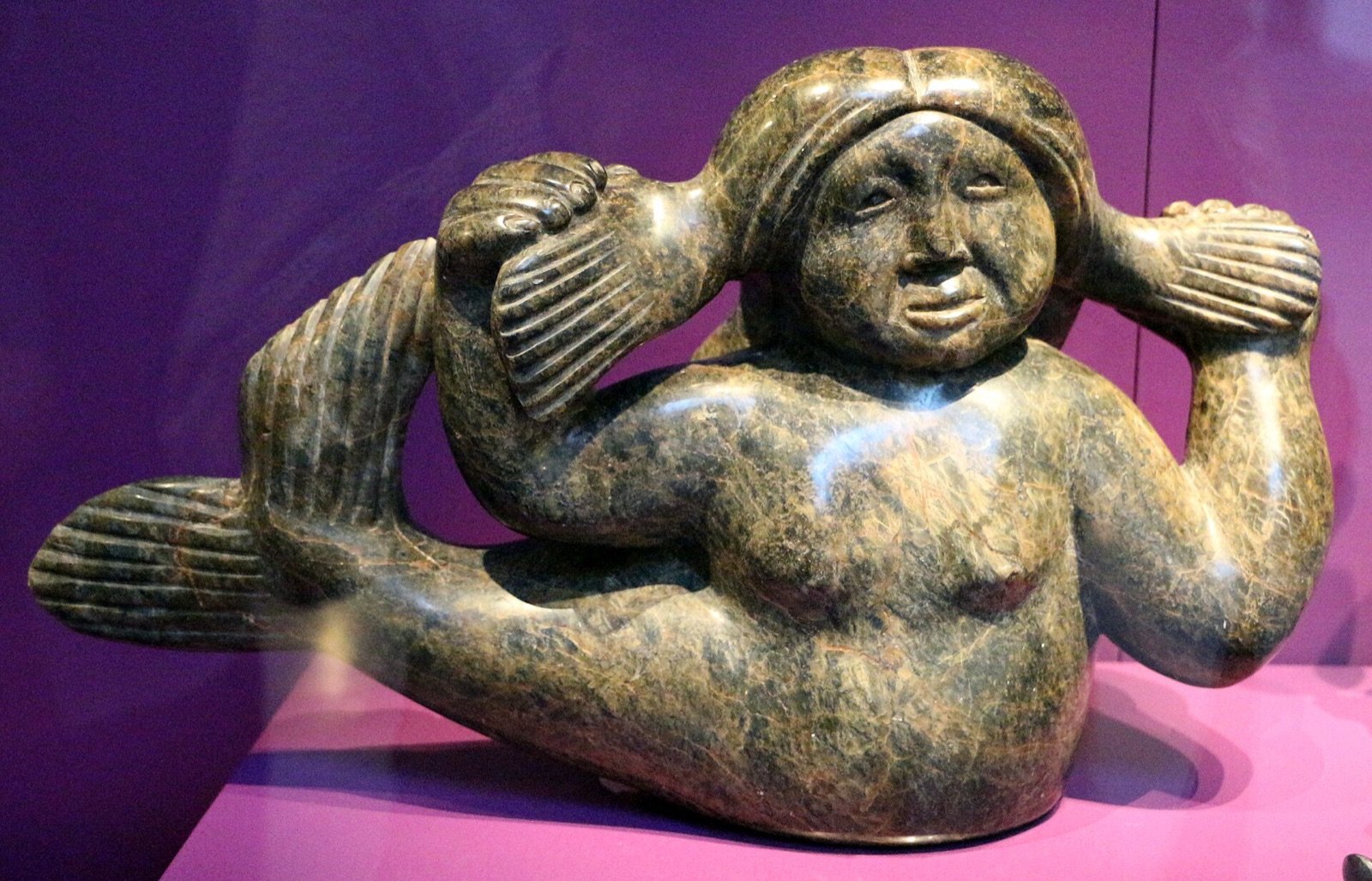
Sedna
The Sea Woman below the ocean, whose tangled hair can close an entire season of hunting.
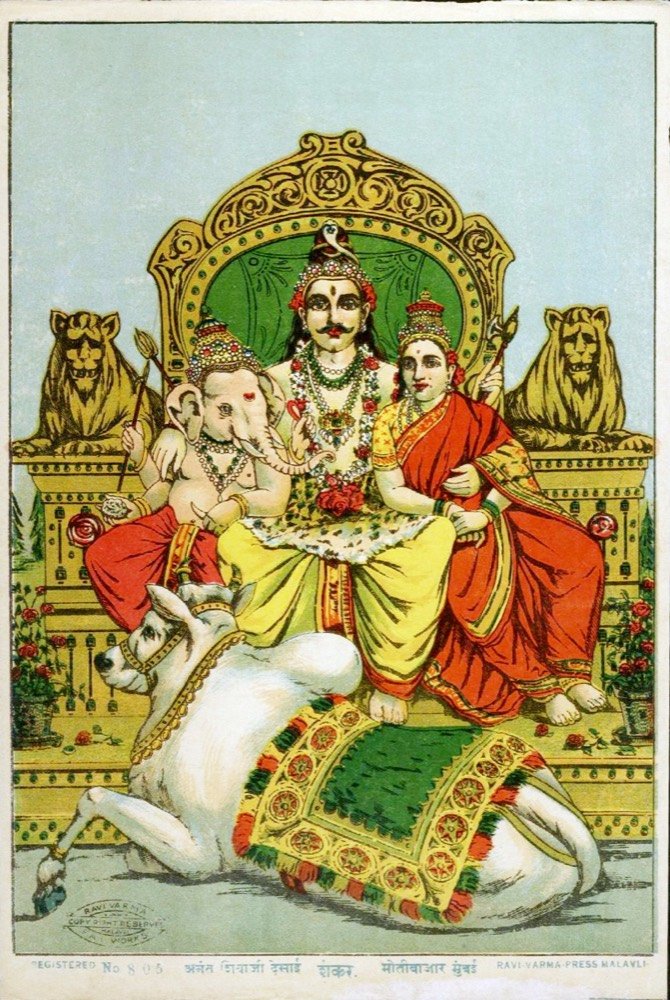
Shiva
The three-eyed god of destruction and renewal, blue-throated and moon-crowned, the Ganges falling through his matted hair. From Mount Kailash he dances the universe to its end and rebirth.
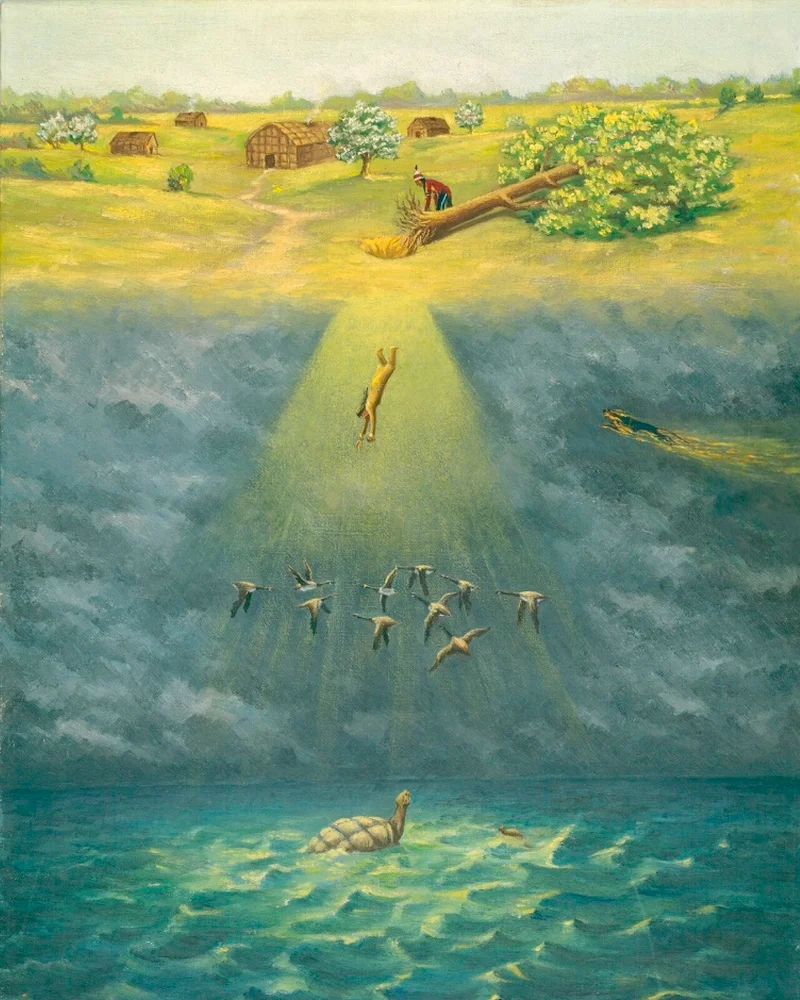
Sky Woman
The woman who falls from the Sky World through a hole torn open when a great tree is uprooted, and is caught and set on the back of the Great Turtle, whose back becomes Turtle Island.
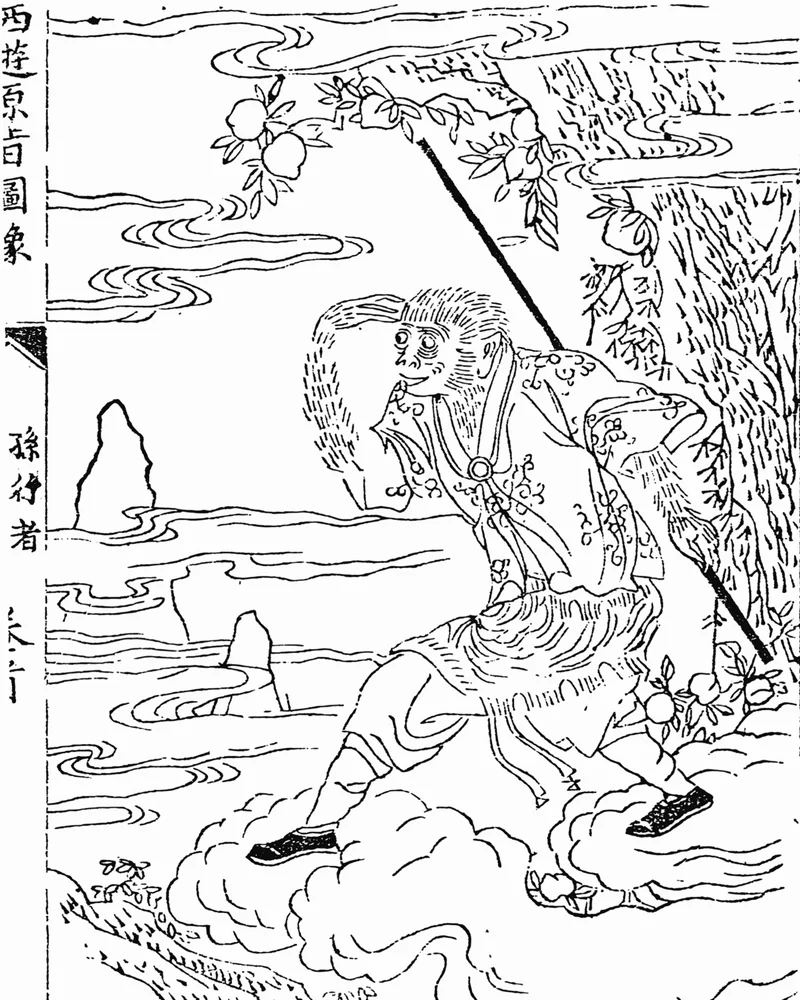
Sun Wukong
A monkey born from a magical stone who acquired supernatural powers through Taoist cultivation. After wreaking havoc in Heaven, he was imprisoned for 500 years before redeeming himself as the protector of the monk Tang Sanzang on the journey to retrieve Buddhist scriptures.
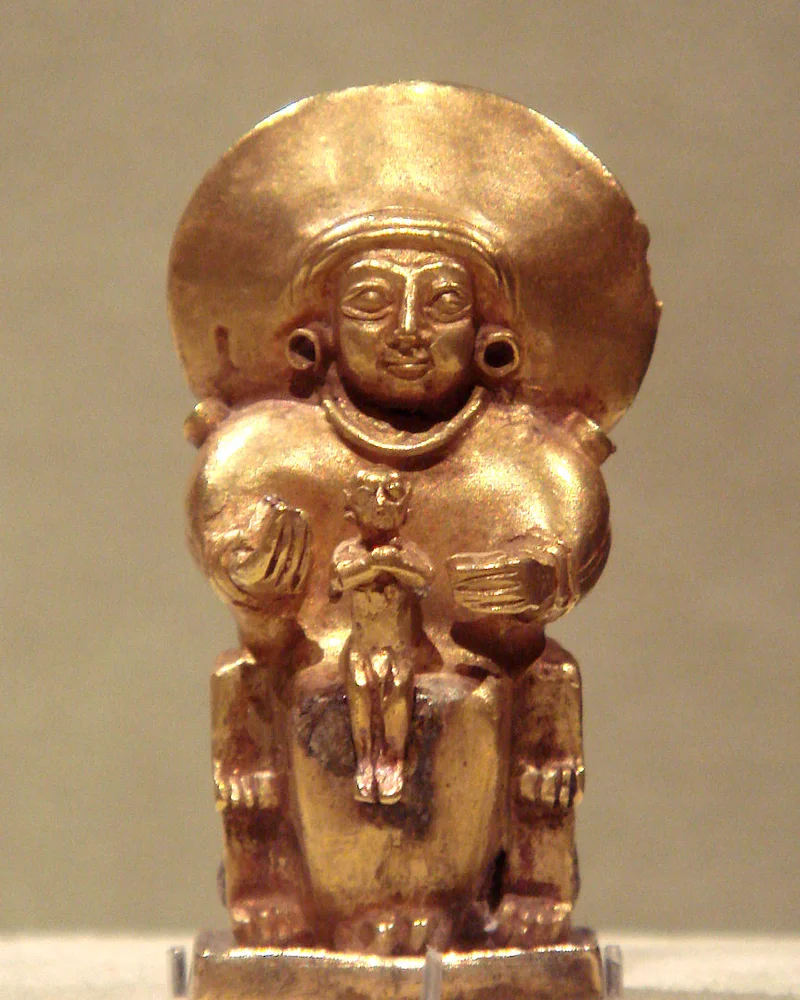
Sun-goddess of Arinna
The Hattian sun-goddess of the holy city of Arinna, queen of the land of Hatti and, with the Storm-god, the highest deity of the Hittite state cult; Queen Puduhepa's prayer equates her with the Hurrian goddess Hebat.
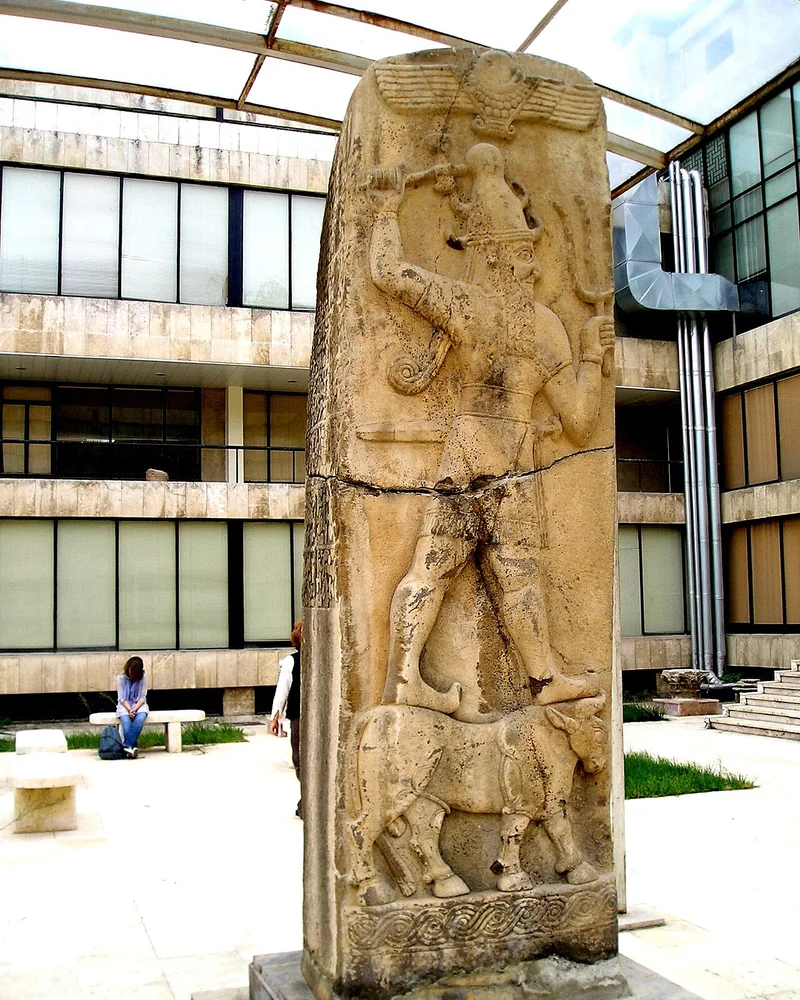
Tarhunna (the Storm-god of Hatti)
The chief god of the Hittite state: a storm-god of rain and thunder who gives the land its fertility, fights the serpent Illuyanka, and, under his Hurrian name Teššub, wins kingship in heaven in the Kumarbi cycle.
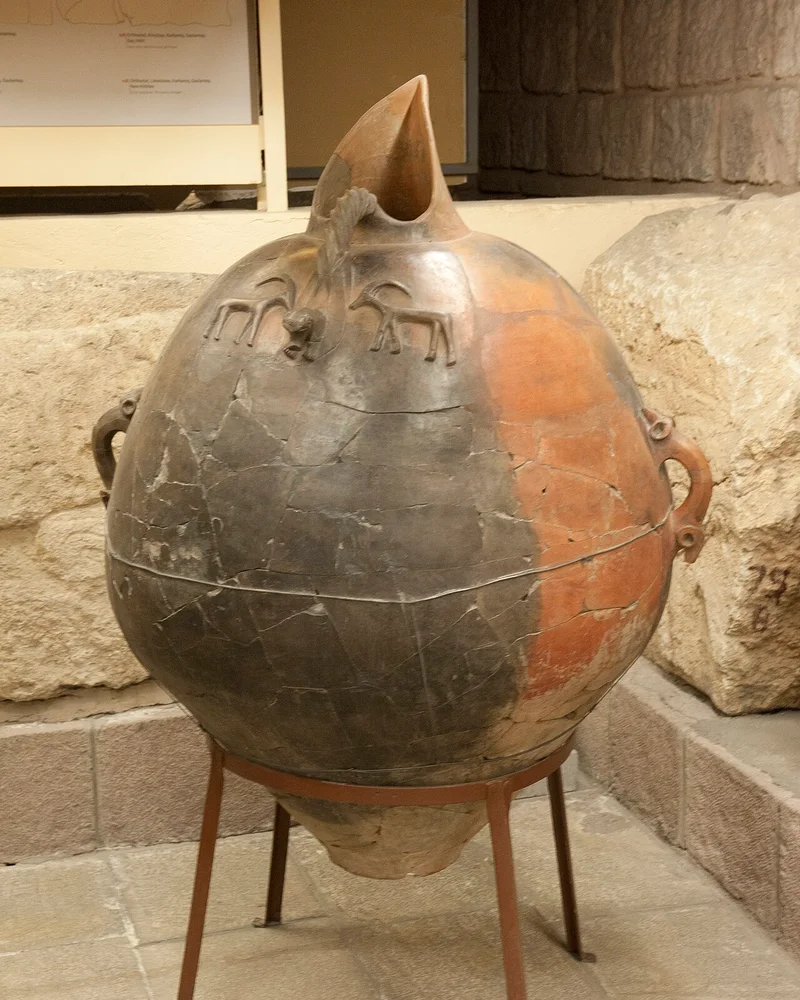
Telipinu
A Hattian god of farming and growth, son of the Storm-god, whose angry departure makes the whole land barren until a bee finds him asleep and a ritual soothes his rage.
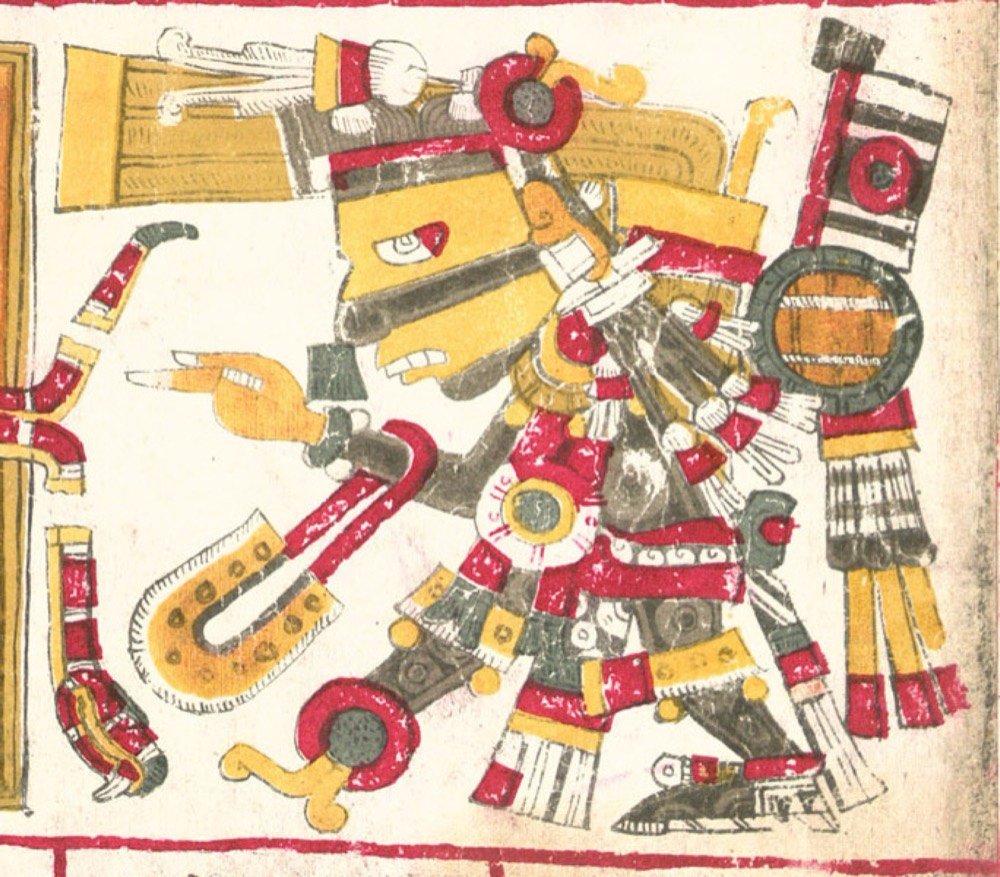
Tezcatlipoca
The Smoking Mirror, god of the night sky, sorcery, and fate. He sees all hearts in his obsidian mirror; his right foot, lost baiting the earth monster, is replaced by a mirror.
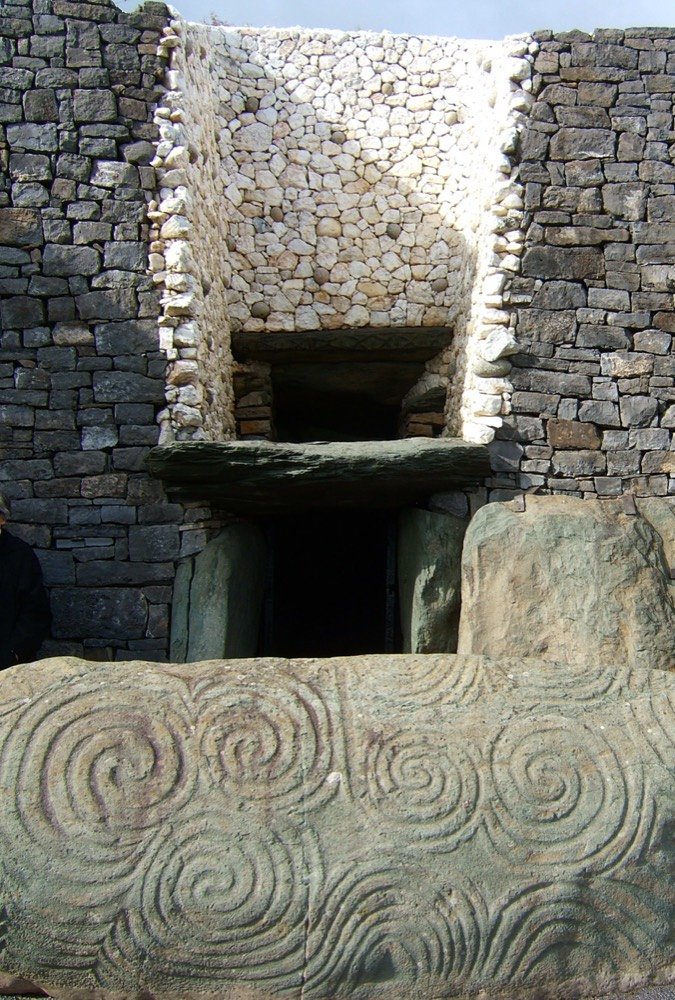
The Dagda
A chief of the Tuatha De Danann whose name means 'the good god', good at everything: he wields a club that kills and revives, an inexhaustible cauldron, and a season-ordering harp.
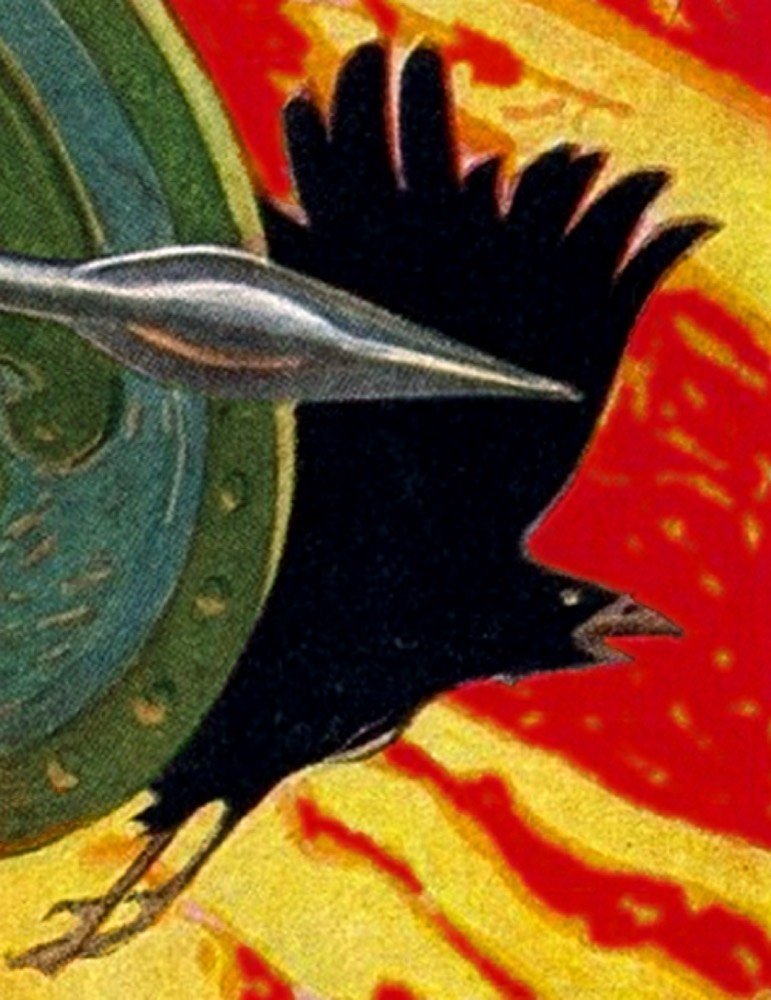
The Morrigan
The Irish goddess of war and fate, her name read as 'great queen' or 'phantom queen'. She circles battlefields as a crow, prophesies slaughter, and appears as a triad with Badb and Macha.
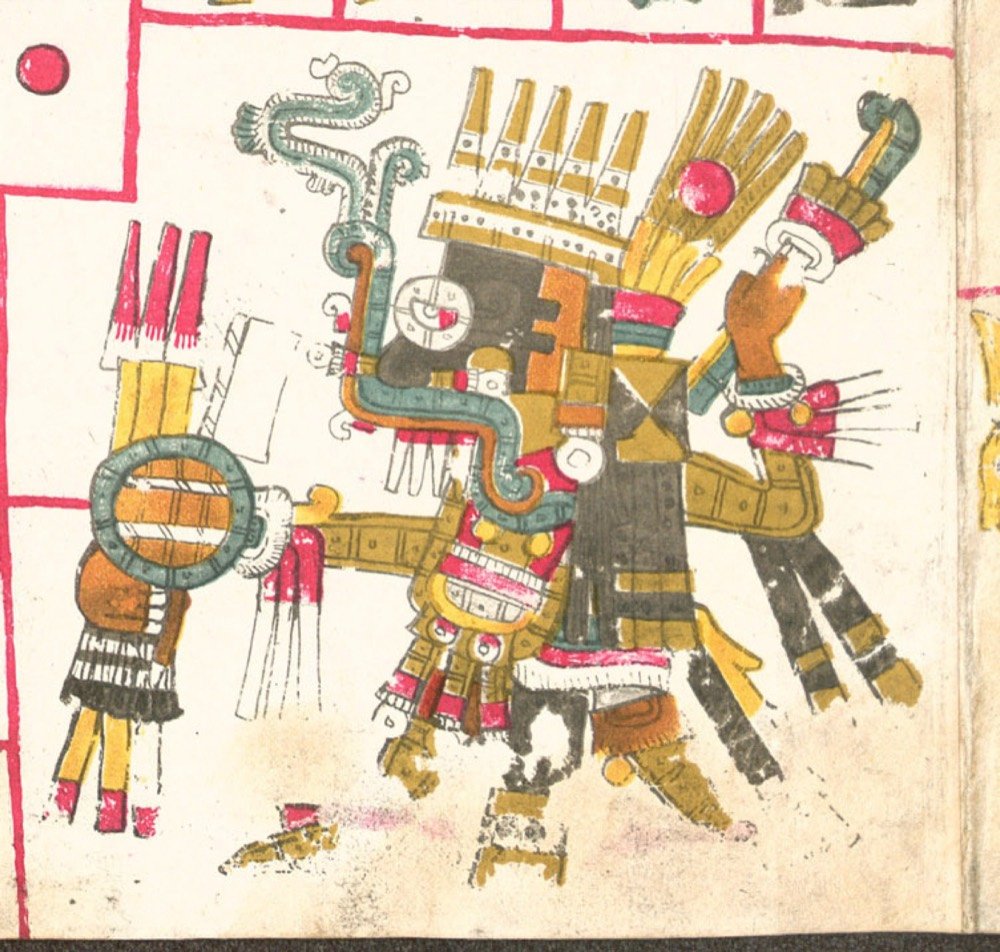
Tlaloc
The rain god, masked with goggle eyes and jaguar fangs. His helpers pour rain from jars at the four directions; those killed by water or lightning go to his green paradise, Tlalocan.
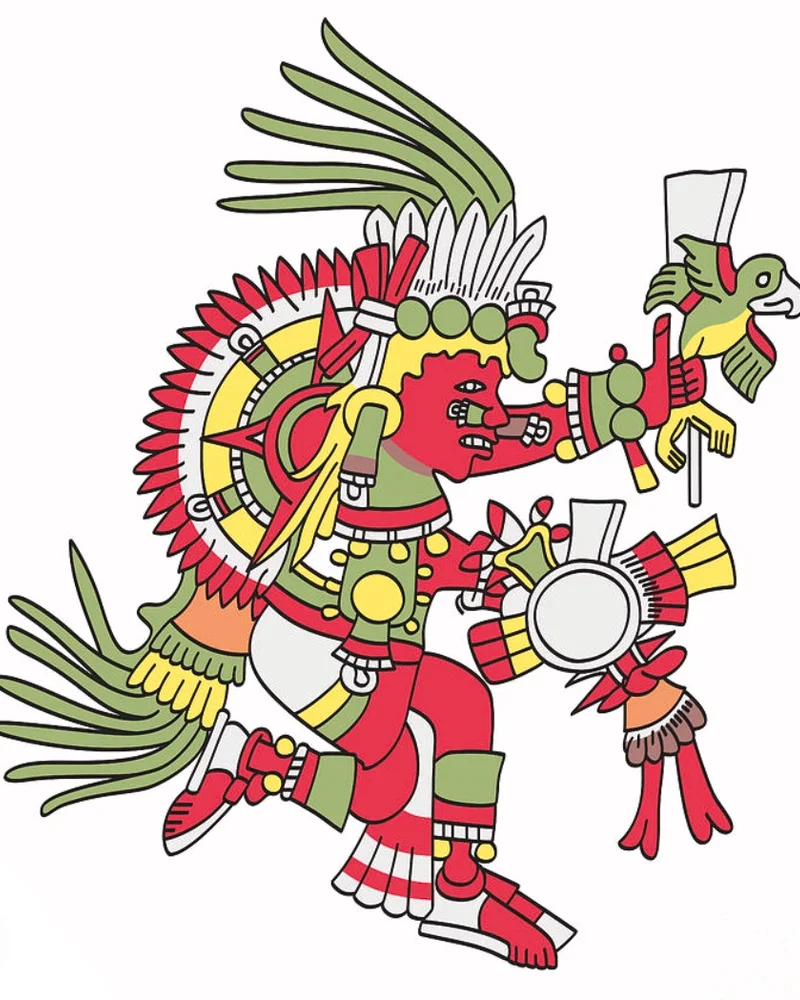
Tonatiuh
The sun god of the Fifth Sun (the current world age). Tonatiuh demanded human hearts and blood to fuel his daily journey across the sky, driving the Aztec system of ritual sacrifice.
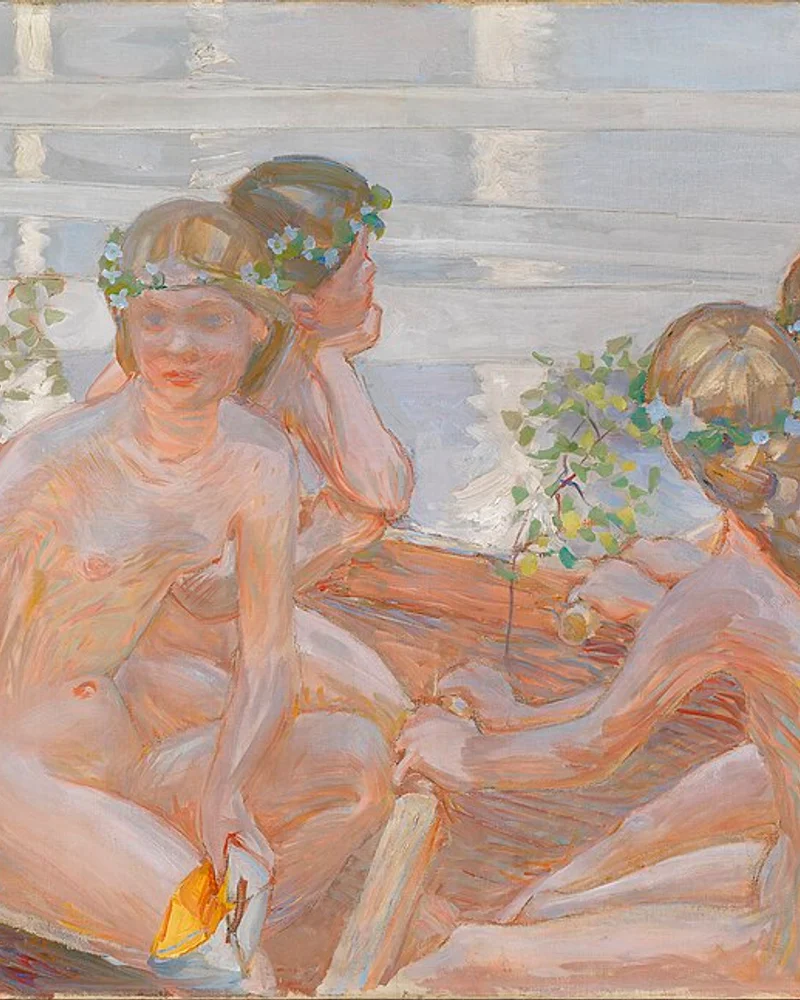
Väinämöinen
The 'steady old' singer and sage of Finnish runo-song, named by Agricola in 1551 as the maker of songs, who in the Kalevala is born of Ilmatar, sings his rival into a bog, builds the first kantele from a pike's jawbone, leads the theft of the Sampo, and finally sails away.
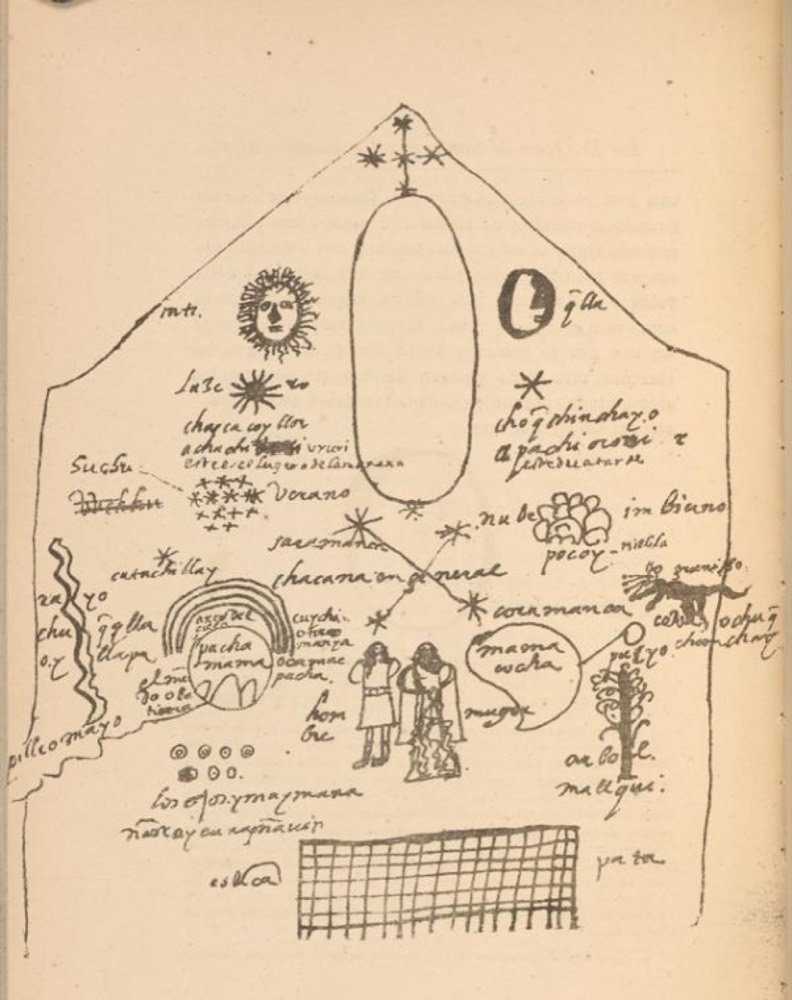
Viracocha
The Andean creator: he rose from Lake Titicaca in darkness, set sun, moon and stars in the sky, shaped the nations in stone at Tiahuanaco, then walked the land as a staff-bearing wanderer before departing across the sea.
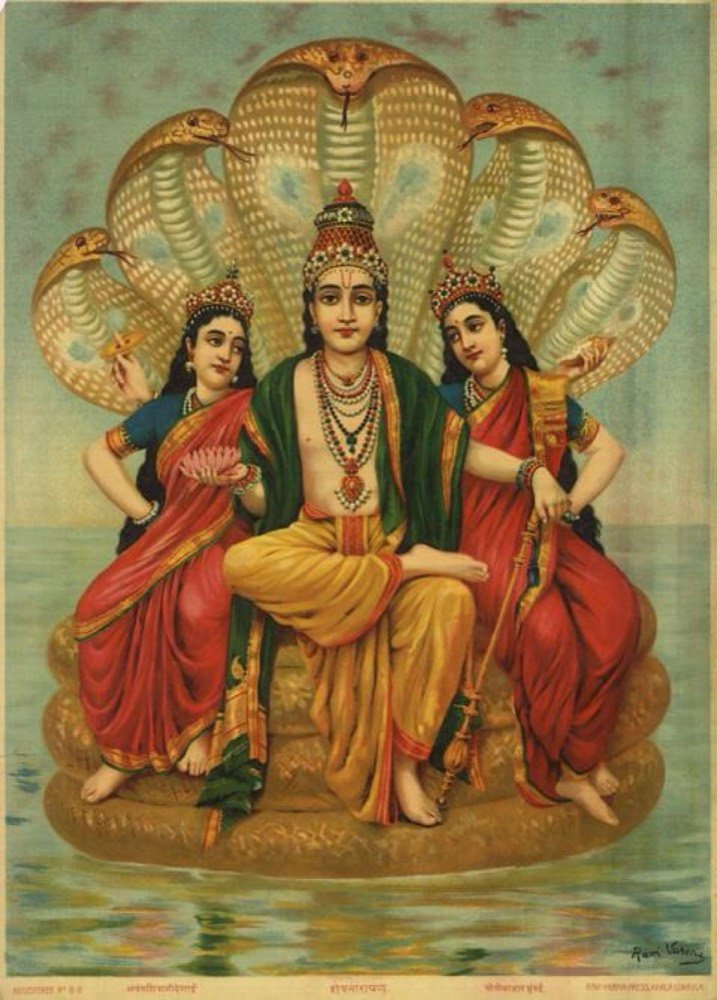
Vishnu
The blue-skinned preserver who reclines on the serpent Shesha upon the ocean of milk, descending as avatars—Rama and Krishna among them—whenever cosmic order fails.
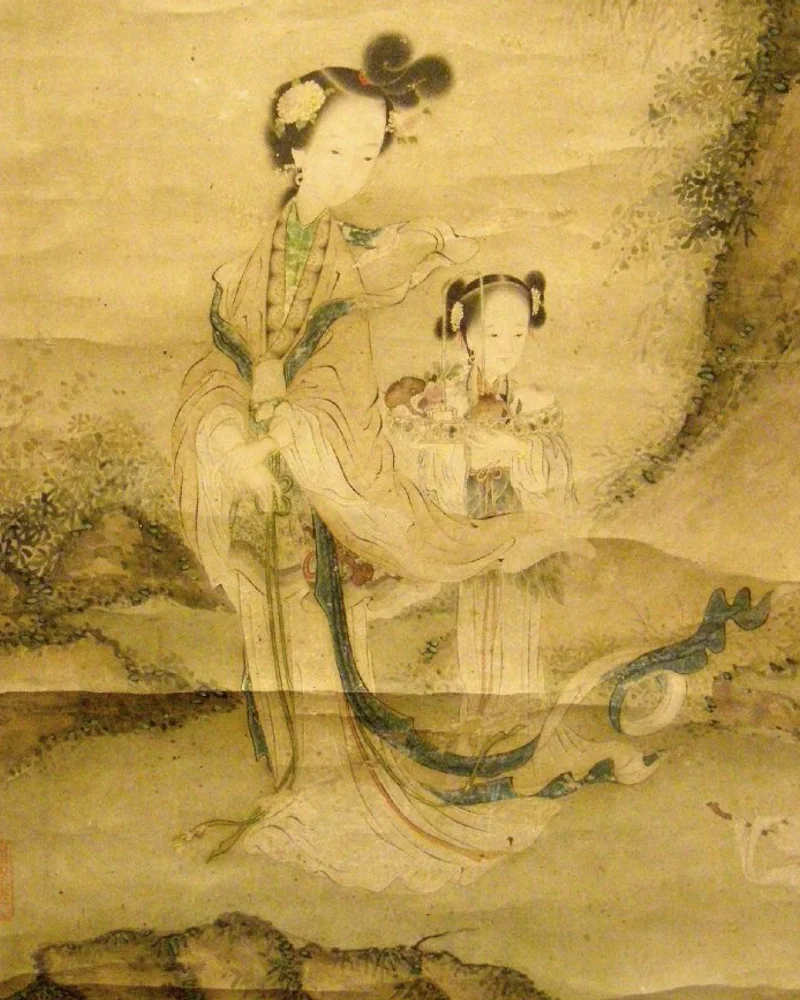
Xi Wangmu
The supreme goddess of immortality who rules from her paradise on Mount Kunlun. She grows the Peaches of Immortality that ripen once every 3,000 years and hosts the legendary banquet of the gods.
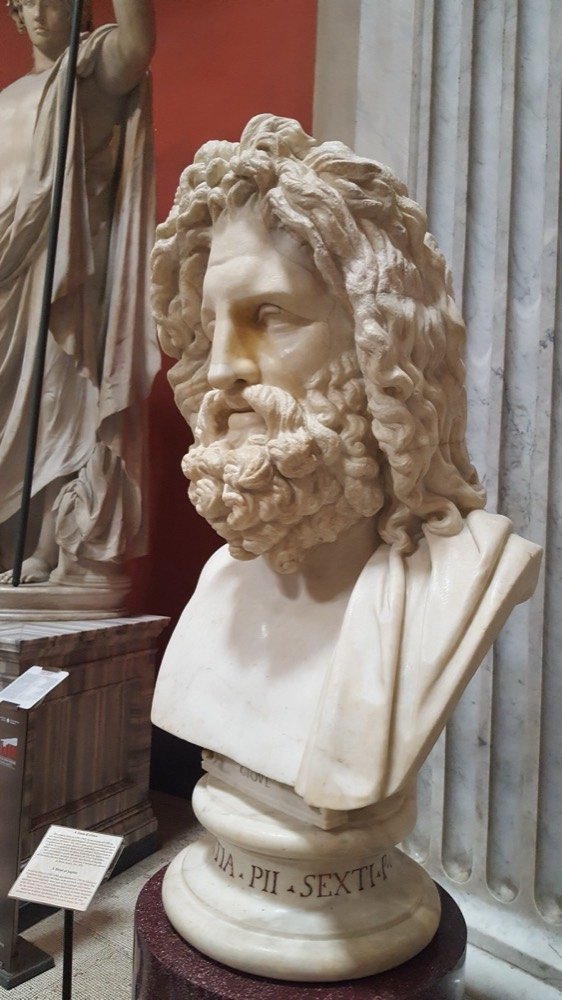
Zeus
King of the Olympian gods, ruler of sky and thunder. After overthrowing his father Cronus, he drew the sky when the three brothers divided the cosmos by lot.
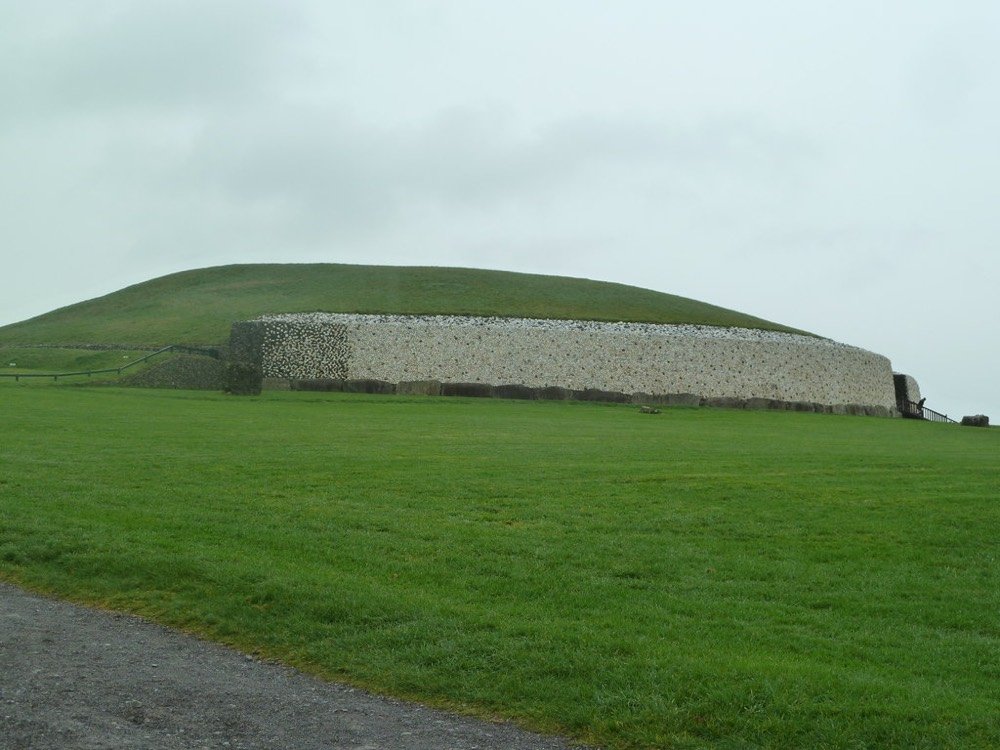
Aengus
Son of the Dagda and the river goddess Boann, dwelling at Newgrange. He sought the swan-maiden Caer from a dream and took swan form to fly away beside her.
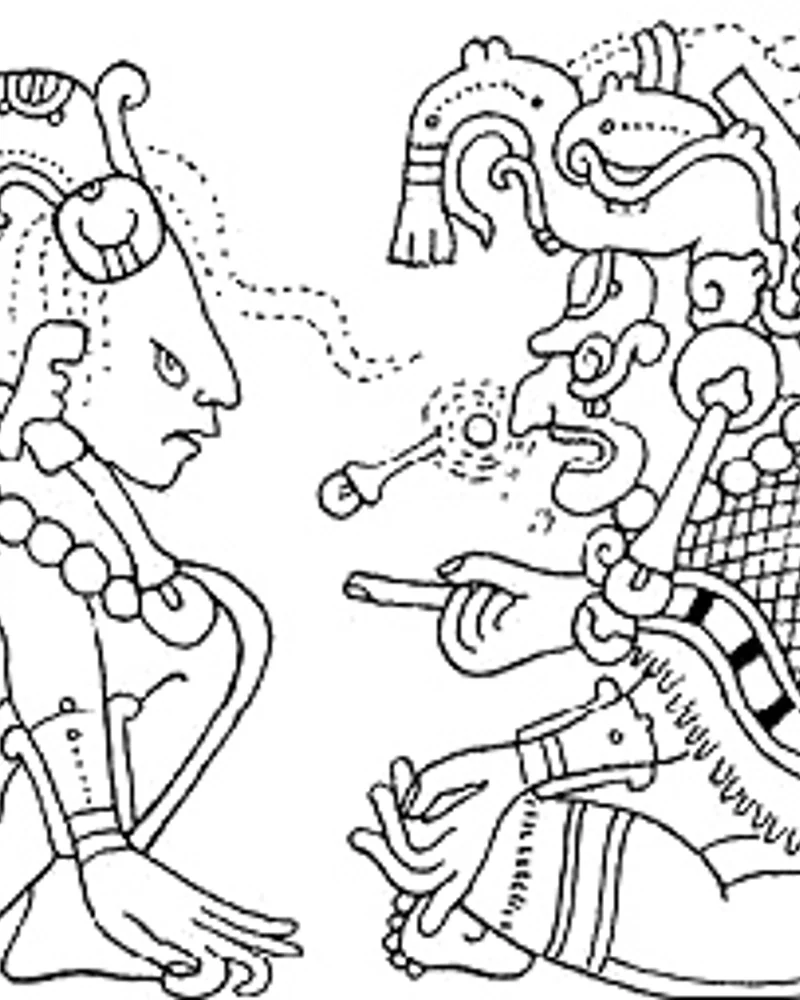
Ah Puch
The Maya god of death and ruler of Metnal, the lowest level of the underworld. Depicted as a skeletal figure with exposed bones and decay, Ah Puch represents the terror of death.

Áine
Radiant goddess of summer and love, associated with Knockainey in County Limerick. Her midsummer fires blessed the cattle and crops of Munster.
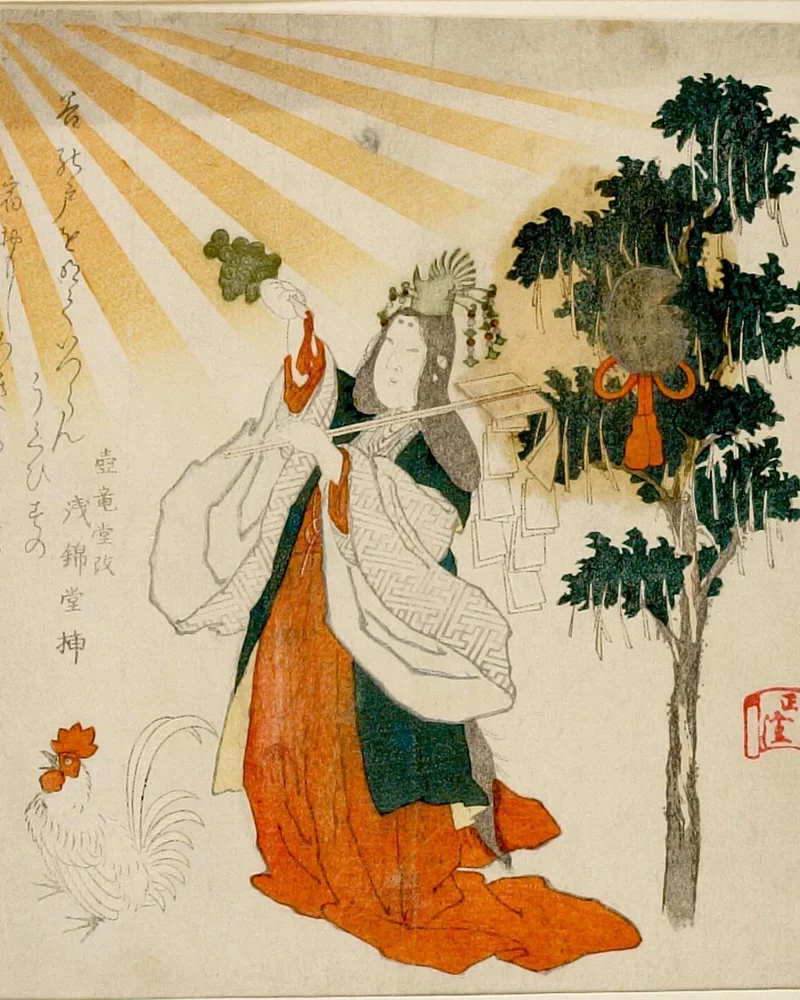
Ame-no-Uzume
Goddess of dawn, mirth, and revelry. Her wild, comedic dance lured Amaterasu from the Heavenly Rock Cave, restoring light to the world. Ancestral deity of performing arts.
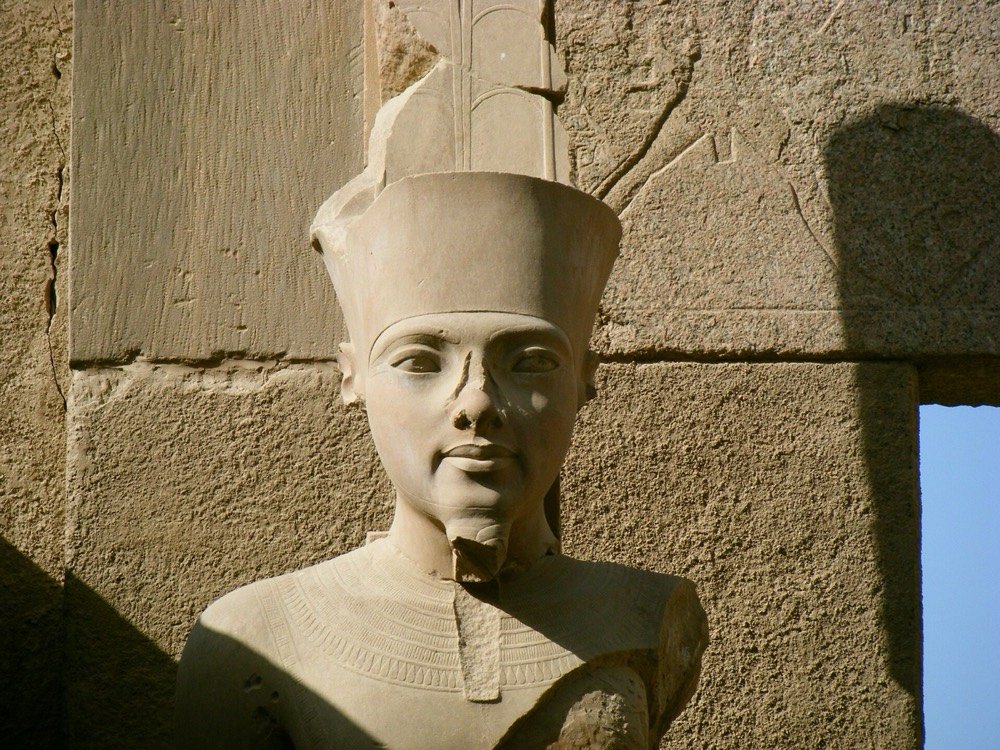
Amun
The Theban god whose name means 'the Hidden One'; fused with Ra as Amun-Ra, he became Egypt's state god, housed at Karnak, and Alexander the Great sought his oracle at Siwa.
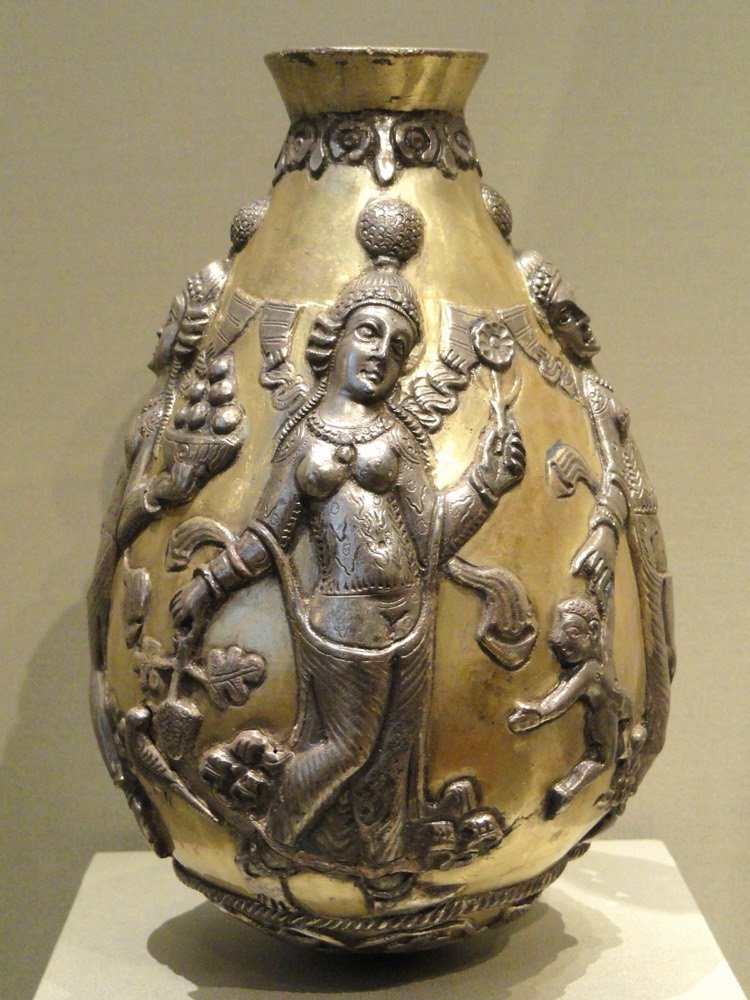
Anahita
Goddess of rivers and fertility, "the moist, the strong, the immaculate." She pours from the divine mountain into the world sea; heroes and tyrants alike offered her sacrifice for victory.
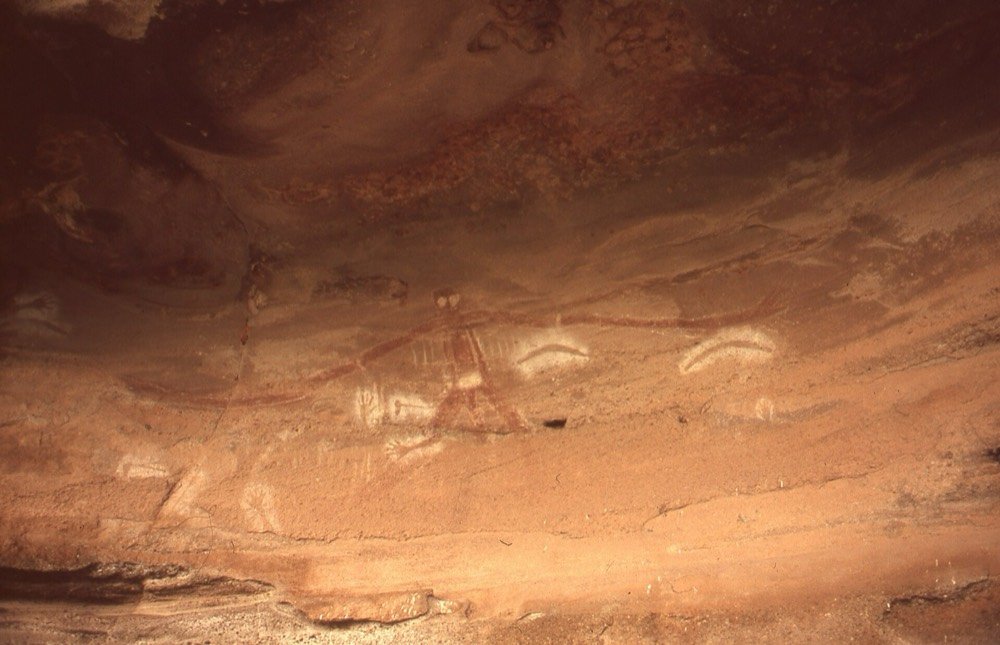
Baiame
Creator and law-giver of the Wiradjuri, Gamilaraay, and neighbouring peoples of New South Wales: he shaped rivers and people, instituted the Bora initiation ground, then withdrew into the sky.
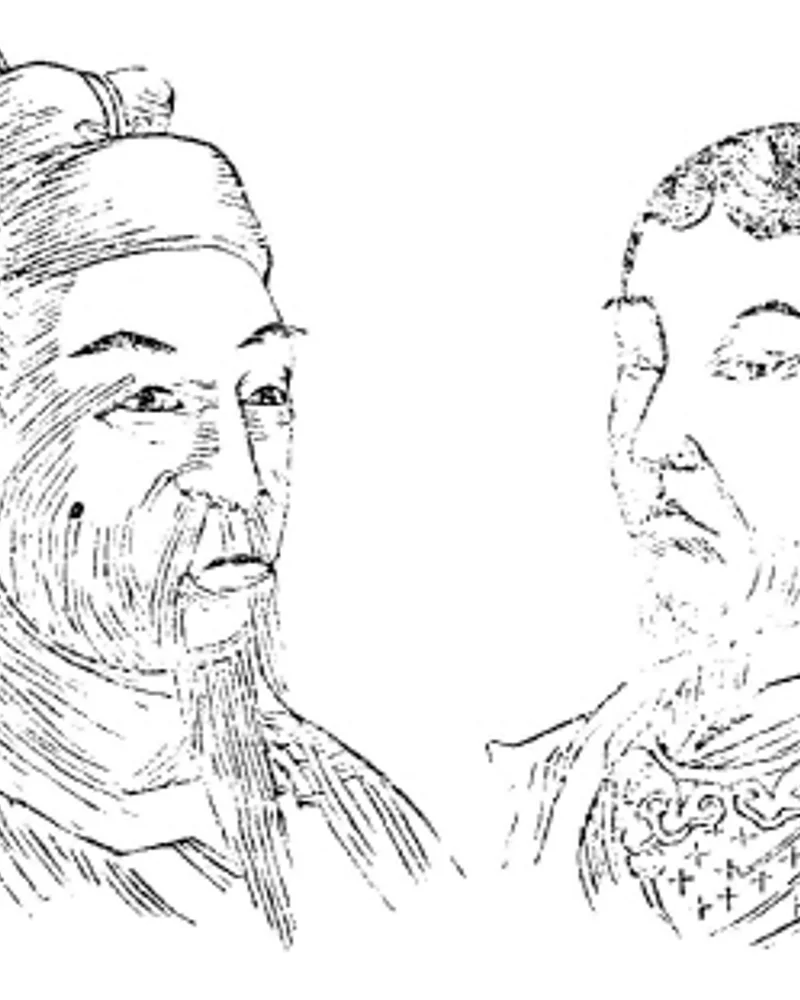
Bak Hyeokgeose
The egg-born founder of Silla, found by the six village chiefs beside the Najeong well where a white horse knelt and then rose into heaven; crowned at thirteen with his queen Aryeong, born from a dragon at another well.
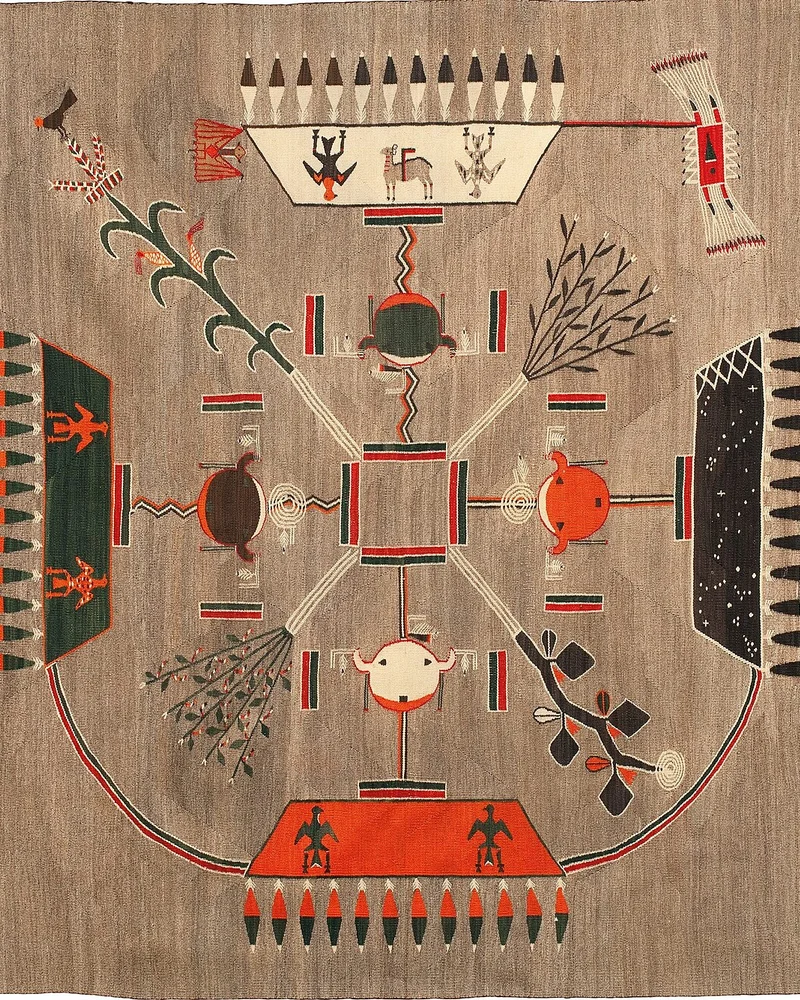
Born for Water (Tóbájíshchíní)
The younger of the Hero Twins, Monster Slayer's brother; in Matthews's version the son of White Shell Woman by the water, in many later tellings Changing Woman's son by the Sun.
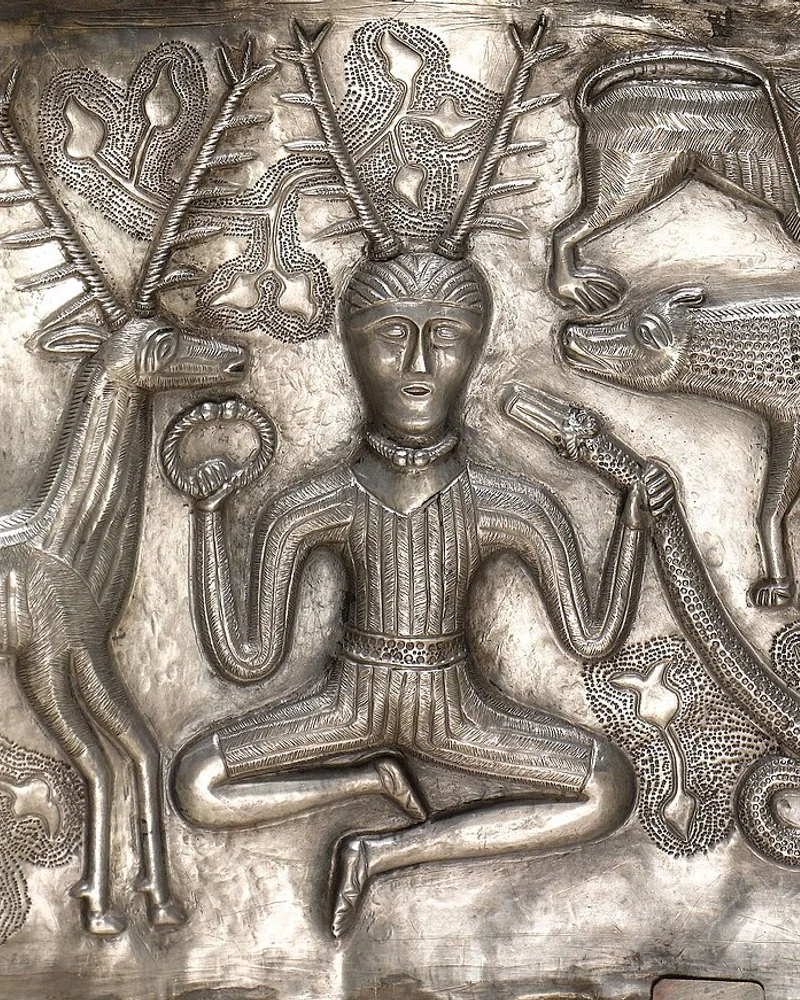
Cernunnos
The horned god of wild places and untamed nature. He sits cross-legged, lord of beasts, holding a torc in one hand and a serpent in the other.
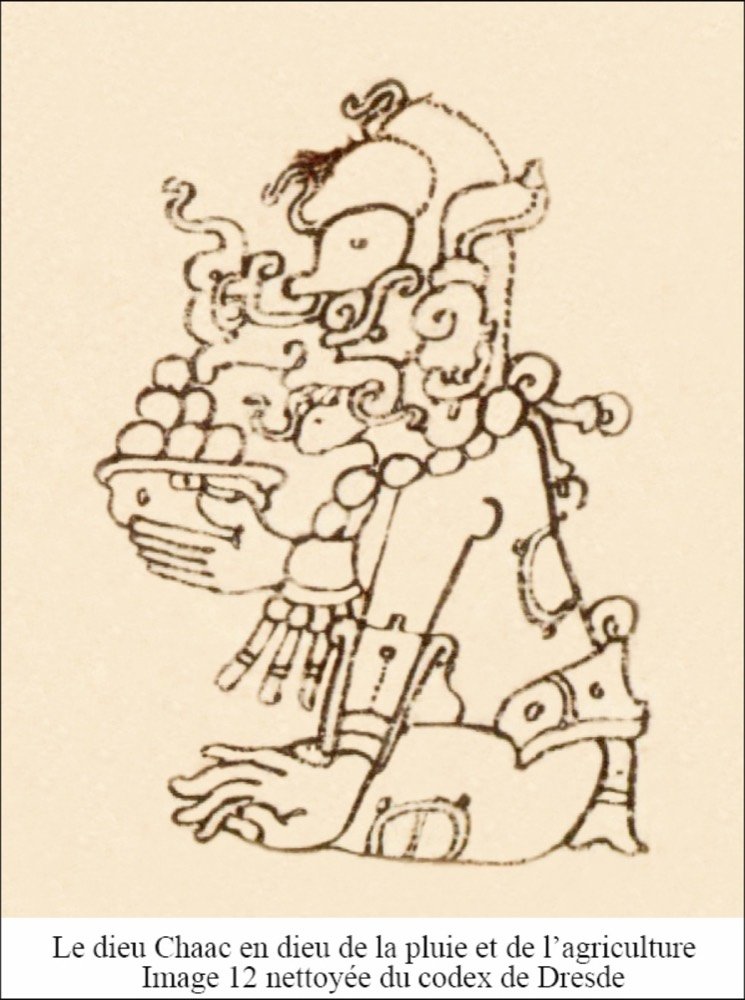
Chaac
The Maya rain god, long-snouted and scaled, who strikes the clouds with a stone axe to make lightning. Four colored Chaacs guard the directions; Yucatec villages still hold rain ceremonies in his name.
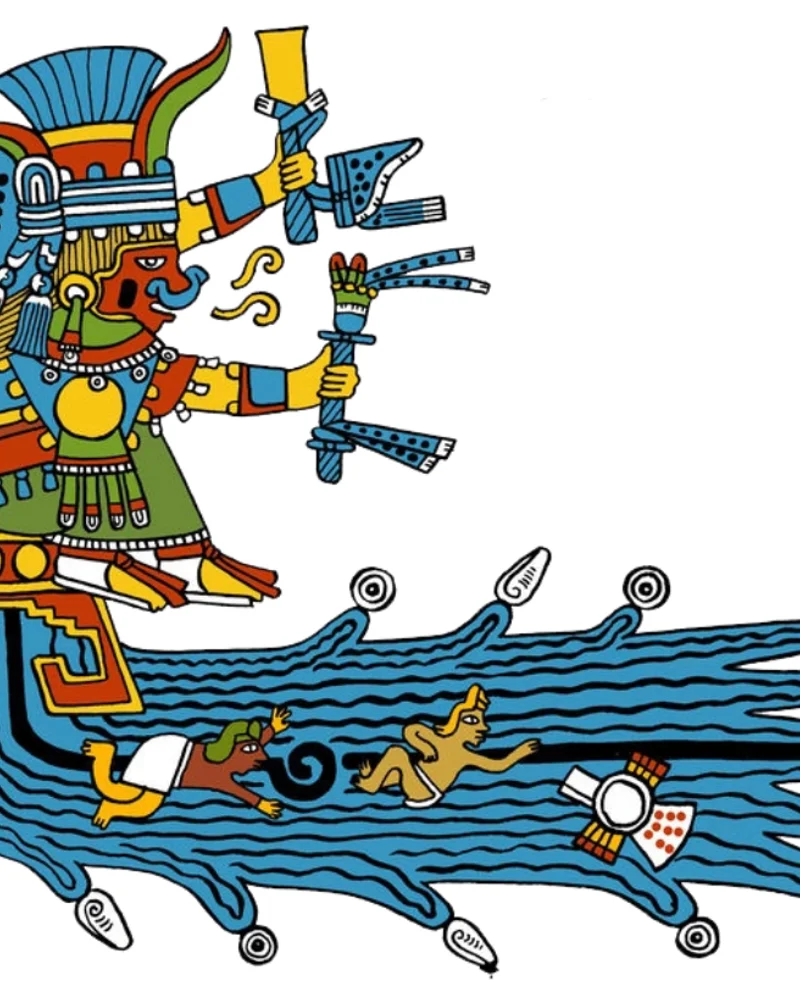
Chalchiuhtlicue
The Aztec goddess of flowing water, rivers, and lakes. Consort of Tlaloc, Chalchiuhtlicue presided over the Fourth Sun before its destruction by flood. She is the patron of newborns and purification.
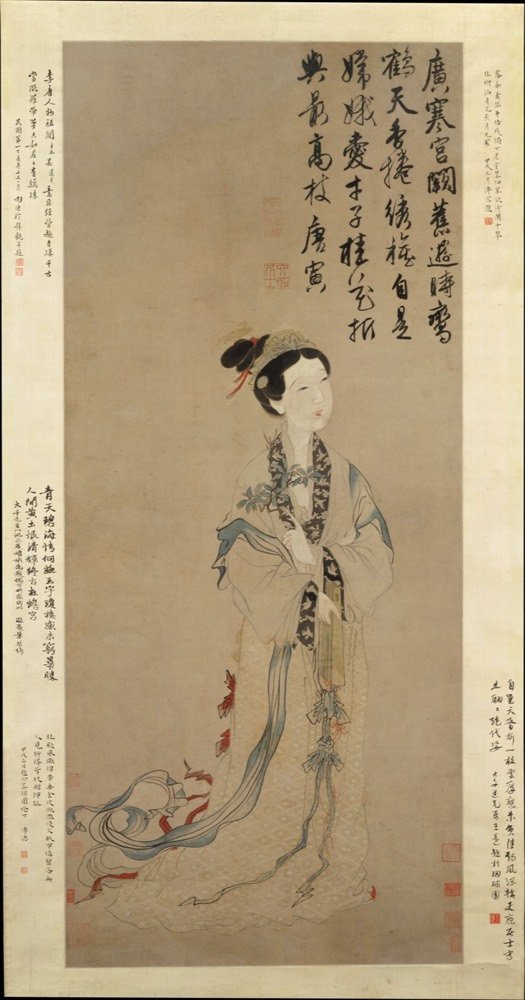
Chang'e
Originally Heng'e, wife of the archer Yi. She swallowed the stolen elixir of immortality and floated to the moon, where the jade rabbit keeps her company; Mid-Autumn moon worship and China's lunar program bear her name.
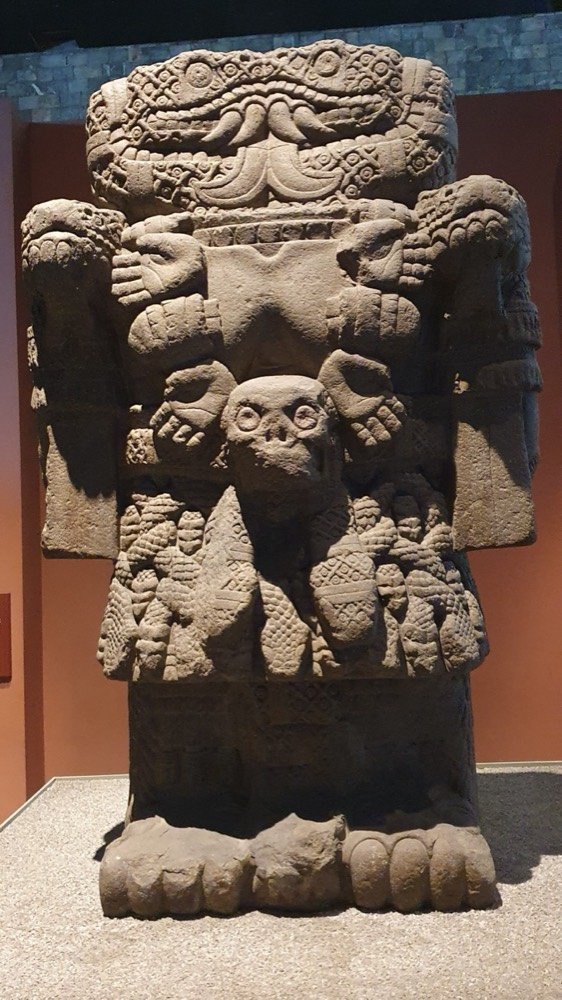
Coatlicue
She of the Serpent Skirt, the earth mother who conceived Huitzilopochtli from a ball of falling feathers. Her colossal statue, unearthed in 1790, is a masterwork of Aztec sculpture.
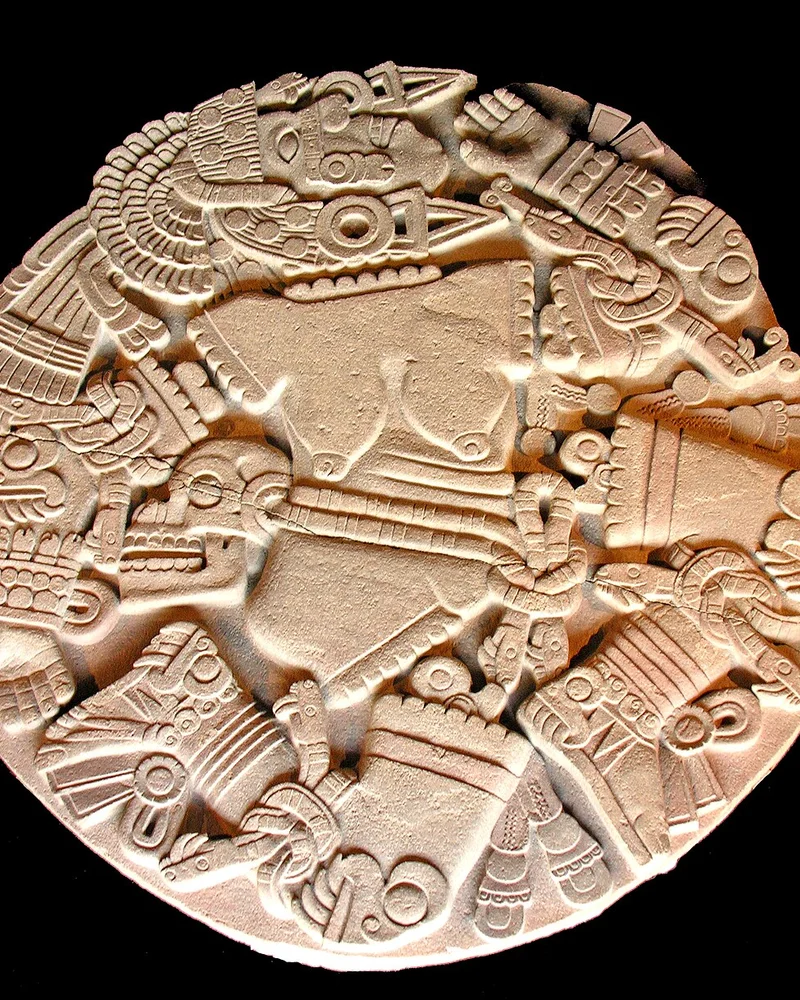
Coyolxauhqui
The moon goddess, daughter of Coatlicue and leader of the 400 stars. Coyolxauhqui was slain and dismembered by her brother Huitzilopochtli at his miraculous birth, her defeat reenacted at every sunrise.
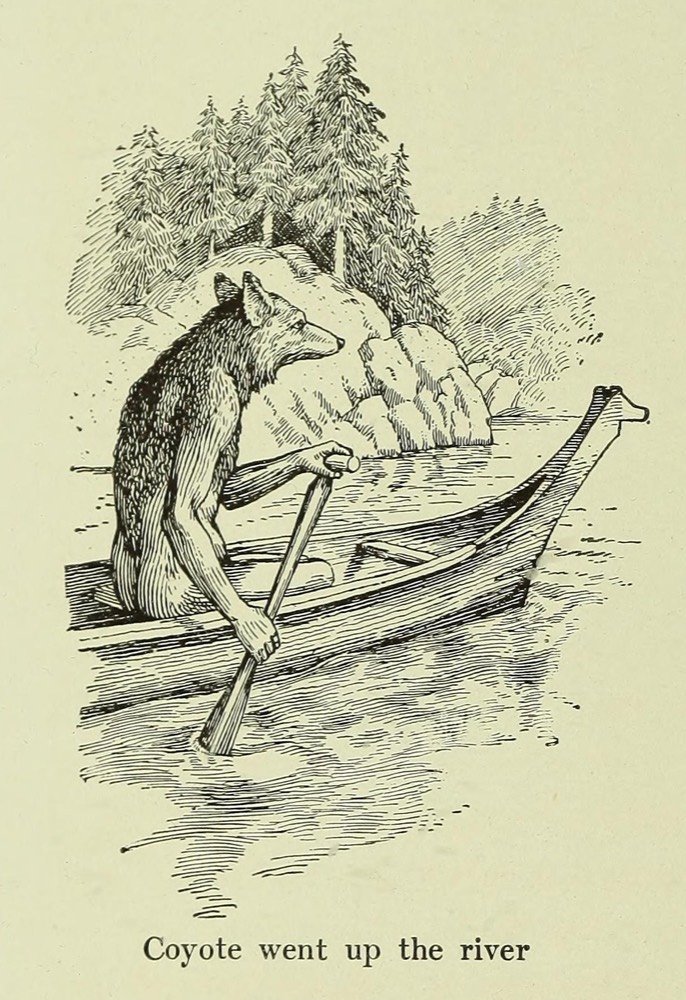
Coyote
The most widespread trickster of western North America: greedy, lecherous, clever and foolish at once. He steals fire and places the stars, dies of his own schemes, and always revives.
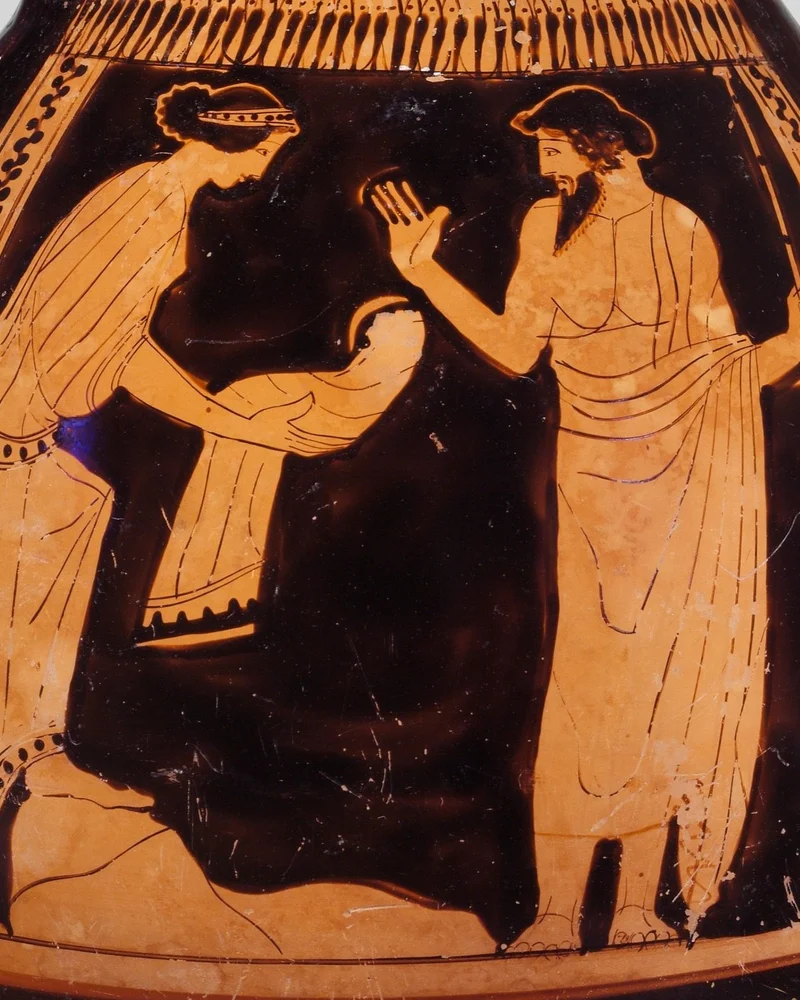
Cronus
Youngest of the twelve Titans, son of Uranus and Gaia. Cronus castrated his father to seize the sky's rule, presided over the mythical Golden Age, and was in turn overthrown by his own son Zeus after swallowing his children to avoid the same fate.

Dian Cécht
The physician of the Tuatha Dé Danann, whose healing well could restore the dead to life. His jealousy over his son's greater skill led to tragedy.
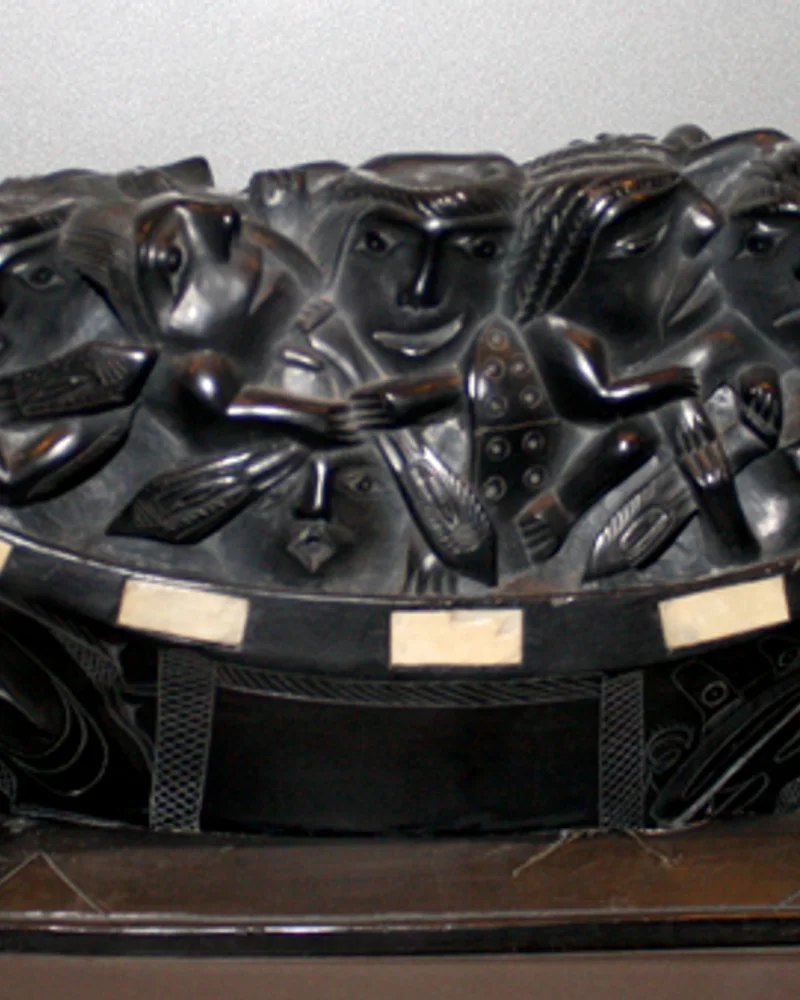
Djilaqons
In Haida tradition, the ancestress of the Eagle clans, regarded as the special patroness of everyone of the Eagle side of Haida society.
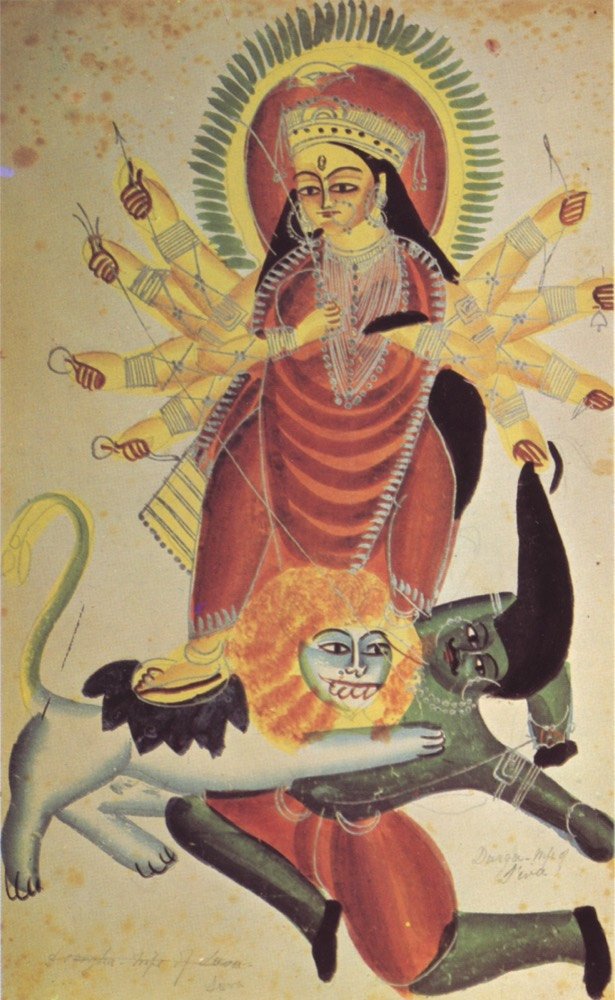
Durga
The ten-armed goddess on a lion, forged from the combined powers of the gods to slay the buffalo demon Mahishasura, whom no male god could defeat. Bengal's Durga Puja is among India's greatest festivals.
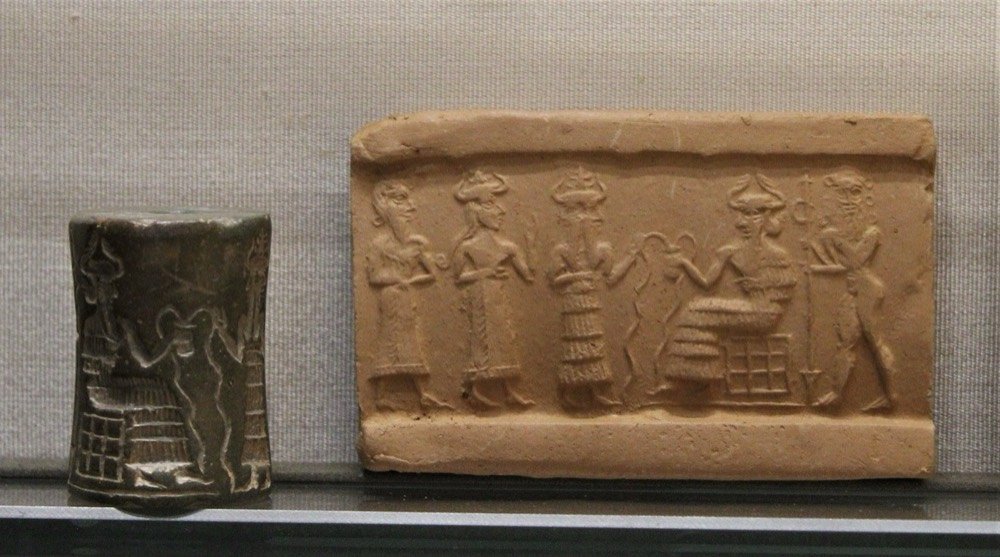
Enki
God of wisdom, fresh water, and crafts, Akkadian Ea, dwelling in the Abzu at Eridu. He proposed the creation of humankind and leaked the secret of the coming Flood through a reed wall.
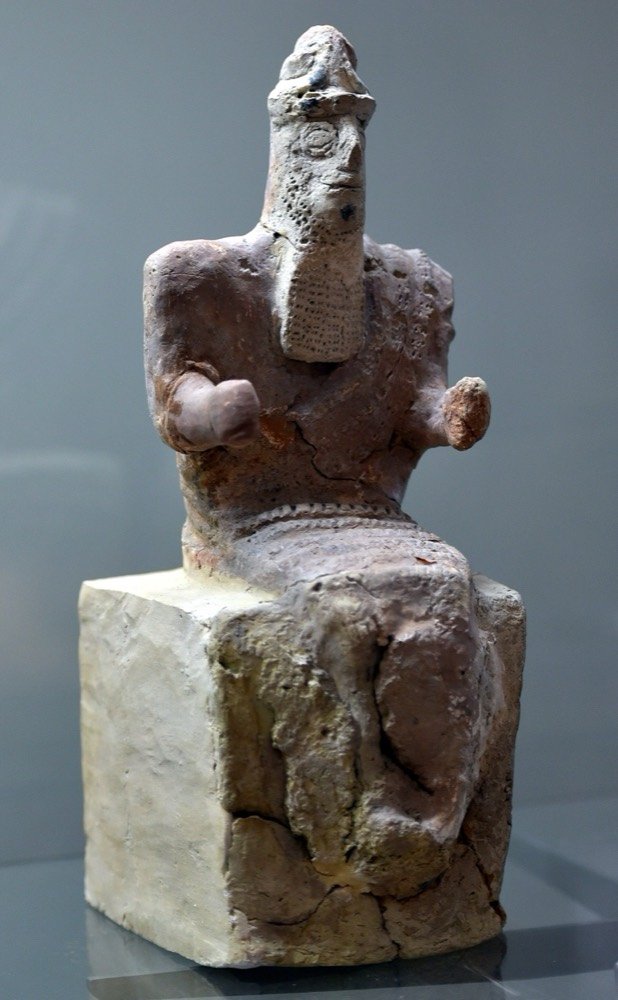
Enlil
'Lord Wind,' effective head of the Sumerian pantheon and keeper of the Tablet of Destinies, worshipped at Nippur. He split heaven from earth with a pickaxe — and sent the Flood because humans grew too noisy.
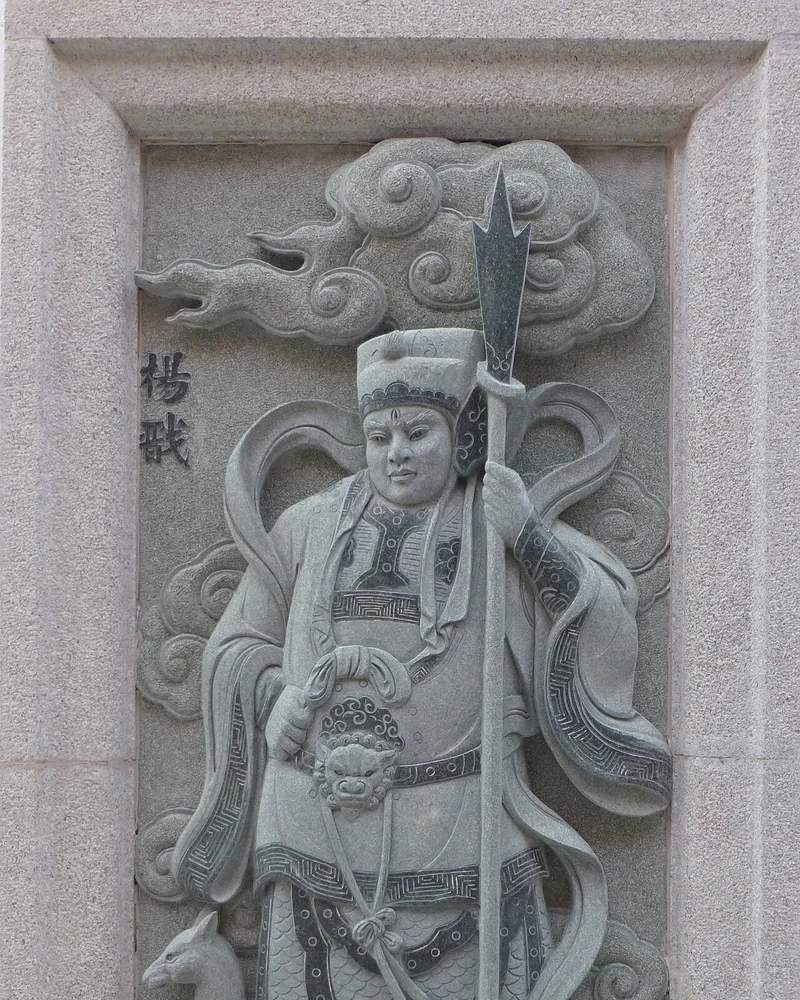
Erlang Shen
A powerful warrior god with a truth-seeing third eye, nephew of the Jade Emperor. He is famed for defeating Sun Wukong in combat and for controlling floods.
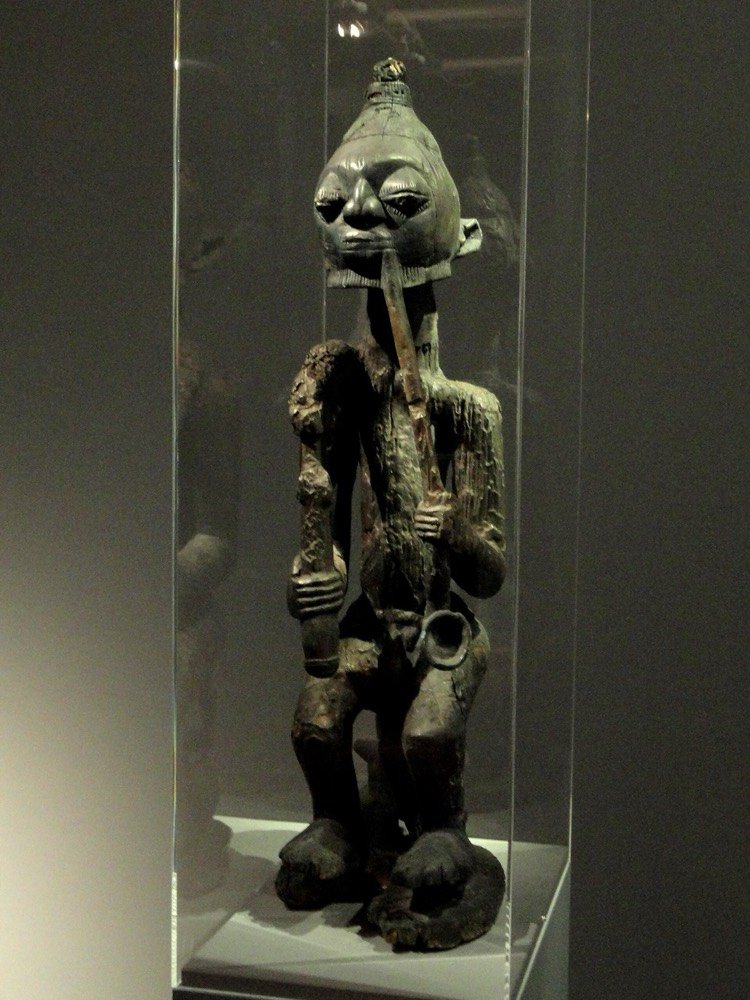
Eshu
Trickster messenger of the crossroads who carries every sacrifice to its god and tests those who neglect him. Famous for setting two sworn friends quarreling with a two-colored cap; missionaries mistranslated his name as 'the Devil'.
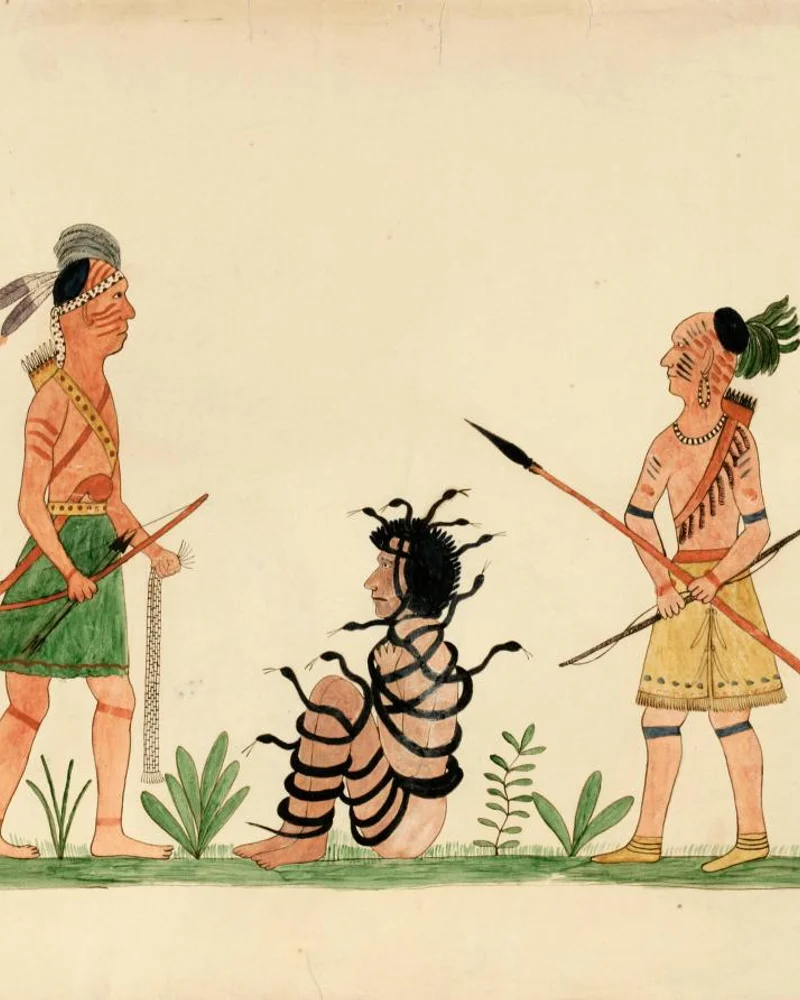
Flint
The hard-minded twin grandson of Sky Woman, born in a way that costs their mother's life, who in Haudenosaunee tradition shapes the earth's difficult features in contest with his brother Sapling.
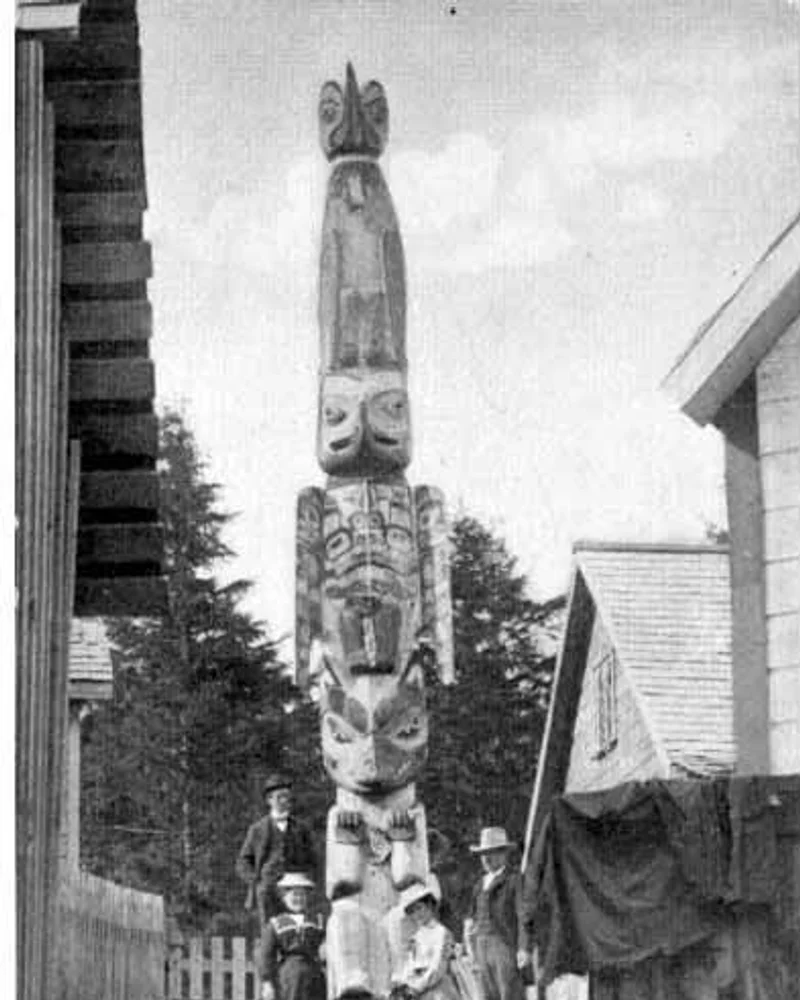
Fog Woman
In Tlingit tradition, the daughter of Chief Fog-Over-the-Salmon who marries Raven and creates a run of sockeye salmon, then withdraws it and herself into the water after he mistreats her, explaining why salmon return to Tlingit rivers each year.
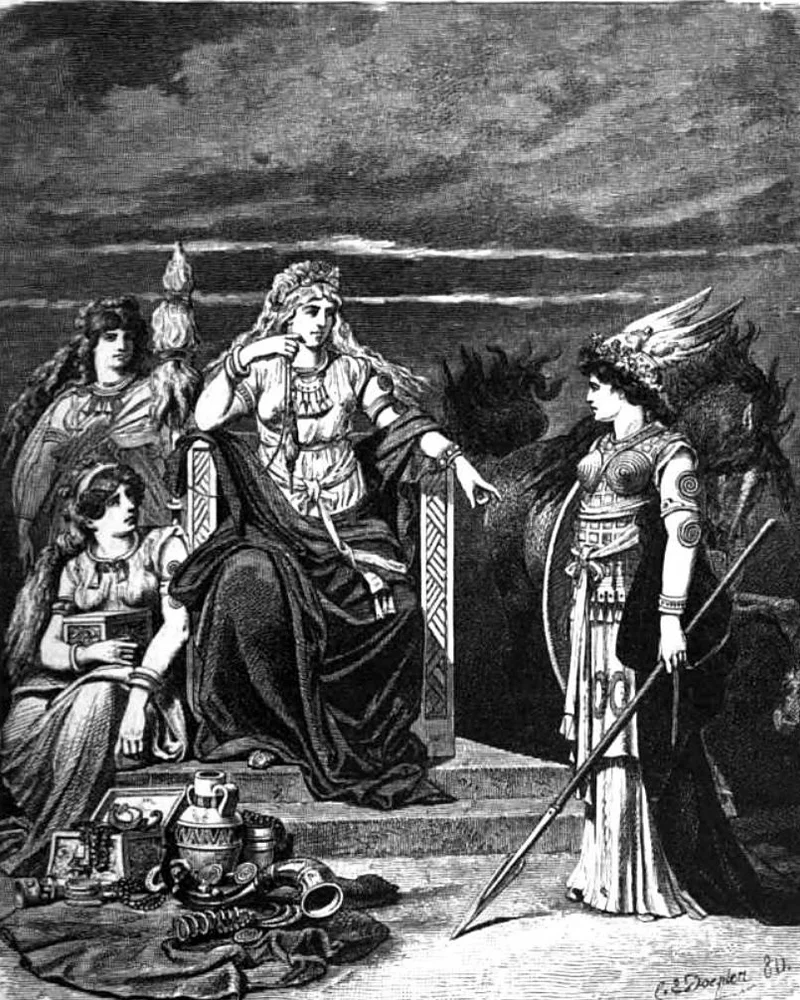
Frigg
Queen of the Aesir and wife of Odin. Goddess of marriage, motherhood, and the home. She possesses the power of prophecy but chooses not to reveal what she knows.
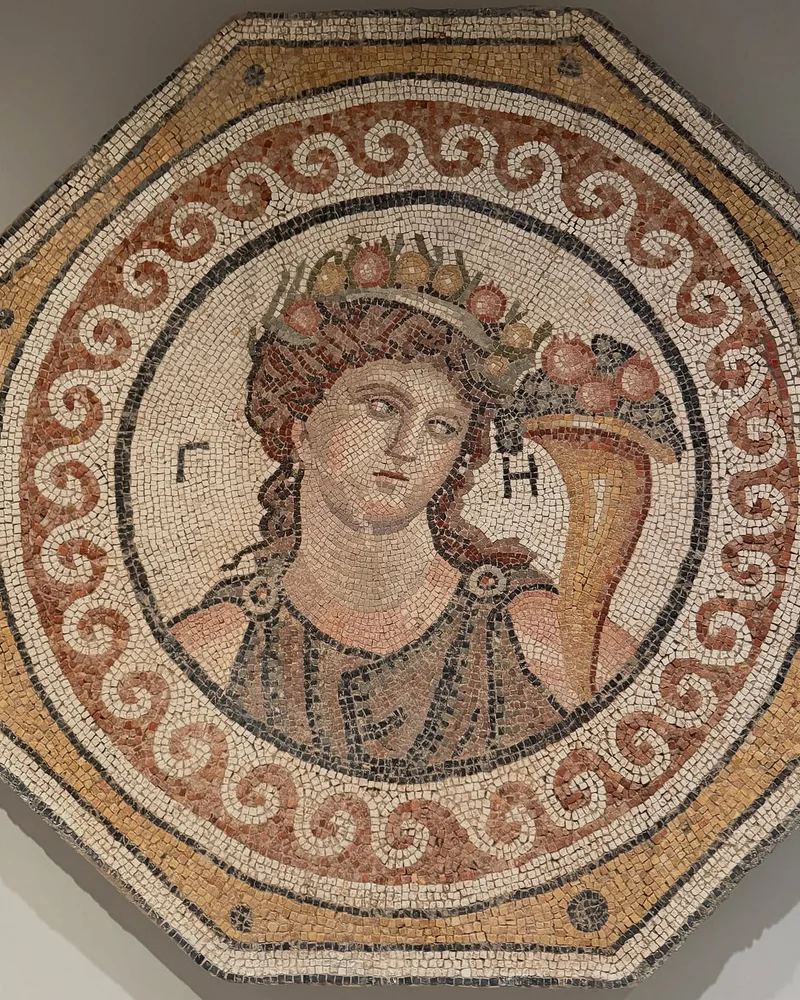
Gaia
Primordial goddess of the Earth, one of the first beings to emerge from Chaos. Gaia is the mother of the sky (Uranus), the sea (Pontus), the Titans, the Cyclopes, and, through the blood of Uranus, the Giants and the Furies.
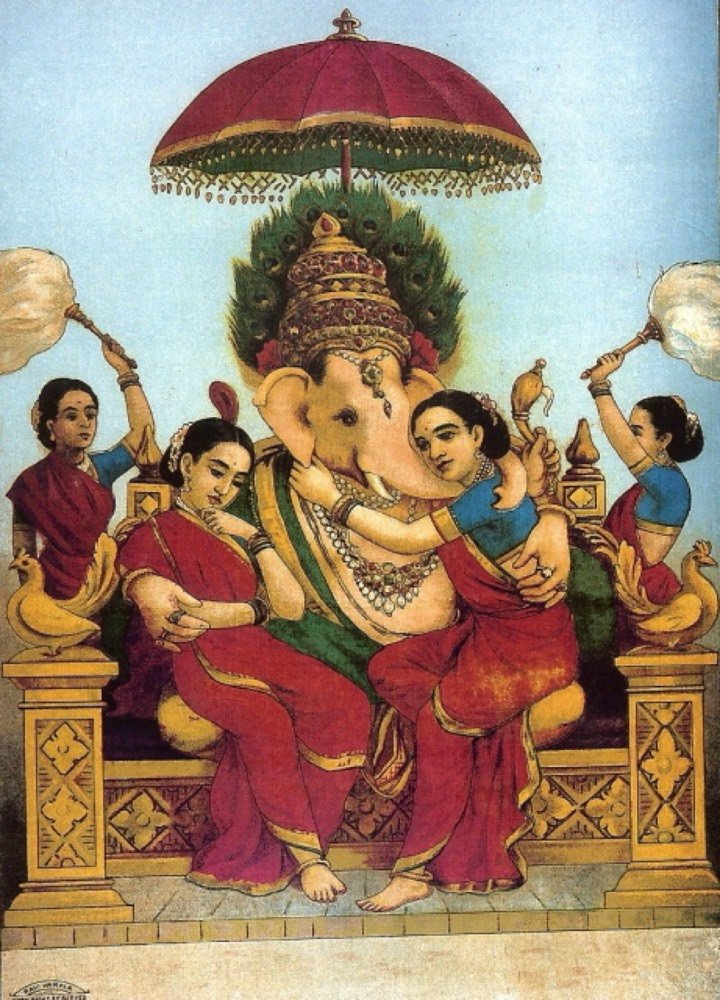
Ganesha
The pot-bellied, elephant-headed god of wisdom, son of Shiva and Parvati, riding a mouse. Every beginning—a journey, a ledger, a book—opens with an invocation to him.
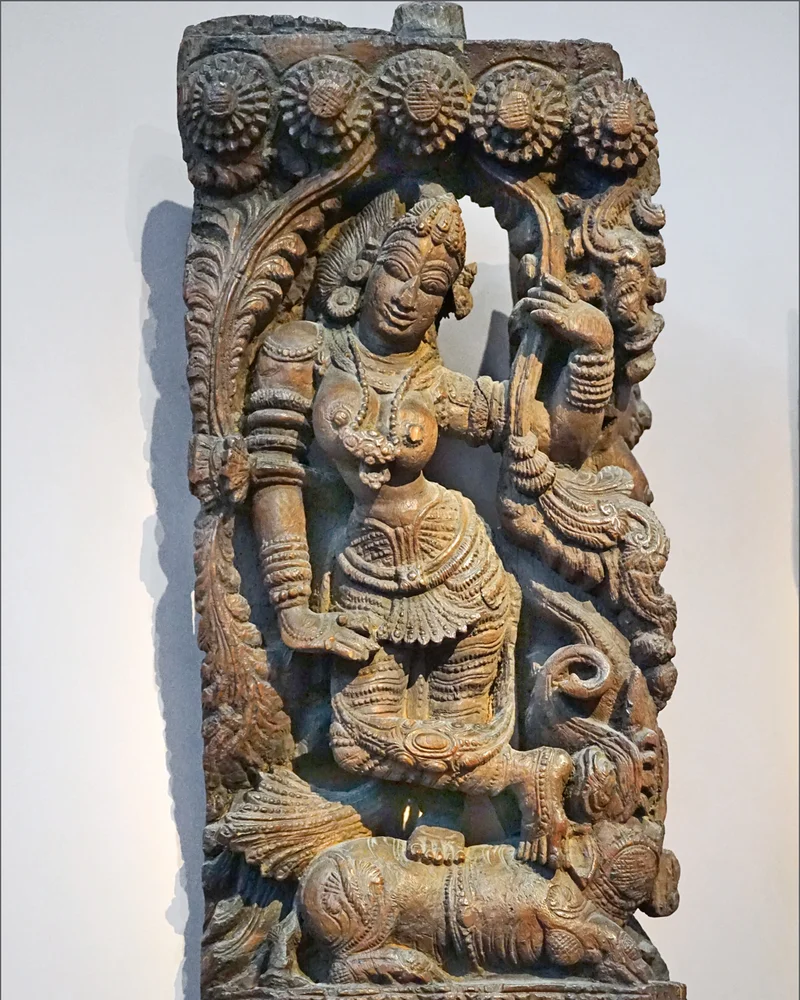
Ganga
The sacred river Ganges as a goddess, who descended from heaven to purify the ashes of King Sagara's sons and was caught in Shiva's matted hair to break the force of her fall. Bathing in her waters and immersing ashes in them are among the most important acts of Hindu devotion.
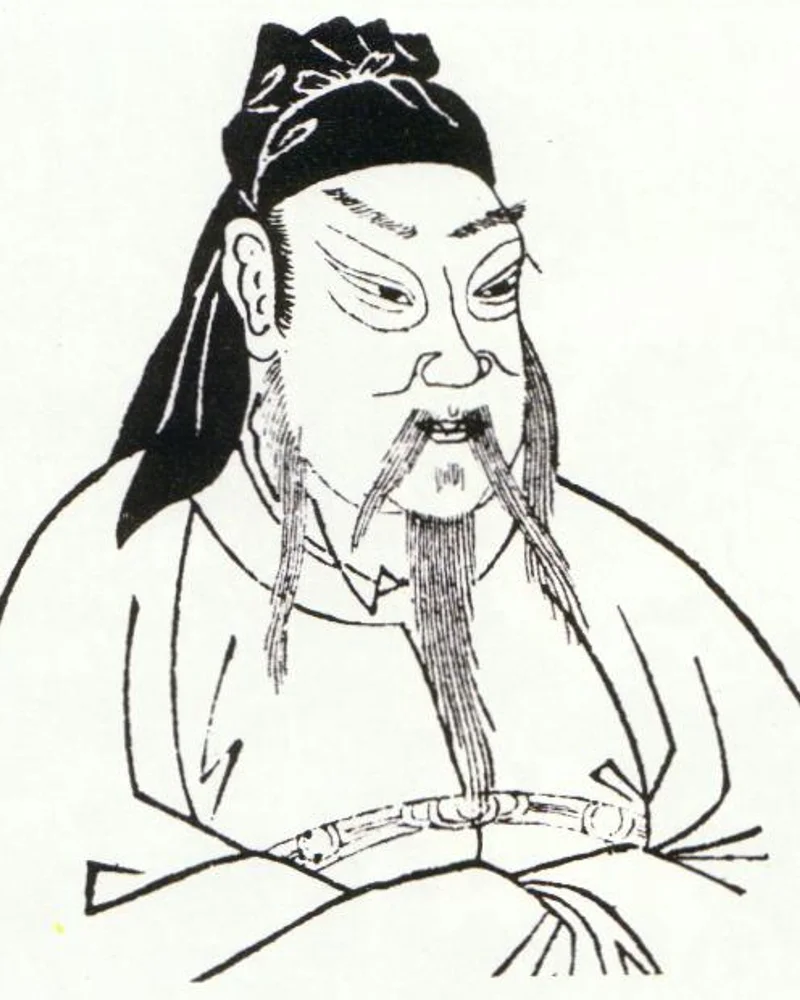
Guan Yu
A deified historical general from the Three Kingdoms period, worshipped as the God of War and patron of righteousness, loyalty, and brotherhood. His red face symbolizes his intense devotion to honor.
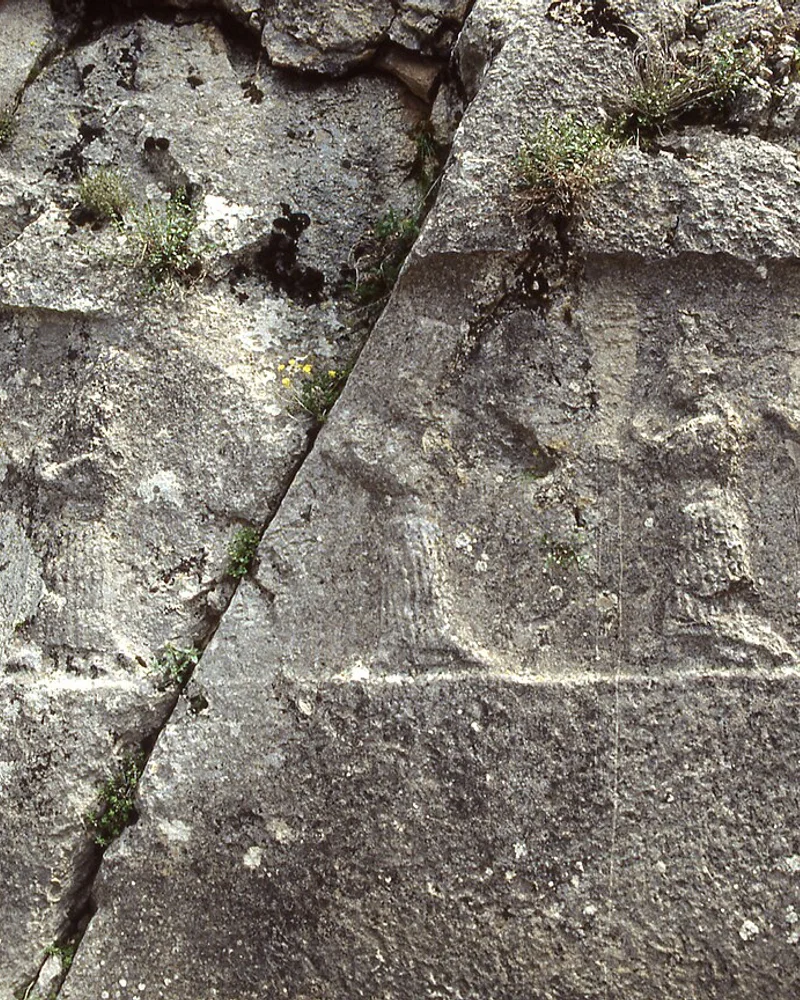
Hannahanna
The Hittite mother goddess, 'the Grandmother', who when every other god has failed sends a bee to find the missing Telipinu.
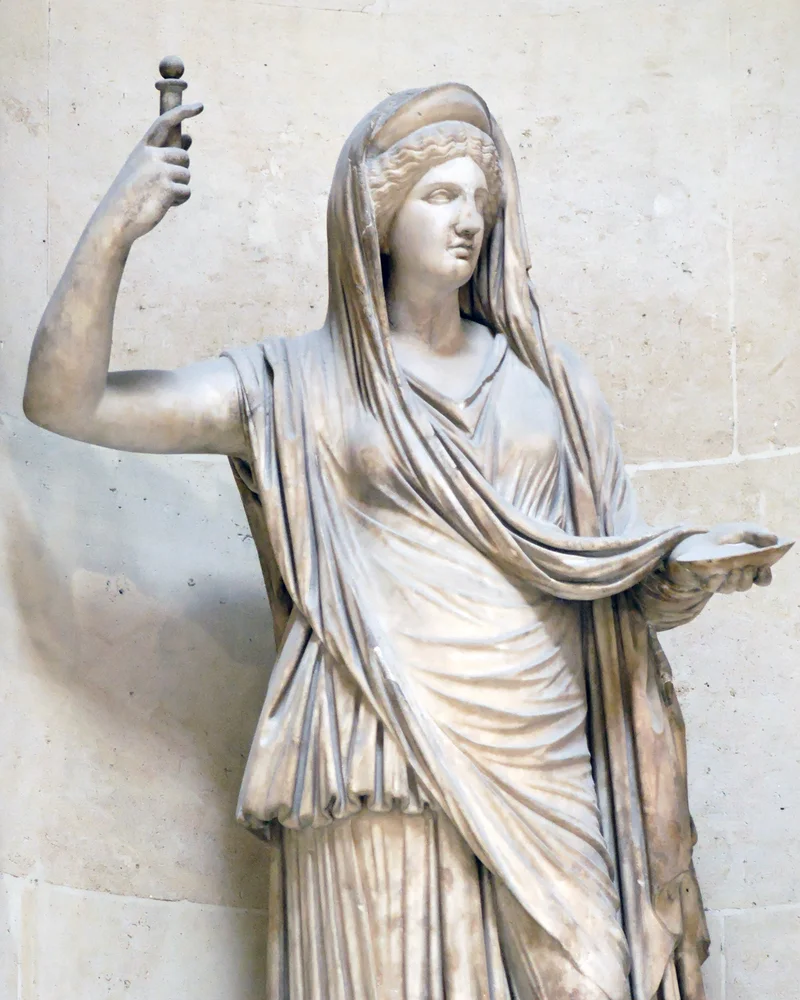
Hera
Queen of the gods and goddess of marriage and family. Wife and sister of Zeus, known for her jealousy toward Zeus's lovers and illegitimate children.
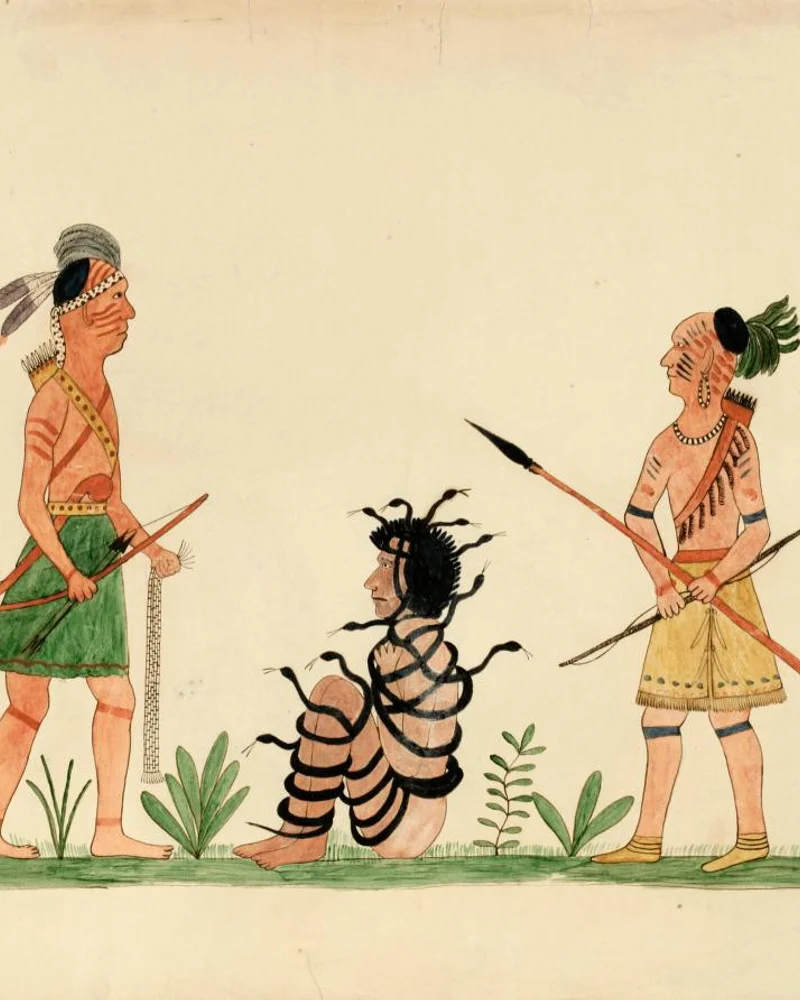
Hinon the Thunderer
The Thunderer of Seneca and wider Haudenosaunee tradition, maker of rains, who hunts the horned serpent and other malicious beings of the underworld with arrows of lightning.
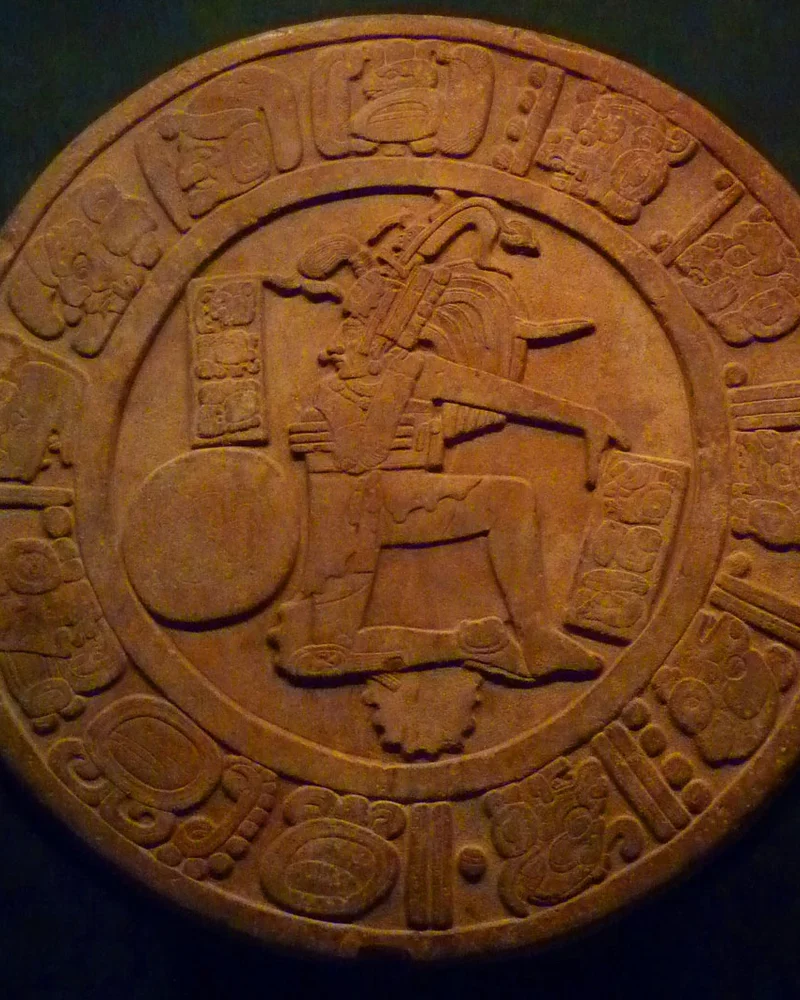
Hun Hunahpu
The Maya maize god, father of the Hero Twins. Hun Hunahpu's death in Xibalba and resurrection by his sons represents the planting and sprouting of maize, the fundamental cycle of Maya agricultural life.
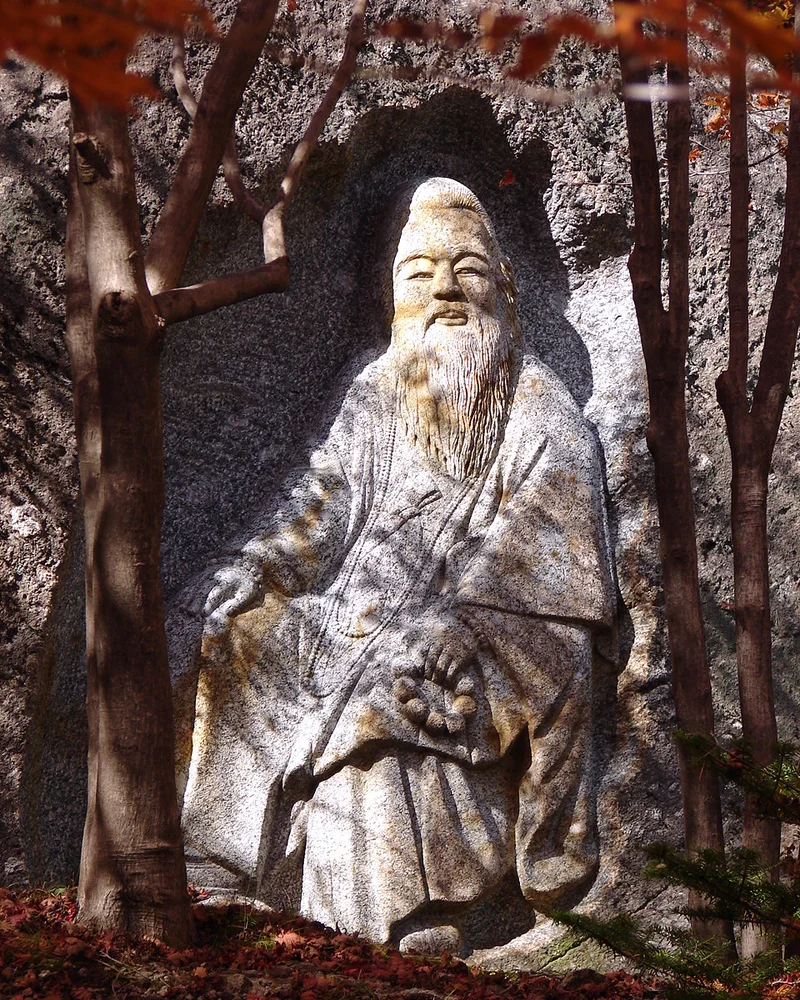
Hwanung
The son of the Lord of Heaven who descends to Mount Taebaek with three thousand followers and the ministers of wind, rain, and clouds, founds the 'City of God' beneath the sacred altar tree, and fathers Dangun with the bear-woman Ungnyeo.
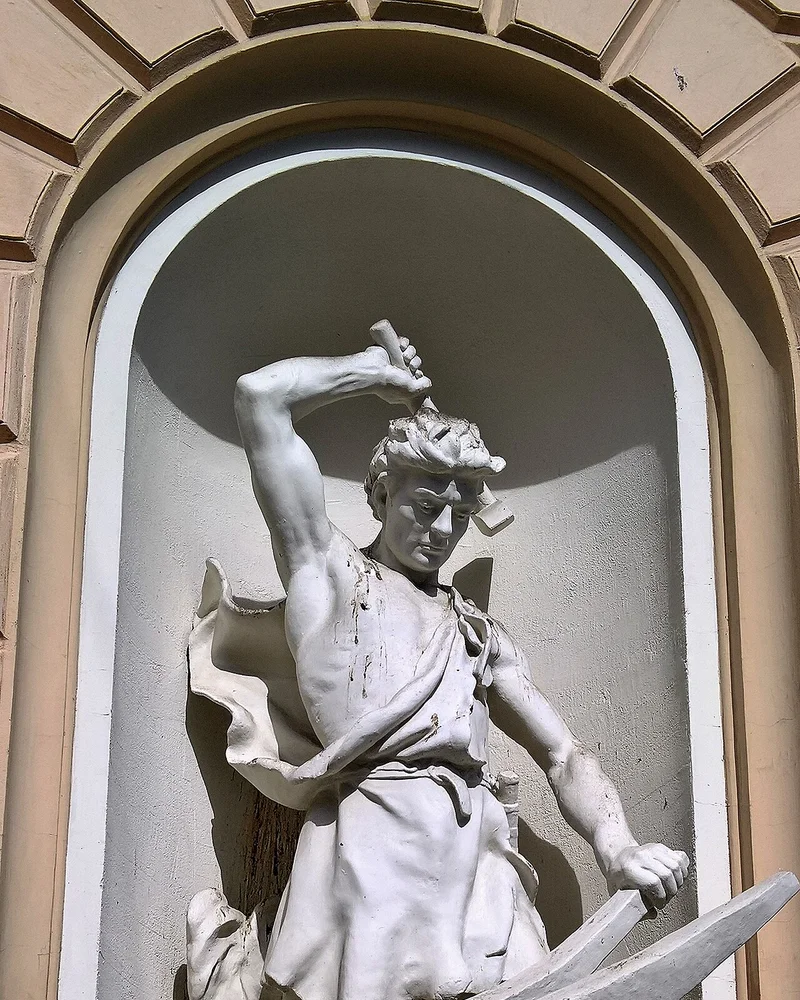
Ilmarinen
The eternal smith of Finnish tradition, who forged the vault of the sky and, in the Kalevala, the Sampo for Louhi of Pohjola; named by Agricola in 1551 as the maker of calm and storm who carried travelers on their way.
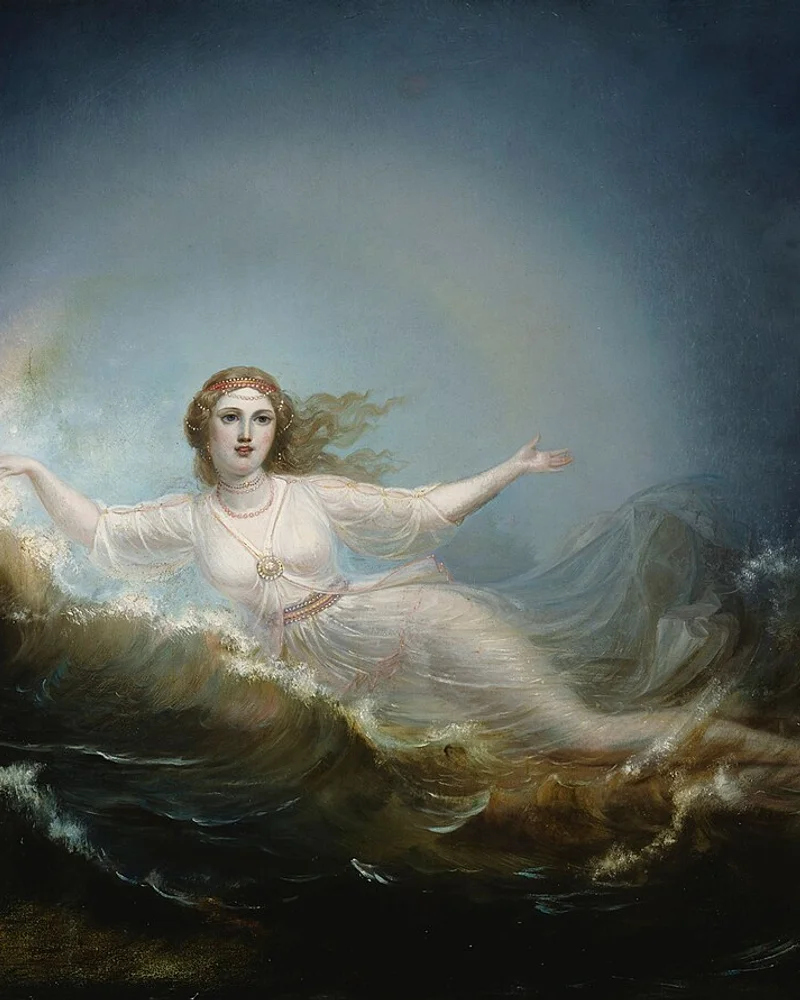
Ilmatar
The virgin daughter of the air who, in the Kalevala's first rune, descends to the primeval sea, becomes pregnant by wind and wave, and on whose knee a duck lays the eggs from which earth, sky, sun, moon, and stars are made; mother of Väinämöinen.
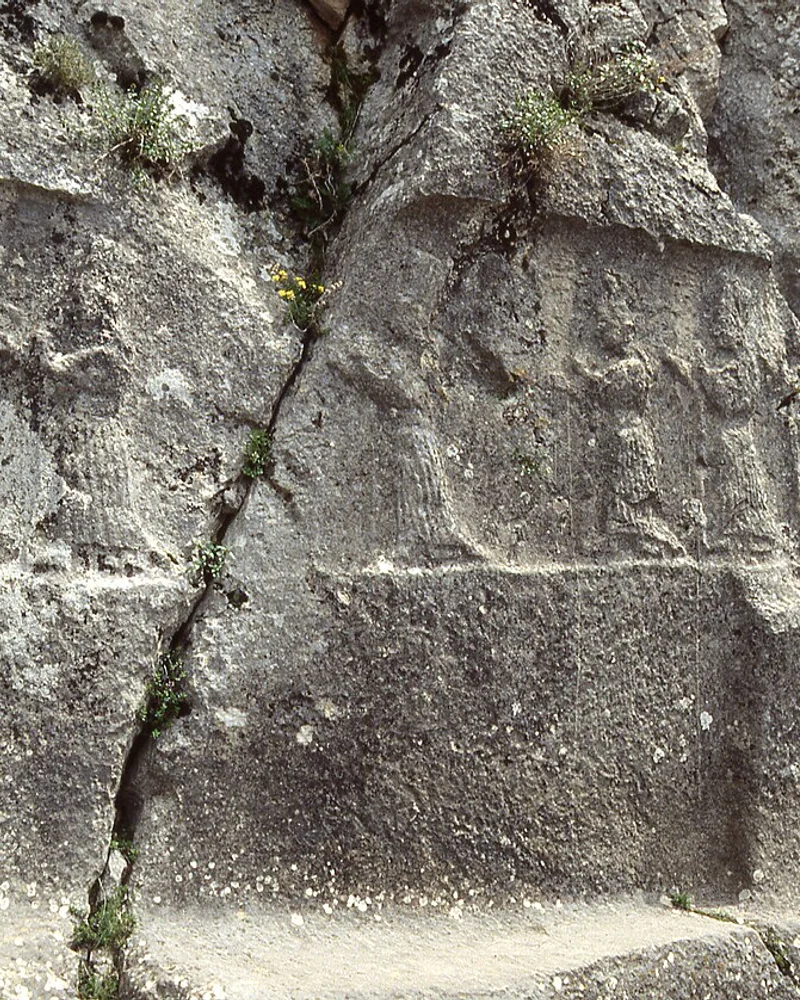
Inara
A Hattian goddess of the wild who helps the Storm-god defeat the serpent Illuyanka by laying out a great feast and recruiting the mortal Hupašiya.
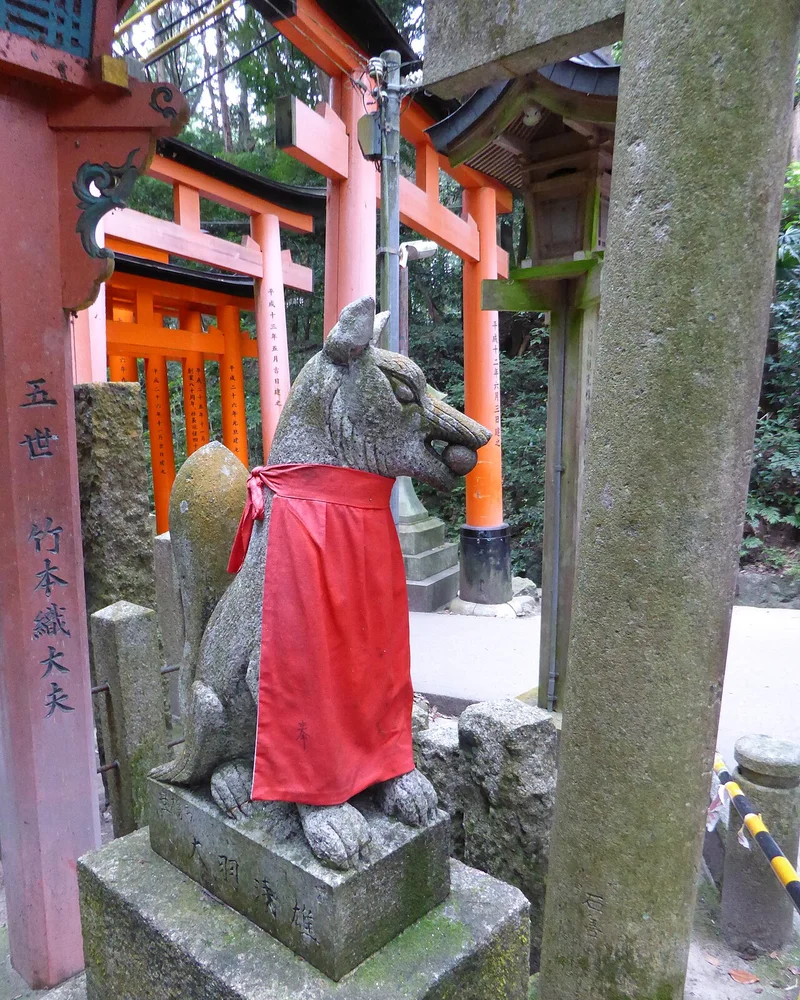
Inari
Kami of rice, fertility, agriculture, industry, and prosperity. One of the most popular kami in Japan. Associated with foxes (kitsune) as messengers.
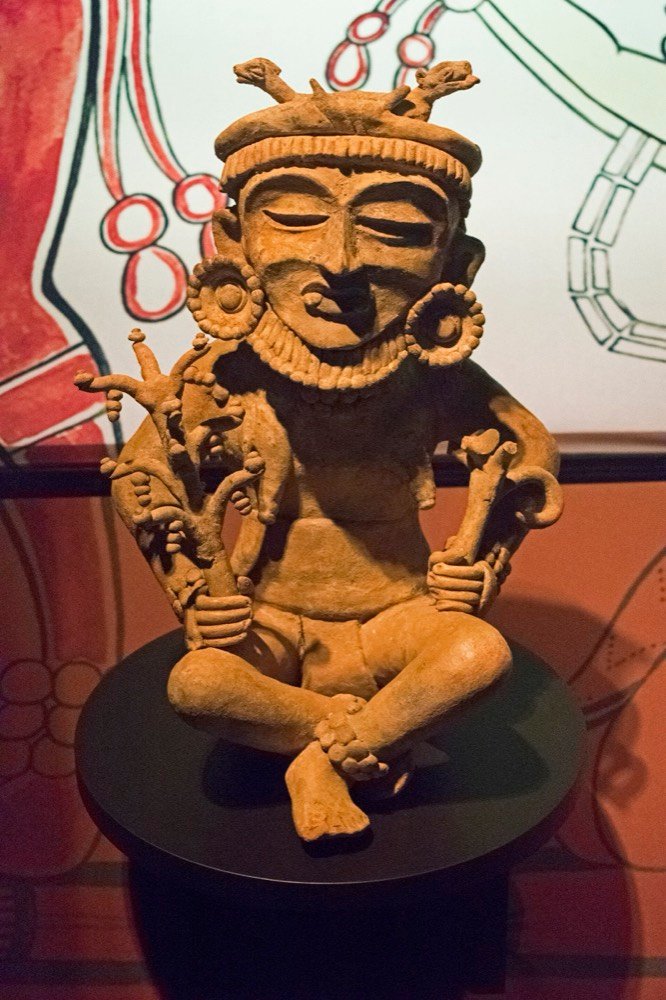
Ix Chel
The aged Maya goddess of midwifery, medicine, weaving, and divination. On the last page of the Dresden Codex she pours the world-ending flood from her jar. Women made pilgrimage to her shrine on Cozumel.
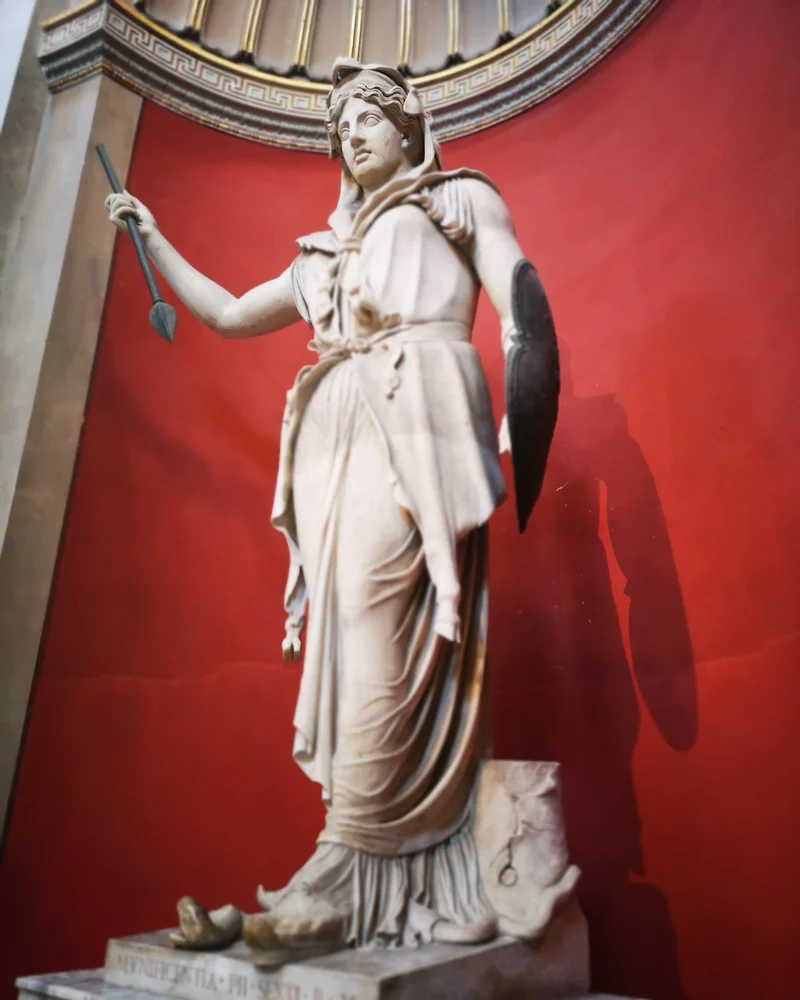
Juno
Queen of the gods and protector of the Roman state. Goddess of marriage, women, and childbirth. Wife and sister of Jupiter, patron of married women and the Roman matrons.
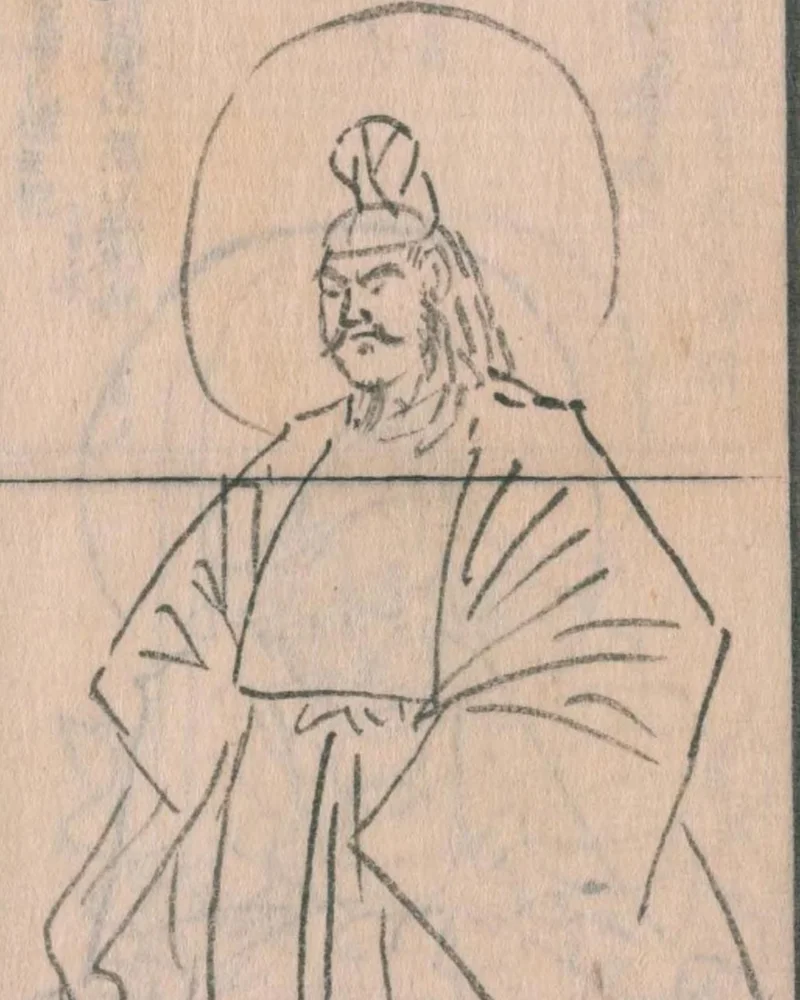
Kagutsuchi
The fire god whose birth killed his mother Izanami, triggering Izanagi's descent to Yomi and the eternal separation of life and death. From his death came many kami.
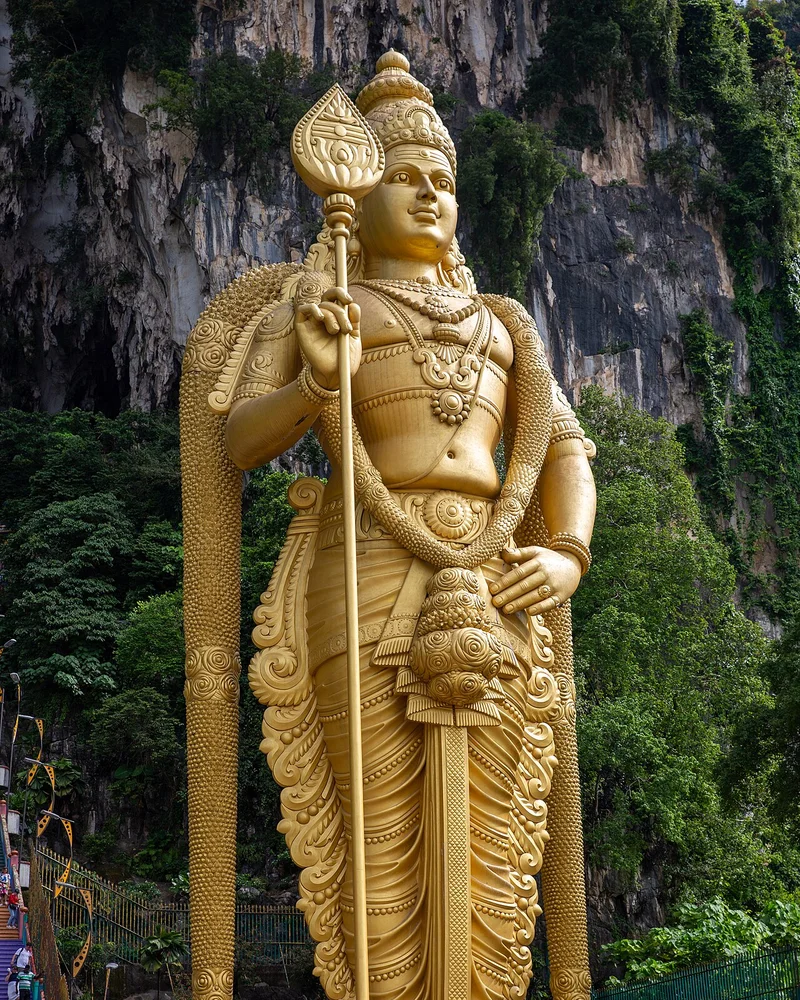
Kartikeya
The god of war and commander of the gods' army, son of Shiva, born to destroy the demon Taraka. Raised by the six Krittikas (the Pleiades), he is often shown with six faces; in the Tamil south he is worshipped as Murugan, one of the most beloved gods of the region.
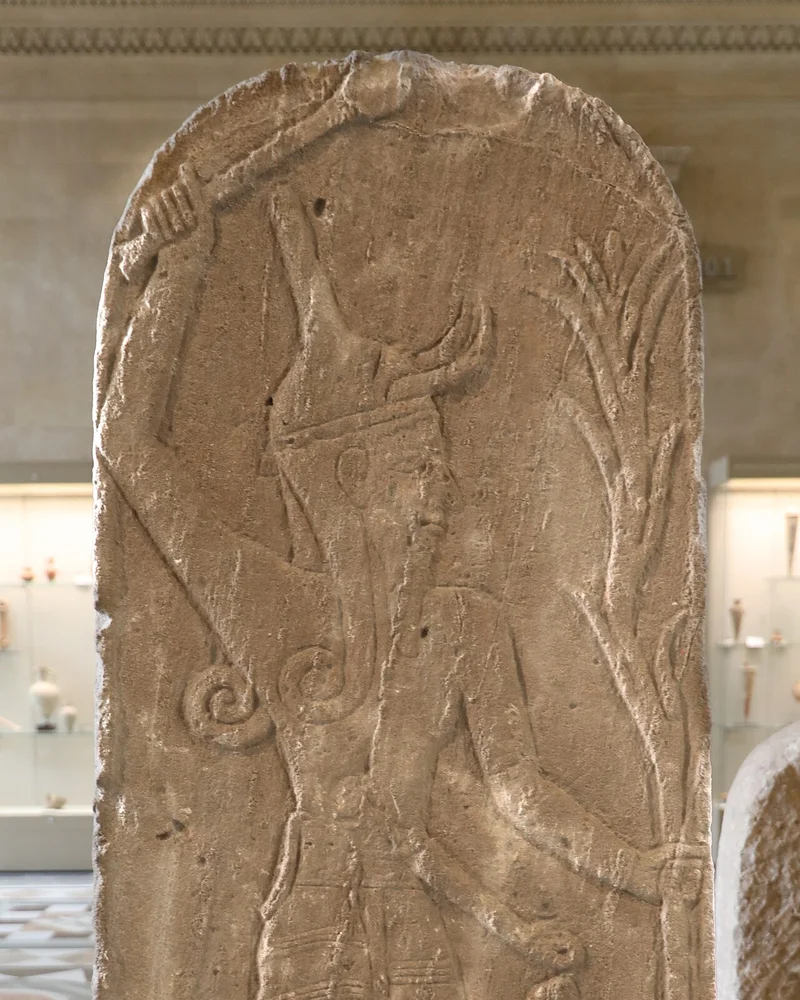
Kothar-wa-Khasis
The craftsman god, 'Skilful and Wise', who makes Baal's two clubs, builds his palace of cedar and silver, and brings the fateful bow to the house of Danel.
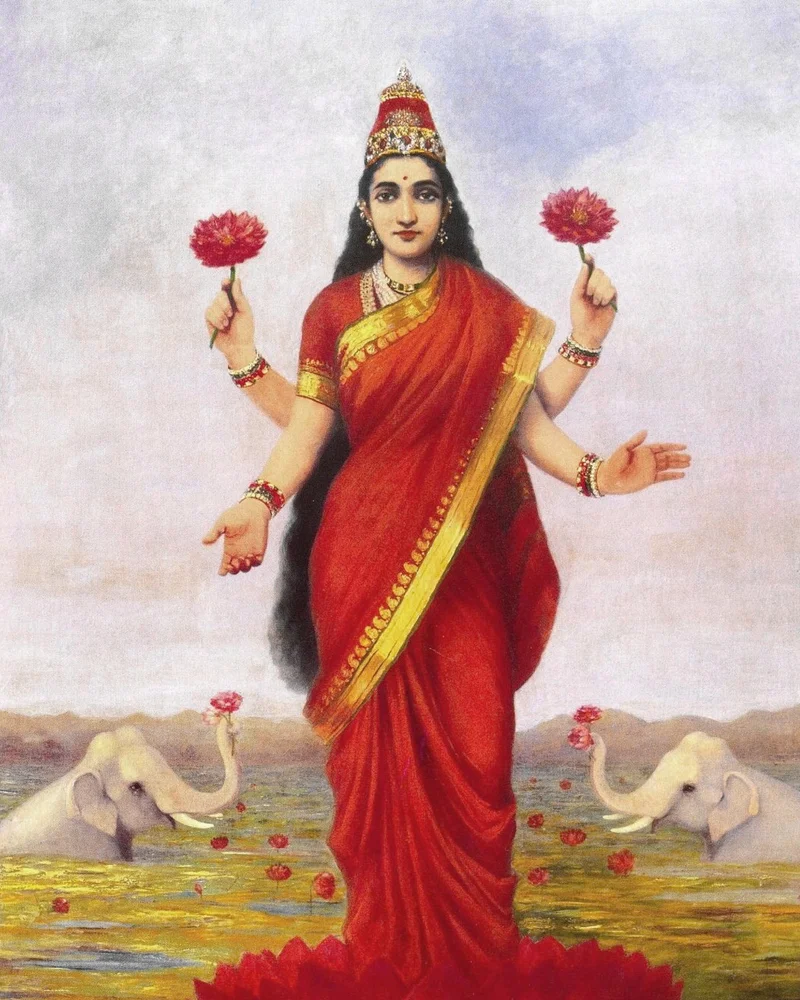
Lakshmi
Goddess of wealth, fortune, prosperity, and beauty. Consort of Vishnu, she incarnates alongside him in his avatars. She represents both material and spiritual prosperity.
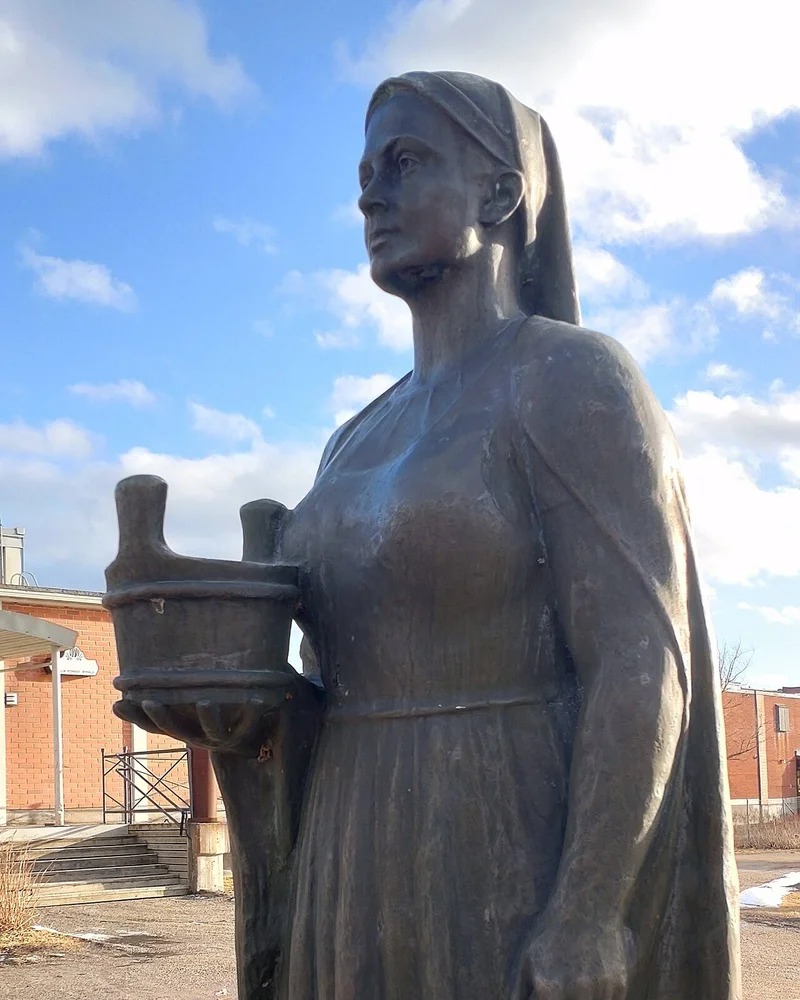
Louhi
The powerful, gap-toothed mistress of Pohjola, the dark North, who demands the forging of the Sampo in exchange for her daughter, pursues the heroes as a giant eagle when they steal it, and hides the sun and moon in a mountain.
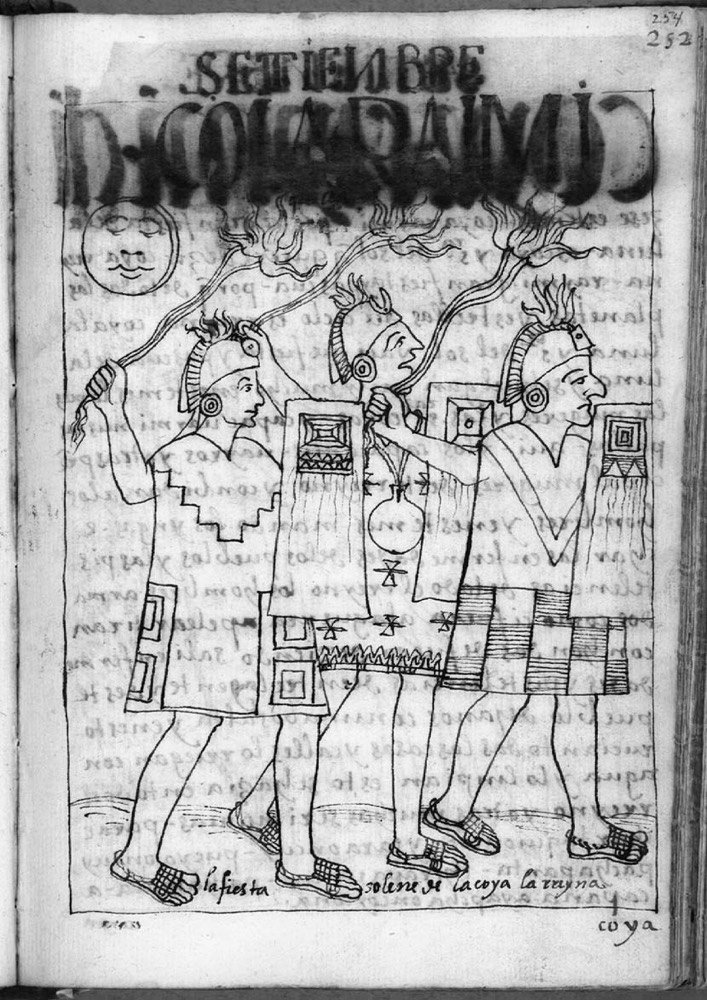
Mama Killa
The Inca moon goddess, sister and wife of Inti, patroness of women and marriage; the ritual calendar followed her phases. An eclipse meant a serpent or puma devouring her, driven off with noise and howling dogs.
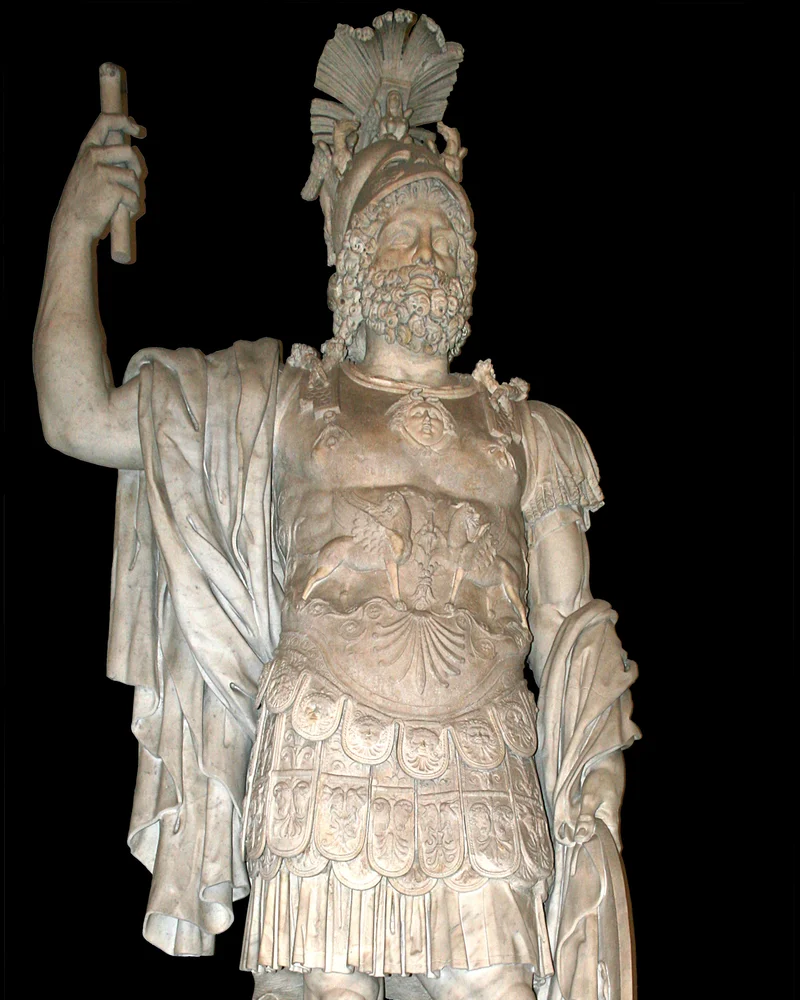
Mars
God of war and guardian of Rome. More prominent in Roman religion than his Greek counterpart Ares, Mars was also a god of agriculture and fertility. Father of Romulus and Remus, legendary founders of Rome.
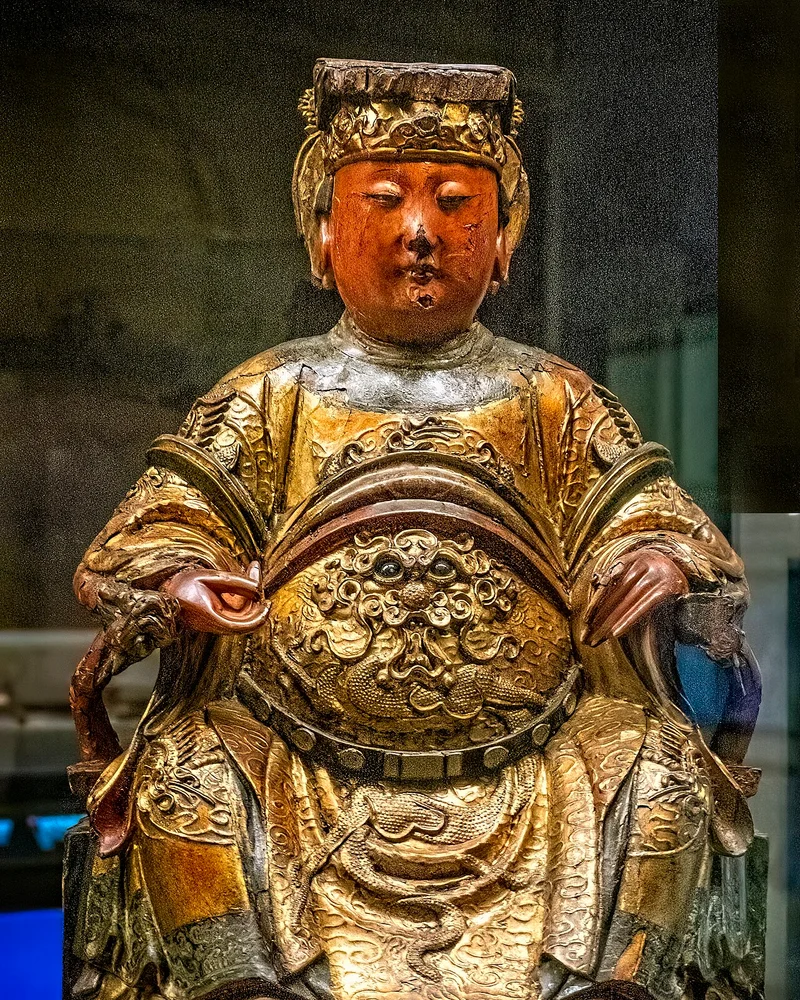
Mazu
The goddess of the sea and protector of sailors, fishermen, and all who travel by water. Originally a human girl from Fujian Province with miraculous powers, she was deified after her death.
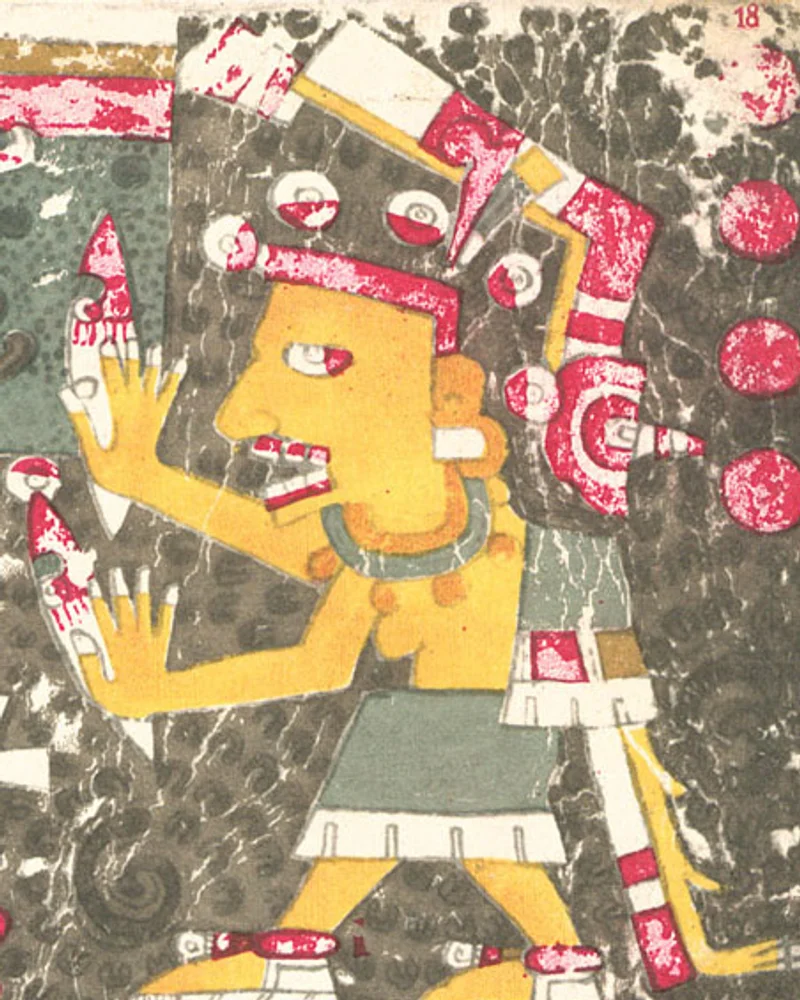
Mictecacihuatl
Queen of Mictlan, the Aztec underworld, ruling alongside her husband Mictlantecuhtli over the ninth and deepest level of the land of the dead. Mictecacihuatl presided over the bones of the deceased and the festivals honoring the dead within the Aztec calendar.
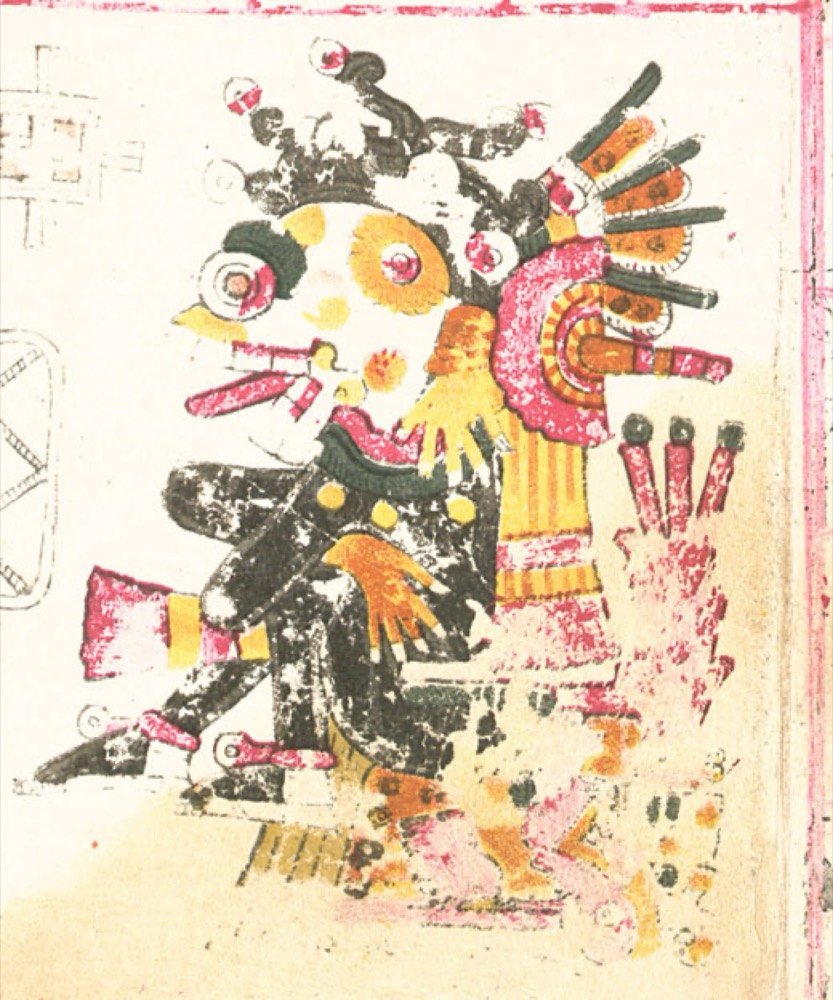
Mictlantecuhtli
Skeletal lord of Mictlan, enthroned with his wife Mictecacihuatl in the ninth and deepest level of the underworld. His traps shattered the human bones Quetzalcoatl came to reclaim.
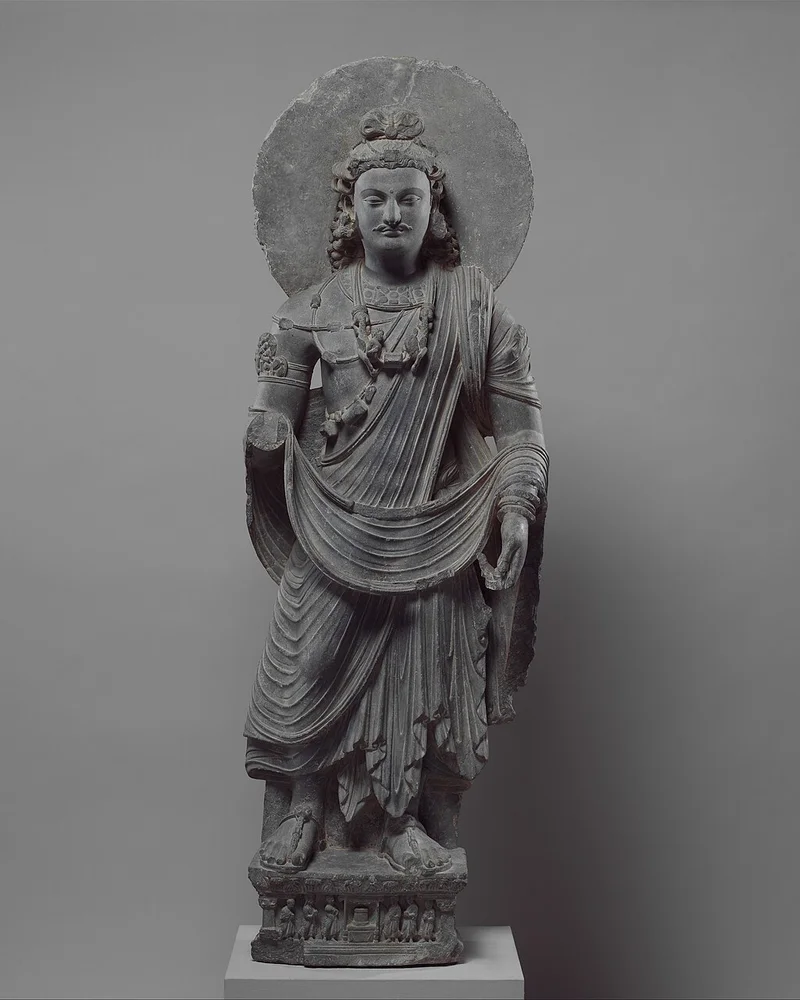
Mireuk
The creator of the world in the Korean shamanic Song of Creation, who separates heaven and earth, props up the sky with copper pillars, makes stars from an extra sun and moon, and creates the first humans, before losing the world to the cheating Seokga.
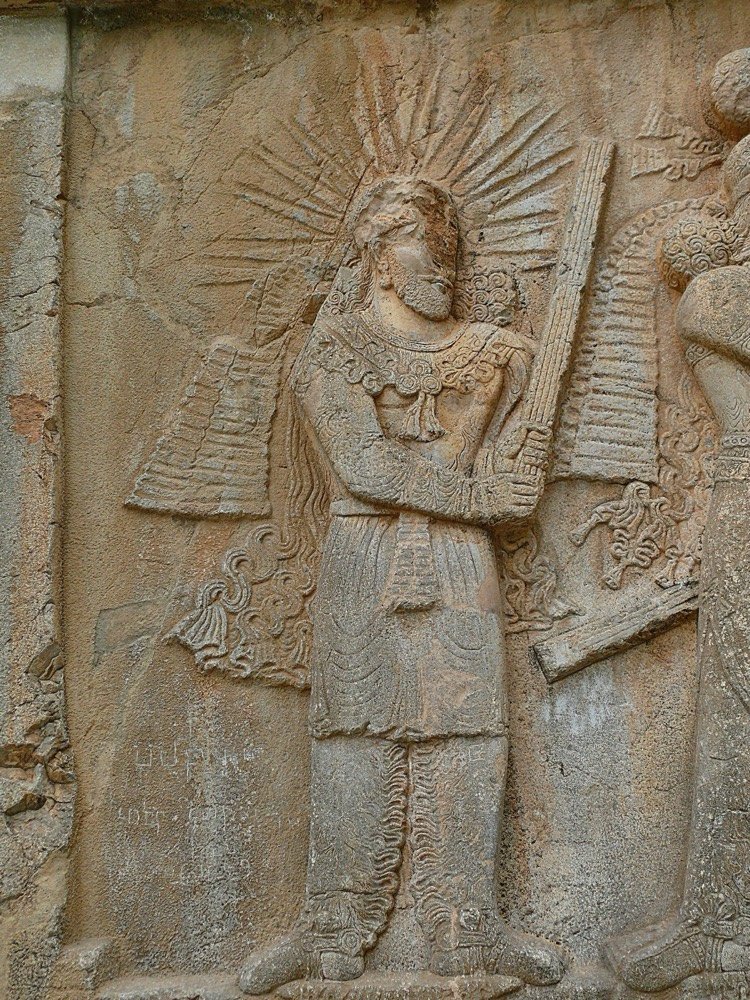
Mithra
The yazata of covenant and oath, thousand-eared and ten-thousand-eyed, who rides ahead of the sun and watches over all who break their word. His name later traveled to Rome.
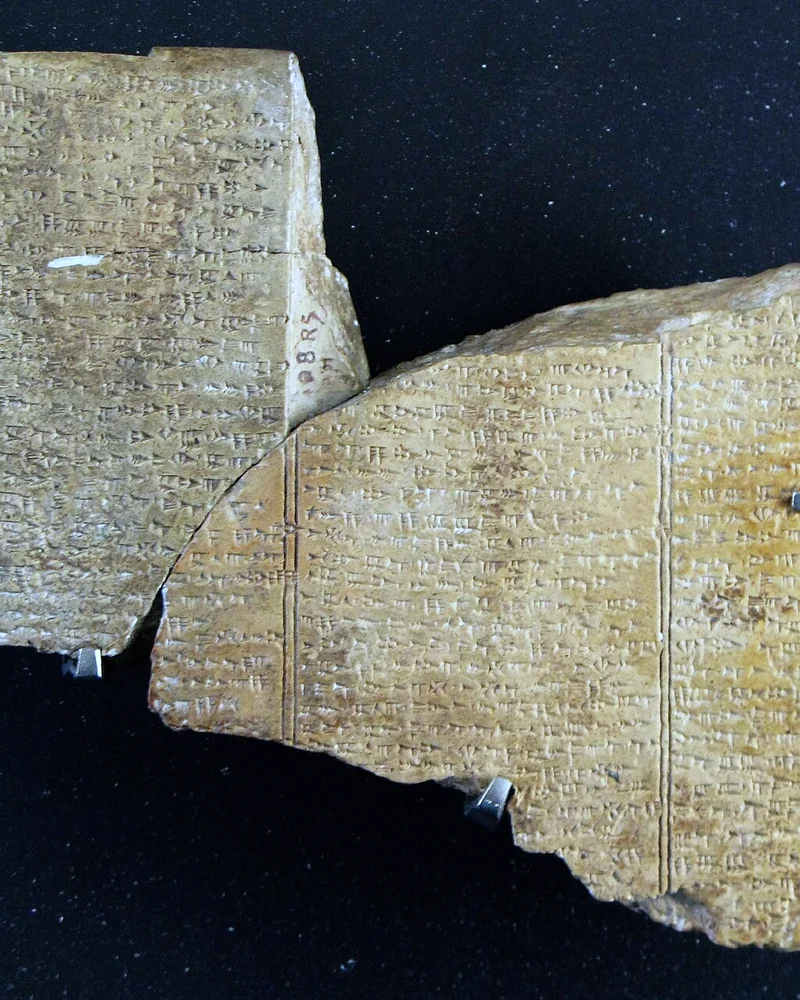
Mot
Death personified, whose throat reaches to the heavens and whose lip touches the earth, who swallows Baal and is himself destroyed by Anat and then fights Baal to a standstill.
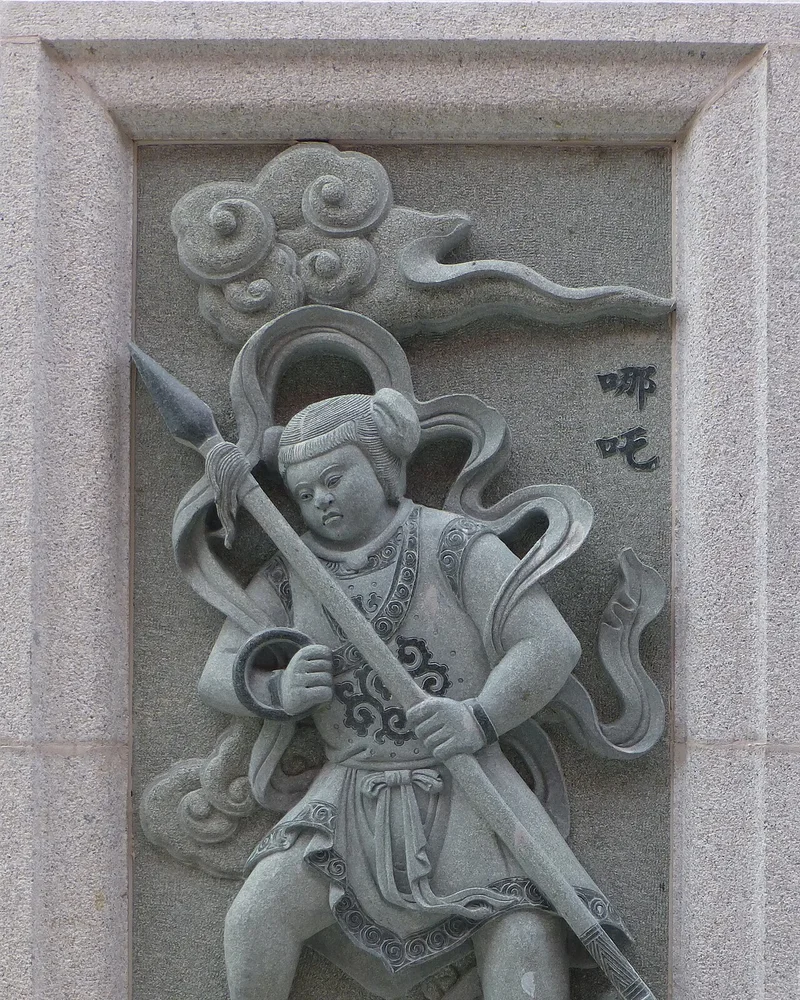
Nezha
A fierce child warrior deity born after three years and six months of pregnancy. He killed a dragon prince, defied his father, and was reborn from lotus flowers to become one of Heaven's greatest warriors.
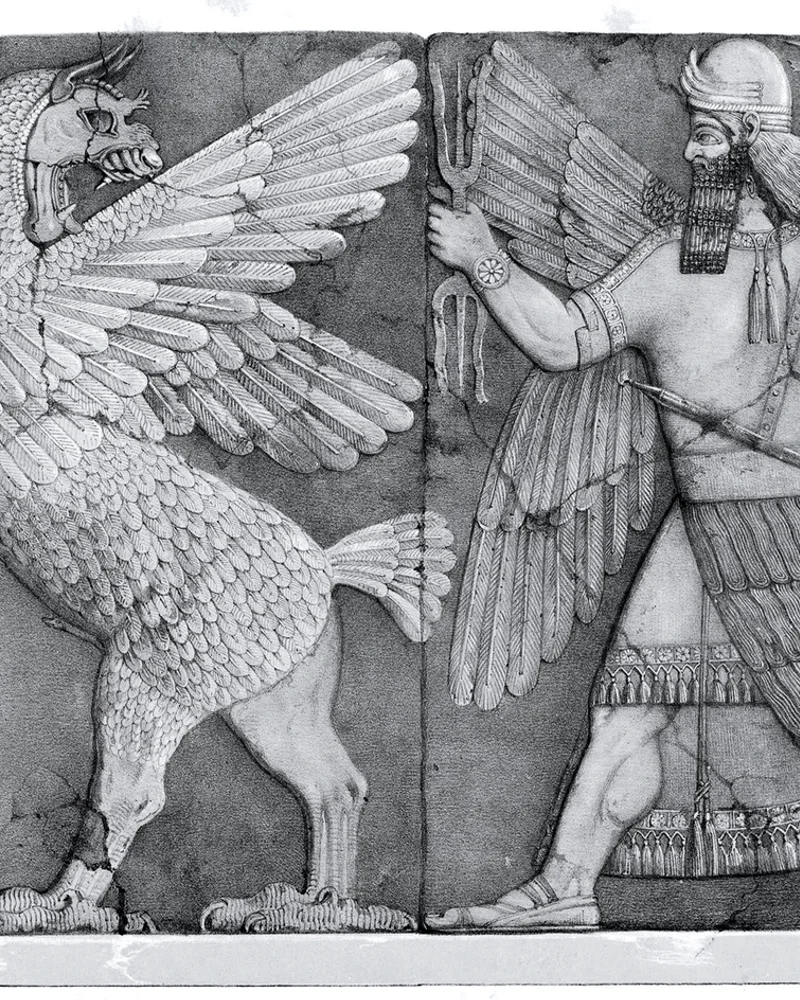
Ninhursag
The great Sumerian mother goddess, 'Lady of the Mountain', who presides over birth and the shaping of humankind. Under names such as Ninmah, Nintu, and Aruru, she fashions people from clay; in the Epic of Gilgamesh, as Aruru, she creates Enkidu.
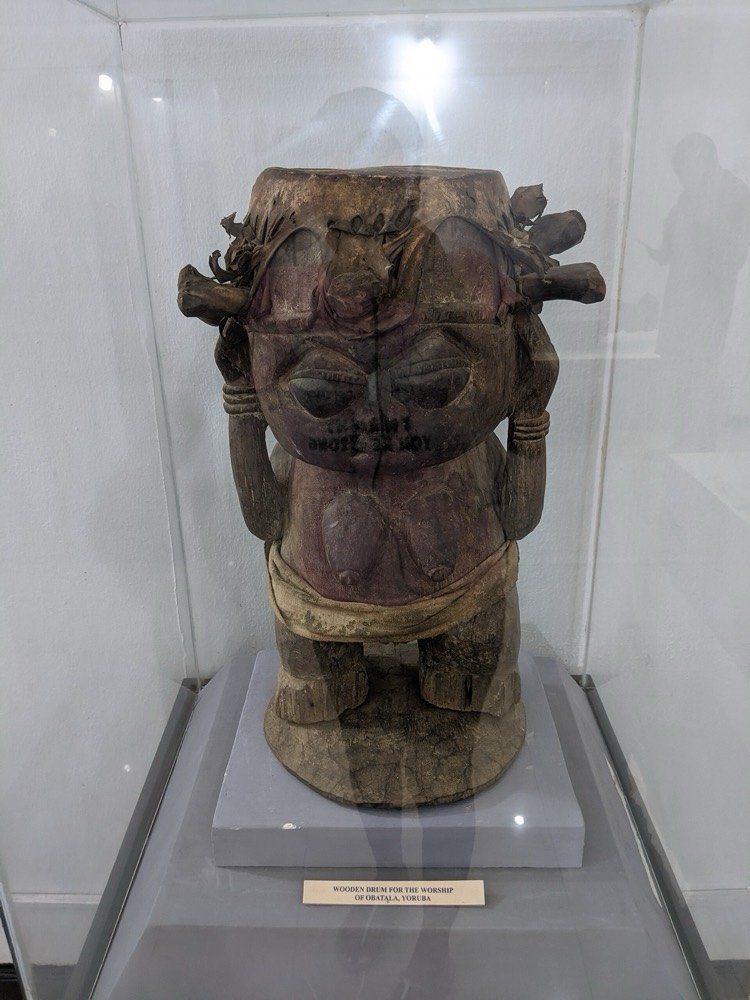
Obatala
The 'King of the White Cloth', who molds human bodies from clay. Having shaped hunchbacks and albinos while drunk, he forswore palm wine; the disabled are sacred to him and his devotees wear white.
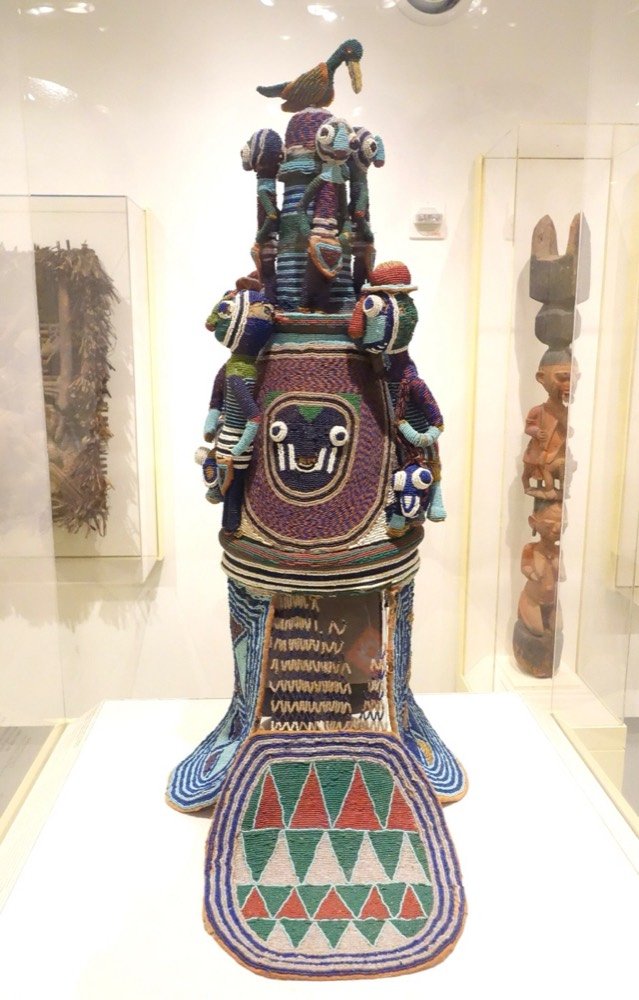
Oduduwa
The god who made dry land at Ife, descending on an iron chain with a snail shell of earth and a five-toed cock, and the ancestor from whom every Yoruba royal house claims its crown.
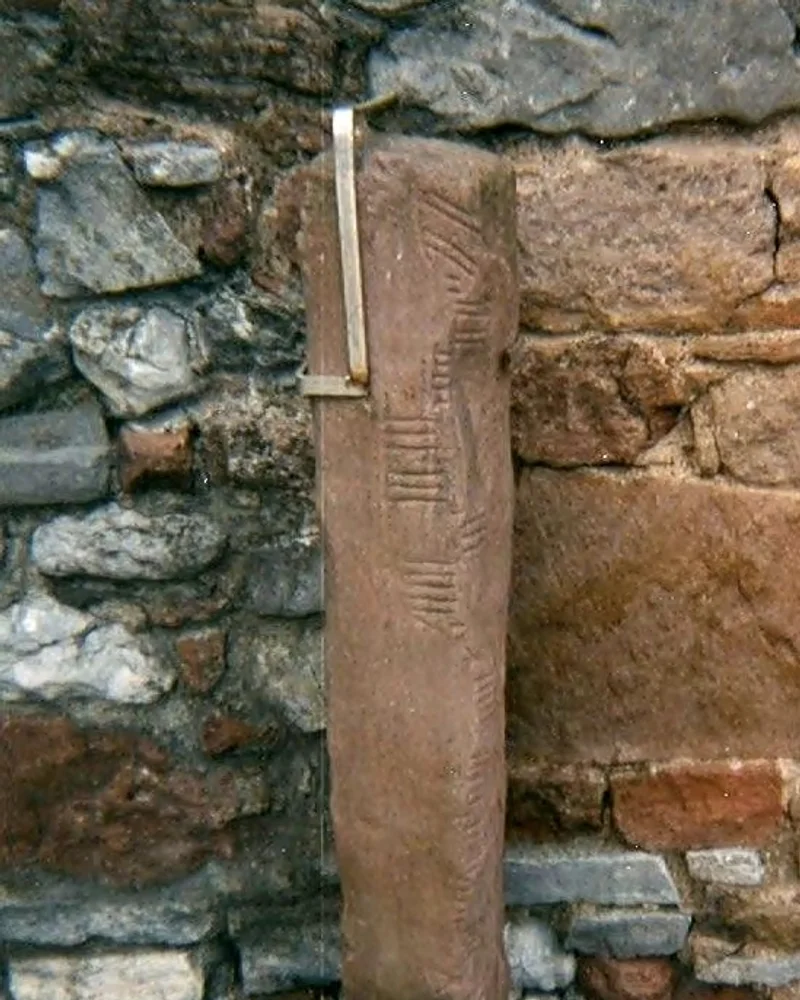
Ogma
Inventor of the Ogham alphabet and champion of the Tuatha Dé Danann. His eloquence binds listeners with chains of gold that flow from his tongue.
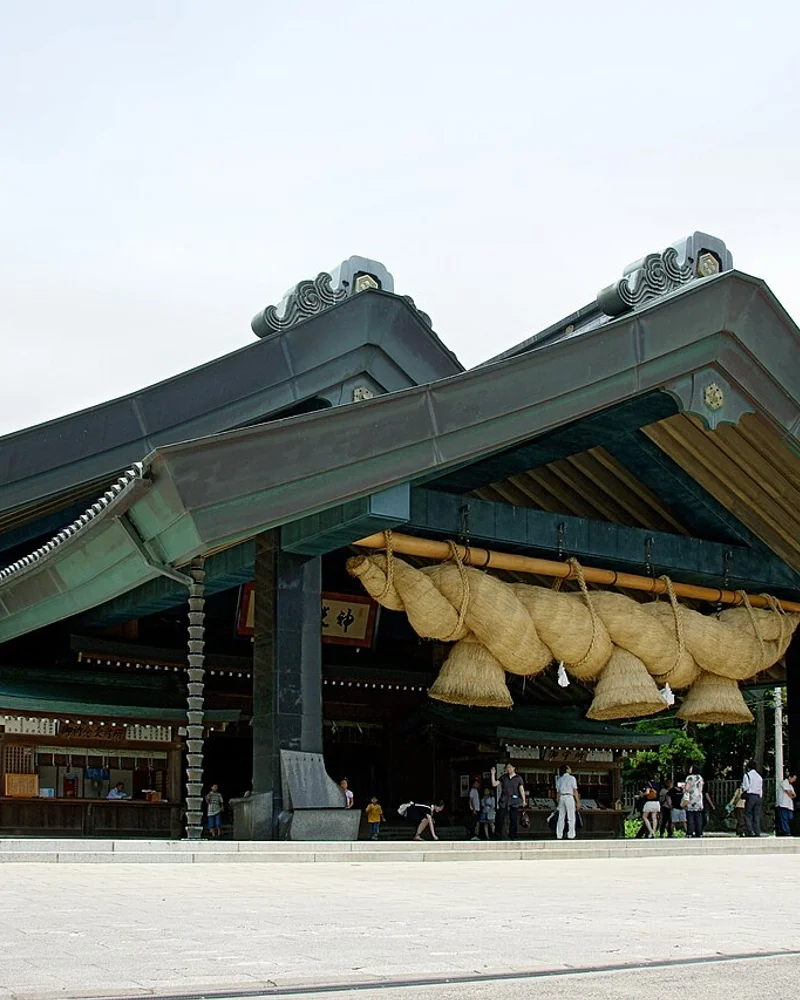
Okuninushi
The Great Land Master who built and ruled the earthly realm before ceding it to Amaterasu's descendants. God of nation-building, medicine, magic, and matchmaking. Principal deity of Izumo Grand Shrine.
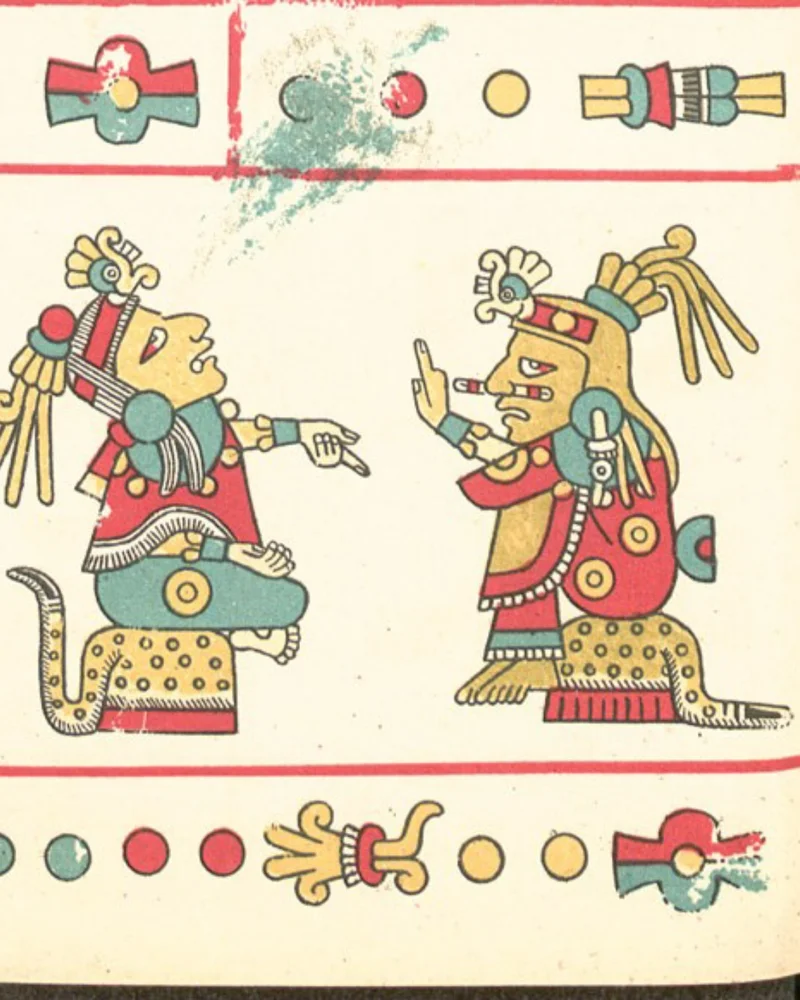
Ometeotl
A primordial dual-gendered creative principle described in some colonial-era Nahua sources as residing in Omeyocan, the highest level of the heavens, and identified with the paired deities Ometecuhtli and Omecihuatl. Whether Ometeotl represents a single, named pre-Columbian deity or is chiefly a later scholarly synthesis of the paired creator gods is a genuinely unresolved debate among specialists.
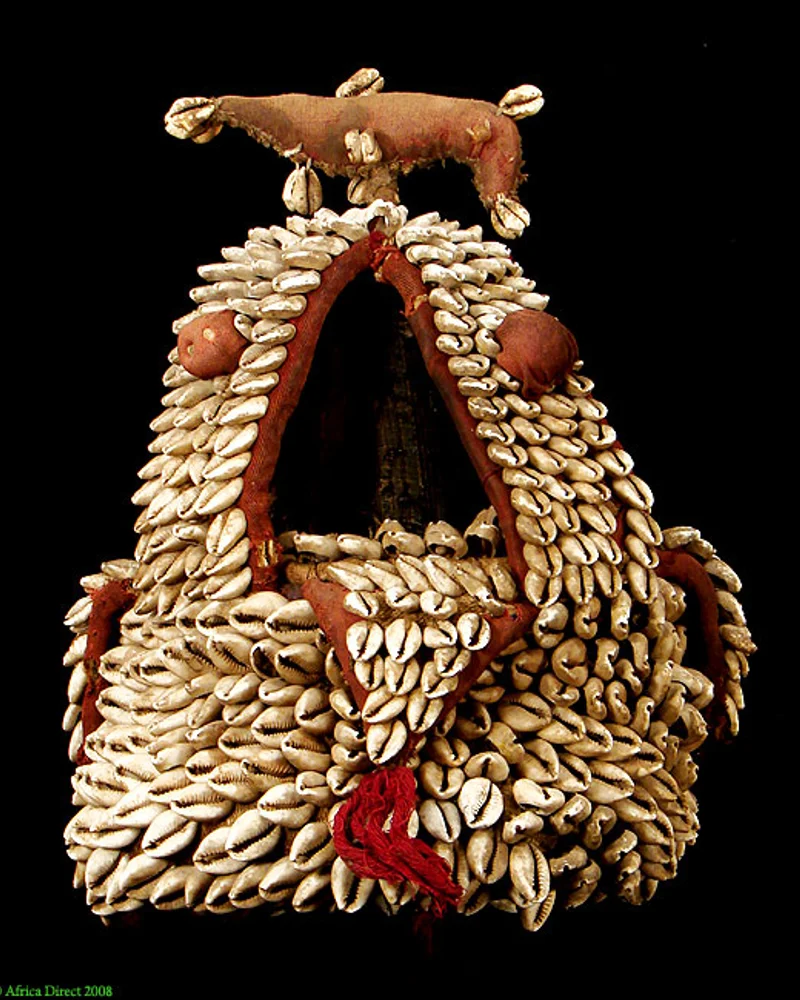
Ori
The personal Orisha representing one's inner consciousness and chosen destiny. Ori is the first deity one must honor, for without Ori's support, no other Orisha can help.
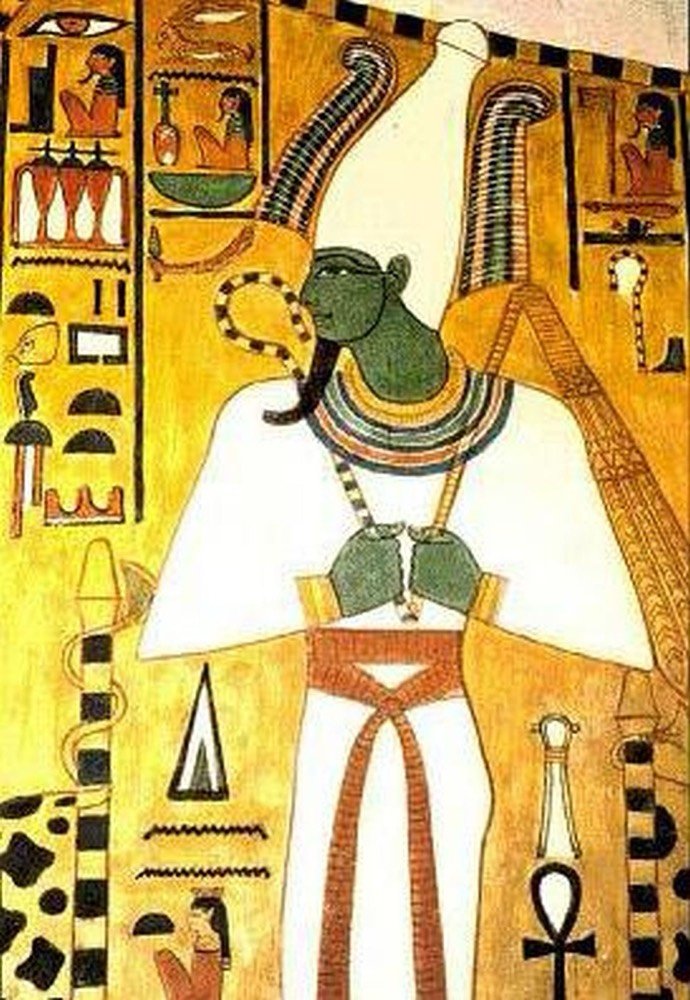
Osiris
Murdered by his brother Set and revived by his wife Isis, the green-skinned mummiform god rules the underworld and presides over the judgment of the dead.
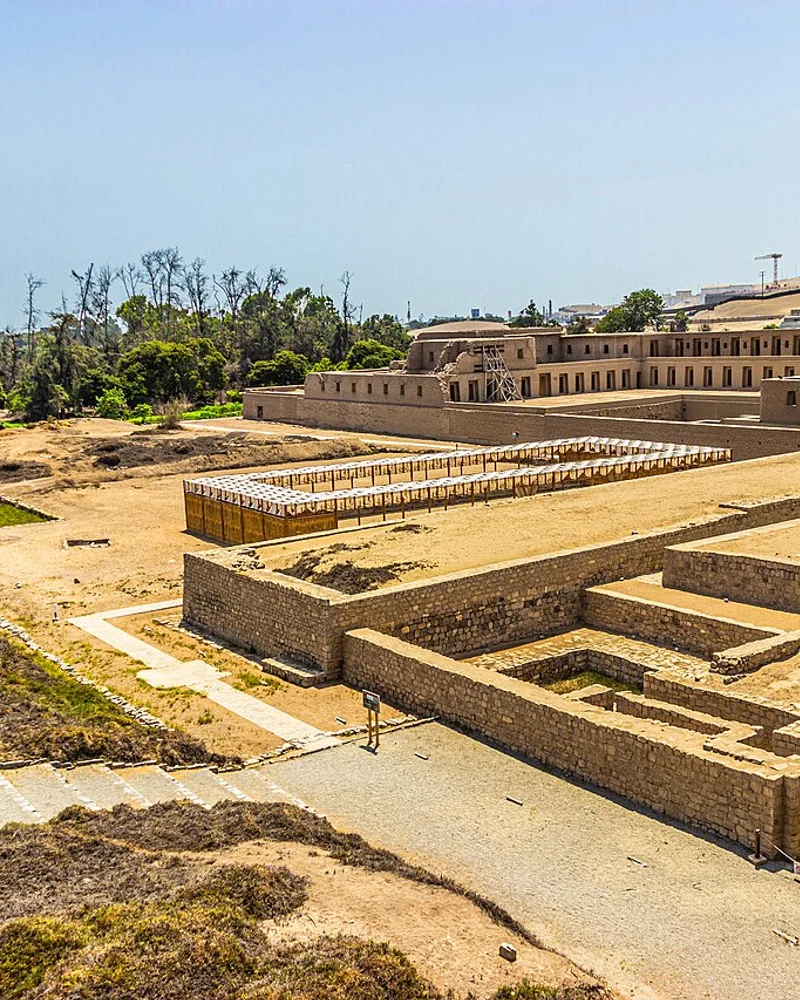
Pachacamac
The great oracle god of the central Peruvian coast, whose sanctuary south of Lima drew pilgrims for centuries before the Incas, and who kept his shrine even after the Incas built a Temple of the Sun beside it.
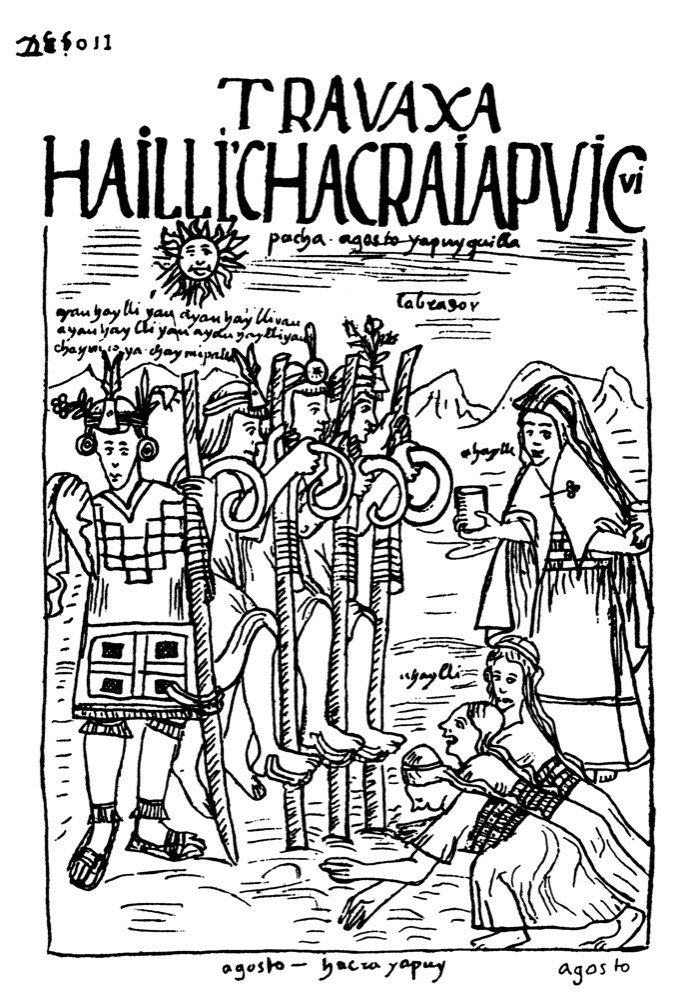
Pachamama
The Andean earth mother, keeper of soil, sowing and harvest, thanked with libations of chicha, coca leaves and burnt offering bundles. Her worship predates the Inca empire and continues today.
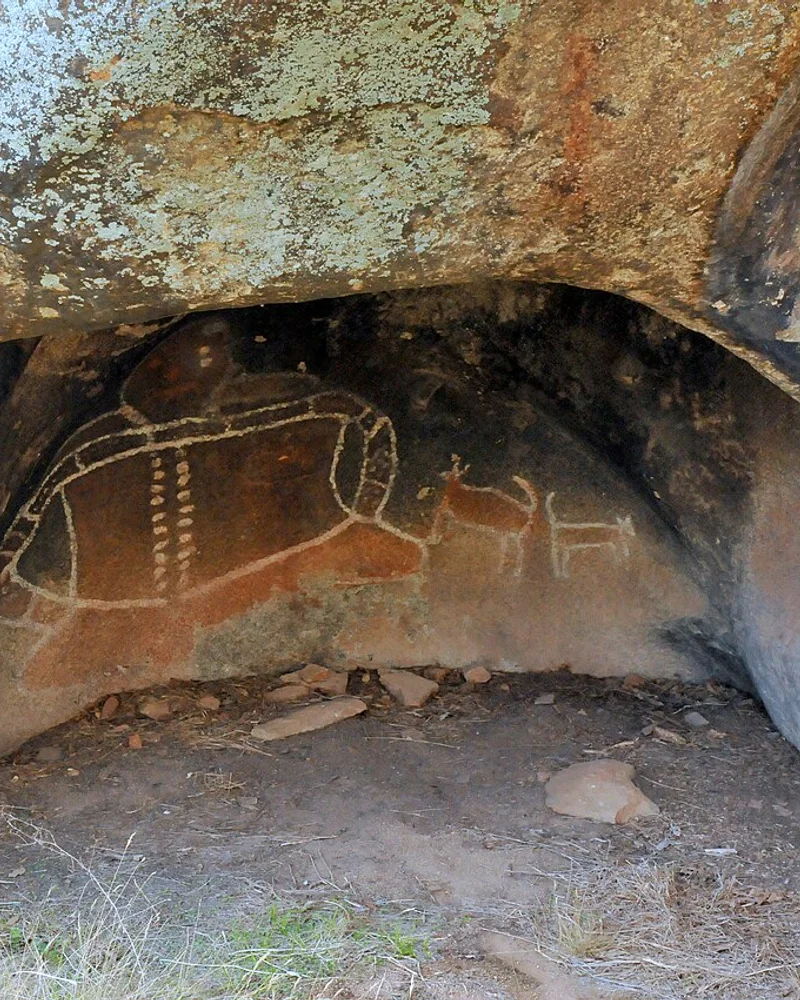
Pallian
In Kulin tellings, Bunjil's brother, who had charge of the waters and who, beating the water with his hands, brought forth the first women.
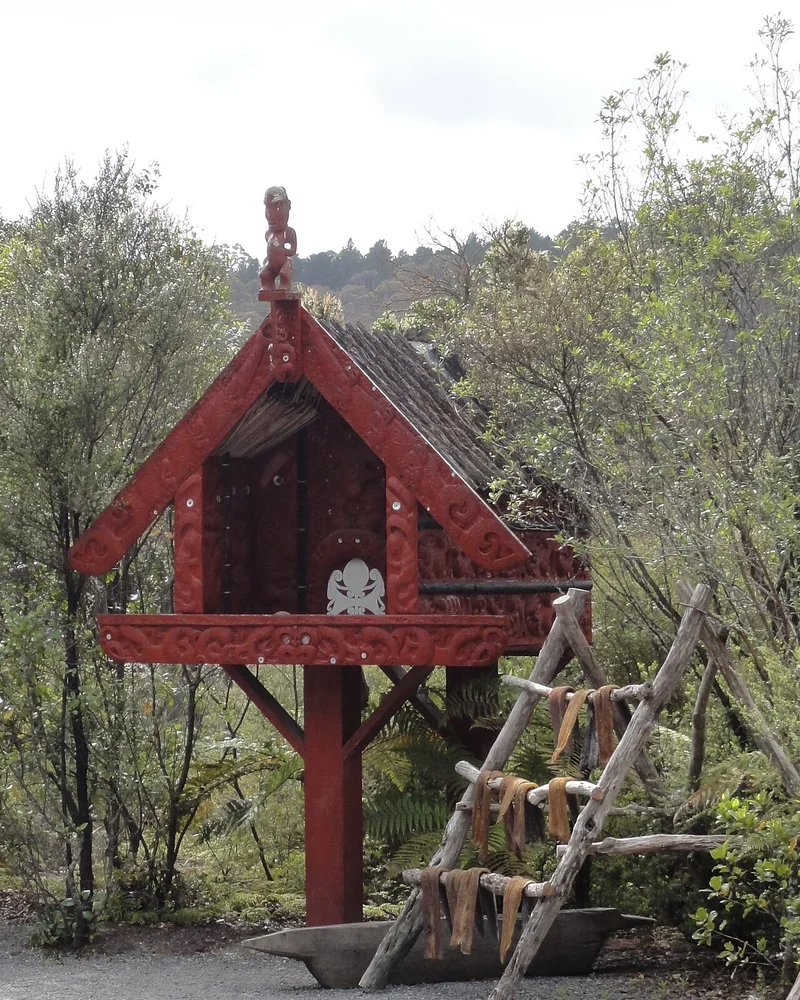
Papa
The Earth Mother, wife of Rangi the Sky Father. Papa lay in eternal embrace with Rangi until their children separated them, bringing light into the world. She remains the foundation upon which all life exists.
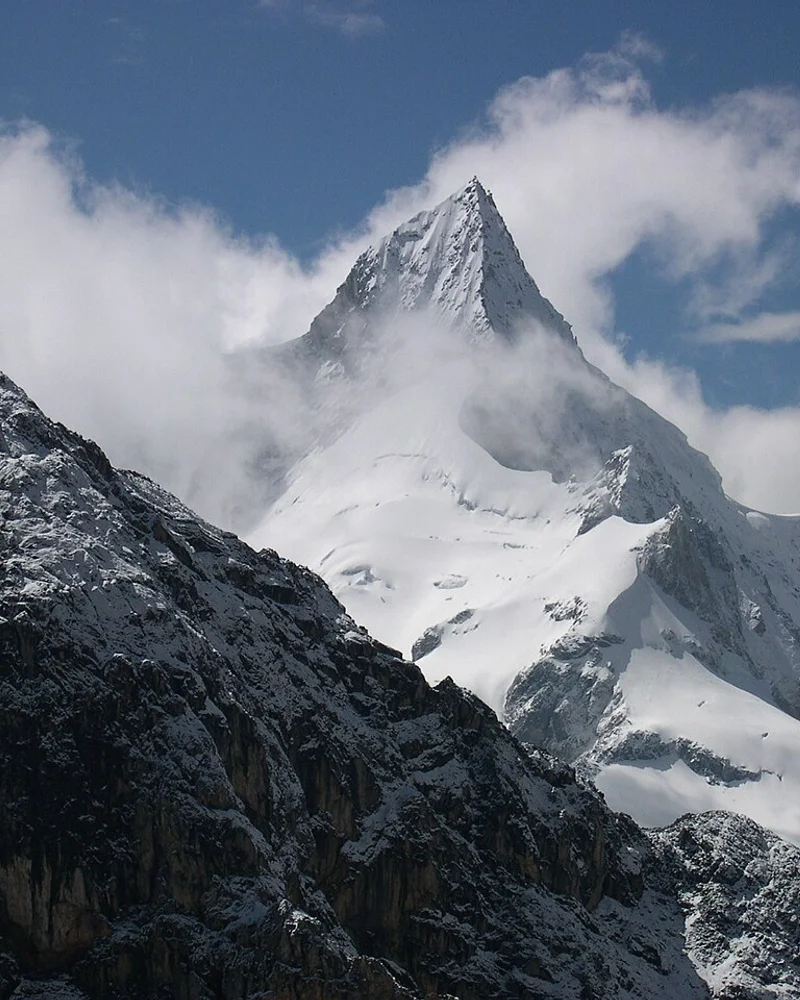
Pariacaca
The snow-mountain god of the Huarochirí Manuscript, born from five eggs on Mount Condorcoto, who drowns a village that refused him drink, brings irrigation water to the fields of Cupara, and drives the fire-eating Huallallo Carhuincho out of the highlands.
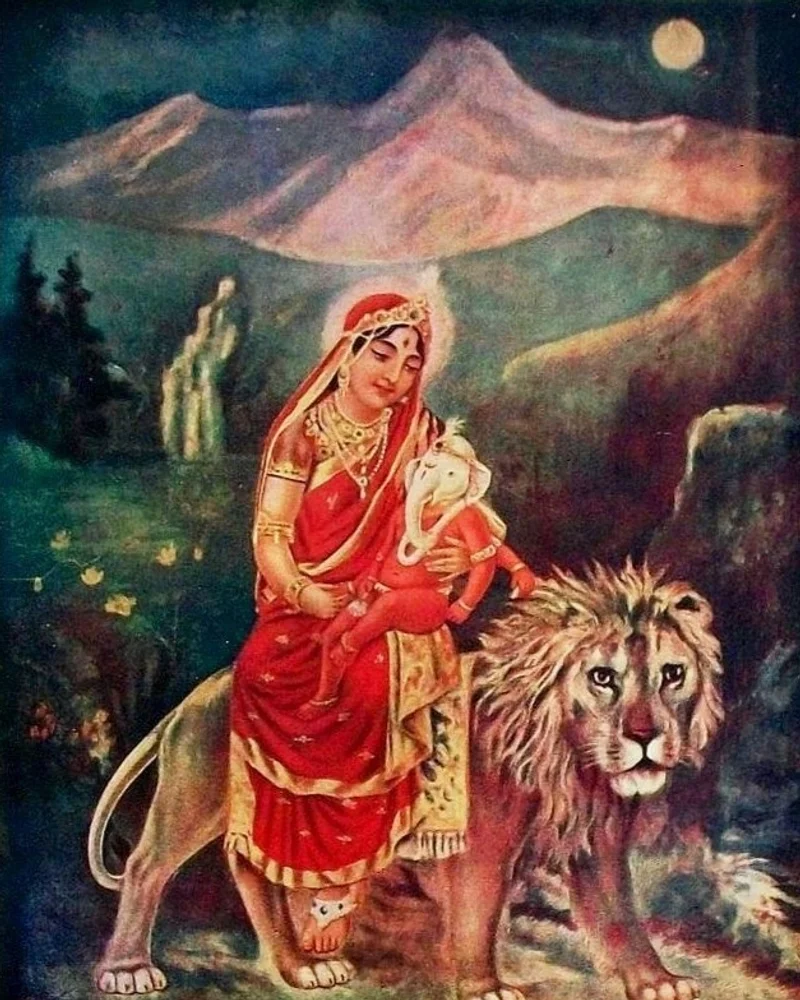
Parvati
Goddess of power, fertility, love, and devotion. Consort of Shiva and mother of Ganesha and Kartikeya. Represents Shakti, the divine feminine creative power.
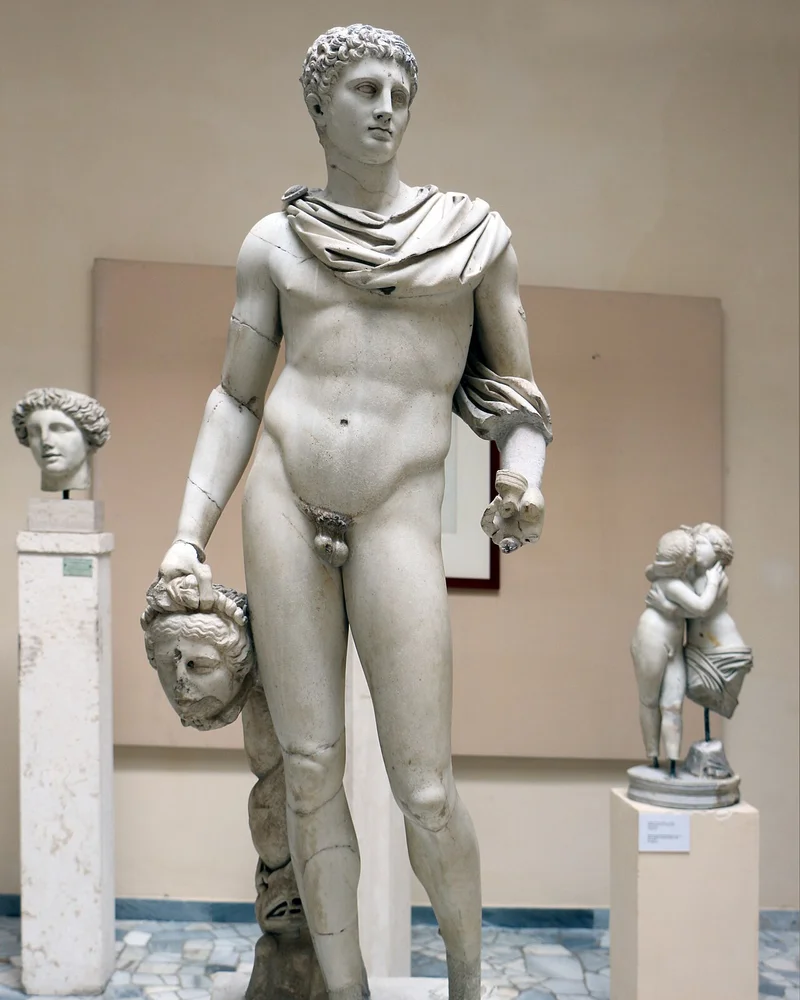
Perseus
Hero who slew the Gorgon Medusa and rescued Andromeda from a sea monster. Son of Zeus and Danae, conceived when Zeus visited her as a shower of golden rain.
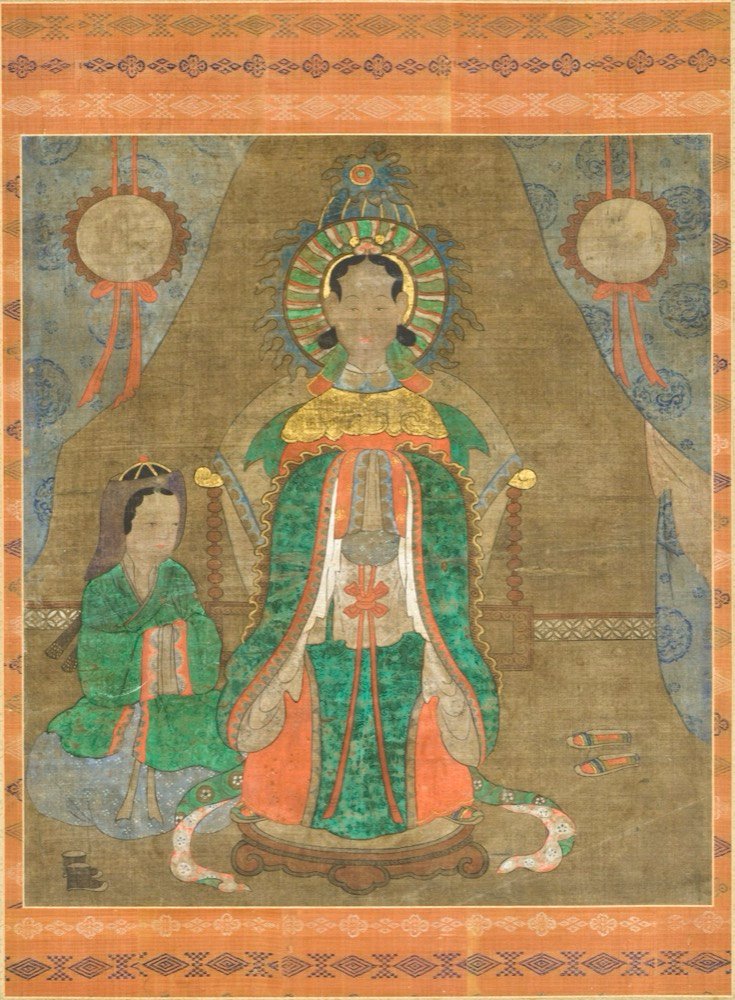
Princess Bari
Cast into the water at birth for being a seventh daughter, she alone journeyed to the western sky for the water of life that revived her dying parents, and became the goddess who leads dead souls onward.
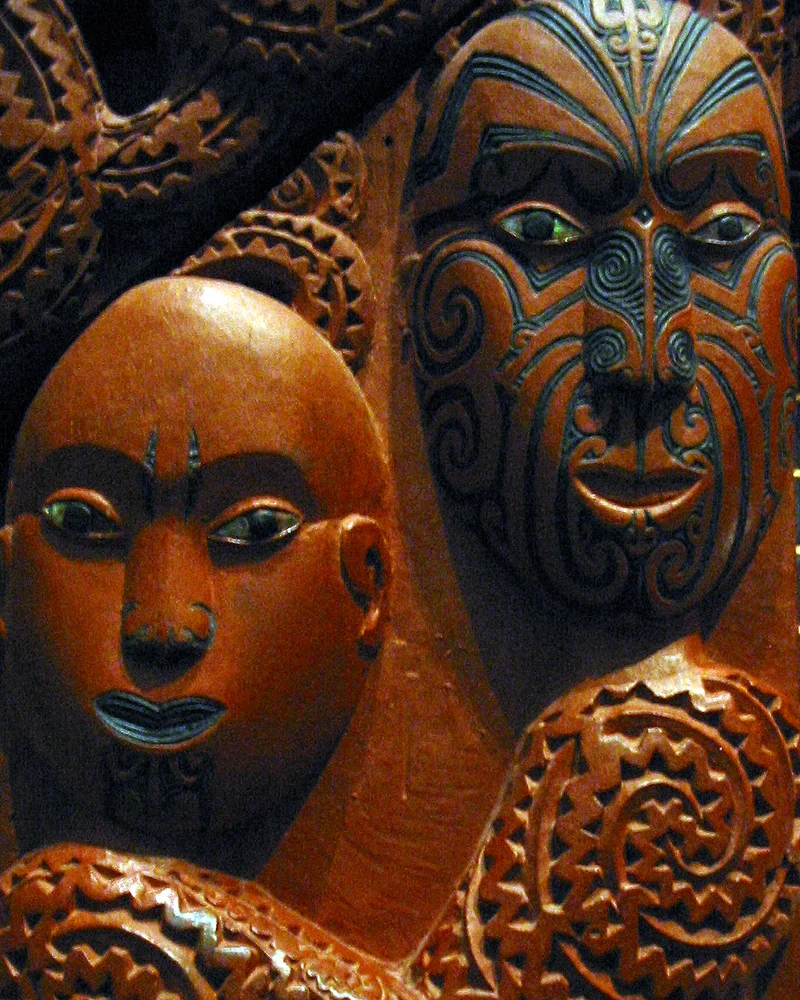
Rangi
The Sky Father, husband of Papa the Earth Mother. Rangi was forced apart from his wife by their children, and now weeps for her from above, his tears falling as rain upon her body.
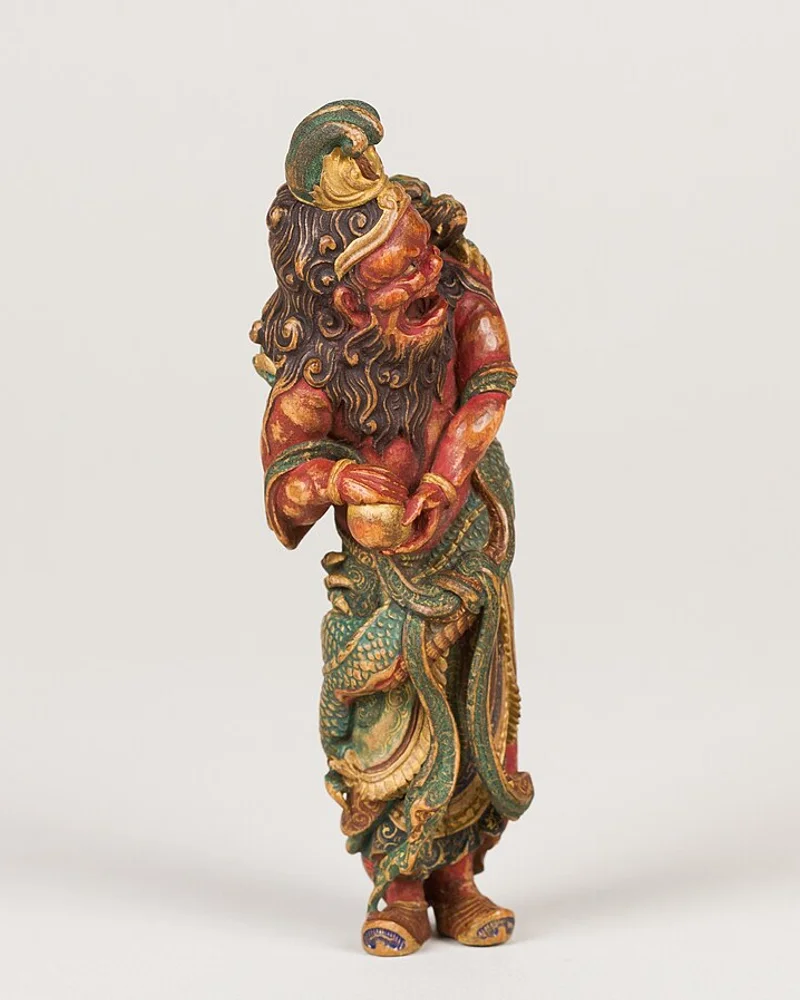
Ryujin
Dragon god of the sea who dwells in an underwater palace made of red and white coral. Ruler of all sea creatures and controller of the tides through his magical tide jewels.
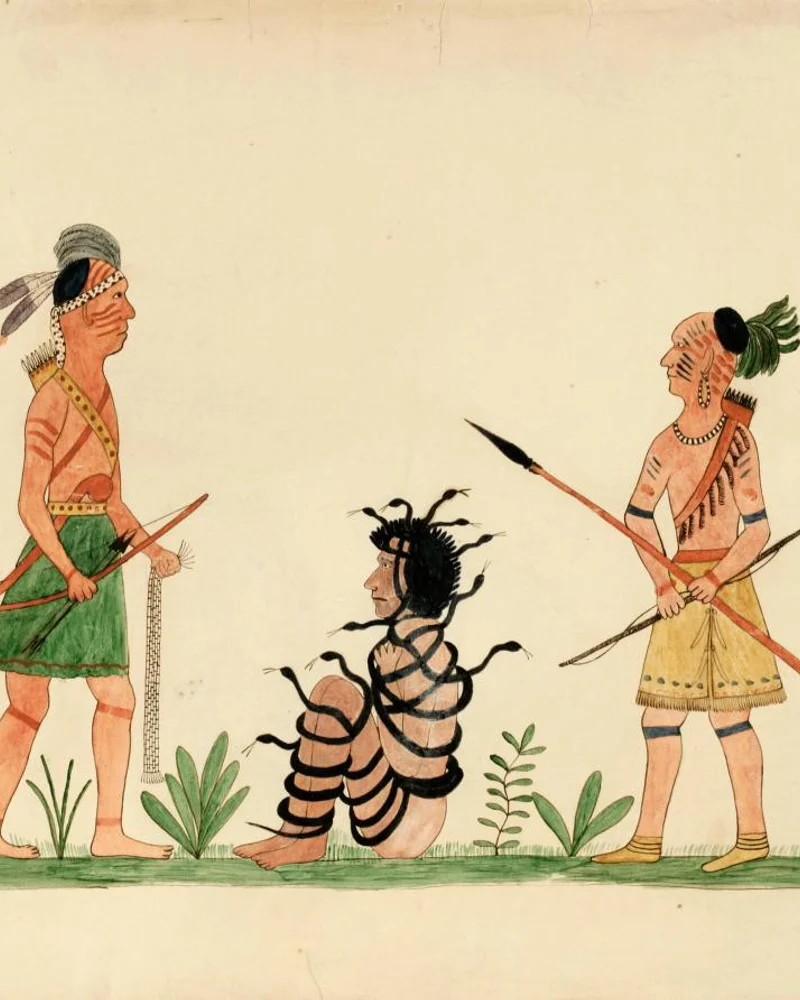
Sapling
The good-minded twin grandson of Sky Woman, who in Haudenosaunee tradition shapes the world's fertile land, food plants, and easy rivers, opposite his hard-minded brother Flint.
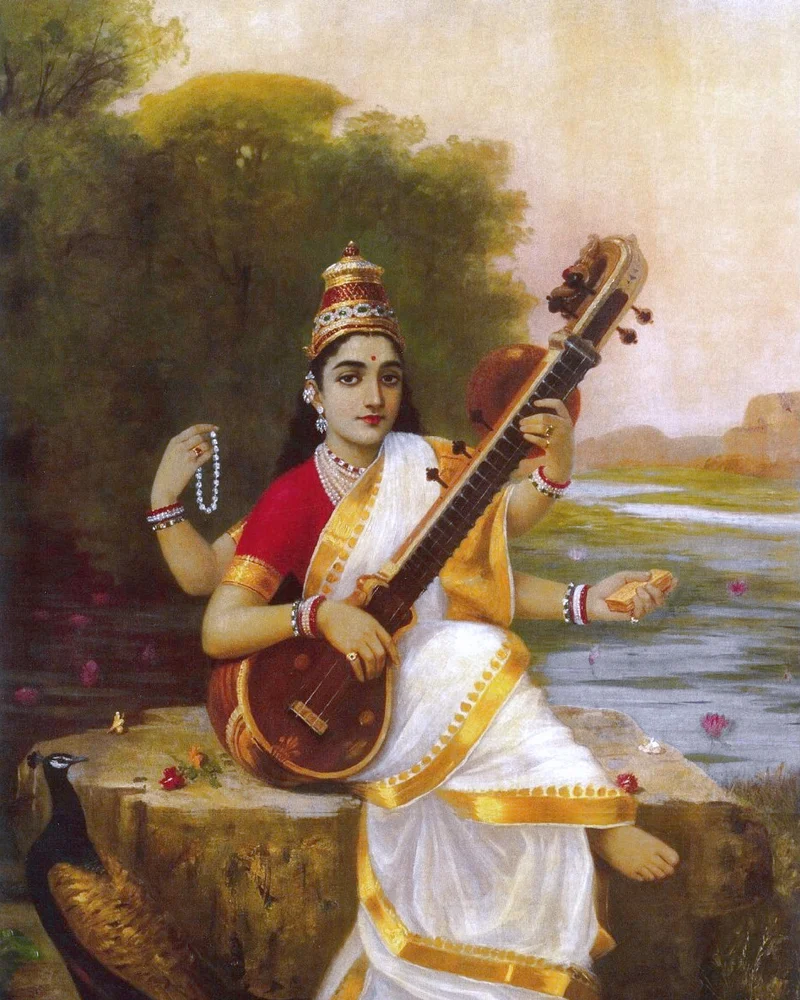
Saraswati
Goddess of knowledge, music, arts, wisdom, and learning. Consort of Brahma. She invented Sanskrit and the Devanagari script. Patron of students, artists, and scholars.
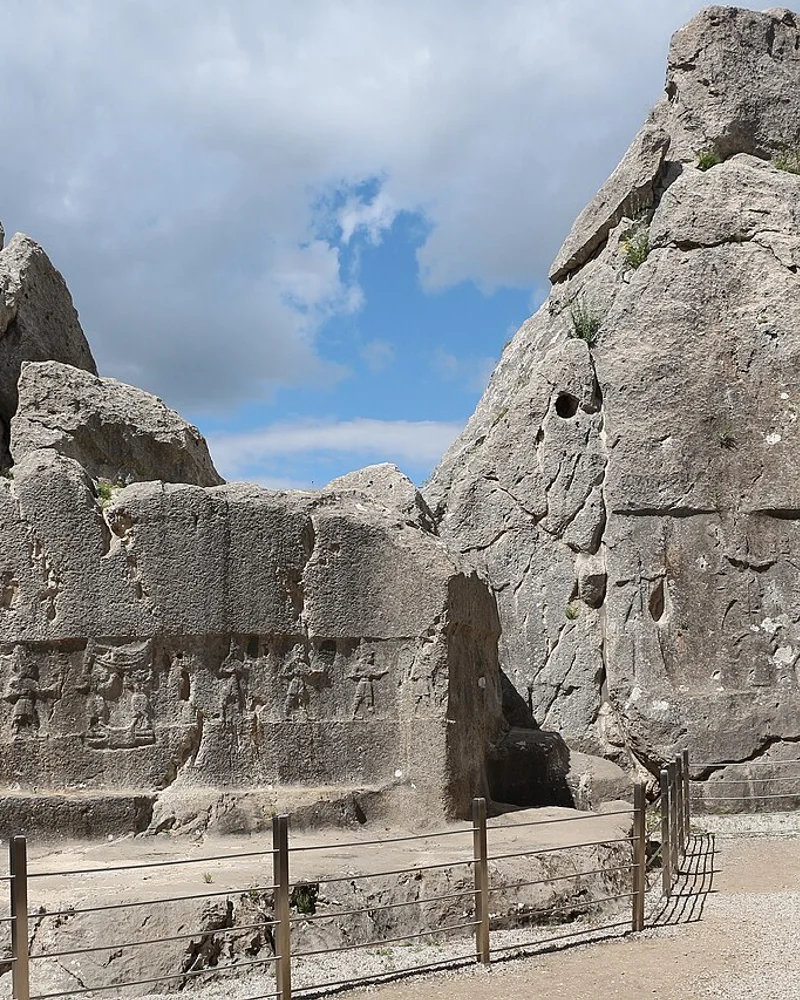
Šauška
Hurrian goddess of love and war and sister of the storm-god Teššub, who in the Kumarbi cycle tries to overcome her brother's monstrous enemies by seduction.
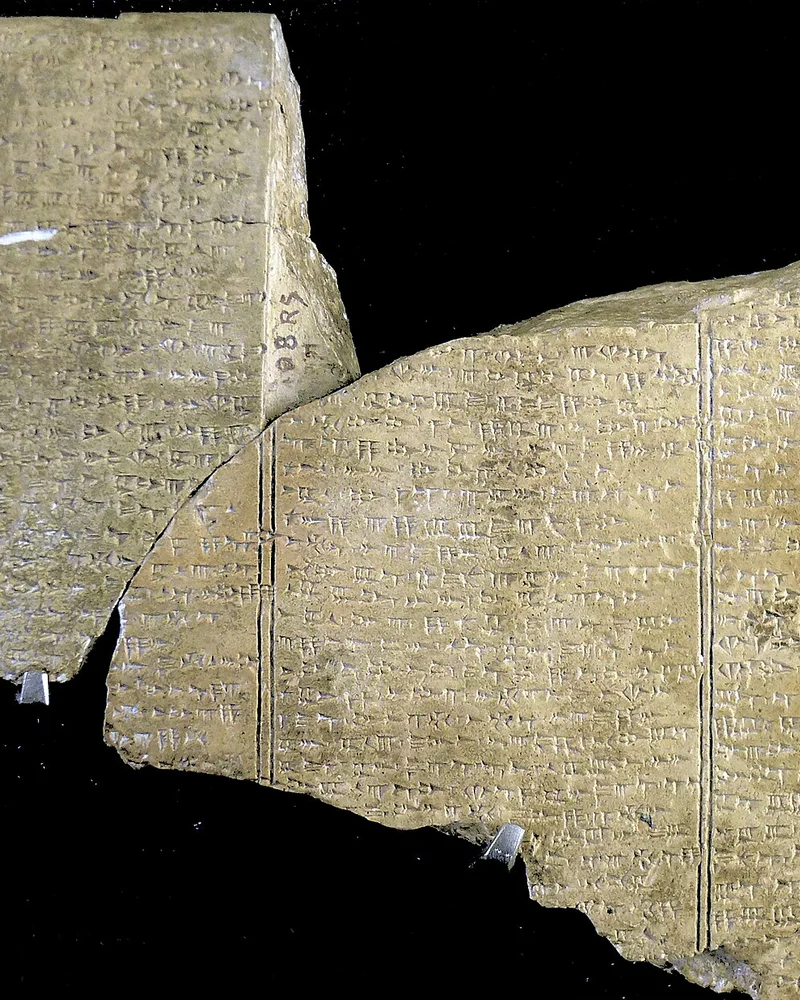
Shapash
The sun-goddess of Ugarit, 'Torch of the Gods', who sees everything on her daily journey, helps Anat carry Baal's body, searches for him, and warns Mot to yield.
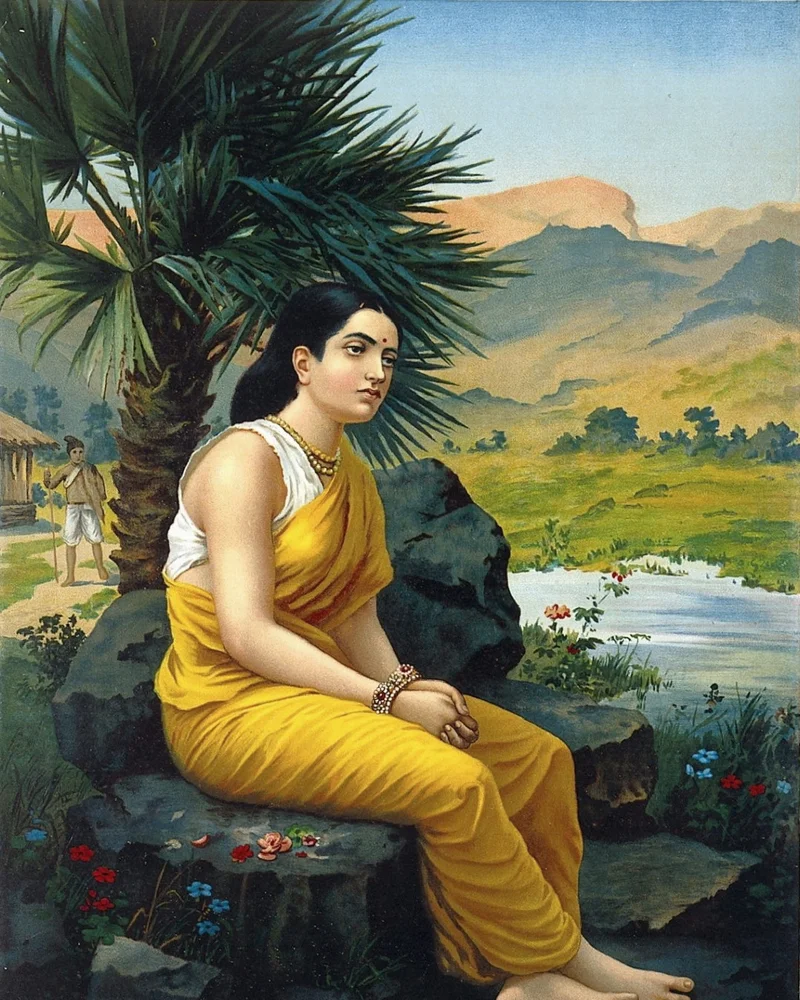
Sita
Wife of Rama and central heroine of the Ramayana. Found by King Janaka in a ploughed furrow, Sita is abducted by the demon king Ravana, endures captivity with unwavering fidelity, and is later identified in Puranic tradition as an avatar of the goddess Lakshmi.
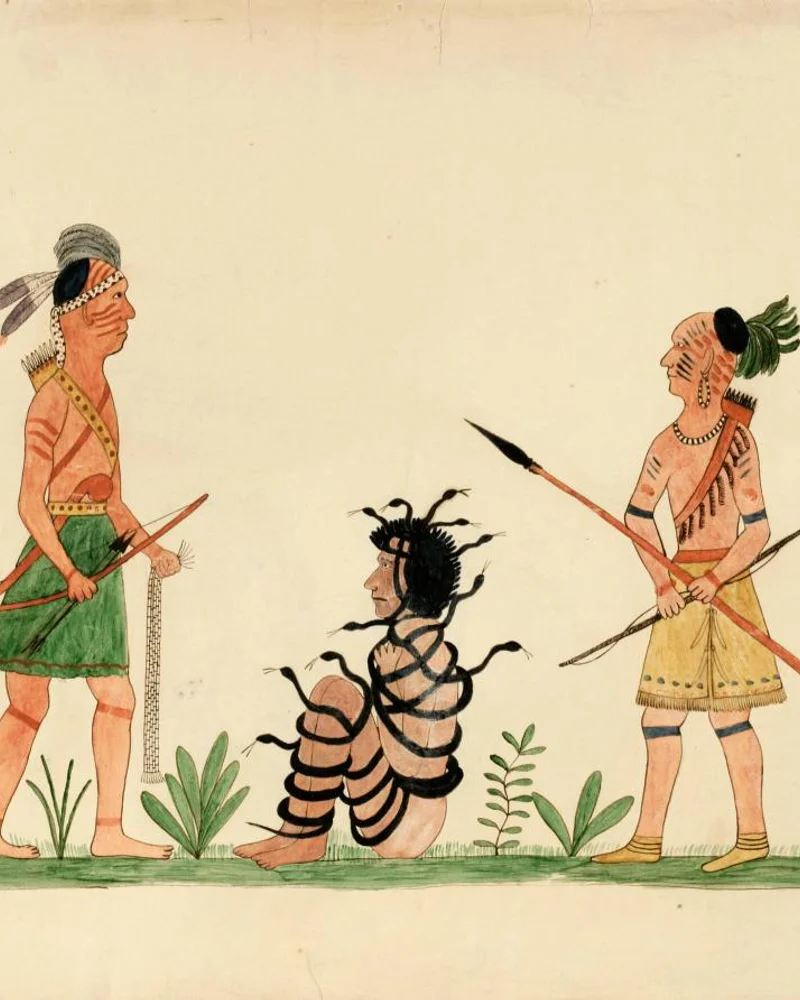
Sky Woman's Daughter
The daughter born to Sky Woman on the new earth, mother of the twins Sapling and Flint, who dies giving birth to them; in many tellings the food plants grow from her grave.
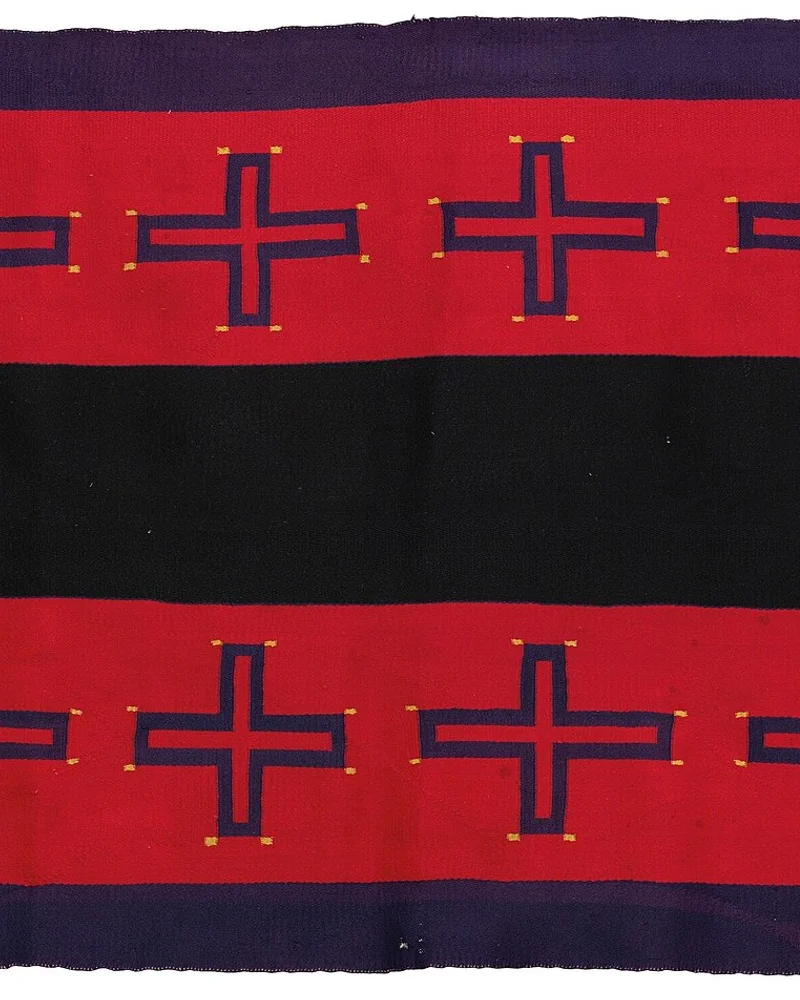
Spider Woman (Naʼashjéʼiiʼ Asdzą́ą́)
The Holy Person who guides the Hero Twins on their way to the Sun, giving them protection and words to calm the guardians; in Diné tradition she also taught weaving.
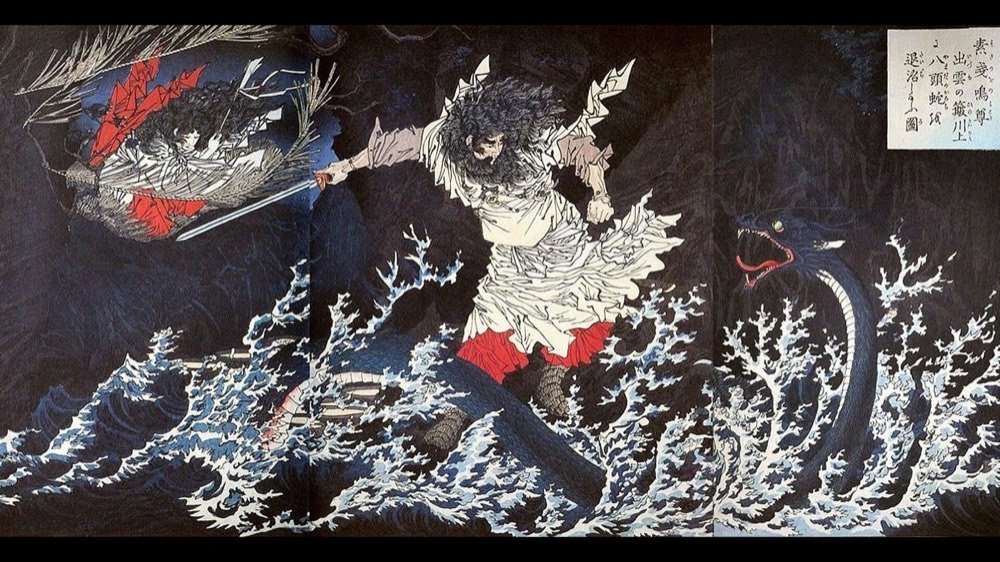
Susanoo
Amaterasu's tempestuous younger brother. Expelled from heaven, he descended to Izumo, got the eight-headed serpent drunk on strong sake, slew it, and drew the sword Kusanagi from its tail.
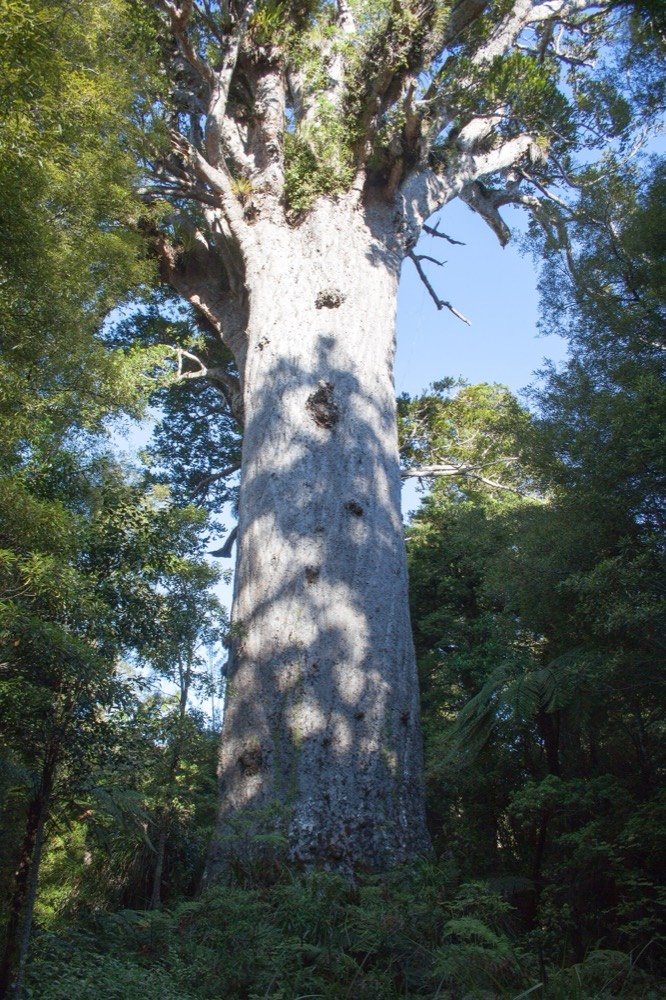
Tane
The Maori god of forests and birds. He thrust sky and earth apart to let in light, shaped the first woman from red earth, and climbed the heavens to bring back three baskets of knowledge.
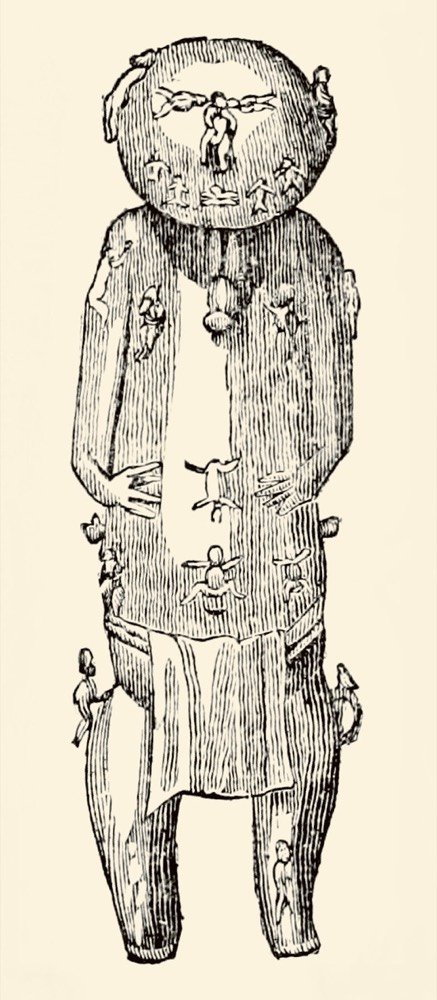
Tangaroa
The great sea god shared across Polynesia: in Maori tradition a son of Rangi and Papa and ancestor of fish; in Tahiti, as Taaroa, the supreme creator who broke out of a primal shell.
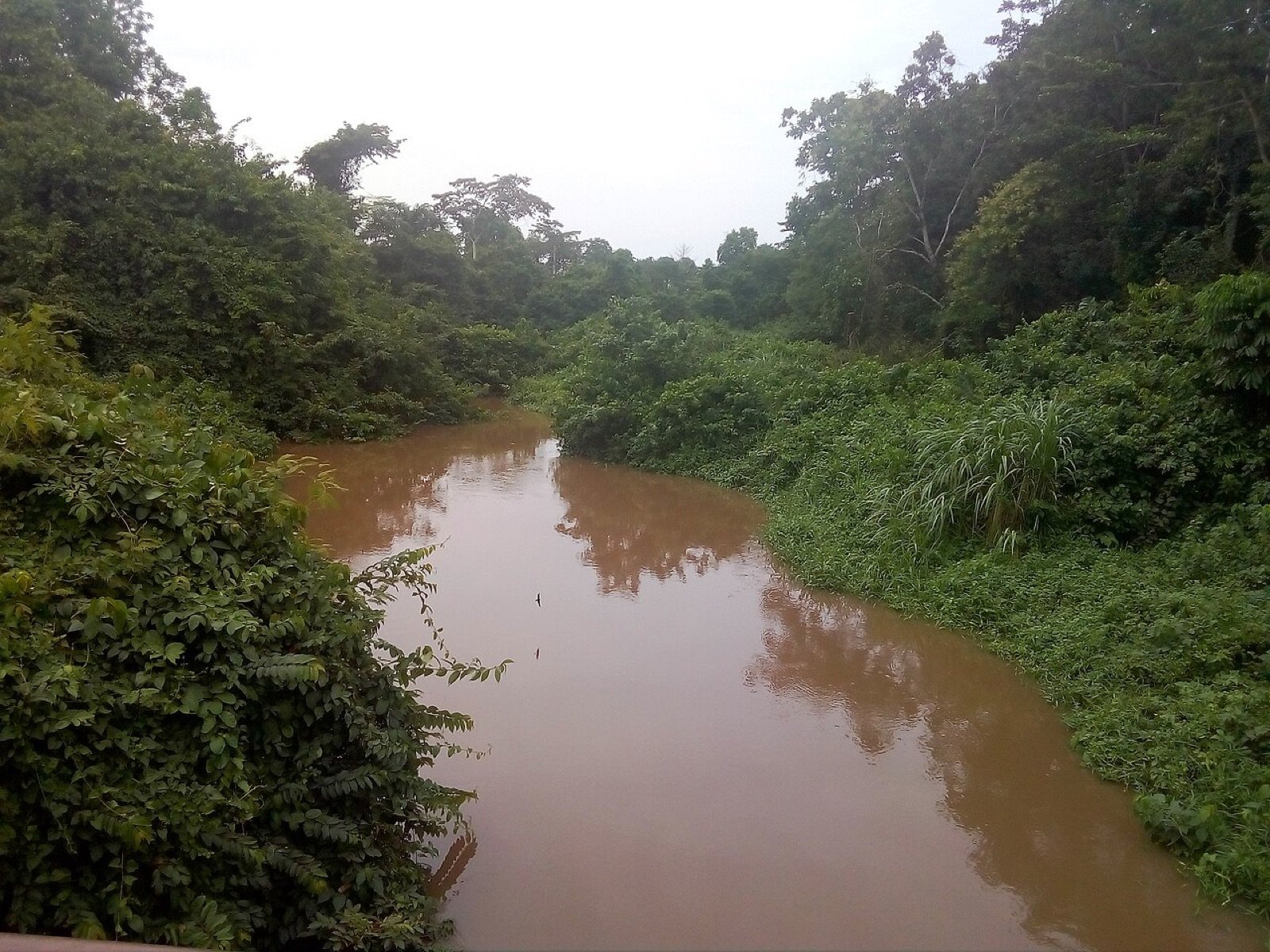
Tano
The Tano River and its powerful abosom, guardian of polity, oath, and sacred waters through possessing priests.
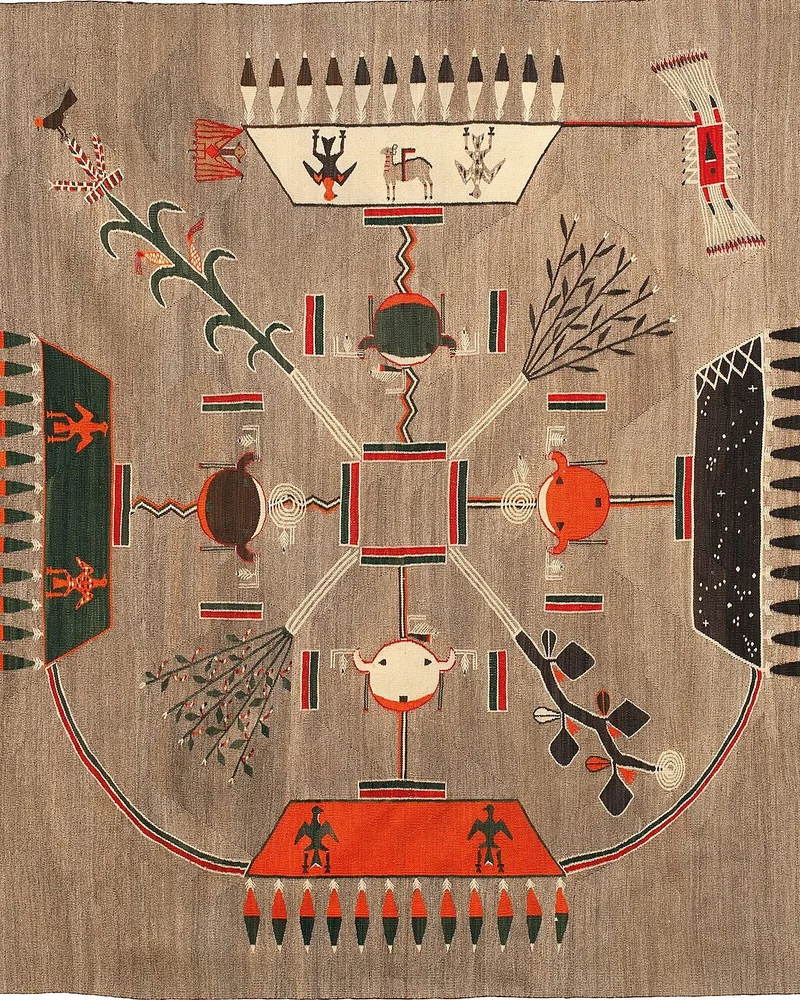
The Sun Bearer (Jóhonaaʼéí)
The Sun, who carries the sun across the sky, father of Monster Slayer by Changing Woman; he tests the twins harshly before recognising them as his sons and giving them lightning weapons.
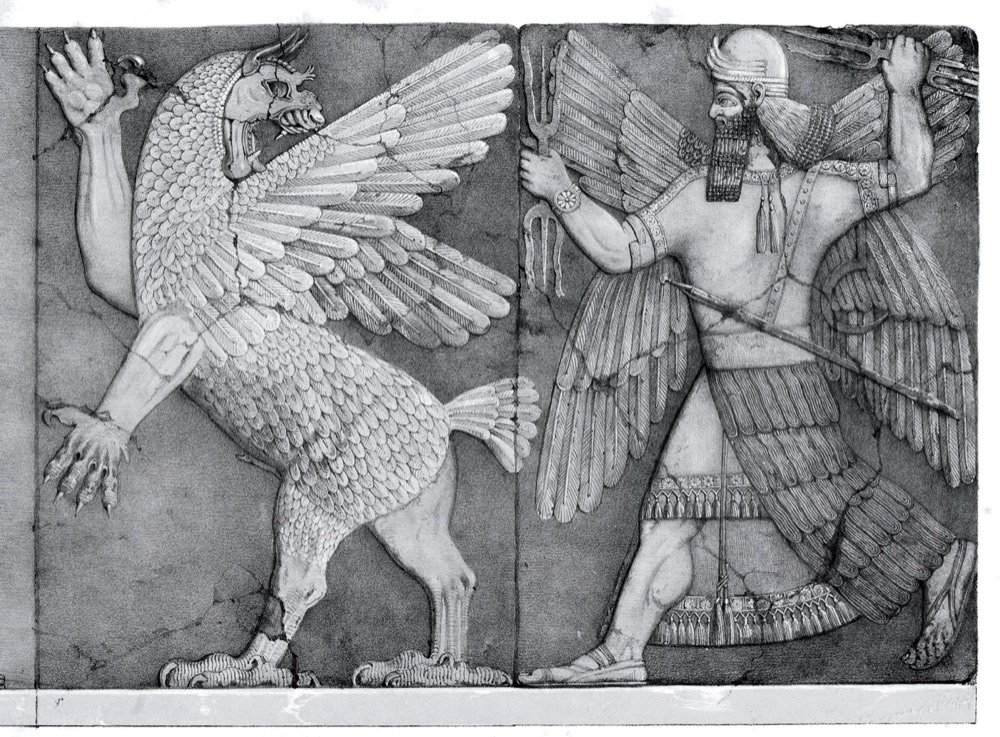
Tiamat
The primordial saltwater sea and mother of the gods. Avenging her consort Apsu with eleven monsters, she was netted by Marduk and split into heaven and earth; her eyes became the Tigris and Euphrates.
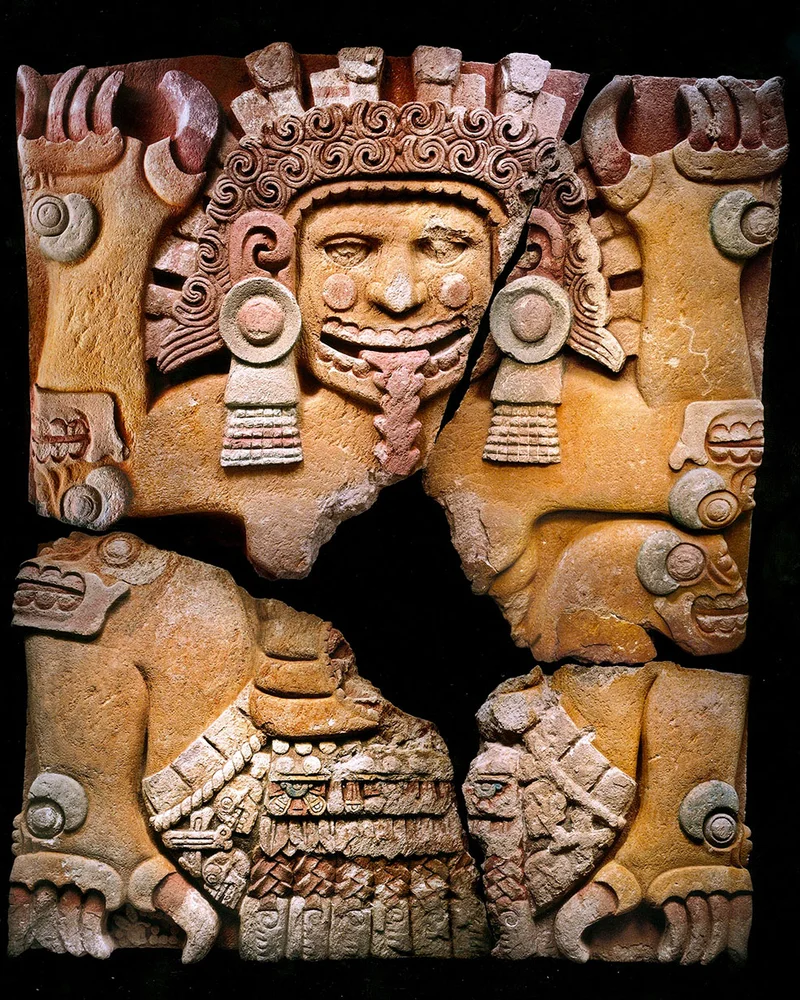
Tlaltecuhtli
The monstrous earth deity from whose dismembered body the world was created. Tlaltecuhtli devours the dead and demands blood in return for crops, embodying the earth's duality as giver and taker of life.
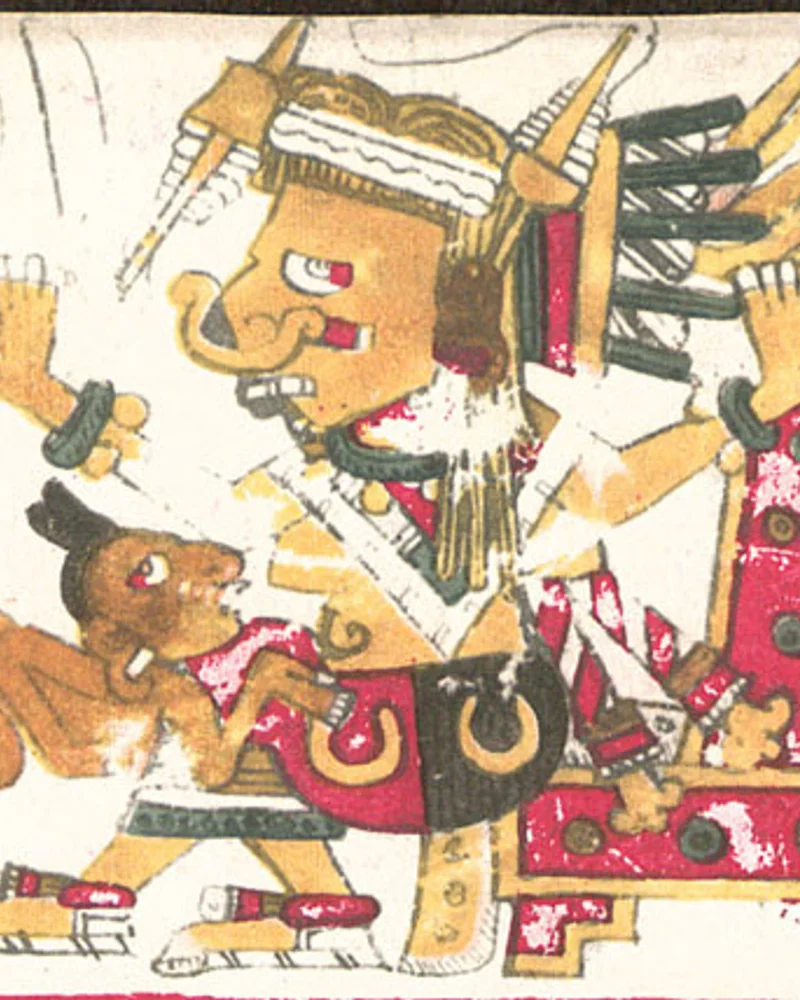
Tlazolteotl
The goddess of purification, sin, and confession. Tlazolteotl consumed the moral filth of humanity, absorbing confessed sins and granting absolution before death.
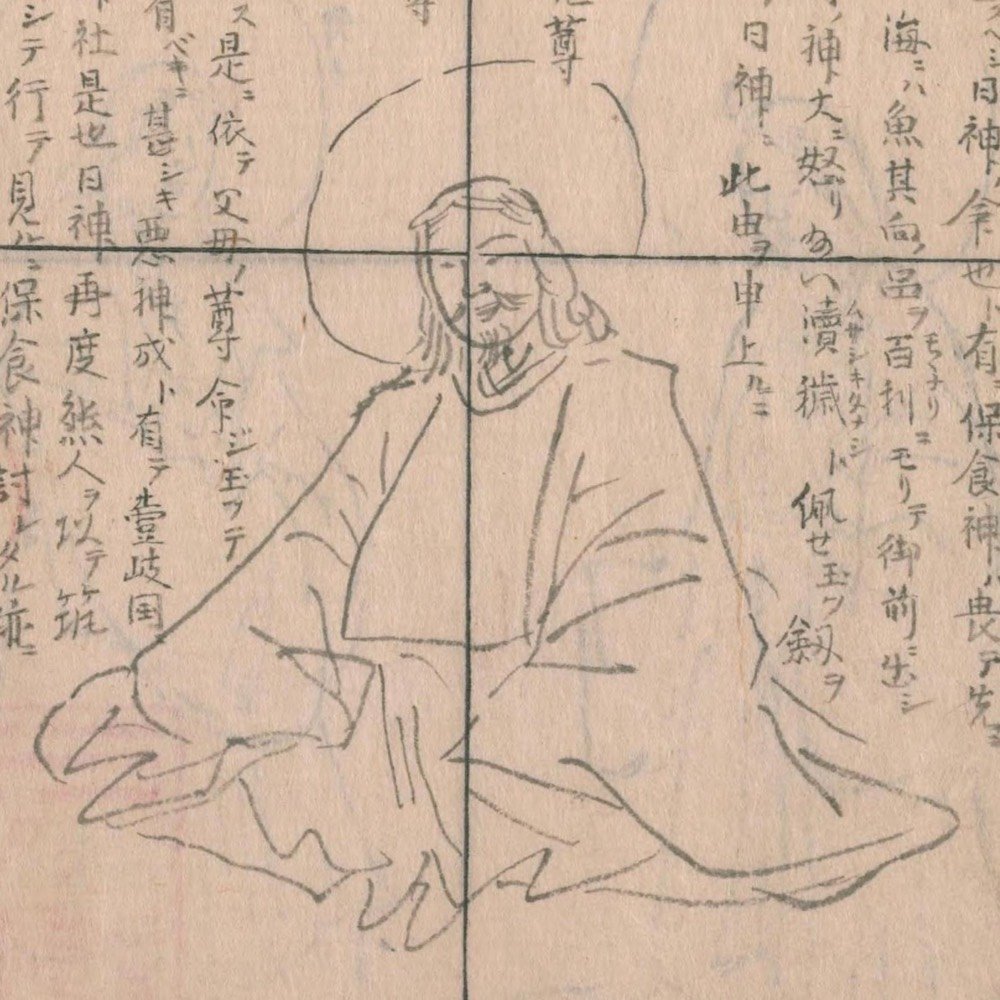
Tsukuyomi
The moon god born from Izanagi's right eye, given the realm of night. The chronicles record almost nothing of him beyond one episode: his killing of the food goddess Ukemochi.
Tulunigraq (Raven Man)
In the Iñupiaq tradition of Tikiġaq (Point Hope, Alaska), the Raven Man who harpooned a great sea creature whose body became the land on which the village stands.
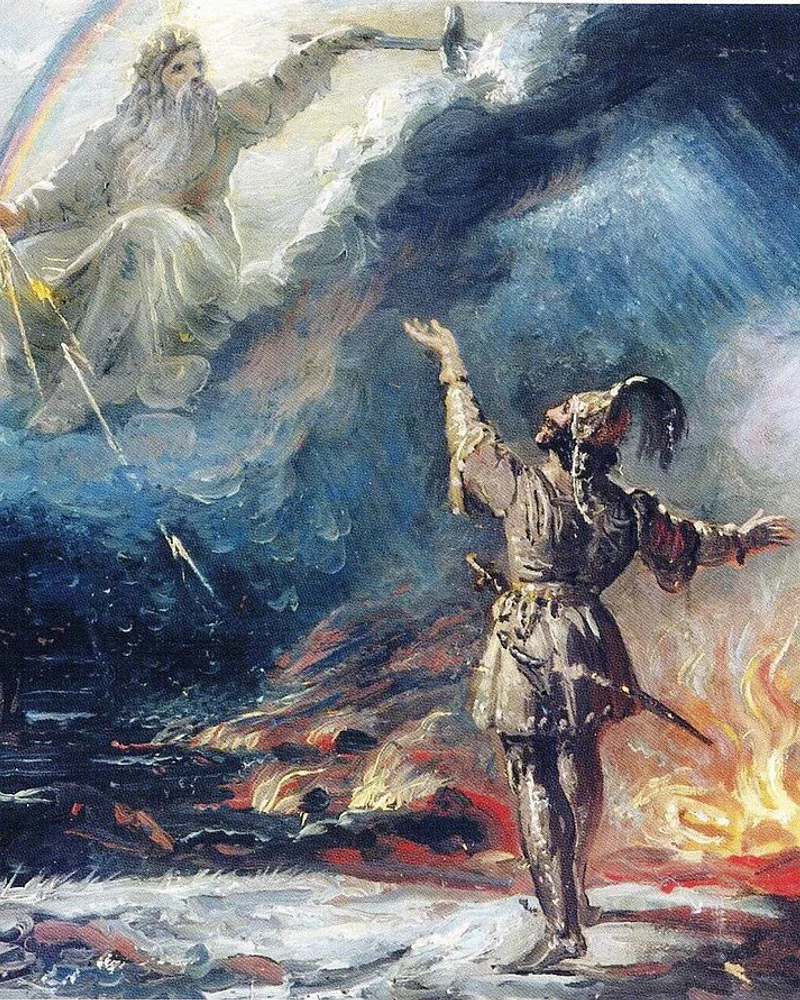
Ukko
The sky and thunder god of Finnish and Karelian tradition, 'highest god' of the runo-songs, whose feast at the spring sowing Agricola condemned in 1551 and whom the Kalevala's heroes and Ilmatar call on in need.
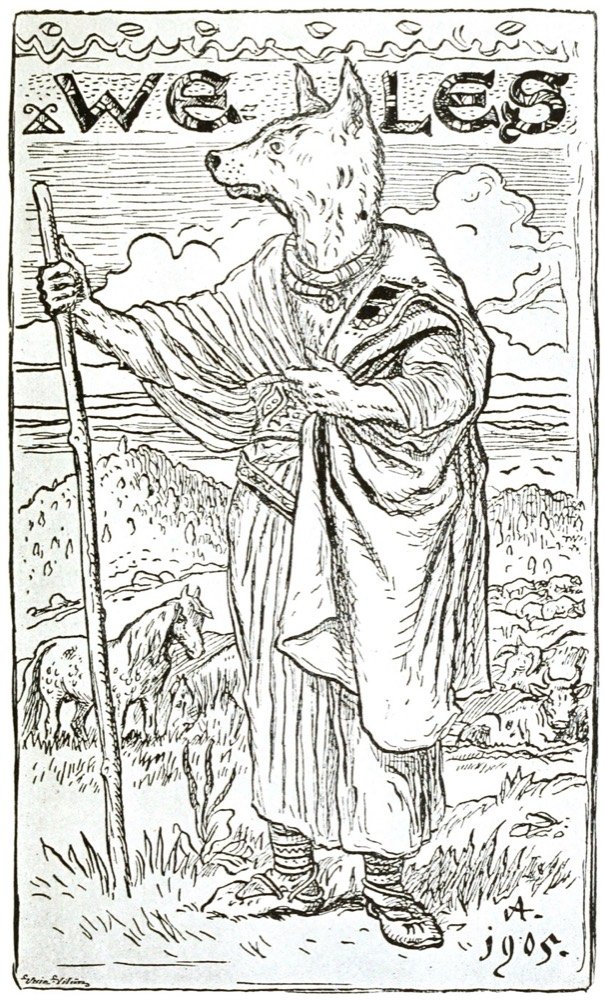
Veles
The "cattle god" of the chronicles, keeper of livestock, wealth and oaths; the Tale of Igor's Campaign calls the bard Boyan his grandson.
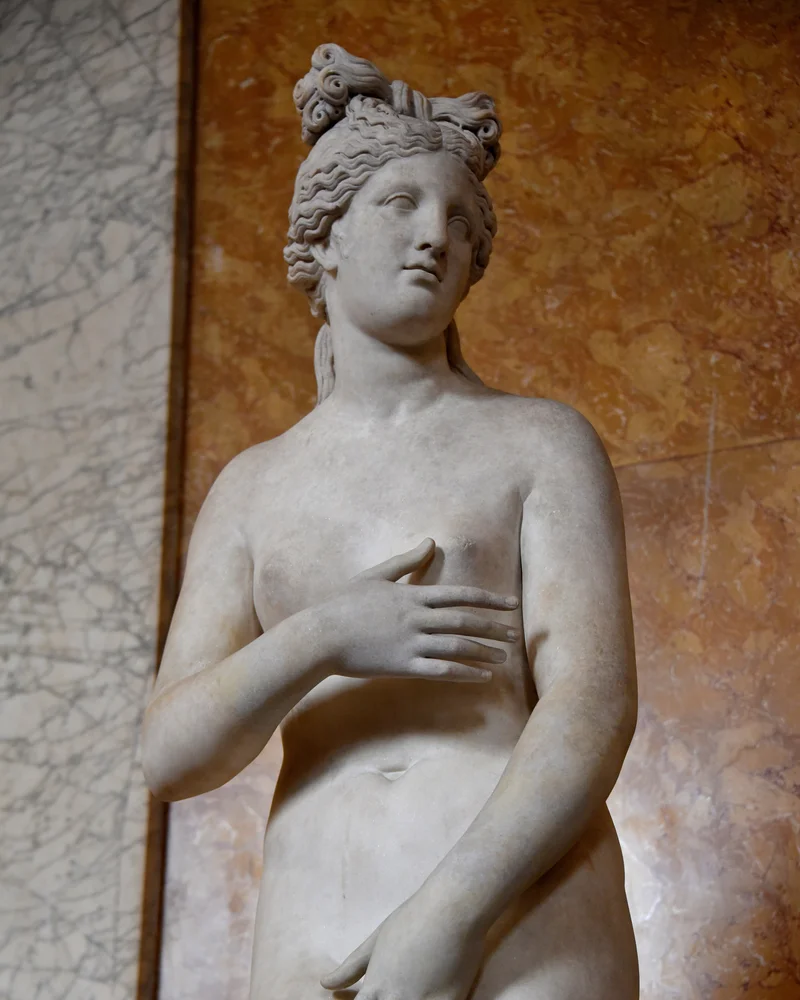
Venus
Goddess of love, beauty, desire, sex, and fertility. Mother of the Roman people through her son Aeneas, ancestor of Romulus. Patron goddess of the Julian family.
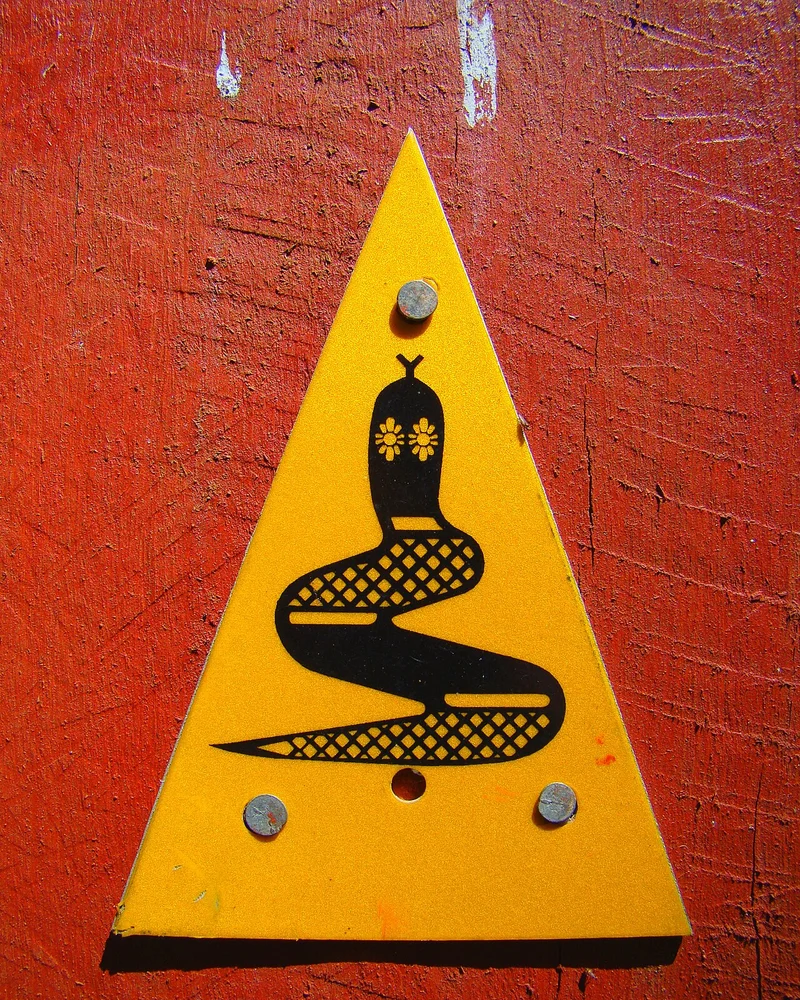
Wagyl (Waugal)
The serpent being of the Noongar people of south-western Western Australia, who in the Nyitting (creation time) moved across the land shaping its rivers, lakes, and wetlands, including the Derbarl Yerrigan (Swan River) at Perth.
Wati Nyiru (Yurla)
The man who pursues the Seven Sisters across the deserts, using magic and changing his shape to trick them; called Wati Nyiru by Aṉangu and Yurla by the Martu.
White Shell Woman (Yoołgaii Asdzą́ą́)
A Holy Person who in Matthews's 1897 version lives with Changing Woman and is the mother of Born for Water; in many later tellings she is another name or aspect of Changing Woman herself.
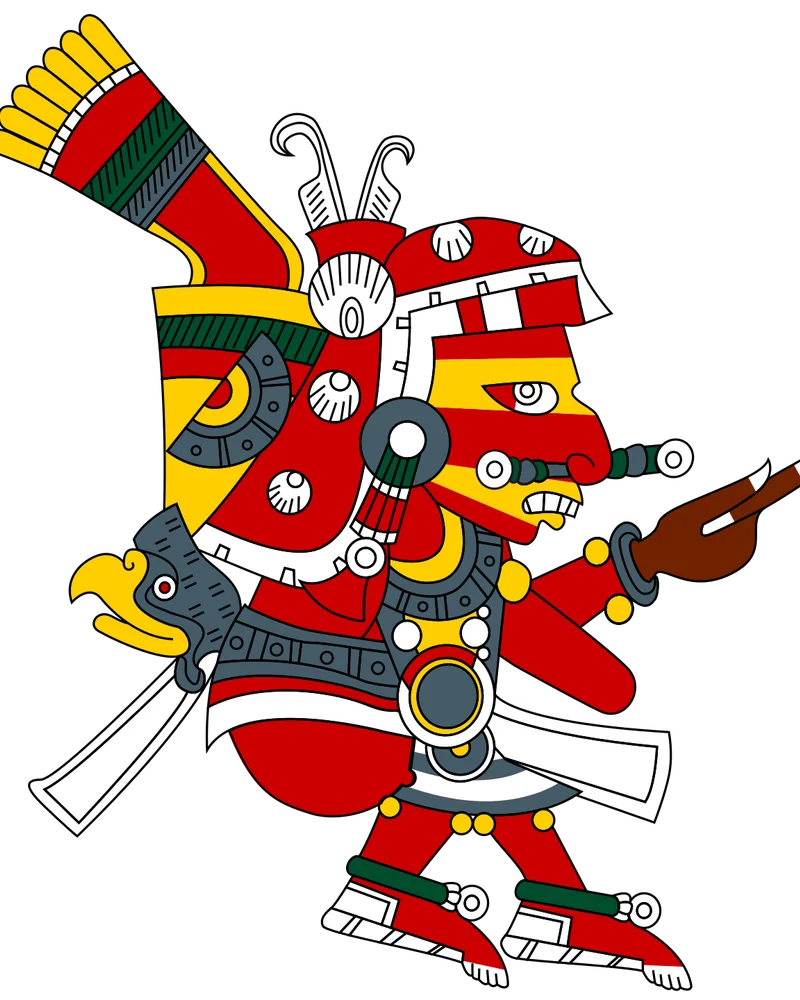
Xipe Totec
The Aztec god of spring, renewal, and new vegetation. Xipe Totec represents the cycle of death and rebirth in nature. Priests wore the flayed skins of sacrificial victims, symbolizing the earth's new covering of vegetation.
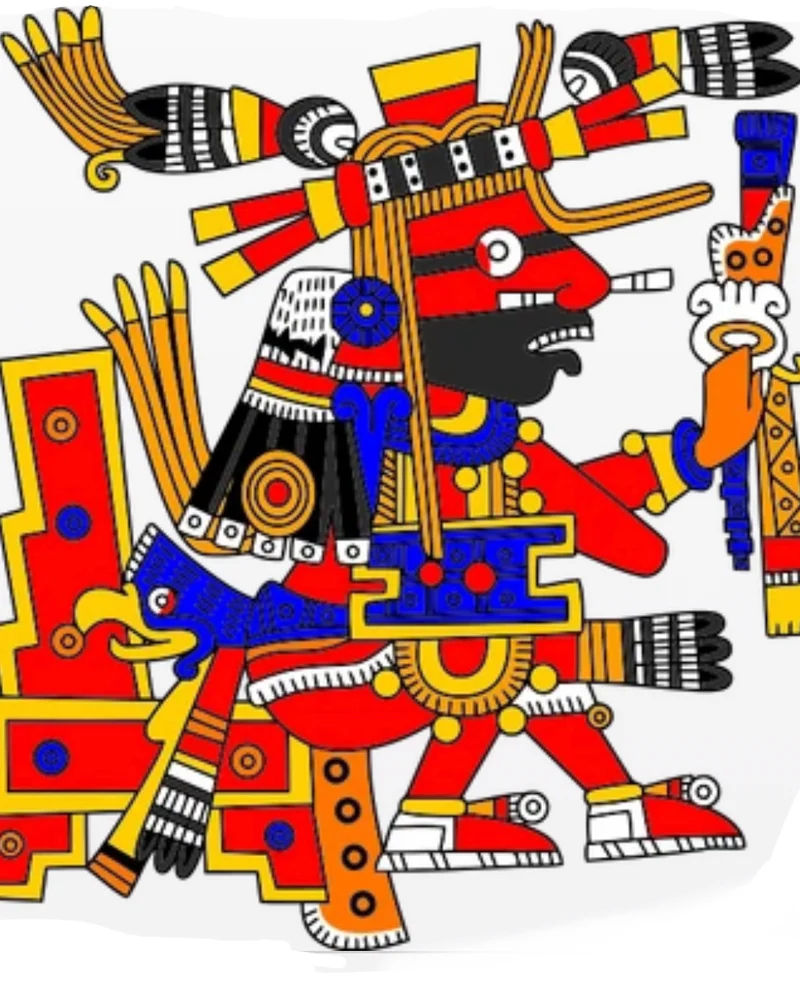
Xiuhtecuhtli
The god of fire, time, and the calendar. Xiuhtecuhtli was the oldest deity, dwelling at the center of the universe in the hearth fire that connected all realms. He presided over the New Fire ceremony every 52 years.
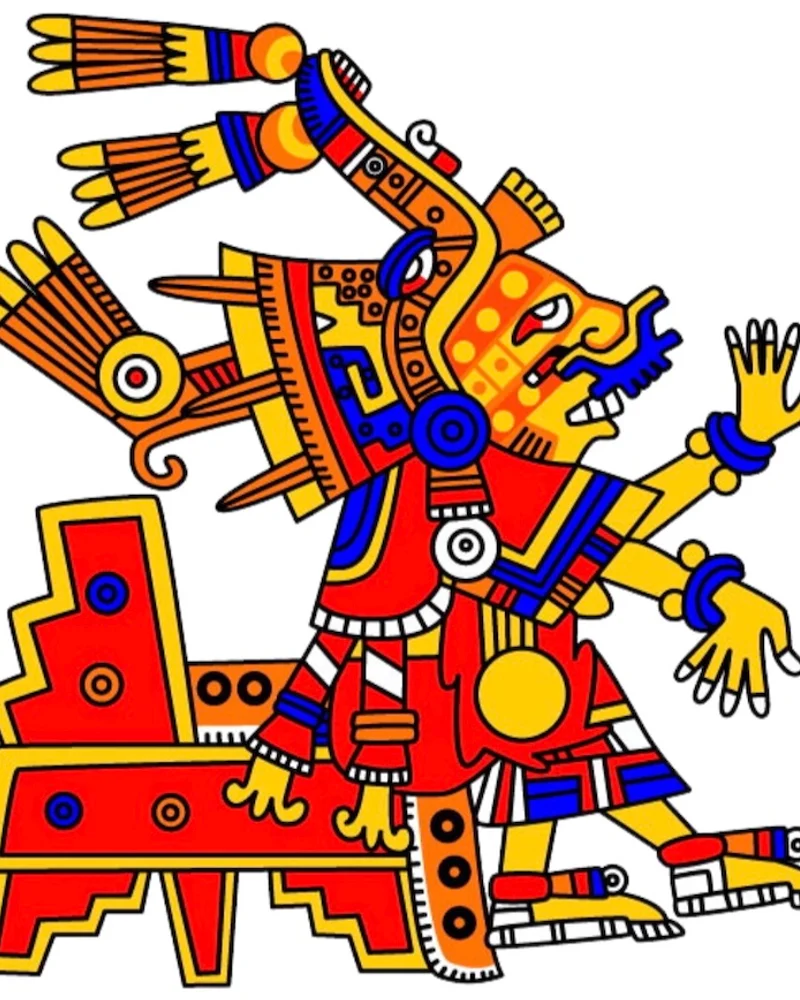
Xochiquetzal
The goddess of beauty, love, flowers, and female sexuality. Xochiquetzal was patron of artisans, weavers, and pregnant women, and dwelt in the paradise of Tamoanchan.
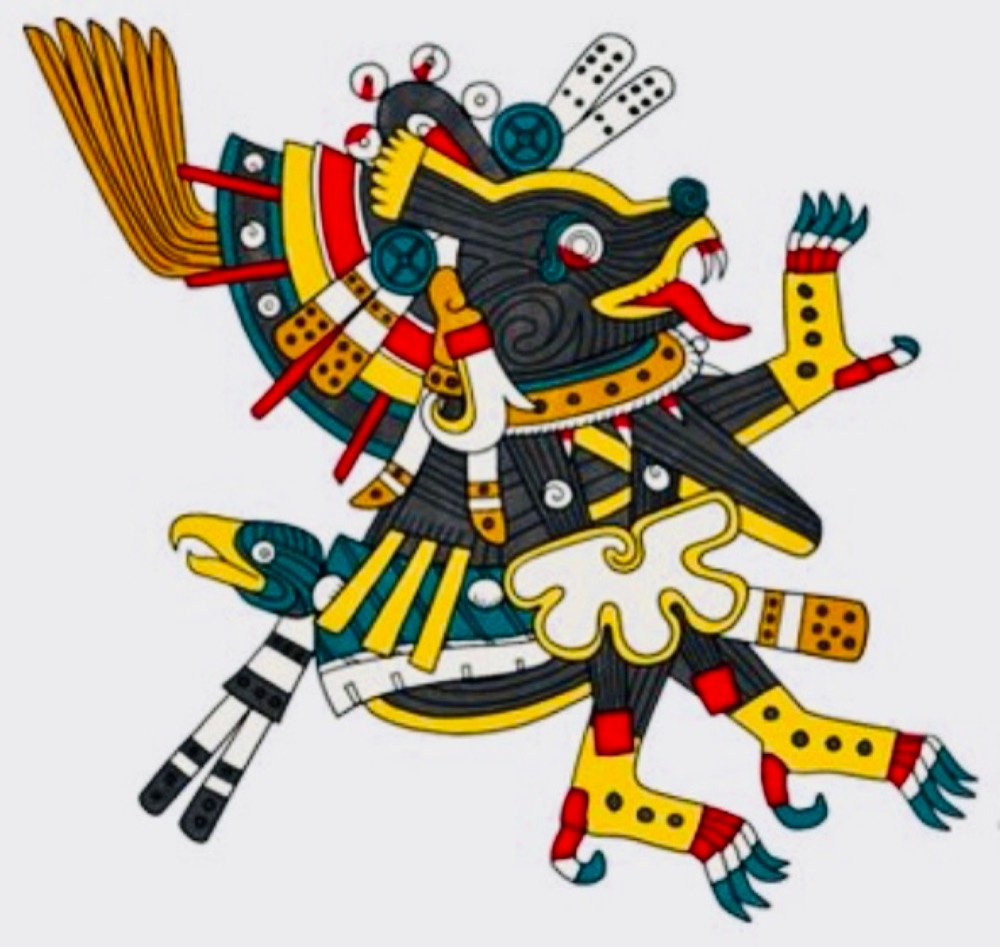
Xolotl
Dog-headed twin of Quetzalcoatl, god of the evening star, twins, and deformity, who escorts the sun through the underworld each night. Fleeing sacrifice, he transformed last into the axolotl.
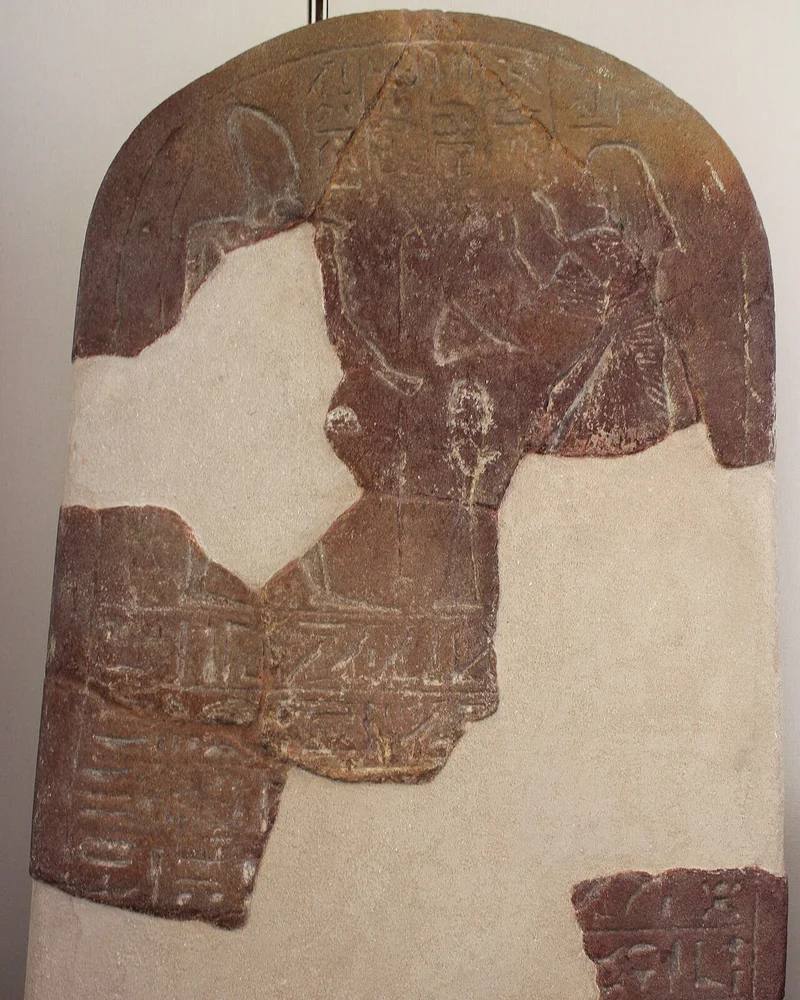
Yam (Yammu)
The Sea as a god, 'Prince Sea, Judge River', El's favourite, who demands that Baal be handed over as his captive and is struck down by Baal's clubs.
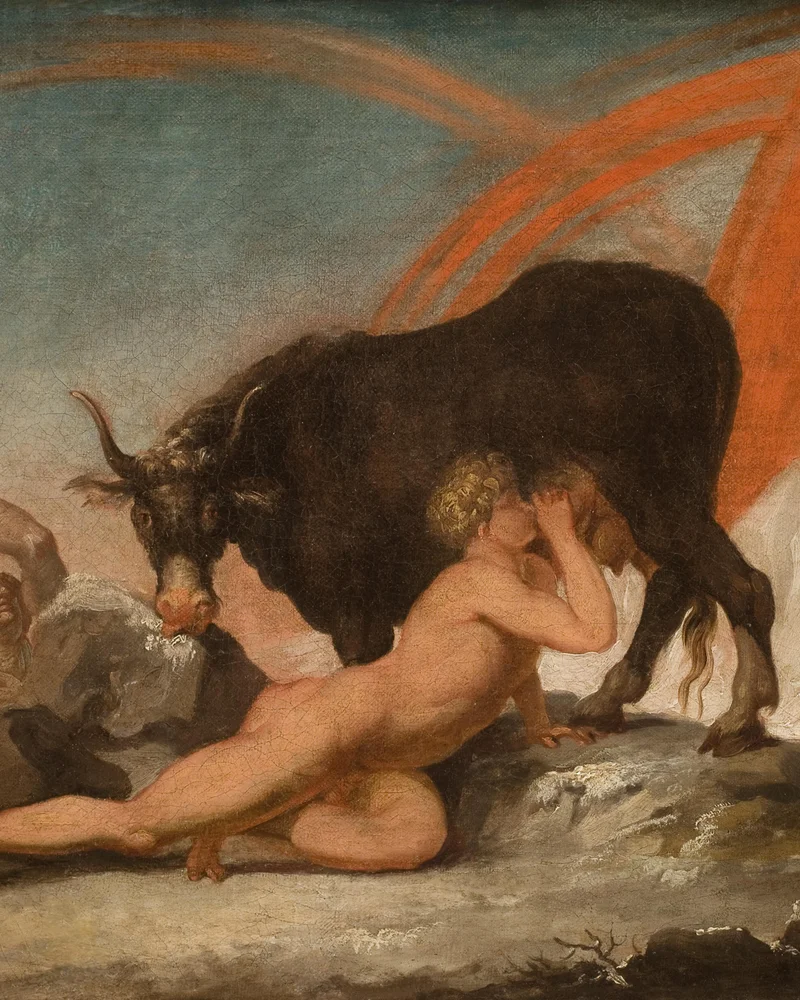
Ymir
The first living being, formed when the fire of Muspelheim met the ice of Niflheim in the void of Ginnungagap. Ymir is the ancestor of all frost giants and, after being slain by Odin and his brothers, his body became the physical material of the world.
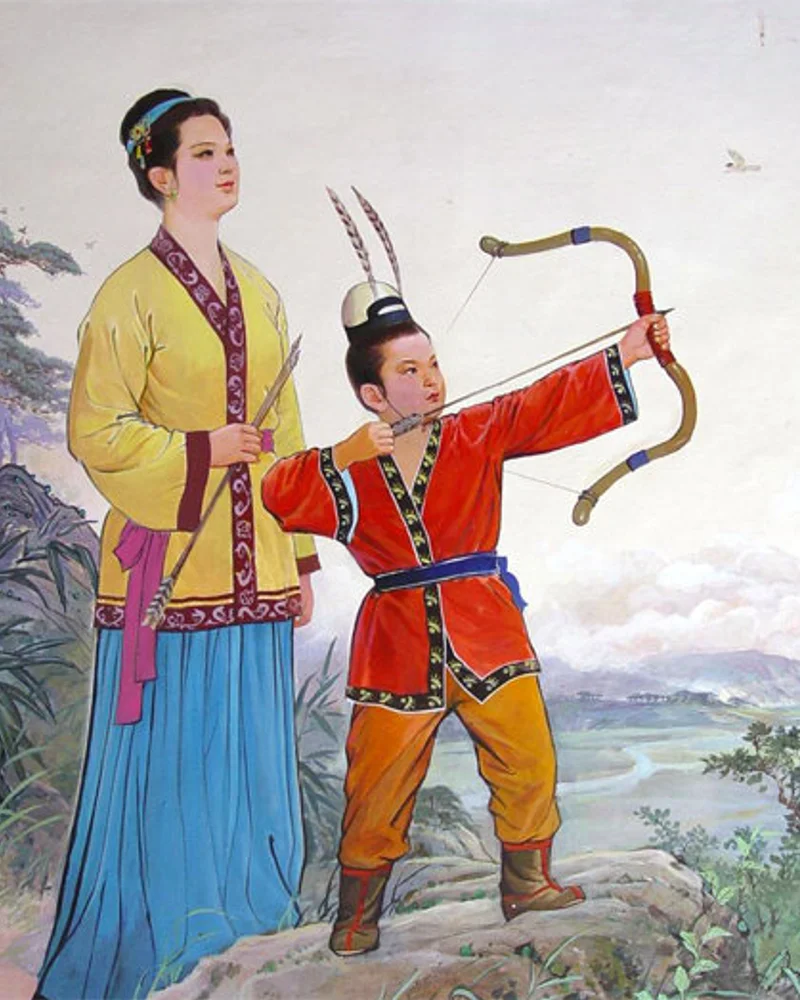
Yuhwa
The daughter of Habaek, the River Earl, who is seduced and abandoned by Haemosu, banished by her parents, sheltered by King Geumwa of East Buyeo, and there lays the egg from which Jumong hatches; later worshipped by Goguryeo as a mother goddess.
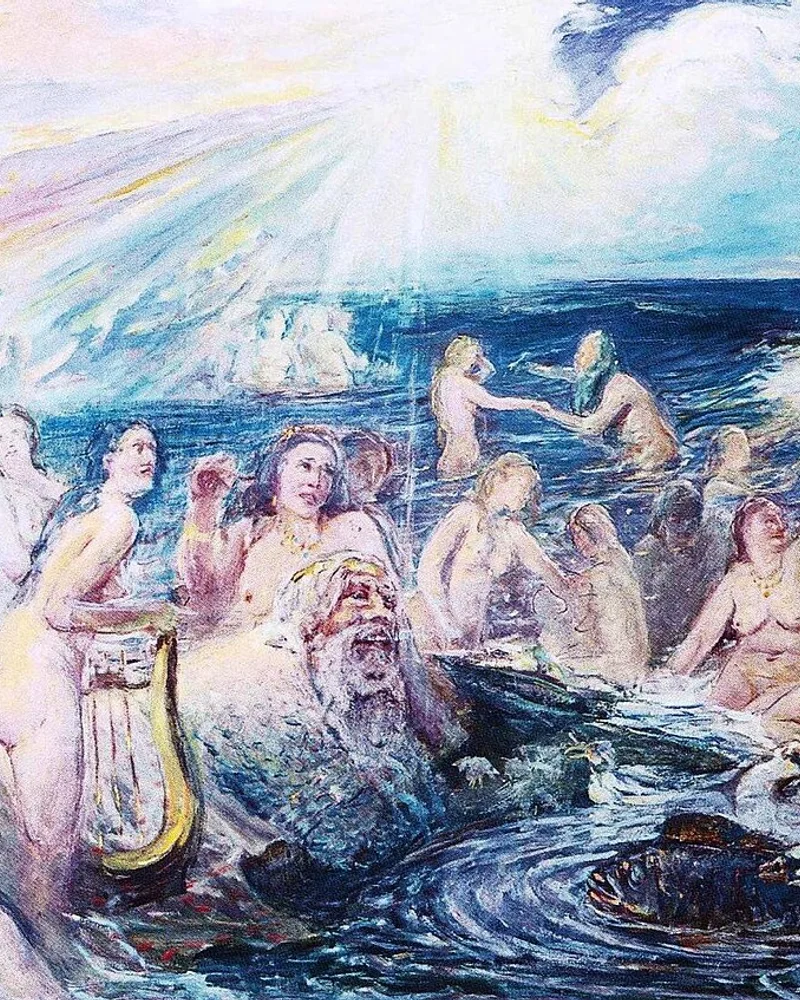
Ahti
The god of waters and fish, named by Agricola in 1551 as the one who brought fish from the water, called king of the waves in the runo-songs, husband of Vellamo and lord of the underwater realm of Ahtola.
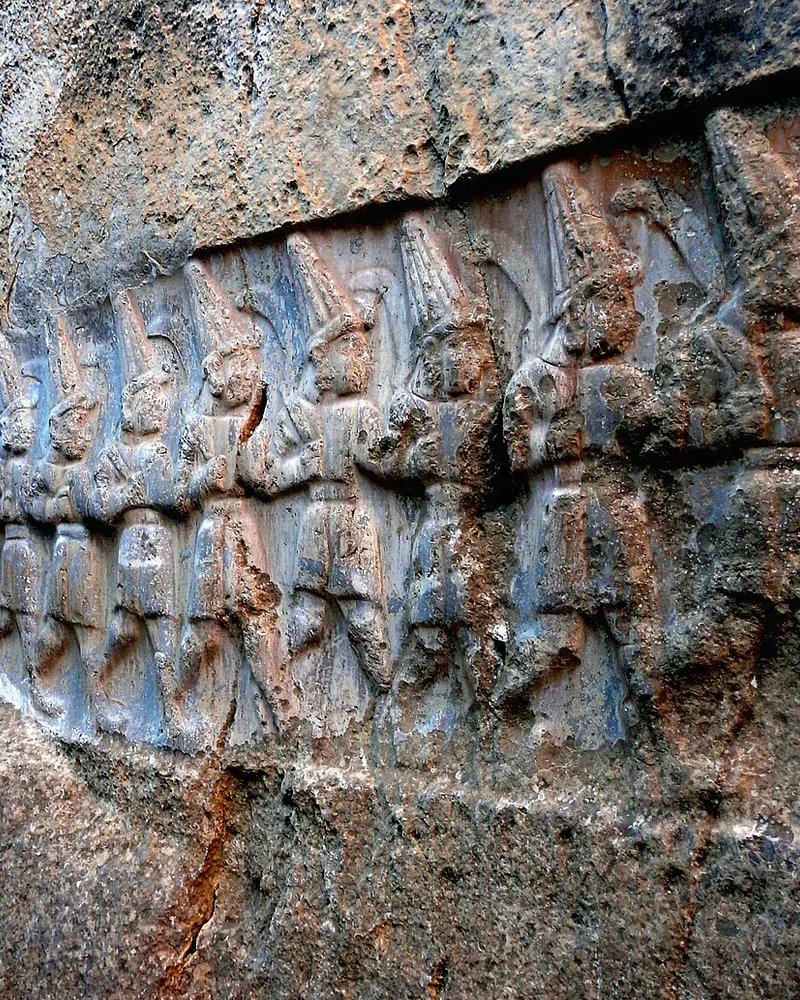
Alalu
The first king in heaven in the Hurrian Song of Kumarbi, overthrown by his cup-bearer Anu after nine years and driven down to the Dark Earth; Kumarbi is called his offspring.
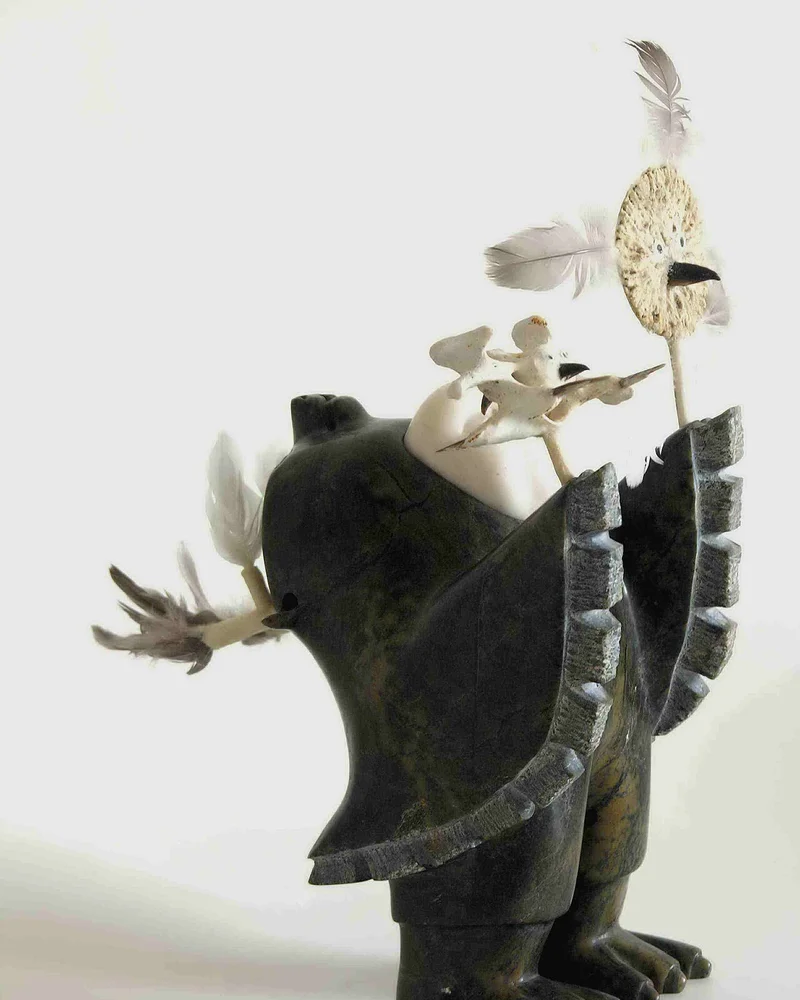
Anguta
In Baffin Island tellings recorded by Franz Boas, the Sea Woman's father, who cut off her fingers and now lives with her in Adlivun, carrying the dead to that dwelling.
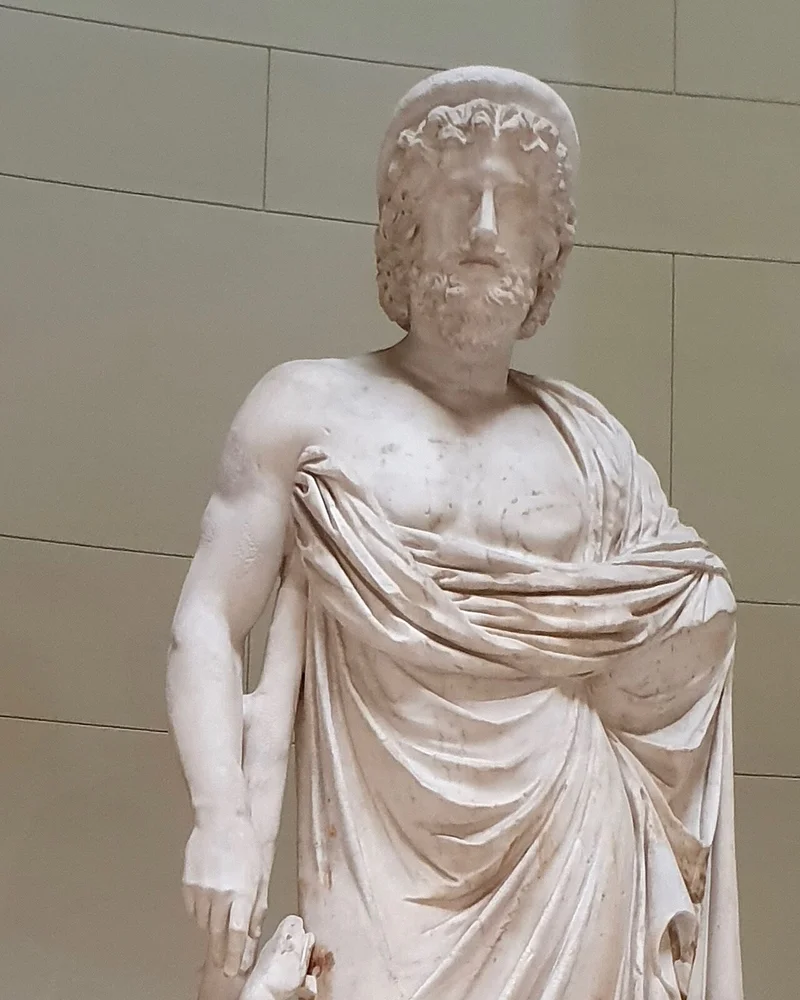
Asclepius
The healer god, son of Apollo and the mortal Coronis, trained in medicine by the centaur Chiron. His skill grew so great that he raised the dead, and Zeus struck him with a thunderbolt; he was nonetheless worshipped across the Greek and Roman world at sanctuaries where the sick slept in hope of a cure.
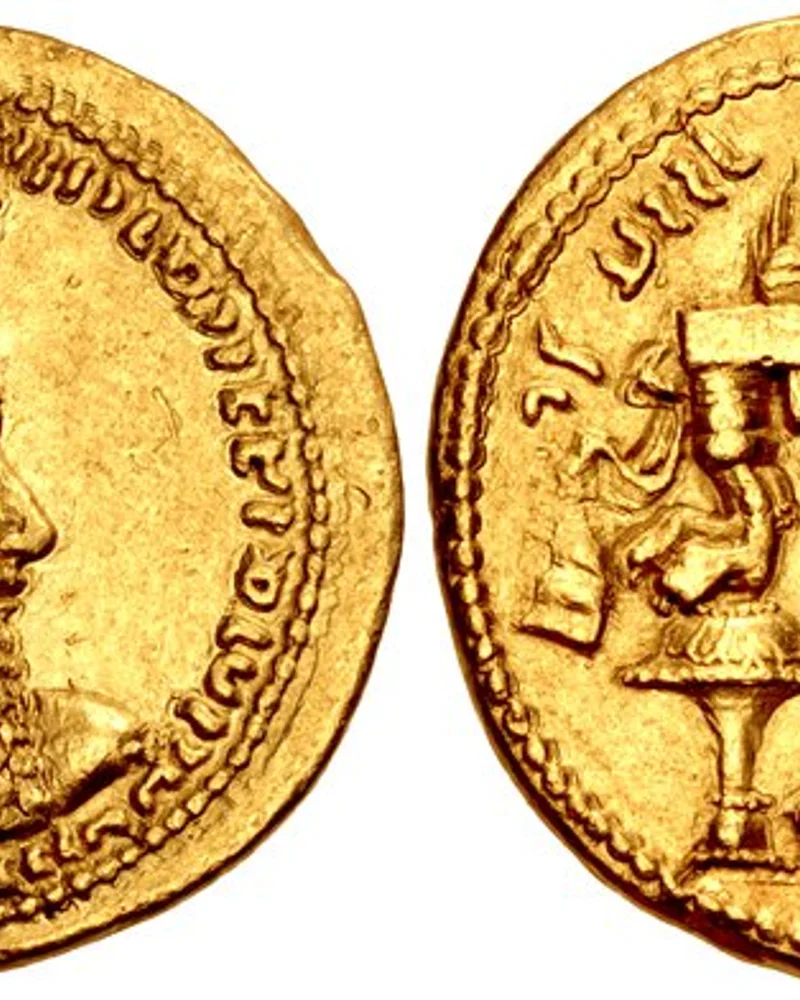
Atar
Fire as a divine being, 'son of Ahura Mazda', the visible focus of Zoroastrian worship, who in the Zamyad Yasht faces down the three-mouthed dragon Azhi Dahaka in the struggle for the royal Glory.
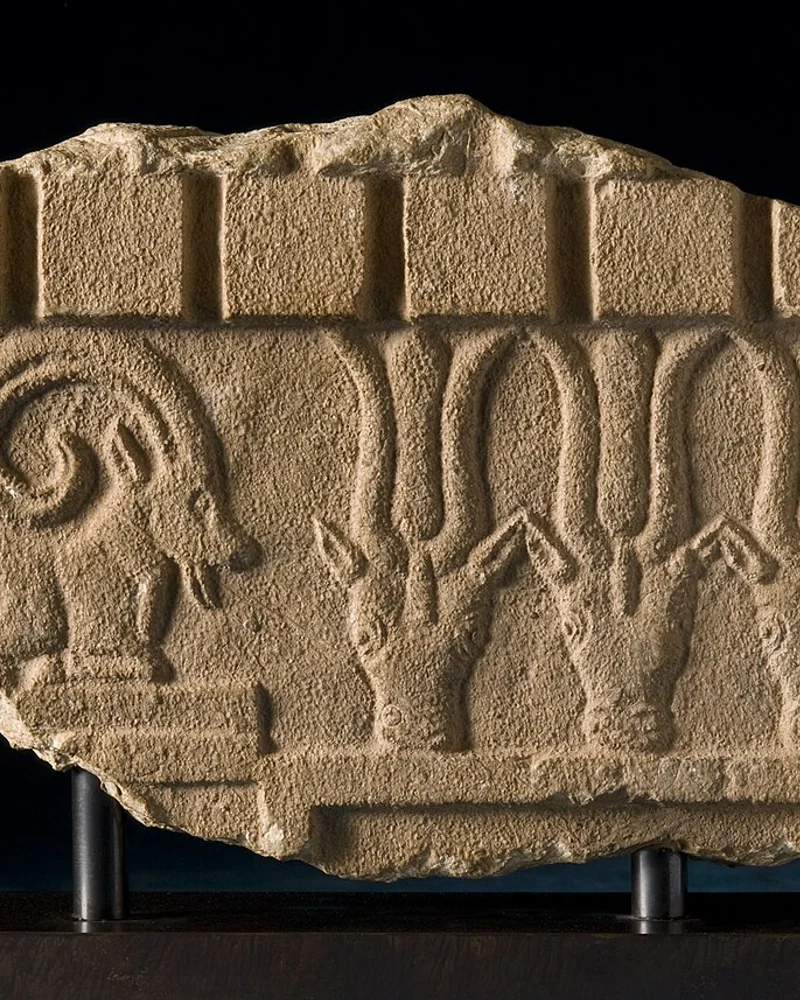
Athtar
The god whom Athirat proposes as king after Baal's death, who climbs onto Baal's throne on Zaphon and finds that his feet do not reach the footstool.
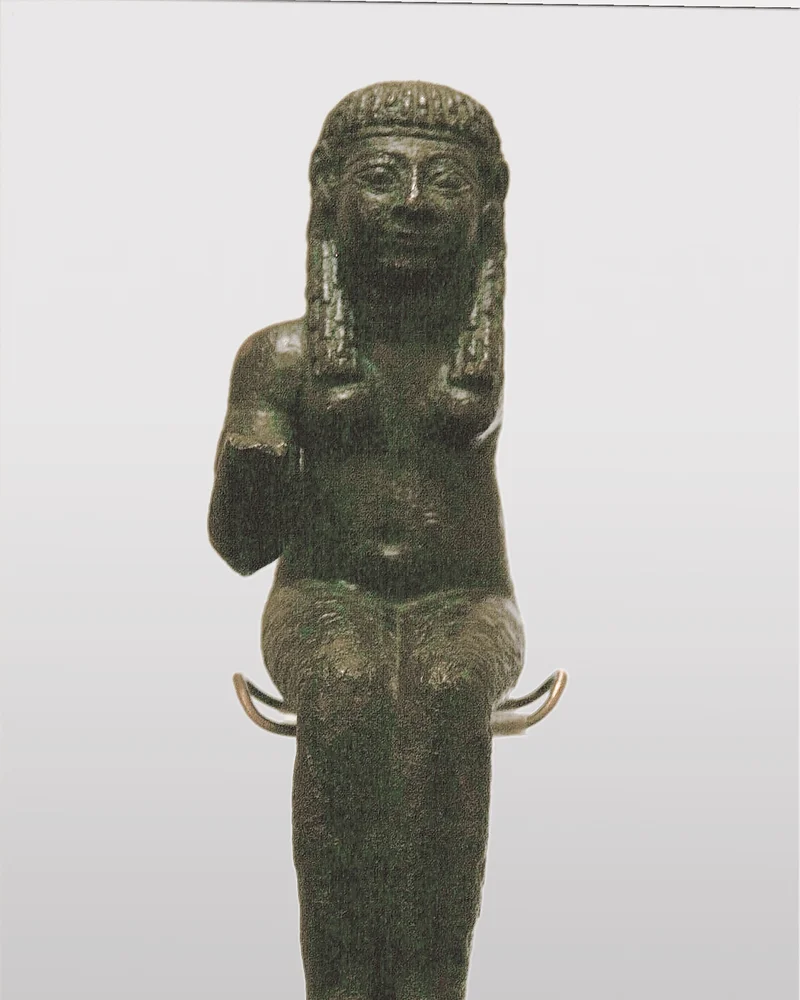
Athtart (Astarte)
A warrior and hunting goddess who, with Anat, holds Baal back from attacking Yam's messengers and then urges him to finish Yam off; better known in later centuries as the Phoenician Astarte.
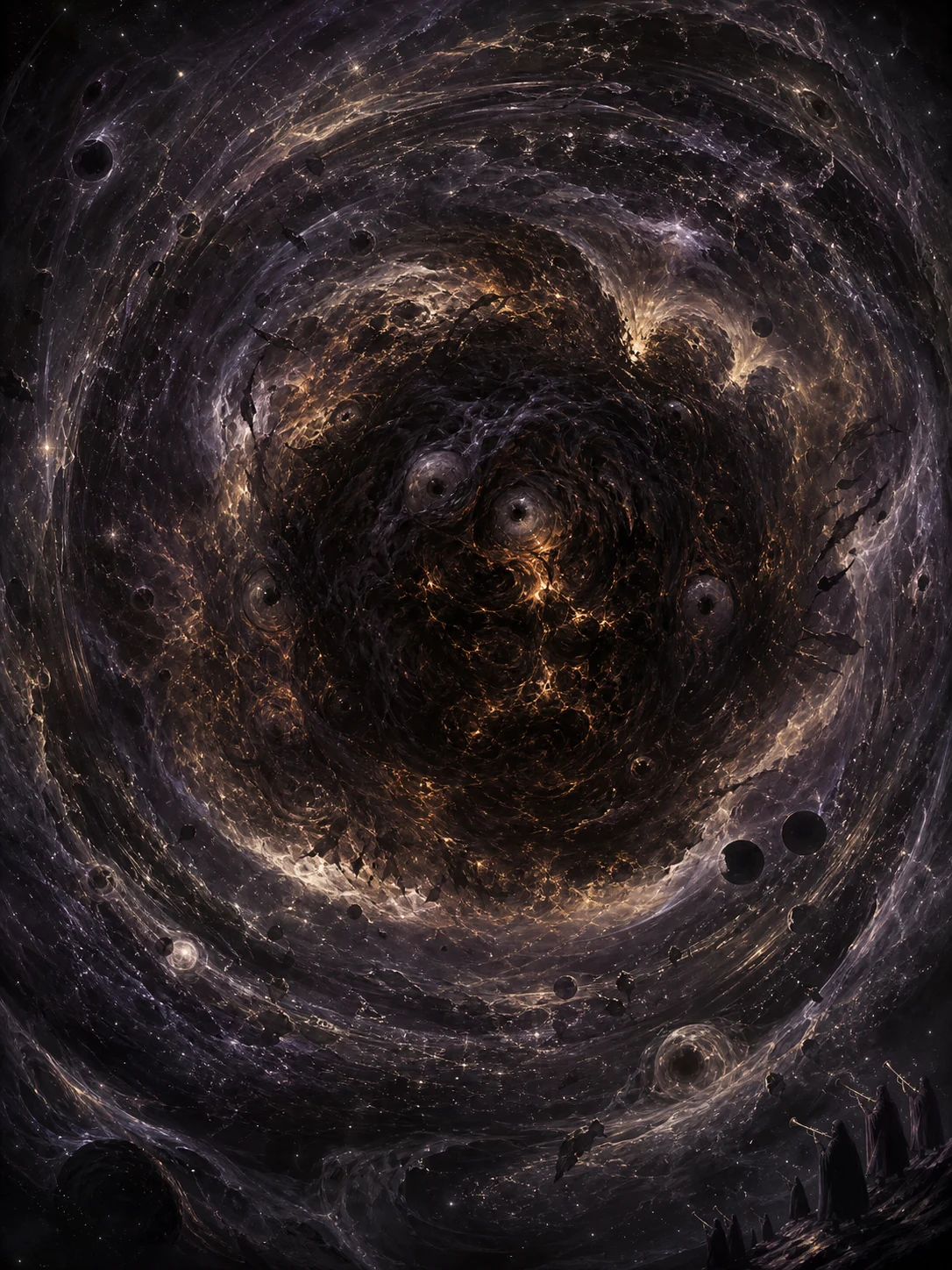
Azathoth
A blind, mindless presence seething at ultimate chaos, surrounded by flutes and drums beyond ordered space.
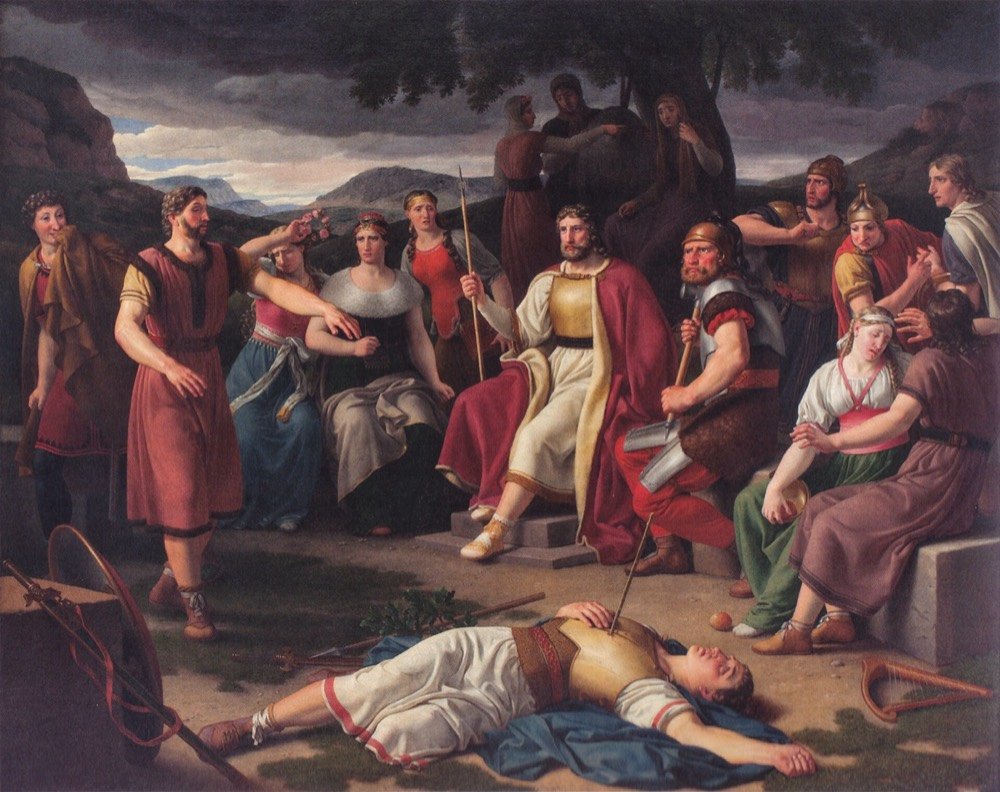
Baldr
Son of Odin and Frigg, so fair that light shines from him. A sprig of mistletoe, overlooked by his mother's oaths, kills him and tolls the first bell of Ragnarok.
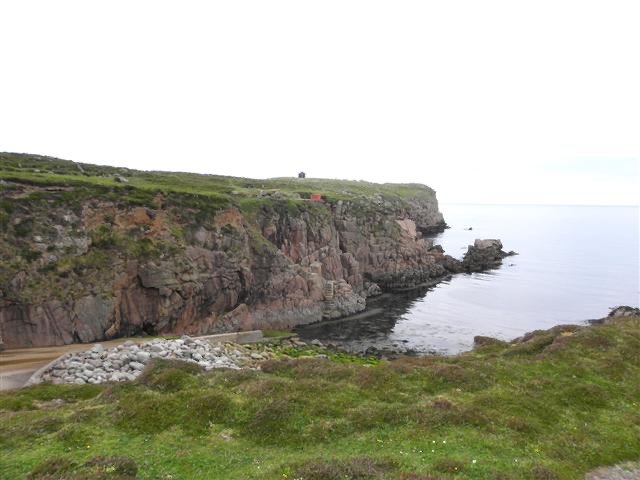
Balor
The most dreadful Fomorian champion, whose eye could destroy an army. At Mag Tuired, his grandson Lugh drove a sling-stone through it and turned its ruin upon the Fomorians.
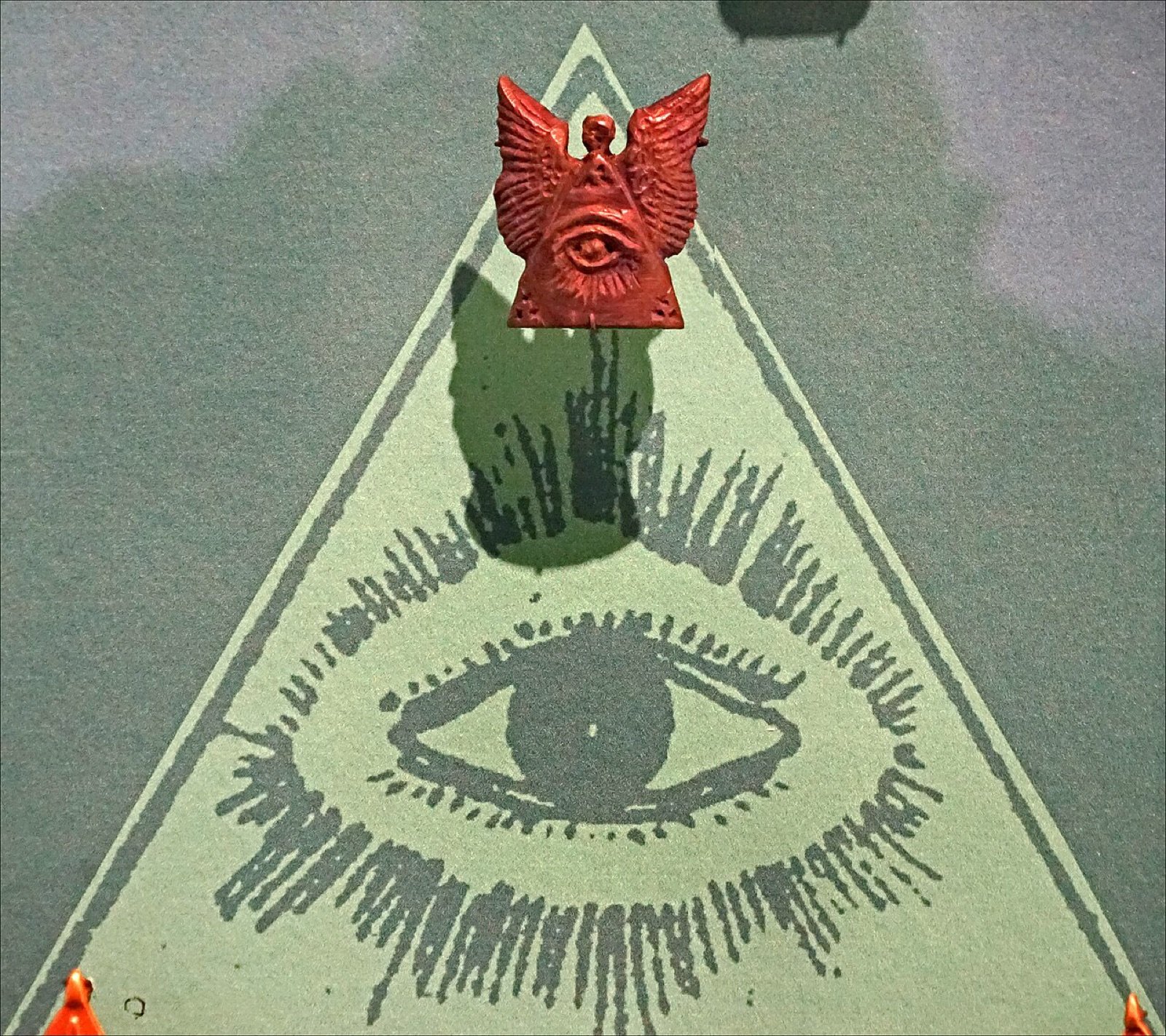
Bathala
The Tagalog creator and sustainer whose name became layered with the Christian God under colonial rule.
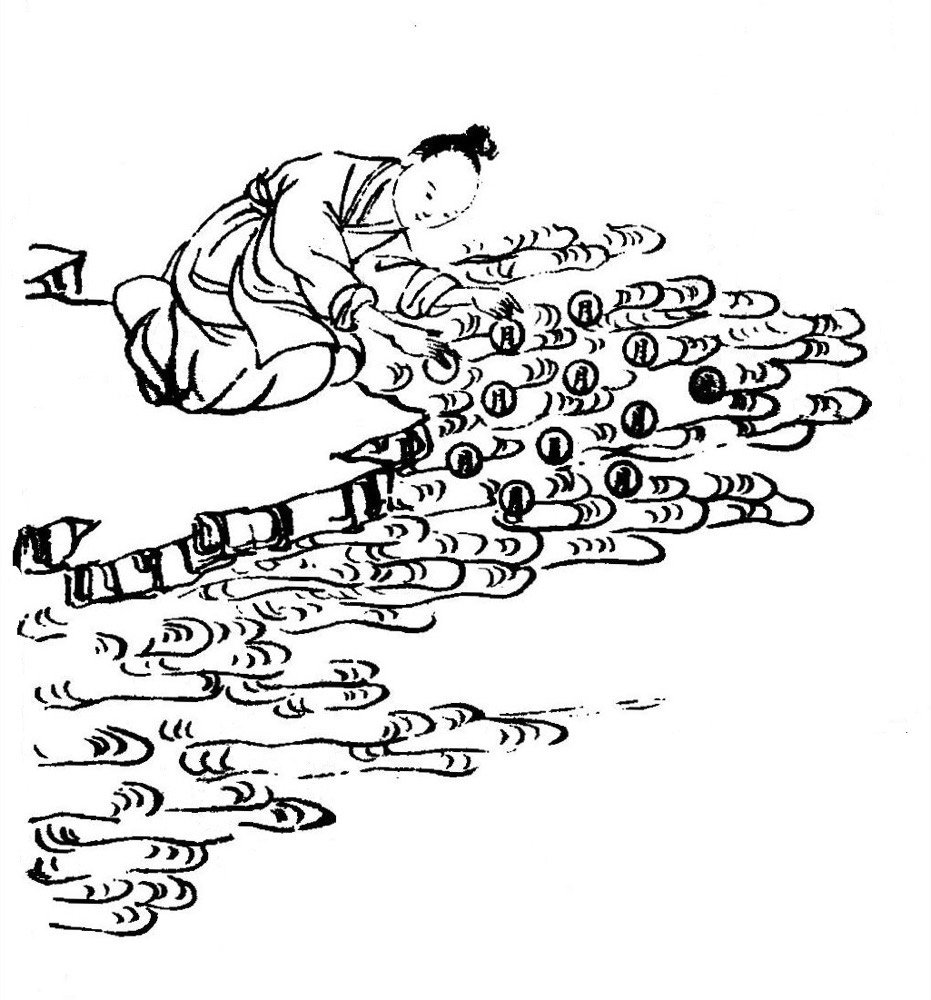
Changxi
A wife of Di Jun who bore twelve moons in the western wilderness and bathed them — the twelve months personified. Scholars widely take her as the prototype of the moon goddess Chang'e.
Chief Fog-Over-the-Salmon
In Tlingit tradition, the father of Fog Woman, named in the story of her marriage to Raven and the origin of the salmon run.
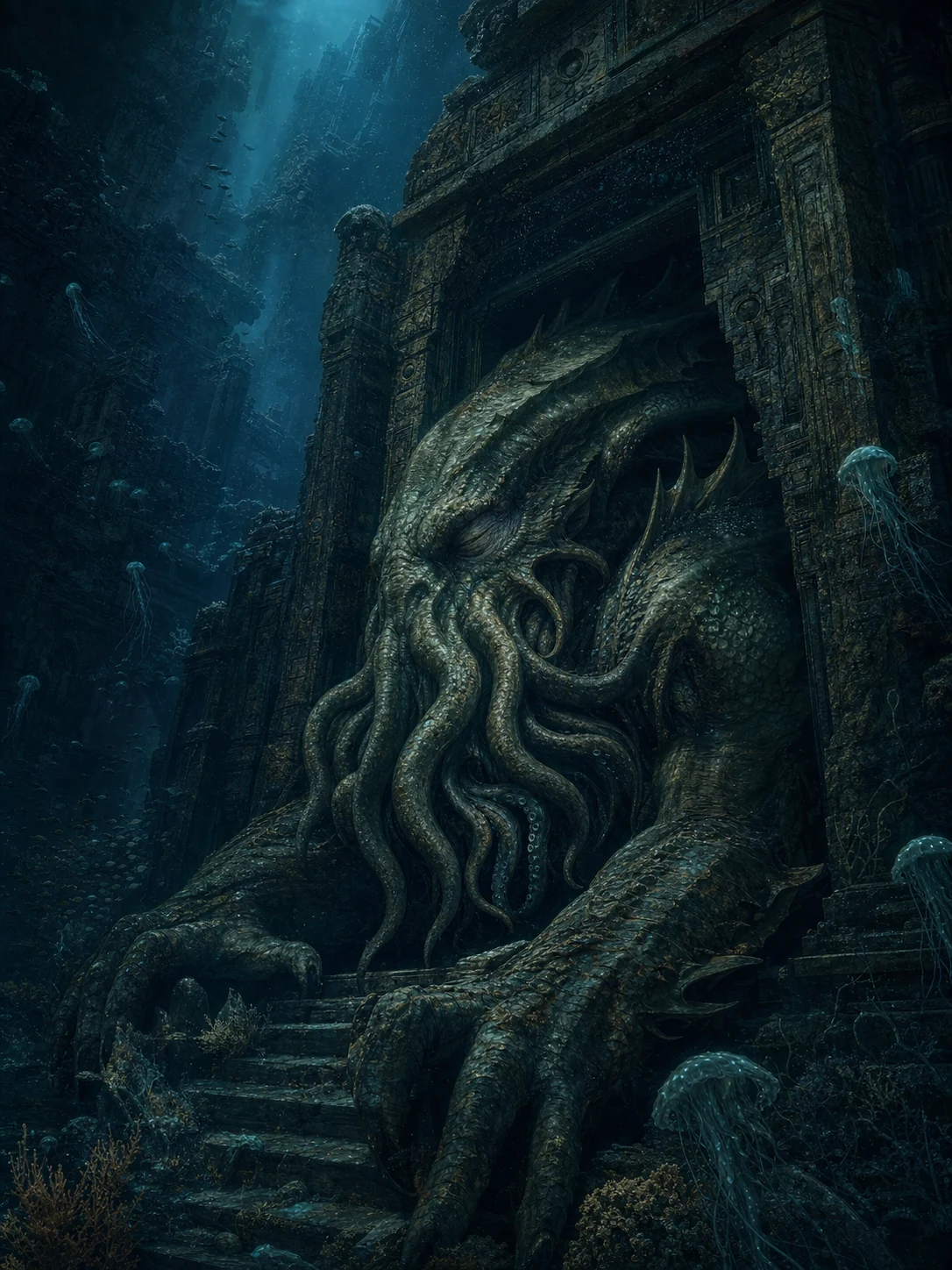
Cthulhu
An ancient presence sleeping in drowned R’lyeh, entering human dreams while the stars delay the hour of its return.

Cuniraya Viracocha
The ragged trickster-creator of the Huarochirí stories, who makes terraces and canals with a word, fathers a child on the proud huaca Cavillaca through a fruit, and blesses or curses each animal he meets as he chases her to the sea.
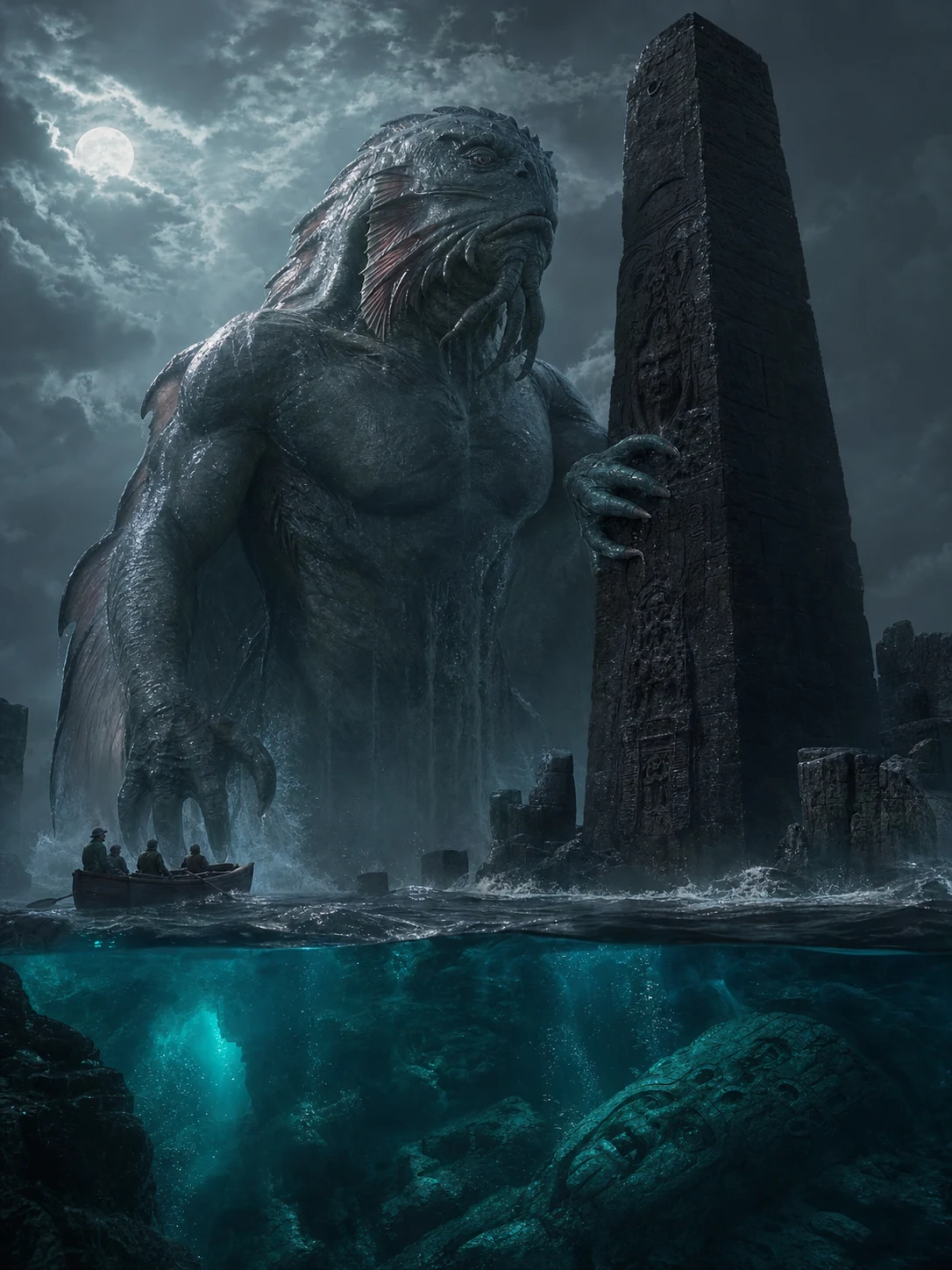
Dagon
A sea-name revered by the Deep Ones and Innsmouth’s Esoteric Order, joining an ancient god to modern oceanic dread.
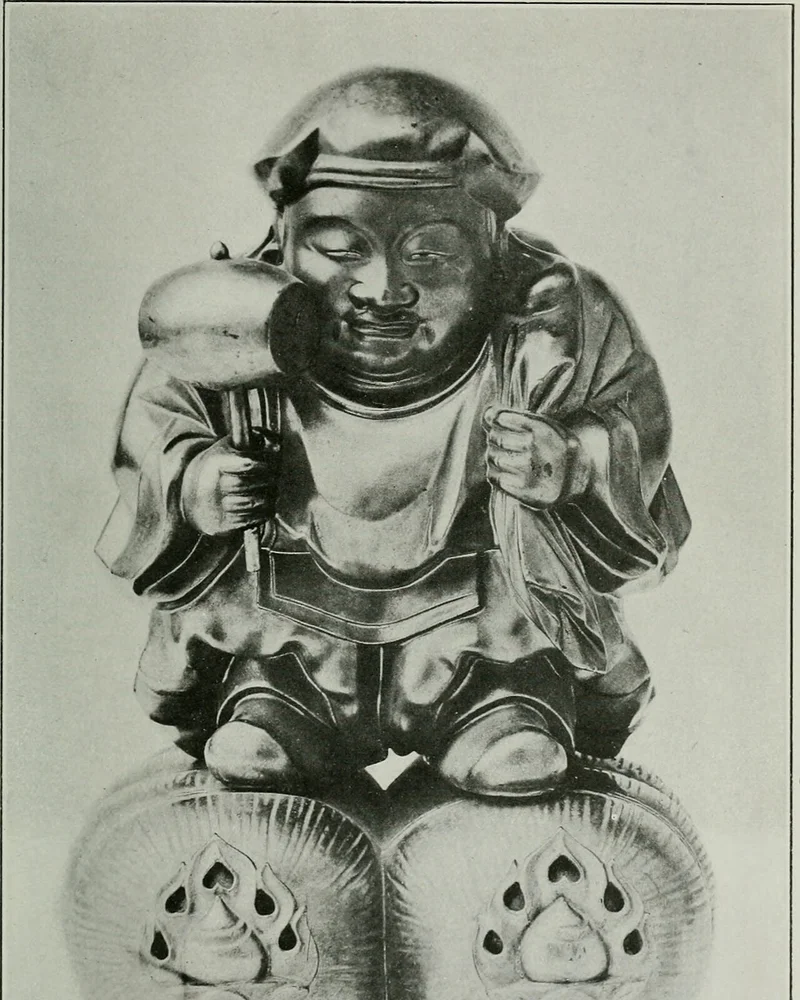
Daikokuten
One of the Seven Lucky Gods. God of wealth, farmers, and the kitchen. Derived from the Hindu deity Mahakala but merged with the native kami Okuninushi in Japan.
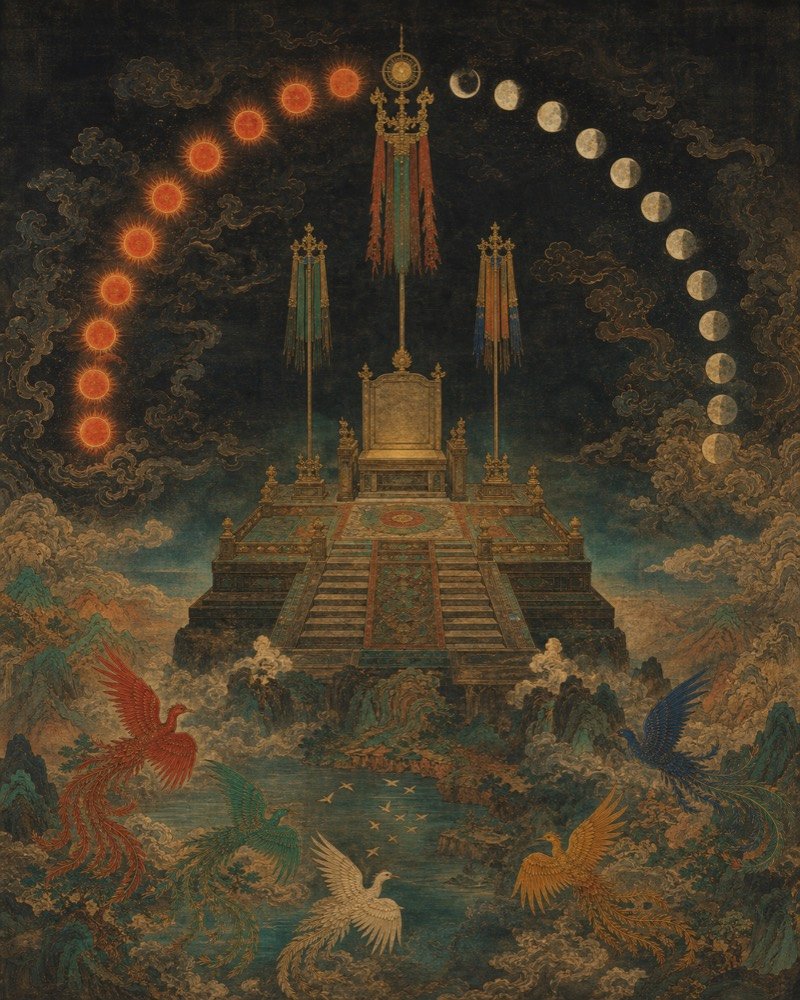
Di Jun
A high god found only in the Great Wilderness and final chapters: his wife Xihe bore the ten suns, Changxi the twelve moons, and his descendants invented boats, carts, zithers, song and craft.
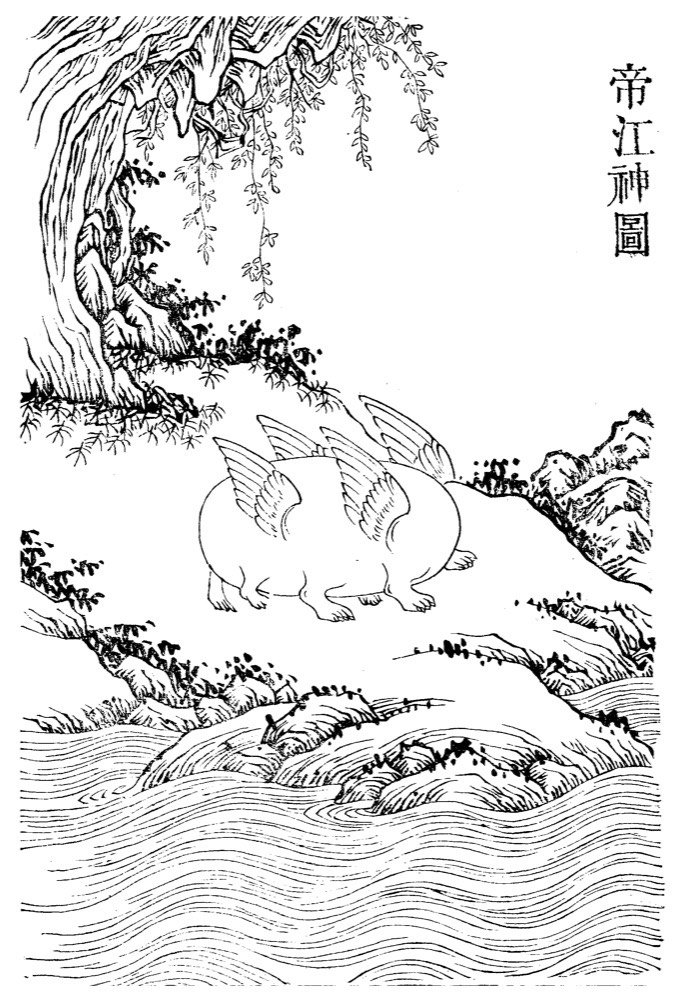
Dijiang
God of Mount Tian: a sack-like body red as cinnabar fire, six legs, four wings, no face at all, yet a master of song and dance — long identified with Hundun, the primal Chaos.
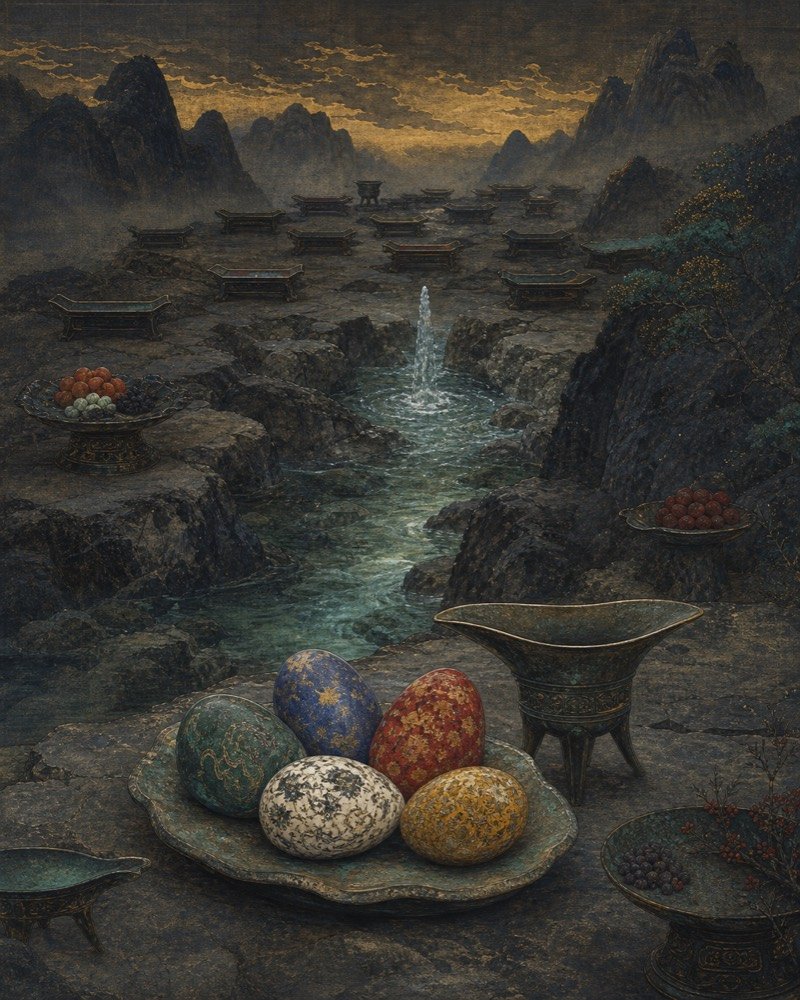
Ditai
A divine personage known only through relics in the seventh central sequence: five-colored gaming stones on Mount Xiuyu, a feasting-ground for the hundred gods on Mount Guzhong, and a cold spring called his draught.
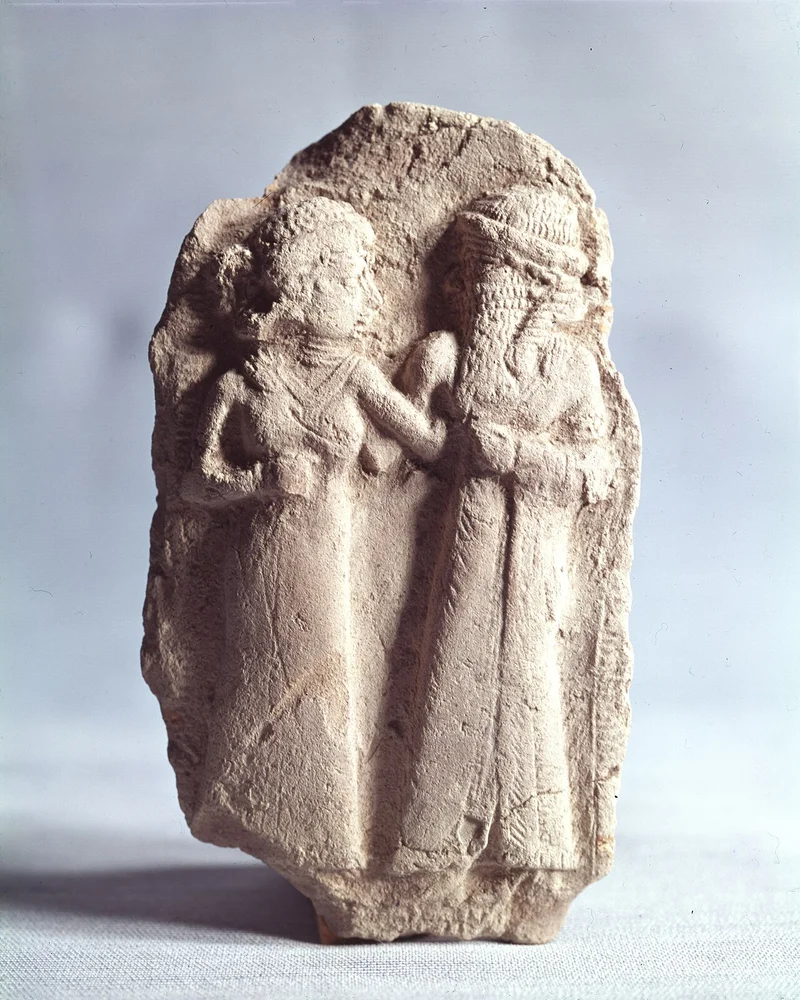
Dumuzi
Shepherd god and consort of Inanna, taken to the underworld in her place after her return from the land of the dead. Dumuzi's death and the yearly mourning for him, later widely known as Tammuz, became one of the most enduring cult patterns of the ancient Near East.
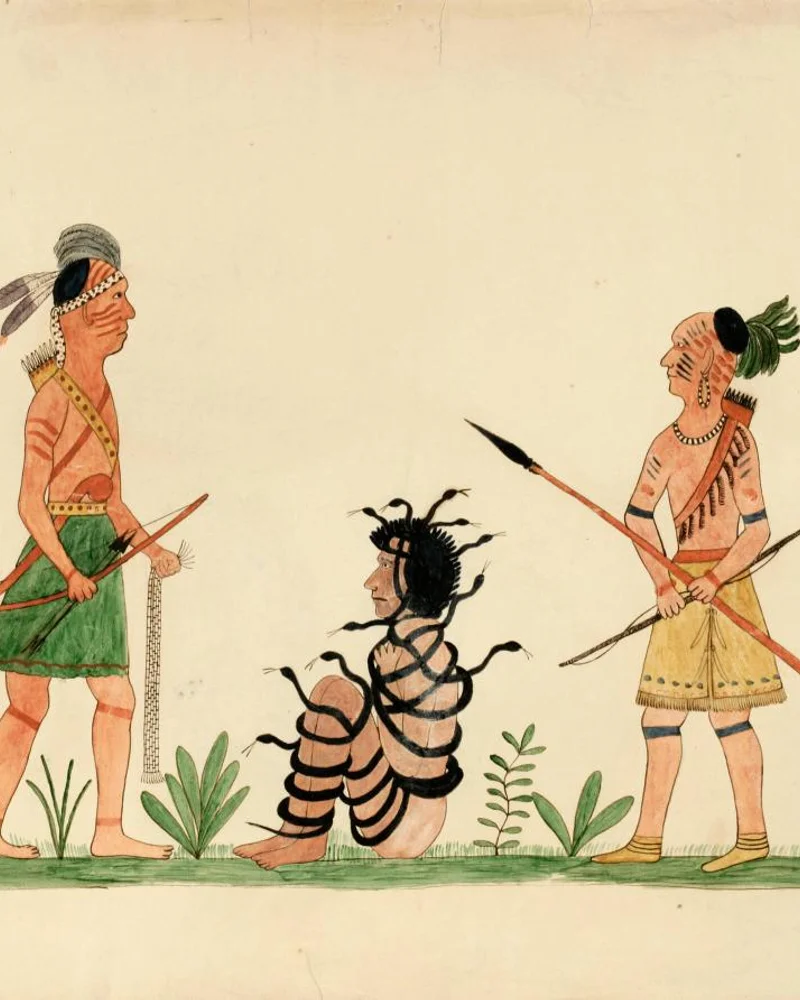
Earth Holder
The chief of the Sky World and husband of Sky Woman, who in many tellings uproots the great celestial tree, opening the hole through which she falls.
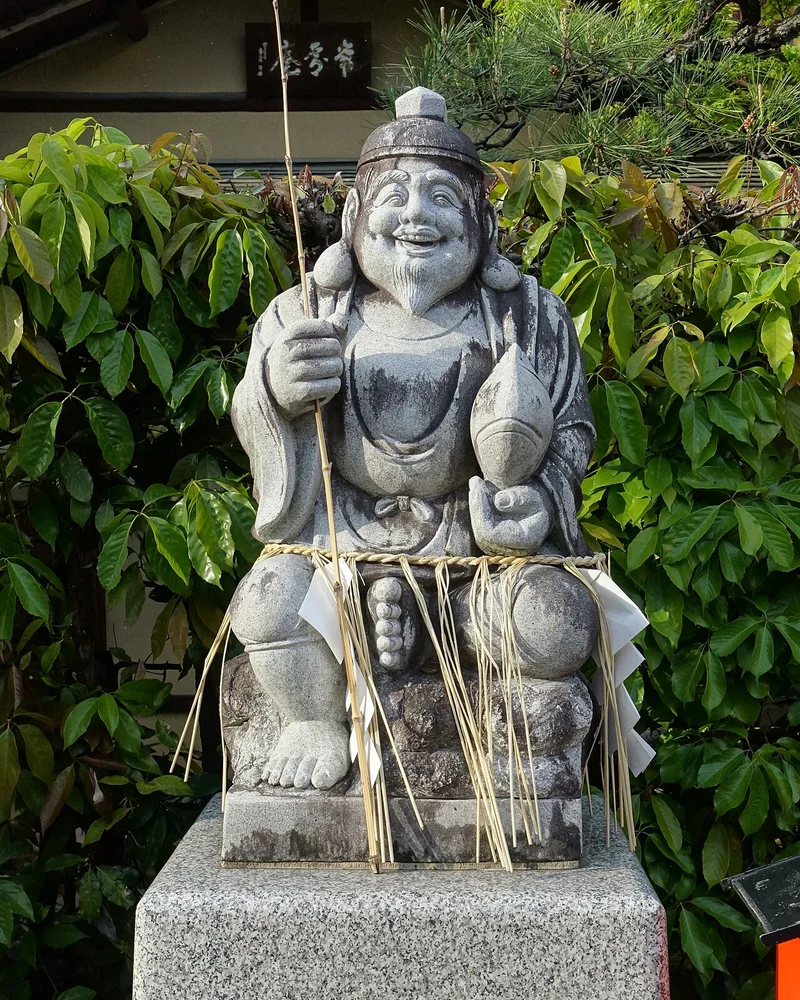
Ebisu
One of the Seven Lucky Gods (Shichifukujin). God of fishermen, merchants, and honest labor. The only purely Japanese deity among the Seven, known for his cheerful disposition.
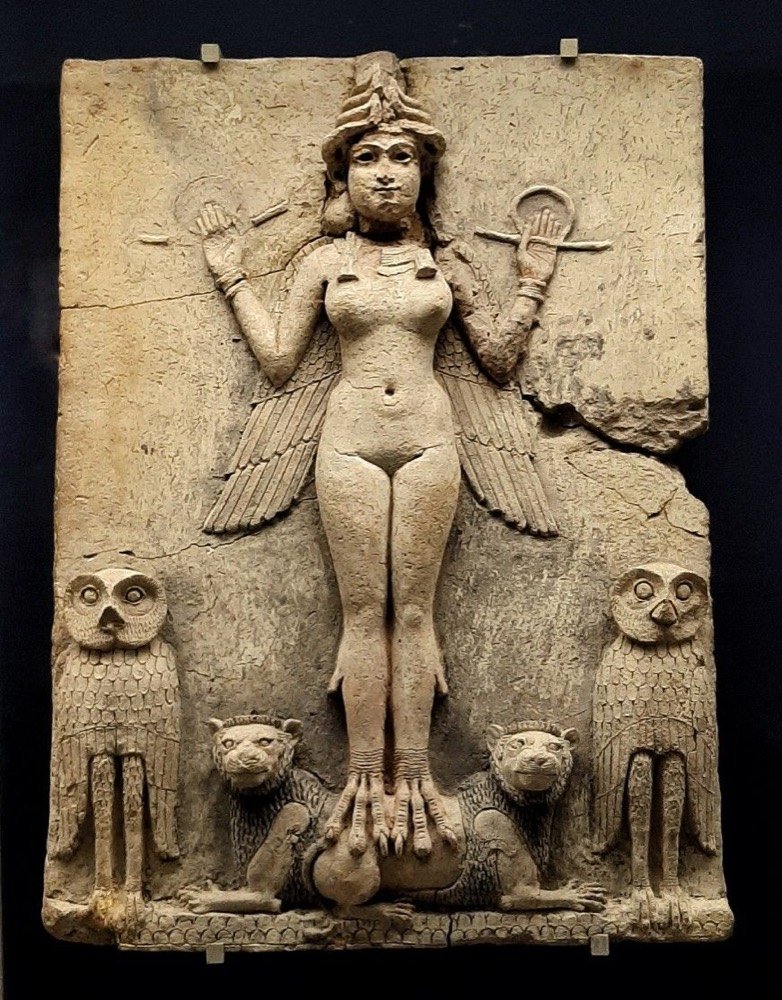
Ereshkigal
The “Lady of the Great Earth” rules the netherworld. Inanna is stripped at her seven gates, while Ereshkigal herself can send only a messenger to the feasts above.
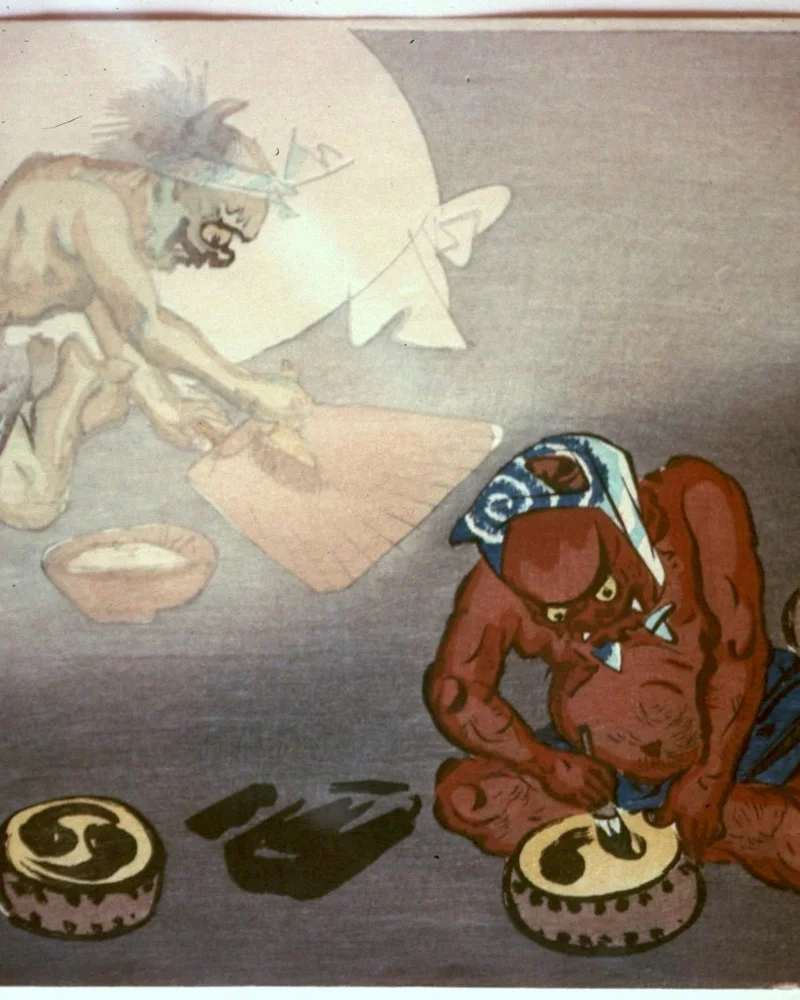
Fujin
God of wind and air. Depicted as a demon carrying a large bag of winds. Twin to Raijin. Controls gentle breezes and destructive typhoons.
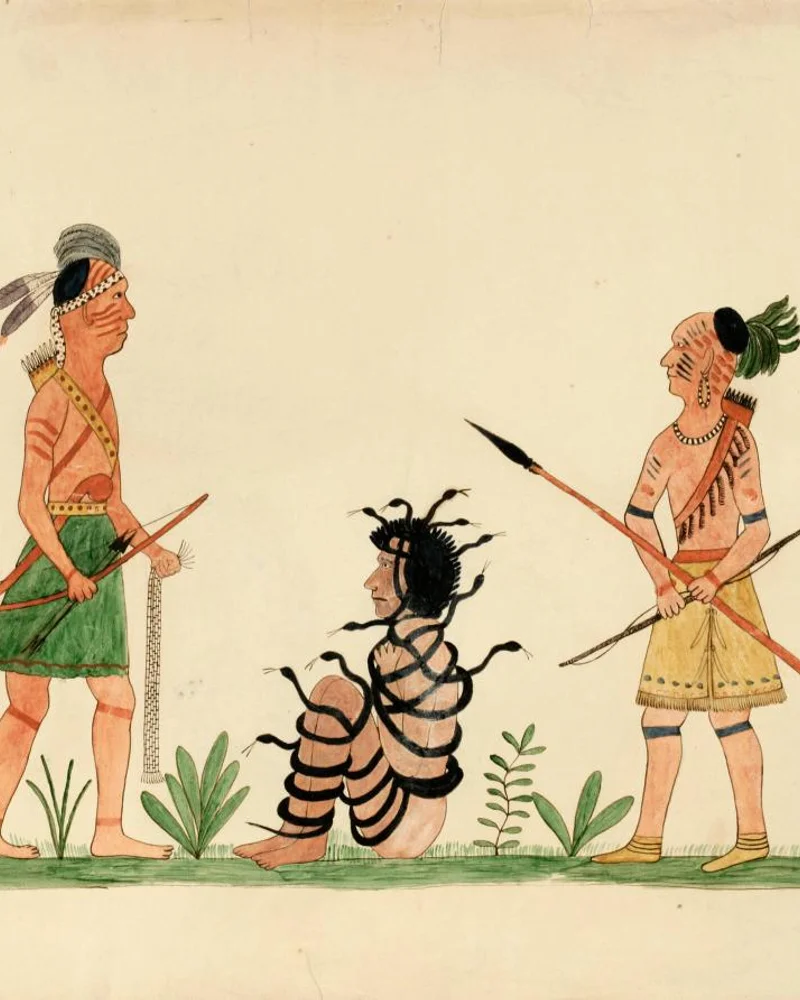
Ga'ha' the Zephyr
The soft, kindly wind of Seneca tradition, who helps plants grow and fruits ripen; in the Seneca cosmology Parker summarises he is the husband of Sky Woman's daughter and father of the twins.
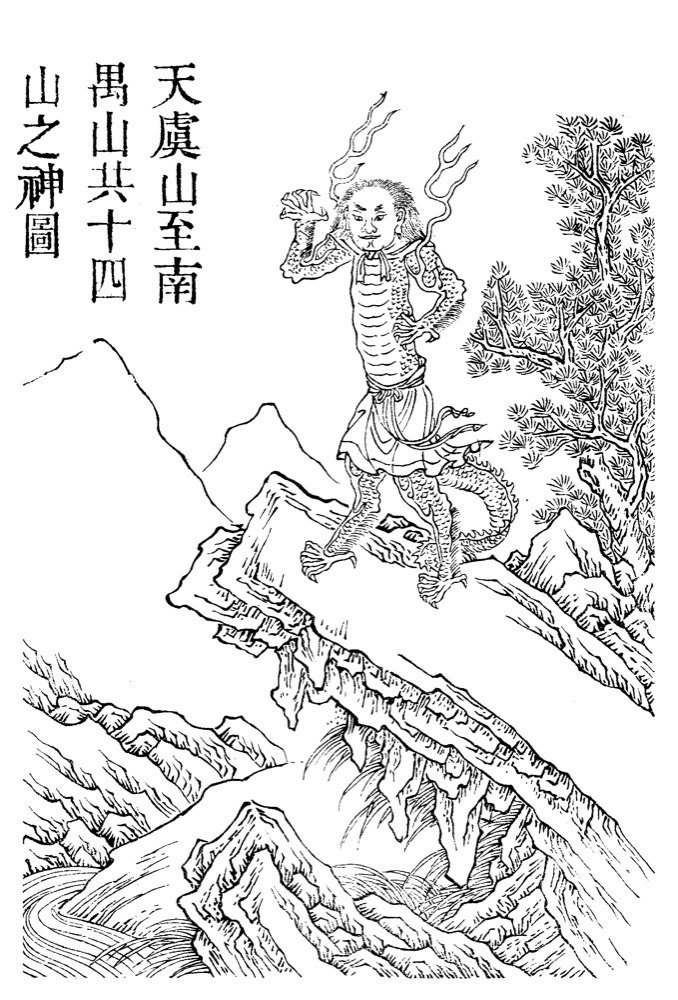
Gods of the Southern Mountains
The collective mountain gods of the three southern ranges: bird-bodied and dragon-headed in the first, dragon-bodied and bird-headed in the second, dragon-bodied and human-faced in the third, each with prescribed rites.

Goibniu
The divine smith who forges weapons that never miss and brews the ale of immortality. His hammer falls three times, and the weapon is complete.
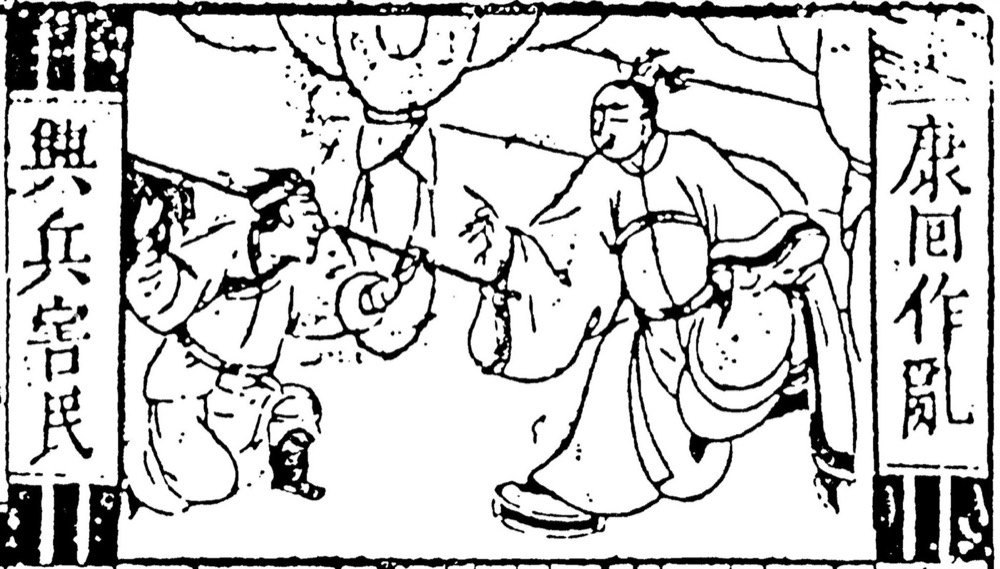
Gonggong
Primeval water god who, defeated in his contest with Zhuanxu for the throne, rammed Mount Buzhou in fury, snapping the pillar of heaven — which is why the stars drift northwest and the rivers run southeast.
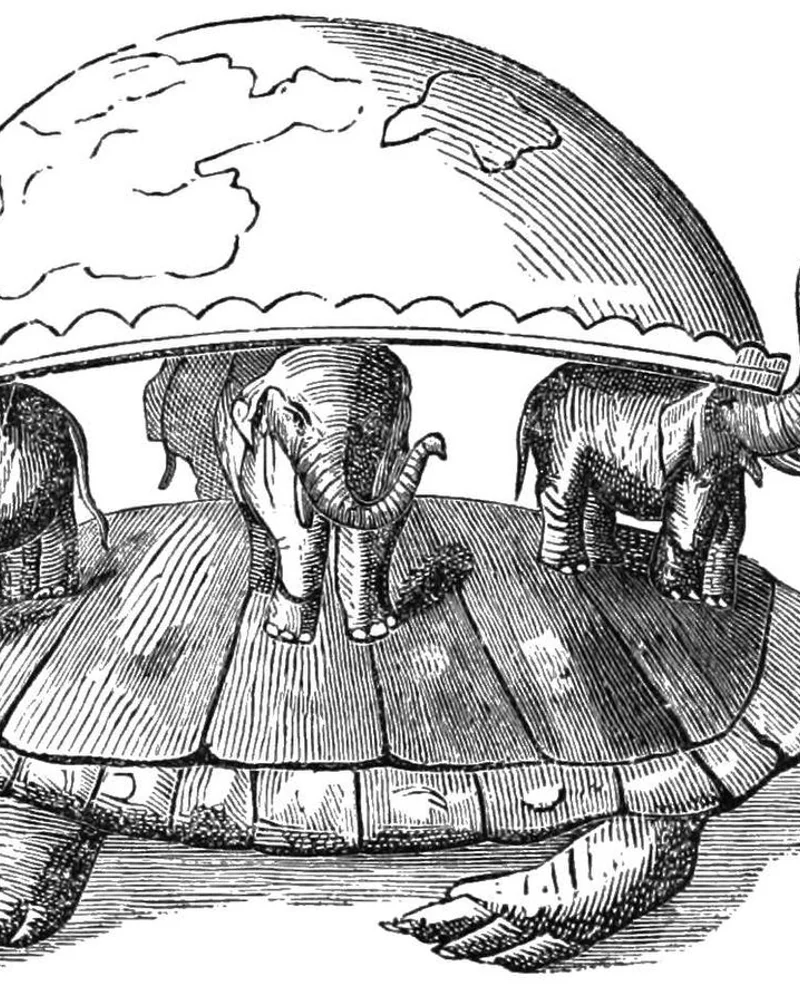
Great Turtle
The turtle on whose back Sky Woman is set as she falls from the Sky World, and whose back, built up with earth by other animals, becomes Turtle Island, the Haudenosaunee name for the continent.
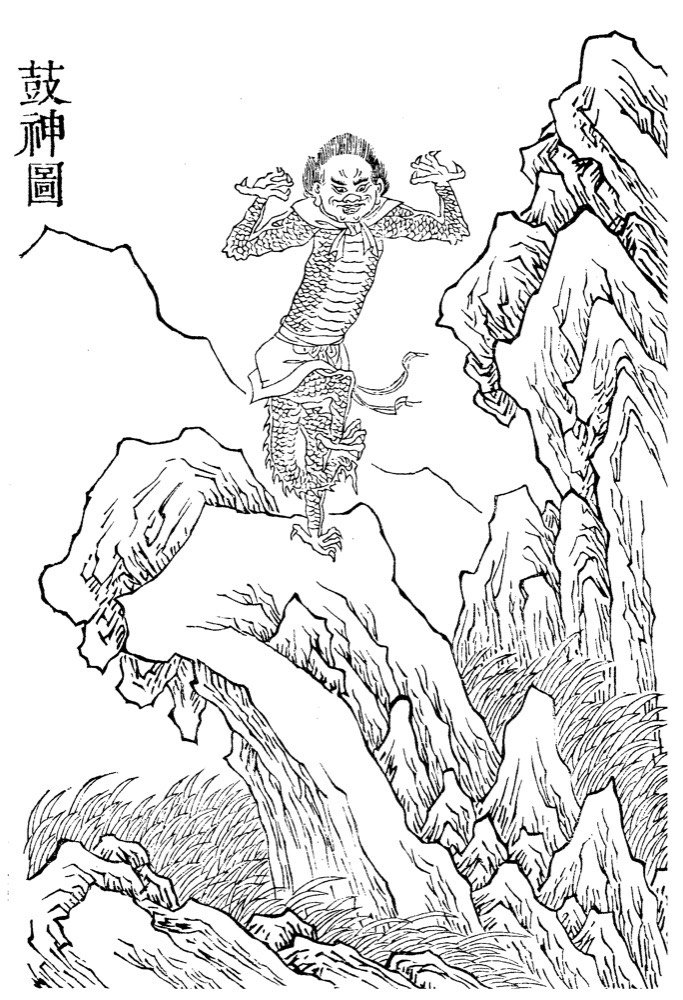
Gu
The dragon-bodied, human-faced son of Mount Zhong who murdered the god Baojiang, was executed by the High God east of the mountain, and rose again as the drought-bird Jun.
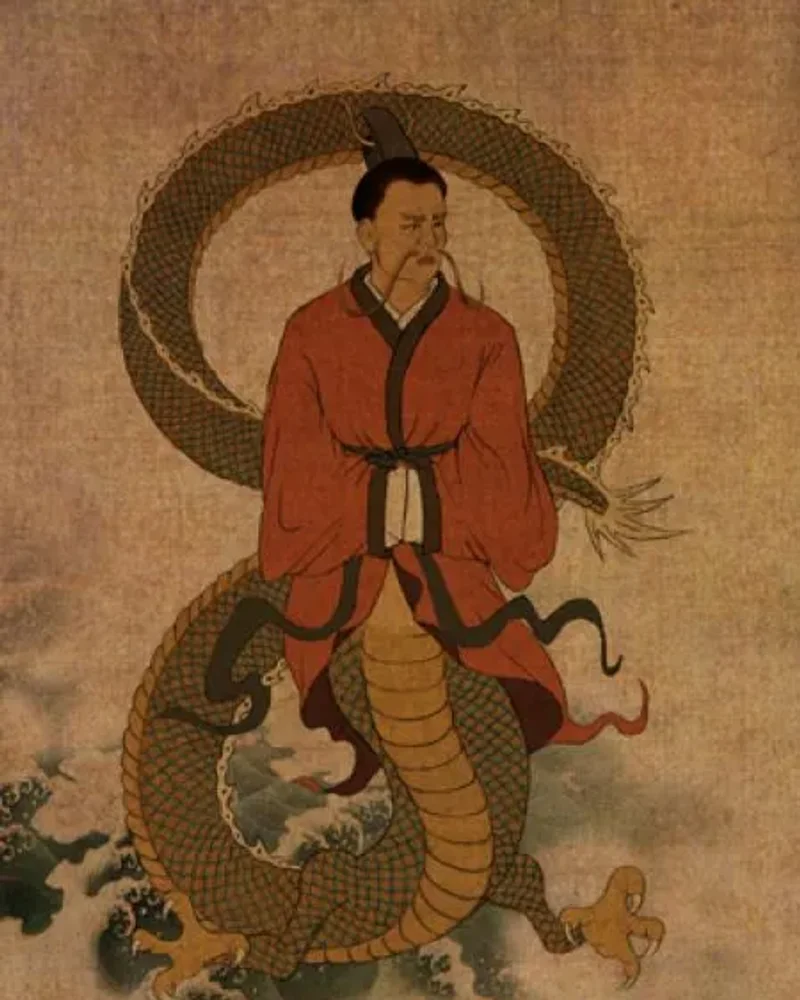
Habaek
The River Earl, water god of the Amnok (Yalu) region and father of Yuhwa, who tests Haemosu's divine claim in a contest of transformations and is claimed by Goguryeo's kings as the founder's maternal grandfather.
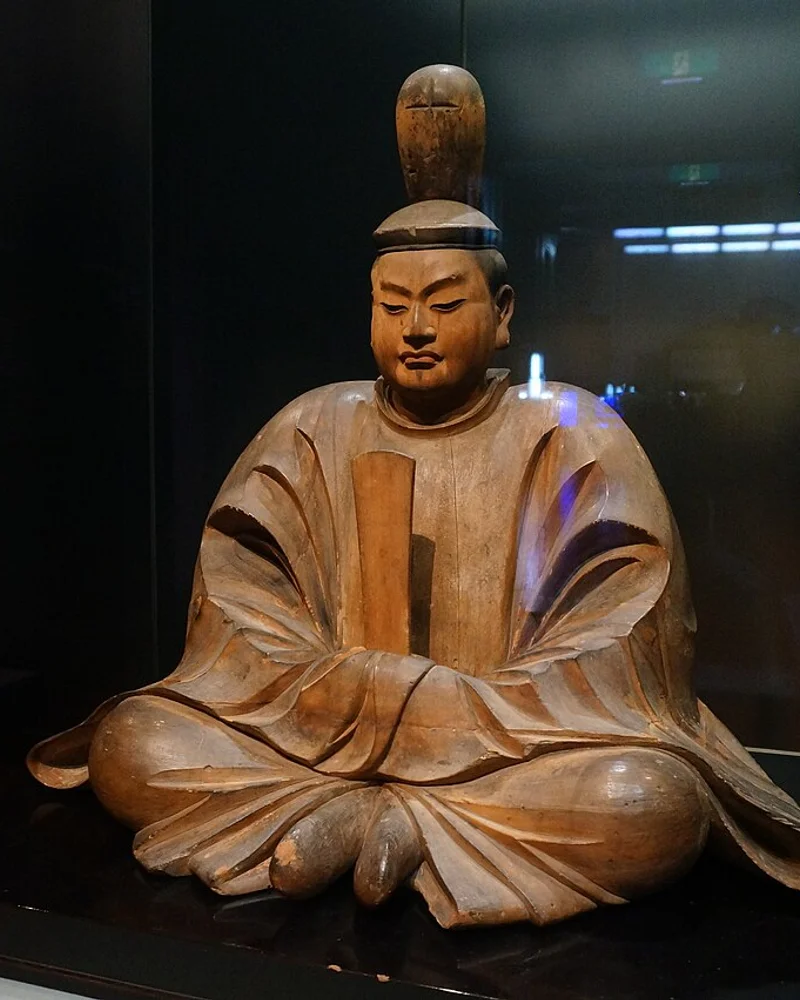
Hachiman
Syncretic god of war, archery, and protector of Japan and warriors. Originally Emperor Ojin deified. Patron of the samurai clans.
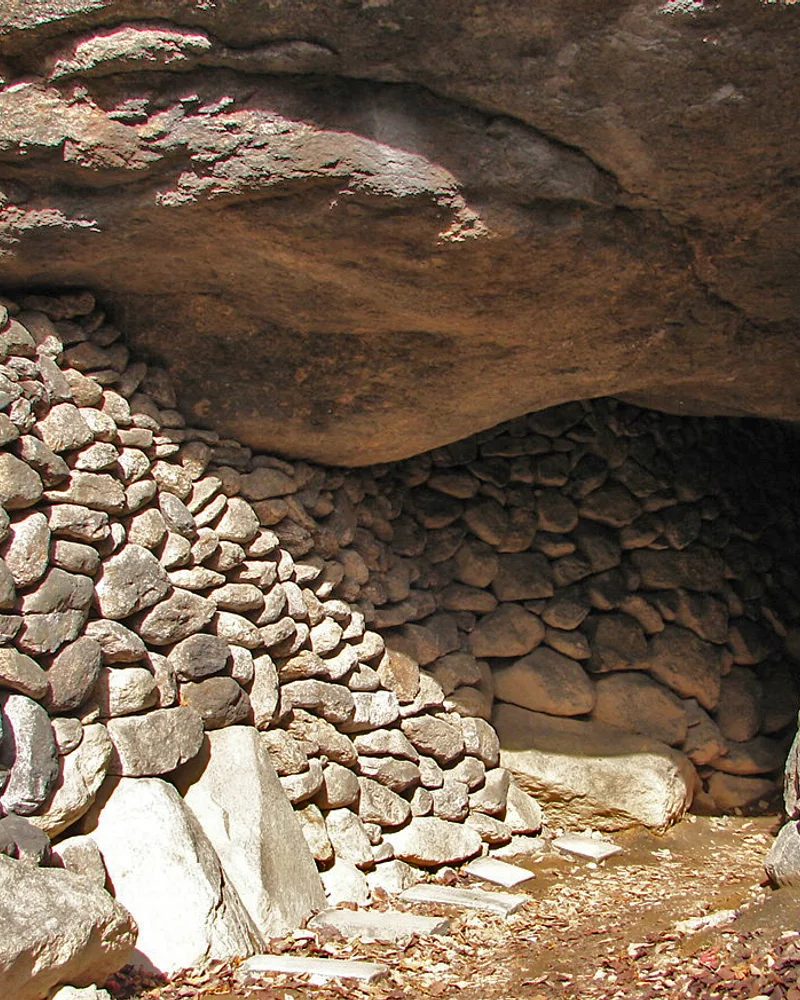
Haemosu
The Son of Heaven who descends in a five-dragon chariot, seduces Yuhwa, daughter of the River Earl, by the Amnok (Yalu) River, and becomes the father of Jumong, founder of Goguryeo.
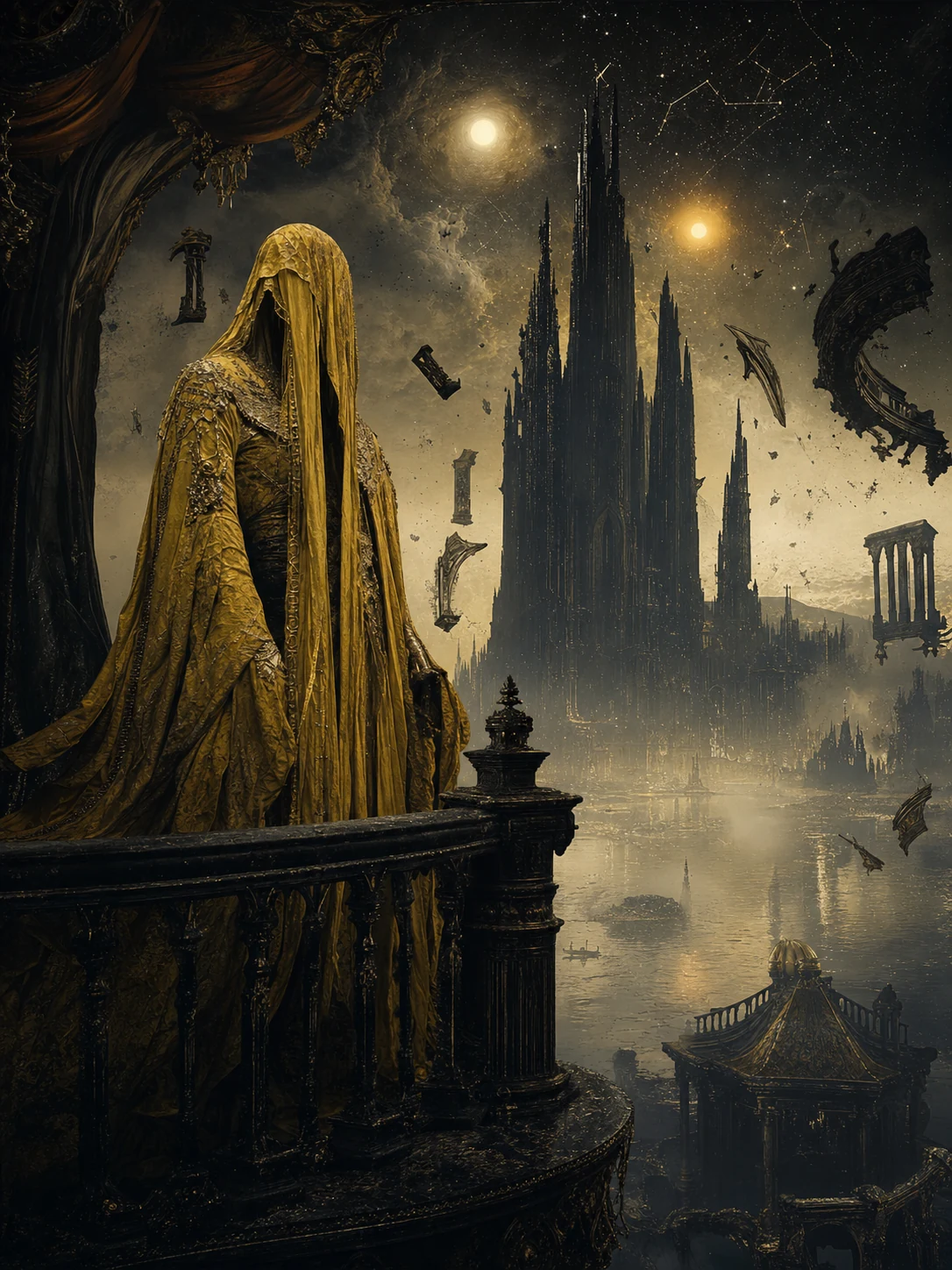
Hastur
A name transformed by Bierce, Chambers, Lovecraft, and Derleth, accumulating Carcosa, the Yellow Sign, and later mythos rank.

Haumea
A powerful fertility goddess with the ability to regenerate herself and transform her age. In Hawaiian tradition, Haumea is the mother of Pele and many other deities, and taught humans the secrets of childbirth.
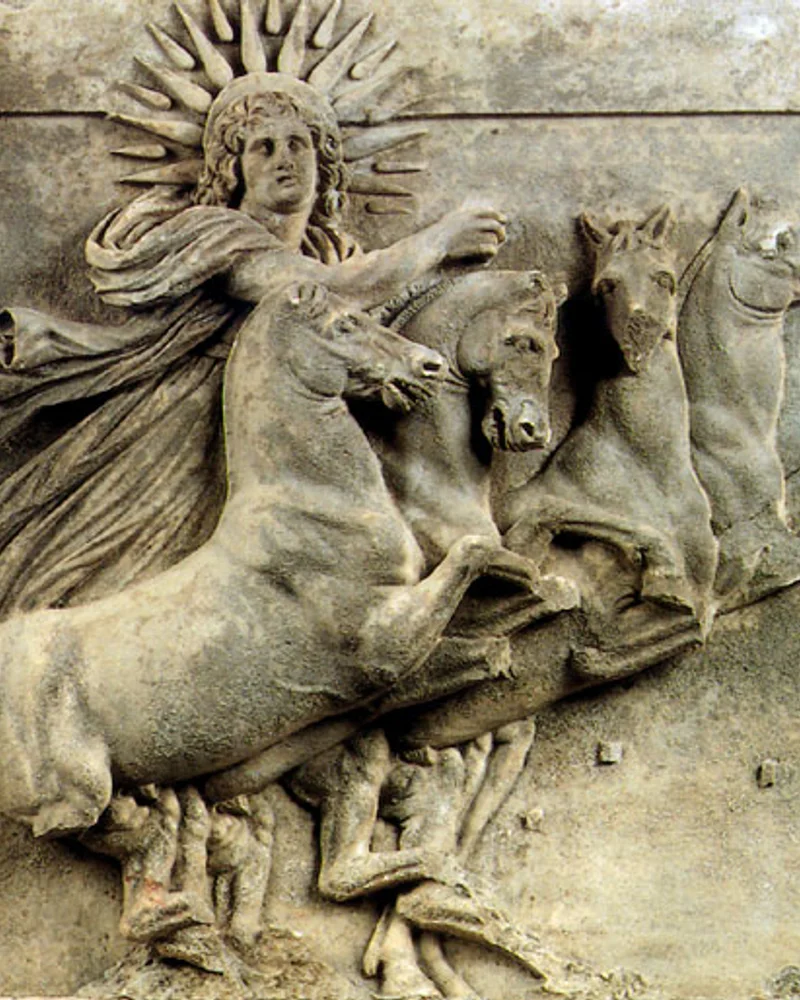
Helios
The Titan-born sun who drives his chariot across the sky each day and sees everything beneath it. Son of Hyperion and Theia, brother of Selene (Moon) and Eos (Dawn), Helios is the witness gods and mortals call on because nothing happens outside his gaze.
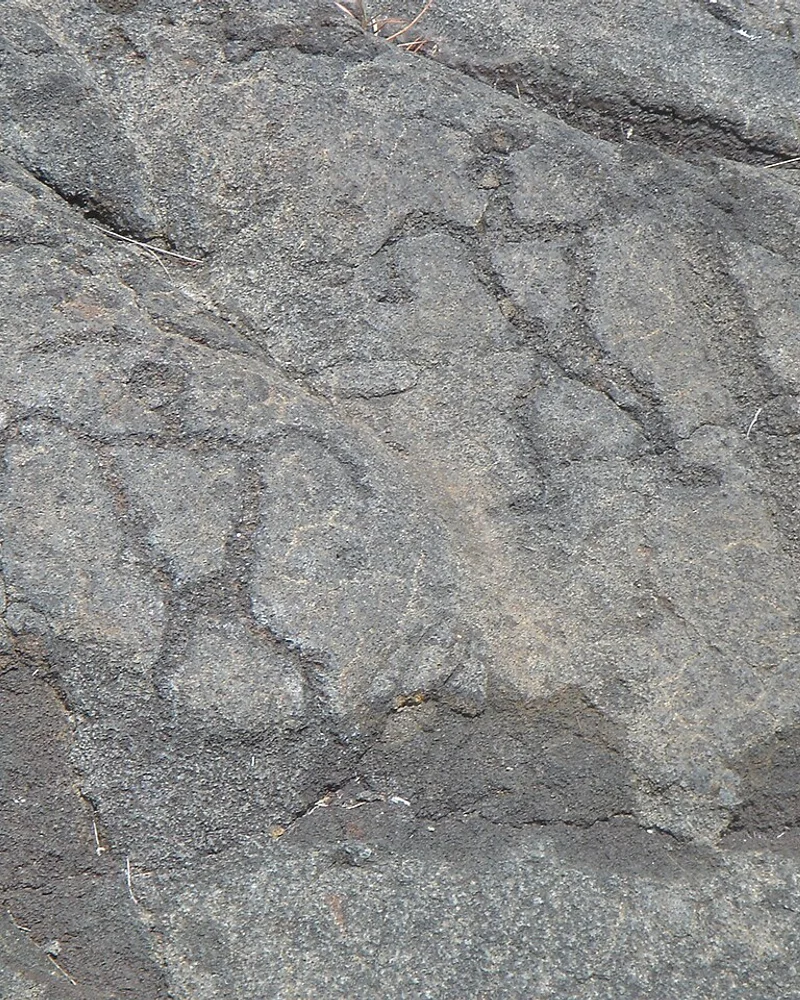
Hi'iaka
The youngest and most beloved sister of Pele. Hi'iaka is the patron goddess of hula dancers and the protagonist of one of the longest epic narratives in Hawaiian mythology, her journey to fetch Pele's lover Lohiau.
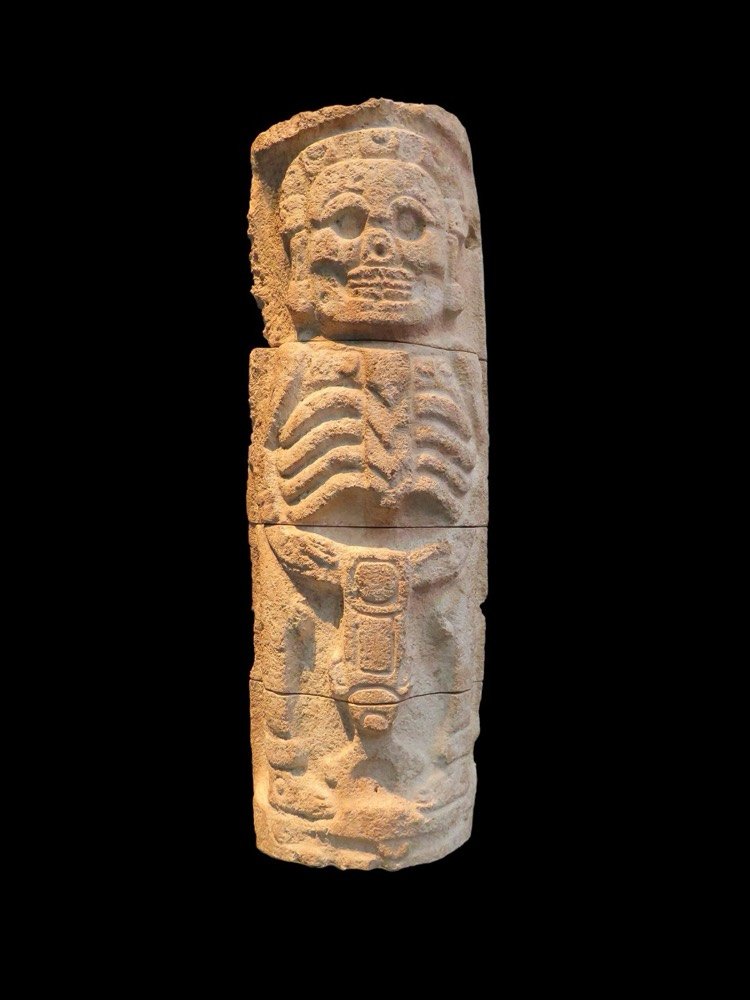
Hun Came and Vucub Came
The paired supreme lords of Xibalba, "One Death" and "Seven Death." They sent owl messengers to summon ballplayers to their doom, until the Hero Twins killed them in the sacrifice trick they begged to see.
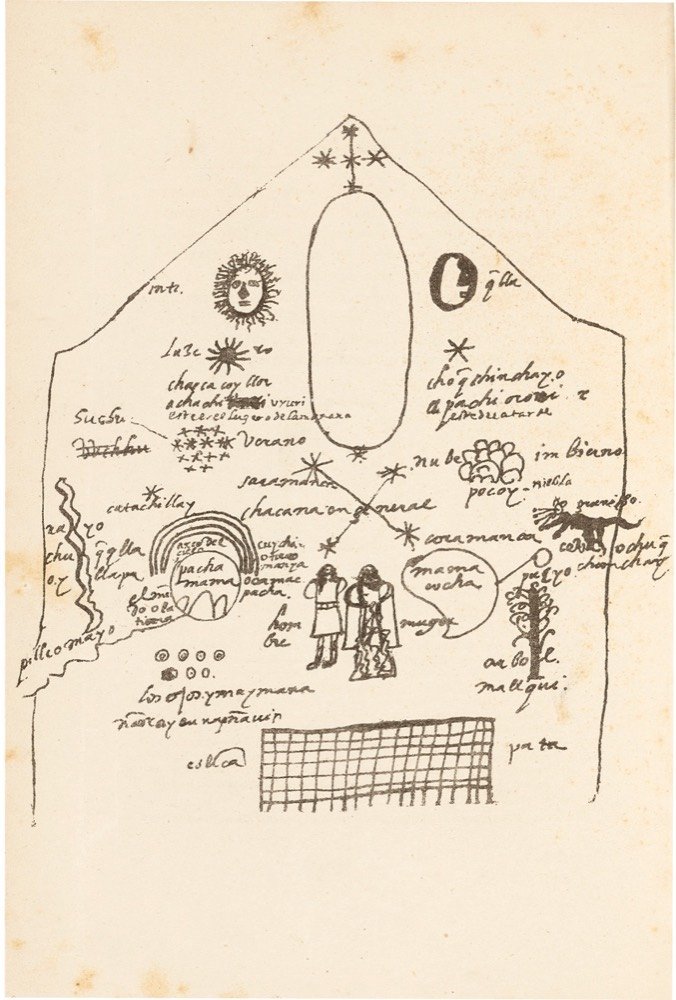
Illapa
The Inca thunder god, a sky warrior with sling and war club: his sling-crack is thunder, his flashing garments lightning, and he pours rain drawn from the celestial river. Under Spanish rule he merged with Santiago.
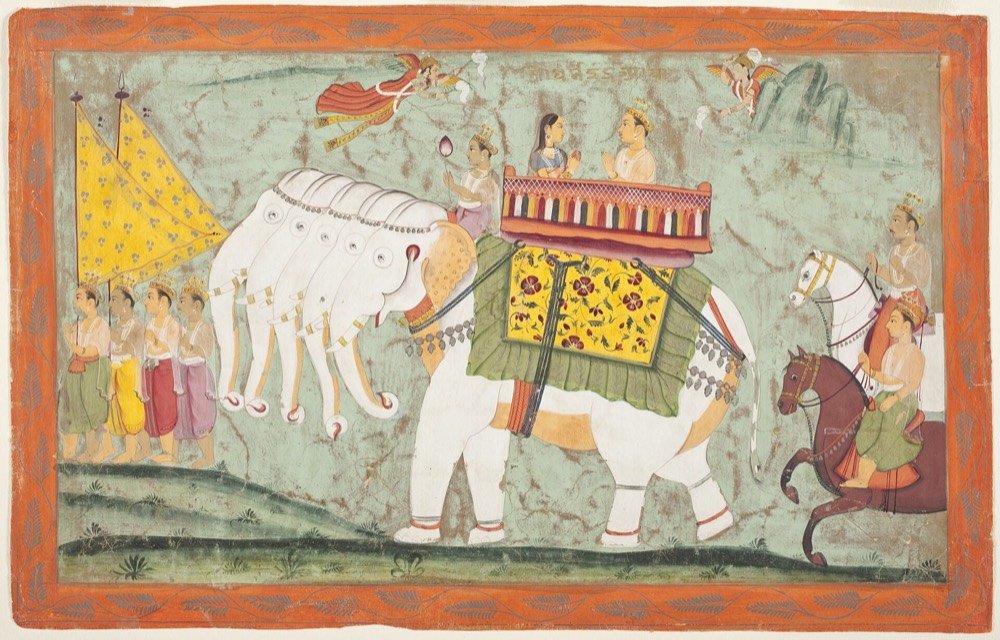
Indra
Thunder-god and king of the devas who slew the drought-serpent Vritra with his vajra to free the waters. The most-hymned god of the Rigveda, later eclipsed by the Trimurti.
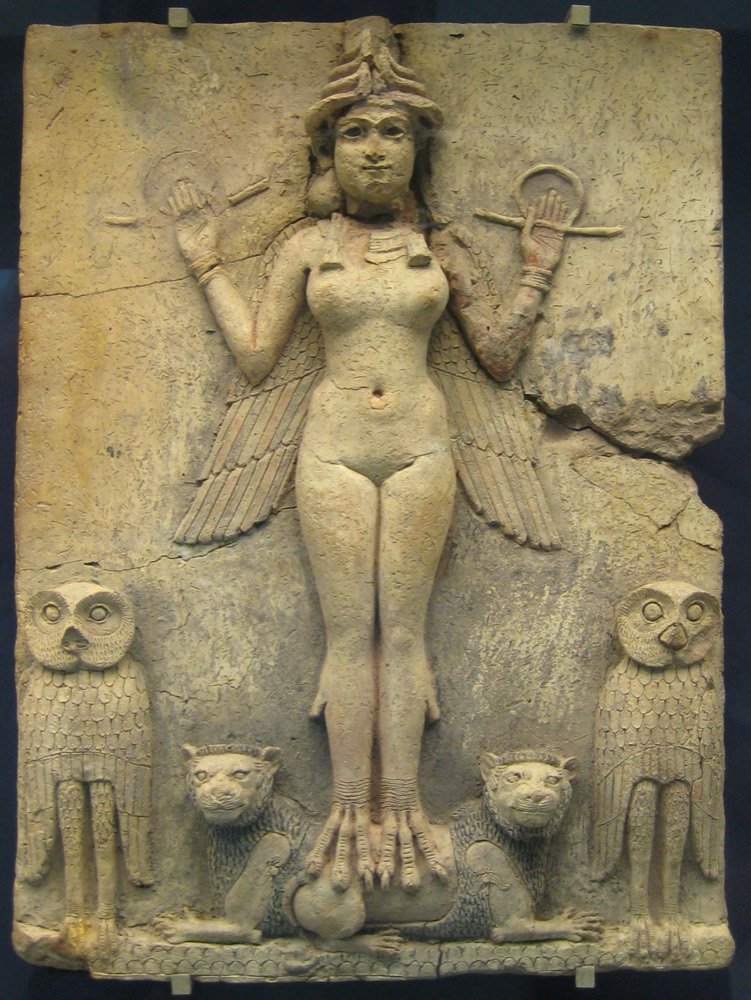
Ishtar
Goddess of love and war, Sumerian Inanna, embodied in the planet Venus. She stormed the seven gates of the underworld, was killed and hung on a hook, and returned; Babylon's Ishtar Gate bears her name.
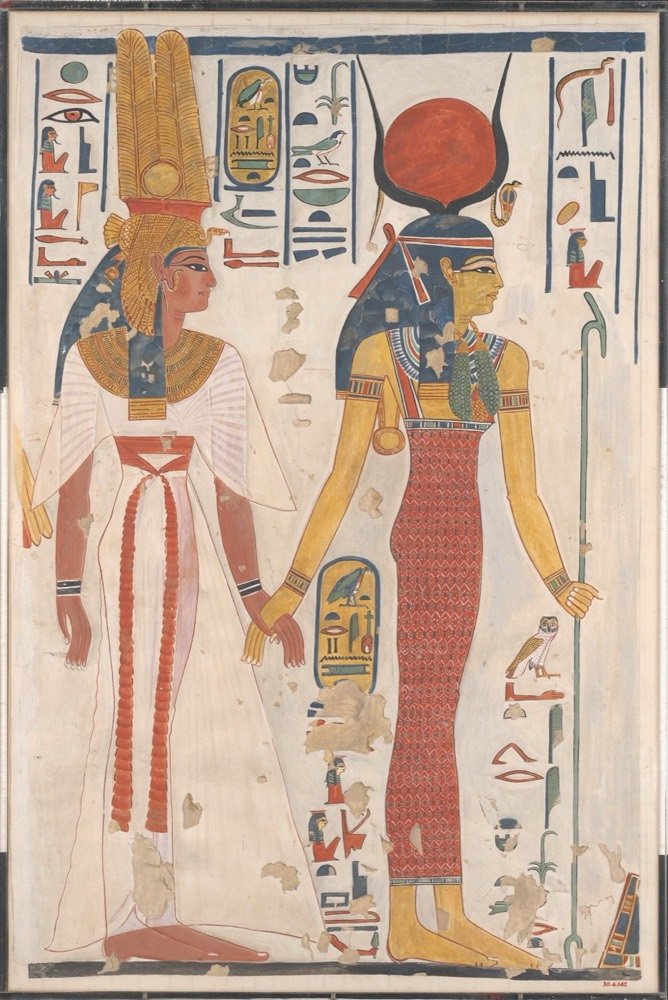
Isis
Wife of Osiris and mother of Horus, 'Great of Magic,' who reassembled her murdered husband and raised their son in the Delta marshes; her cult later spread across the Greco-Roman world.
Jakaira
The Mbya divine father of life-giving mist, vegetation, and renewal through sacred breath and smoke.
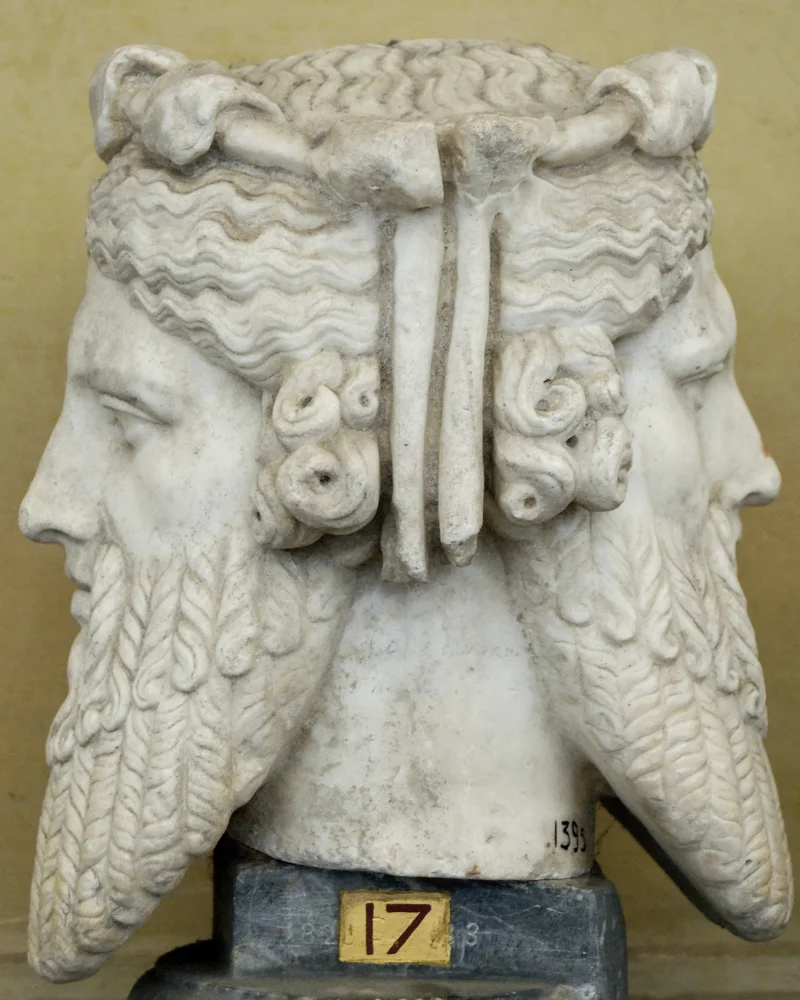
Janus
God of beginnings, gates, transitions, time, duality, doorways, passages, and endings. Uniquely Roman deity with no Greek equivalent. Depicted with two faces looking to past and future.
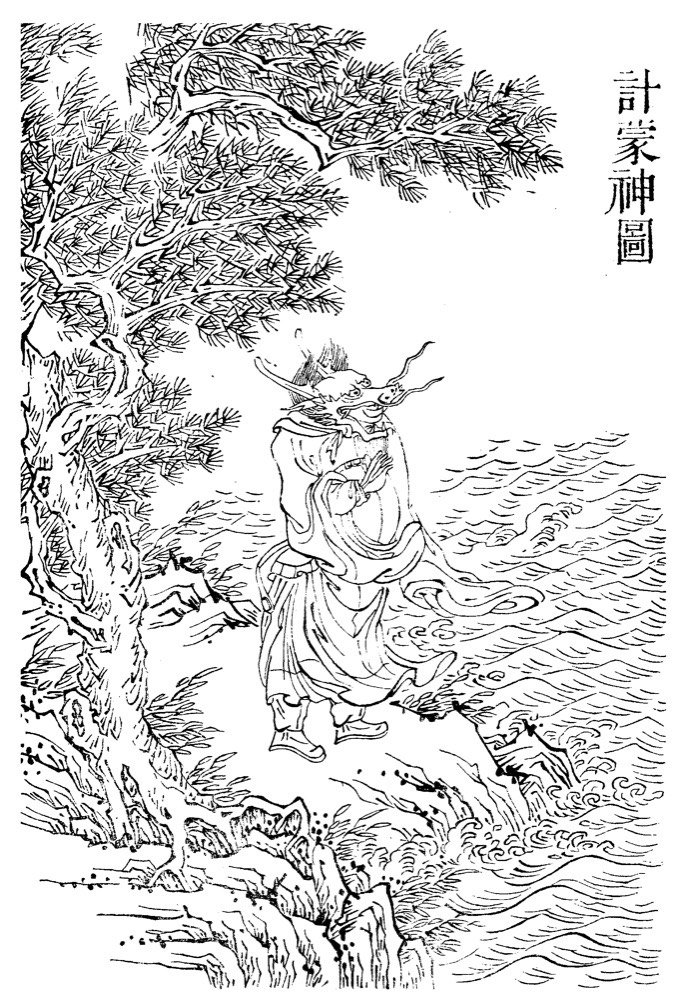
Jimeng
God of Mount Guang with a human body and a dragon's head, who haunts the deep pools of the Zhang River; whirlwind and rainstorm attend his every coming and going.
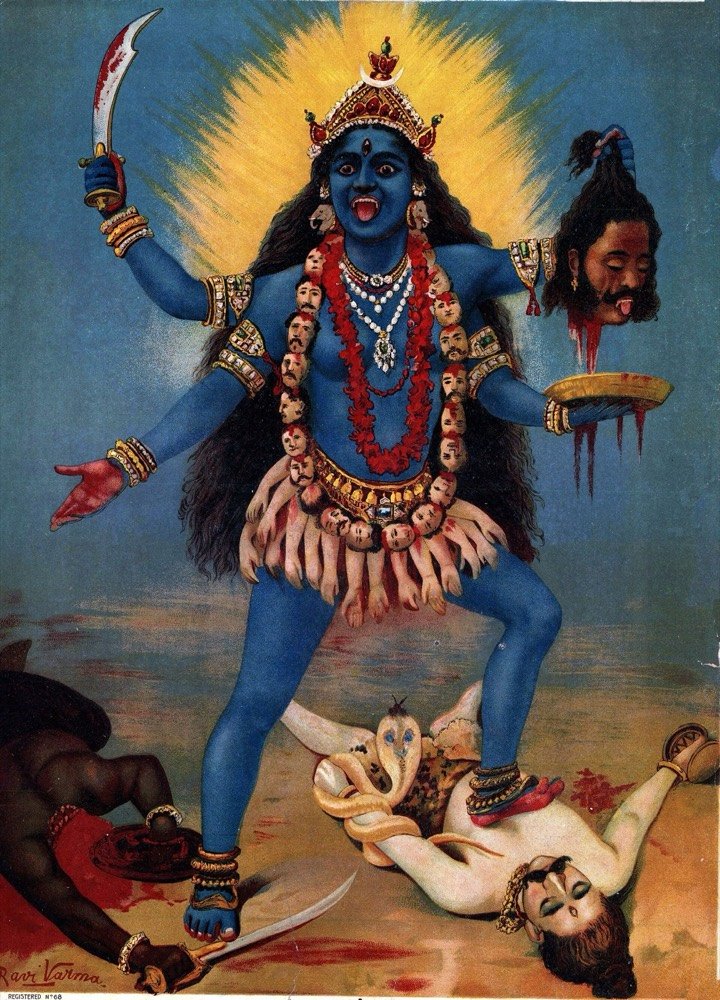
Kali
The night-black goddess with lolling tongue and a garland of severed heads, sword in hand, standing on the prone Shiva. She drinks demon blood, yet devotees revere her as the fiercest of mothers.
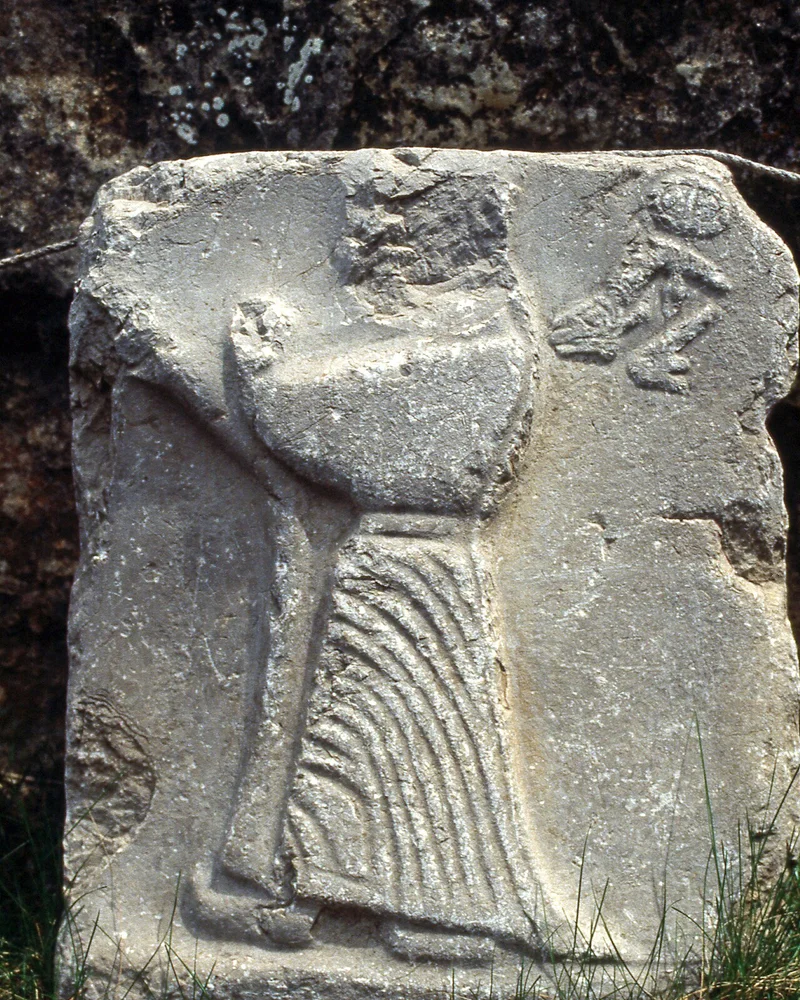
Kamrušepa
Goddess of magic and healing rites, who in the Telipinu myth performs the ritual that draws out the angry god's rage and sends it to the Dark Earth.
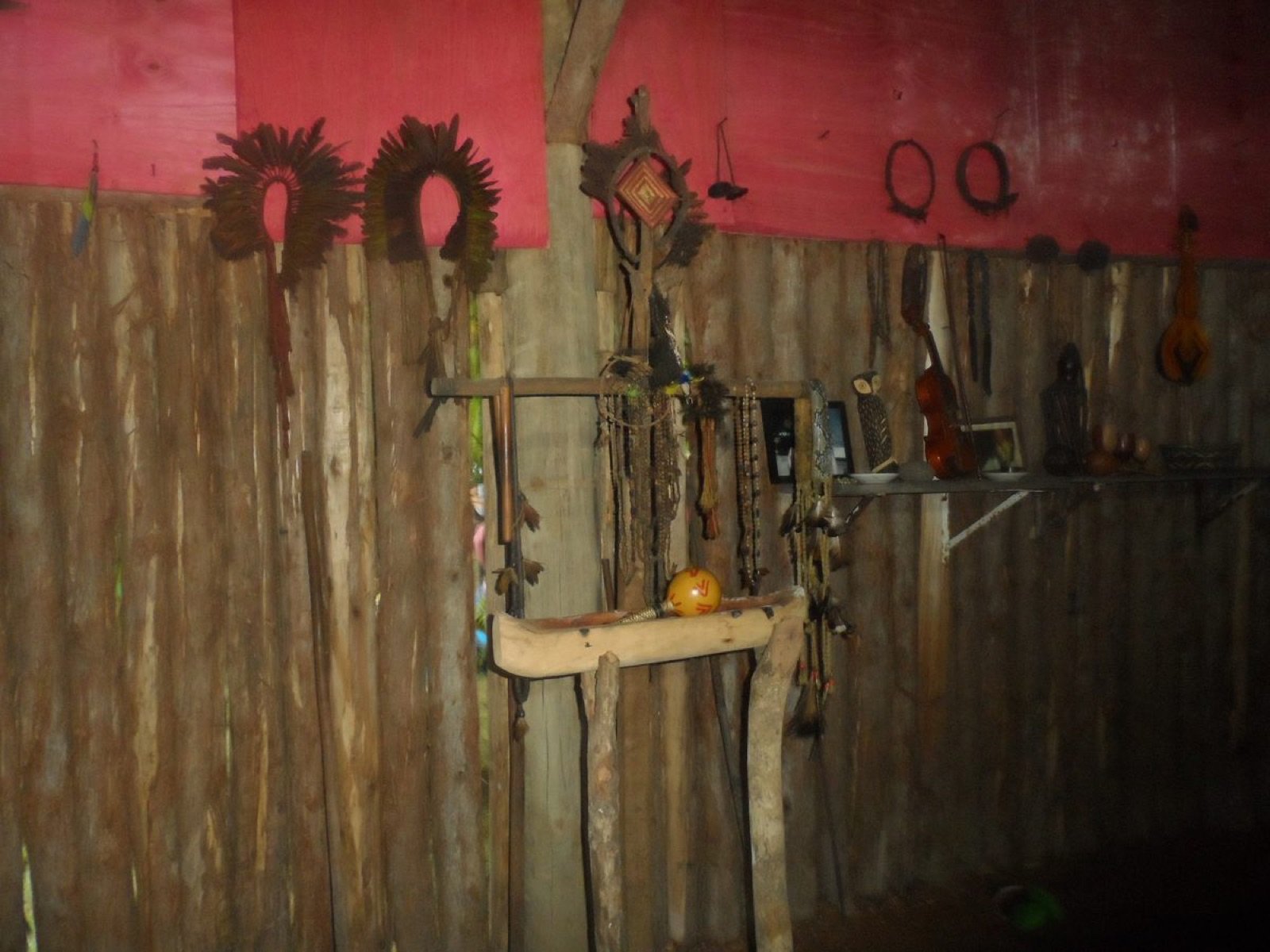
Karaí
One of the Mbya true fathers, keeper of flame and solar heat, source of warmth and catastrophic fire.
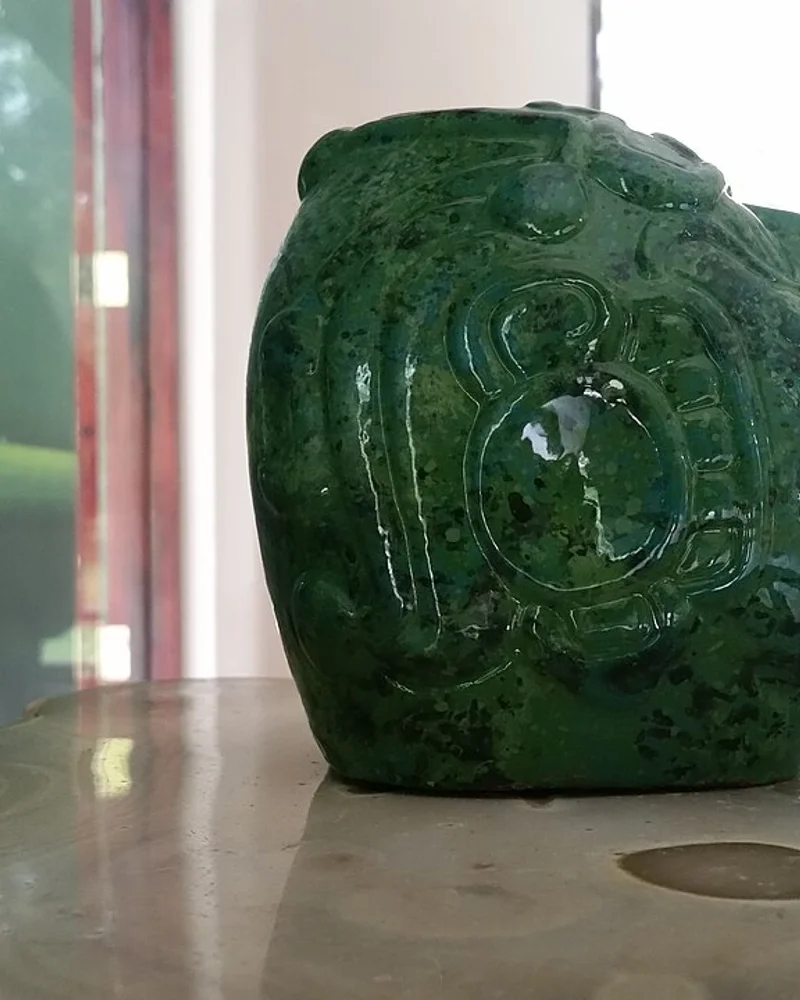
Kinich Ahau
The Maya sun god with large square eyes and jaguar features. Kinich Ahau rules the daytime sky and transforms into the Jaguar God when traveling through the underworld at night.
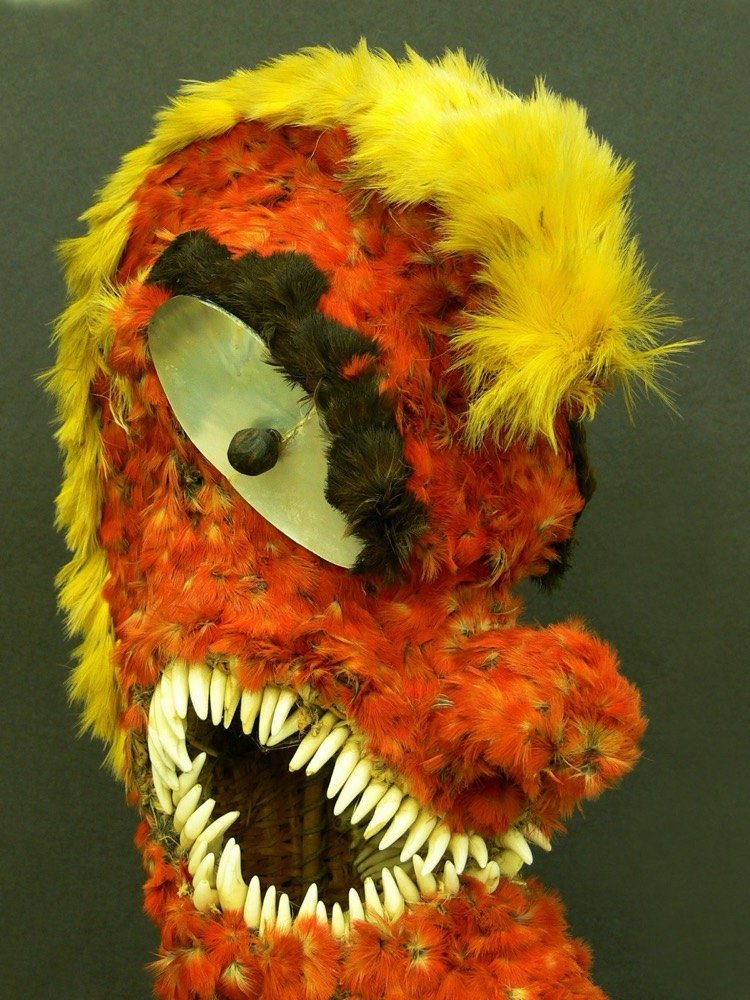
Ku
One of the four great Hawaiian gods; the name means "to stand." As Kukailimoku, "Ku the island snatcher," he was Kamehameha I's war god, embodied in feather images with pearl-shell eyes and dog-tooth mouths.
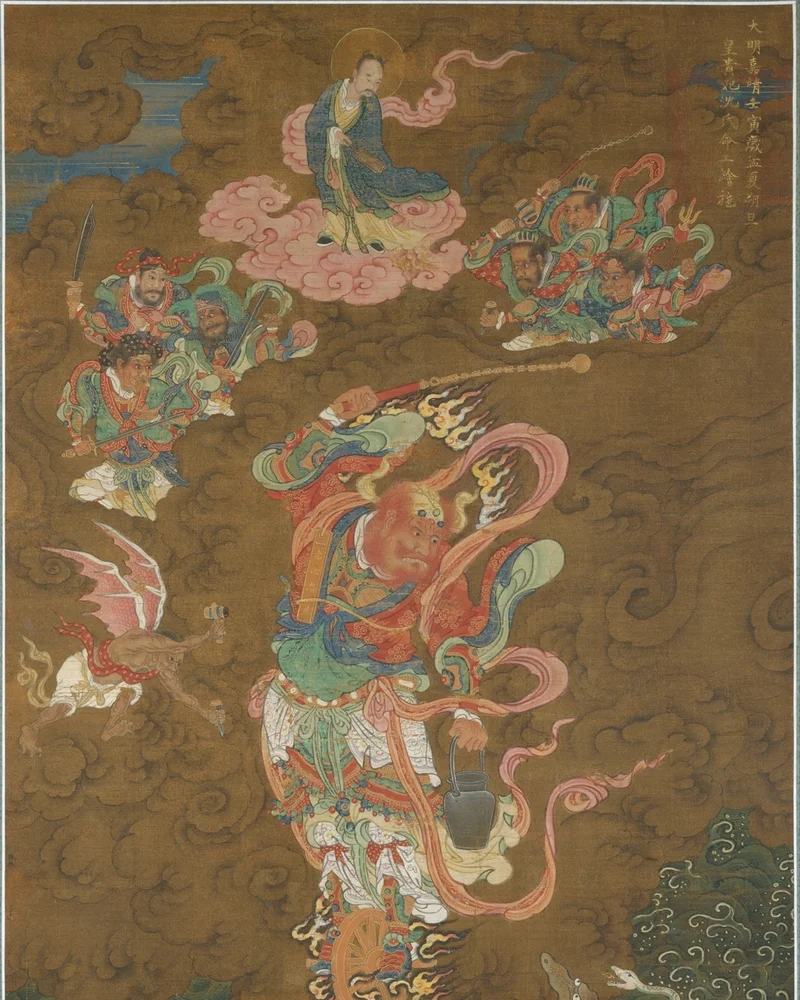
Lei Gong
The god of thunder who punishes evildoers and hidden crimes with his thunderbolts. He appears as a fearsome creature with a bird's beak, claws, and blue skin, carrying drums that create thunder.
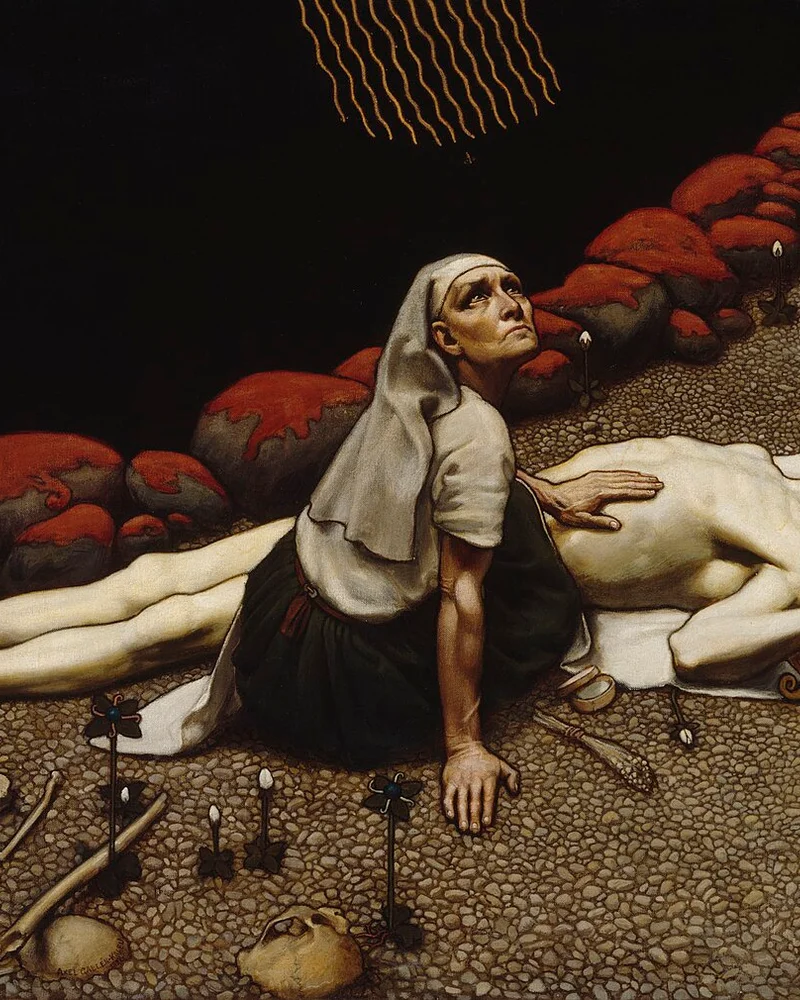
Lemminkäinen
The reckless, handsome adventurer of the Kalevala, who is killed at the river of Tuonela while trying to shoot its swan and cut to pieces, and whom his mother rakes from the river and restores to life.
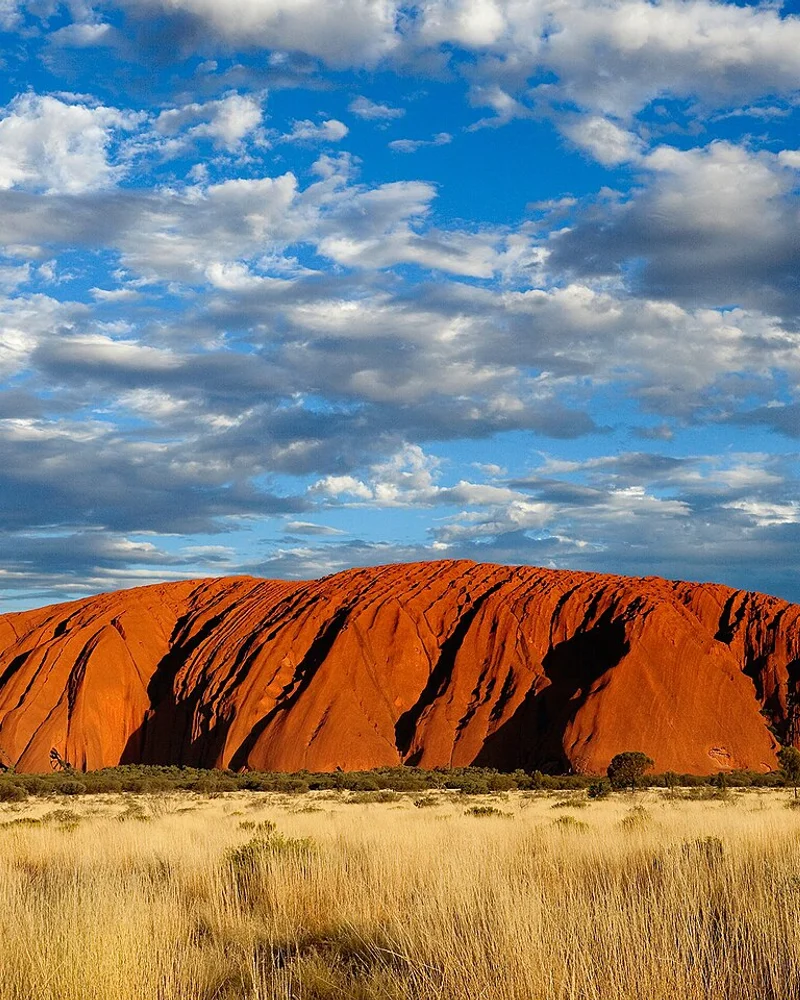
Liru
The venomous snake men of Aṉangu Tjukurpa, a war party who attacked and killed Kuniya's nephew and one of whom Kuniya struck down at Muṯitjulu.
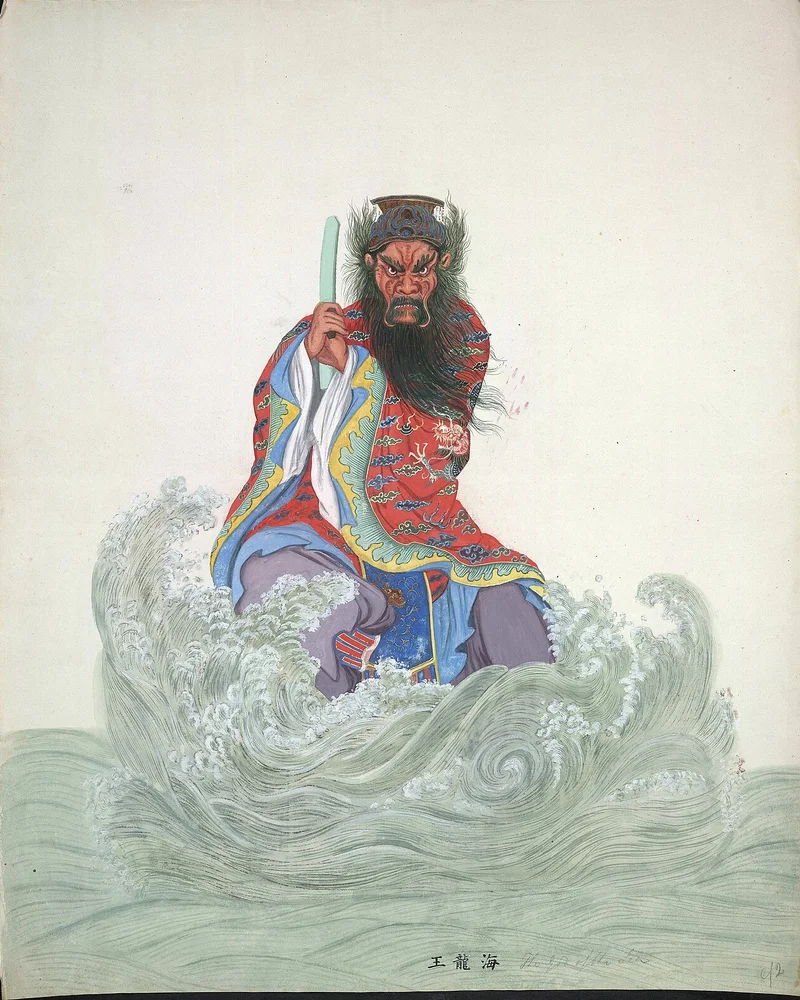
Longwang (the Dragon Kings)
The dragon kings who rule the waters and send the rain, most famously the Dragon Kings of the Four Seas led by Ao Guang of the Eastern Sea. They govern as officials of the heavenly bureaucracy under the Jade Emperor, and their temples stood in villages across China wherever farmers prayed for rain.
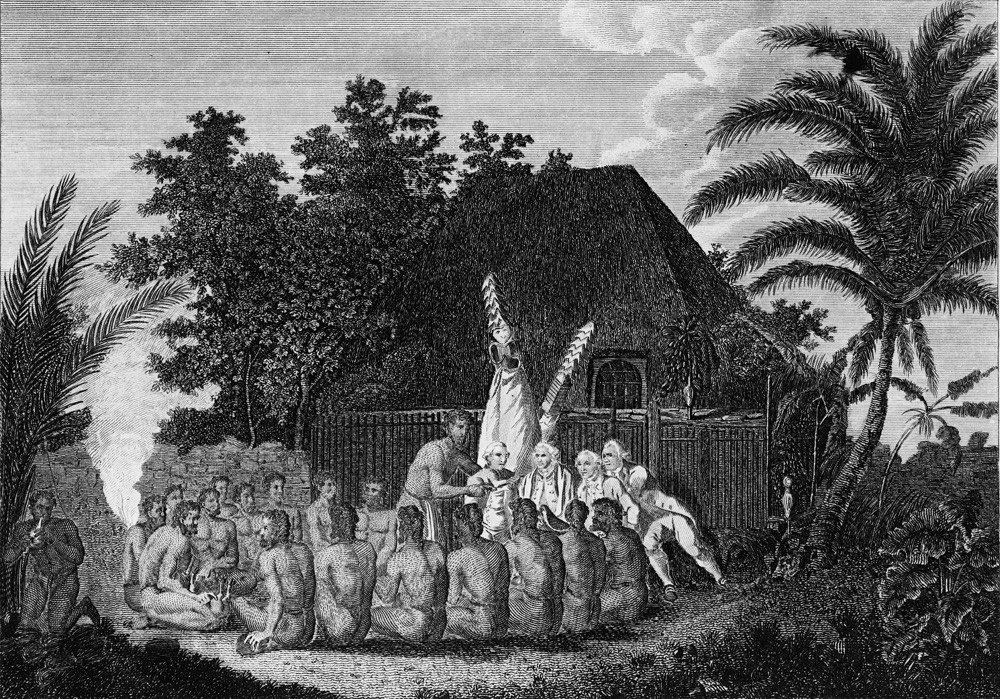
Lono
One of the four great Hawaiian gods, lord of rain, agriculture and peace. The rising of the Pleiades opened his Makahiki festival of truce, tribute and games; Cook reached Kealakekua Bay during it in 1779 and died there weeks later.
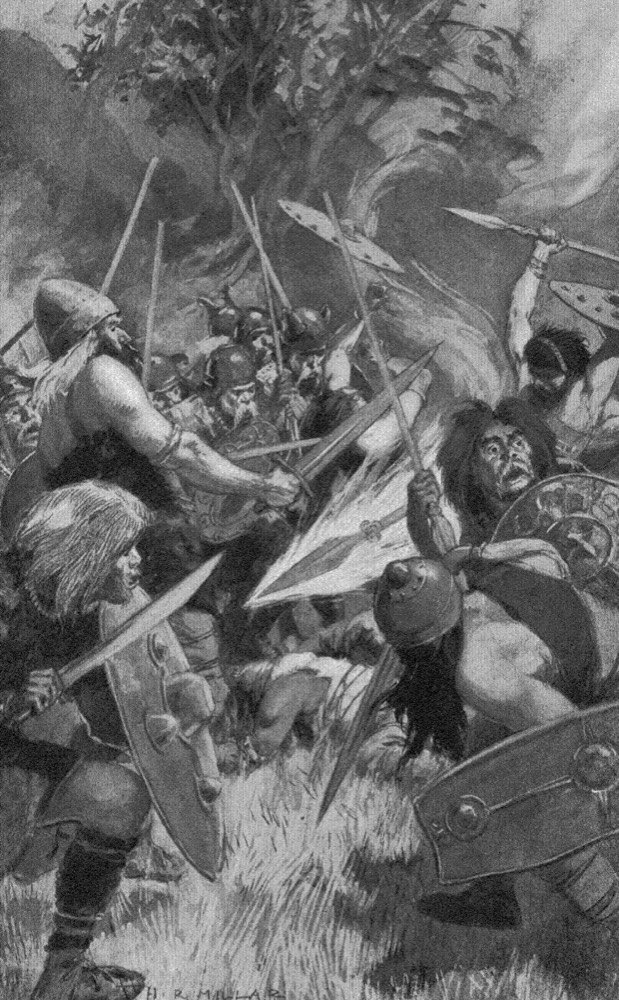
Lugh
Young champion of the Tuatha De Danann, called 'of the long arm' and 'skilled in all arts together'. At Mag Tuired he put out his grandfather Balor's poisonous eye with a sling-stone; the harvest festival Lughnasadh bears his name.
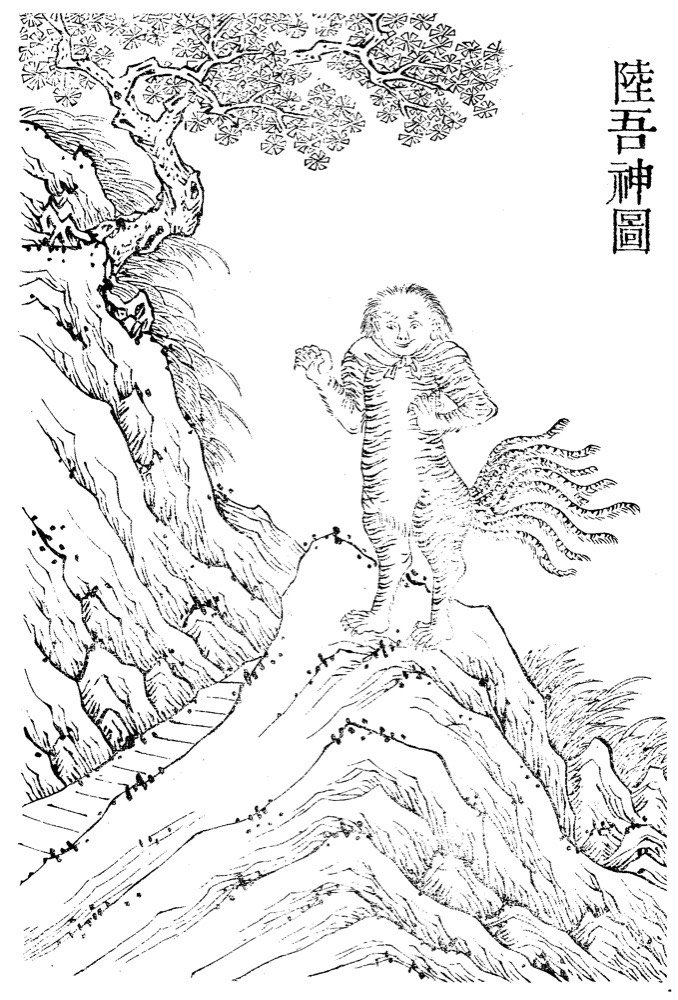
Luwu
Tutelary god of the Mound of Kunlun: tiger-bodied with nine tails, a human face and tiger claws, keeper of heaven's nine regions and the seasons of the God's park.
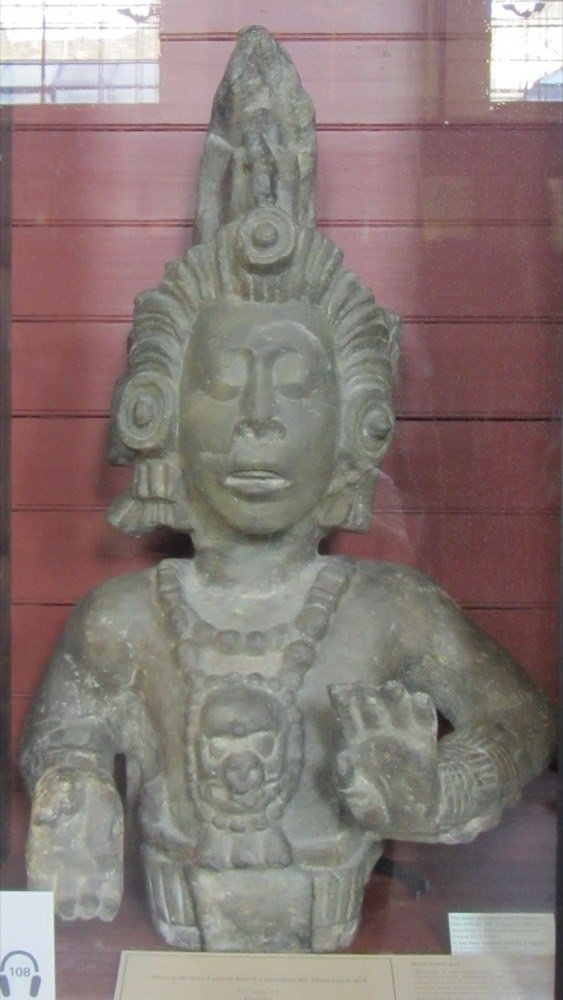
Maize God
A beautiful youth of Classic Maya art whose elongated, tonsured head mimics an ear of corn. Slain in the underworld, he rises again through the cracked turtle shell of the earth.
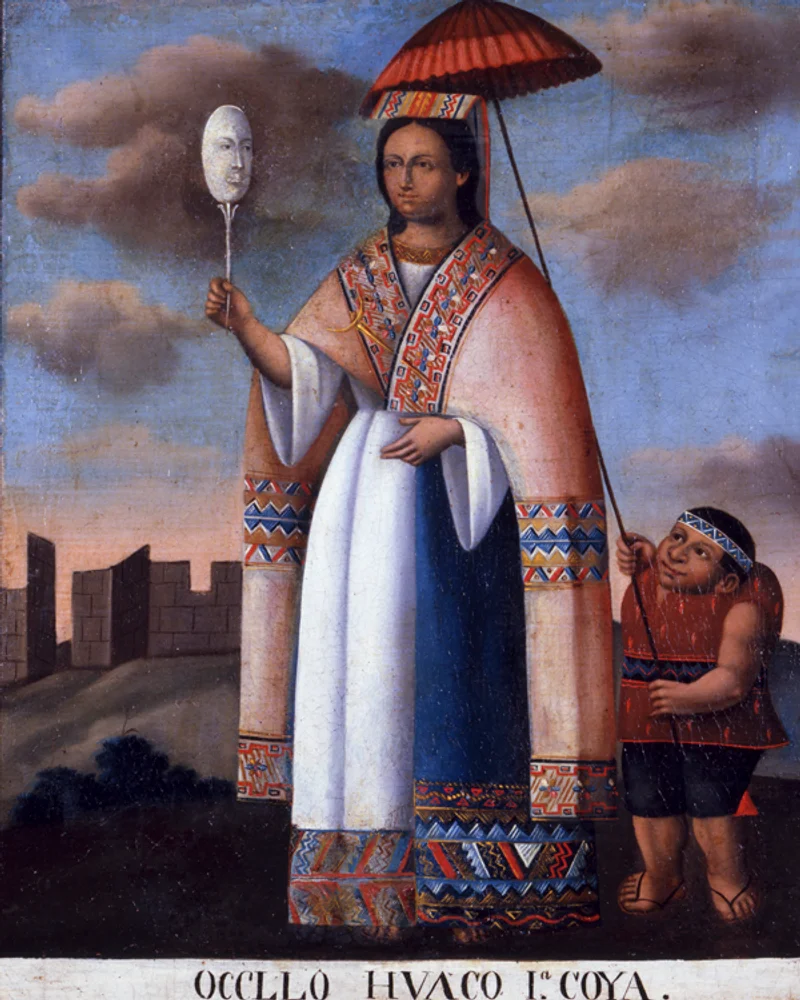
Mama Ocllo
The founding ancestress of the Incas, sister and wife of Manco Cápac, who in Garcilaso's account taught the women of Cusco to spin, weave, and keep house while her brother taught the men to farm.

Master Carpenter
A supernatural craftsman of Haida tradition who, in a Skidegate story Swanton recorded, sets out to build a canoe to make war on South-East, the storm wind.
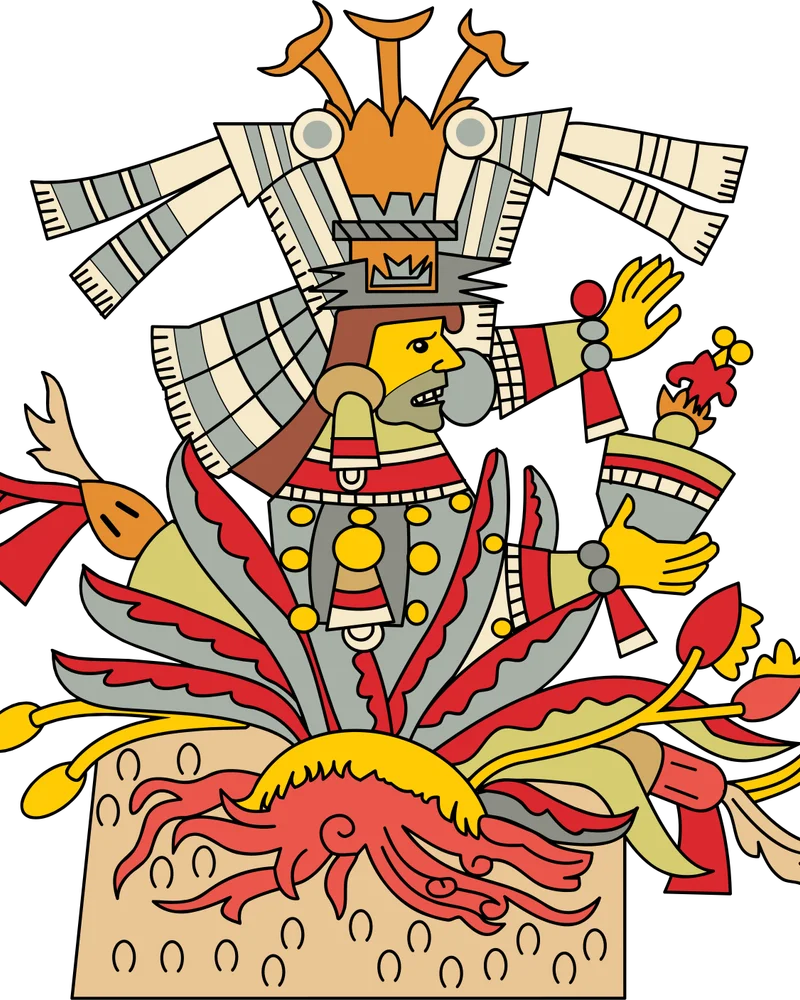
Mayahuel
The goddess of the maguey plant and its fermented drink pulque. Mayahuel is depicted with 400 breasts to nurse her 400 children, the Centzon Totochtin (400 Rabbits) of intoxication.
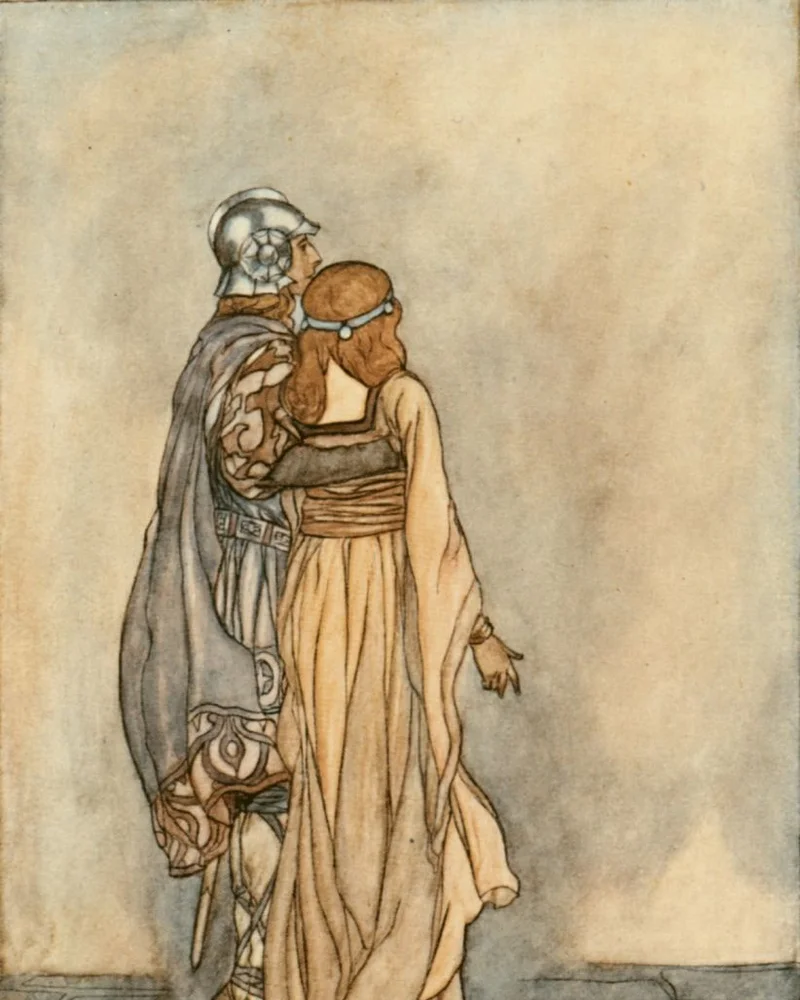
Midir
Lord of the Otherworld at Brí Léith, whose love for the mortal woman Étaín sparked wars between the fairy realms and the High King of Ireland.
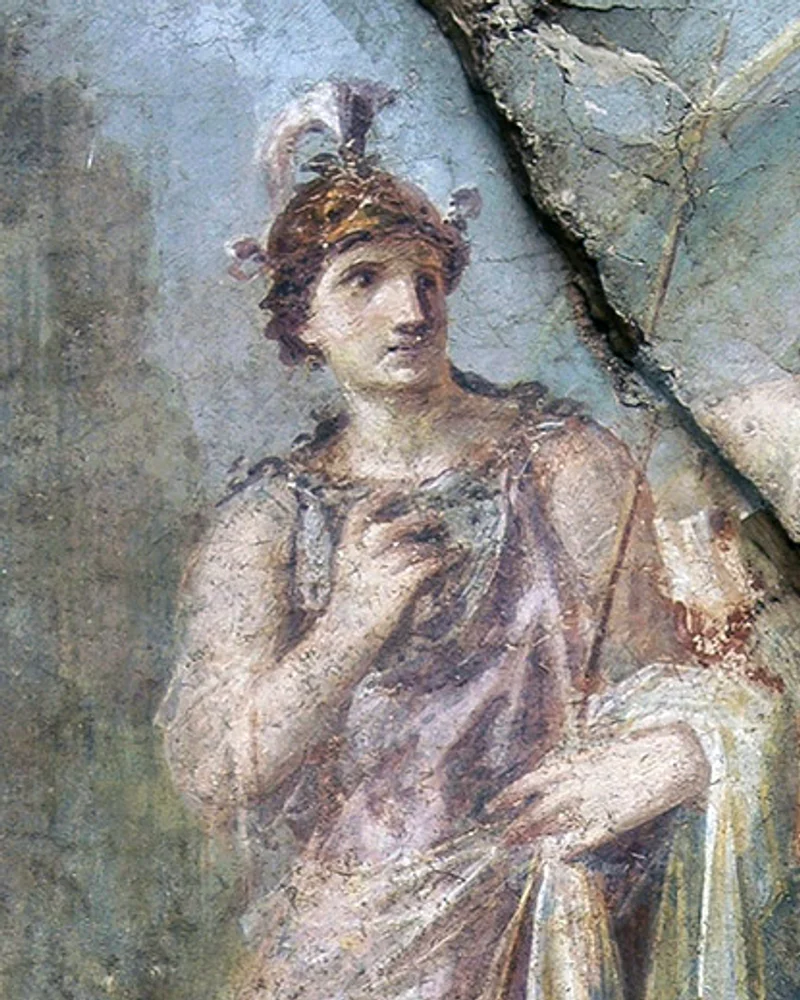
Minerva
Goddess of wisdom, strategic warfare, and crafts. Part of the Capitoline Triad with Jupiter and Juno. Patron of artisans, teachers, and strategic warfare. Roman equivalent of Athena.
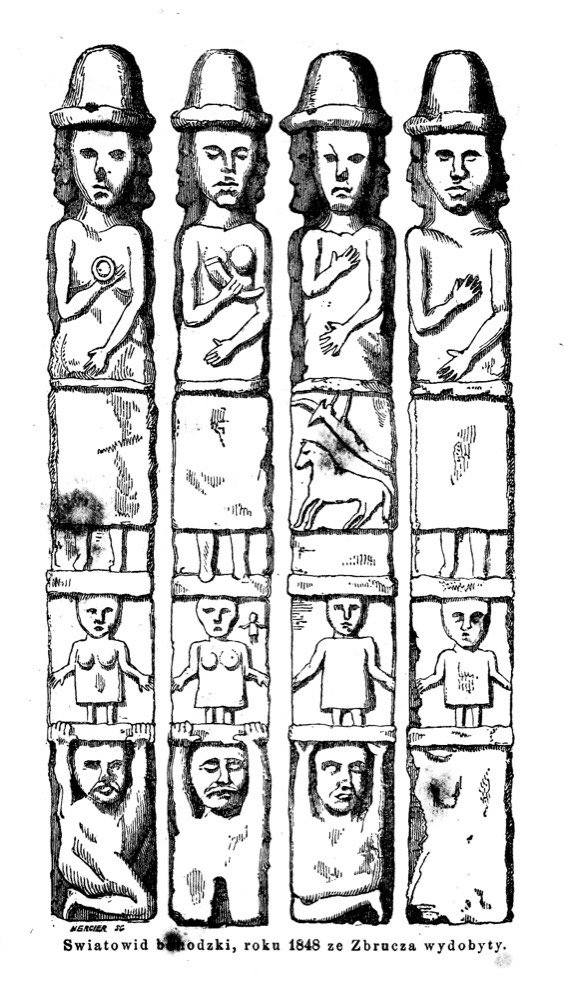
Mokosh
The only goddess in Vladimir's pantheon of 980, patroness of spinning, wool and women's work, later absorbed into the cult of Saint Paraskeva-Friday.
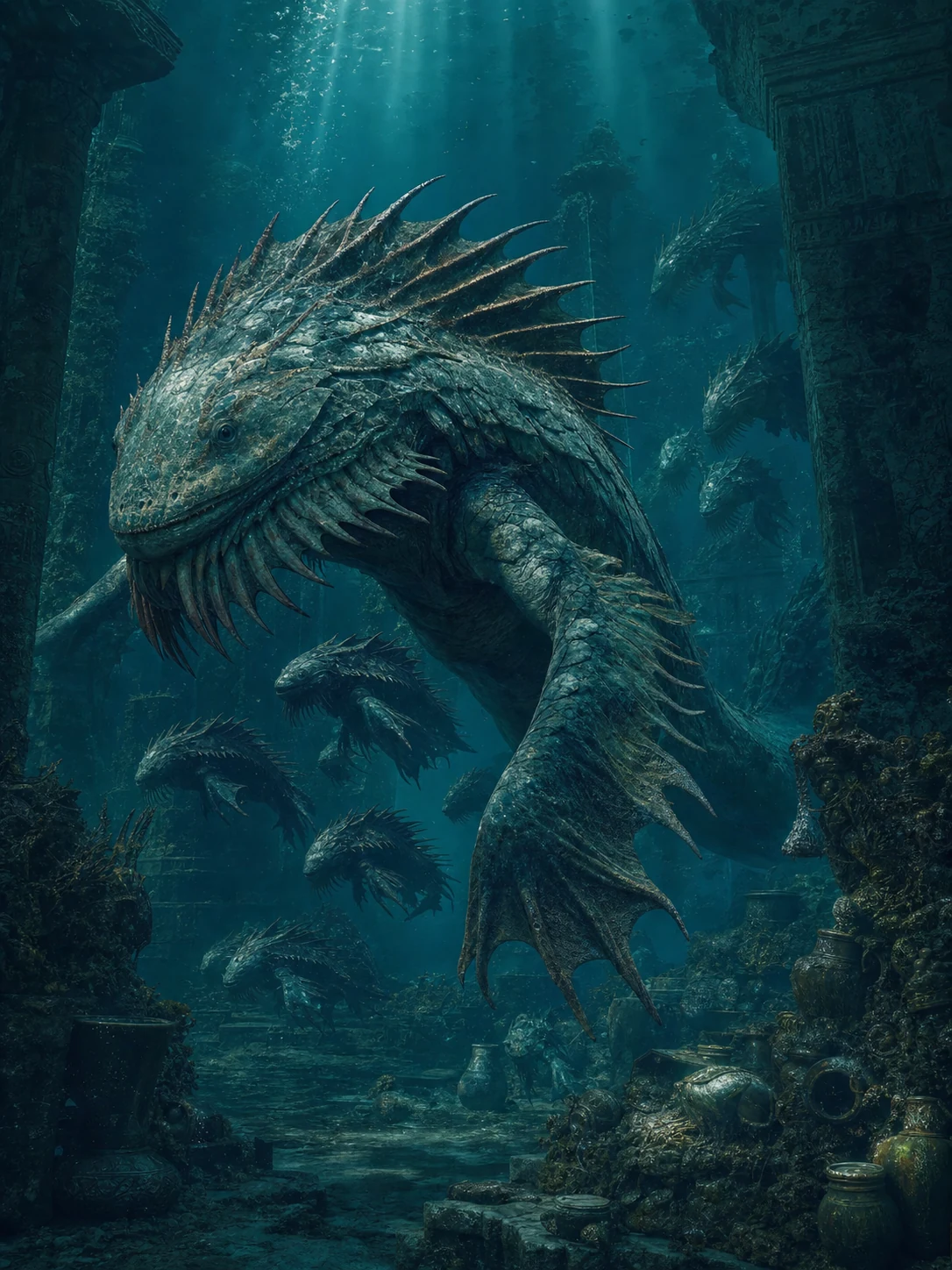
Mother Hydra
The mother-name invoked in Innsmouth’s sea cult, powerful in ritual yet almost entirely undescribed by Lovecraft.
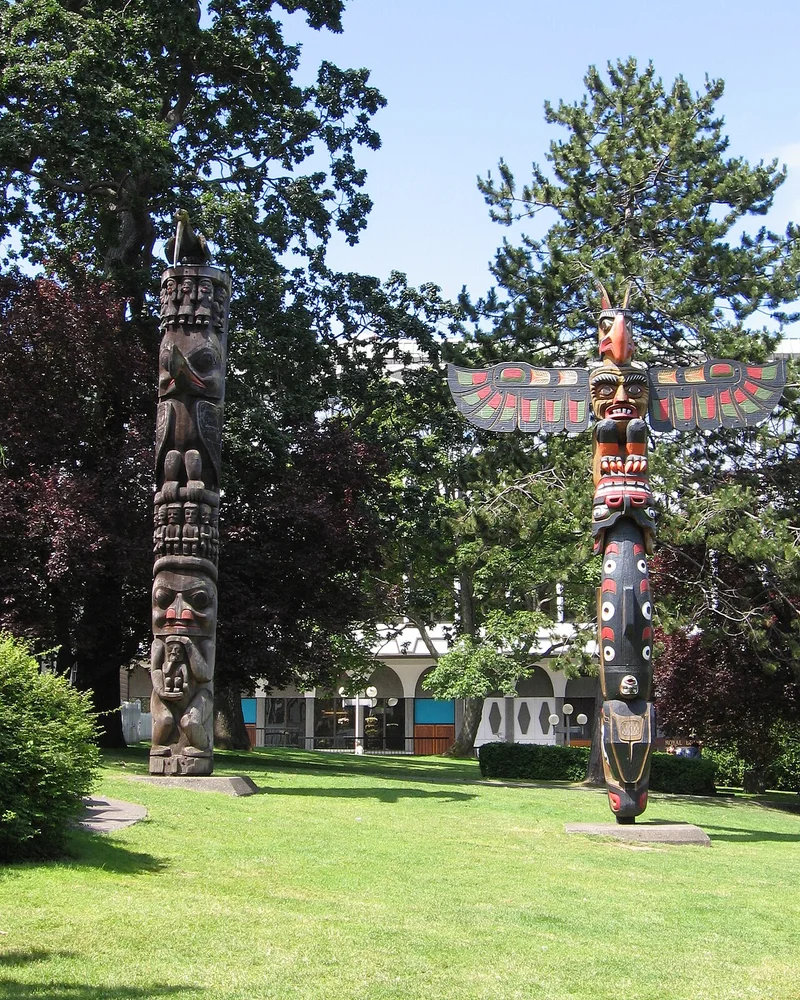
Naas Shaak Aankáawu
In the Tlingit telling of Raven and the box of daylight, the wealthy old man living at the head of the Nass River who keeps the stars, moon, and sun locked in nested boxes, until Raven tricks his way into his household to steal them.
Ñamandu
The Mbya First Father who manifests himself, establishes the soul-word, love, and sacred song, then unfolds earth.
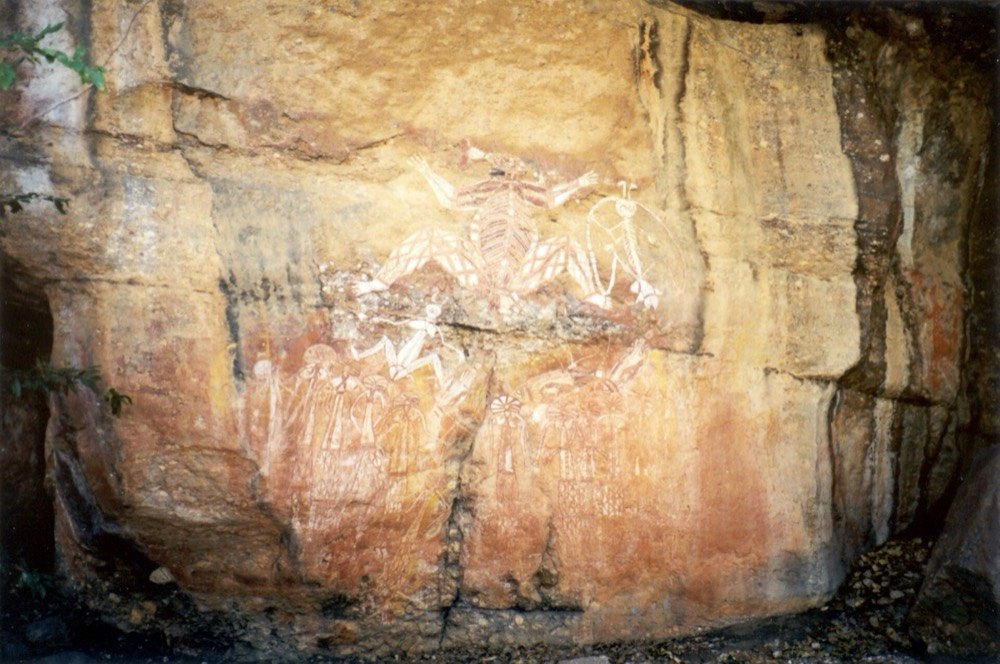
Namarrkon
The lightning being of the Bininj of western Arnhem Land: a band of lightning arcs around his body, and the stone axes at his head and knees strike thunder from the clouds. His Nourlangie rock painting is world famous.
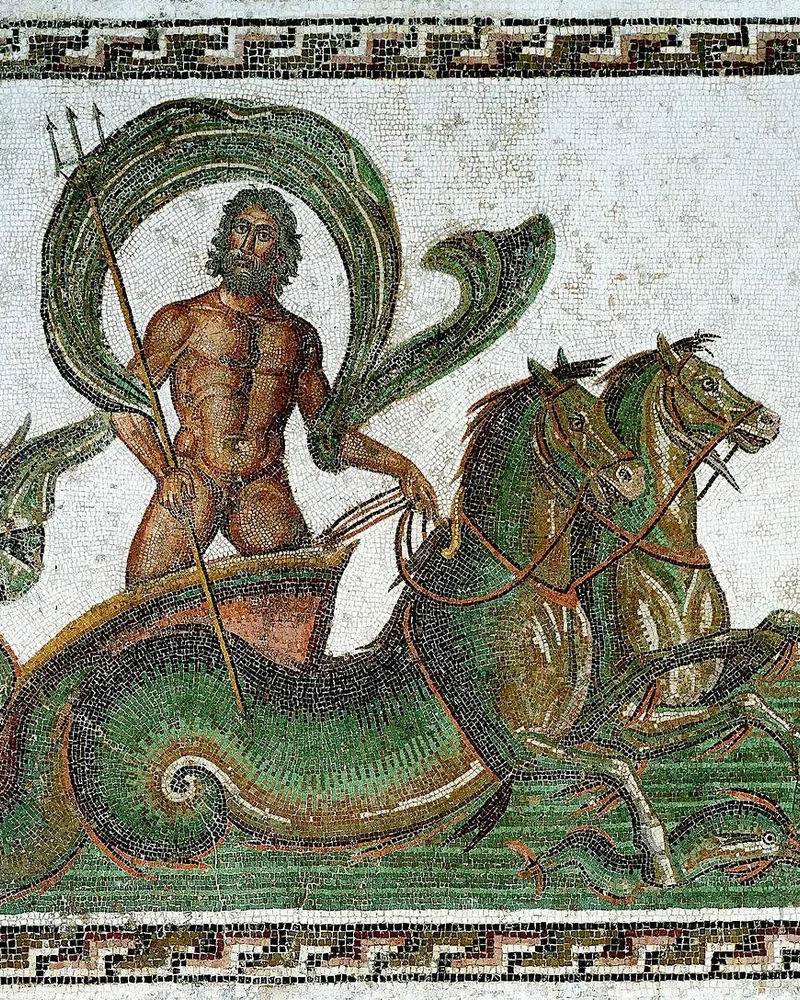
Neptune
God of the sea, earthquakes, and horses. Brother of Jupiter and Pluto, ruler of all waters. Also associated with freshwater springs and patronage of horse racing.
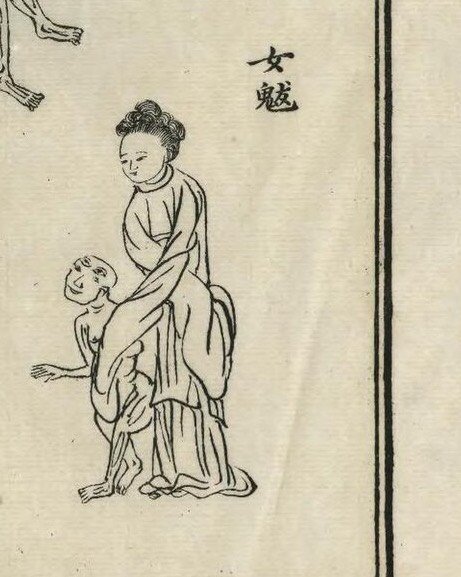
Nüba
The Yellow Emperor's daughter in blue-green robes. Sent down to stop Chiyou's storm, she could never reascend; wherever she stays no rain falls, and people drive her off shouting 'Goddess, go north!'
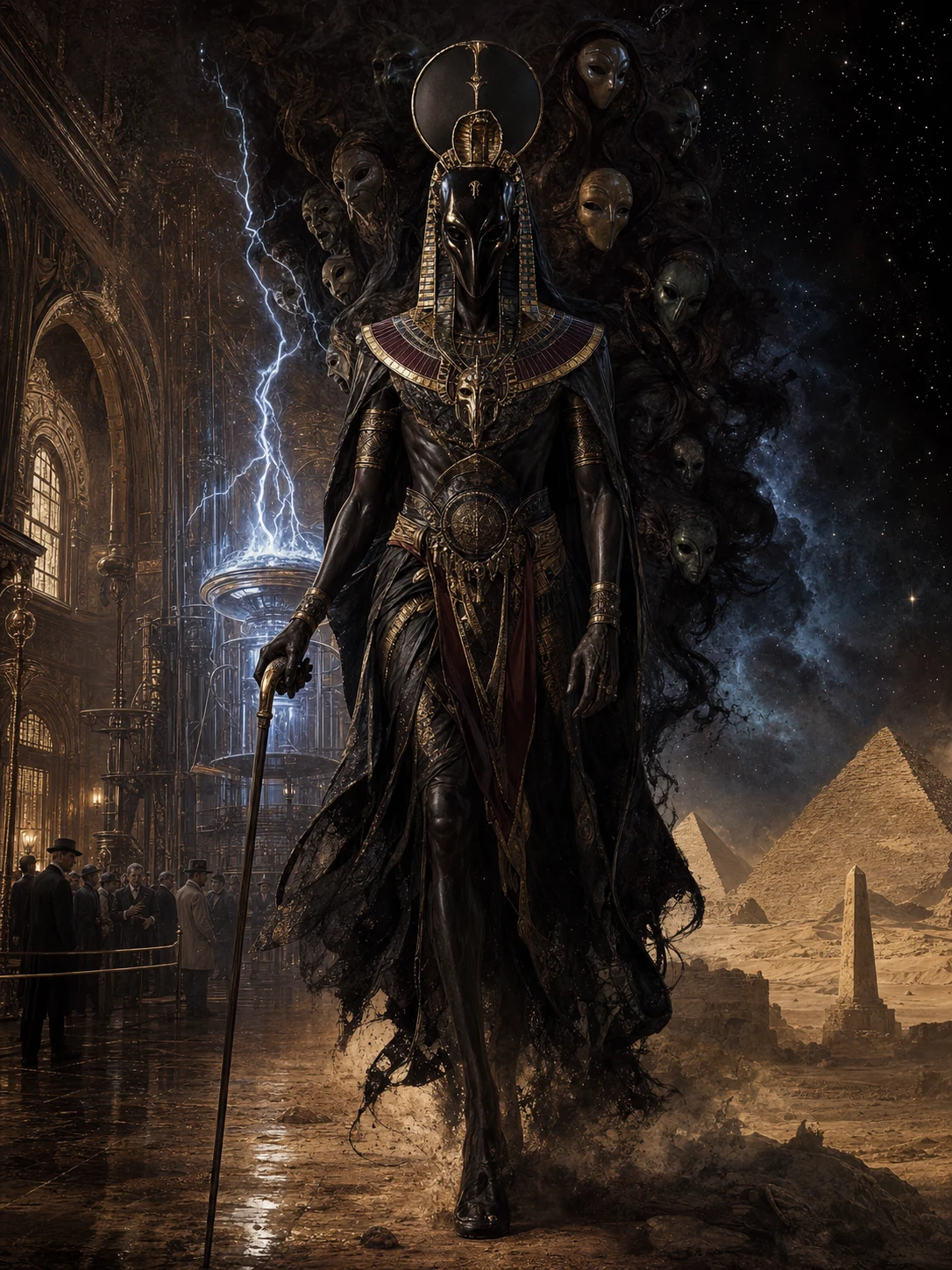
Nyarlathotep
A cosmic messenger who enters human cities in changing masks, offering wonders that ripen into delirium and ruin.
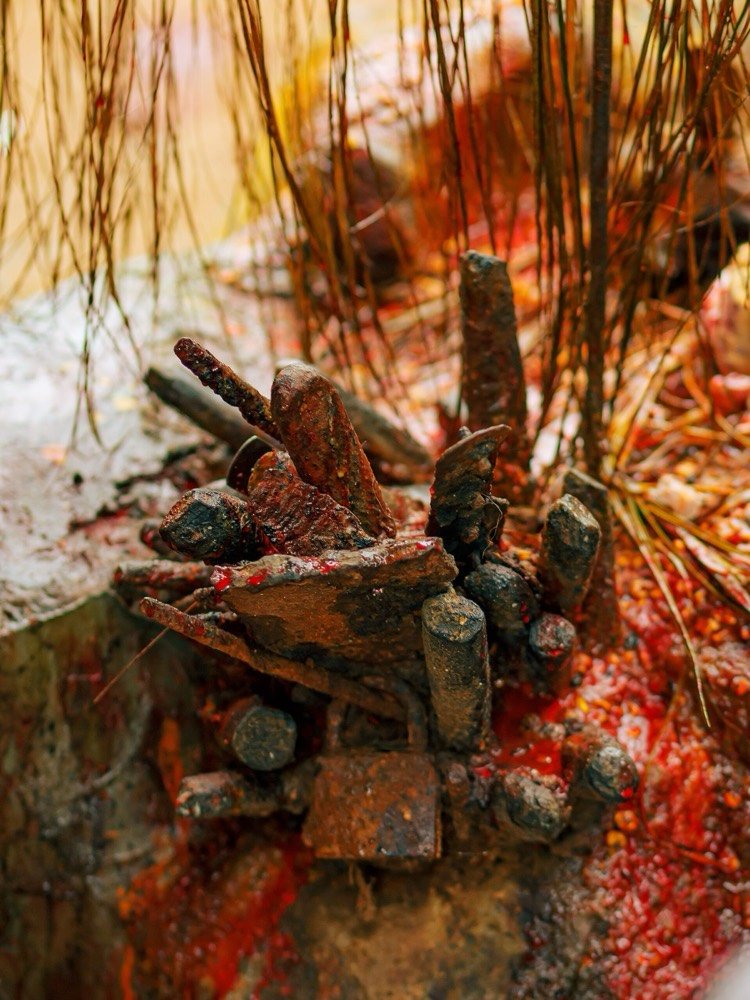
Ogun
Orisha of iron, war, and the road, patron of blacksmiths, hunters, soldiers, and now drivers. Only his iron cutlass could clear the gods' first path; Nigerian courts still accept oaths sworn on iron.
Old-Woman-Underneath
In the Tlingit Raven cycle, the old woman beneath the earth who tends the post it rests on and controls the tides; when she is hungry the earth shakes, and Raven forces her to let the tide rise and fall.
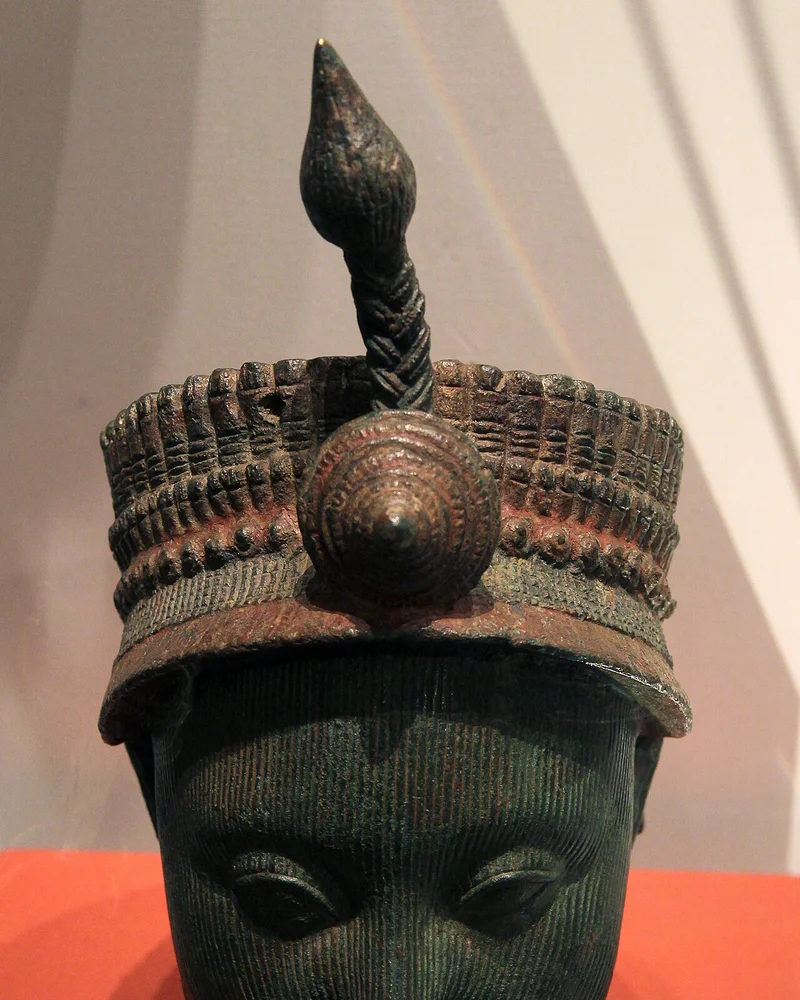
Olokun
The Orisha of the deep ocean and unfathomable wealth. Olokun rules the mysterious depths of the sea and guards the treasures hidden beneath the waves.
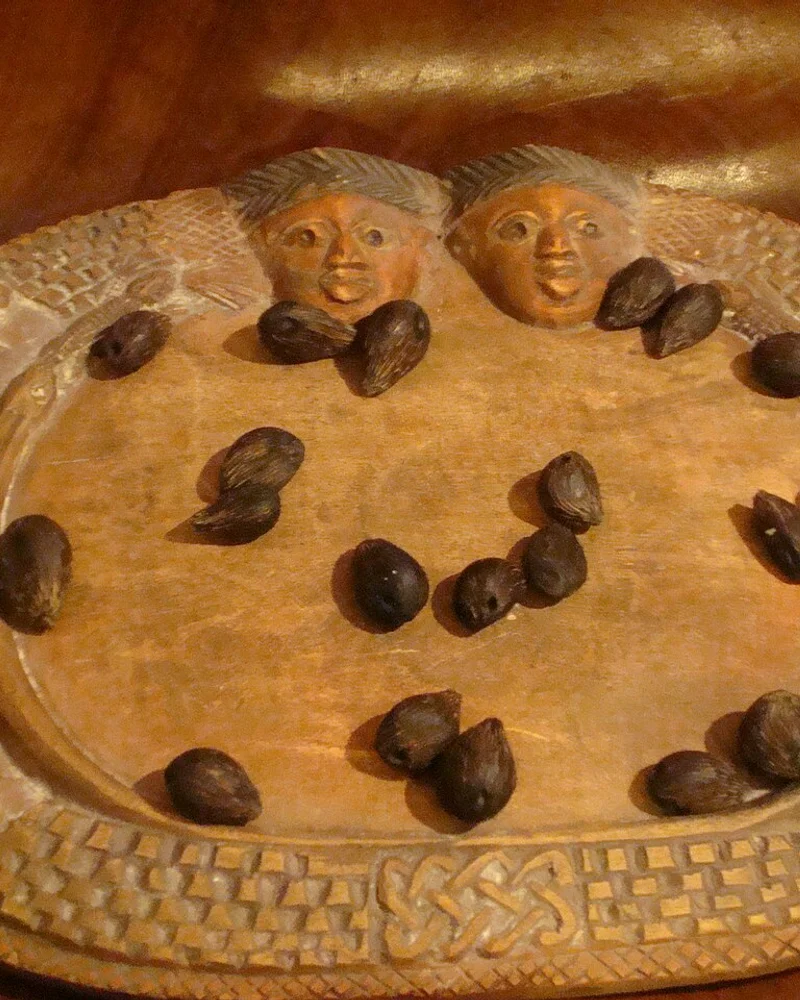
Orunmila
The Orisha of wisdom and divination. Orunmila witnessed the creation of the universe and holds the secrets of destiny.
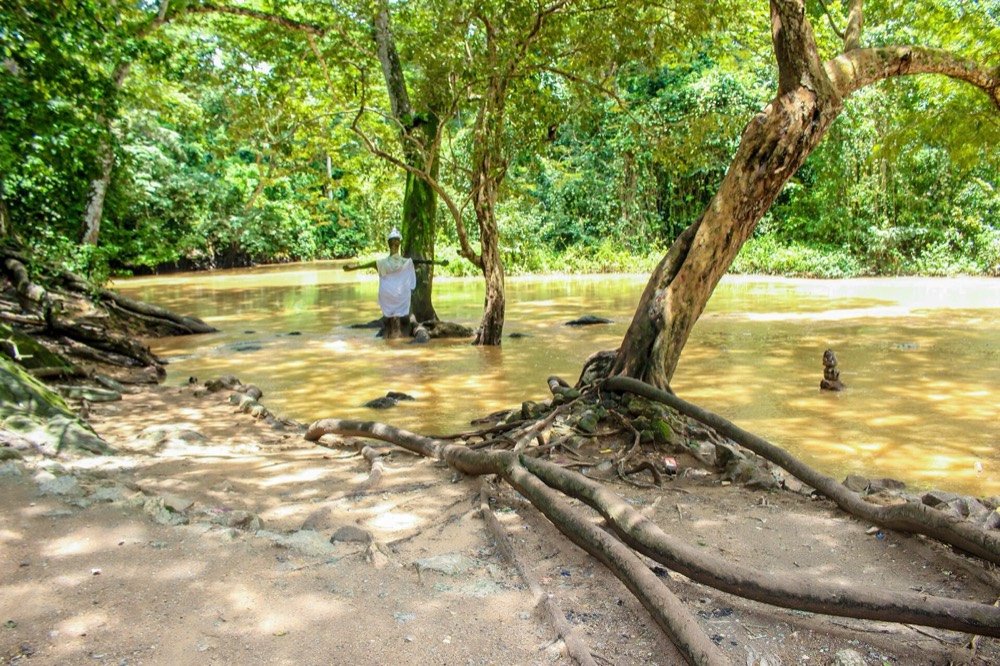
Oshun
Goddess of the Osun River, orisha of fresh water, love, fertility, and brass. The only woman among the seventeen founding orishas: nothing succeeded until she was included. Her sacred grove at Osogbo holds an annual festival.
Petrel
In the Tlingit Raven cycle, the owner of the world's only fresh water, an everlasting spring he guards by sleeping beside it, until Raven tricks him and flies off with the water to make the rivers.
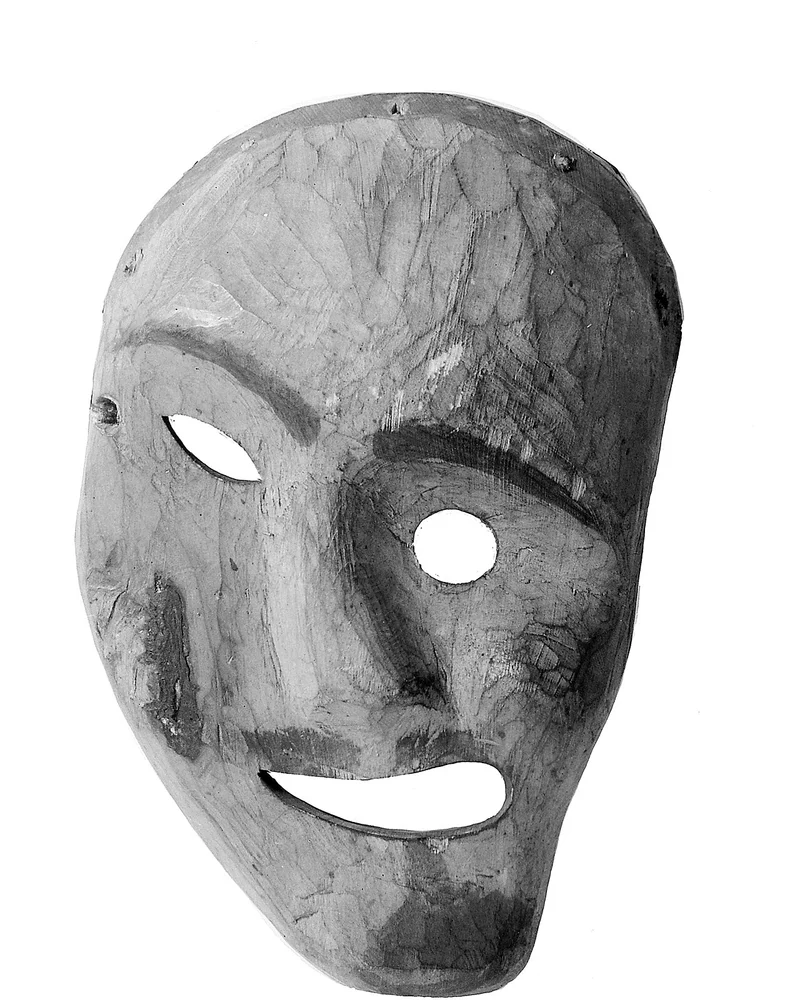
Pinga
Among the inland Caribou Inuit of the Kivalliq region, a female power 'up above' who watches over the caribou and over how people treat the animals they hunt.
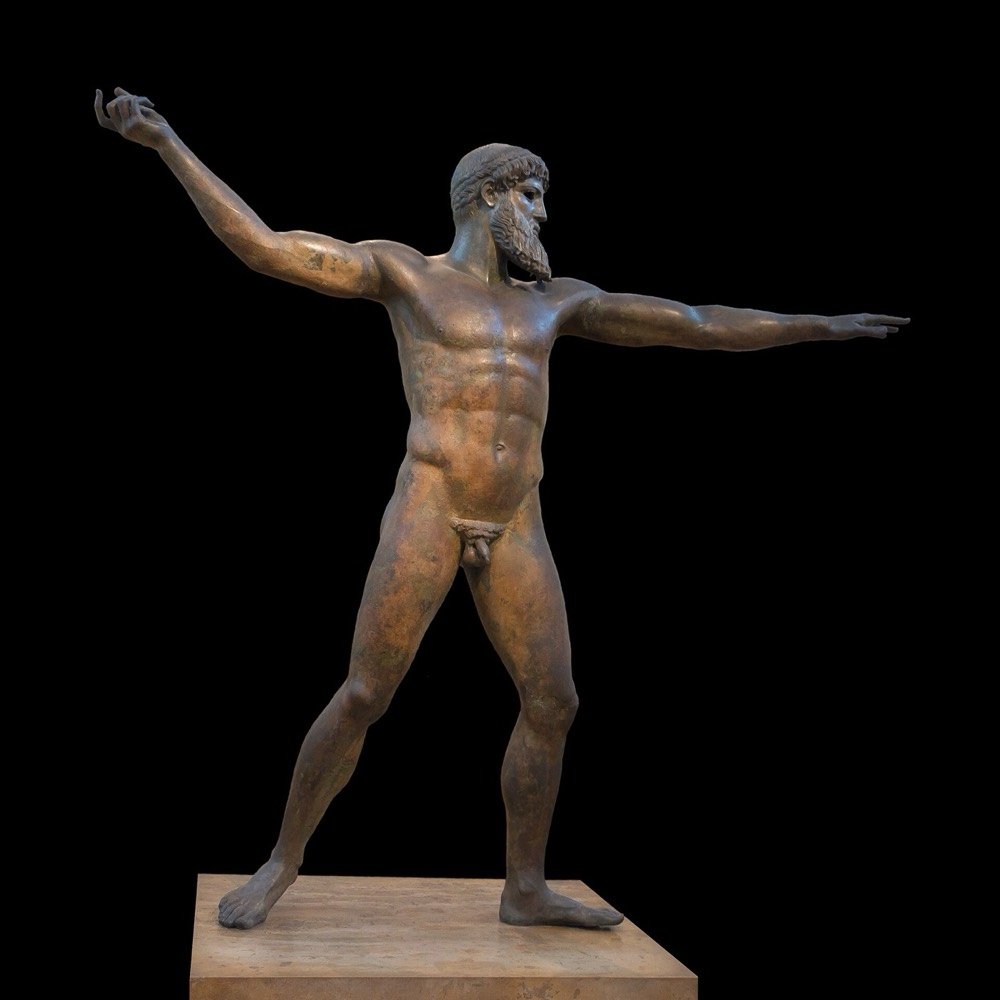
Poseidon
God of the sea, earthquakes, and horses, armed with the trident. Homer calls him Earth-shaker; his wrath kept Odysseus wandering the seas for ten years.
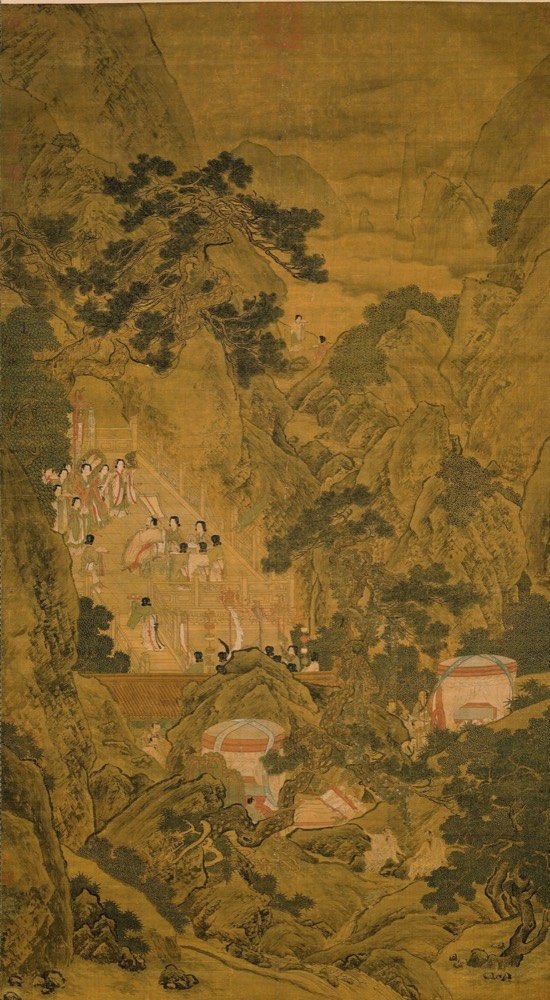
Queen Mother of the West
Goddess of the Kunlun heights, first pictured with leopard's tail and tiger's teeth, later transformed into the stately Queen Mother whose peaches of immortality ripen once in three thousand years.
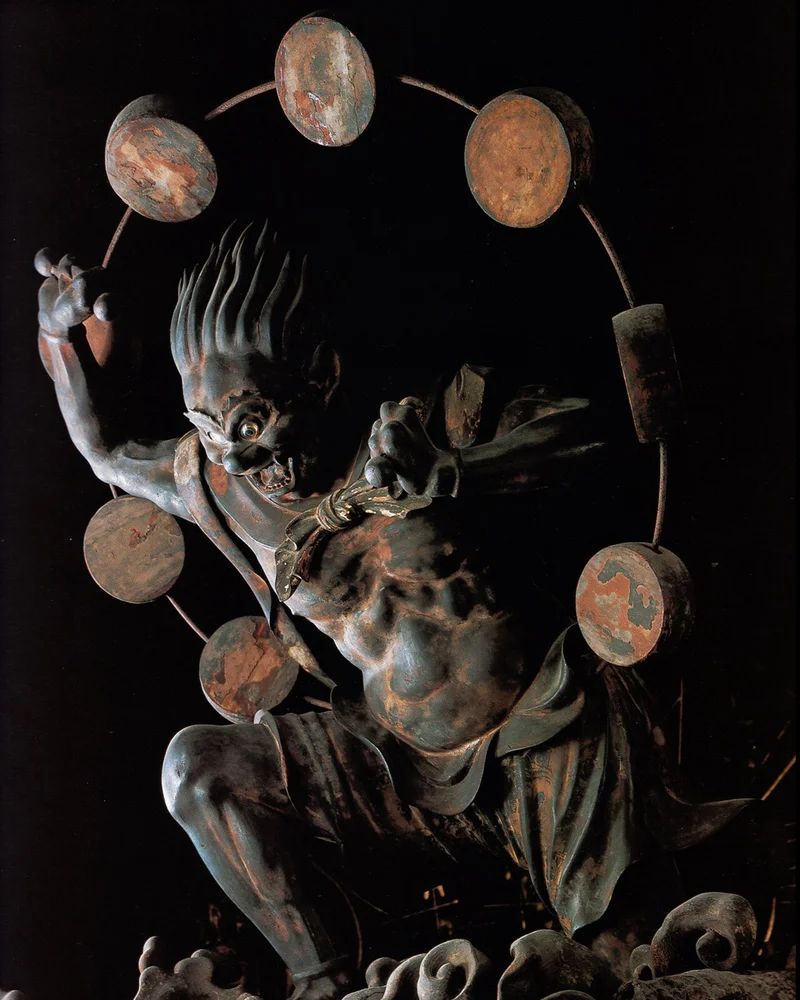
Raijin
God of thunder, lightning, and storms. Depicted as a demon beating drums to create thunder. Works with Fujin (wind god).
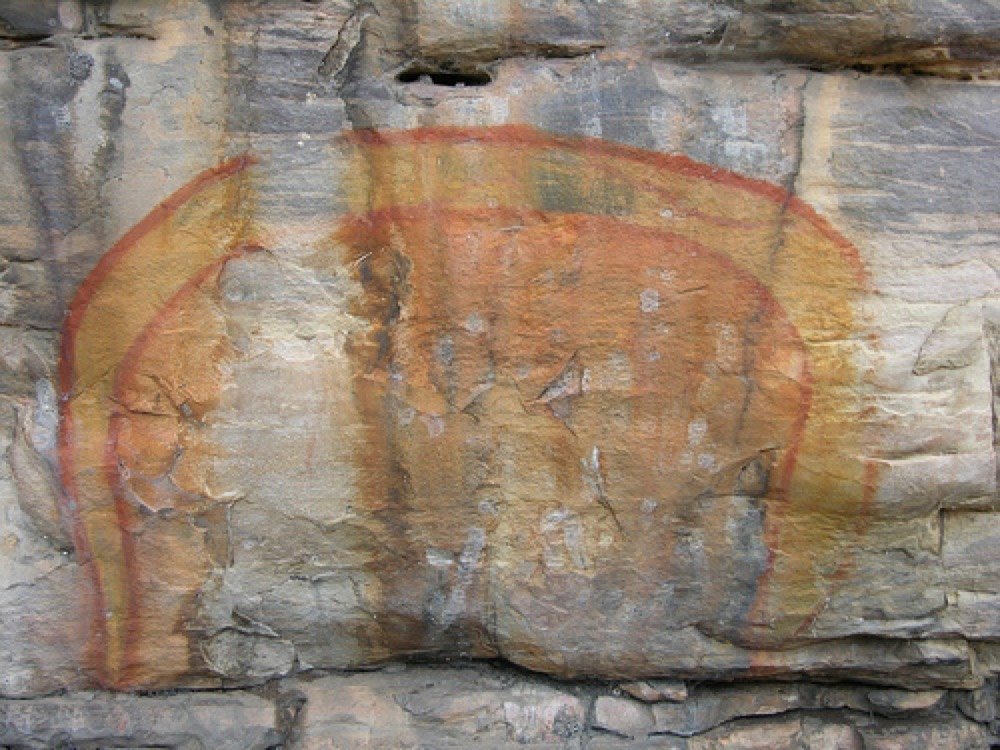
Rainbow Serpent
A vast serpent creator known across the continent: it carved rivers, guards waterholes, and arcs overhead as the rainbow. Called Ngalyod in western Arnhem Land and Wagyl by the Noongar, among many regional names.
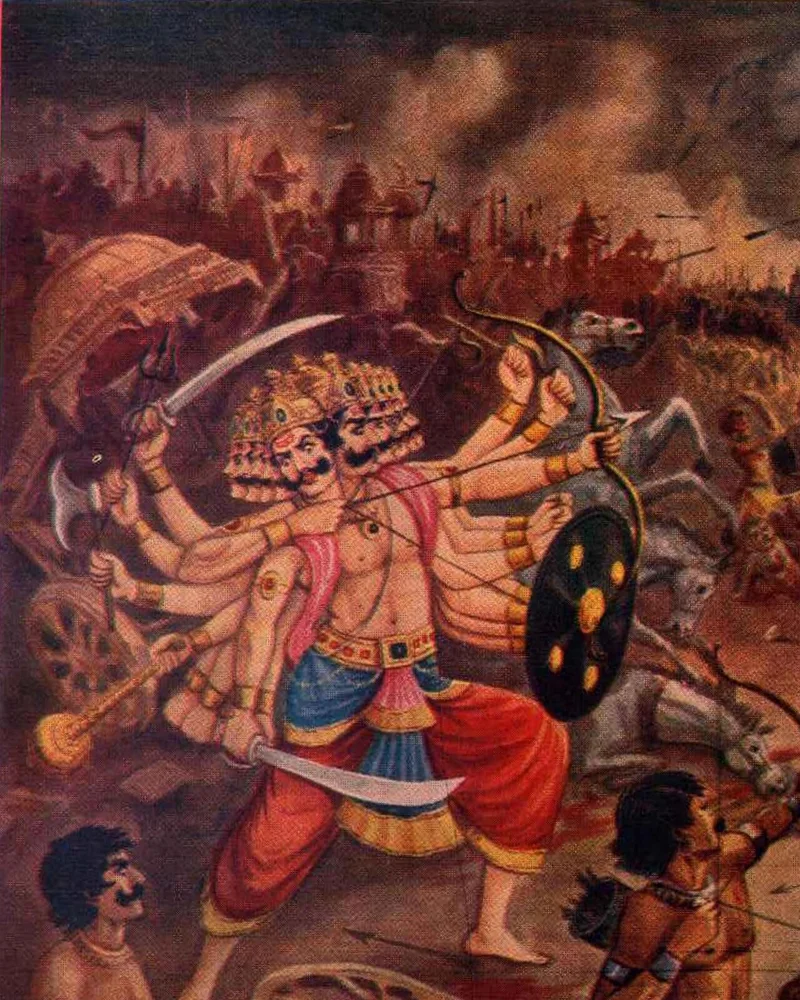
Ravana
The ten-headed rakshasa king of Lanka and principal antagonist of the Ramayana. A grandson of the sage Pulastya and devout worshipper of Shiva who won great boons through austerity, Ravana's abduction of Sita brings about his own destruction at the hands of Rama.
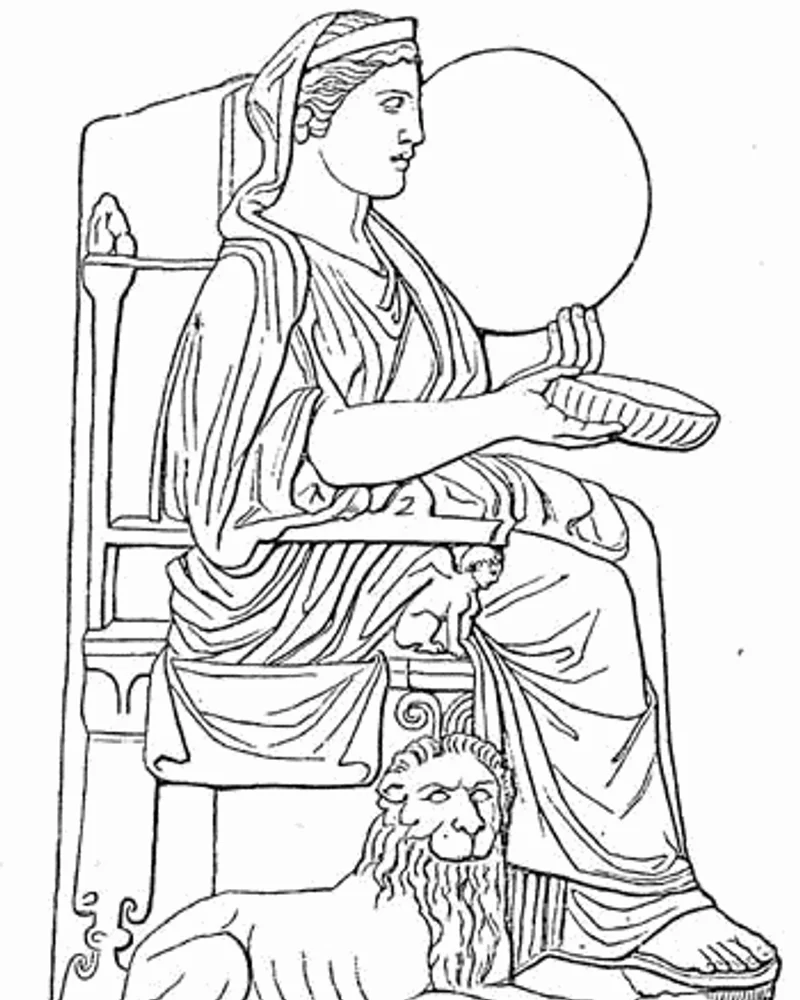
Rhea
Titan daughter of Gaia and Uranus. With Cronus, she is the mother of Hestia, Demeter, Hera, Hades, Poseidon, and Zeus in Hesiod’s Theogony.
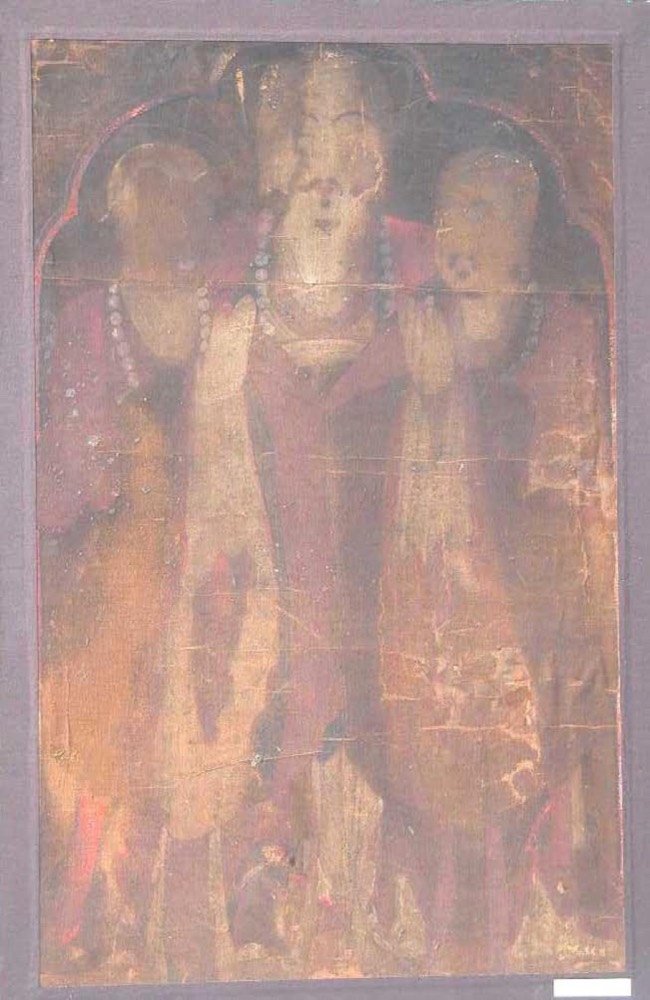
Samsin Halmoni
The grandmother goddess of conception, safe delivery, and small children, honored with rice and seaweed soup in the birthing room; the blue spot on a newborn's bottom is said to be her hurrying slap.
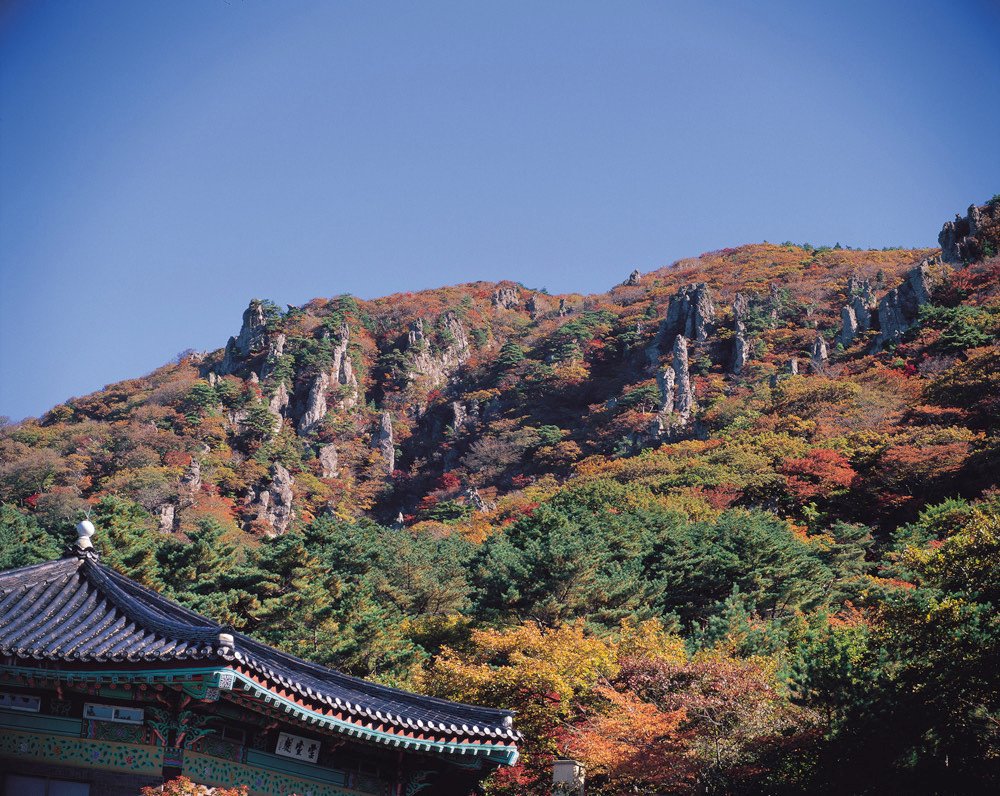
Seolmundae Halmang
The giant grandmother of Jeju who piled up Hallasan with earth carried in her skirt; soil leaking through its holes became the island's hundreds of small volcanic cones, and her five hundred sons turned to stone.
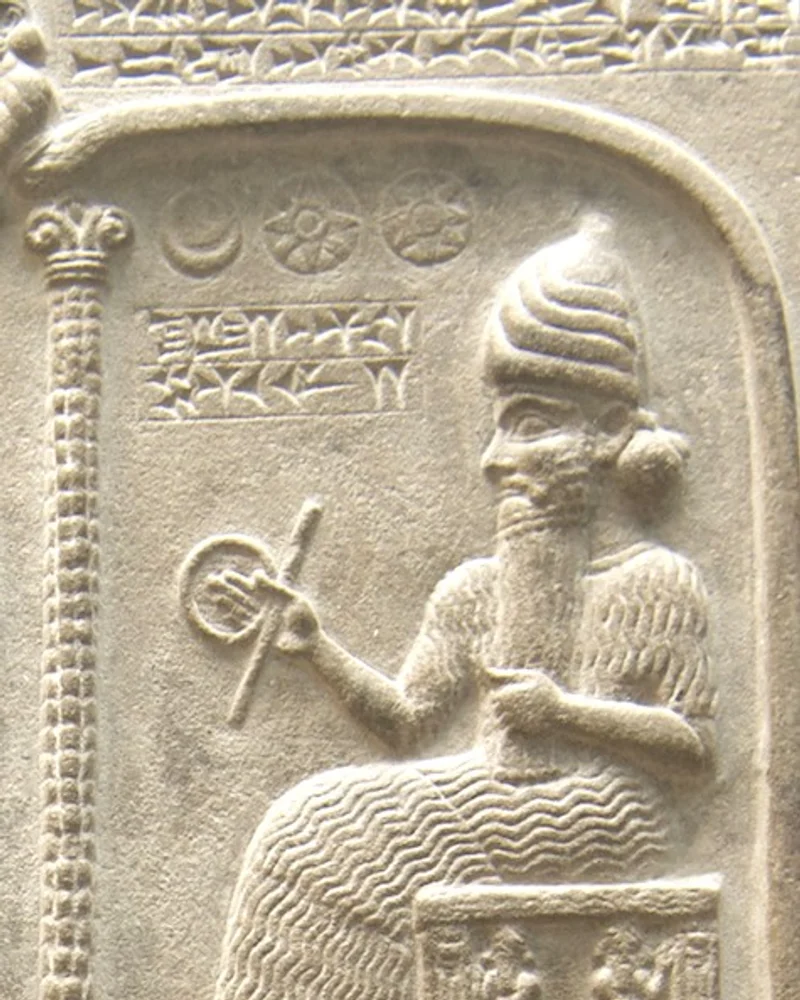
Shamash
The sun god and divine judge. Shamash sees all that occurs under the sun and is the god of justice, truth, and moral order.
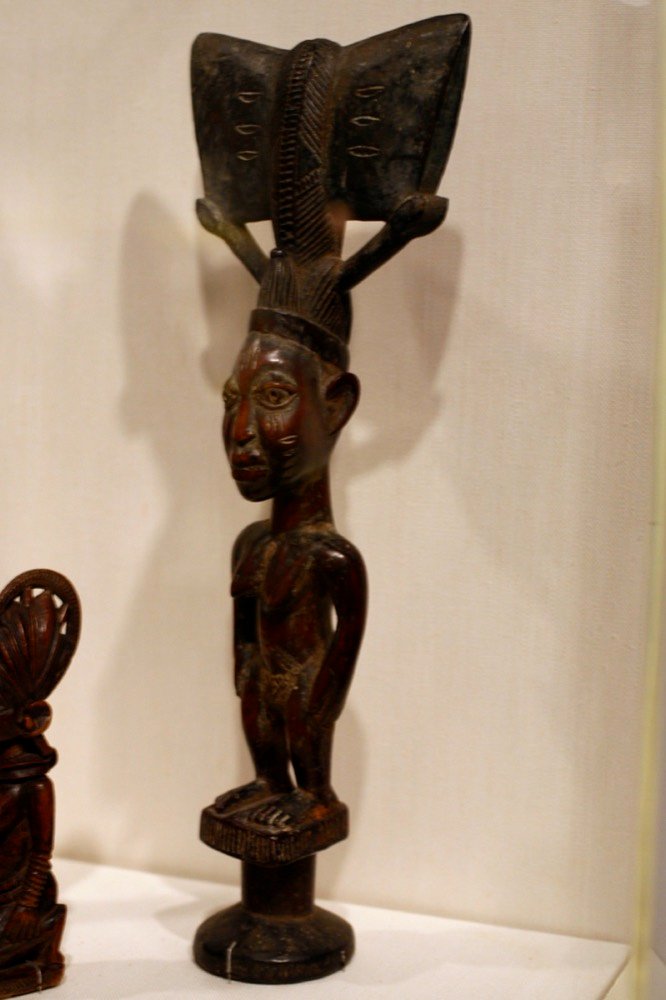
Shango
Orisha of thunder and justice, in life an early king of Oyo. He hurls thunderstones at liars; after he hanged himself at Koso his followers cried 'the king did not hang' and worshipped him as a god.
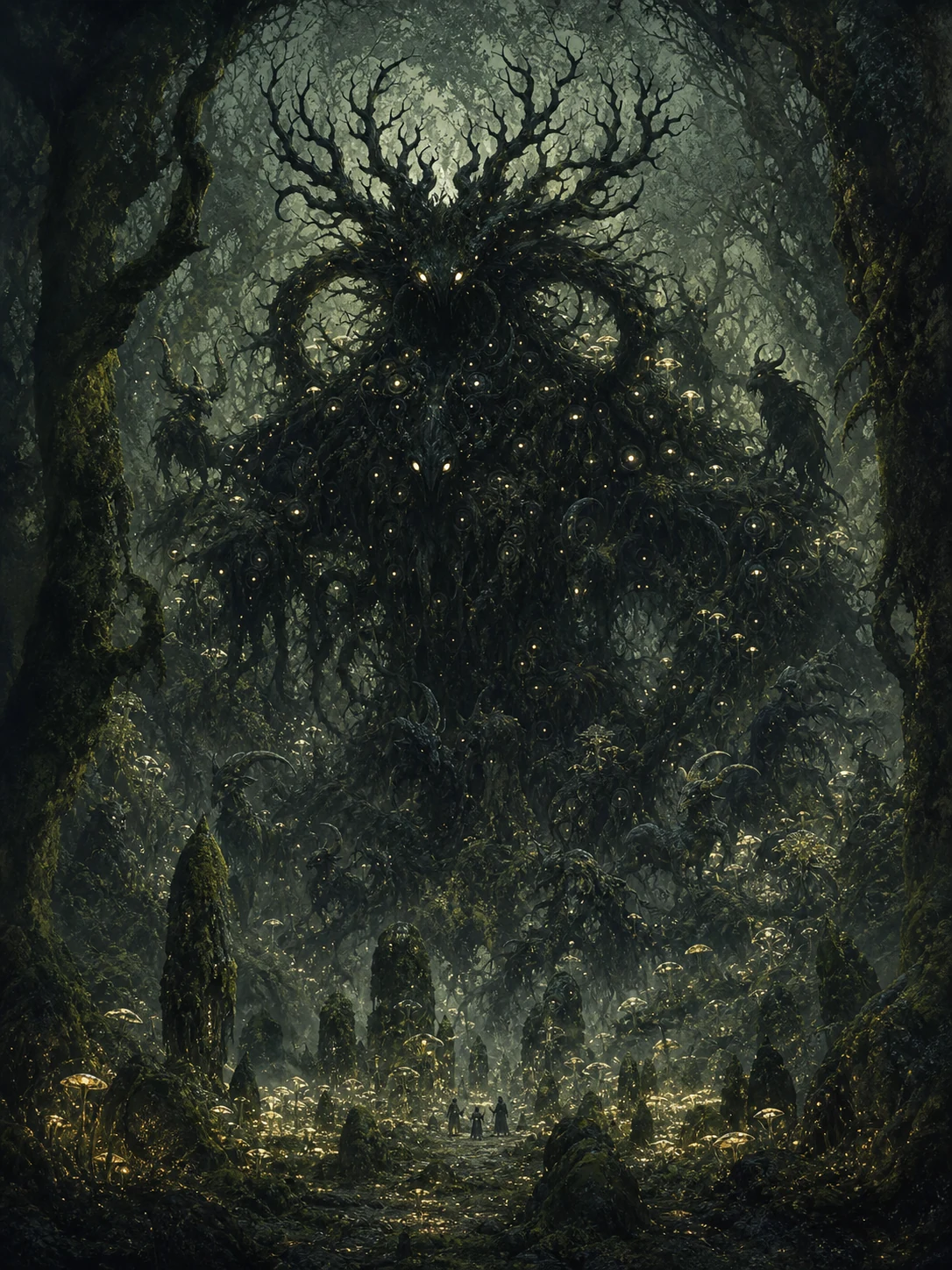
Shub-Niggurath
A name of monstrous fecundity repeated in invocations, scarcely embodied by Lovecraft and visualized chiefly by later mythmakers.
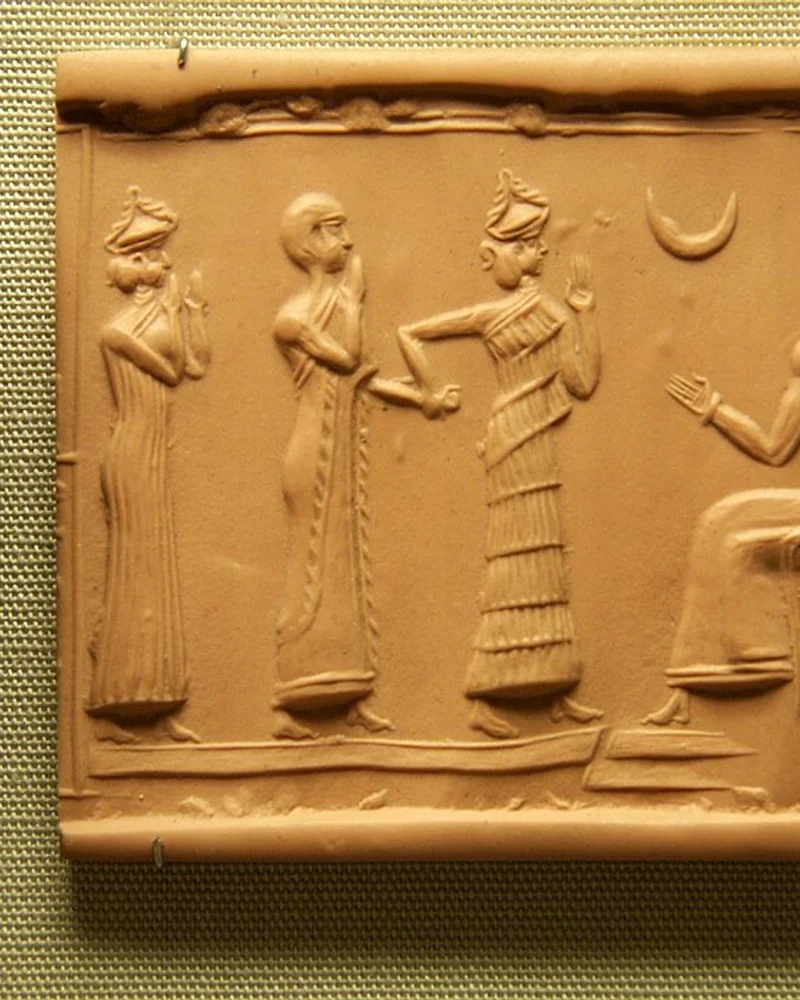
Sin
The moon god and lord of the night sky. Sin is the father of the sun god Shamash and the goddess Inanna, and the keeper of time through the lunar calendar.
Sun-goddess of the Earth
The Hittite ruler of the underworld, the 'Dark Earth', identified with the Hurrian Allani and the Mesopotamian Ereškigal: the sun as it travels beneath the earth at night.
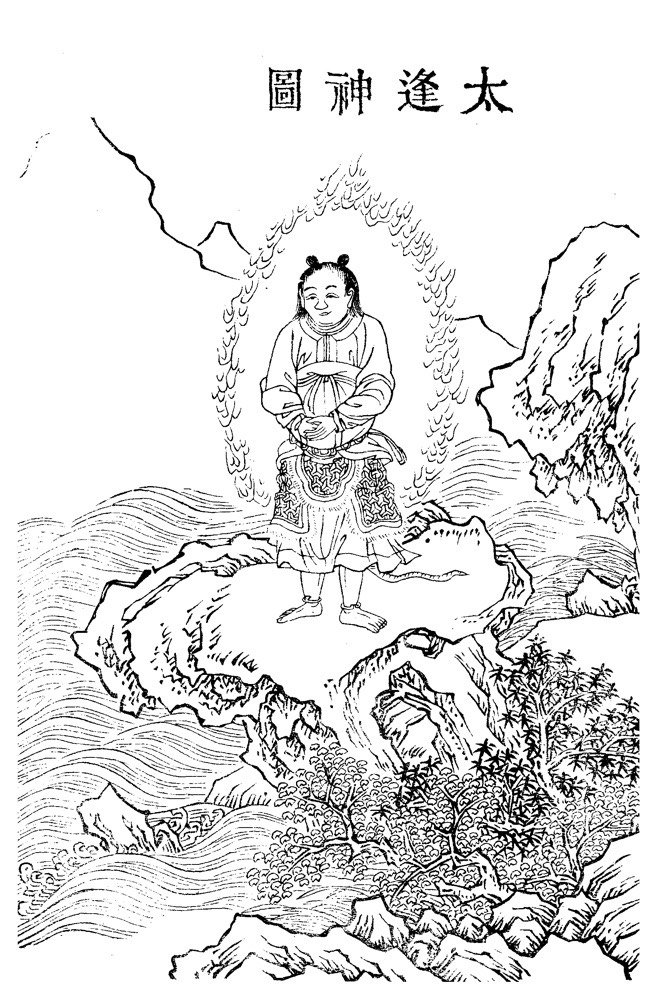
Taifeng
The auspicious god of Mount He, human in form with a tiger's tail, moving in light and able to stir the qi of heaven and earth — blamed by commentators for the storm that once bewildered King Kongjia of Xia.
Talking God (Haashchʼééłtiʼí)
A leading Holy Person associated with the dawn and the east, who appears at key moments of the origin story to guide and teach; the ceremonies in which he appears are not described here.
Tapio
The god of the forest and giver of game, named by Agricola in 1551, whom hunters in the runo-songs and the Kalevala address with his wife Mielikki to open the forest's storehouse to them.
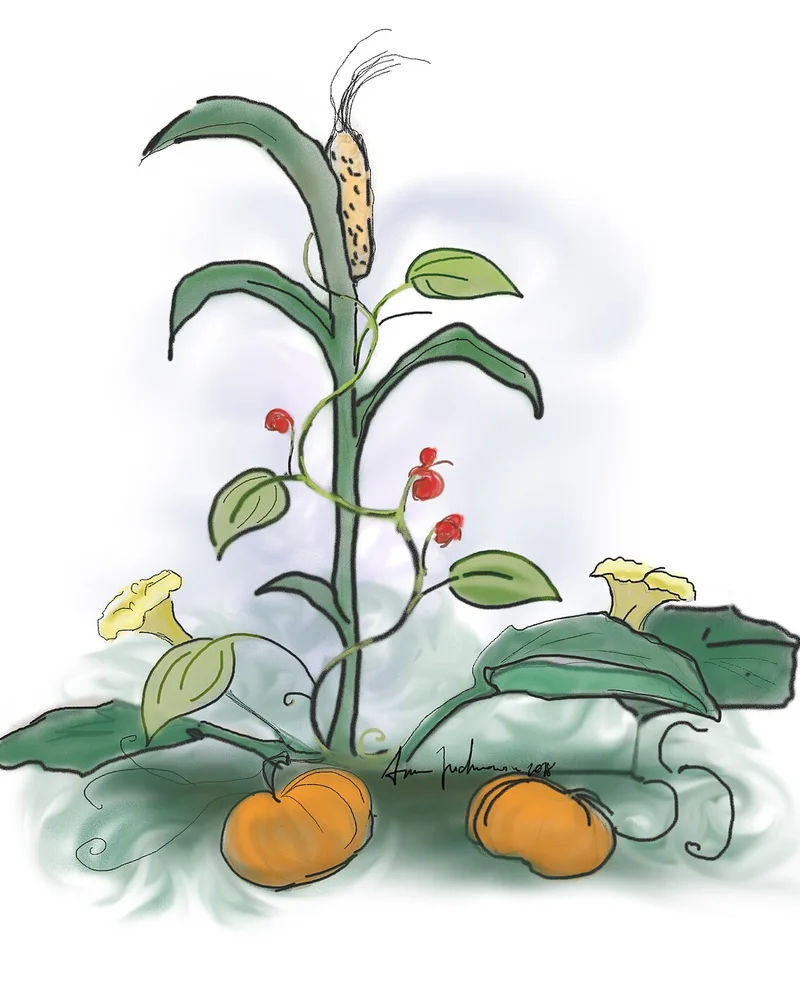
The Three Sisters
The inseparable spirits of corn, beans, and squash, the crops Haudenosaunee farmers plant together, remembered as sisters and thanked as the sustainers of the people.
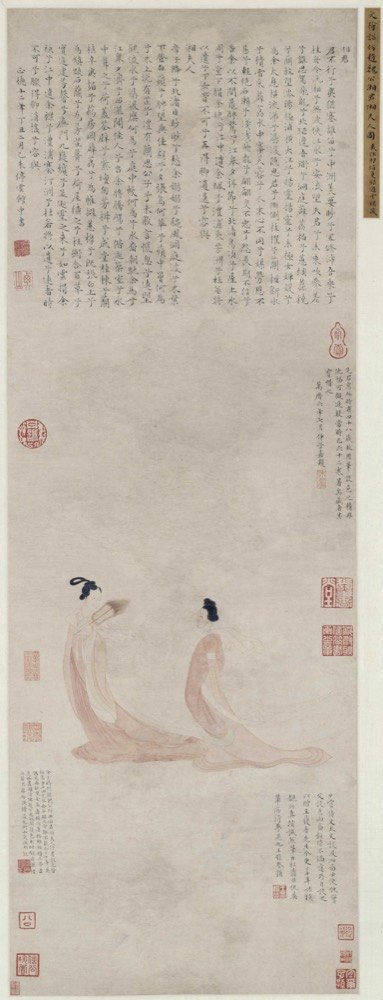
The Two Daughters of the Supreme God
Two goddesses of Mount Dongting who range the Yangtze deeps; their every passage raises whirlwind and storm. Later tradition merged them with Ehuang and Nüying, consorts of Shun and spirits of the Xiang.
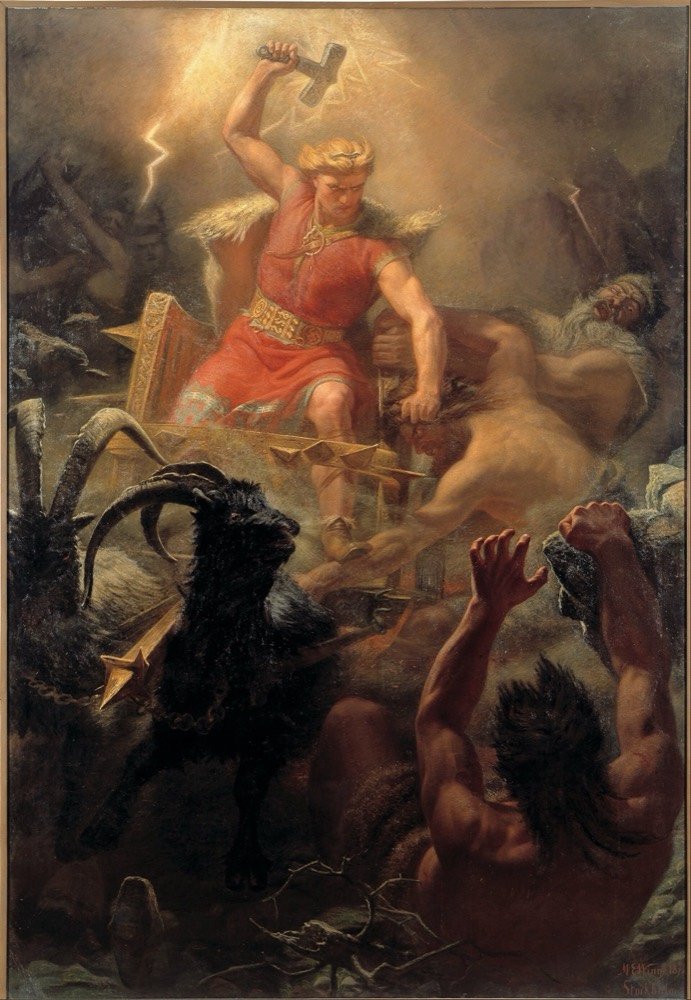
Thor
Red-bearded strongest of the Aesir, wielder of the hammer Mjolnir, who rides a goat-drawn chariot across the sky and wages endless war on the giants.
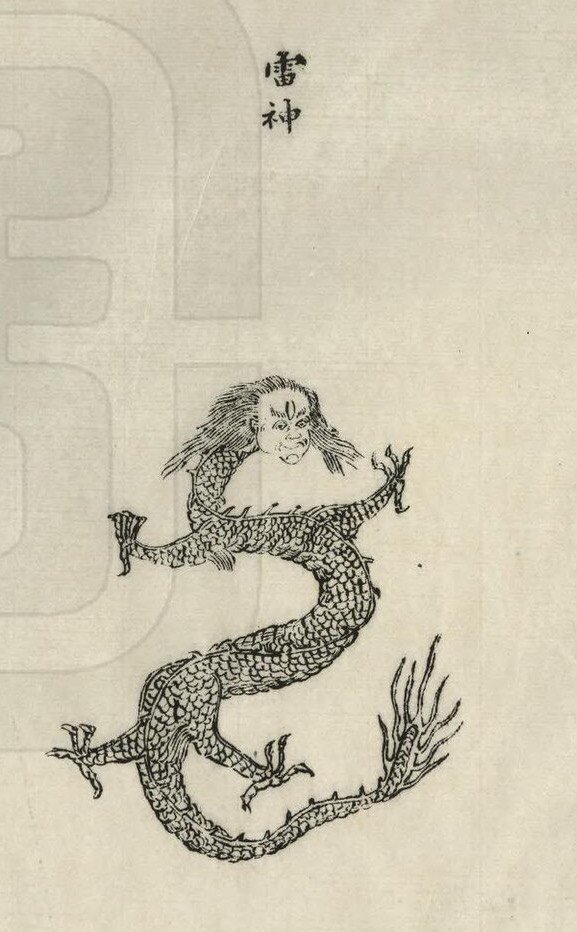
Thunder God of Lake Lei
A god of Lake Lei with a dragon's body and a human head who makes thunder by drumming his own belly. Apocryphal tradition says Huaxu trod in a giant footprint by this lake and conceived Fuxi.
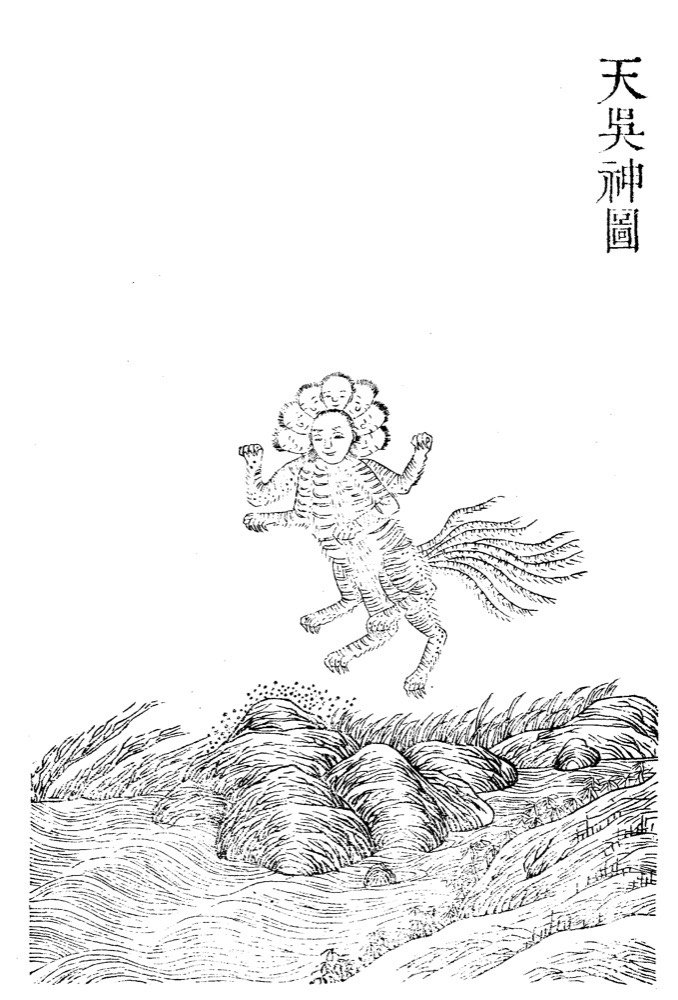
Tianwu
The water god of Sunrise Valley, styled Lord of Waters: a beast with eight human-faced heads, eight legs, and eight tails, colored green and yellow throughout. Du Fu still names it as an embroidery motif.
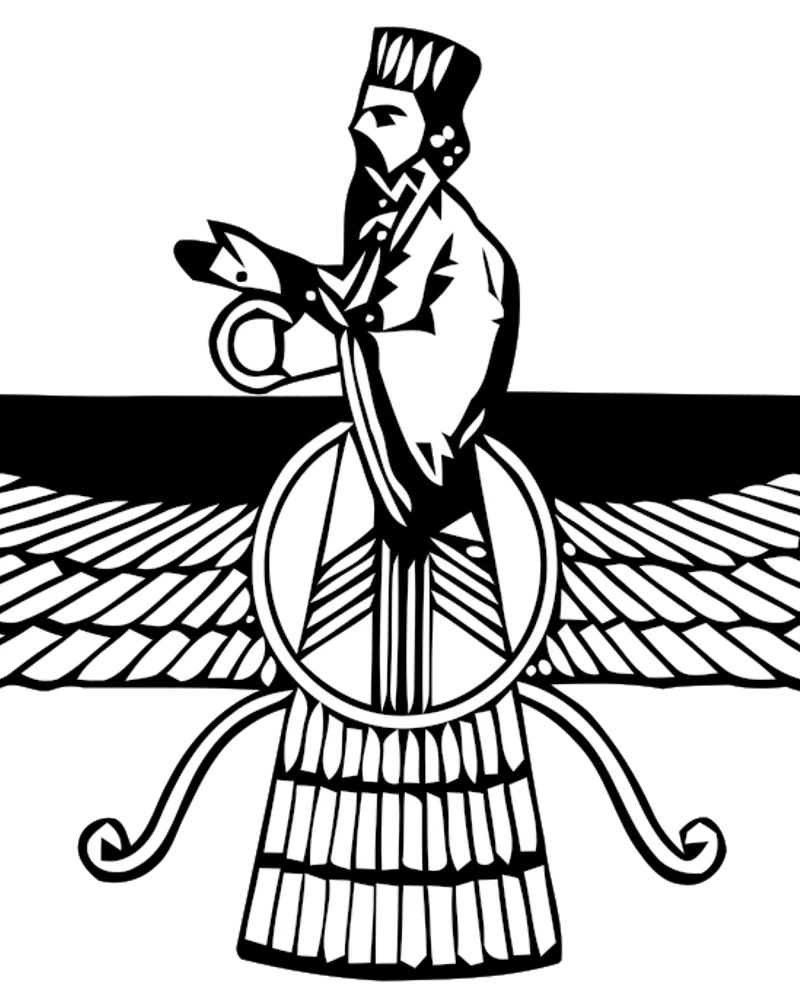
Tishtrya
The star Sirius as a rain-bringing yazata, who in the Tir Yasht descends to the cosmic sea as a white horse, is at first overcome by the black horse of the drought demon Apaosha, and then, strengthened by worship, defeats him and releases the rains.
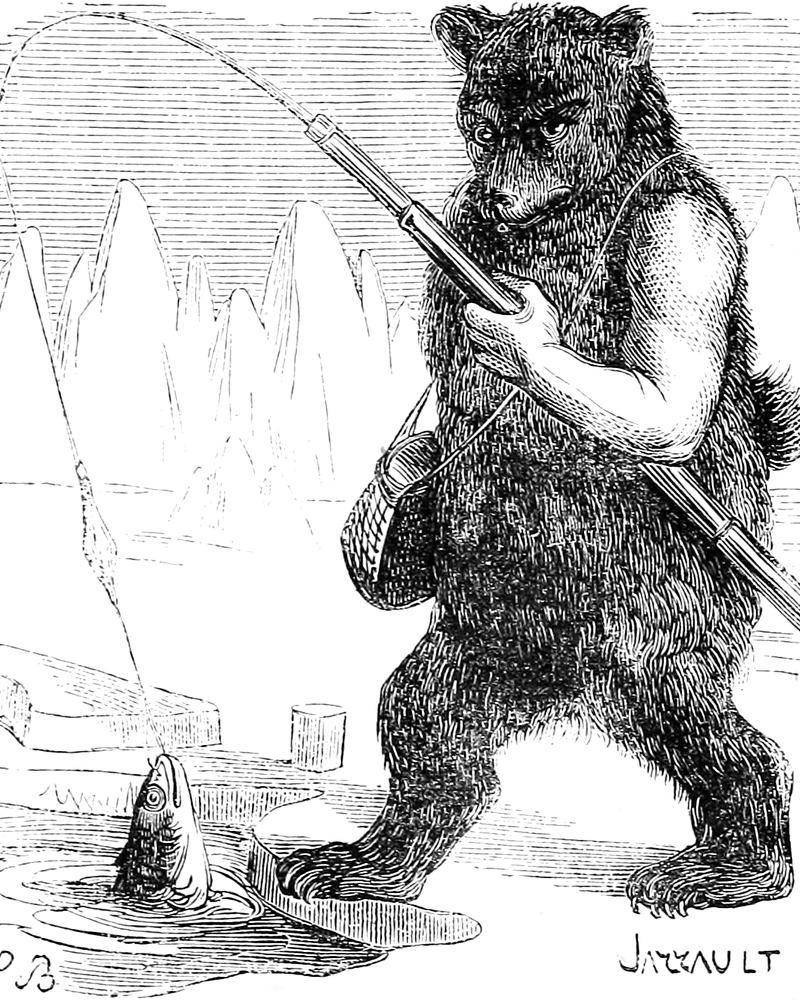
Tornarsuk
In Greenland and Labrador, the greatest of the helping spirits (tornait) on whom angakkuit relied; eighteenth-century missionaries recast the figure as the Devil, a reinterpretation this site notes rather than repeats.

Tu
The fierce god of war and human endeavor. Tu represents the aggressive, active principle necessary for survival, from warfare to hunting to the cultivation of crops.
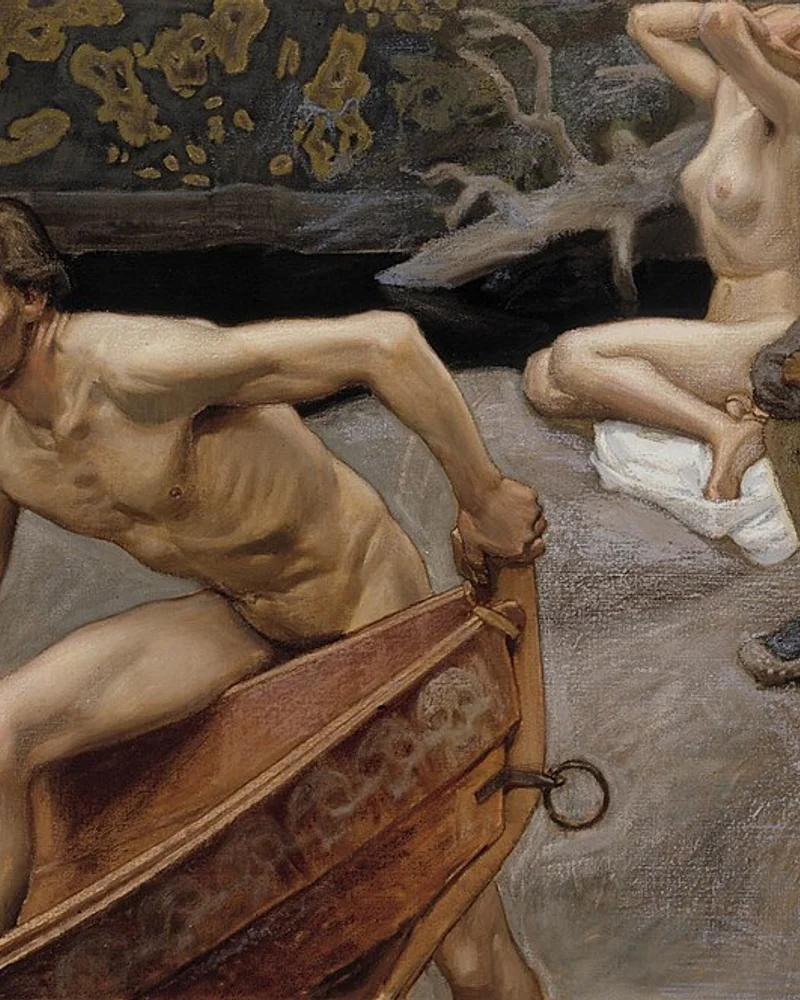
Tuoni
The lord of Tuonela, the land of the dead beyond a dark river, whose daughter ferries the dead, whose son hacks Lemminkäinen to pieces, and whose realm Väinämöinen escapes only by turning himself into a serpent.
Tupã
A divine father of thunder and storm, later recast as a sole creator through missionary translation.
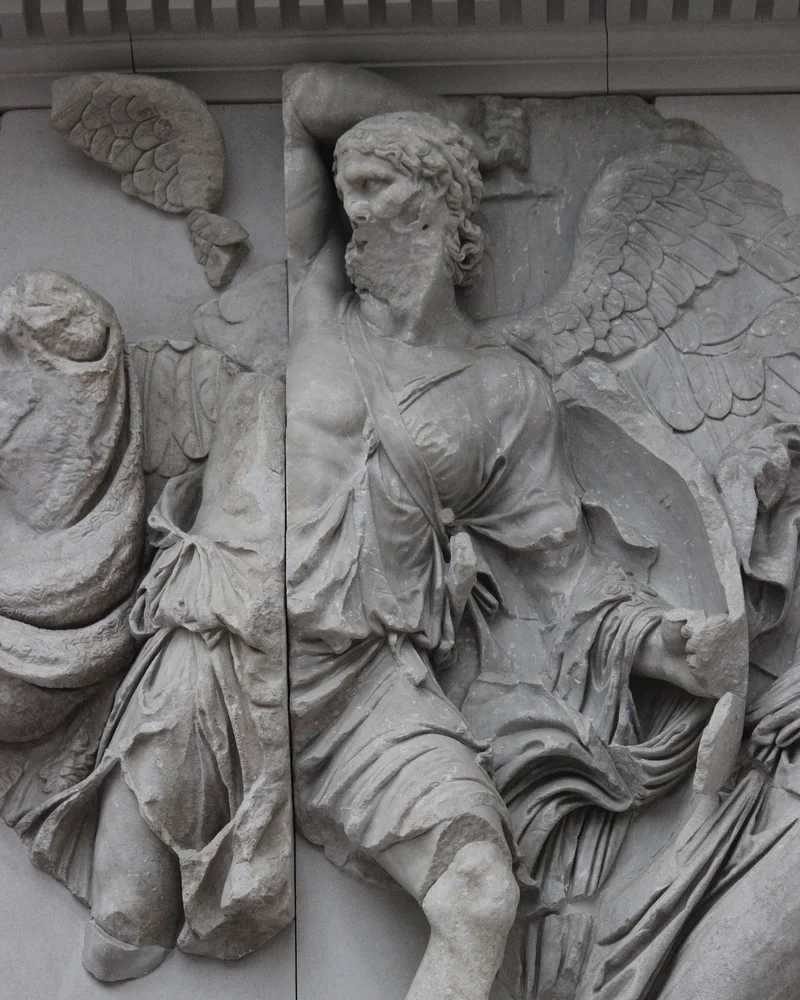
Uranus
Primordial personification of the Sky, born from and united with Gaia (Earth). Father of the Titans, Cyclopes, and Hecatoncheires, Uranus was castrated by his son Cronus, an act whose aftermath shaped the early generations of Greek gods.
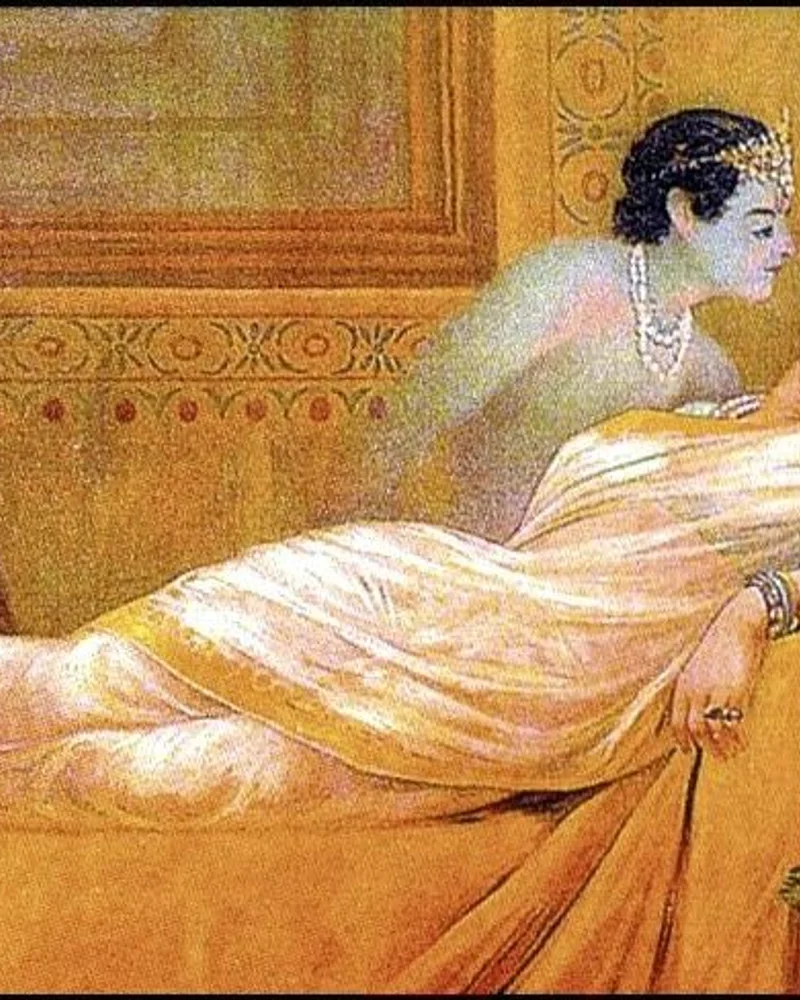
Usha
The Vedic goddess of dawn, praised in some twenty hymns of the Rigveda as a radiant young woman who drives away darkness, wakes every living creature, and returns each morning ever young while the generations of mortals pass away.
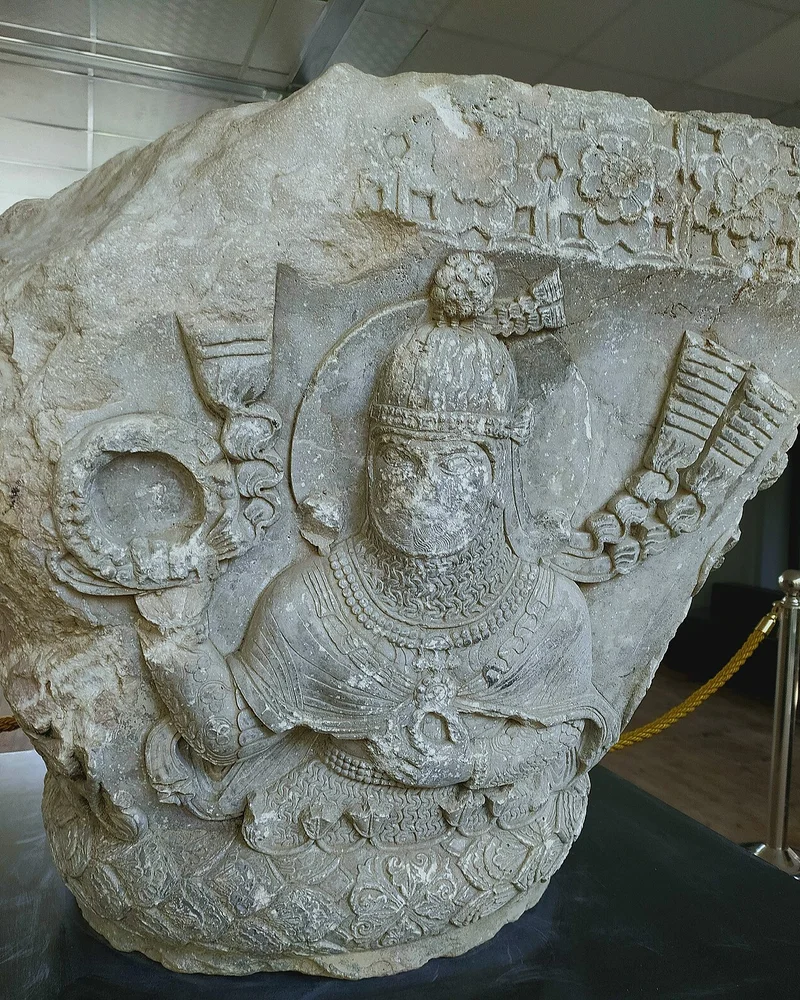
Verethragna
The yazata of victory, 'best-armed of the heavenly gods', who comes to Zarathushtra in ten shapes, from a strong wind and a golden-horned bull to a boar and a raven-like bird, and who gives his name to the highest grade of sacred fire.
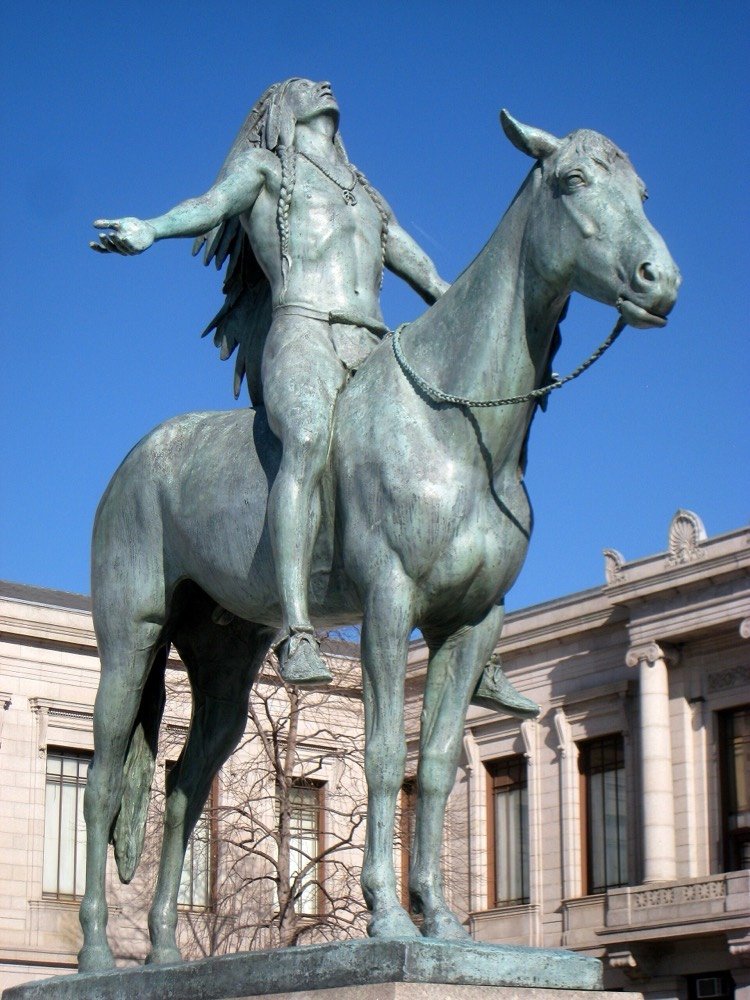
Wakan Tanka
In Lakota (Sioux) tradition, the sacred power pervading all things; commonly rendered "Great Spirit," more precisely "Great Mystery."
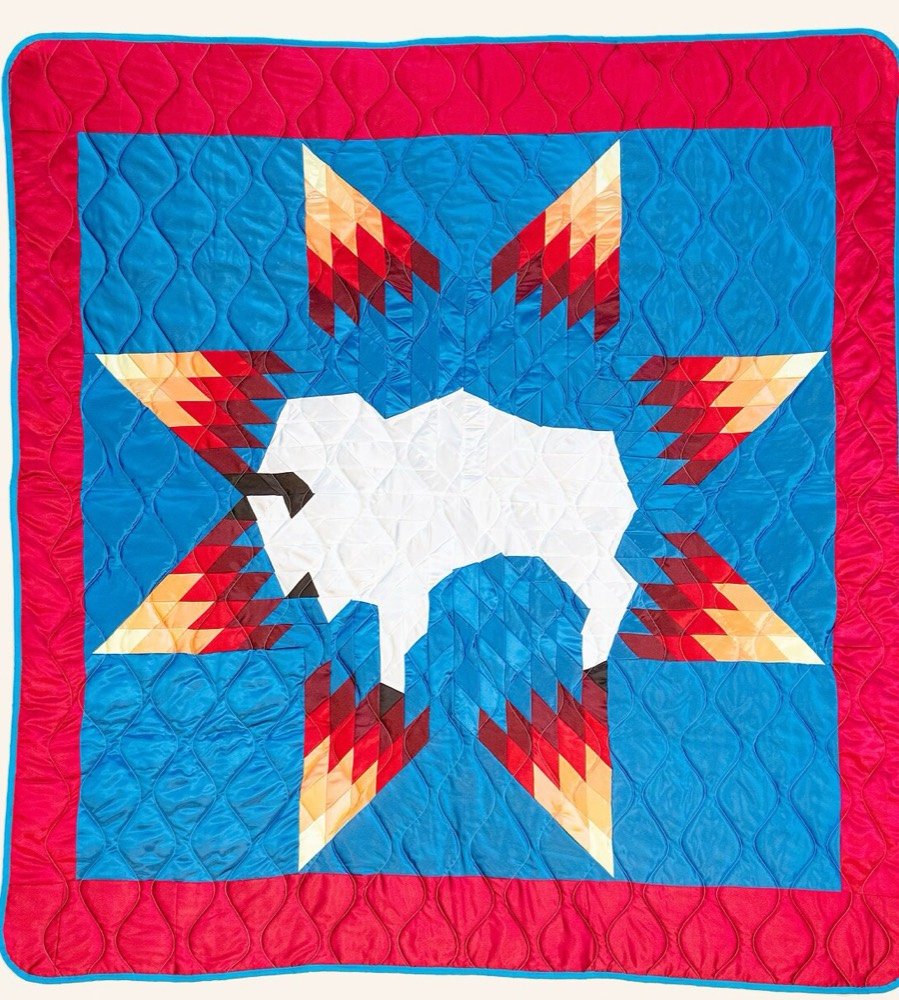
White Buffalo Calf Woman
The holy woman of Lakota tradition who appeared in a year of famine bearing the sacred pipe, taught the Seven Sacred Rites, and departed by rolling into a buffalo of four colors.
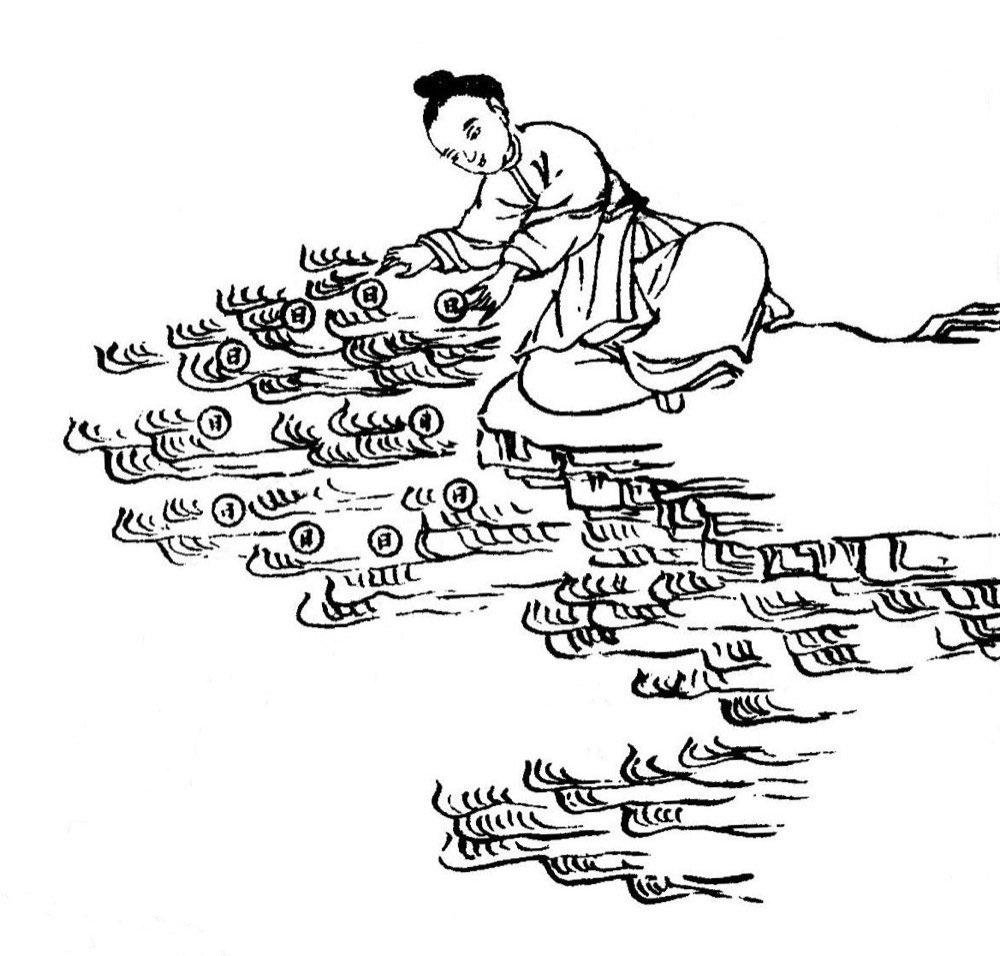
Xihe
Wife of Di Jun, dwelling in her own country beyond the southeastern sea, she bore the ten suns and bathes them in the Sweet Gulf; later tradition made her the sun's charioteer.
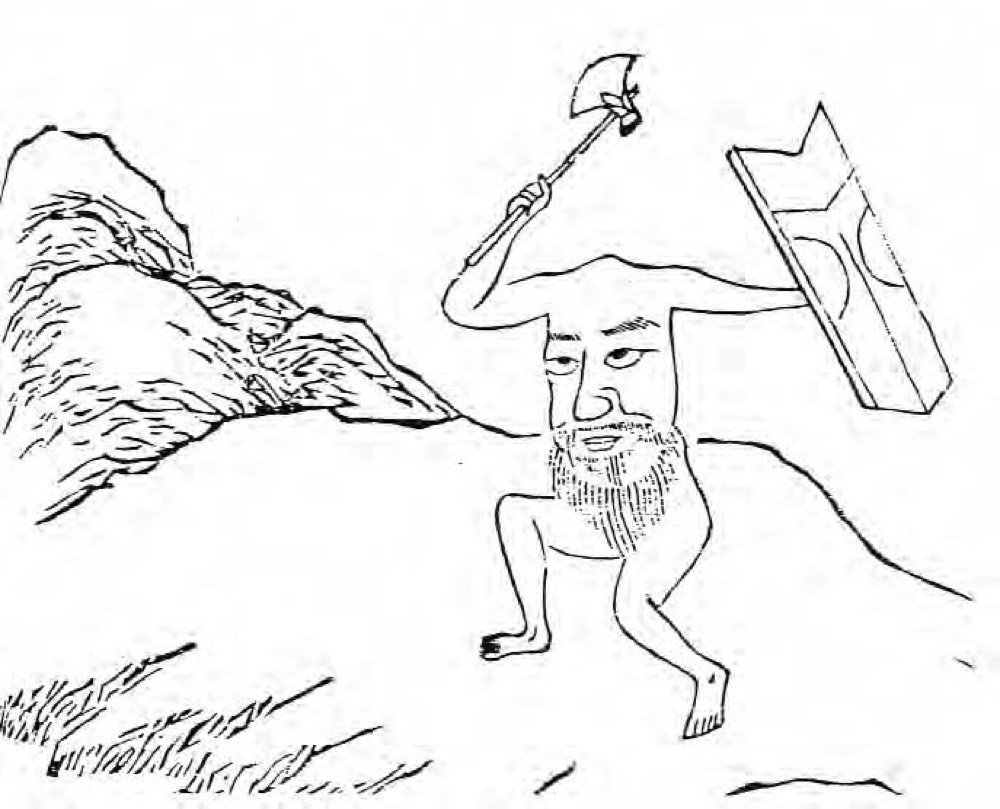
Xingtian
A god beheaded for challenging the Supreme God's throne. With nipples for eyes and navel for mouth, he brandishes shield and axe in an endless war dance.
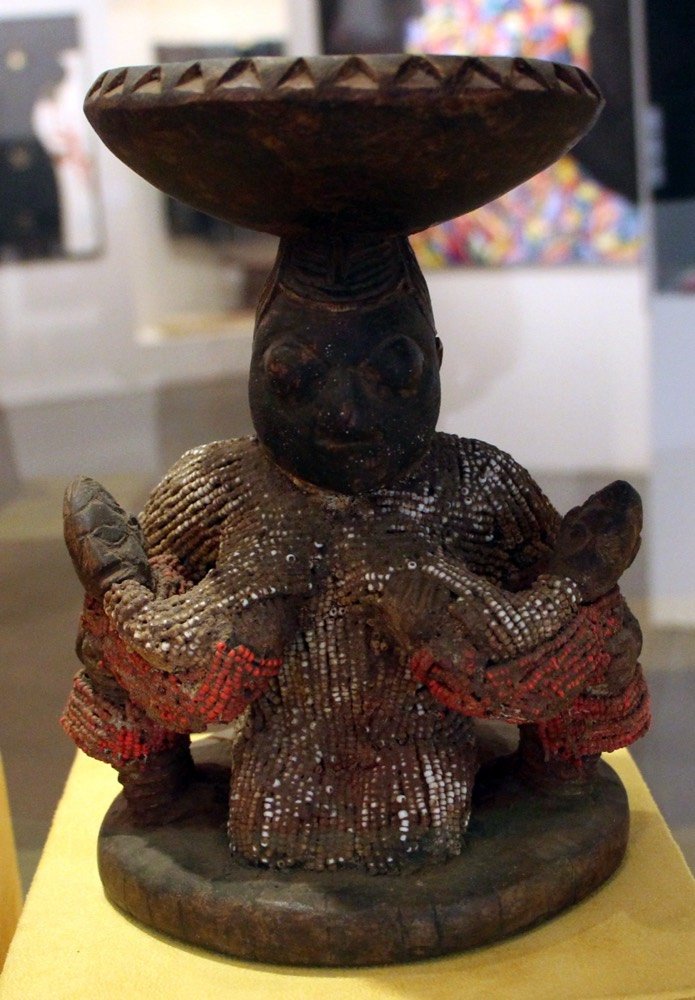
Yemoja
Mother of waters, her name meaning 'mother whose children are as fish'. Goddess of the Ogun River at home, she crossed the Atlantic to become the sea goddess Yemaya of Cuba and Iemanja of Brazil.
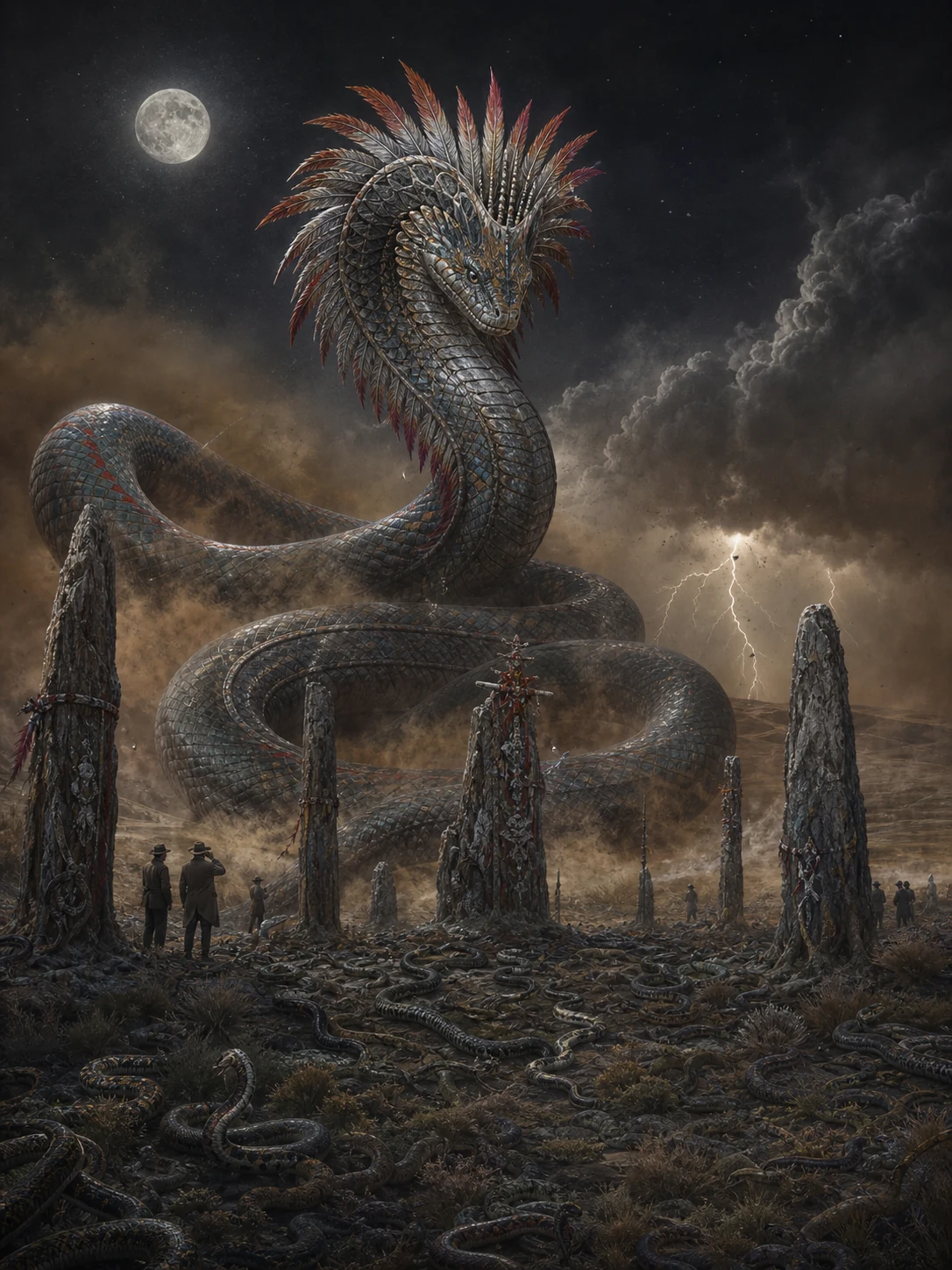
Yig
A serpent father of the American plains, ordinarily tolerant but relentless toward those who kill his children.
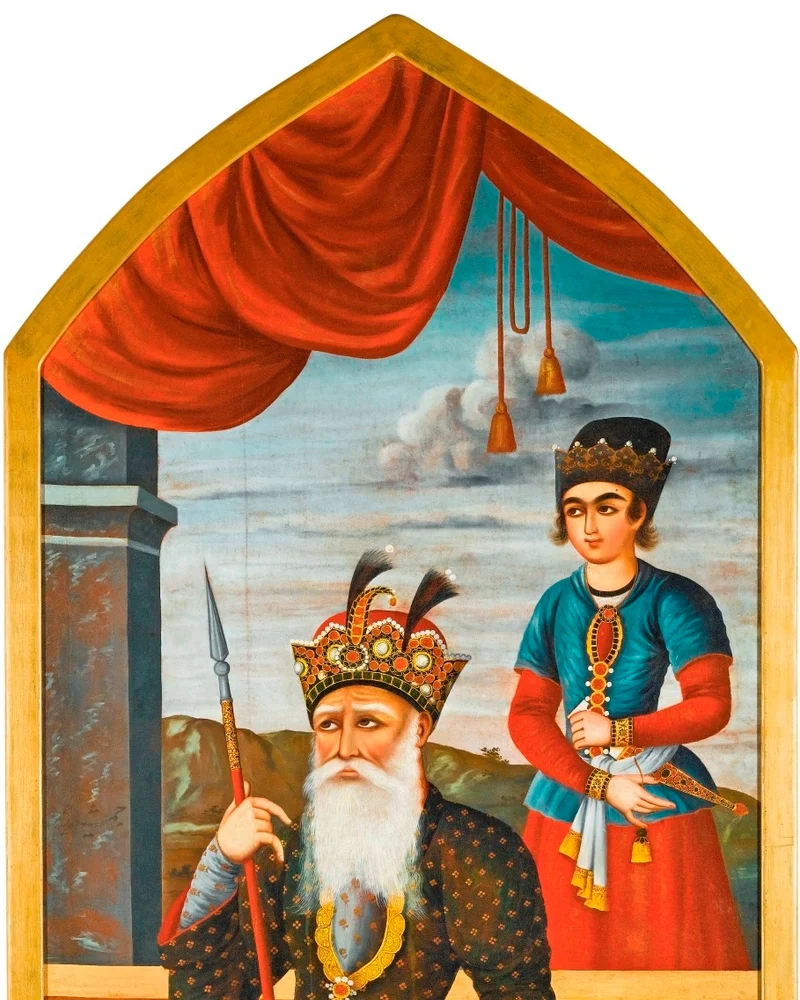
Yima
The first king, son of Vivahvant, under whose rule there was neither cold nor heat, age nor death; in the Vendidad he builds an enclosure to preserve life from devastating winters, and in the Shahnameh, as Jamshid, he loses the royal Glory through pride.
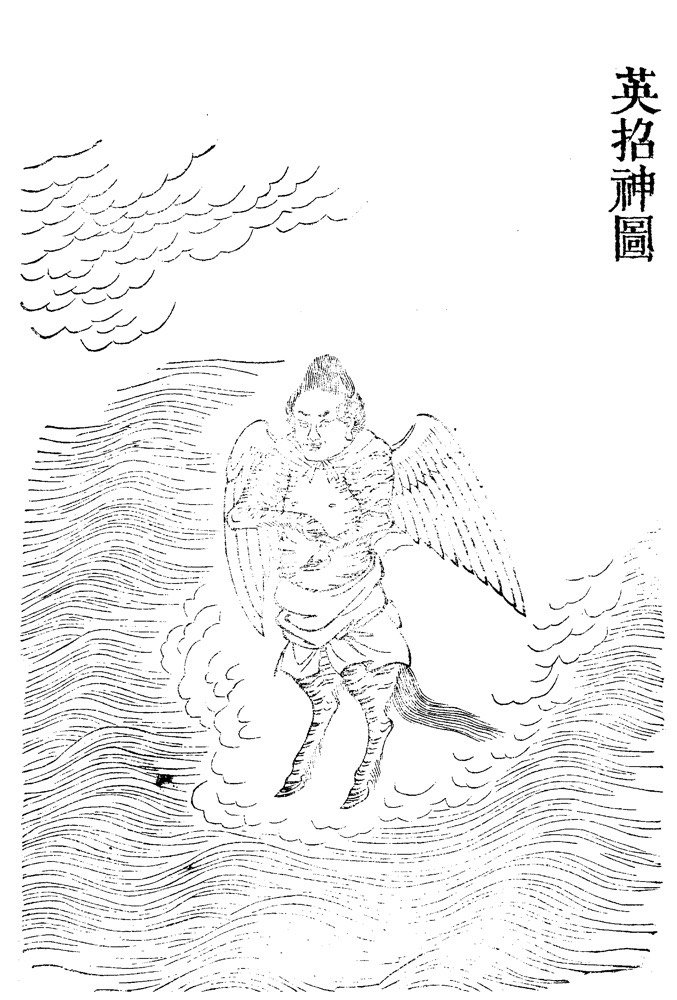
Yingzhao
Tutelary god of the High God's garden on Mount Huaijiang: horse-bodied and human-faced, tiger-striped and bird-winged, patrolling the four seas with heaven's commands.
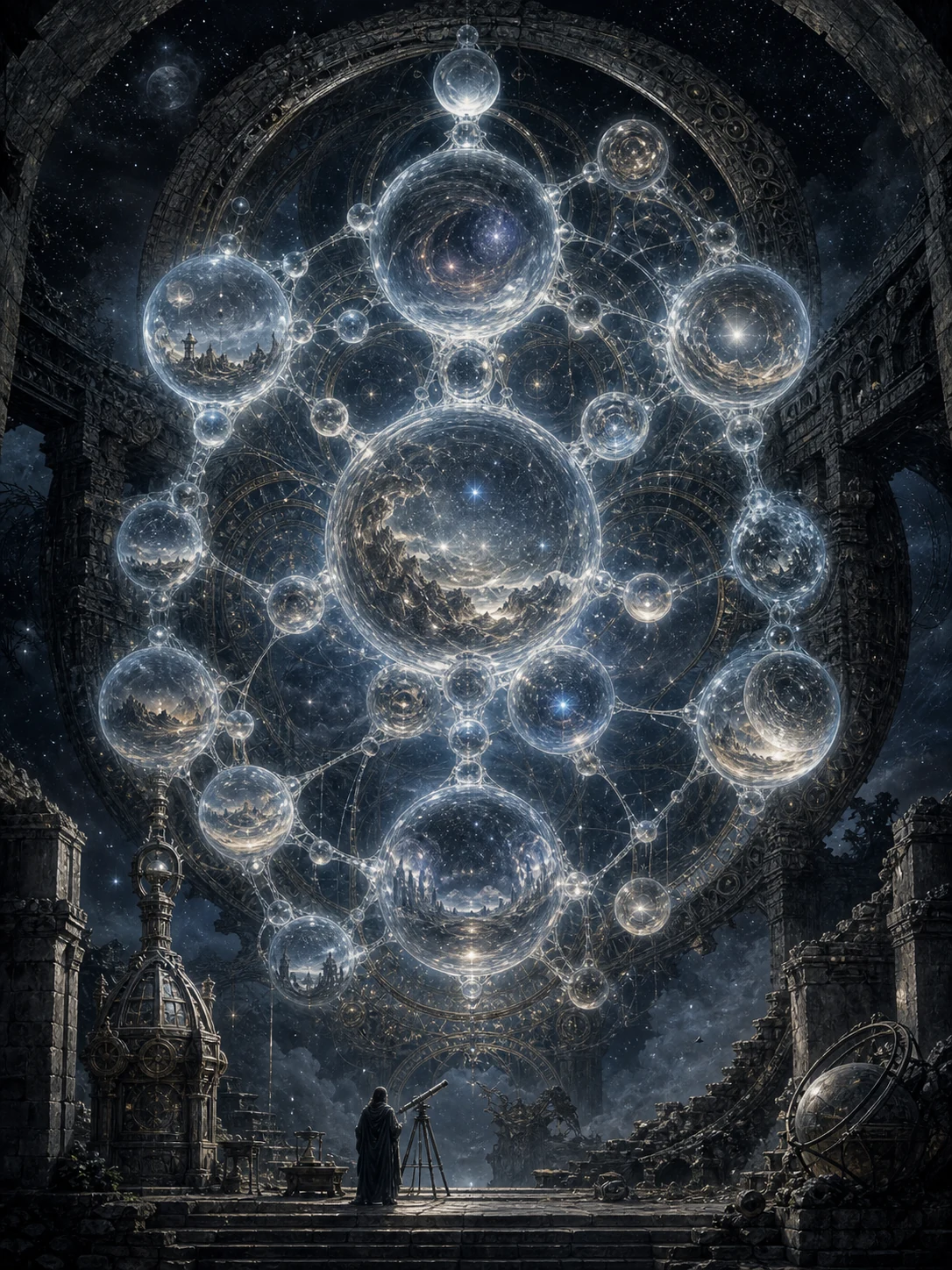
Yog-Sothoth
A confluence of luminous spheres coextensive with time and space, present wherever forbidden thresholds open.
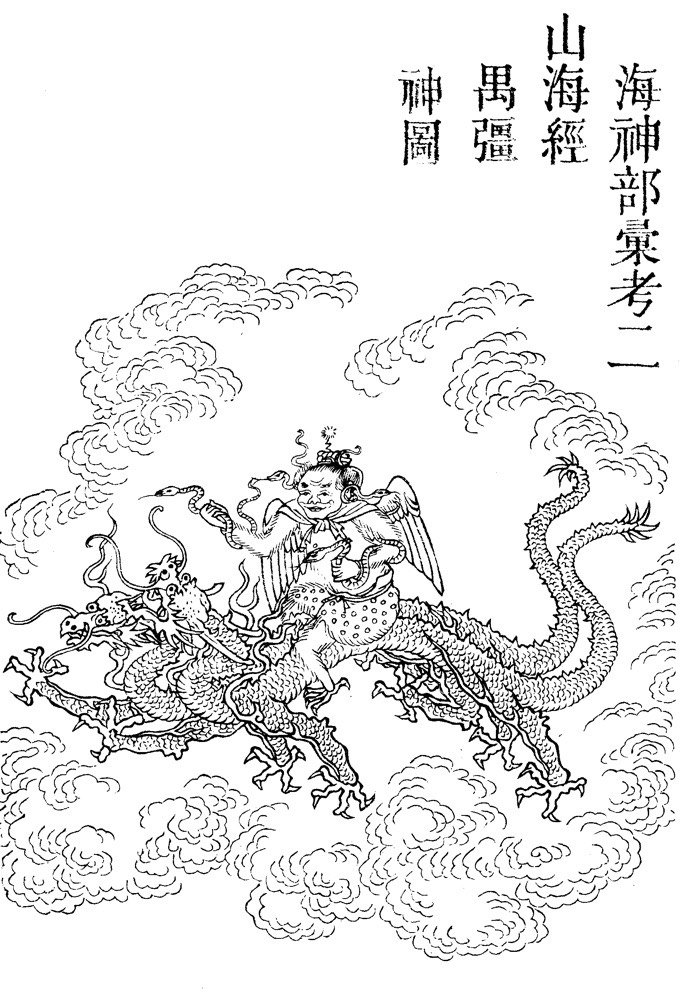
Yuqiang
The sea god on the islets of the North Sea: human face, bird body, two green snakes at his ears, two red snakes under his feet. Grandson of the Yellow Emperor, also called Yujing, styled Xuanming.
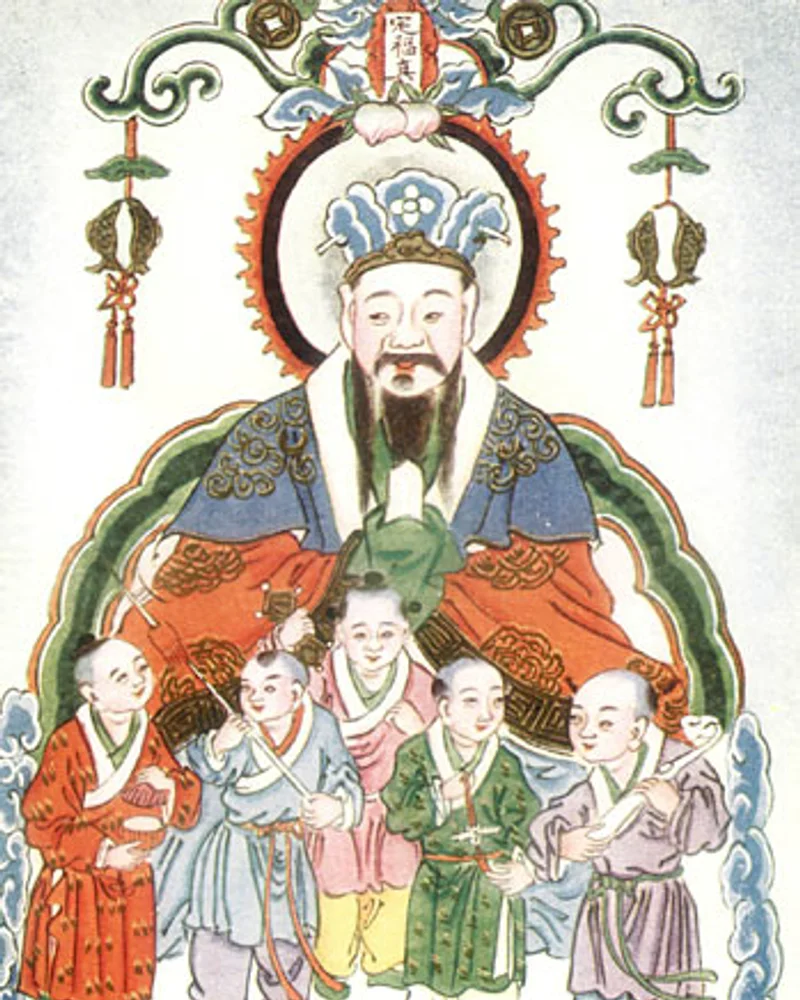
Zao Jun
The domestic deity who resides in the kitchen and reports on each household's conduct to the Jade Emperor at the end of each year. Families make sweet offerings to ensure his favorable report.
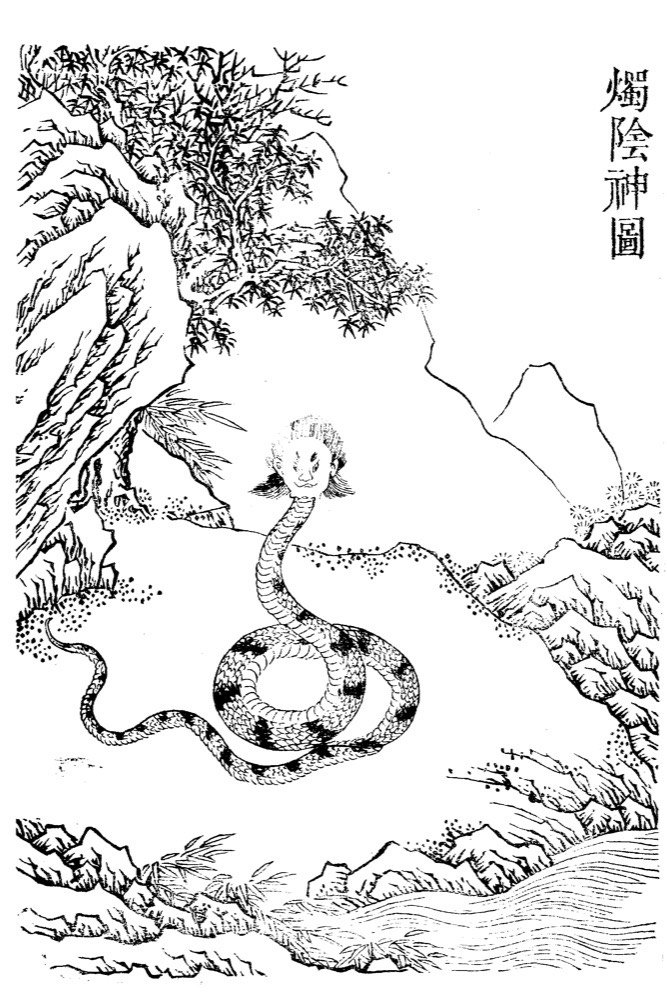
Zhulong
A scarlet, human-faced, serpent-bodied god of Mount Zhangwei: day when its eyes open, night when they close, winter when it inhales, summer when it exhales. Called Zhuyin in another chapter, a thousand li long.
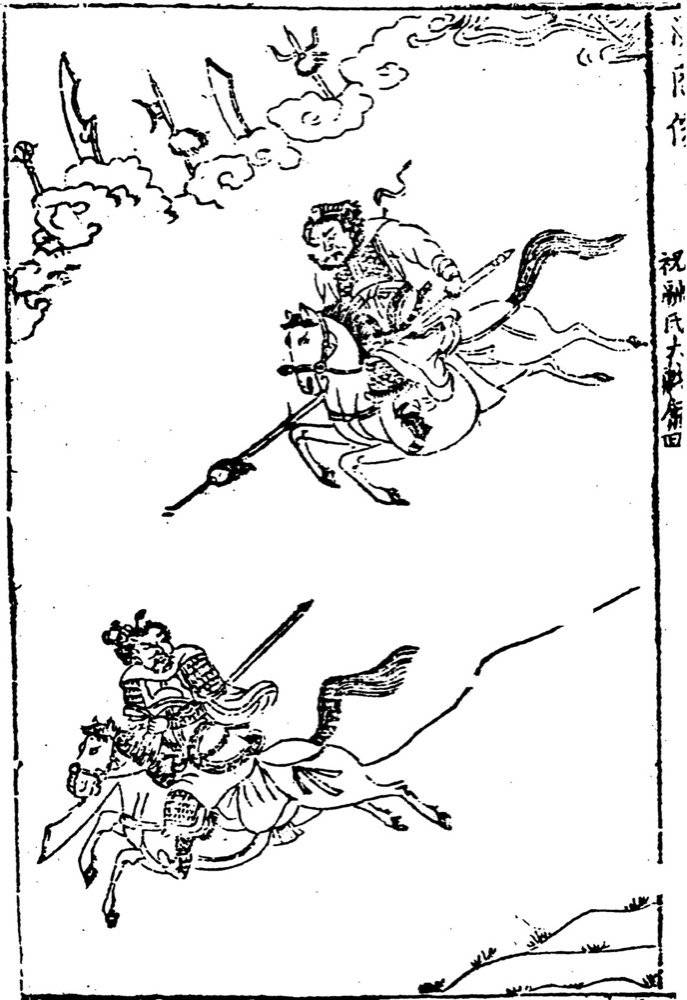
Zhurong
Fire Regulator under Emperor Ku, deified as god of fire and the south, beast-bodied and riding two dragons. Mount Heng's highest peak bears his name, and house fires were once called 'Zhurong's calamity'.
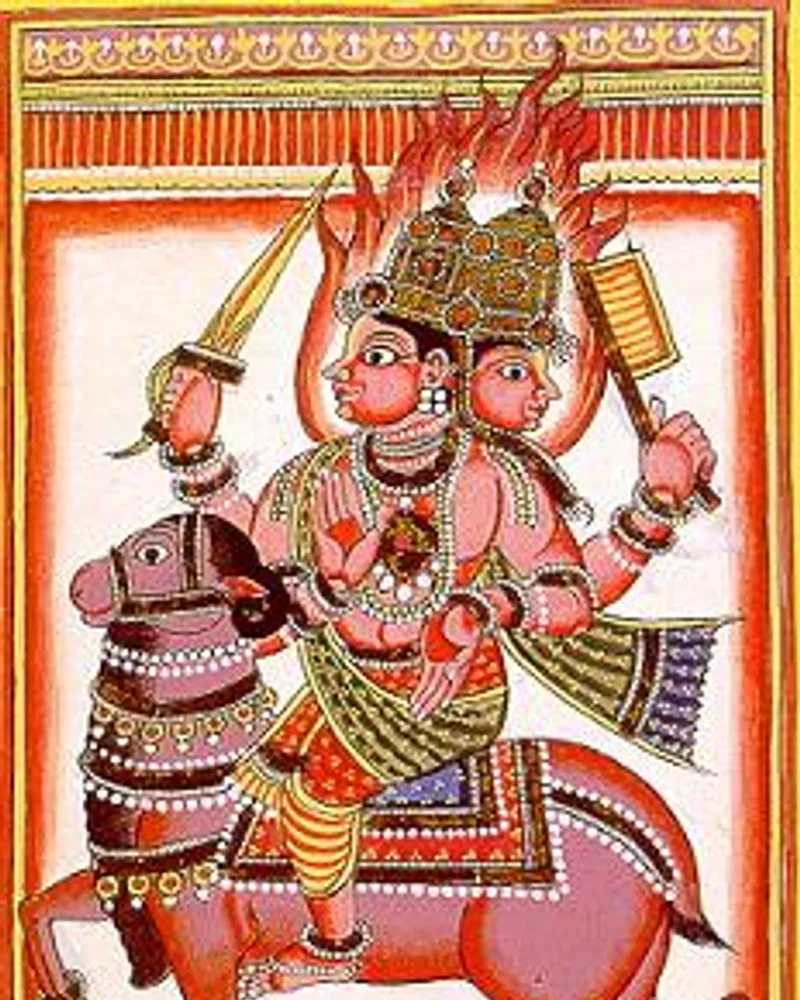
Agni
God of fire and messenger between gods and humans. Central to Vedic ritual, he carries offerings to the gods. Represents the sacrificial fire, digestive fire, and cosmic fire.
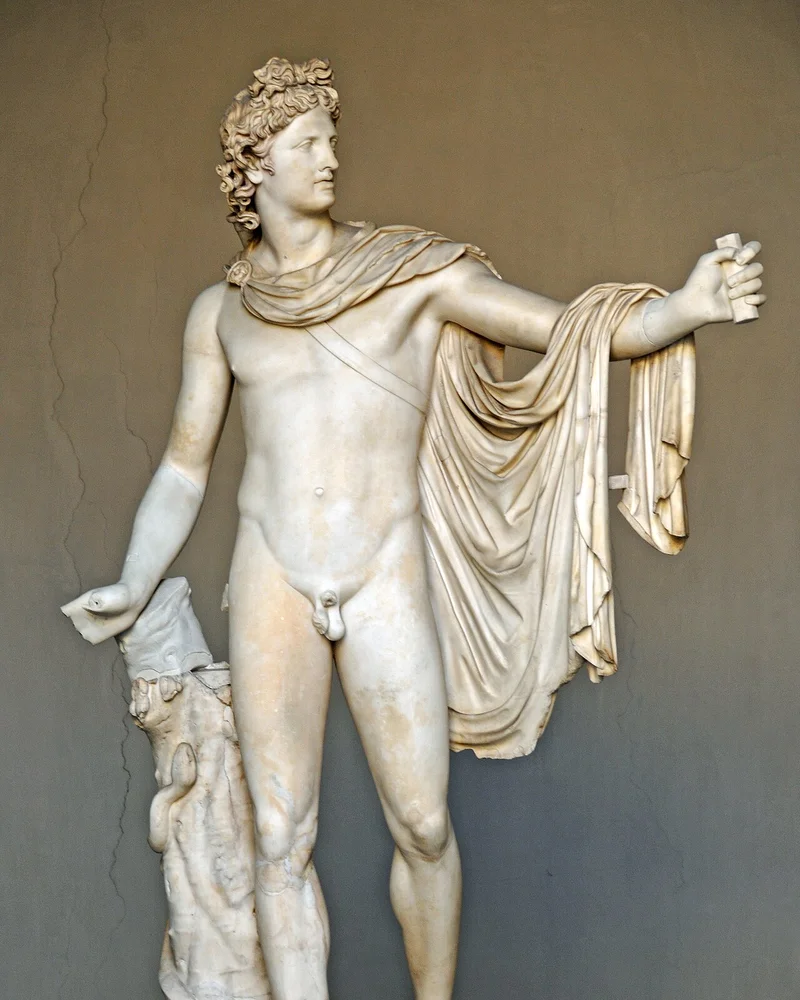
Apollo
God of the sun, music, poetry, prophecy, healing, and archery. One of the few gods whose name remained unchanged from Greek to Roman. Patron of the Sibylline Books and protector of Augustus.
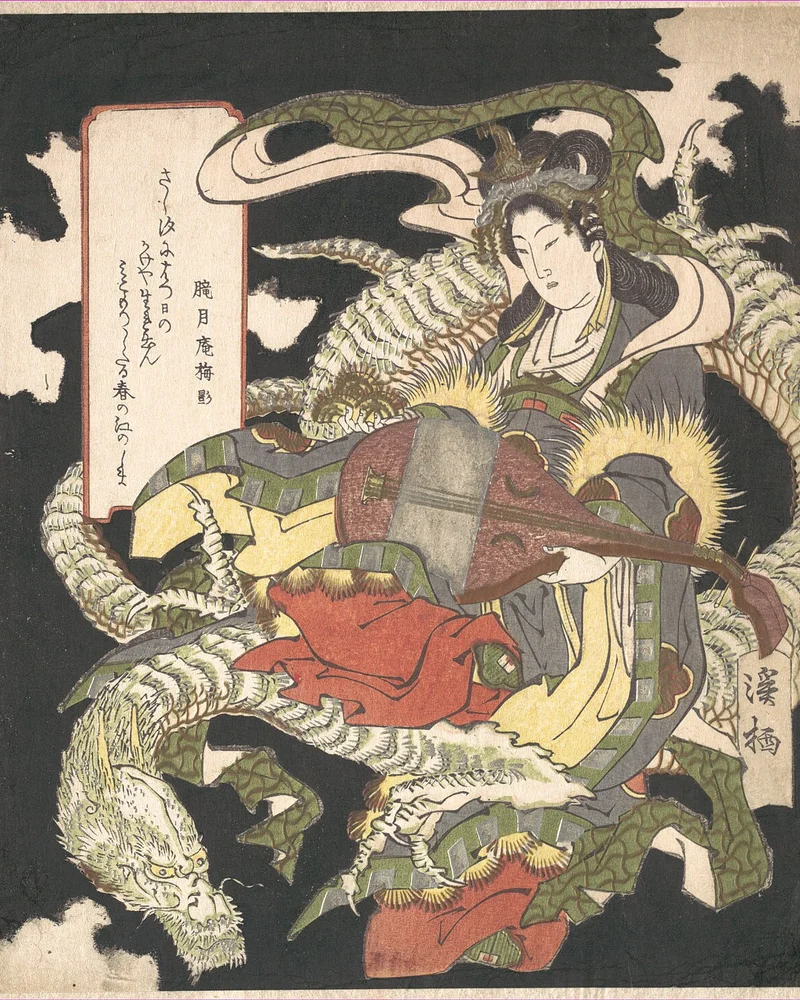
Benzaiten
Goddess of everything that flows: water, time, words, music, and knowledge. One of the Seven Lucky Gods. Originated from Hindu goddess Saraswati.
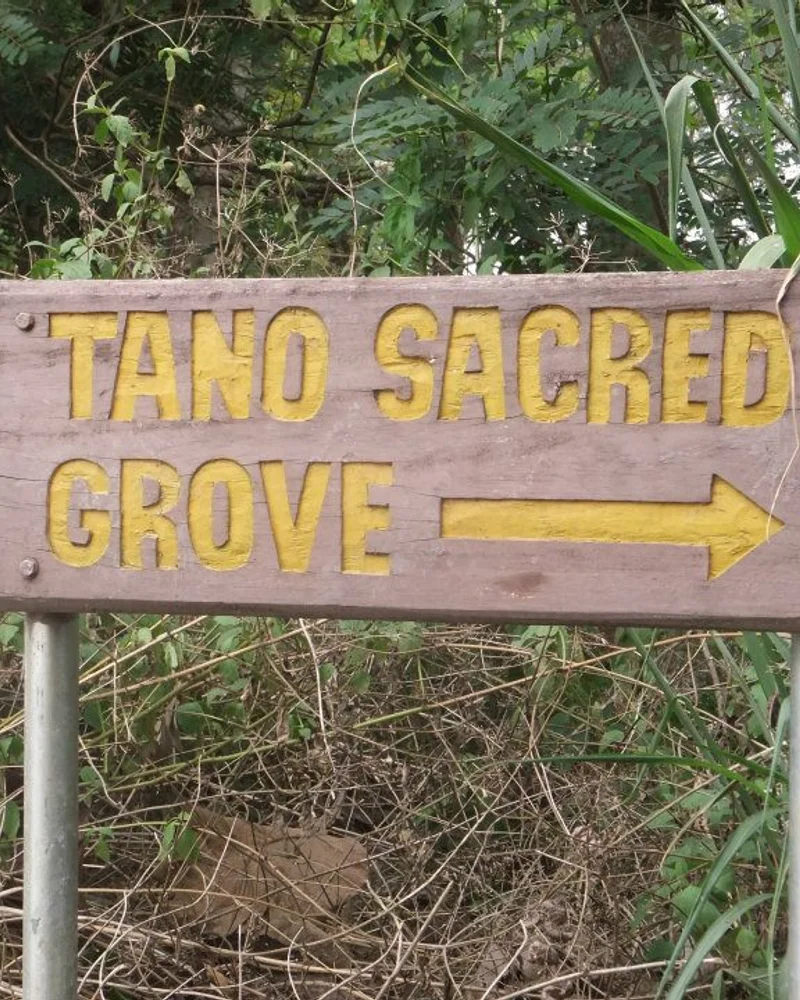
Bia
The obosom of the Bia River, which flows from western Ghana into Côte d'Ivoire; in the story of Nyame's inheritance he is Tano's brother, who loses the fertile land to him.
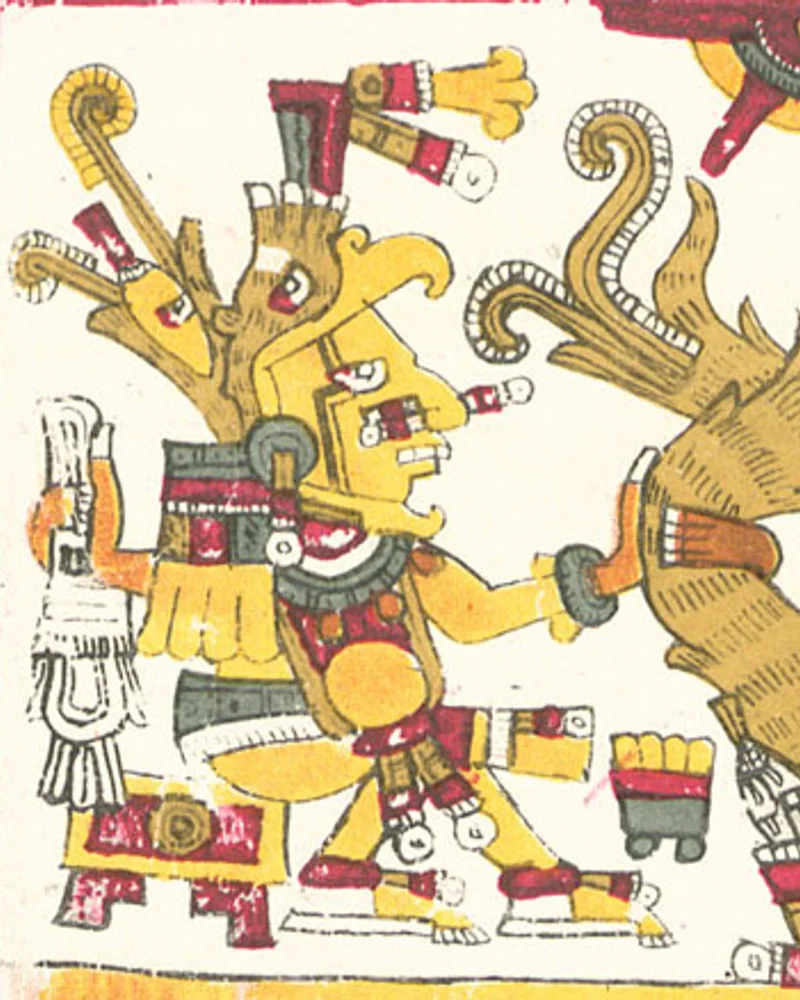
Centeotl
The Aztec god of maize and sustenance. Centeotl represents the sacred maize plant that sustained Mesoamerican civilization.
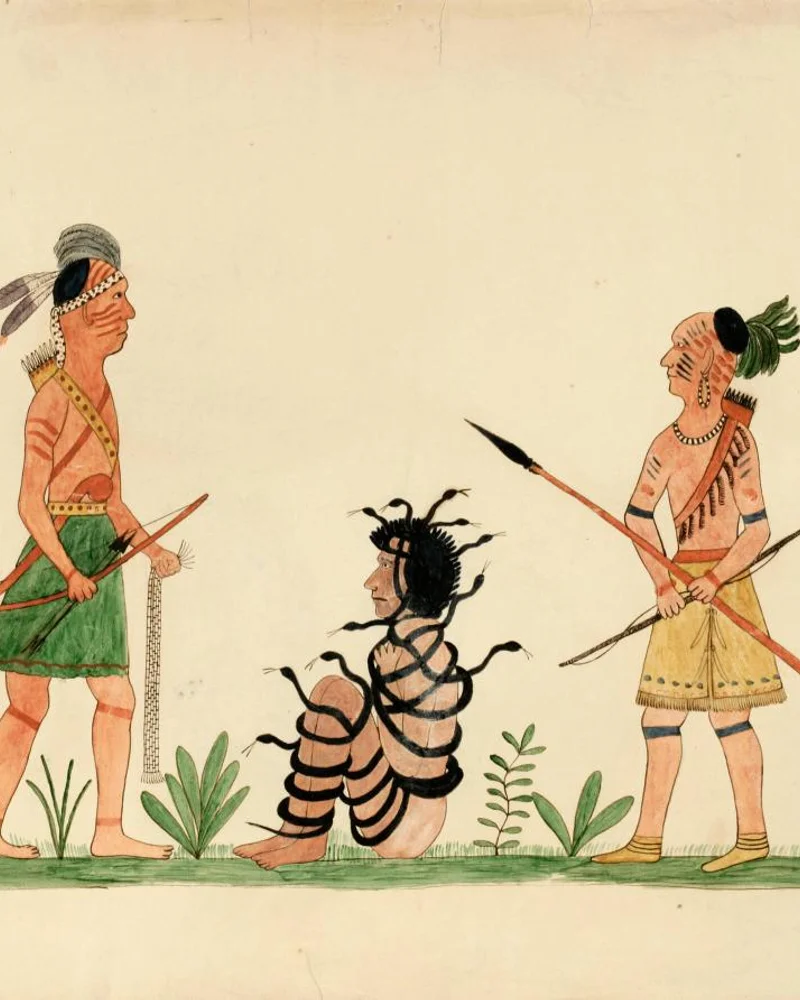
Dew Eagle
The great eagle of the upper air in Seneca tradition, who lives above the clouds, gathers dew in its feathers, and watches over the people, coming down when calamity threatens.
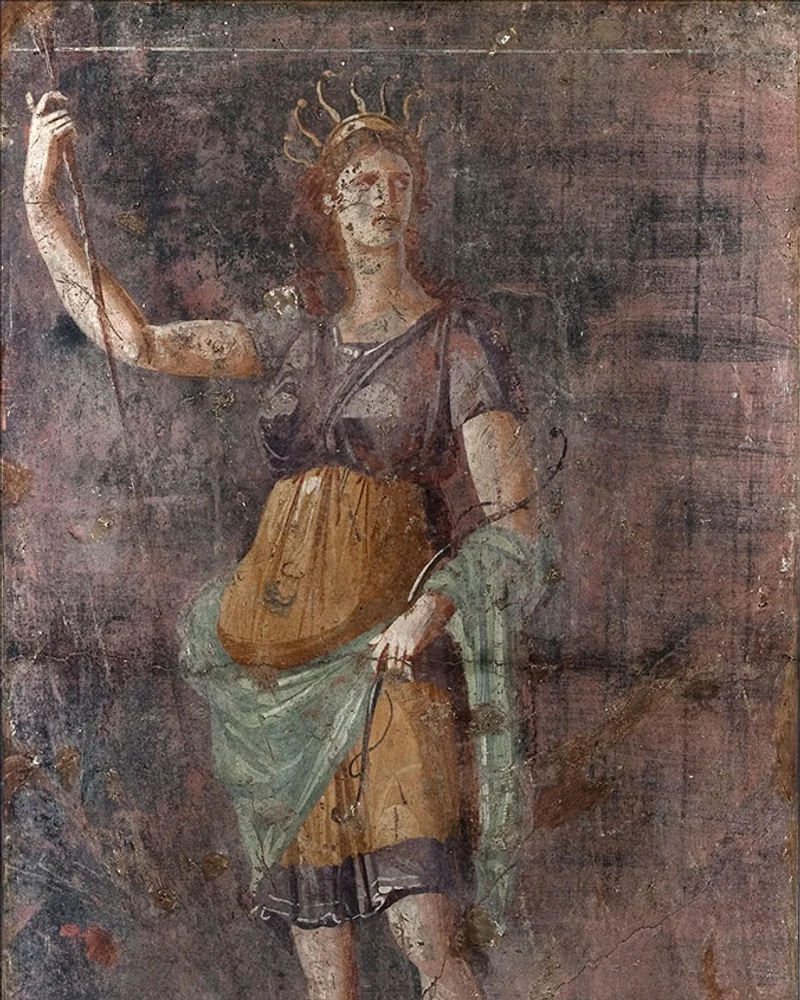
Diana
Goddess of the hunt, wild animals, wilderness, and the moon. Protector of women in childbirth. Twin sister of Apollo. Roman equivalent of Artemis.
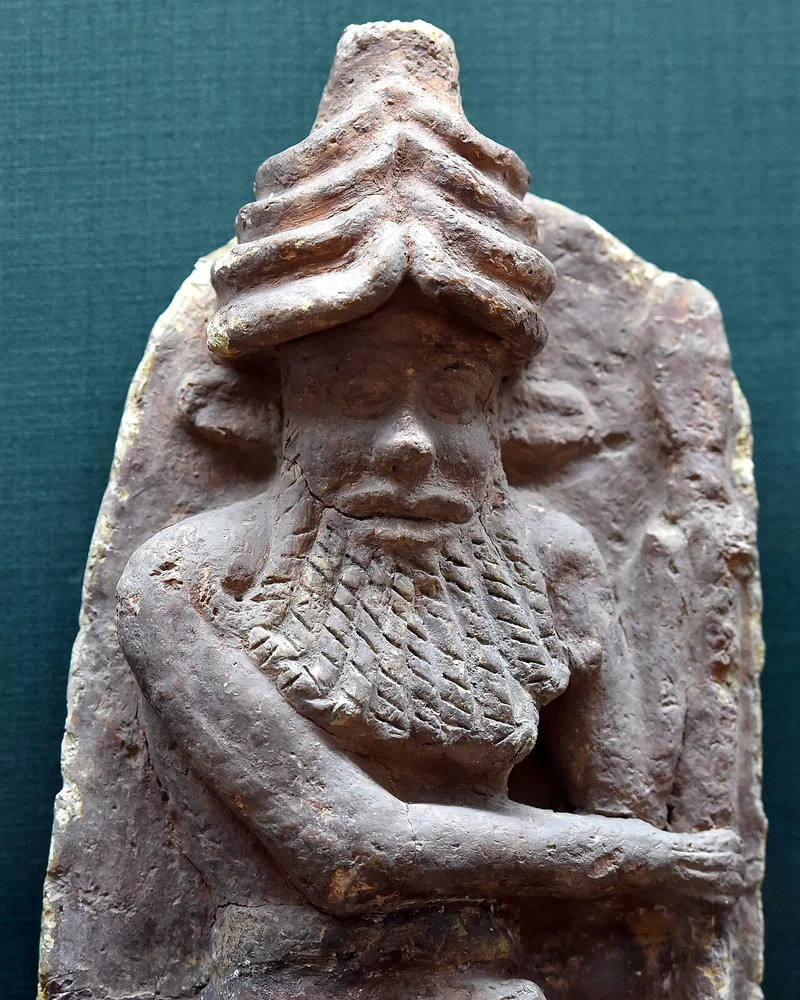
Enkidu
The wild man created by the gods to be Gilgamesh's equal. Enkidu embodies the natural world and, through his civilization and friendship with Gilgamesh, represents the journey from beast to human to divine consciousness.
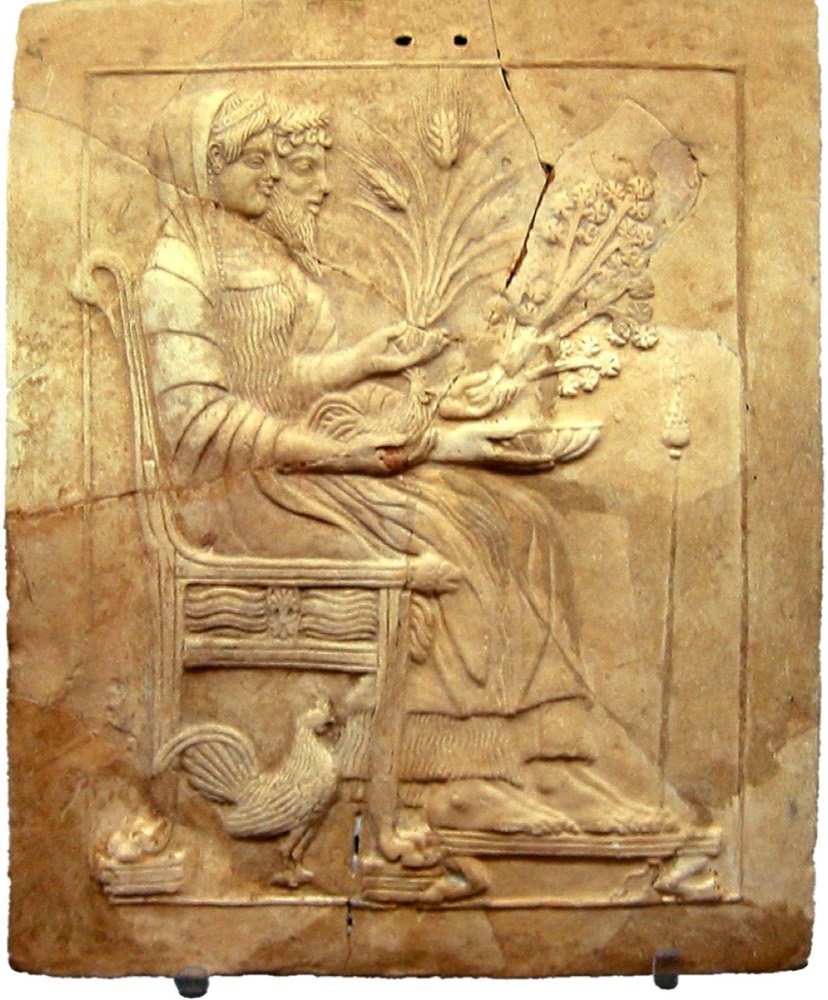
Hades
King of the underworld, brother of Zeus and Poseidon, who drew the realm of the dead by lot. Greeks avoided his name, calling him Plouton, the wealthy one.
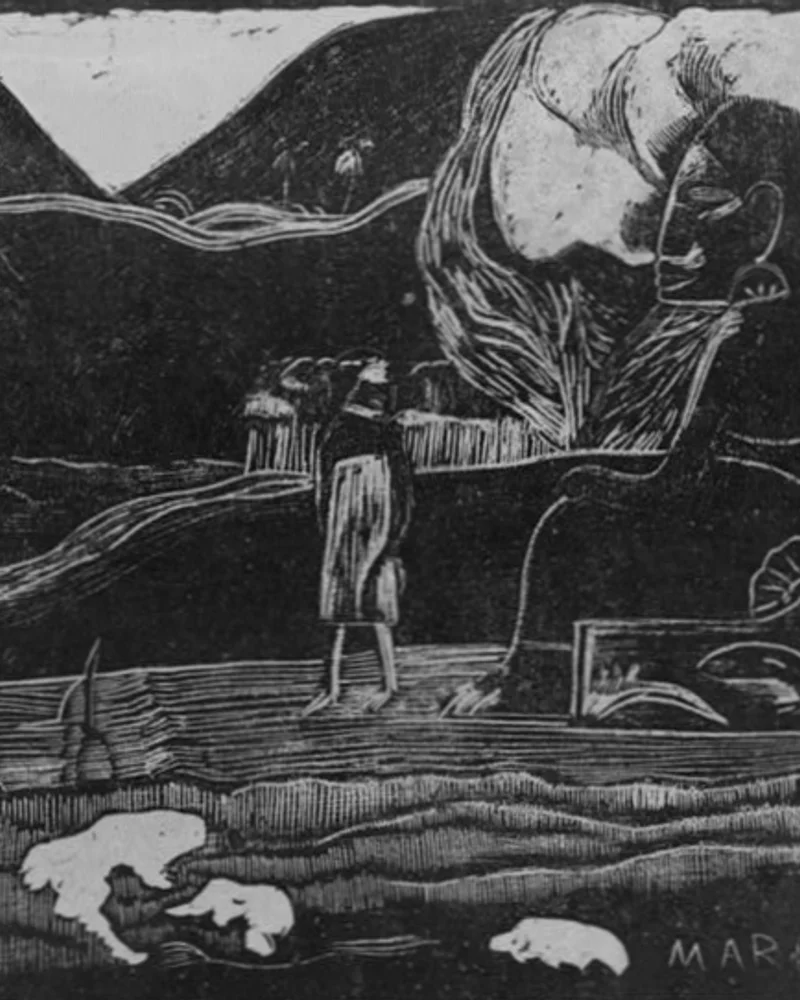
Hina
The goddess of the moon and women's arts, particularly the making of tapa cloth. Hina appears in many forms across Polynesia, sometimes as the mother of Maui, sometimes as a goddess who fled to the moon.
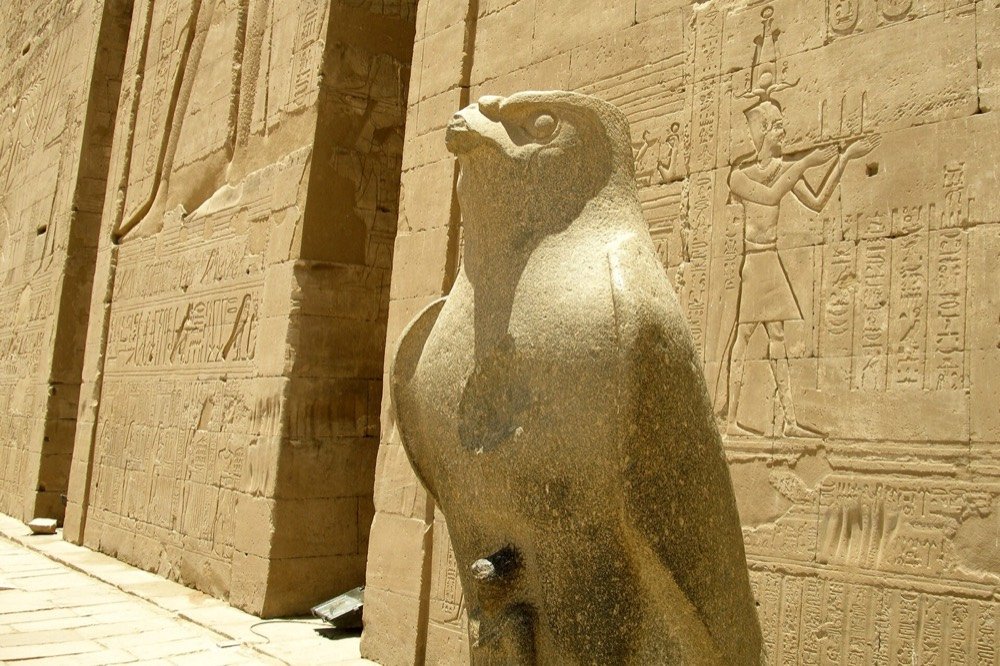
Horus
The falcon sky god whose eyes are the sun and moon. Posthumous son of Osiris, he contested the throne with Set for eighty years and won; every living pharaoh was his incarnation.
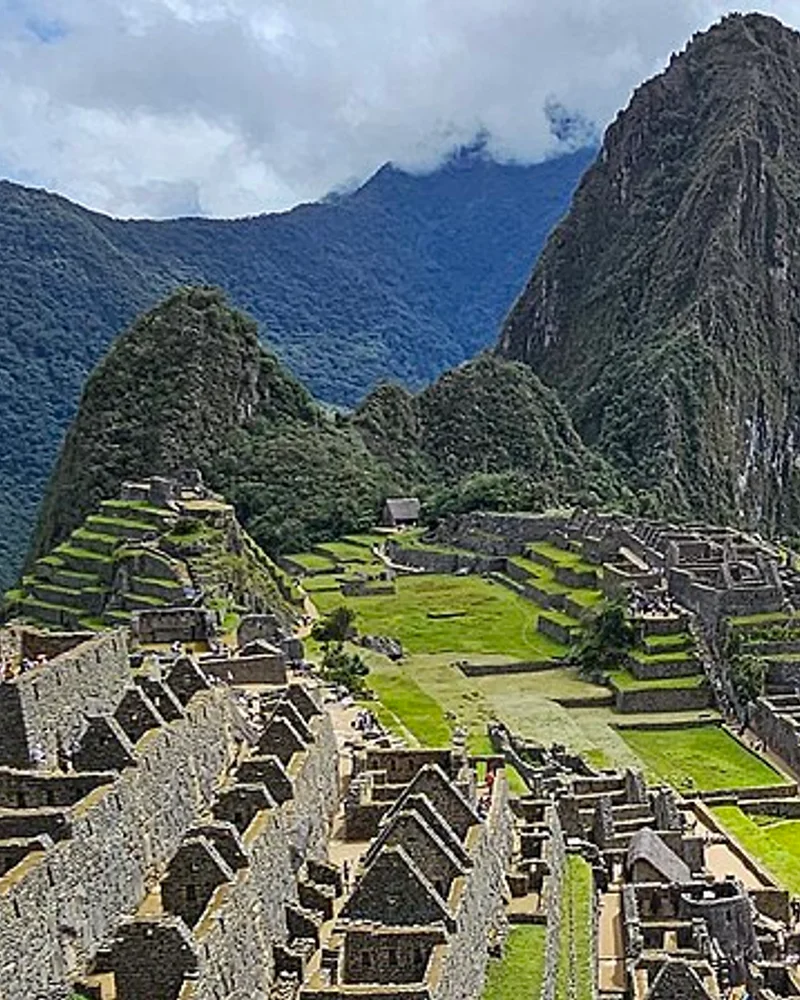
Mama Qucha
The Sea Mother, named by colonial writers alongside Pachamama as the mother of waters, especially important to coastal fishing peoples and connected in highland thought to the lakes and springs that fed the fields.

Mielikki
The mistress of the forest and wife of Tapio, who holds the keys to the forest's storehouse of game and whom hunters and herders, and Lemminkäinen in the Kalevala, entreat for luck and protection.
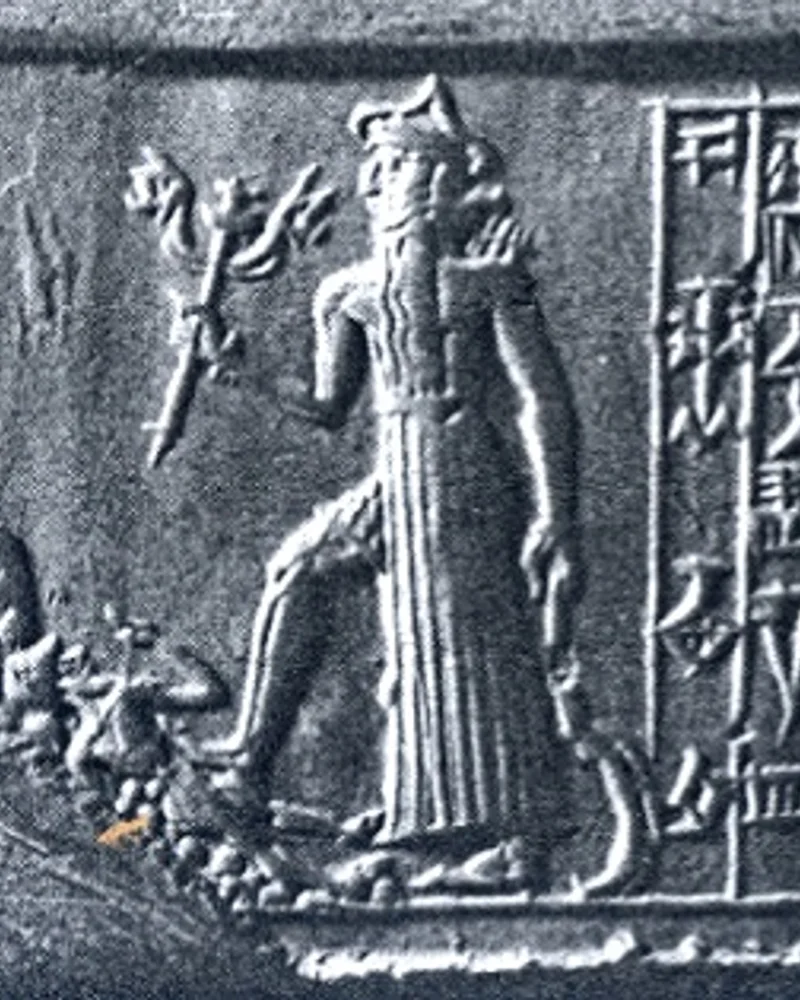
Nergal
God of war, plague, and the destructive aspects of the sun. Nergal embodies death in its violent forms and co-rules the underworld with his wife Ereshkigal.
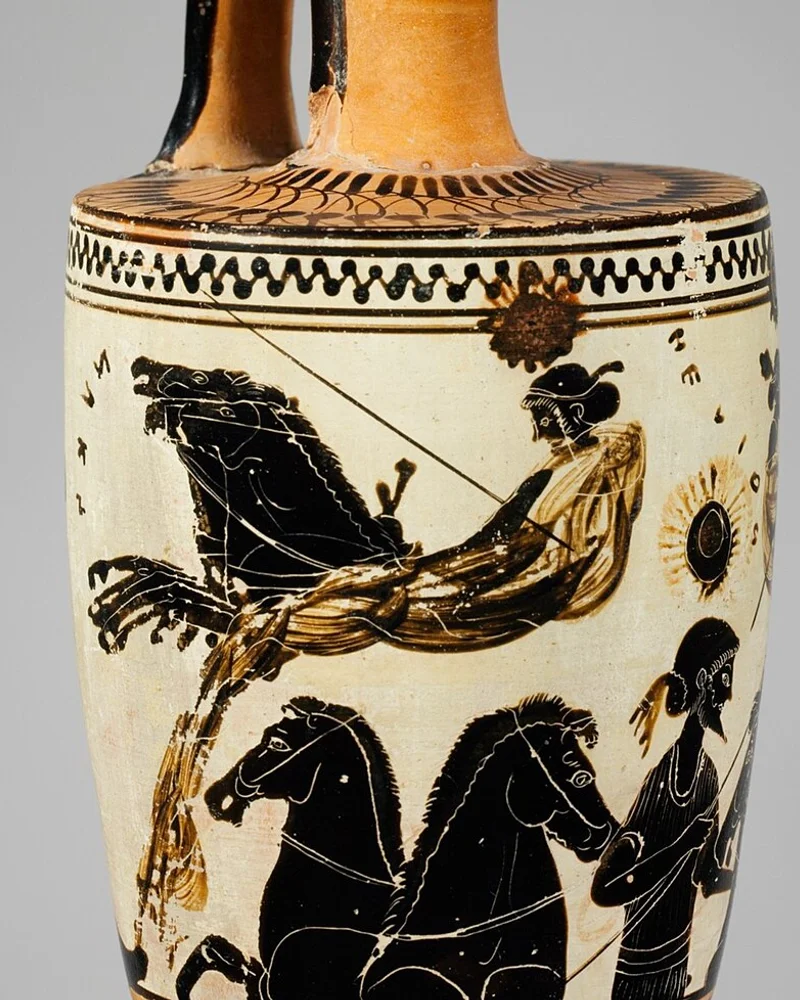
Nyx
Night, one of the first powers in Hesiod's account of creation: born from Chaos, she bears Day and Aether and, on her own, a long brood of forces that trouble mortals, among them Death, Sleep, Doom and Nemesis. Even Zeus, in the Iliad, hesitates to anger her.
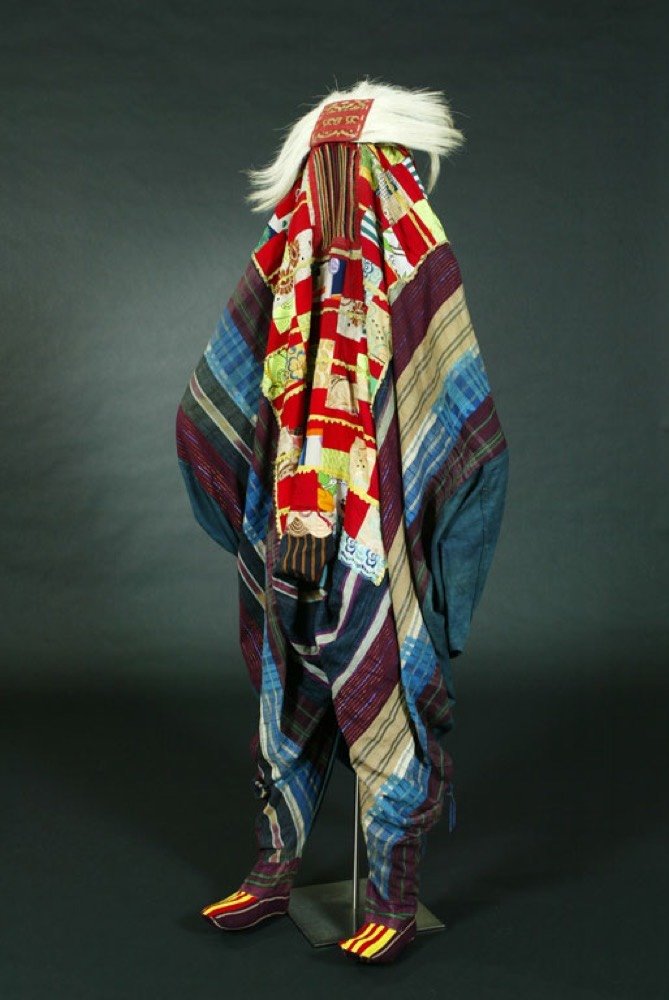
Oya
Orisha of gales, storms, and the Niger River — Odo Oya, 'Oya's river', in Yoruba; wife and comrade-in-arms of Shango. She takes the form of a buffalo, and her title Iyansan means 'mother of nine'.
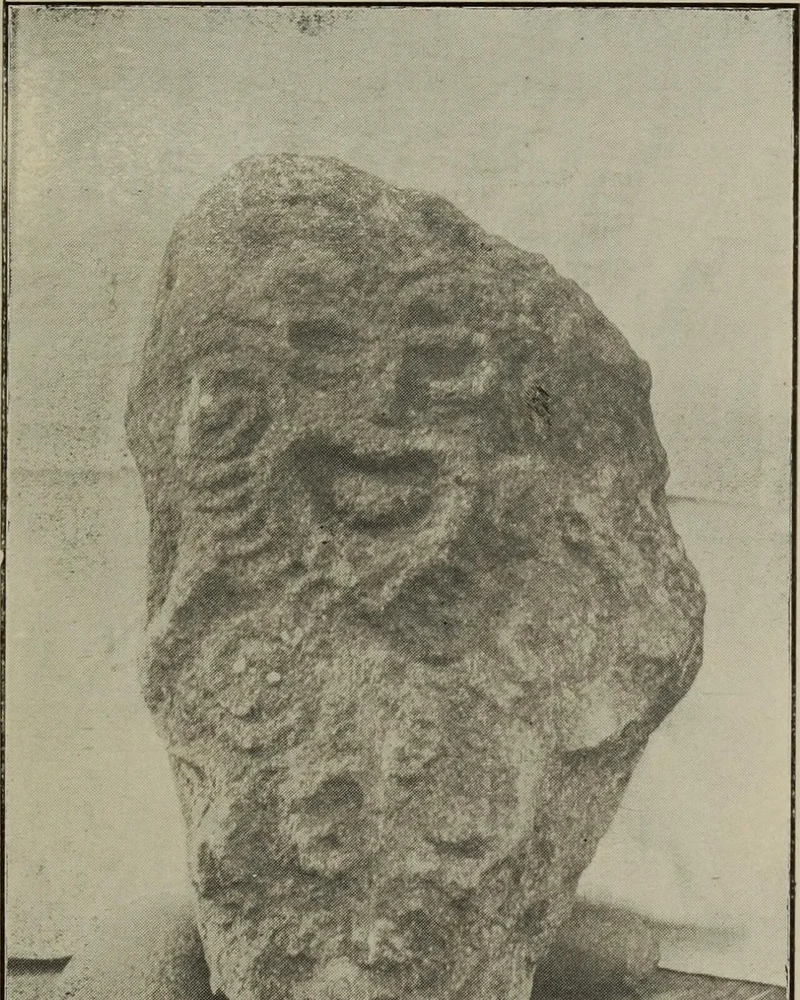
Rongo
The god of cultivated plants, peace, and agriculture. Rongo represents the peaceful arts of cultivation that sustain life, standing in contrast to his brother Tu's warlike nature.
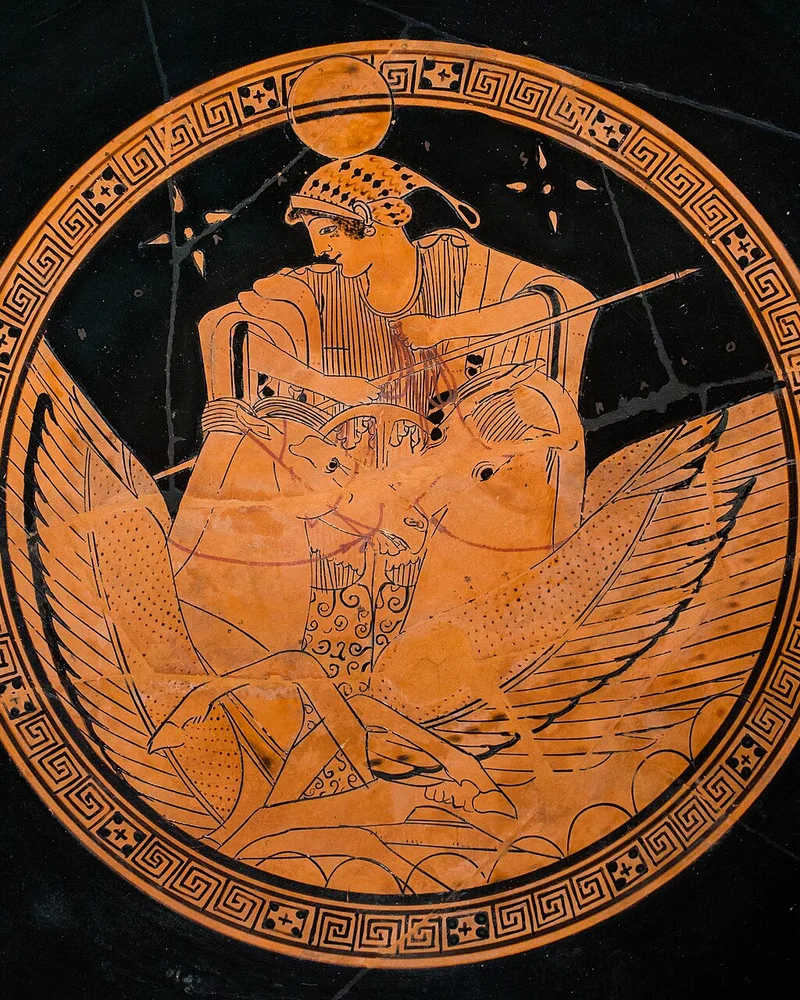
Selene
The Titan-born goddess of the moon, daughter of Hyperion and Theia and sister of Helios and Eos. She drives her team across the night sky, and poets tell of her love for the sleeping shepherd Endymion.
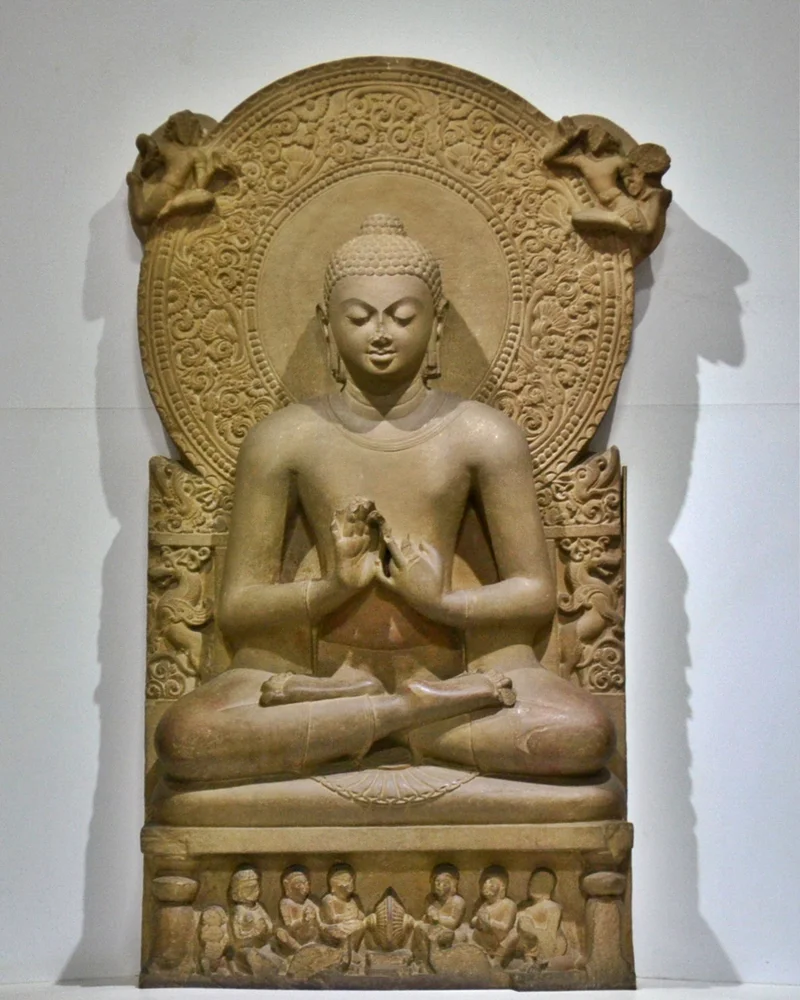
Seokga
The rival of Mireuk in the Korean shamanic Song of Creation, who wins rule of the world by stealing the flower that blossomed on Mireuk's knee while they slept, bringing about the imperfect present age.
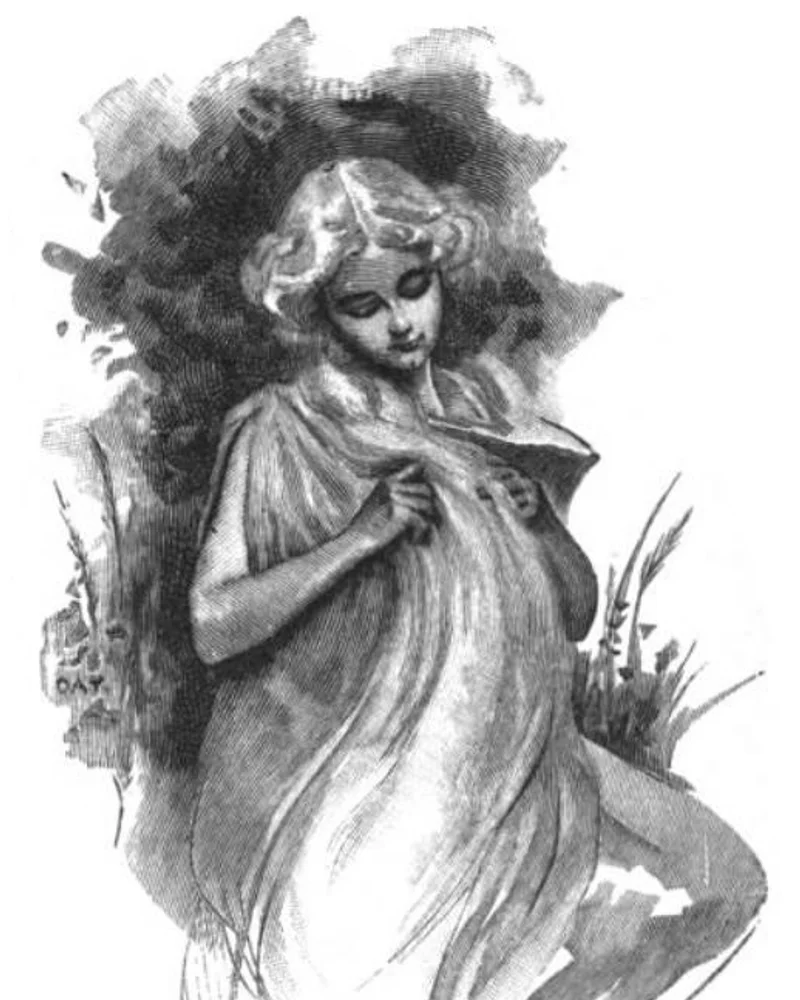
Sif
Wife of Thor and goddess associated with earth and harvest. Famous for her beautiful golden hair, which was once cut by Loki as a prank.
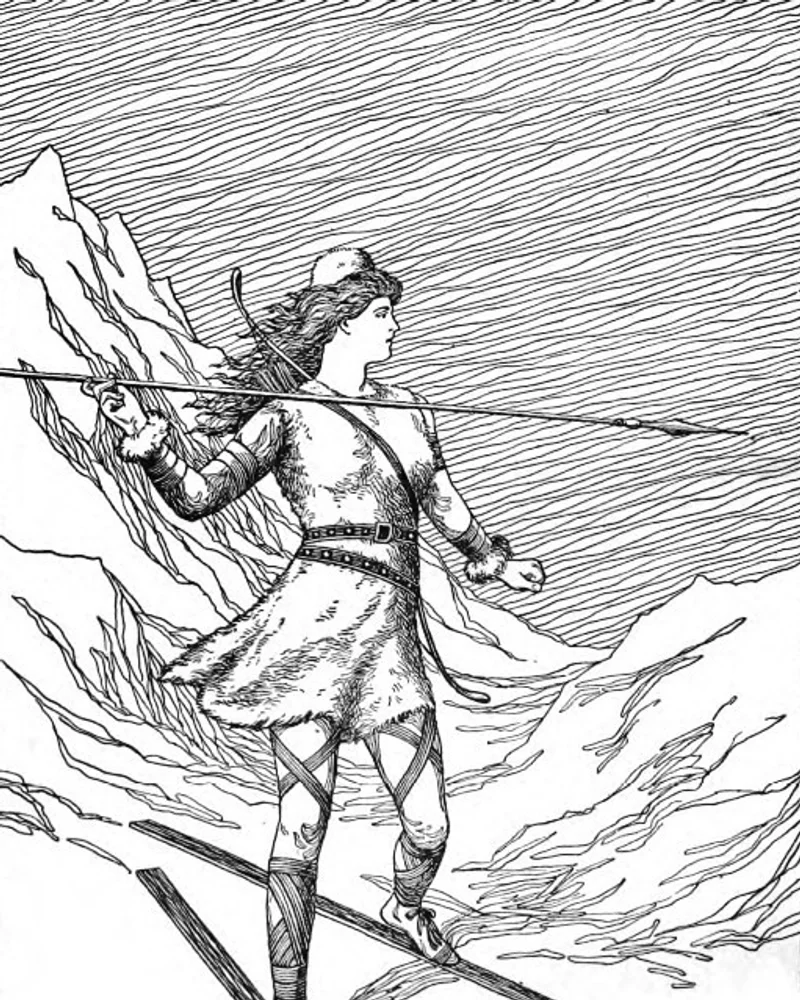
Skadi
A giantess who came armed to Asgard to avenge her father Thjazi and was offered a husband in compensation, choosing Njord by his feet alone. She is the huntress of the snowy mountains who travels on snowshoes with her bow.
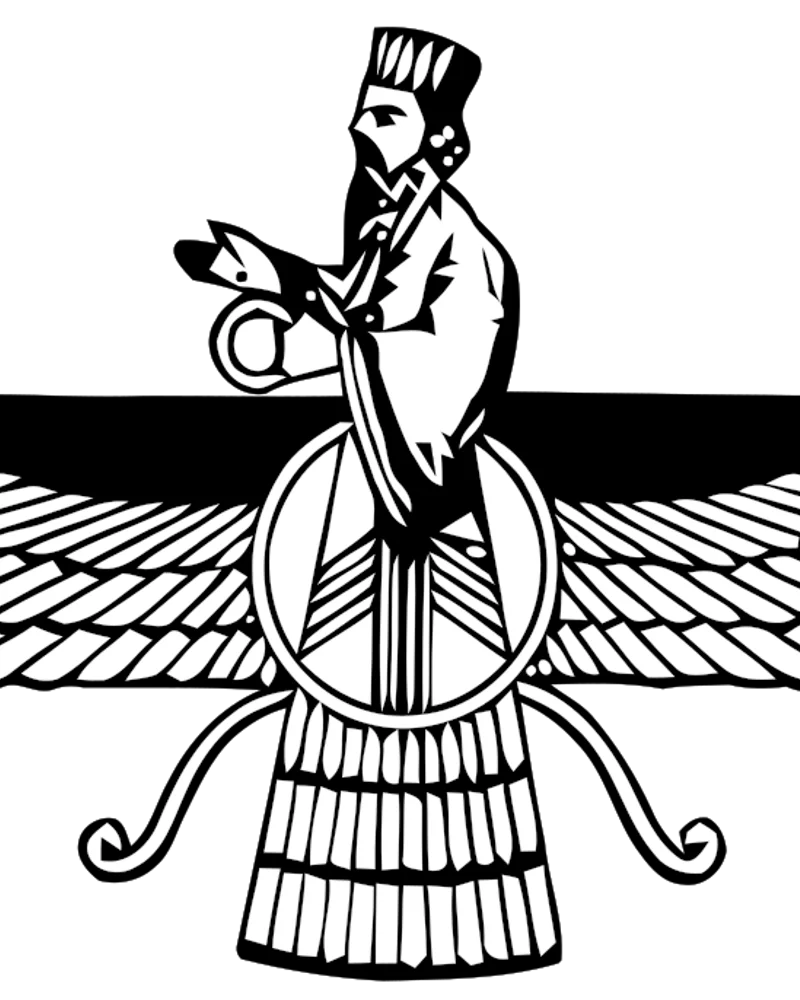
Spenta Armaiti
One of the Amesha Spentas, the Beneficent Immortals: devotion personified, called Ahura Mazda's daughter in the Gathas, and in later tradition the guardian of the earth, whom Yima asks to stretch wider to hold the growing world.
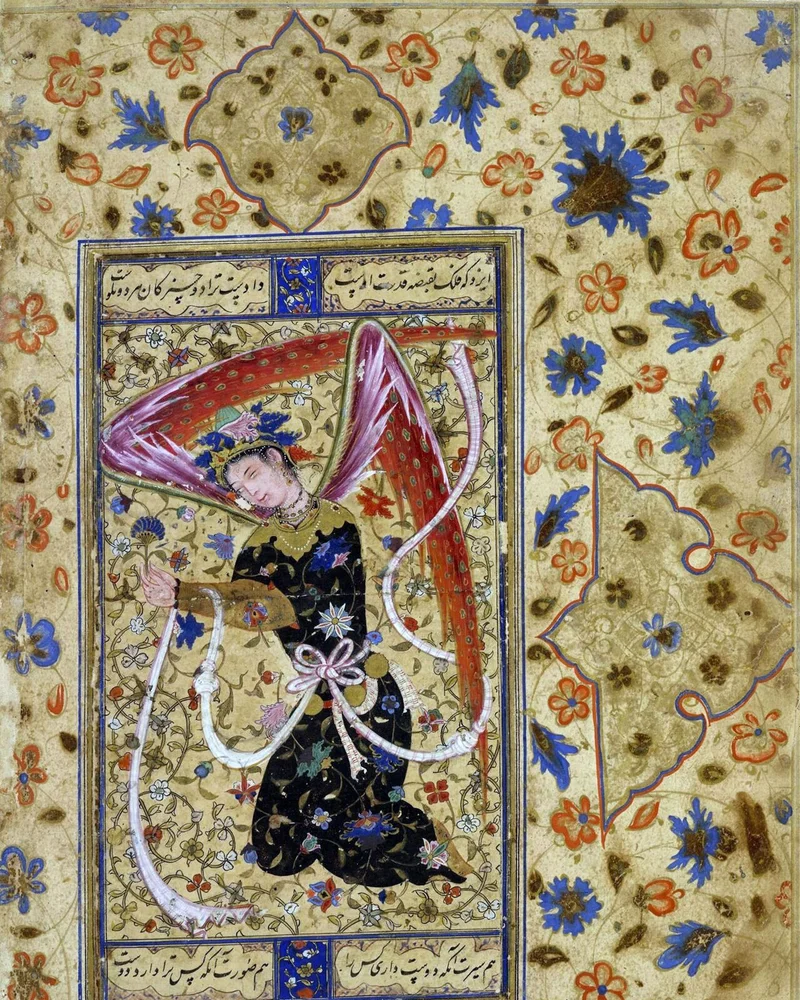
Sraosha
The yazata of 'hearkening' to the divine word, who guards the world by night against the demons, protects the soul for three nights after death, and judges it at the Chinvat Bridge with Mithra and Rashnu; in the Shahnameh, as Sorush, a heavenly messenger.
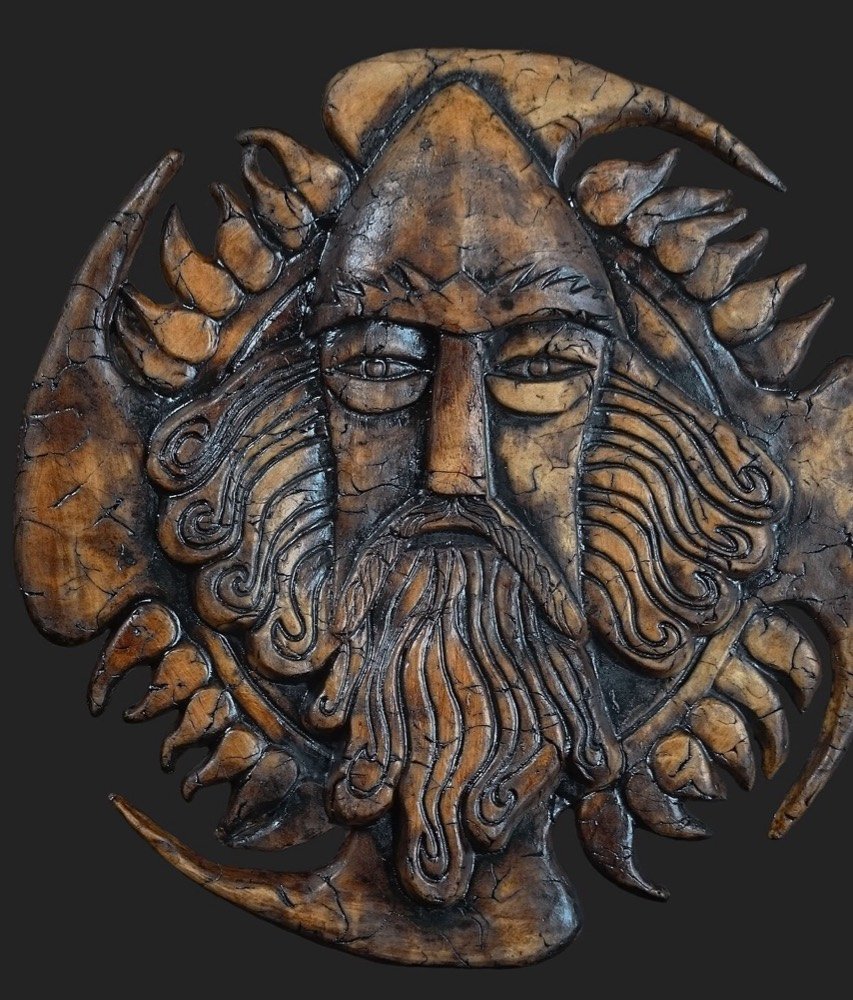
Svarog
A chronicle gloss renders Hephaestus as Svarog and makes the sun god Dazhbog his son; "Svarozhich" named the sacred fire itself.
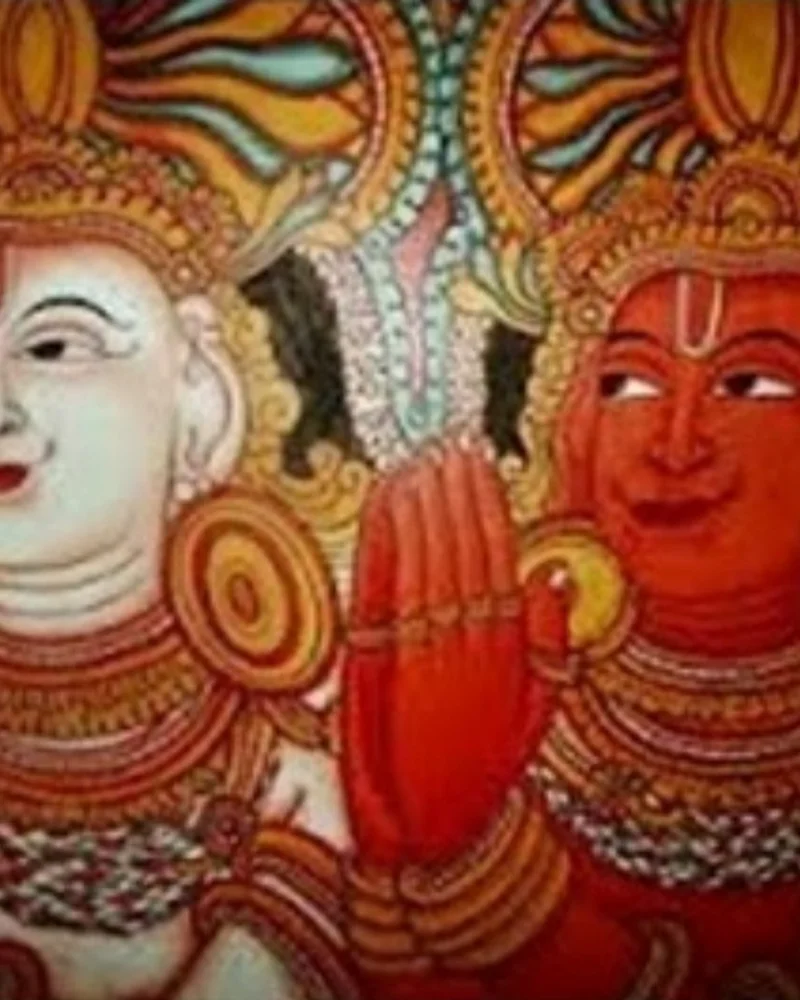
The Ashvins
The divine twin horsemen of the Rigveda, physicians of the gods who arrive in their chariot at dawn to heal the sick, rescue the shipwrecked, and restore youth to the old. More than fifty Rigvedic hymns are addressed to them.
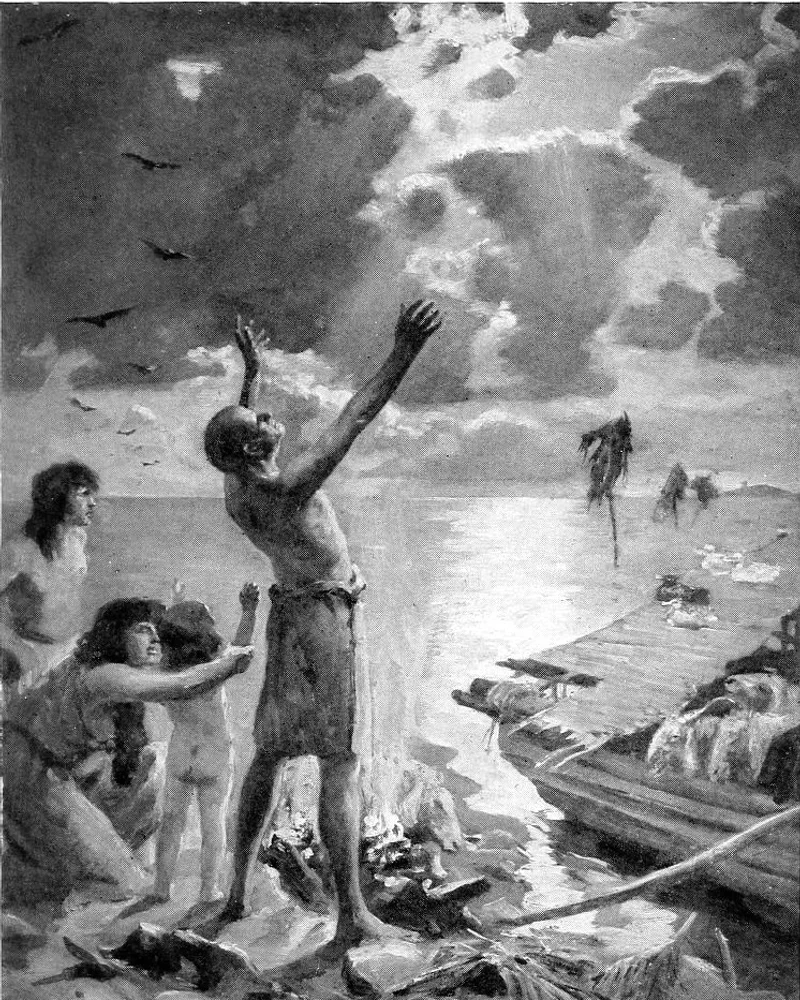
Utnapishtim
A mortal king of Shuruppak, not a god, who survived the great Mesopotamian flood by building a boat on the god Ea's secret warning. Utnapishtim and his wife were granted immortality as a singular, unrepeatable exception, and Gilgamesh's failed quest to learn this secret from him forms the climax of the Epic of Gilgamesh.
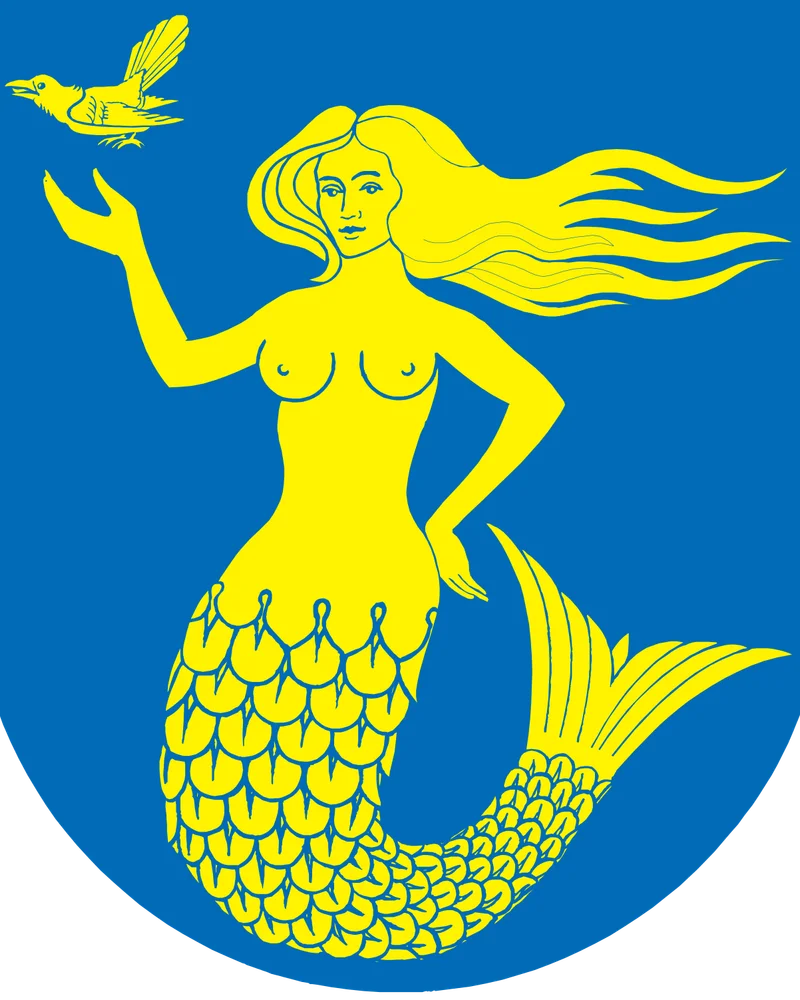
Vellamo
The mistress of the waters and wife of Ahti in Finnish runo-song, whose water-maidens appear in the Kalevala and who was asked for good fishing and calm seas.
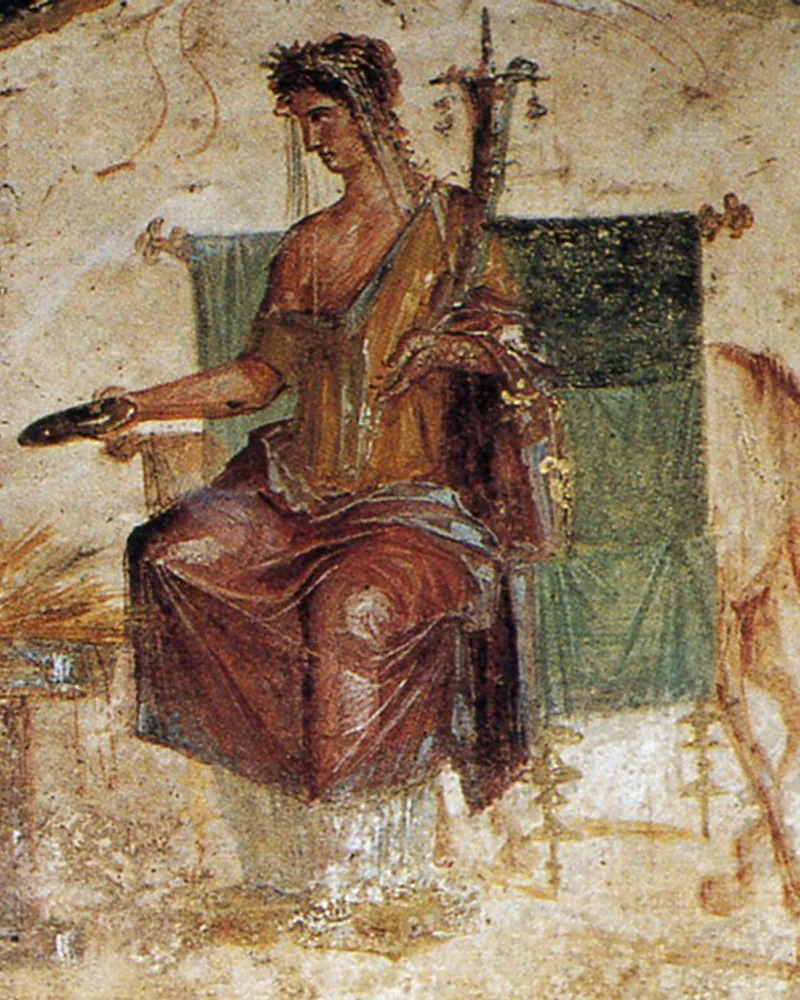
Vesta
Goddess of the hearth, home, and family. Her sacred fire in the Forum Romanum symbolized Rome's eternal life. Served by the Vestal Virgins, priestesses who tended her sacred flame.
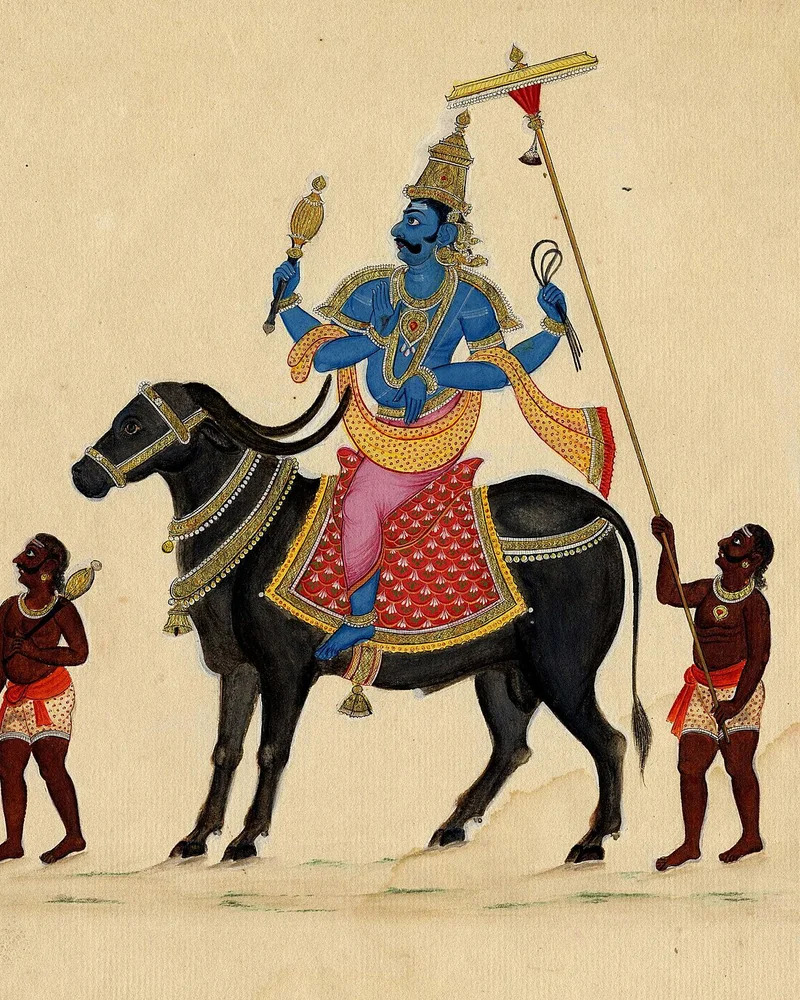
Yama
God of death and, in later tradition, the formal judge of the dead. The Rigveda names Yama as the first mortal to die, who found the path to the afterlife that all who follow him must travel; later texts make him ruler of Yamaloka and keeper of cosmic and moral order.
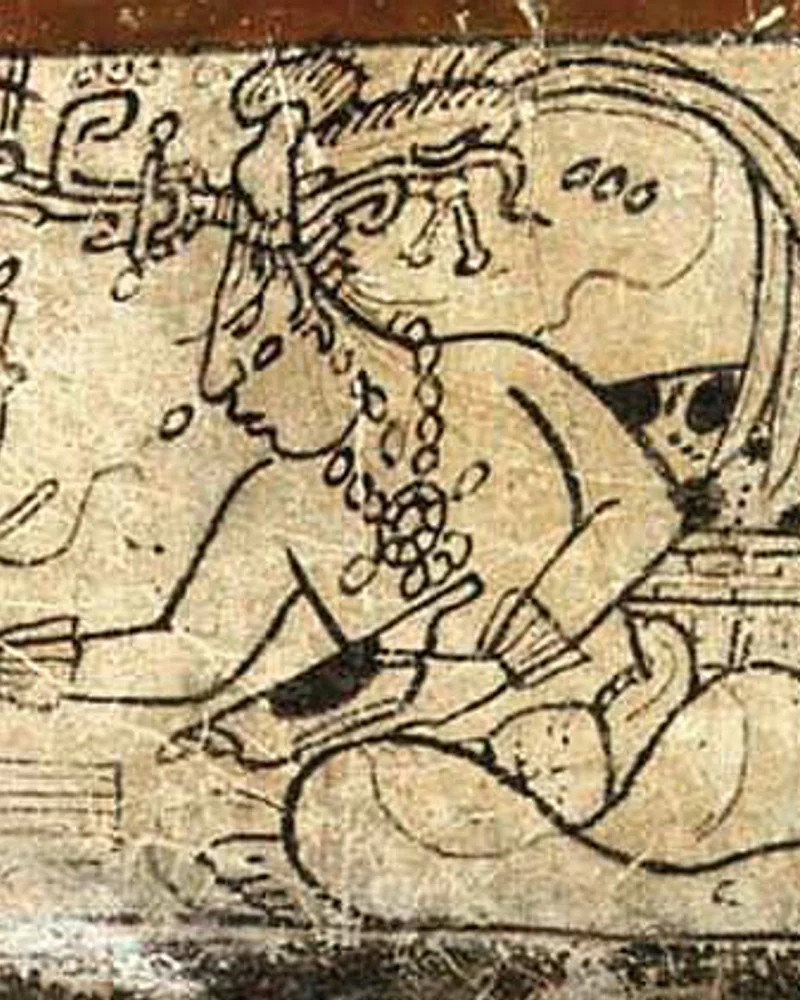
Yum Kaax
The youthful Maya god of maize, agriculture, and wild nature. Yum Kaax represents the life-sustaining bounty of cultivated fields and untamed forests.

Aganju
The Orisha of volcanoes, wilderness, and the untamed earth. Aganju represents the raw, primal power of the natural world.
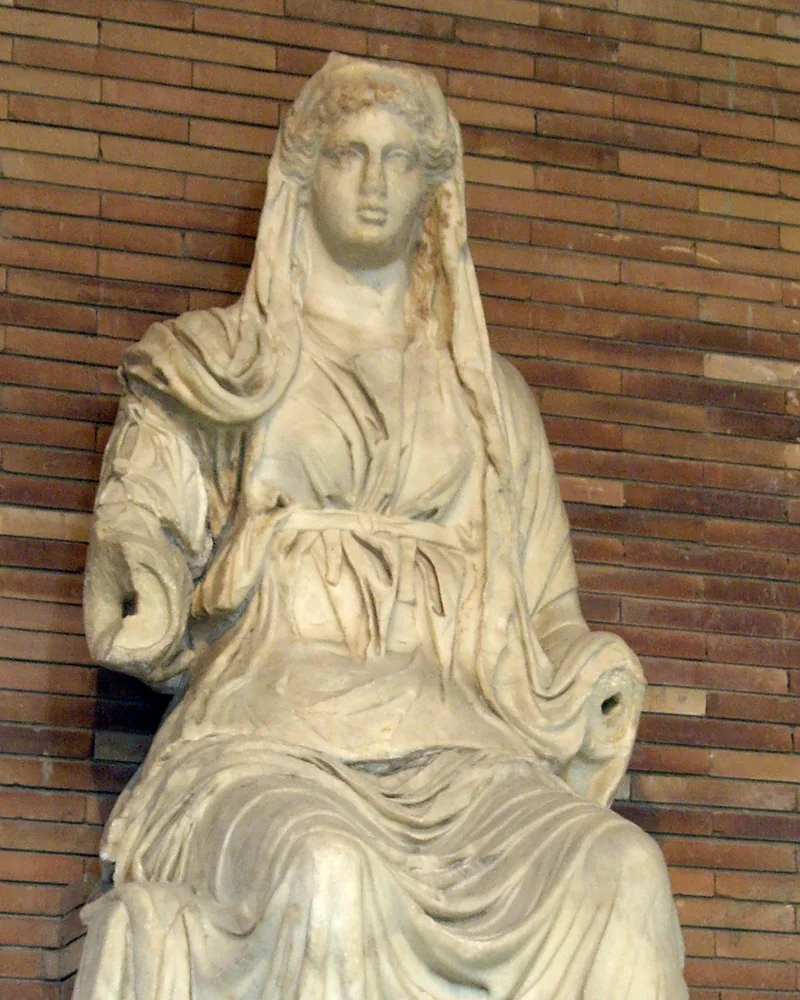
Ceres
Goddess of agriculture, grain crops, fertility, and motherhood. Her cult was central to Roman plebeian identity. Mother of Proserpina (Persephone). Roman equivalent of Demeter.
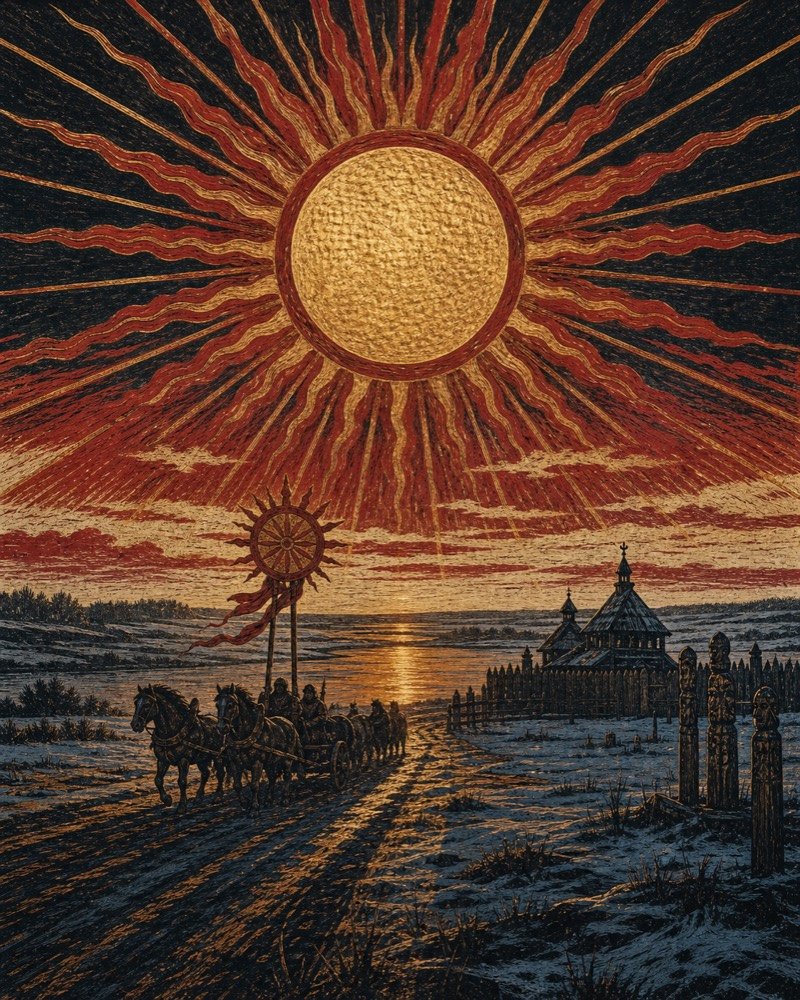
Dazhbog
One of the few Rus gods attested in medieval writing: Prince Vladimir raised his idol at Kyiv, while a Slavonic chronicle identified him with the sun-god Helios.
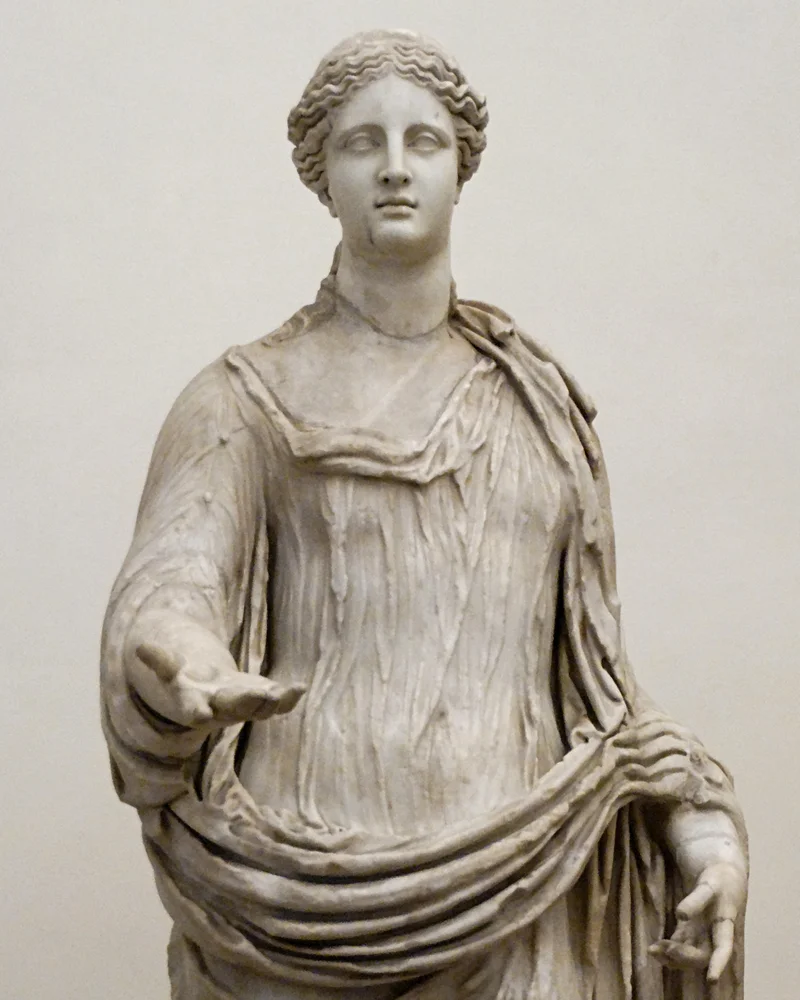
Demeter
Goddess of agriculture, harvest, and fertility. Mother of Persephone, whose abduction by Hades explains the seasons.
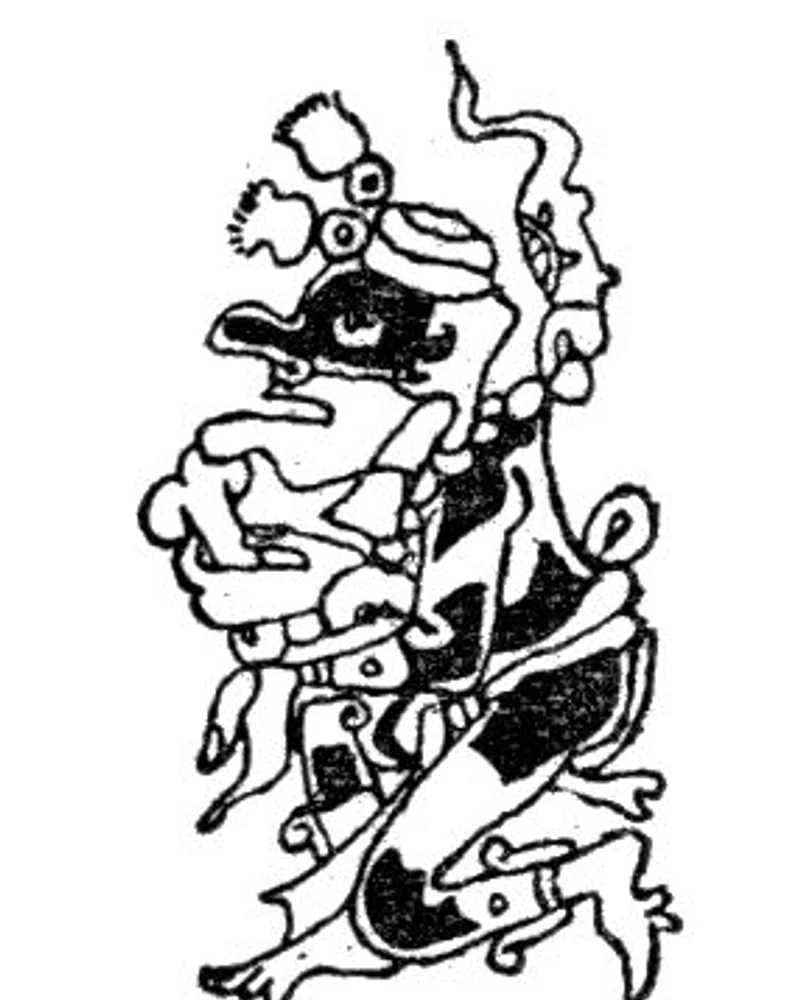
Ek Chuaj
The black-faced Maya god of merchants, cacao, and traveling traders. Ek Chuaj protects those who journey along trade routes and blesses the cultivation of sacred cacao.
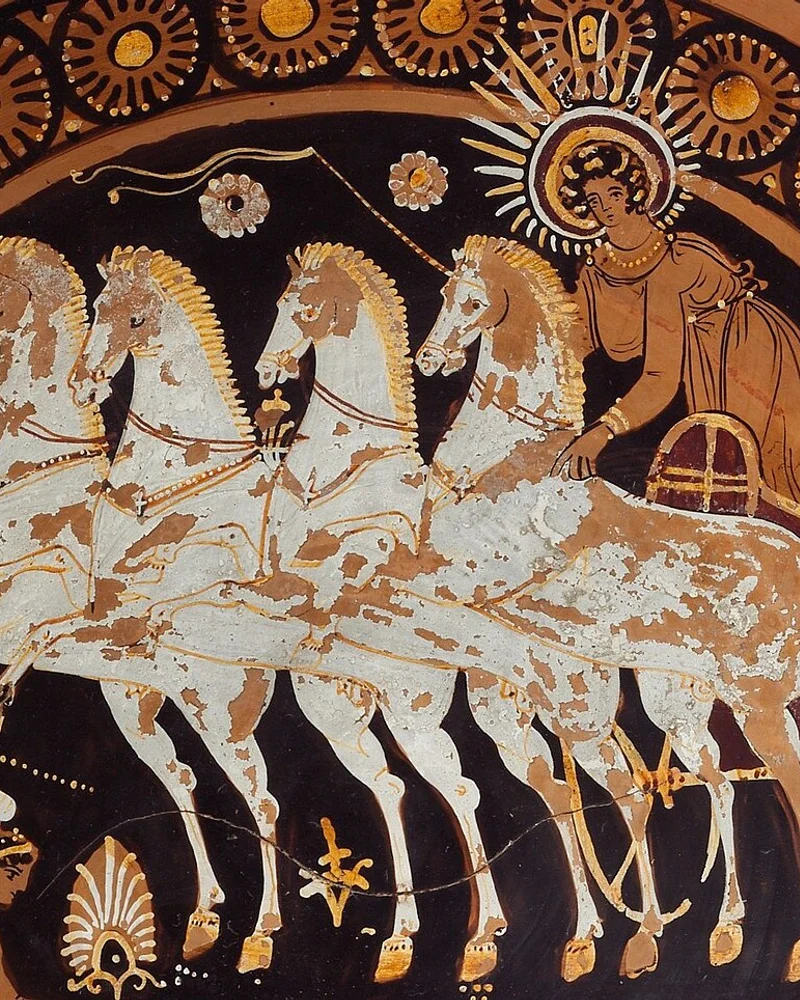
Eos
The goddess of dawn, sister of Helios and Selene, who rises each morning from the bed of her mortal consort Tithonus to bring light to gods and men. Homer's formula 'rosy-fingered Dawn' marks the start of countless days in the Iliad and Odyssey.
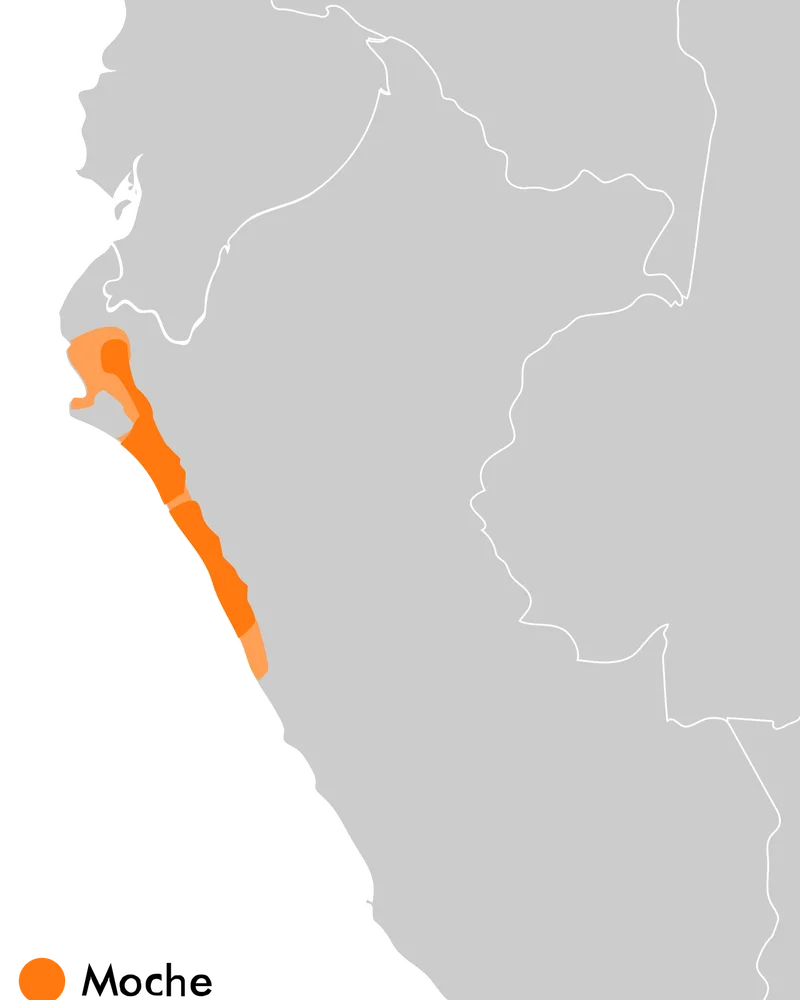
Huallallo Carhuincho
The fearsome earlier god of the Huarochirí stories, who ruled a hot lowland world and demanded one of every two children as food, until Pariacaca's storms drove him east into the Antis lowlands.
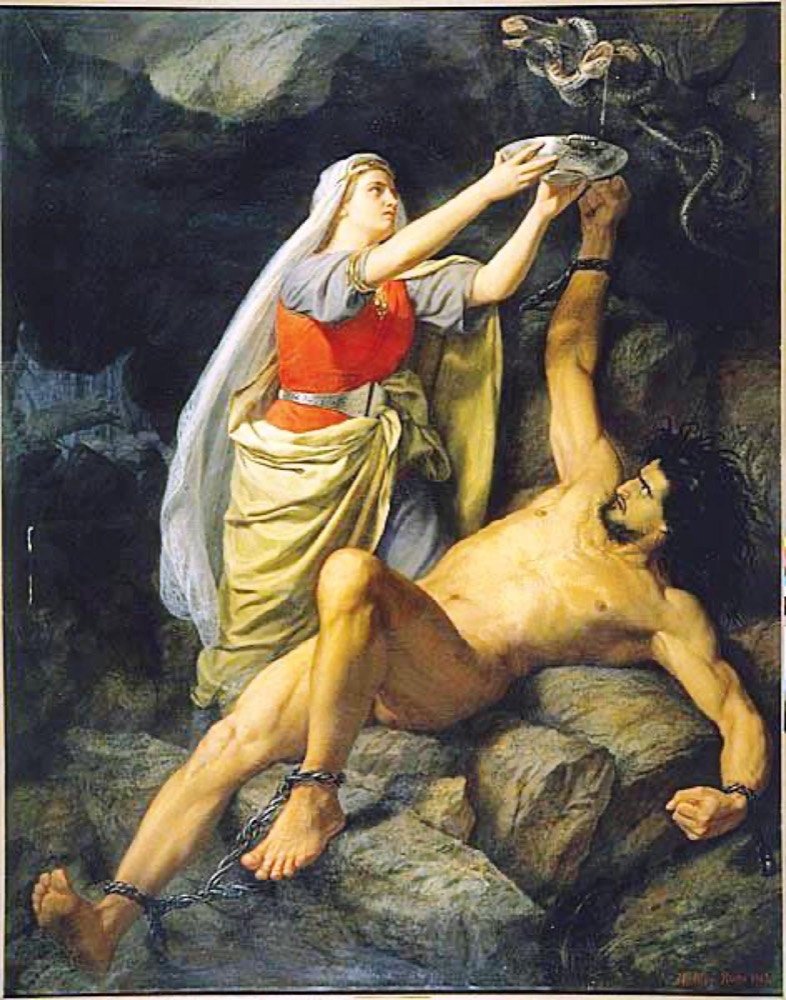
Loki
Giant-born blood brother of Odin, a shapeshifting schemer who both aids and betrays the gods, engineers Baldr's death, and lies bound beneath a venomous serpent until Ragnarok.
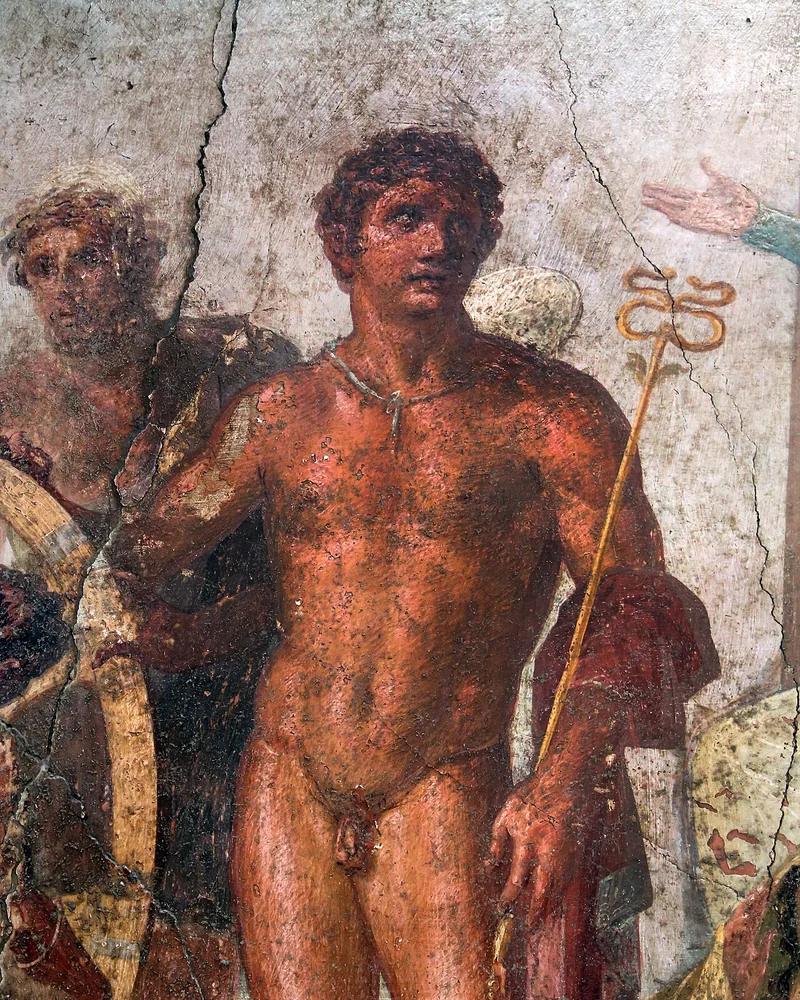
Mercury
Messenger of the gods and god of commerce, eloquence, messages, travelers, boundaries, luck, and thieves. Guide of souls to the underworld. Roman equivalent of Hermes.
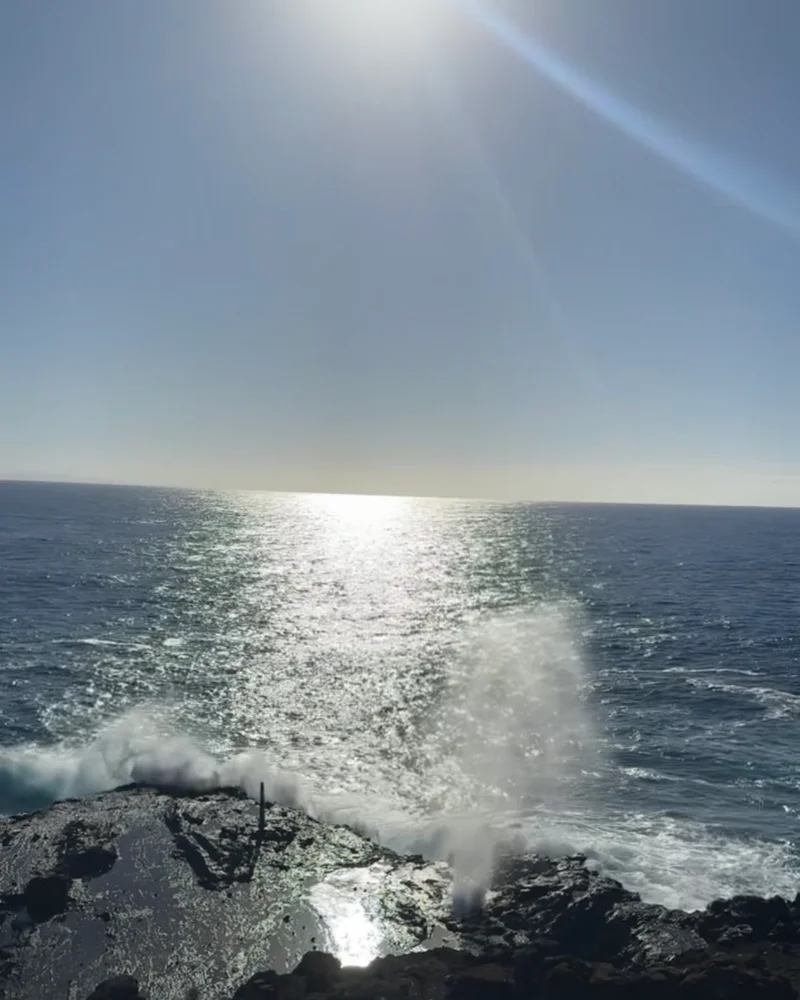
Namaka
The Hawaiian goddess of the sea and elder sister of Pele. Namaka's eternal conflict with her volcanic sister shaped the Hawaiian islands, as sea and fire battle for dominance.
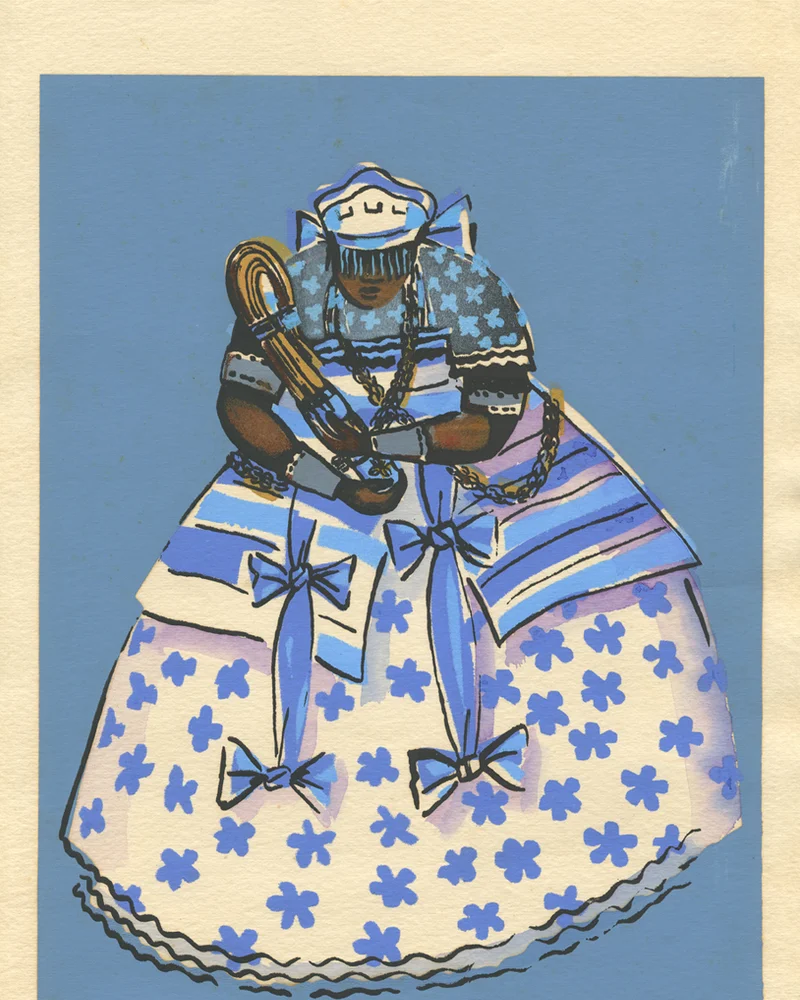
Nana Buruku
The ancient grandmother Orisha of swamps and primordial mud. Nana Buruku is older than even Olodumare in some traditions.
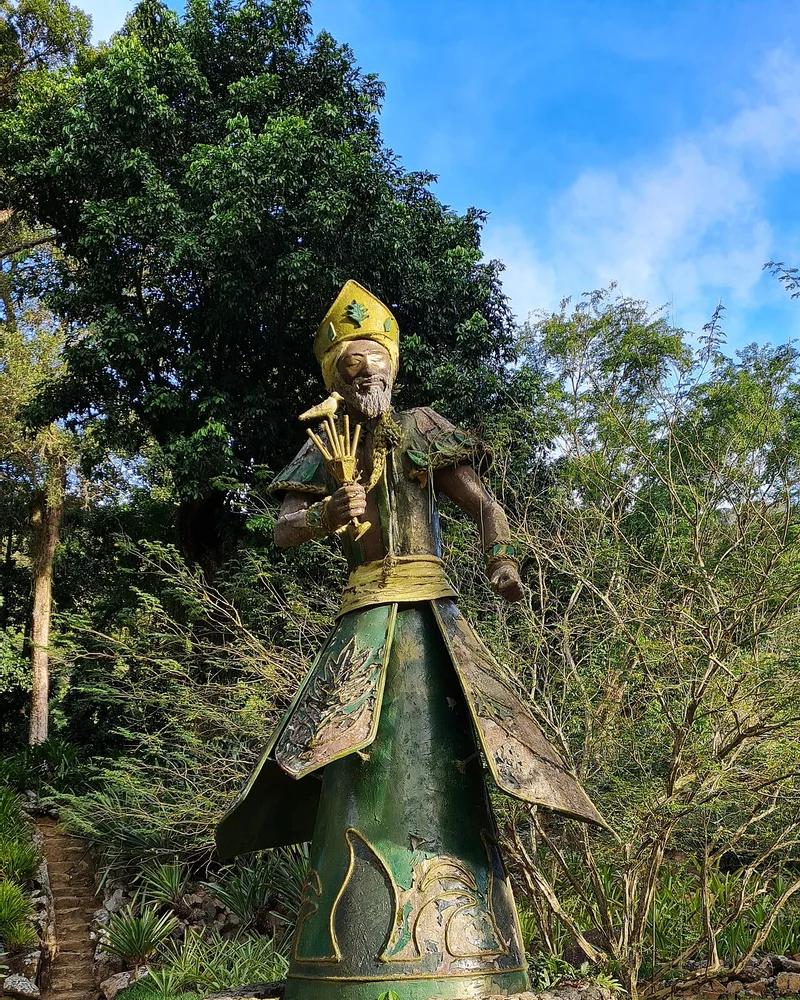
Osanyin
The Orisha of herbs, healing, and the forest. Osanyin knows the secret properties of all plants and is essential to all Orisha worship.
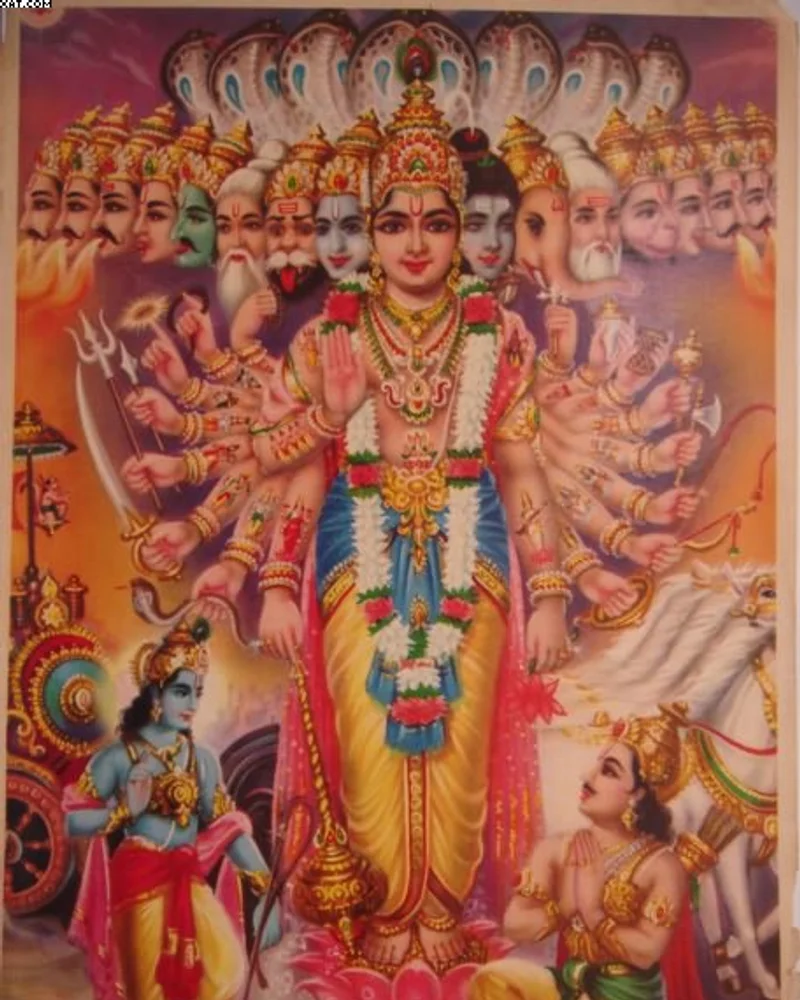
Purusha
The primordial cosmic being of Rigveda 10.90, the Purusha Sukta, whom the gods sacrificed so that the world could be made from his body: the sun from his eye, the moon from his mind, the sky from his head, the earth from his feet, and the four social classes from his mouth, arms, thighs, and feet.
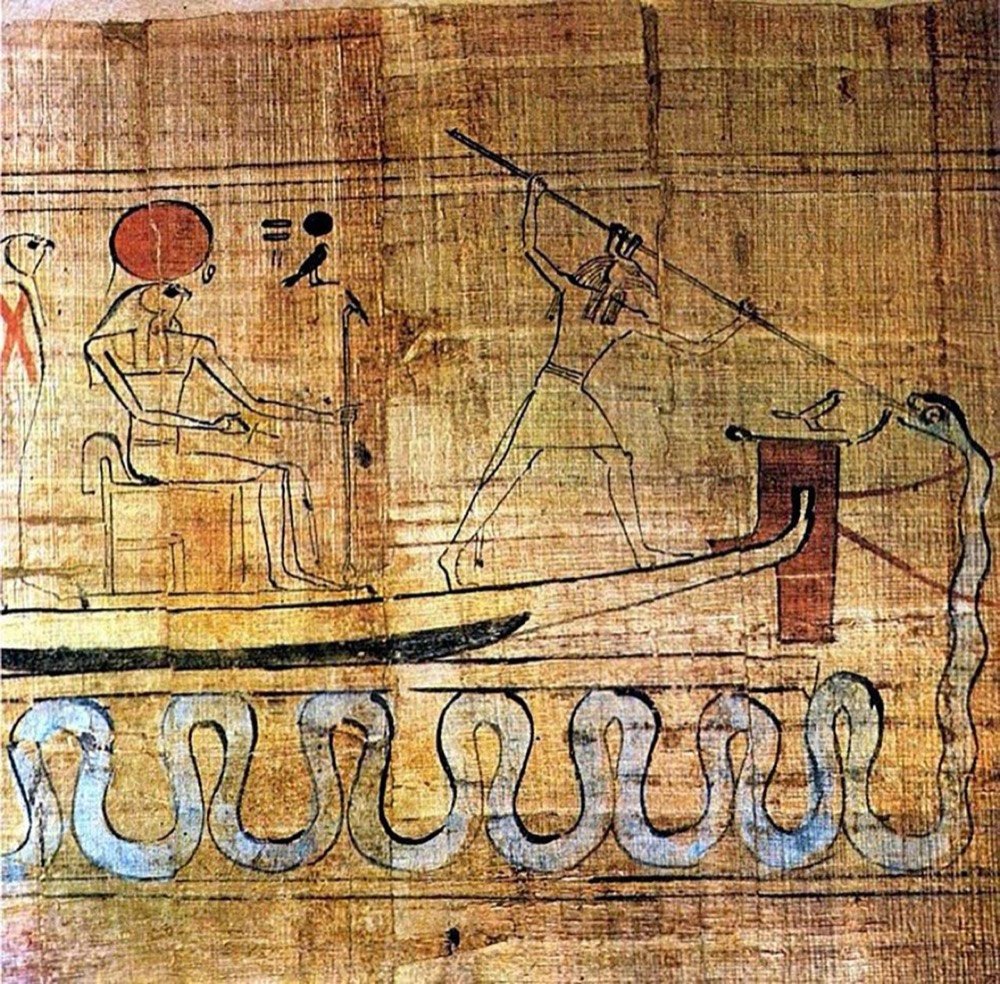
Set
The storm god who murdered his brother Osiris, shown with a curve-snouted, square-eared head matching no real animal; both a breaker of order and the nightly defender who spears Apep from the solar barque.
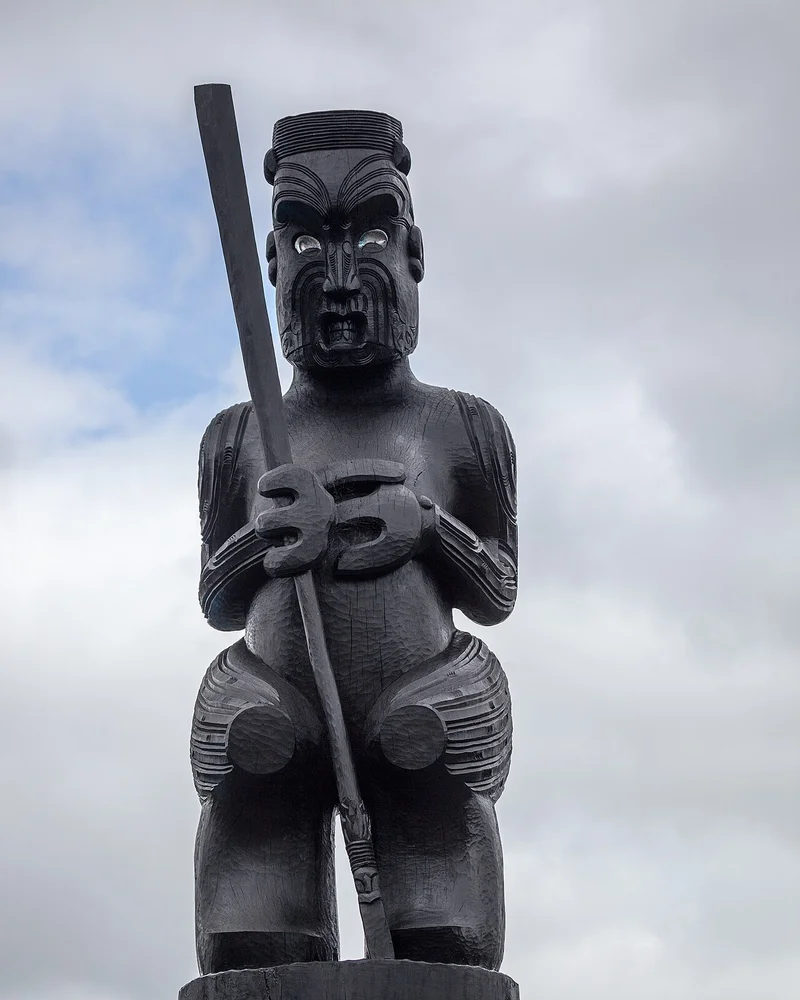
Tawhirimatea
The Maori god of weather, winds, and storms. Tawhirimatea was the only one of Rangi and Papa's children to oppose their separation, and he still attacks his brothers with storms in revenge.
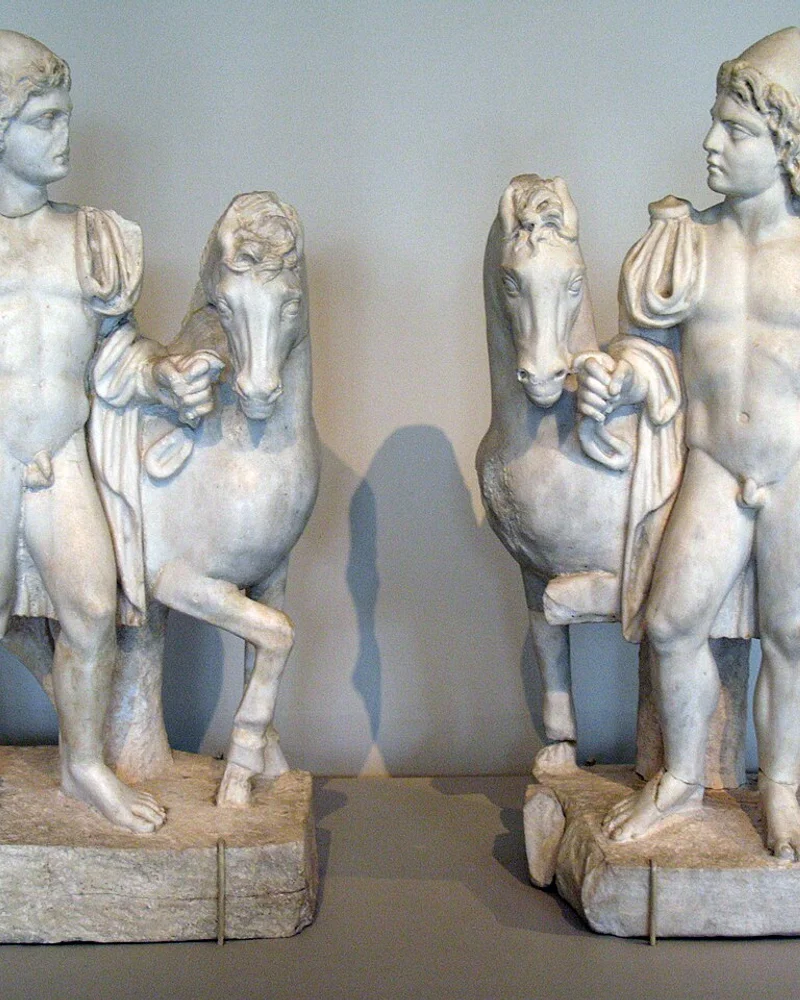
The Dioscuri (Castor and Polydeuces)
The divine twins Castor, tamer of horses, and Polydeuces (Pollux), the boxer, sons of Leda and brothers of Helen. Sailors prayed to them in storms, and after Castor's death the brothers were said to share immortality, alternating days between Olympus and the world below.
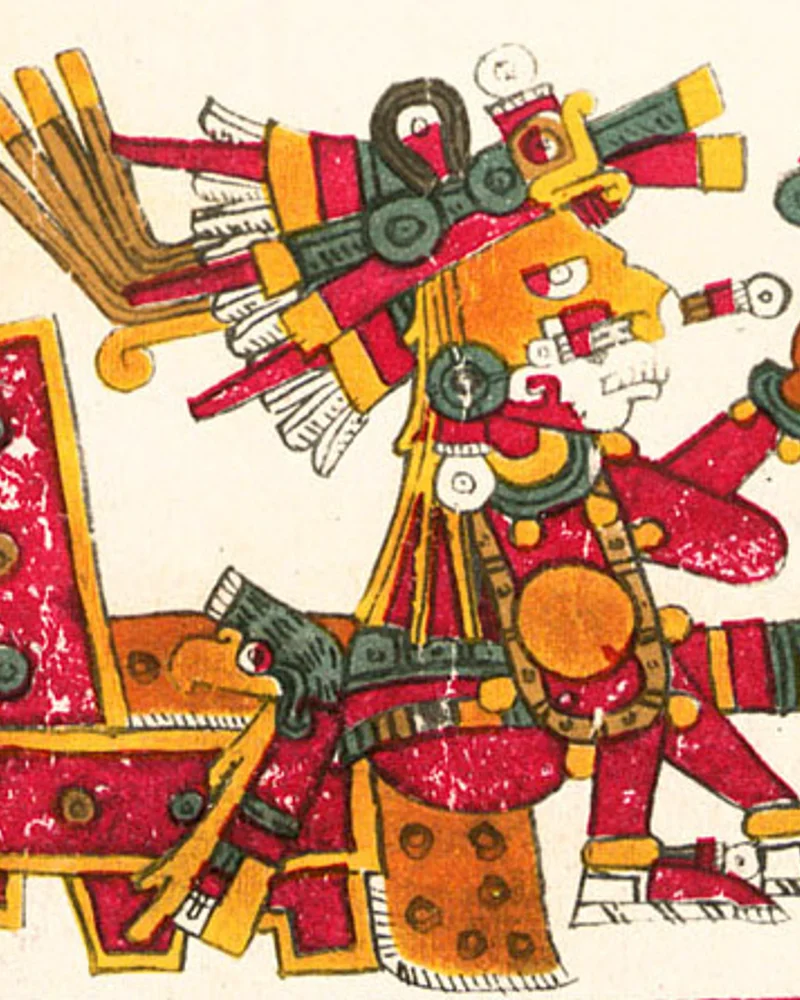
Xochipilli
The Aztec prince of flowers, art, and pleasure. Xochipilli presides over creativity, games, beauty, and ecstatic states, representing life's joyful aspects.
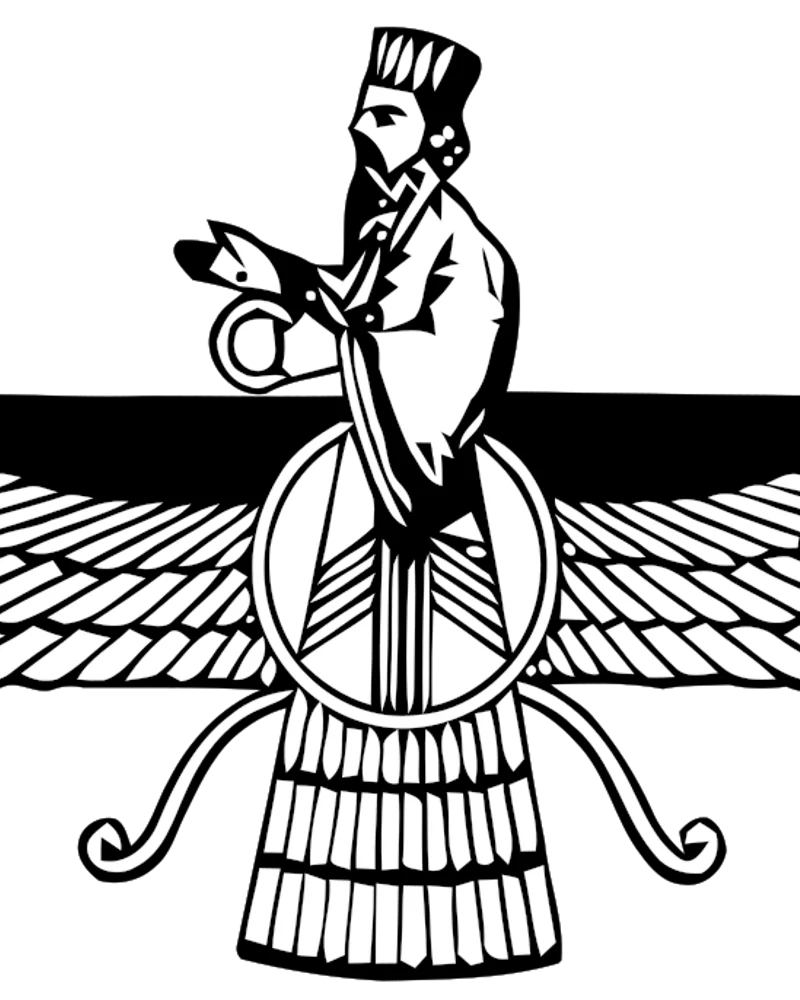
Zurvan
Infinite Time, whom a Sasanian-era current of Zoroastrian thought made the father of both Ohrmazd and Ahriman, born as twins from his sacrifice and his doubt; known mainly from hostile Christian and Armenian writers, and rejected by later orthodoxy.
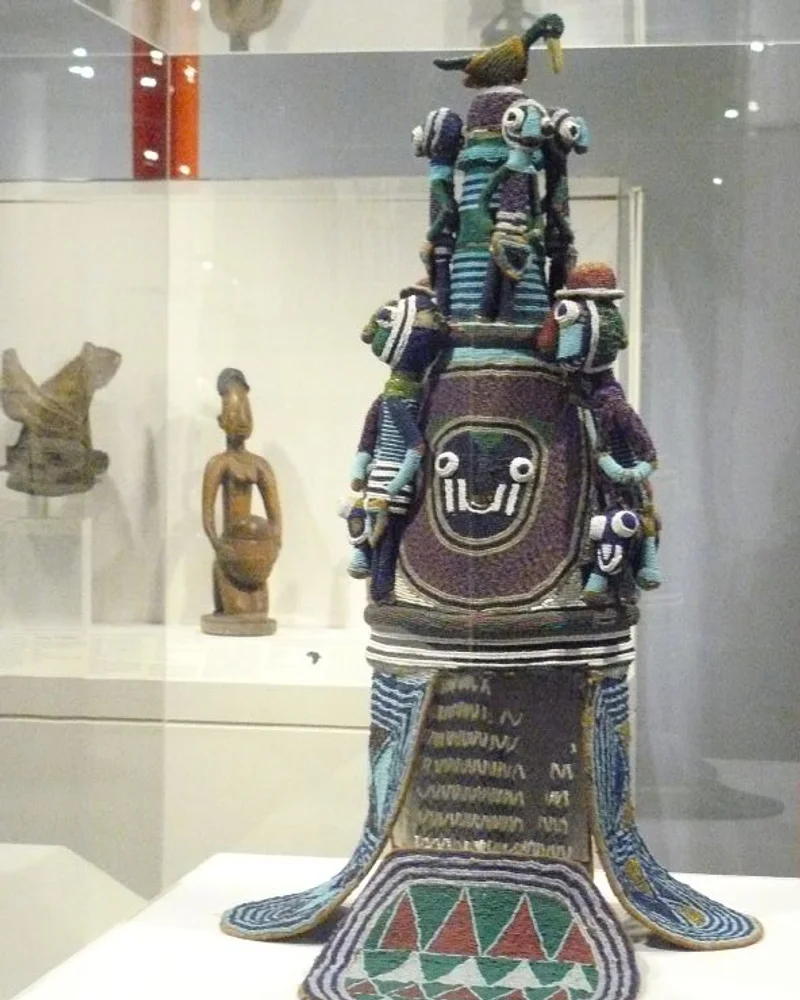
Aje
The Orisha of prosperity and material wealth. Aje blesses commerce and brings financial abundance to her devotees.
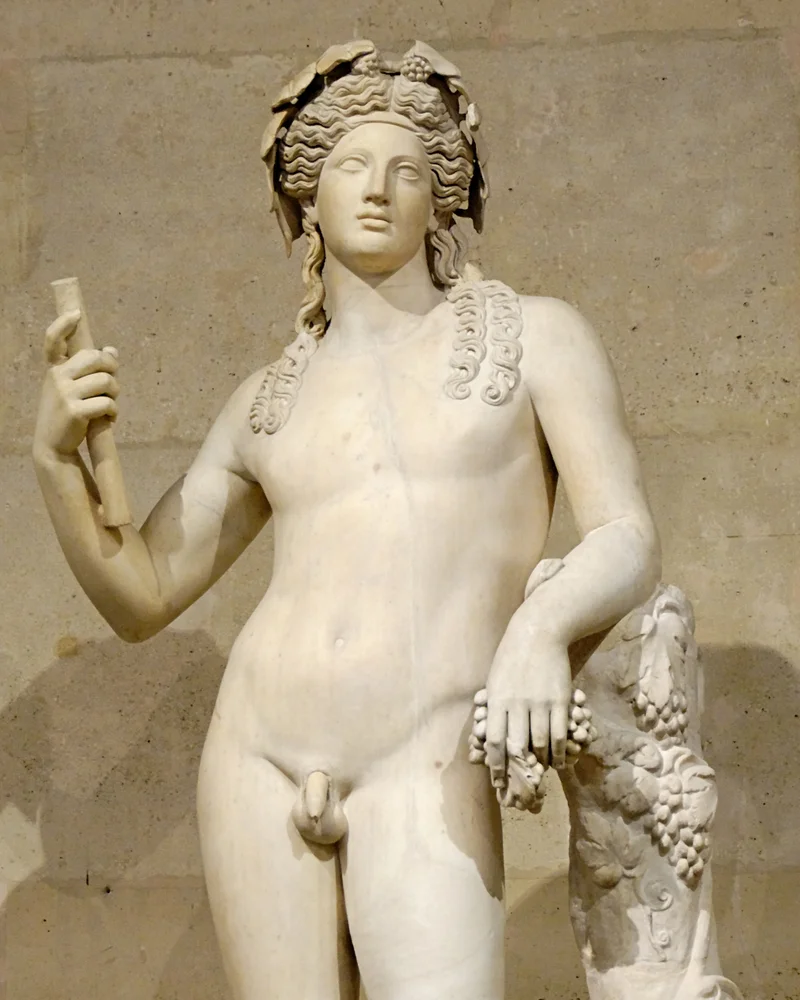
Bacchus
God of wine, festivity, fertility, and ritual madness. His cult included the Bacchanalia festivals. Roman equivalent of Dionysus, also identified with the Italian god Liber.
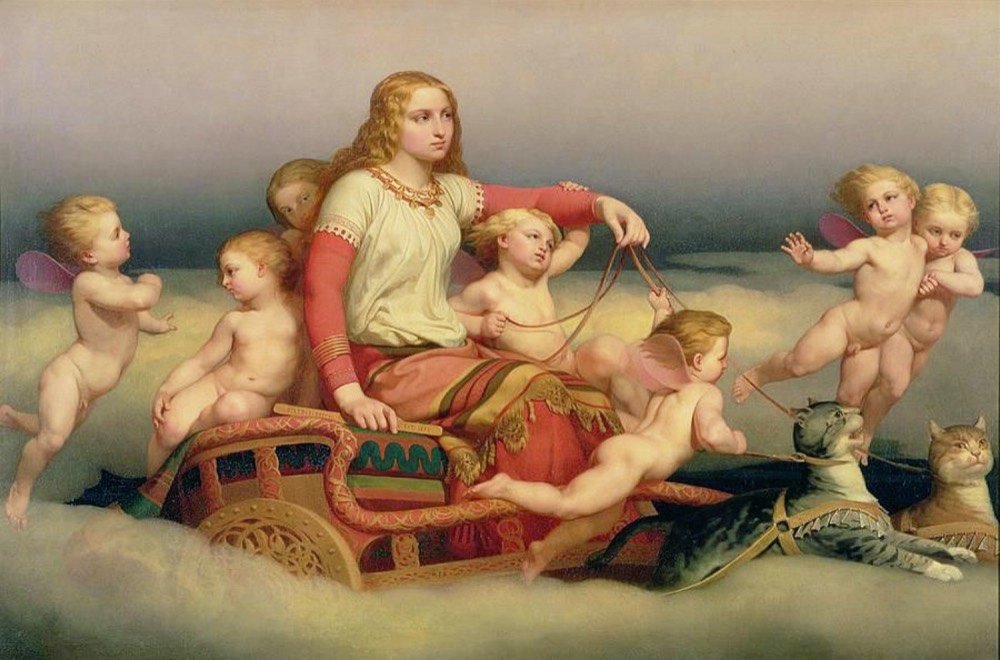
Freyja
Vanir-born goddess of love and fertility who wears the necklace Brisingamen and drives a cat-drawn chariot; half of all battle-slain go to her field, Folkvangr.
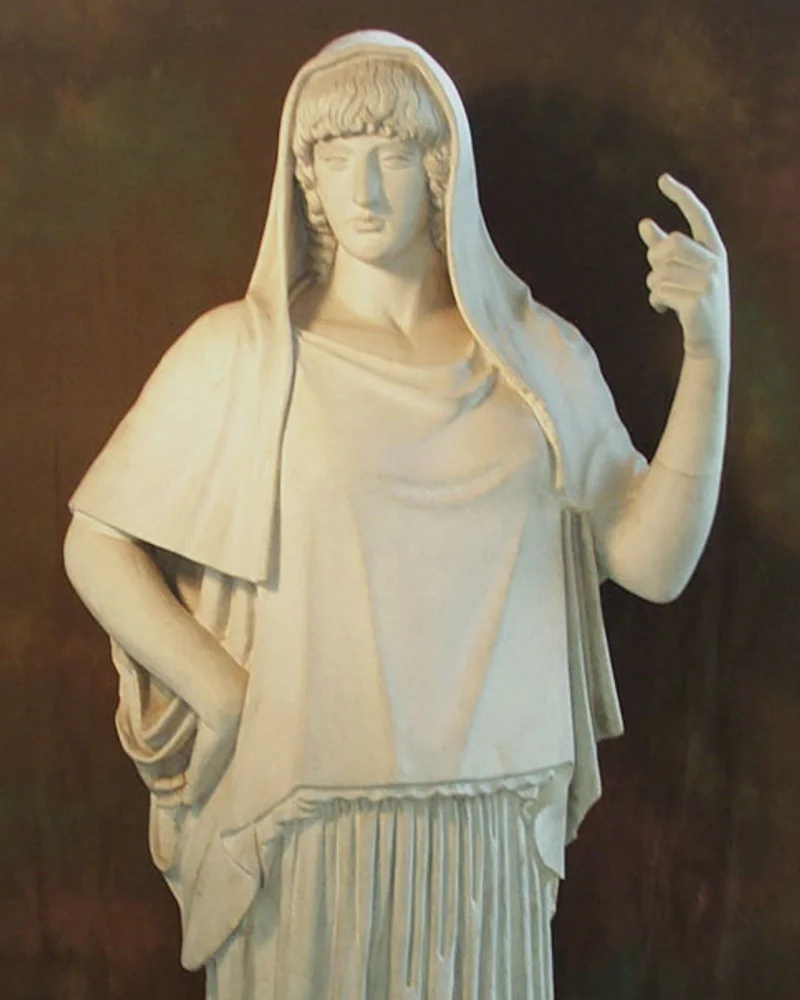
Hestia
Goddess of the hearth, home, and family. The firstborn of Cronus and Rhea, she maintained eternal virginity and tended the sacred fire of Olympus.
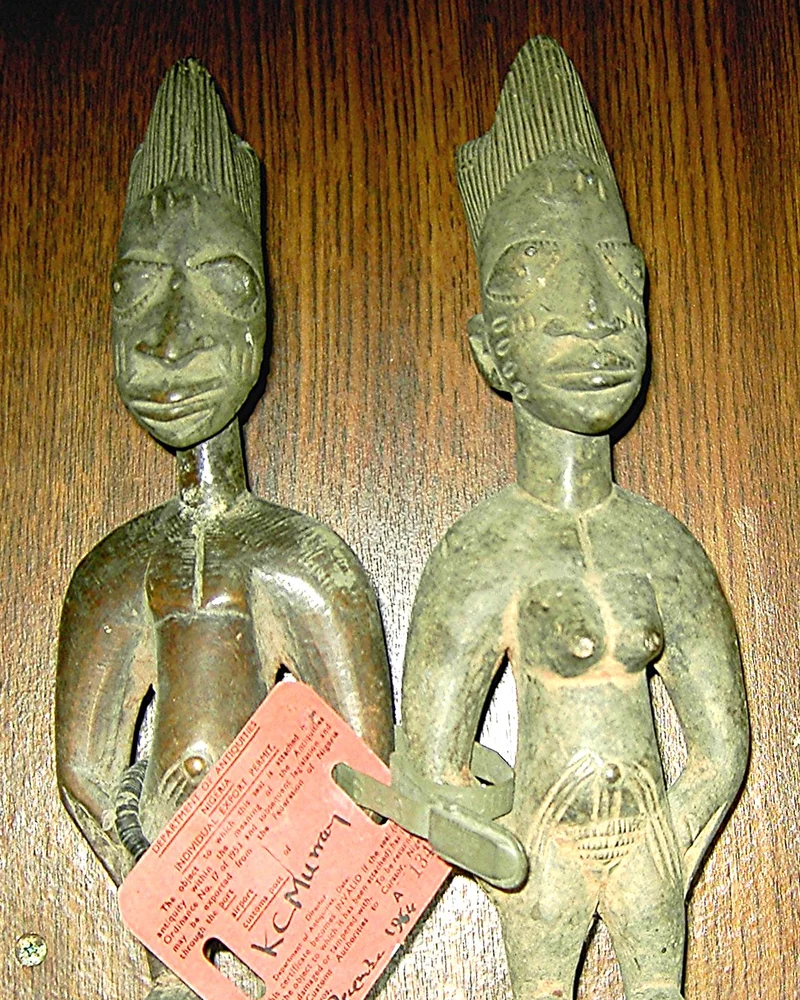
Ibeji
The divine twins who protect all twins and children. Ibeji represent the sacred duality present throughout existence.
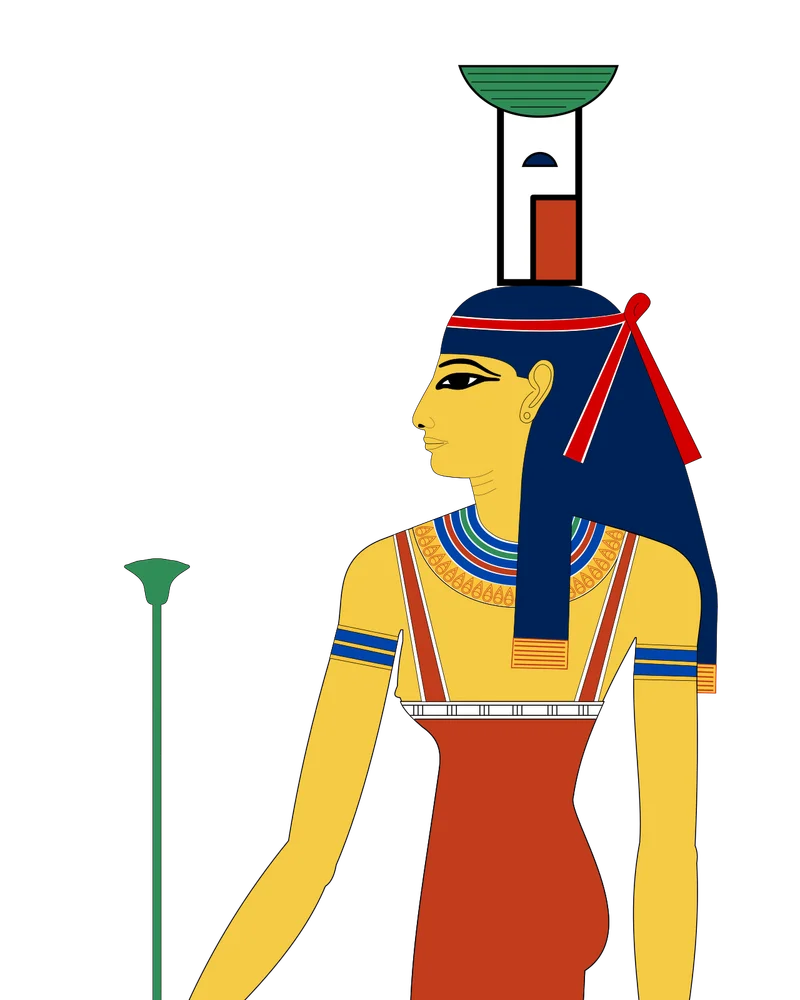
Nephthys
Goddess of mourning and protector of the dead. Sister-wife of Set but loyal to Isis. She aided Isis in gathering Osiris's body and mourned him.
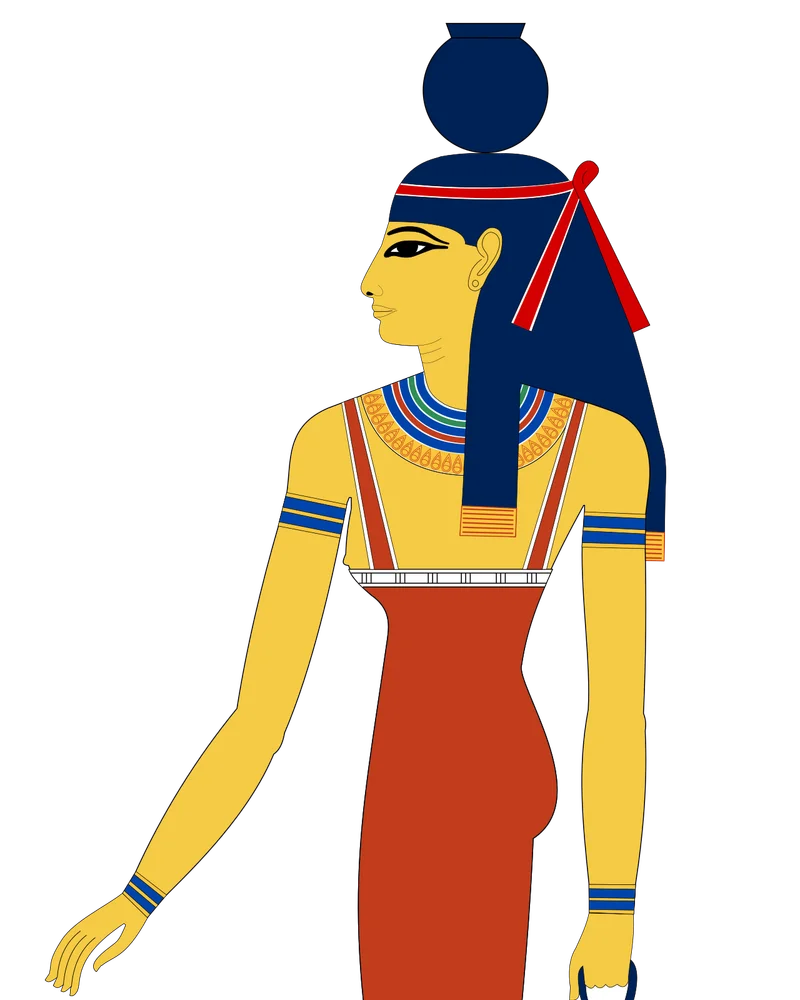
Nut
Goddess of the sky, daughter of Shu, consort of Geb, and mother of Osiris, Isis, Set, and Nephthys. Nut's star-covered body arches over the earth, swallowing the sun each evening and giving birth to it again each dawn.
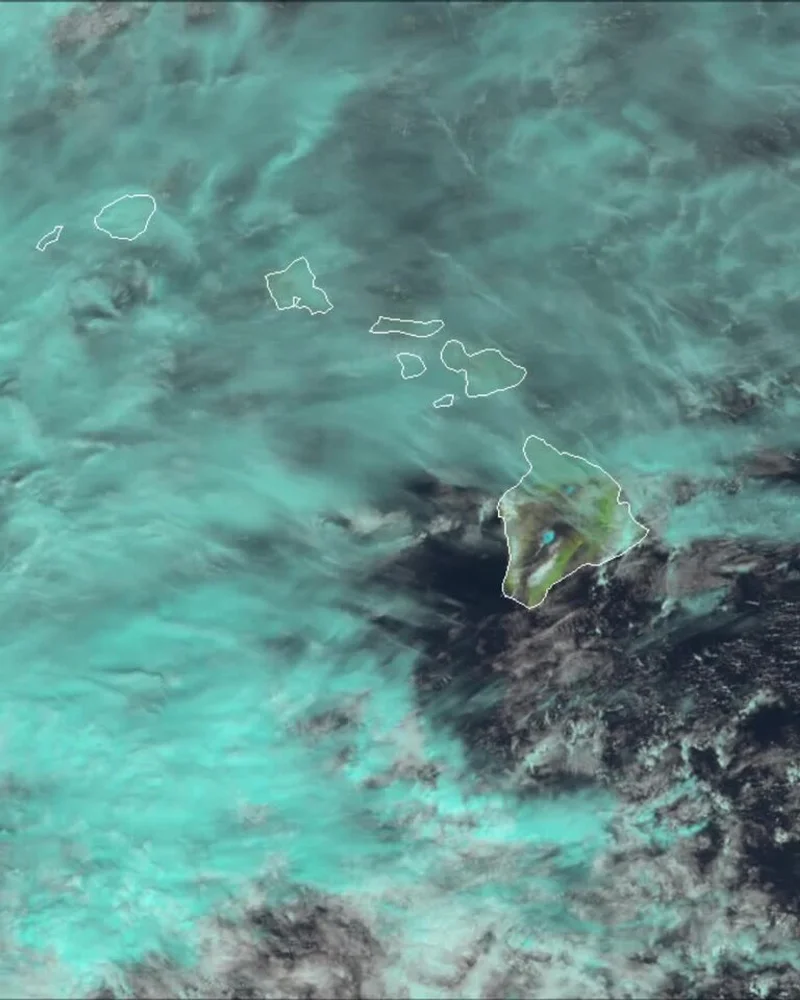
Poliahu
The Hawaiian goddess of snow and ice, resident of Mauna Kea. Poliahu is Pele's rival, and their conflict represents the opposition of ice and fire on Hawaii's highest mountain.
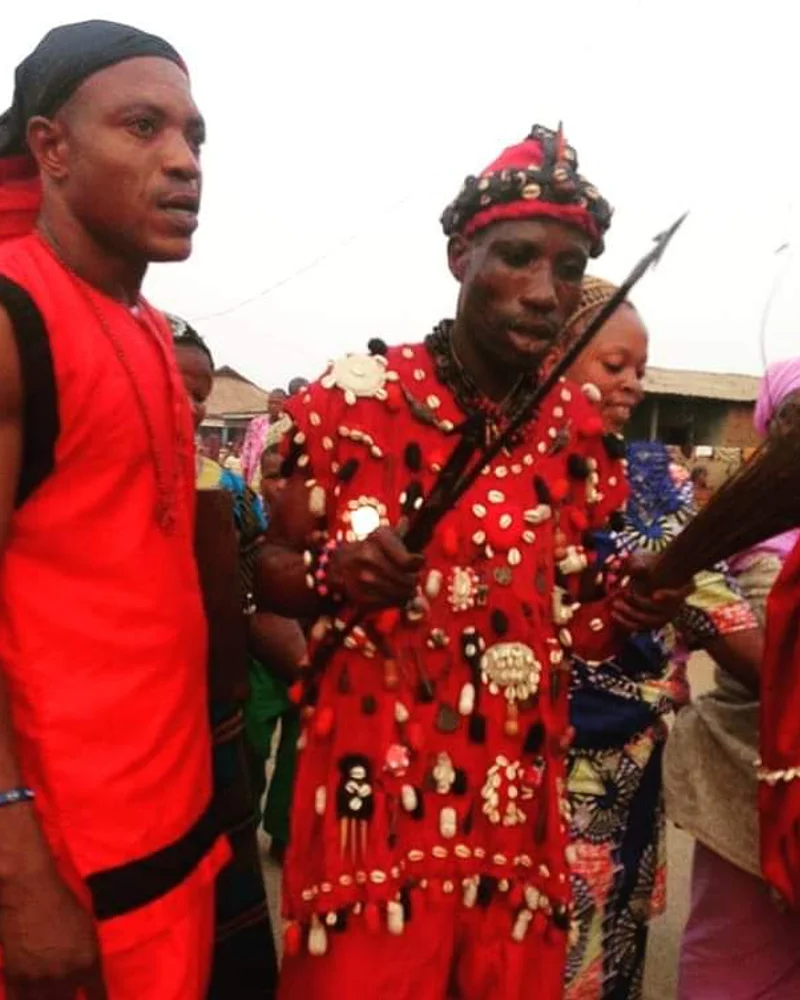
Shopona
The feared Orisha of disease, particularly smallpox. Shopona punishes wrongdoers with illness but also heals those who honor him.

Stribog
A wind god among Vladimir's 980 idols, remembered in the Tale of Igor's Campaign as the ancestor of the winds that blow arrows against the poem's defeated Rus' army.
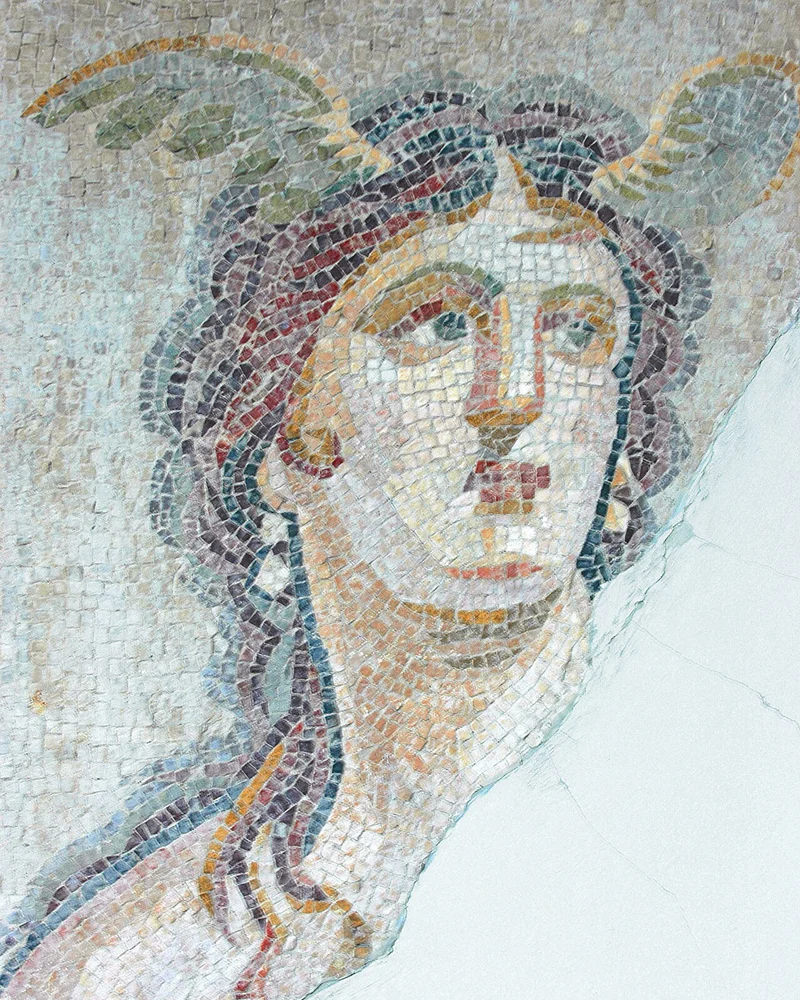
Tethys
A Titaness, daughter of Gaia and Uranus and wife of her brother Oceanus. Hesiod makes her mother of the world's rivers and of the three thousand Oceanid nymphs; in the Iliad Hera calls her 'mother Tethys' and recalls being raised in her house.
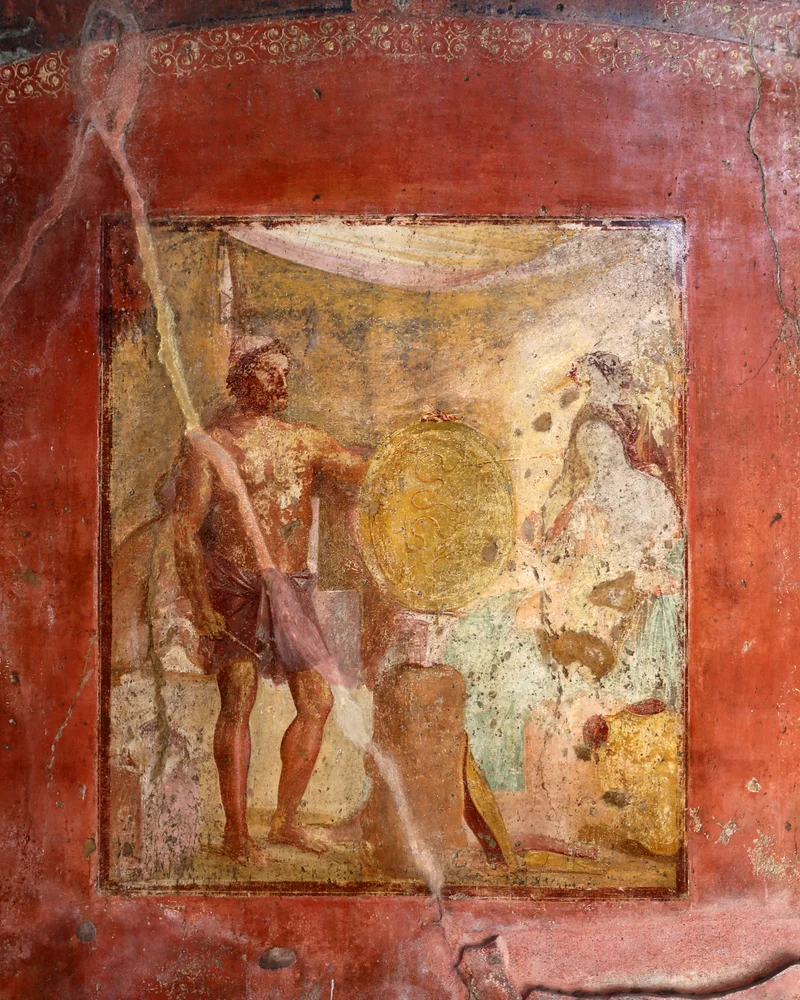
Vulcan
God of fire, metalworking, and the forge. Craftsman of the gods who forged divine weapons and armor. Roman equivalent of Hephaestus. Associated with volcanic activity.
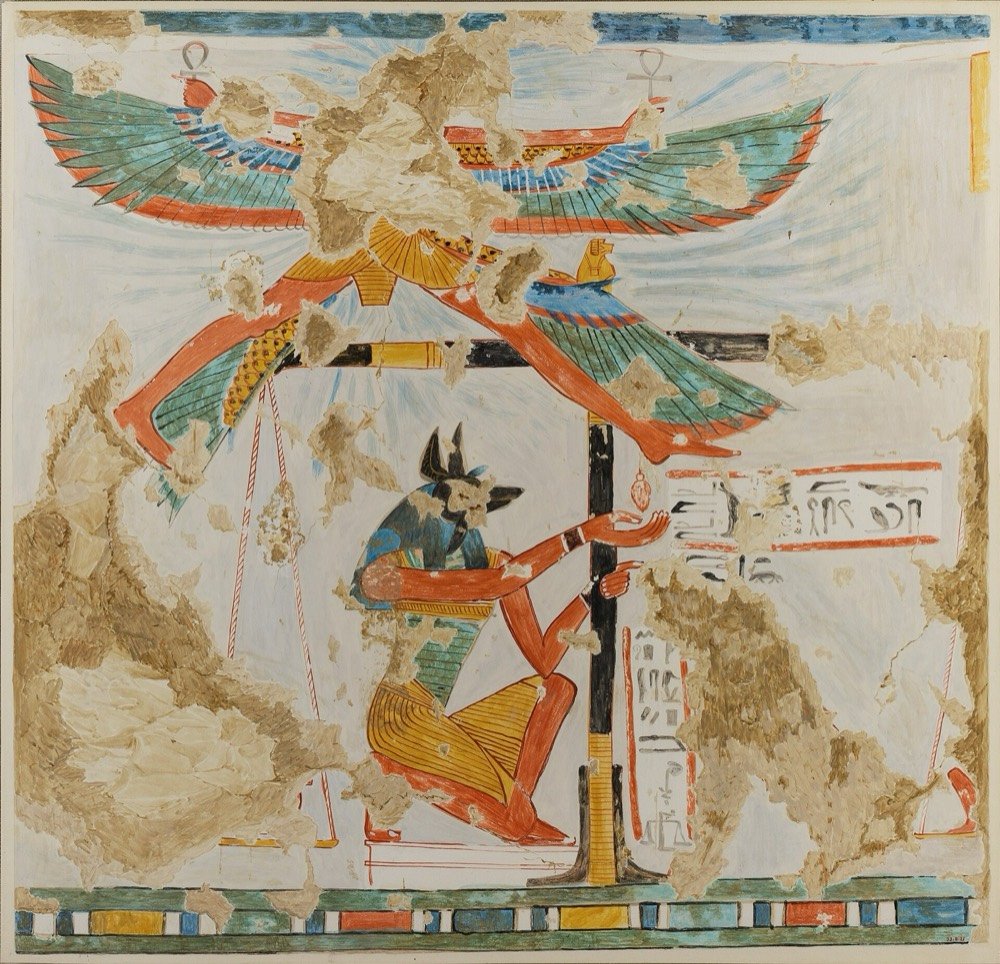
Anubis
The black jackal-headed god of embalming who made the first mummy for Osiris; he guards cemeteries, guides the dead, and steadies the scales at the judgment of the heart.
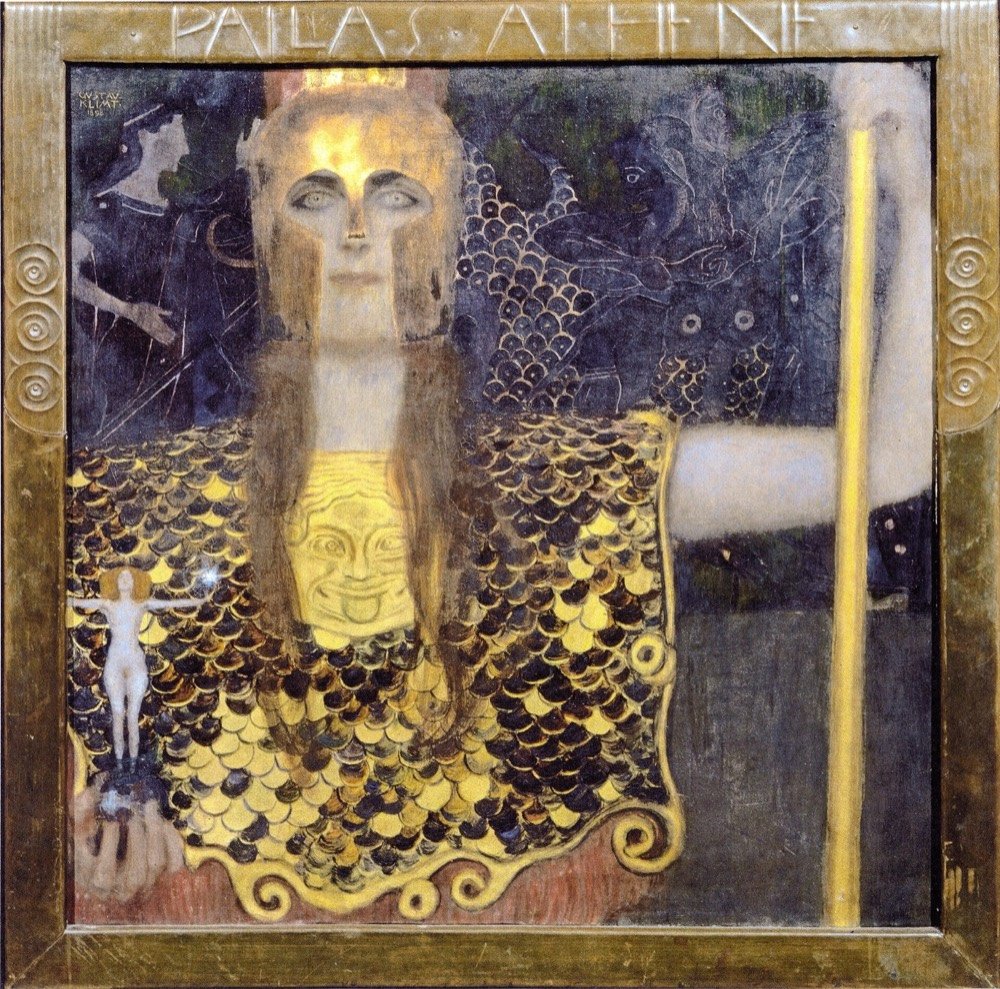
Athena
Goddess of wisdom and strategic war, born in full armor from the head of Zeus. She won the patronage of Athens with the olive tree; the owl is her bird.
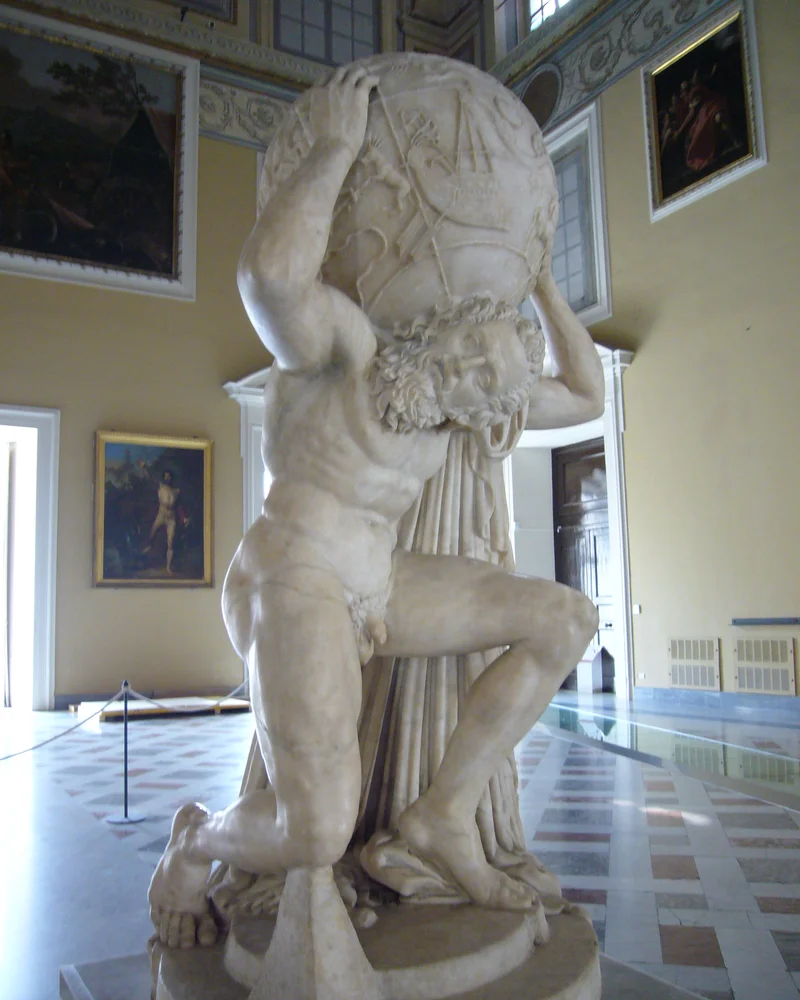
Atlas
The Titan son of Iapetus whom Zeus set to hold up the sky at the western edge of the world, near the garden of the Hesperides. Brother of Prometheus and father of Maia and Calypso, he appears in Heracles' quest for the golden apples, and in Ovid is turned to stone as the Atlas mountains.
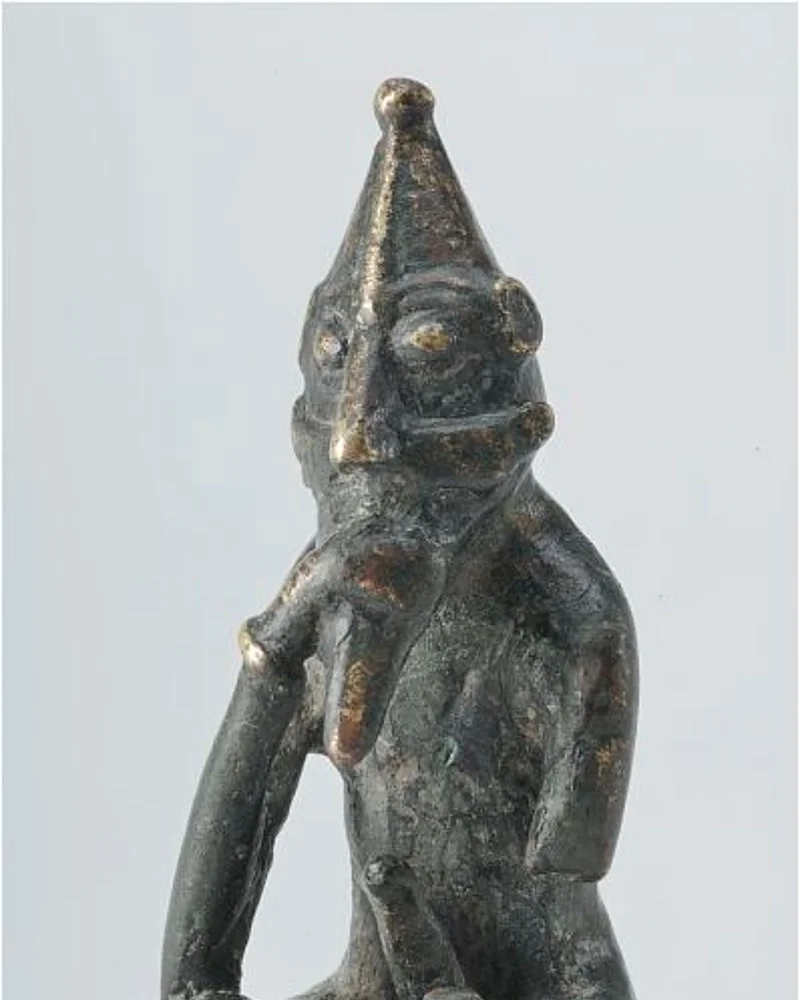
Freyr
One of the Vanir, god of fertility, prosperity, and fair weather. Owner of the magical ship Skidbladnir and the golden boar Gullinbursti.
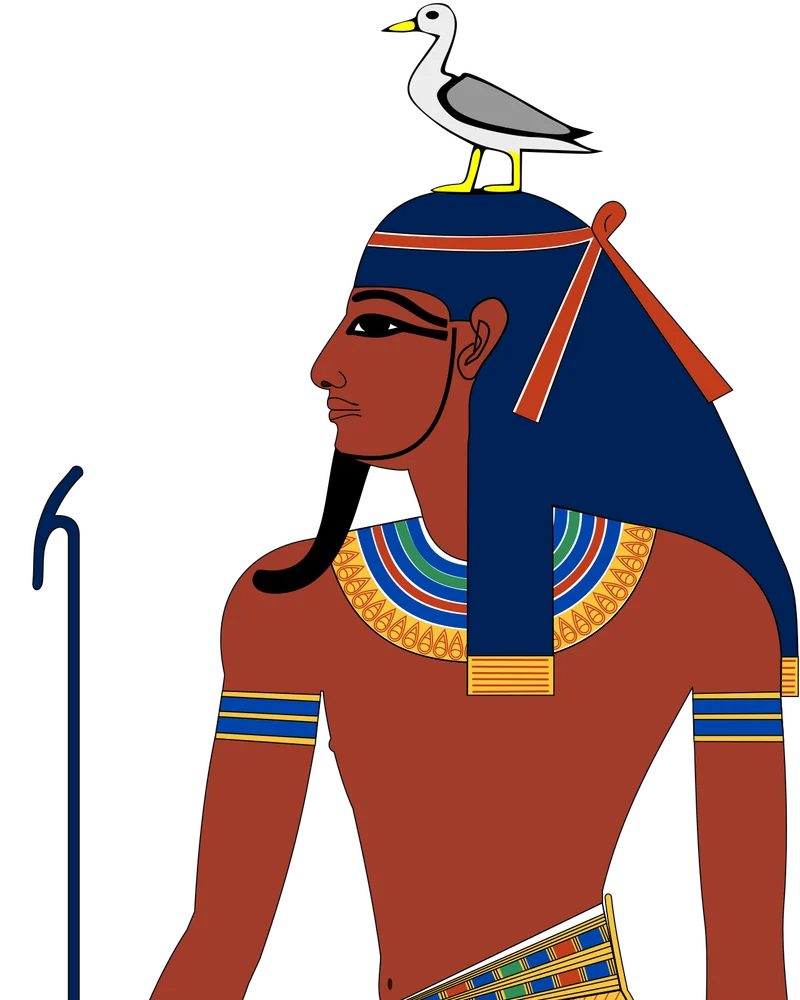
Geb
God of the earth, son of Shu, consort of Nut, and father of Osiris, Isis, Set, and Nephthys. Geb is depicted reclining beneath the arched figure of Nut, and stands within the Ennead's line of divine kingship passed down from Atum through Shu to Osiris.

Khors
One of the most obscure of Vladimir's 980 idols; his name is probably an Iranian loanword, but scholars still dispute whether he was a sun god, a moon god, or something else, especially since Dazhbog already covers the sun.
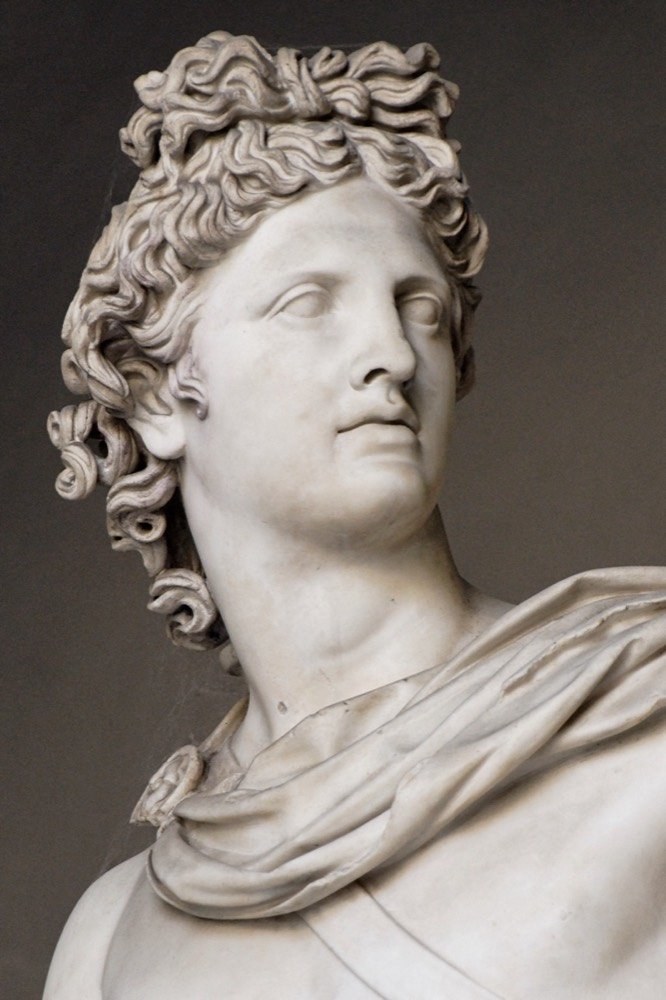
Apollo
God of light, prophecy, music, and healing, son of Zeus and Leto, born on Delos. He slew the serpent Python and founded his oracle at Delphi.
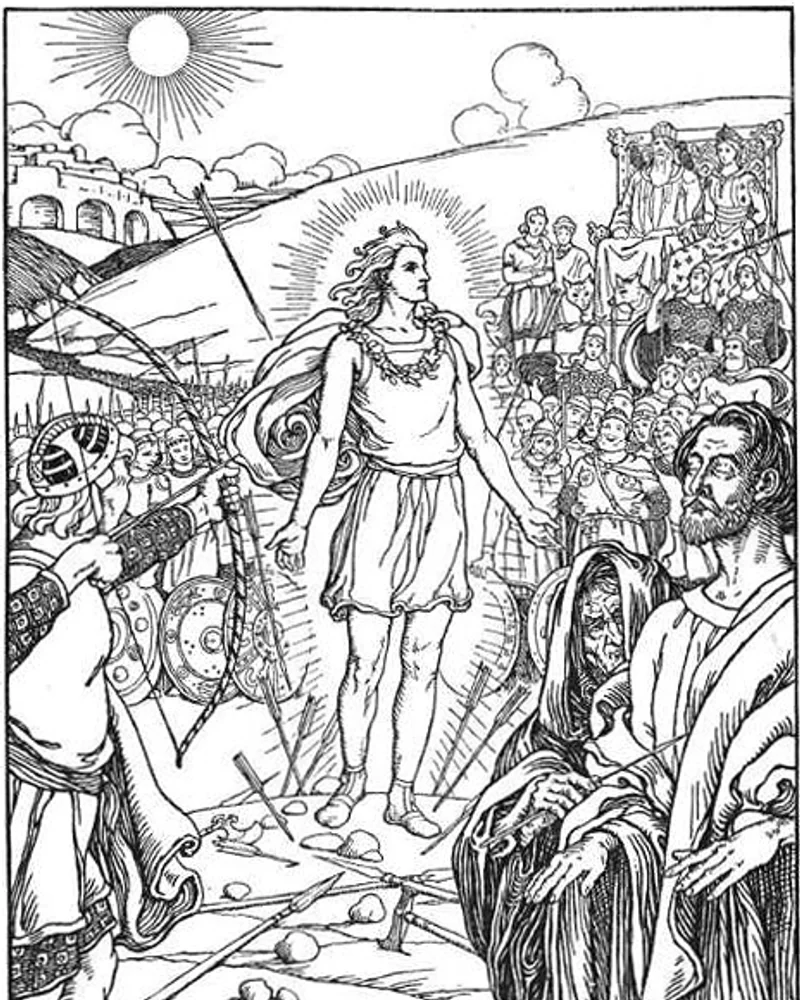
Baldur
The most beloved of all gods, son of Odin and Frigg. God of light, purity, and beauty. His death, orchestrated by Loki using mistletoe, is one of the great tragedies leading to Ragnarok.
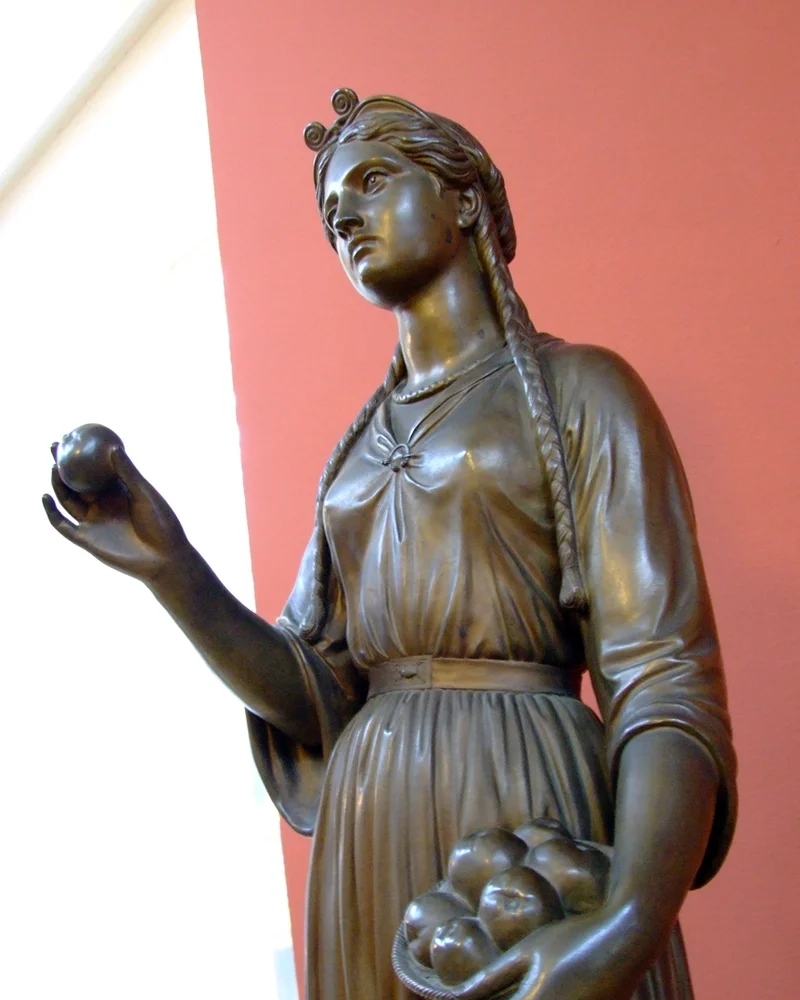
Iðunn
Keeper of the apples that preserve the gods' youth. Iðunn's abduction by the giant Thjazi, and Loki's mission to rescue her, form one of the pivotal episodes of Norse myth explaining how the gods nearly lost their immortality.
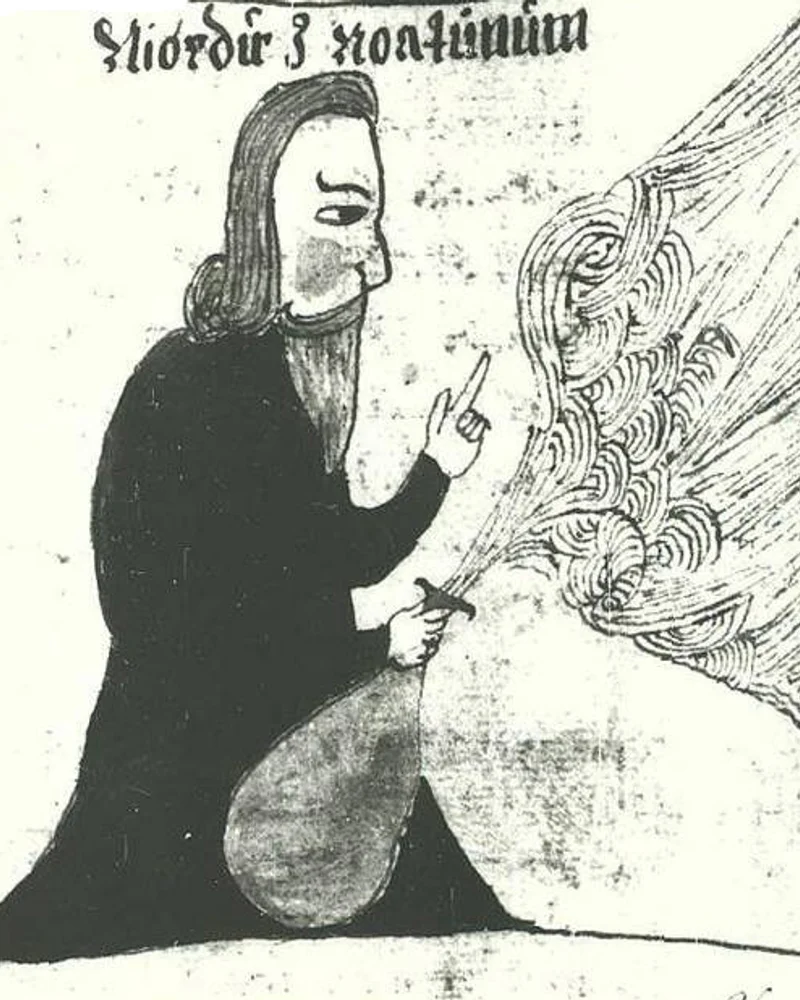
Njord
Vanir god of the sea, seafaring wealth, trade, and calm waters. Father of Freyja and Freyr.
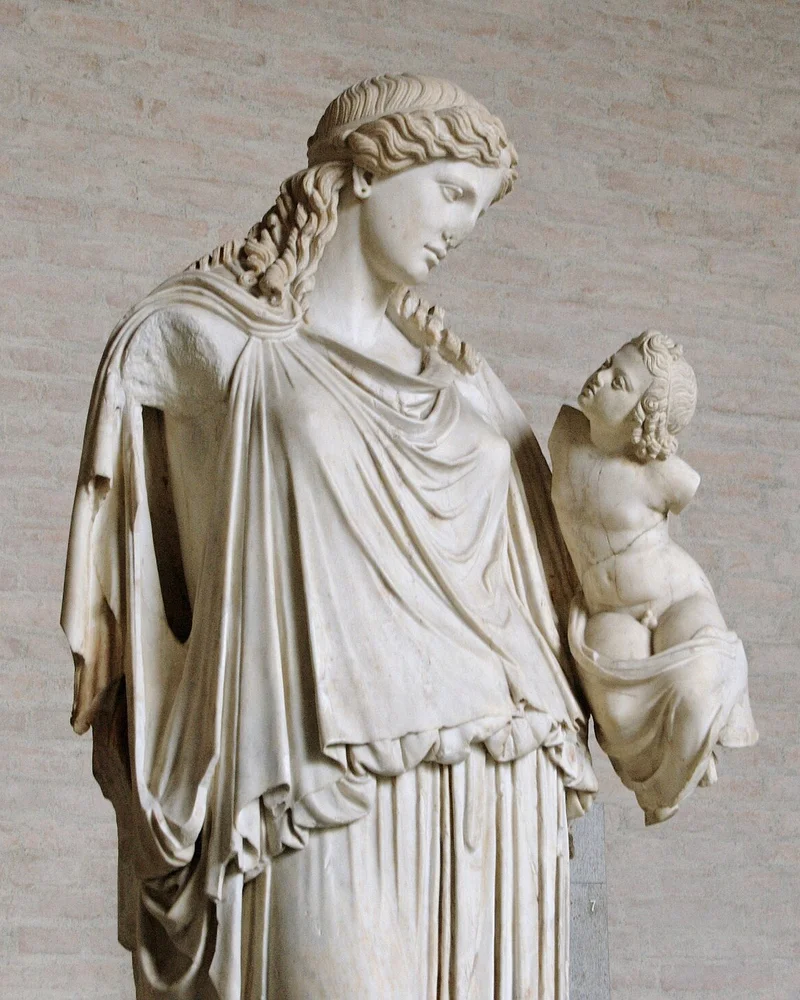
Plutus
The god of wealth, son of Demeter and the hero Iasion, born in a thrice-plowed field on Crete. Originally the wealth of the harvest, he became the personification of riches in general, most memorably as the blind god of Aristophanes' comedy.
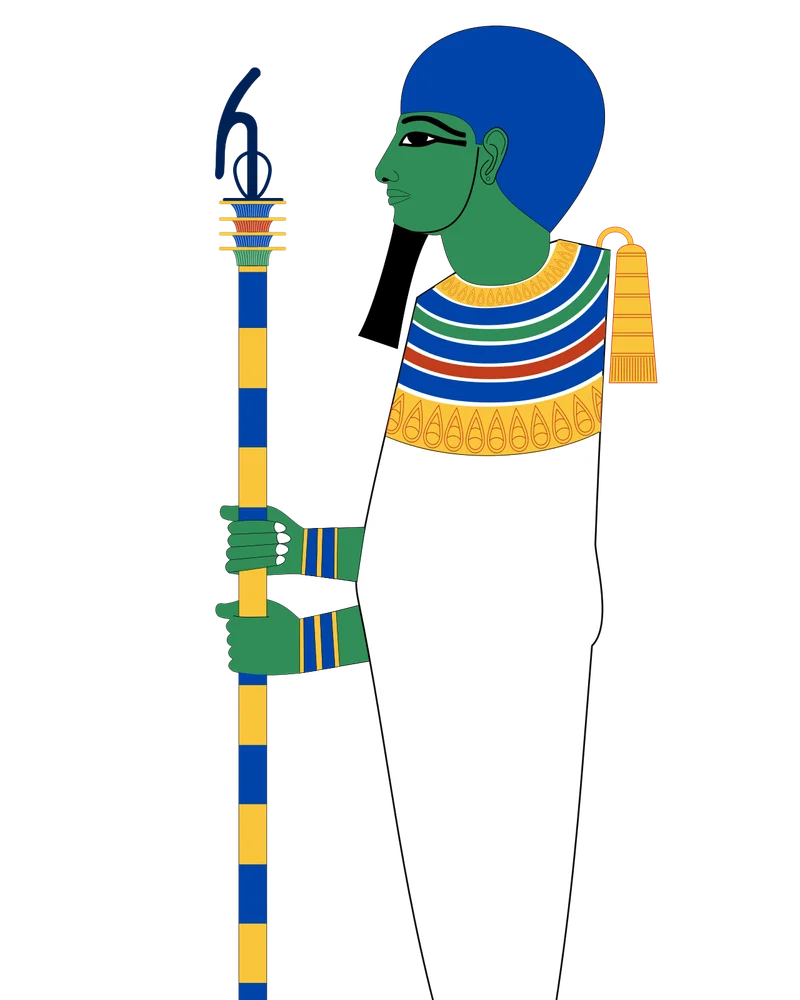
Ptah
Creator god and patron of craftsmen, head of the Memphite Triad. The Memphite Theology credits Ptah with creating the world and the other gods through the thought of his heart and the command of his tongue, rather than through physical acts alone.
Simargl
The most obscure of Vladimir's 980 idols; his name almost certainly derives from the Iranian mythic bird-dog Simurgh, but no medieval Slavic source explains what function, if any, he served.
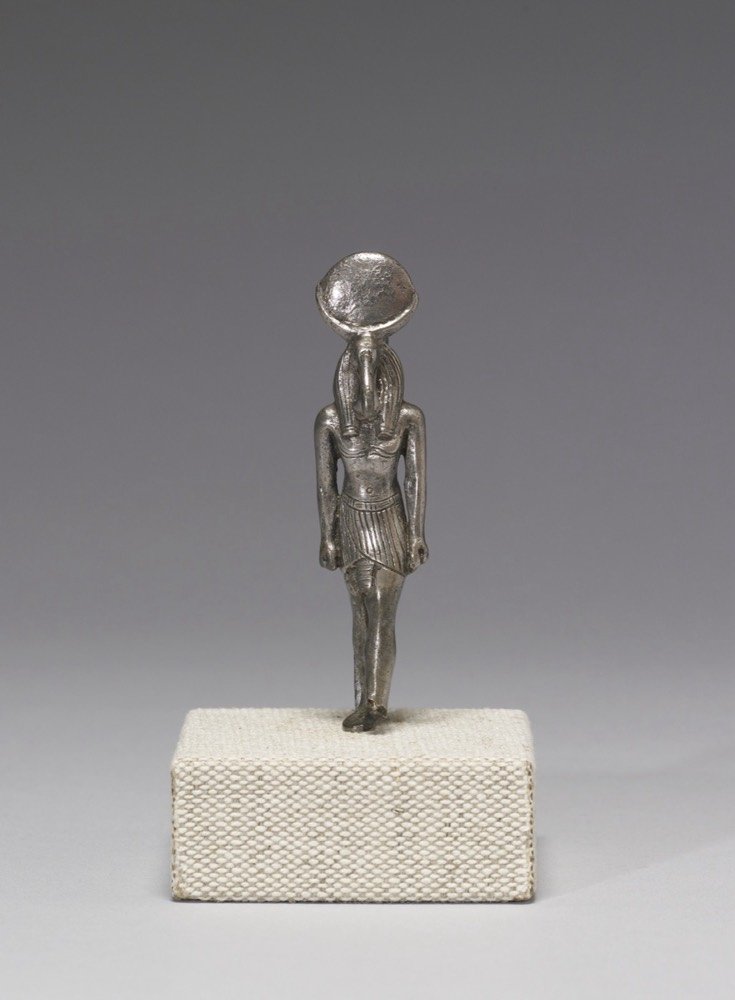
Thoth
The ibis-headed god of writing and wisdom, scribe of the gods, inventor of script and keeper of the calendar, who records the verdict at the judgment of the dead; the Greeks equated him with Hermes.
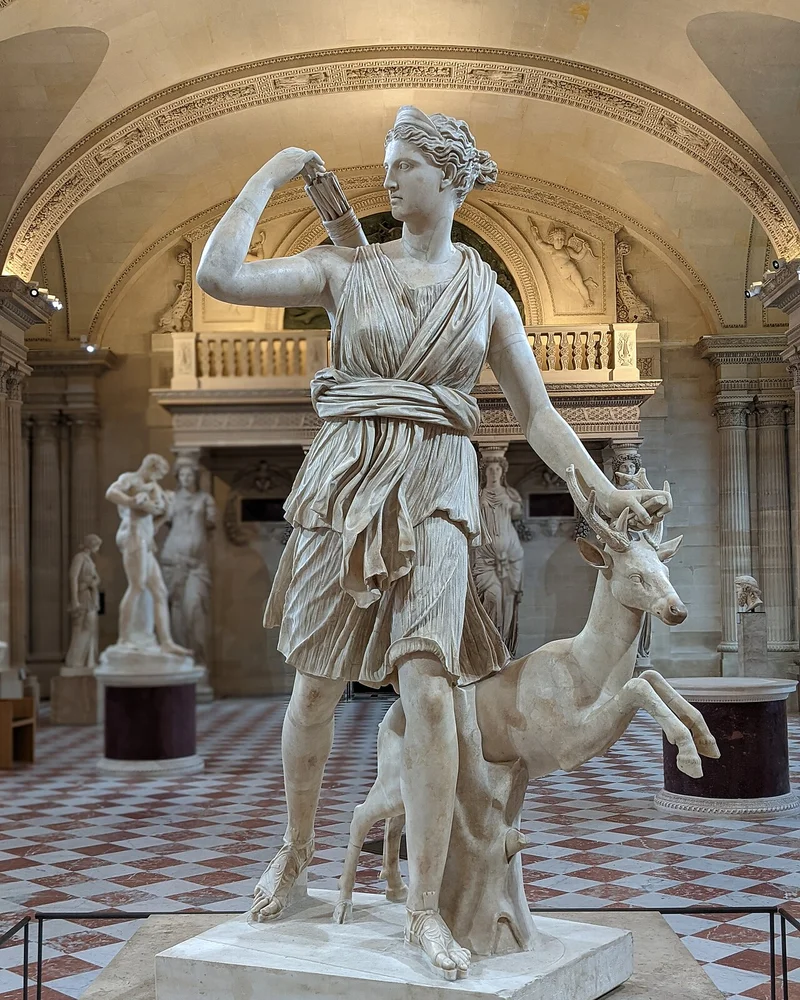
Artemis
Goddess of the hunt, wilderness, and the moon. Twin sister of Apollo, protector of young women and animals.
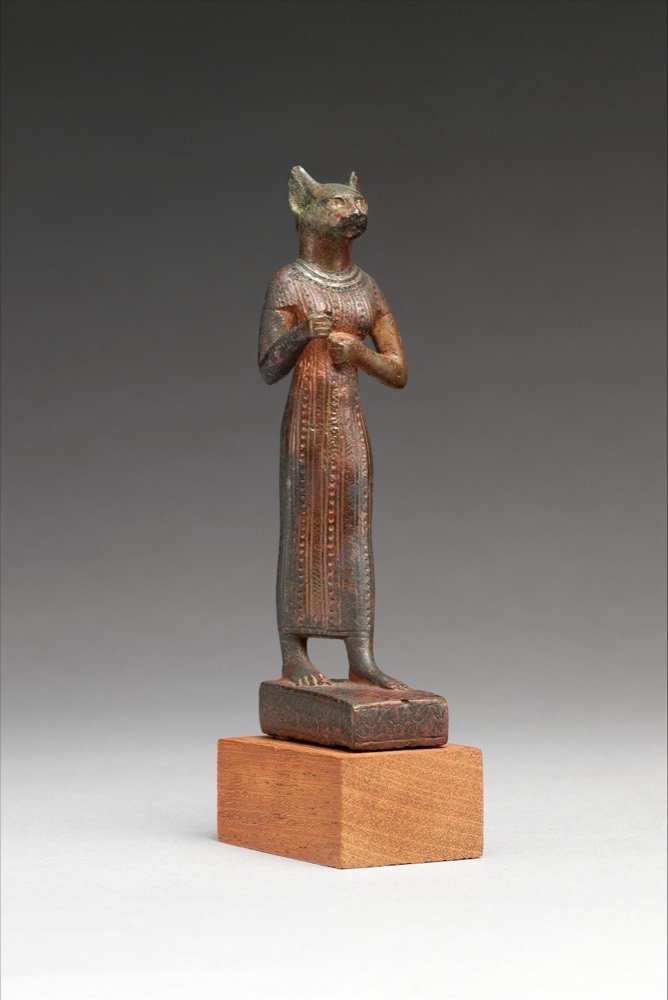
Bastet
The cat-headed goddess of the home, fertility, and festivity. Her annual festival at Bubastis was Egypt's largest, and her sanctuaries have yielded cat mummies by the tens of thousands.
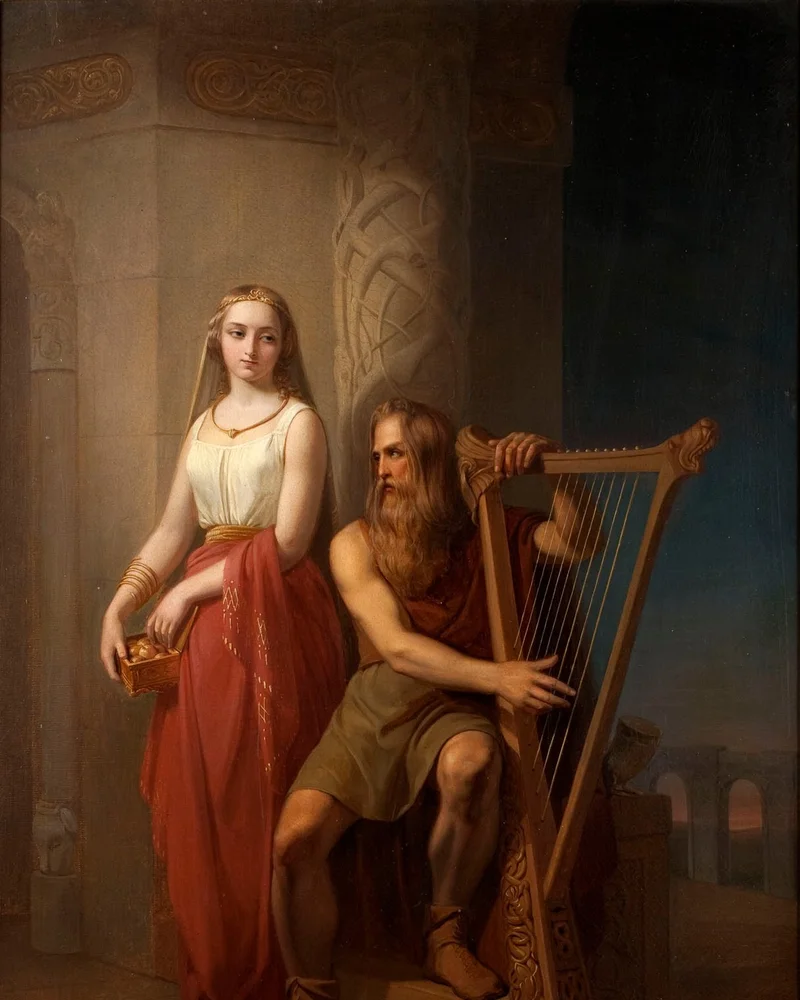
Bragi
God of poetry and eloquence, husband of Idun. In Snorri Sturluson's Prose Edda, Bragi is the wise, gifted speaker who narrates several of the framing myths to the sea-giant Aegir, and skaldic verse itself takes its name from him.
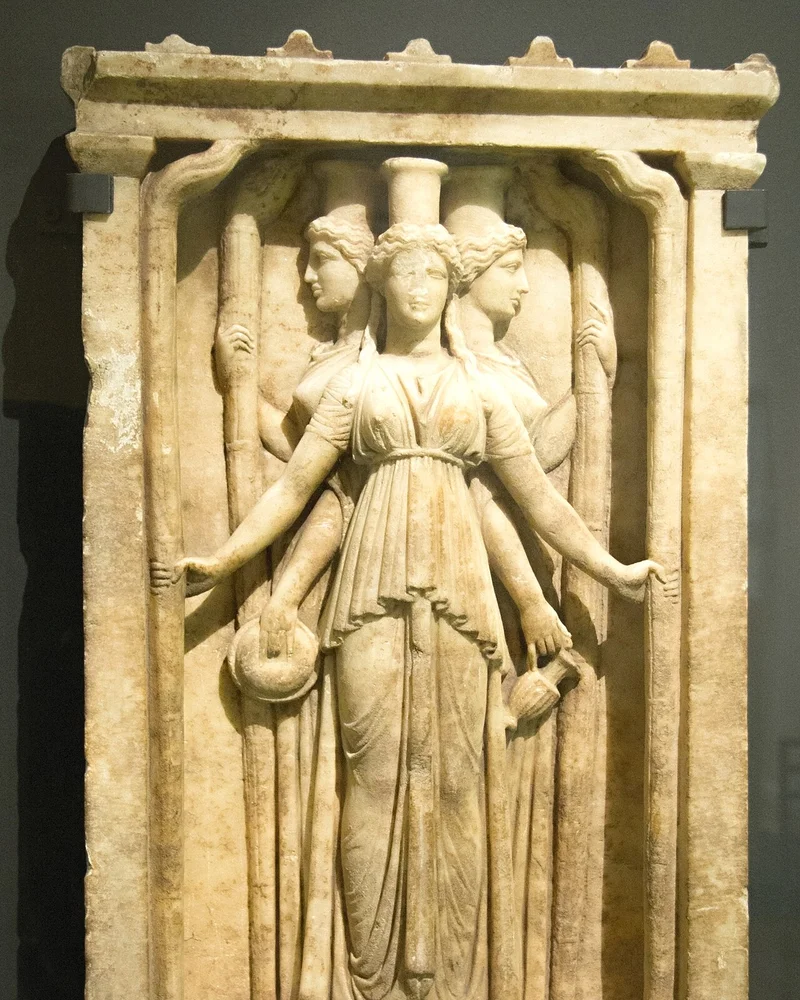
Hecate
A Titan-descended goddess uniquely honored by Hesiod with power over earth, sea, and sky. In later Classical and Hellenistic tradition, Hecate's role narrowed and darkened into a chthonic goddess of crossroads, ghosts, and magic — a significantly different figure from Hesiod's expansive, benevolent Hecate.
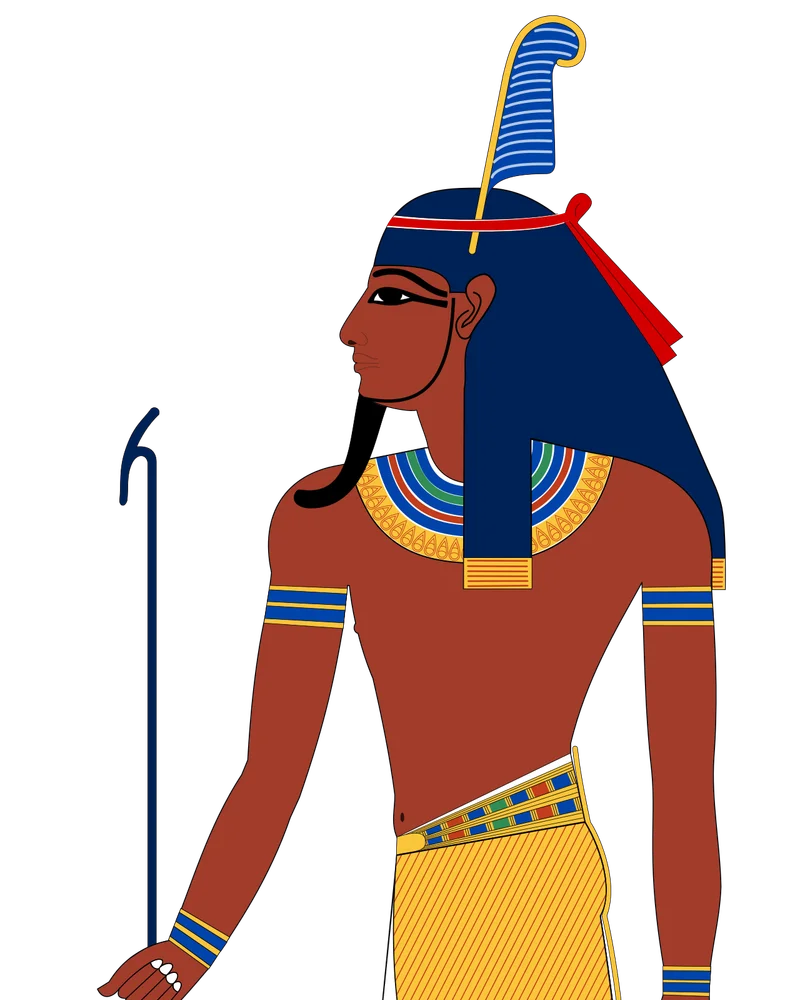
Shu
God of the air and dry space, a member of the Ennead. Shu was produced by Atum and, with his twin sister and consort Tefnut, fathered Geb (Earth) and Nut (Sky), whom he is famously depicted physically separating and holding apart.
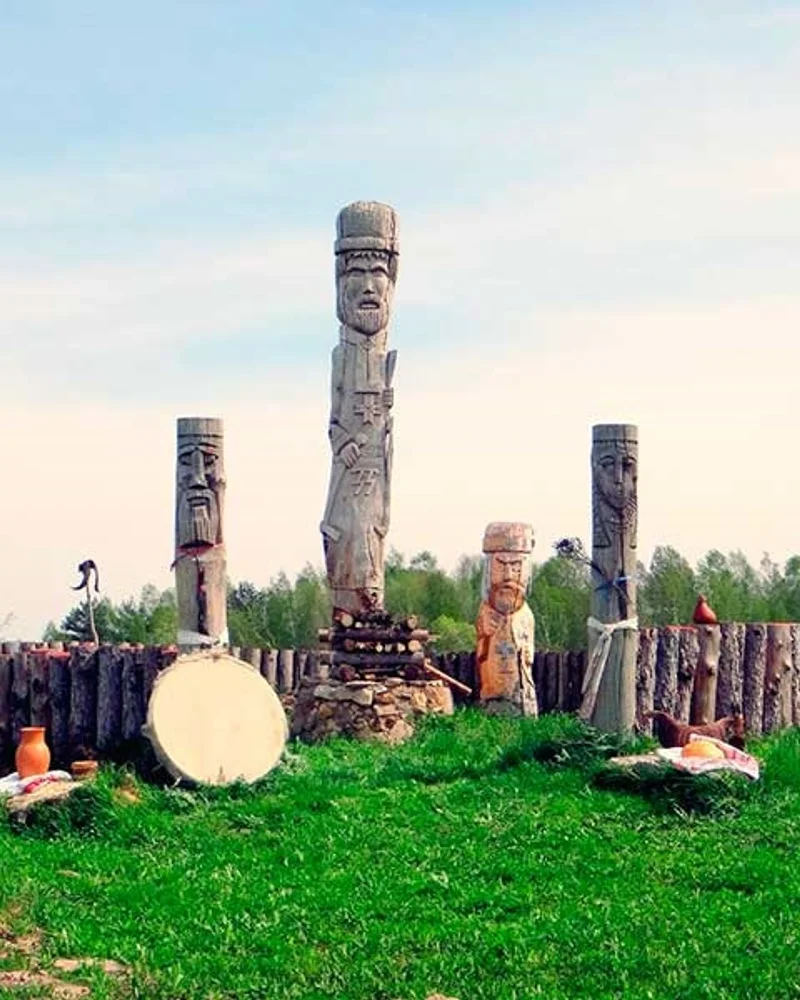
Svarozhich
The chief god of the West Slavic Redarii, worshipped at a temple in Riedegost and consulted before war through the movements of a sacred horse and lots, known from a German bishop's firsthand account.
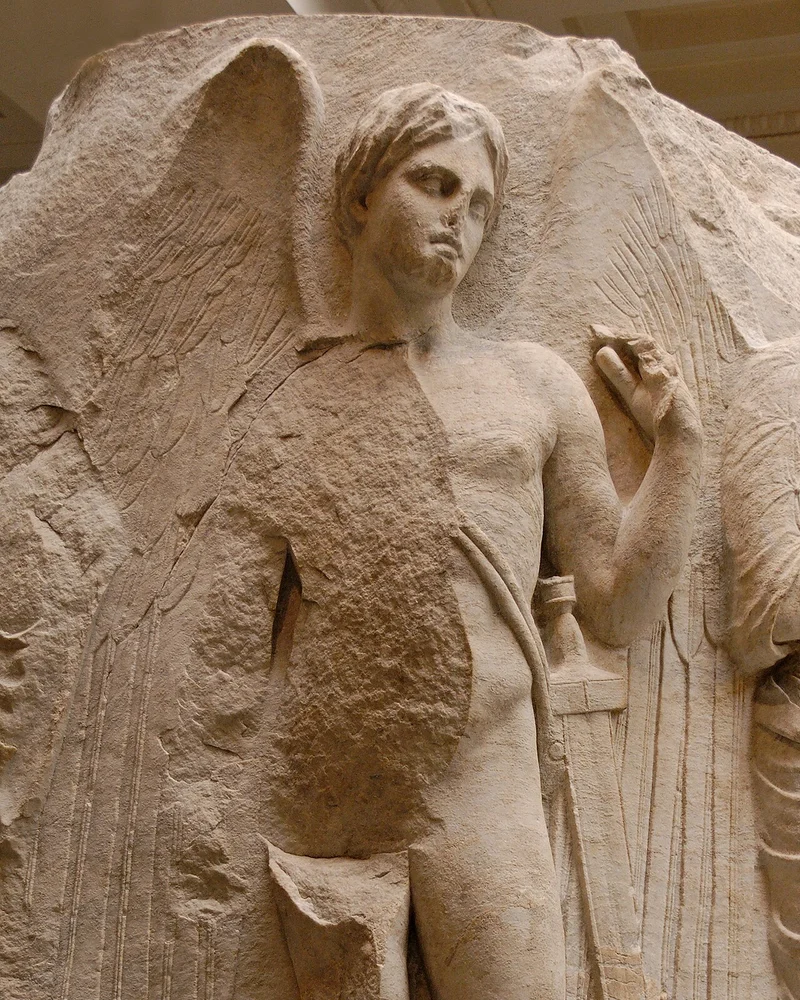
Thanatos
Death personified, son of Night and twin brother of Sleep (Hypnos). Hesiod gives him a heart of iron, hated even by the gods; in the Iliad the twins carry the fallen Sarpedon home to Lycia, and in Euripides Heracles wrestles him for the life of Alcestis.
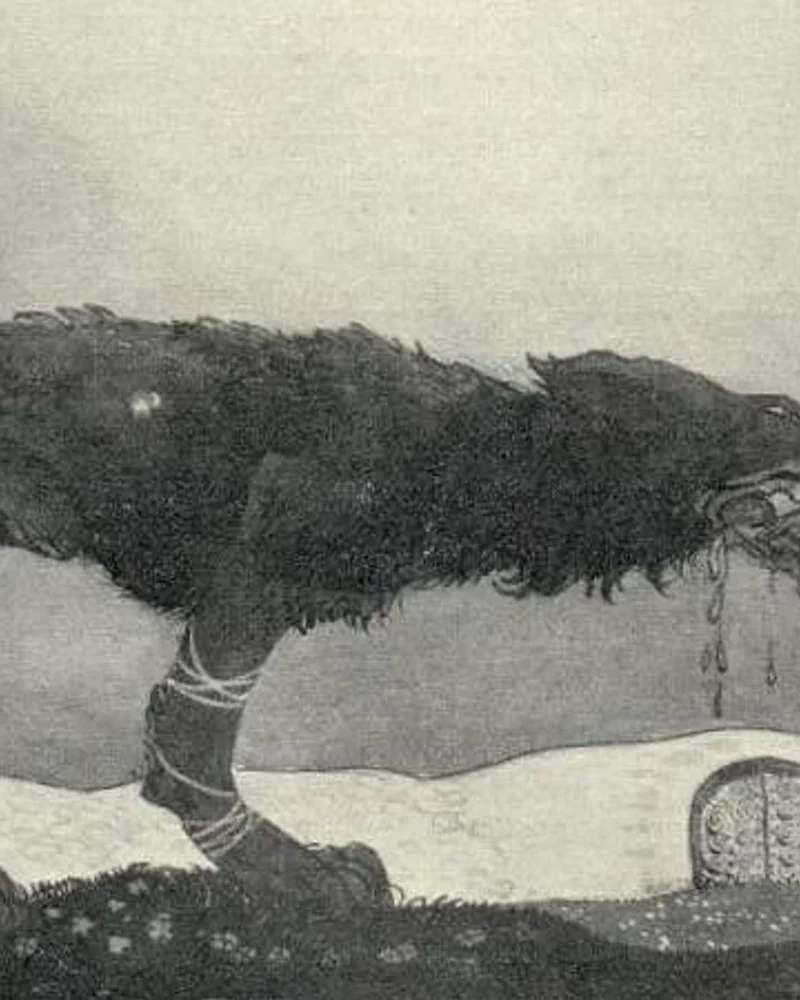
Tyr
God of war, justice, and law. Bravest of the gods. Sacrificed his right hand to bind the wolf Fenrir, demonstrating his courage and willingness to uphold cosmic order.
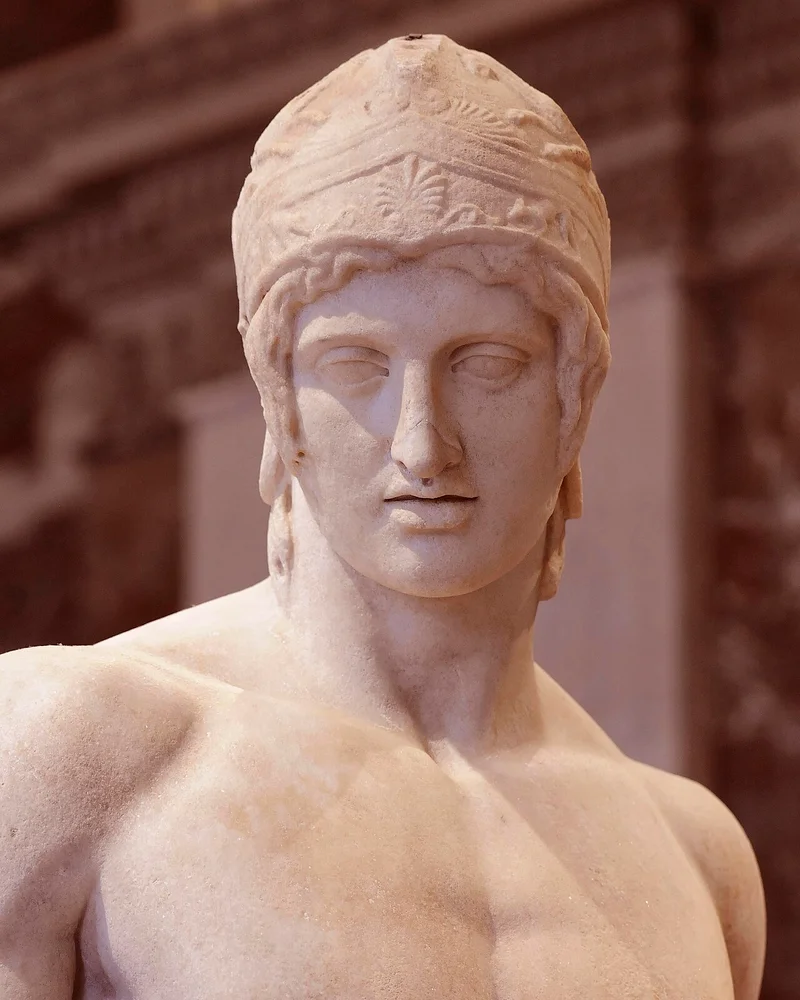
Ares
God of war, violence, and bloodshed. Son of Zeus and Hera, representing the brutal and chaotic aspects of warfare.
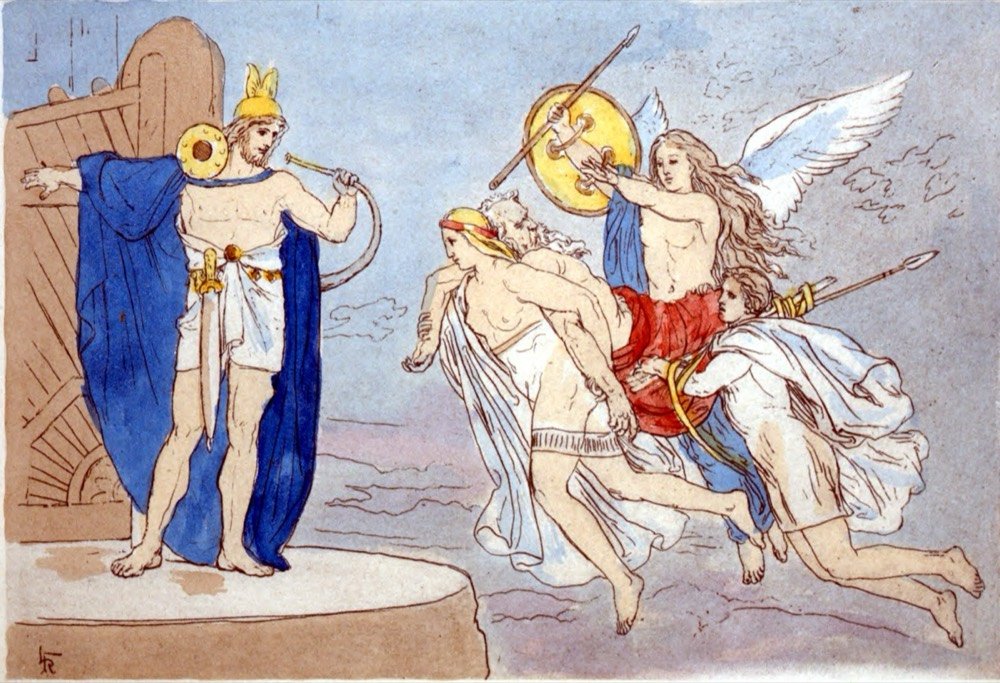
Heimdall
The white god born of nine mothers, who guards the rainbow bridge Bifrost, hears grass growing, and will sound the Gjallarhorn to warn the gods of Ragnarok.
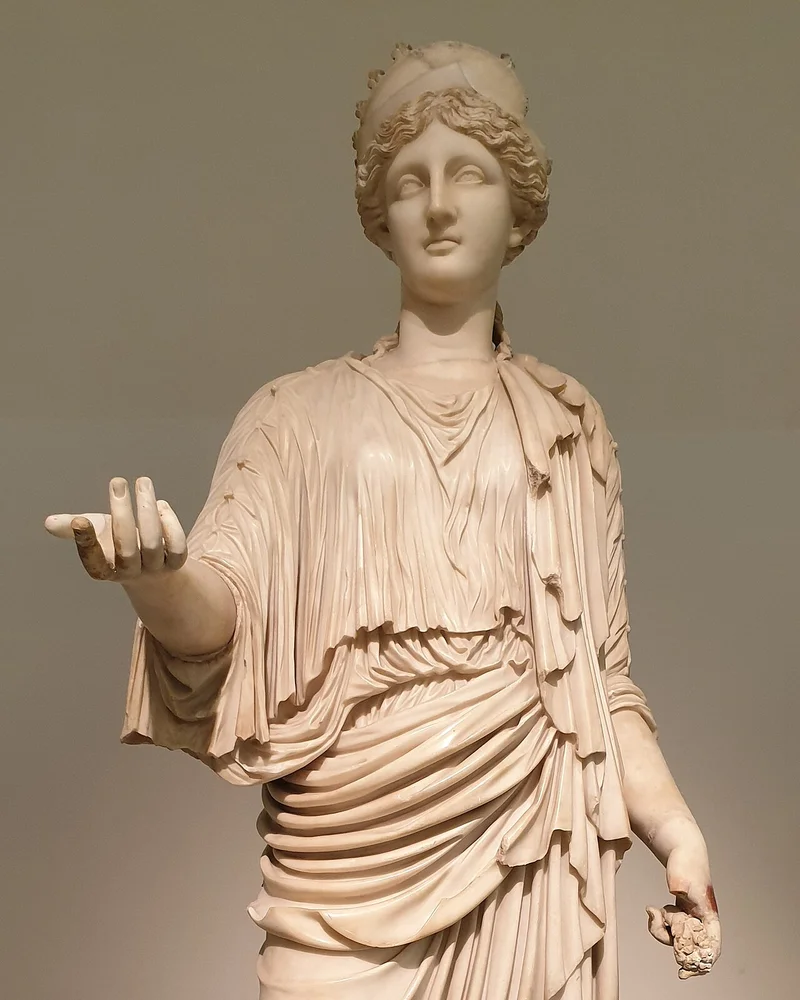
Nemesis
The daughter of Night whom Hesiod calls a bane to mortals: the indignation that answers excess and undeserved good fortune. She had a Classical temple at Rhamnous in Attica, and a lost early epic made her, not Leda, the mother of Helen.
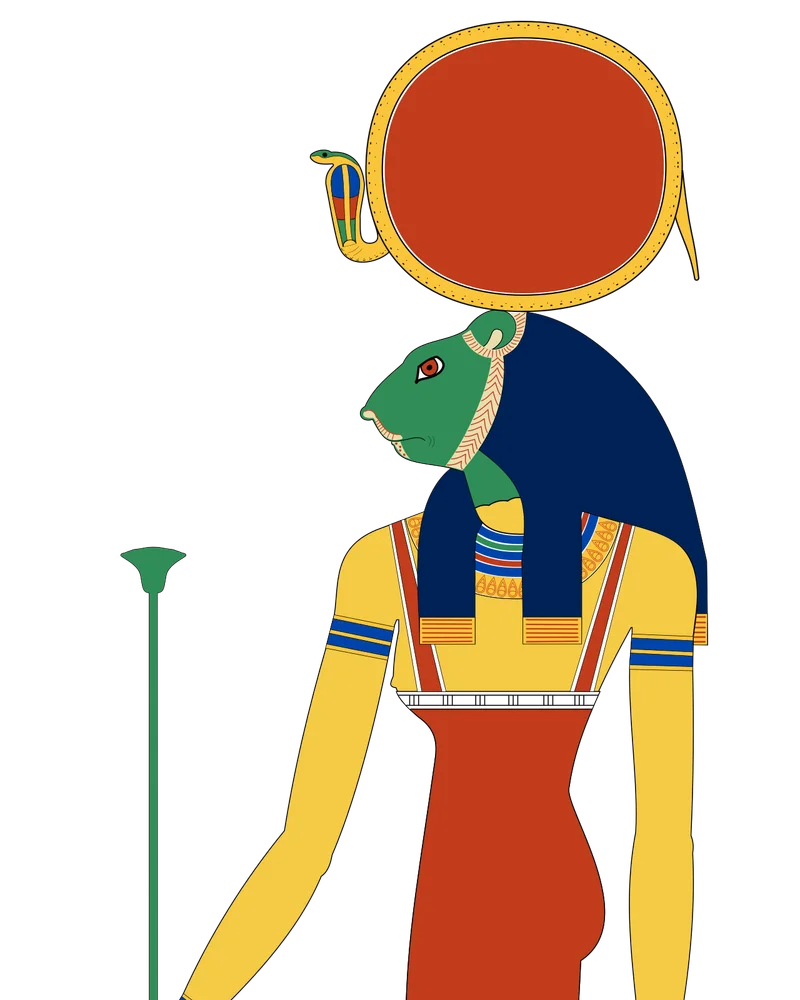
Sekhmet
Fierce goddess of war, plagues, and healing. The destructive aspect of the sun. Ra sent her to punish humanity.
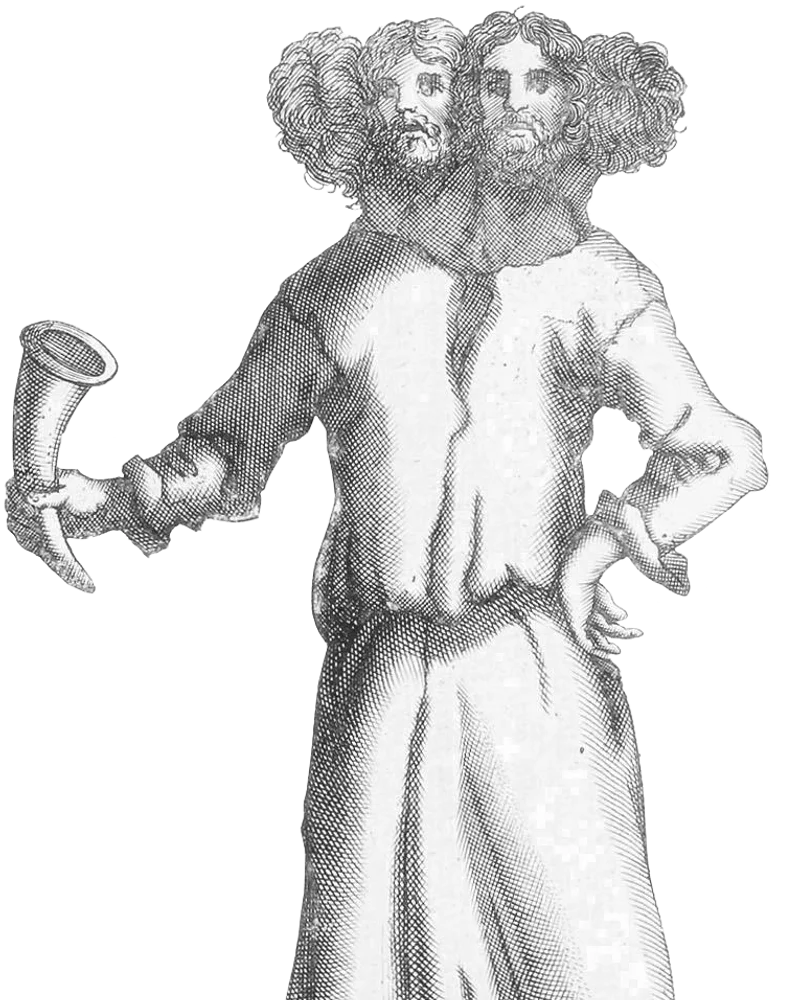
Svantevit
The four-faced war and oracle god of the Rani on the island of Rügen, whose temple at Cape Arkona was the last great pagan shrine on the Baltic coast until the Danes destroyed it in 1168.
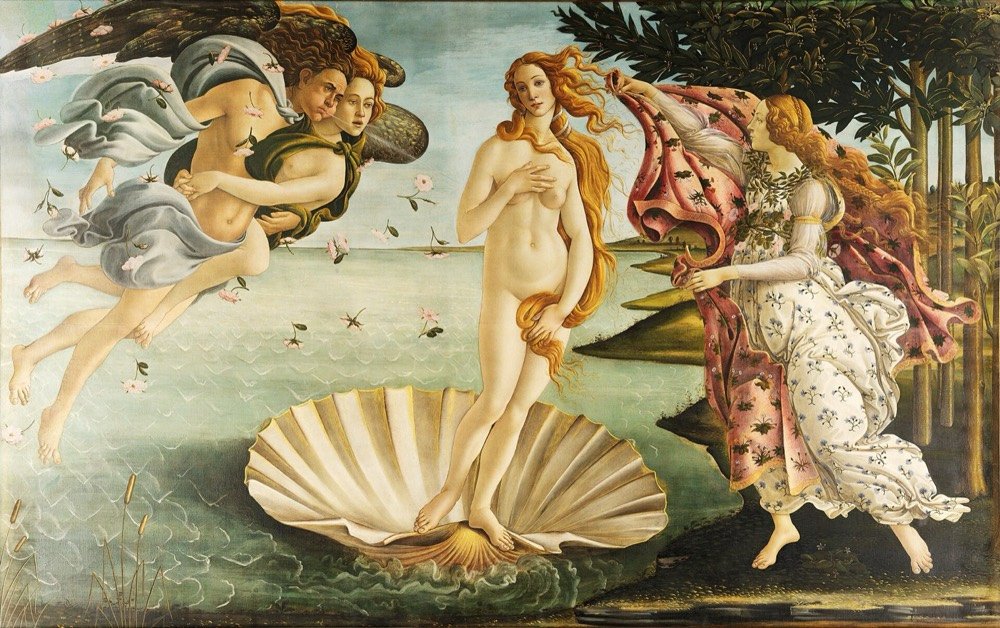
Aphrodite
Goddess of love and beauty, born from sea foam in Hesiod's account and landing on Cyprus. Her victory in the Judgement of Paris set the Trojan War in motion.
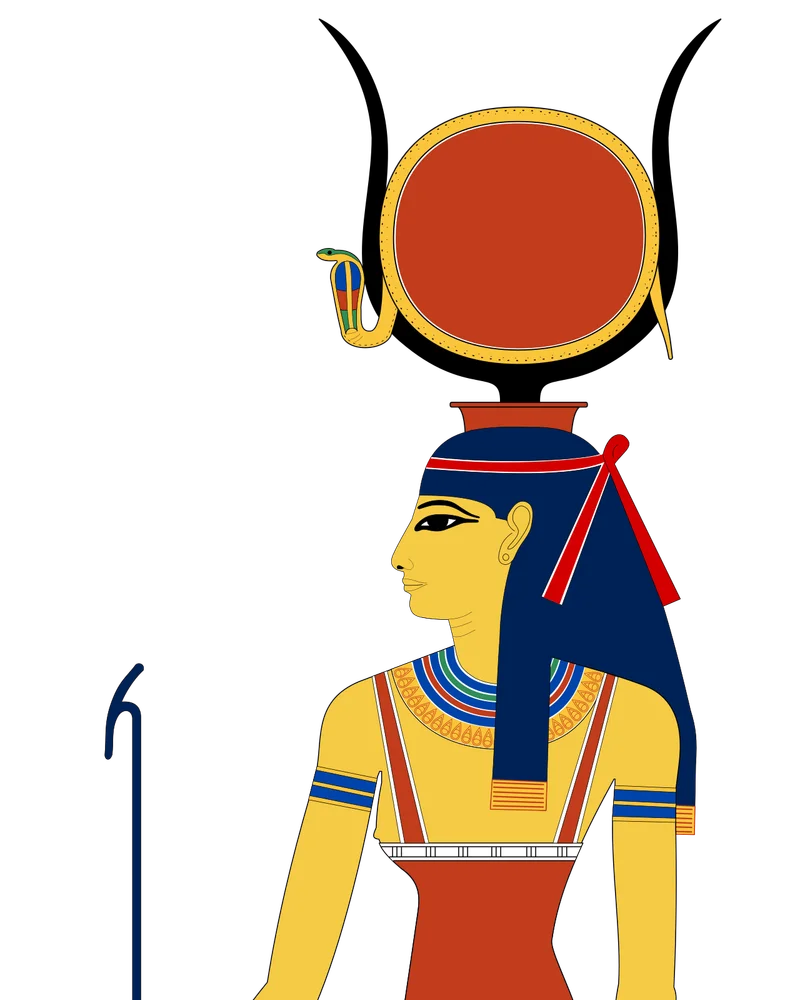
Hathor
Goddess of love, beauty, music, and motherhood. The 'Golden One' who embodies the feminine ideal. Protector of women.
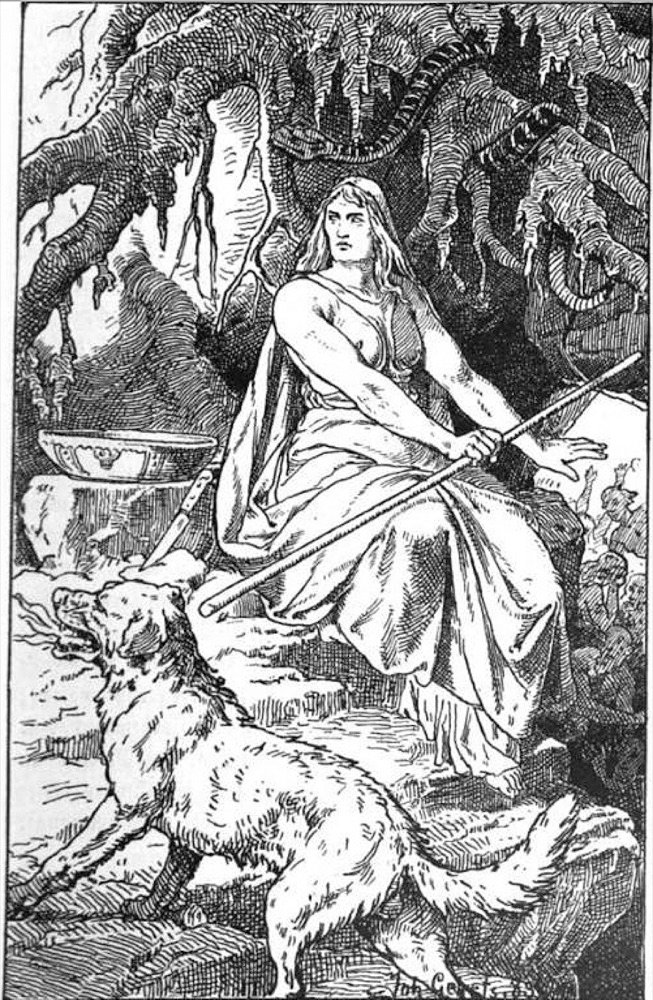
Hel
Daughter of Loki, half living flesh and half corpse-dark. Cast by Odin into Niflheim, she rules all who die of sickness and old age.
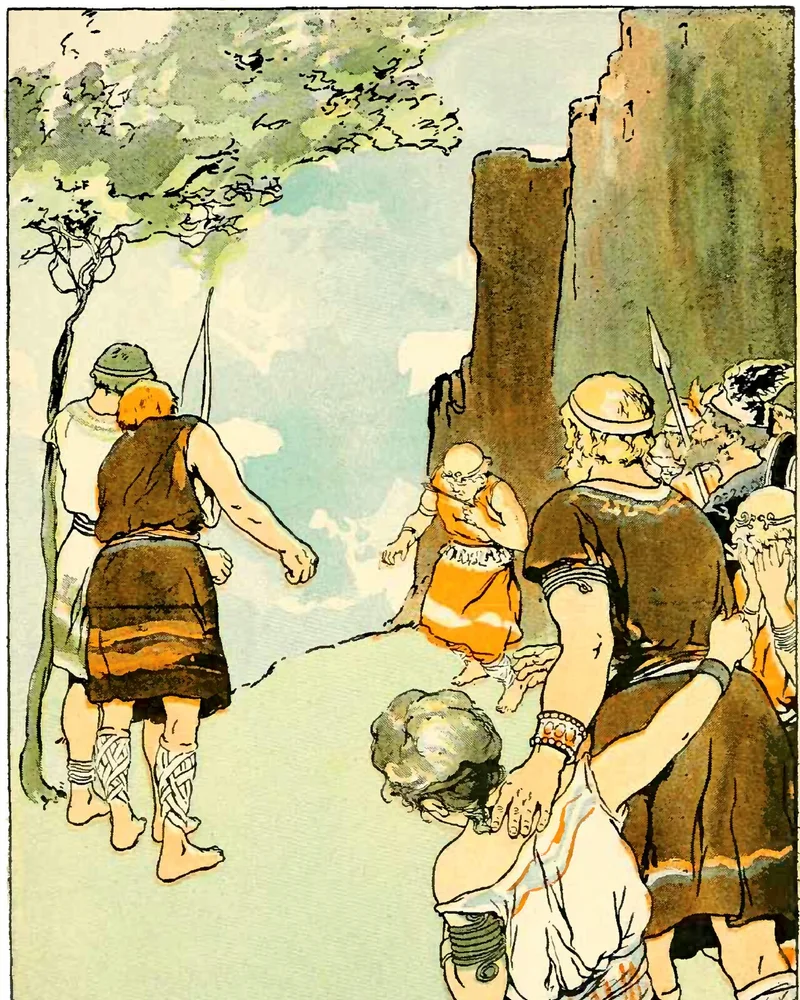
Höðr
A blind son of Odin who, in Snorri Sturluson's telling, unknowingly kills his brother Baldr with a mistletoe dart at Loki's instigation. Saxo Grammaticus preserves a very different, non-mythological account of the same figure as a rival human prince.
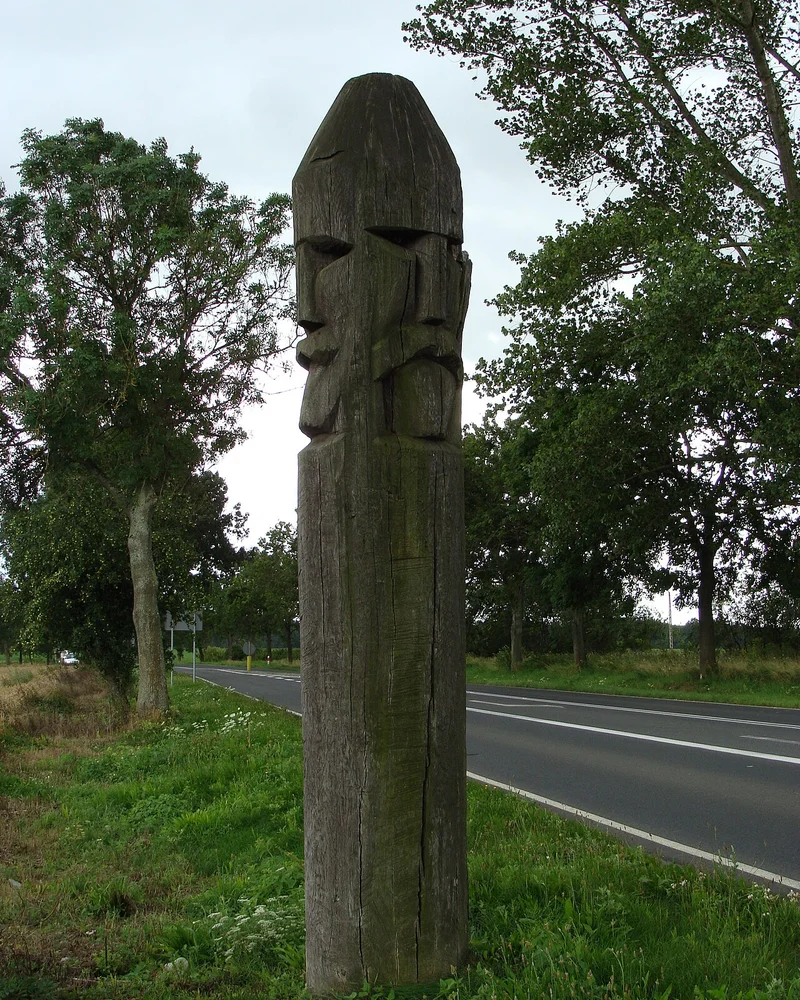
Triglav
The three-headed chief god of pagan Szczecin, whose temple and golden idol were destroyed during Bishop Otto of Bamberg's Christianizing mission of 1124–1128.
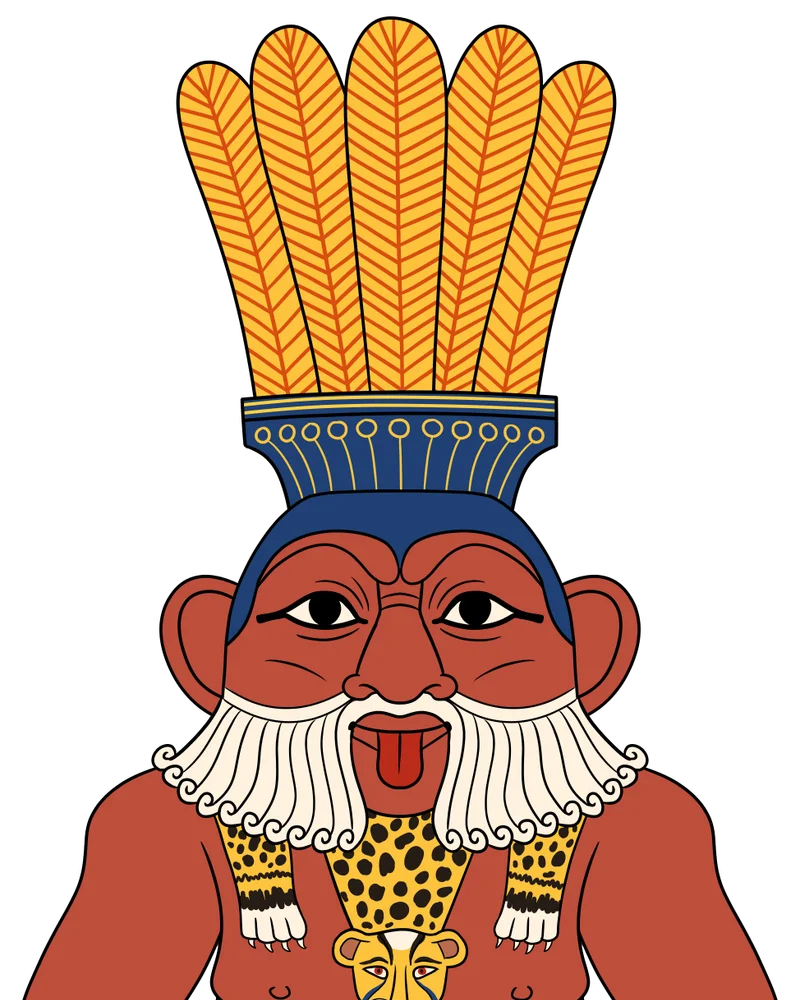
Bes
A dwarf-bodied, lion-maned household protector god who warded off evil spirits, nightmares, and dangers to mothers and children. Unlike most Egyptian deities, Bes was typically shown facing forward rather than in profile, and his cult was overwhelmingly domestic rather than centered on formal state temples.
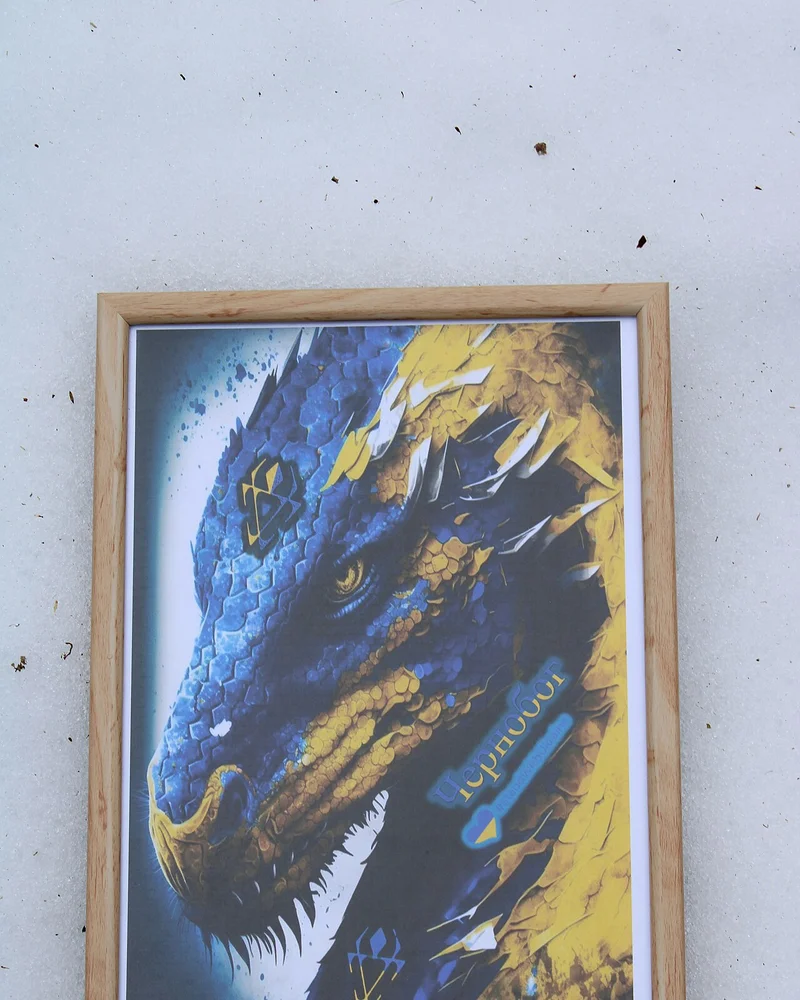
Chernobog
A "black god" of misfortune mentioned in exactly one medieval source, a Christian chronicler's brief and moralizing account of a feast toast; the paired "white god" Belobog appears only in much later sources, and most of what is said about Chernobog today goes beyond the evidence.
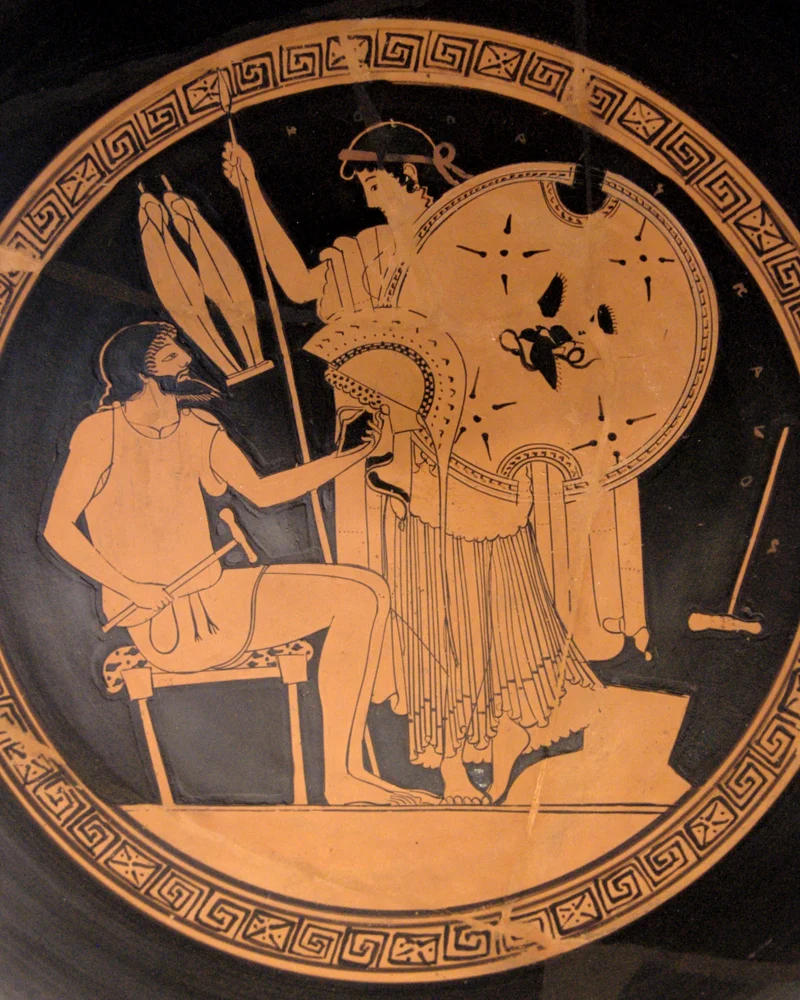
Hephaestus
God of fire, metalworking, and crafts. Son of Hera (and possibly Zeus), cast from Olympus due to his lameness but later readmitted.
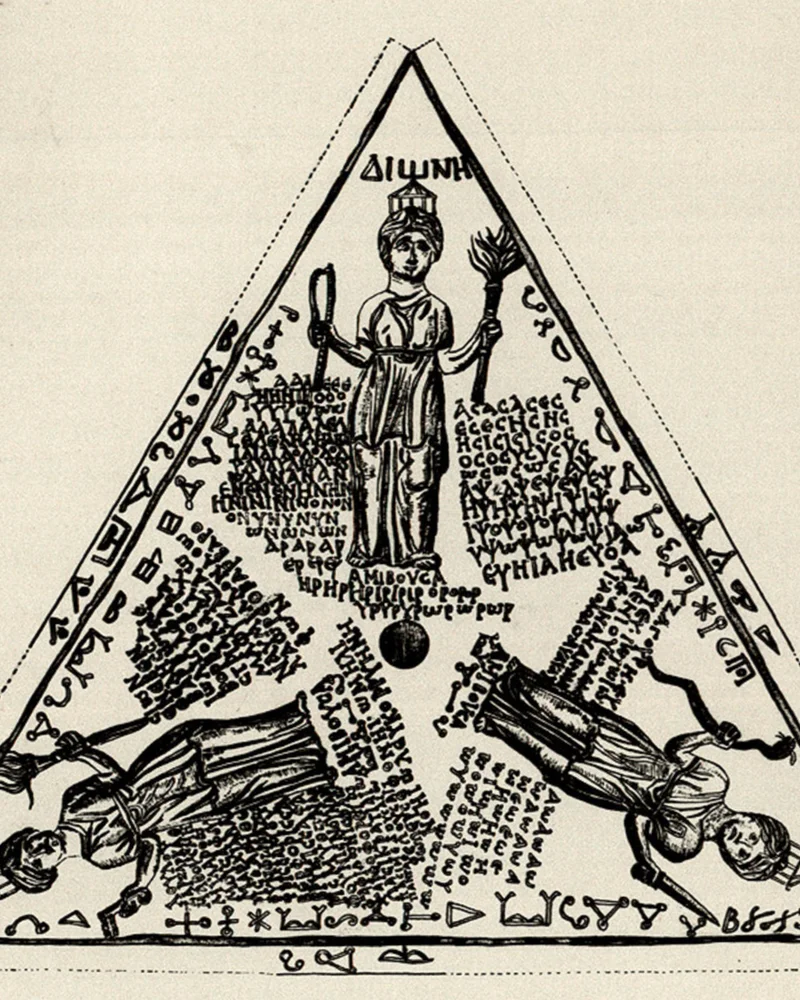
Melinoë
A chthonic goddess known from a single ancient text, Orphic Hymn 71: a saffron-veiled daughter of Persephone, fathered by Zeus in the guise of Plouton, who sends apparitions and night terrors to mortals. Almost nothing else is recorded of her.
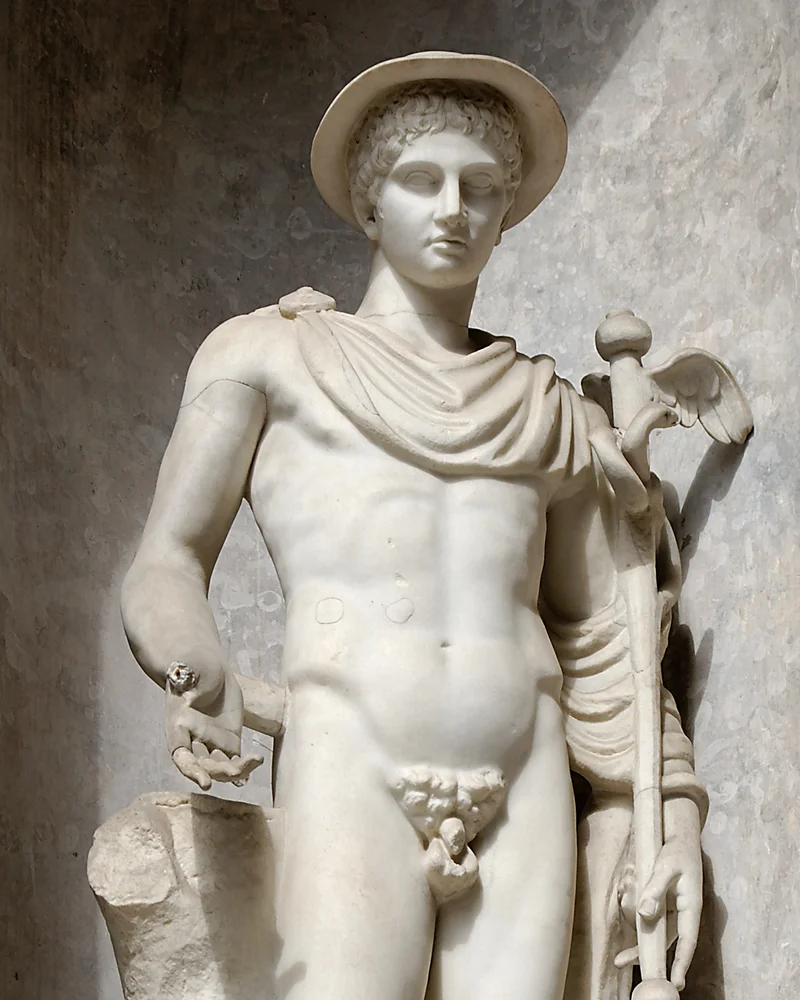
Hermes
God of messengers, commerce, thieves, and travelers. Son of Zeus and the nymph Maia, known for his cunning and speed.
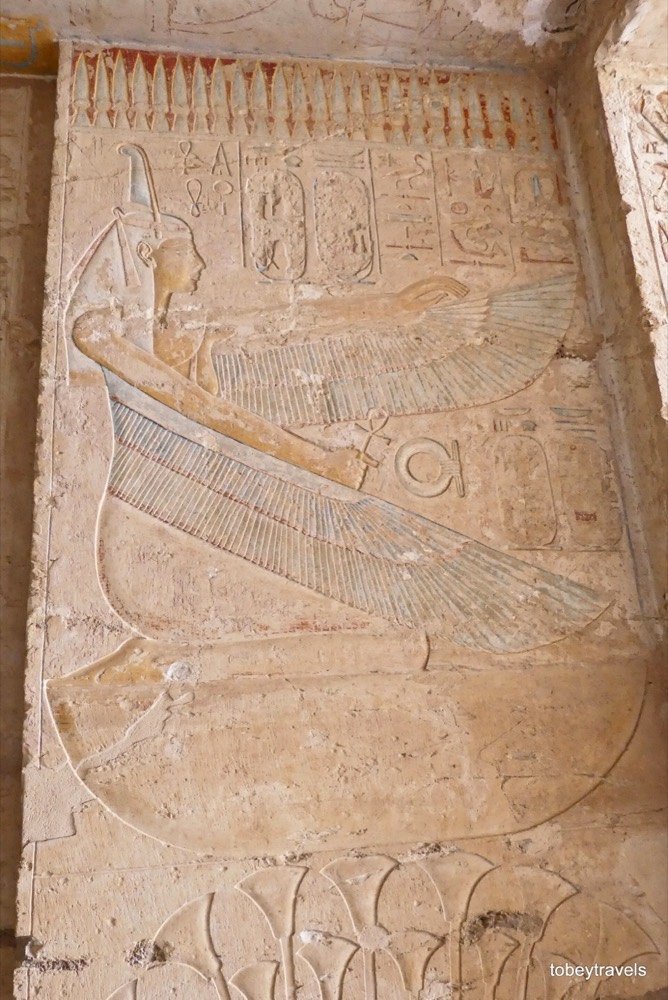
Maat
The goddess wearing a single ostrich feather, personifying truth, justice, and cosmic order; at the judgment of the dead the heart is weighed against her feather.
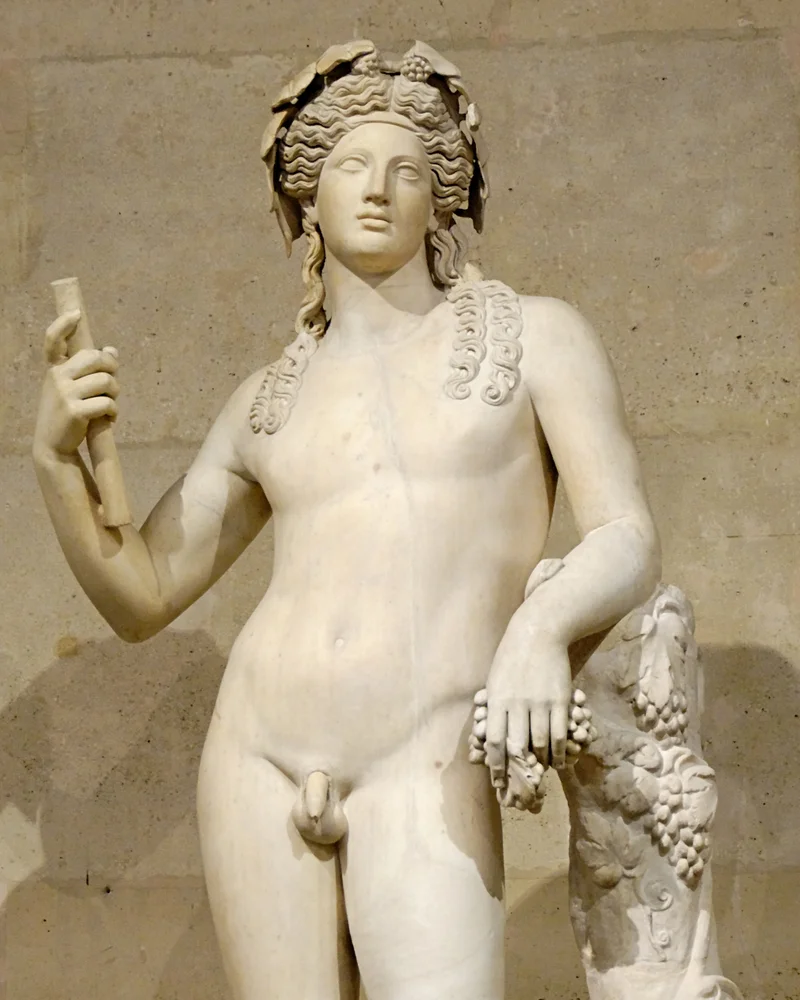
Dionysus
God of wine, festivity, and theater. Son of Zeus and the mortal Semele, the only Olympian born to a mortal parent.
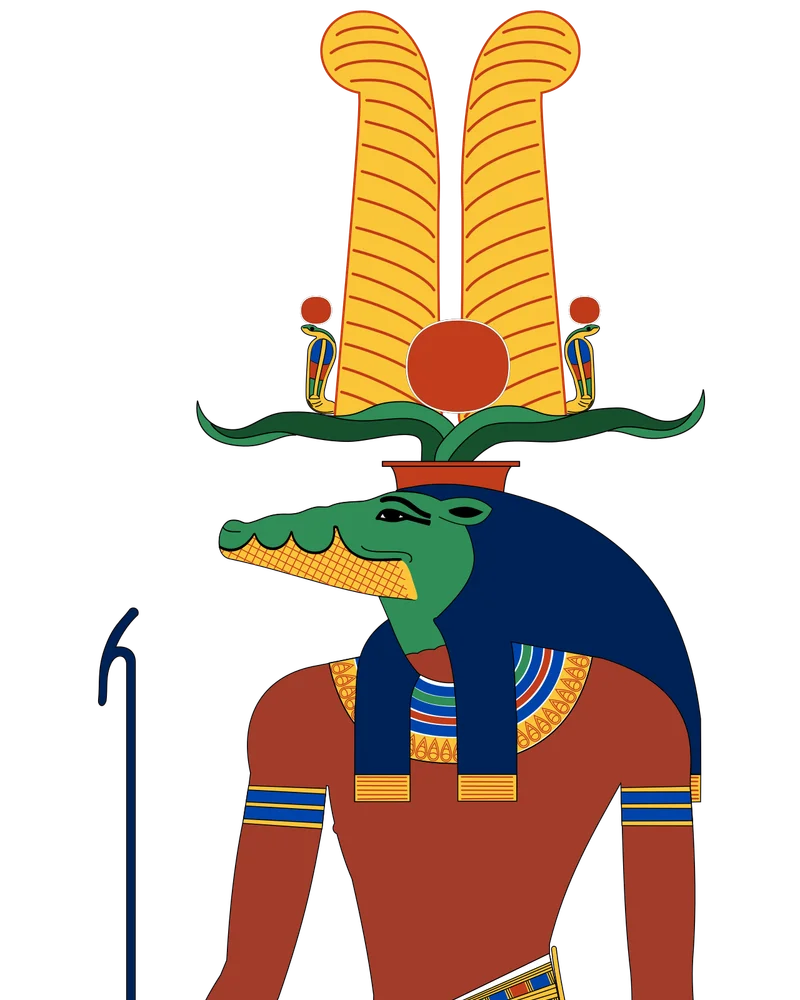
Sobek
Crocodile god of the Nile and its fertility. Protector against the dangers of the Nile and symbol of pharaonic power and military prowess.