

Anningan (the Moon Man)
Also known as: Aningaaq (Greenland), Taqqiq, the Moon Spirit (Iglulik), Igaluk (Alaska, in some sources)
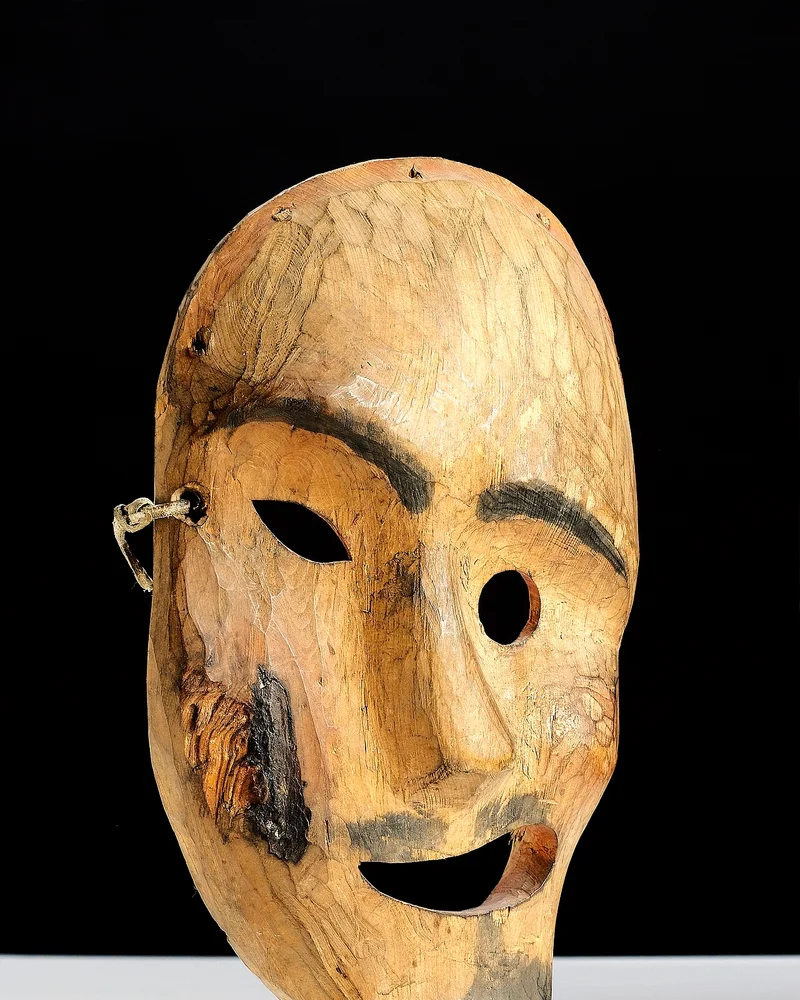
Mythological Narrative
The brother who became the moon after pursuing his sister, the sun, across the sky; in Iglulik tradition the Moon Spirit also helps angakkuit, watches over hunting and the birth of children, and punishes those who break taboos.
Scholarly Commentary & Evolution
## The brother in the sky
Across the Inuit Arctic the moon is a man and the sun is his sister. The story of how they came to the sky, told in slightly different forms from Greenland to Alaska, begins with a brother who visits his sister in the dark and a sister who discovers who he is; she flees with a burning torch and becomes the sun, and he chases her with a torch that goes out to embers and becomes the moon. His pursuit never ends, which is why the moon follows the sun and sometimes catches her, in an eclipse. The name Anningan, common in English-language books, reflects the Greenlandic Aningaaq; in Iglulik he is Taqqiq, the Moon Spirit.
## The Moon Spirit's work
In Iglulik accounts recorded by Rasmussen, the Moon Spirit is a powerful and on the whole benevolent figure. He lives in a house in the sky, travels by dog-sled, helps angakkuit who visit him in spirit, can give luck in hunting, and is linked with the conception of children. He also punishes people who break taboos. The moon's monthly disappearance is explained in some tellings as his absence while he hunts.
## Regional differences
In Greenland, Aningaaq's house in the sky and his neighbours are described in detail in Rink's collections; in parts of Alaska the moon is linked with a man called Igaluk in popular sources, though those accounts are less securely documented. As with the Sea Woman, the moon's name and role differ by region, and this entry reports those differences rather than choosing one.
Cross-Pantheon Parallels & Archetypes
Academic Discussion & Critique
Exchange peer-reviewed hypotheses, comparative Indo-European etymologies, and archaeological field interpretations regarding Anningan (the Moon Man).
You Might Also Like
Tsukuyomi
The moon god born from Izanagi's right eye, given the realm of night. The chronicles record almost nothing of him beyond one episode: his killing of the food goddess Ukemochi.
Anguta
In Baffin Island tellings recorded by Franz Boas, the Sea Woman's father, who cut off her fingers and now lives with her in Adlivun, carrying the dead to that dwelling.
Malina (the Sun Woman)
The sister who became the sun: when she discovered that the visitor in the dark was her brother, she fled with a burning torch into the sky, and he has pursued her ever since as the moon.
Pinga
Among the inland Caribou Inuit of the Kivalliq region, a female power 'up above' who watches over the caribou and over how people treat the animals they hunt.