

Divine Relics & Sacred Artifacts
From Mjölnir and Excalibur to the Golden Fleece, Aegis, and the Holy Grail. Browse 88+ enchanted armaments, cosmological instruments, and venerated relics steeped in legendary provenance.
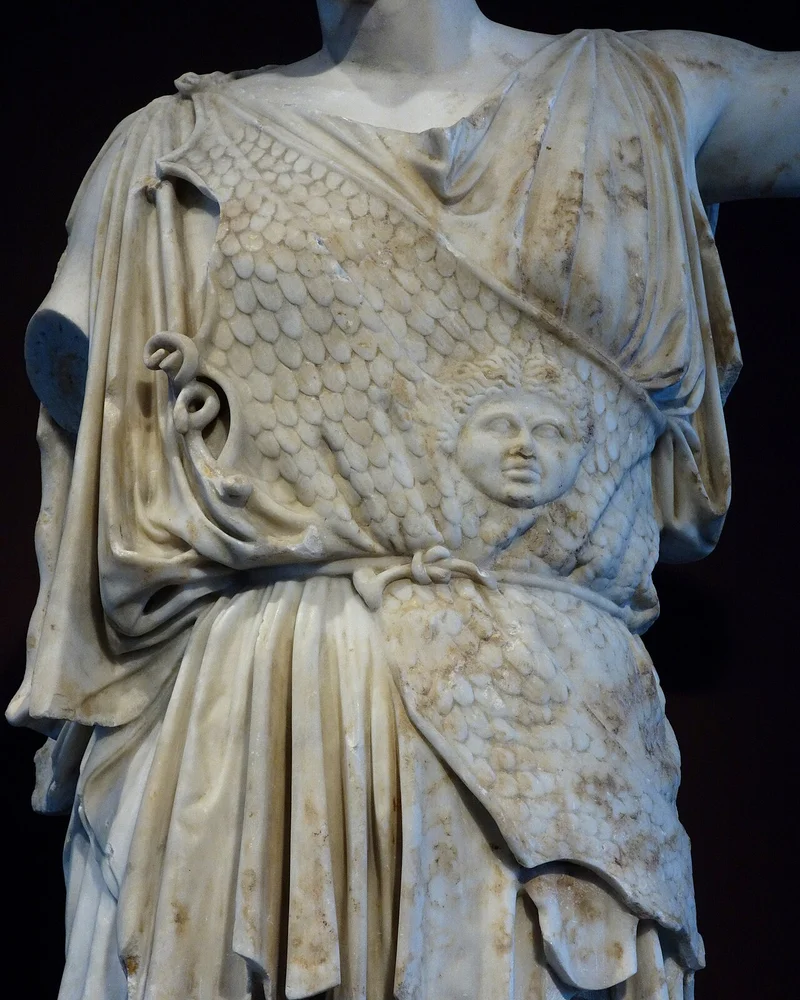
Aegis
The legendary shield of Zeus and Athena, adorned with the fearsome head of the Gorgon Medusa. This divine aegis strikes terror into the hearts of enemies and provides impenetrable protection to its bearer.
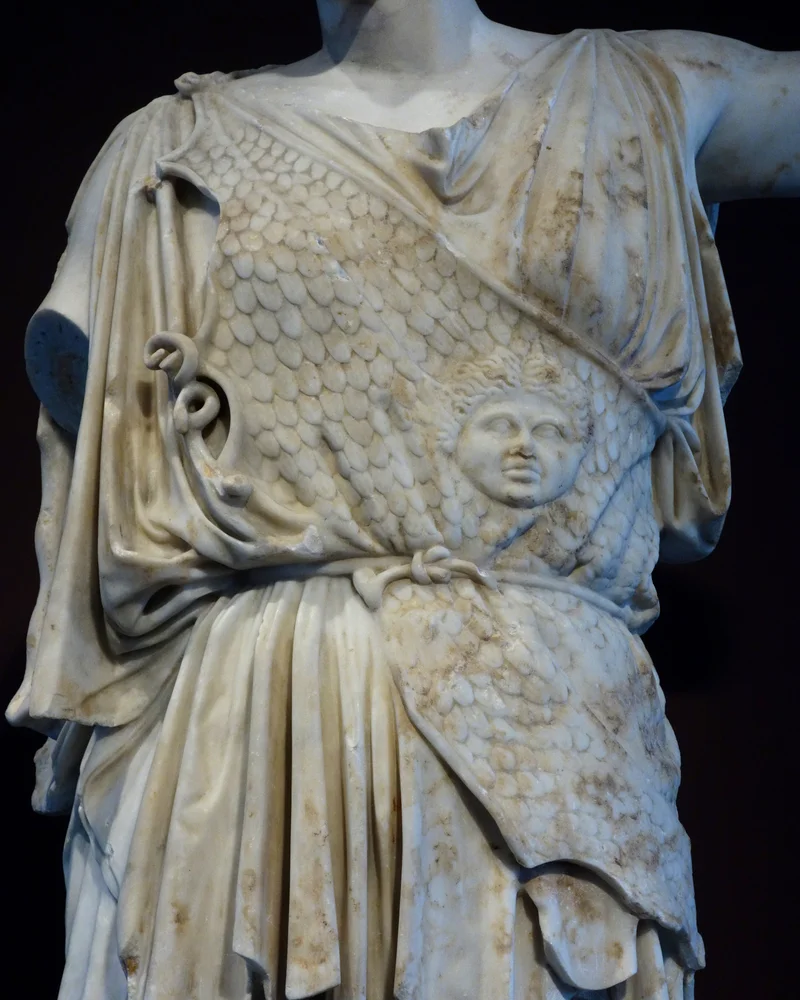
Aegis of Jupiter
The divine shield of Jupiter, king of the Roman gods, adorned with the Gorgon's head. Like its Greek counterpart, it served as both protection and weapon, striking fear into the hearts of enemies and symbolizing supreme divine authority.
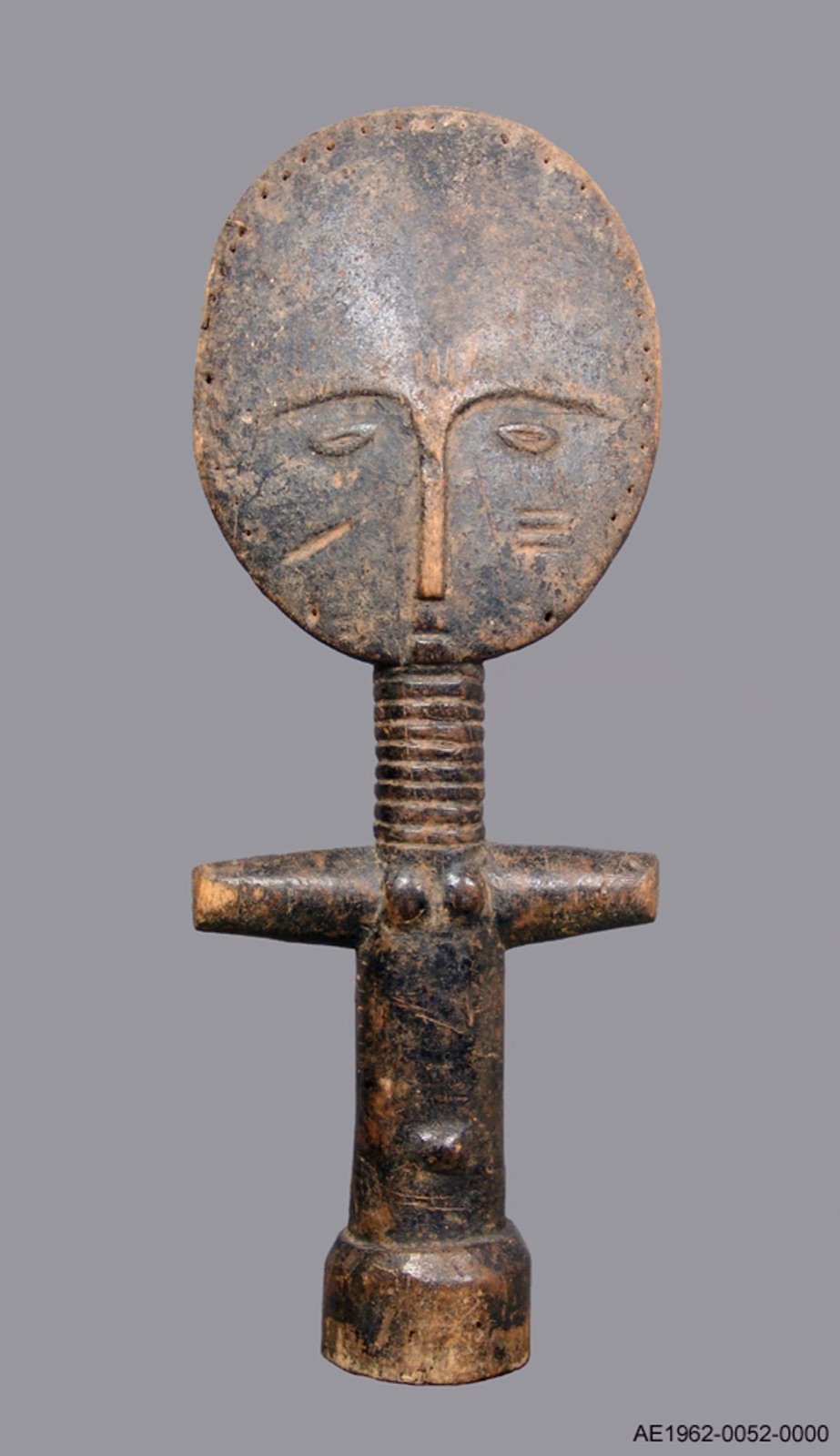
Akua’ba
The round-headed fertility figure carried and cared for after Akua’s legendary prayer for a child.
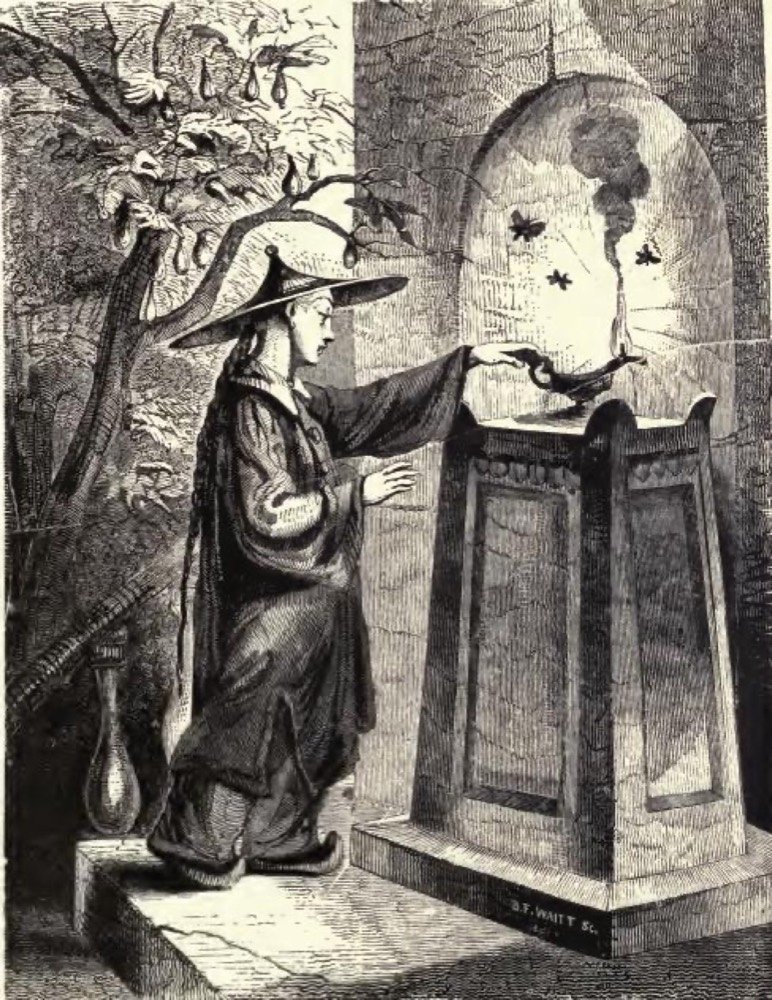
Aladdin's Lamp
A shabby oil lamp from an underground treasure cave; rub it and a jinni appears, slave to whoever holds it. No early Arabic manuscript contains the tale — the Syrian Hanna Diyab told it to Galland in 1709.
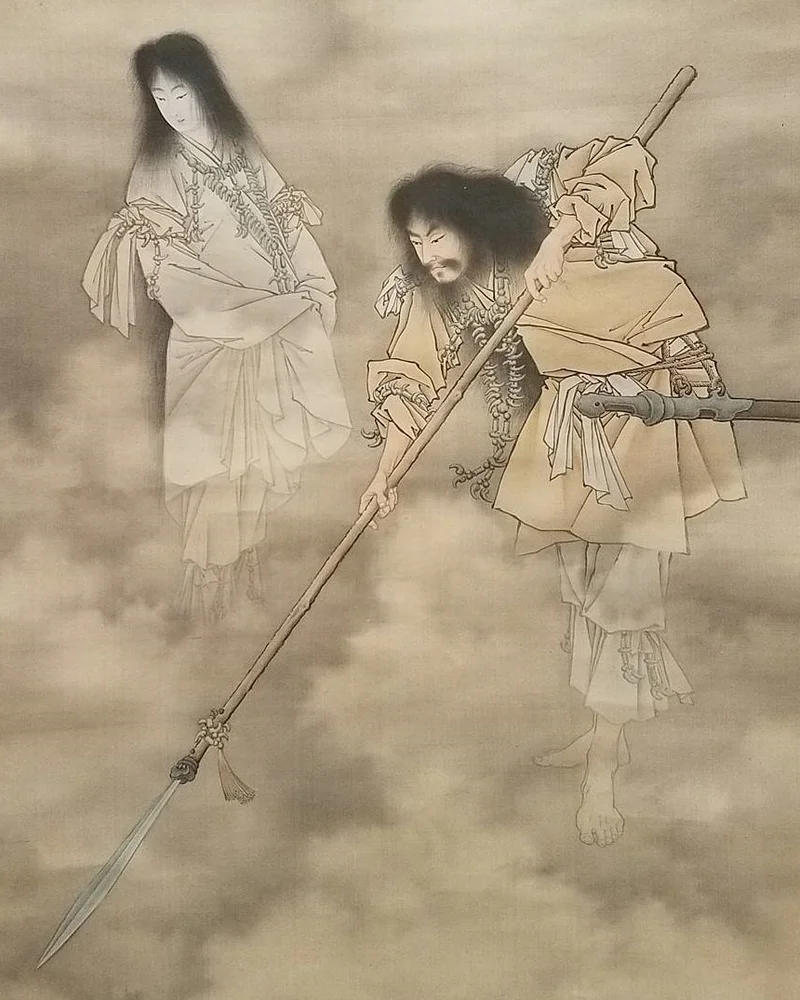
Ame-no-Nuboko
The Heavenly Jeweled Spear used by Izanagi and Izanami to churn the primordial sea and create the first Japanese islands. It is the divine tool of creation itself.
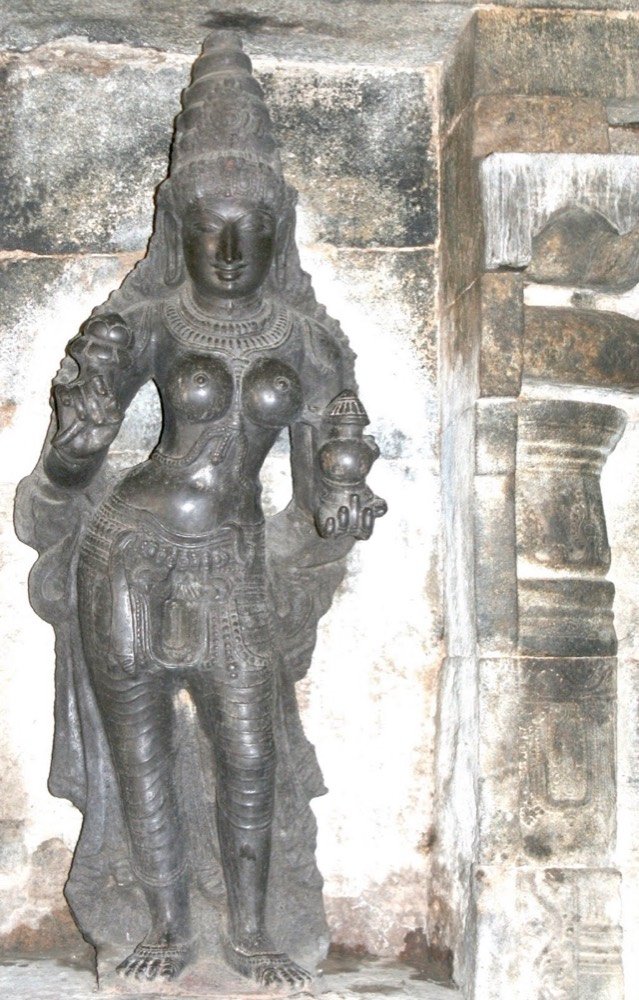
Amrita
The nectar of immortality churned from the milky sea, borne up in a pot by Dhanvantari. Rahu stole a sip and lost his head; Garuda seized it to free his mother; the Kumbh Mela bears its vessel's name.
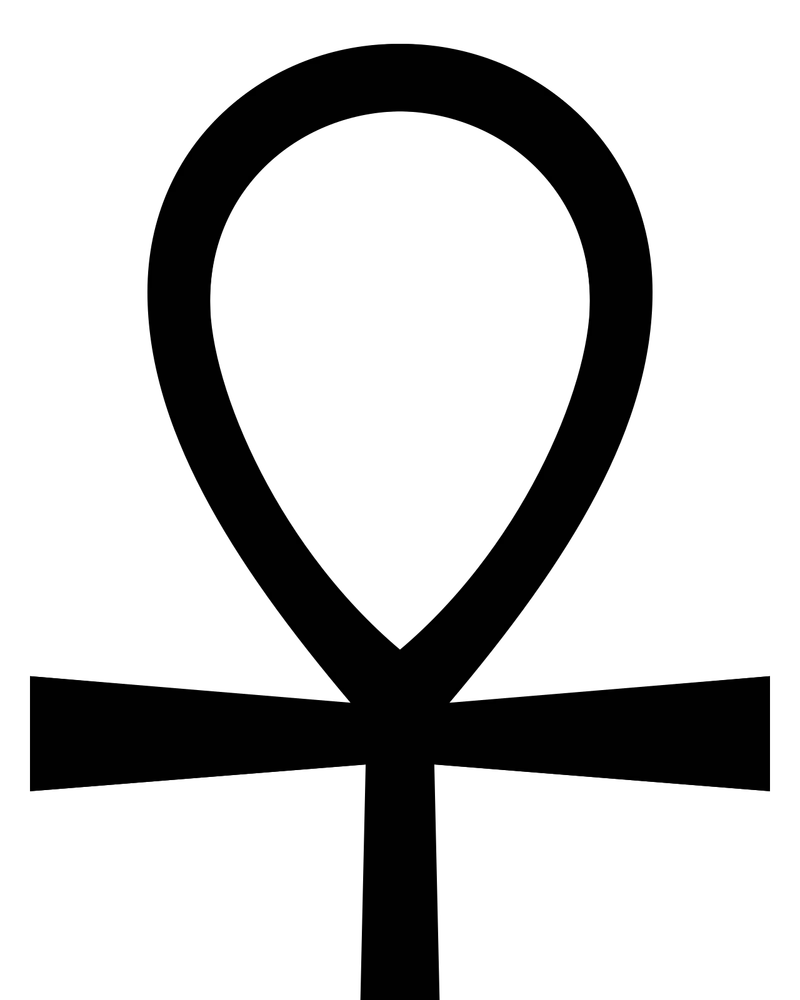
Ankh
The key of life, representing eternal existence and the breath of life itself. Gods are often depicted holding the ankh to the nose of pharaohs, bestowing upon them divine life force.
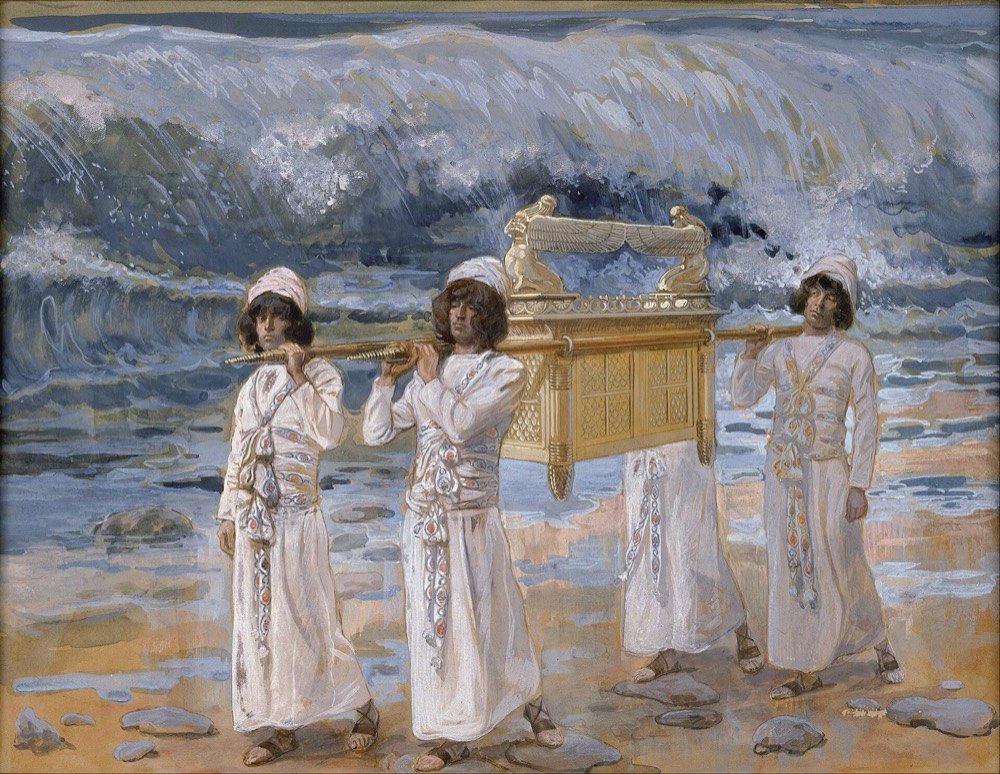
Ark of the Covenant
A gold-covered acacia chest holding the tablets of the Ten Commandments, its lid crowned by two facing golden cherubim. Carried through Israel's wanderings and wars, it entered Solomon's Holy of Holies and vanished from history in the sixth century BCE.
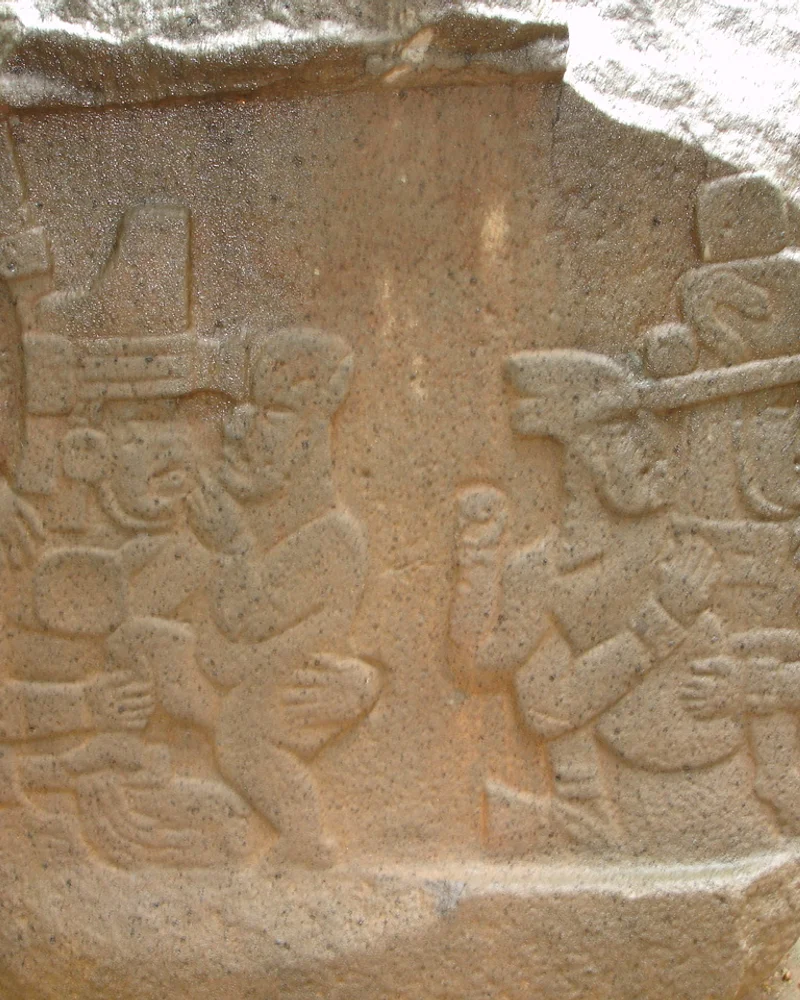
Blowgun of the Hero Twins
The blowgun Hunahpu and Xbalanque use to strike the arrogant bird-demon Seven Macaw and later to navigate the trials of Xibalba.
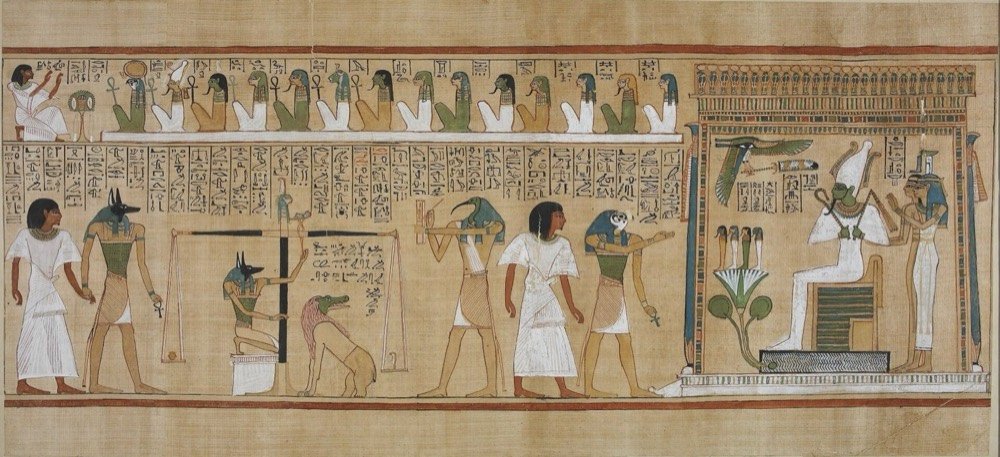
Book of the Dead
The corpus of funerary spells written on burial papyri — 'Spells of Coming Forth by Day' — some two hundred chapters teaching the dead to name the gatekeepers, pass the weighing, and reach the Field of Reeds.
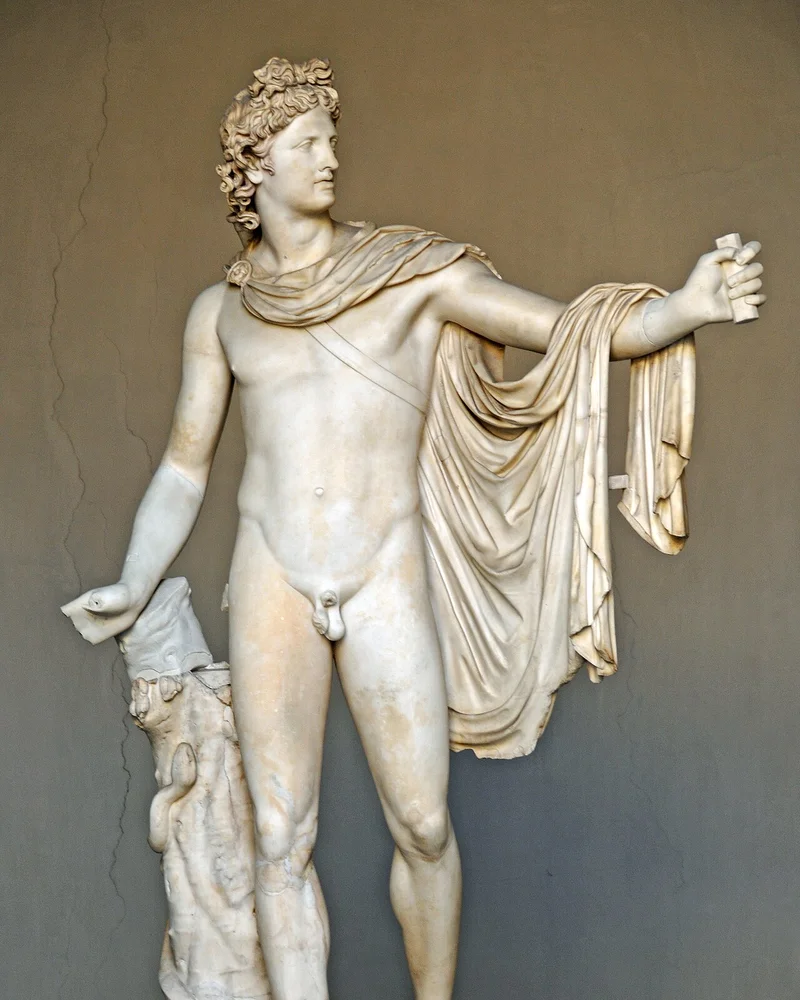
Bow of Apollo
The silver bow of the god of archery, light, and plague. Its arrows never miss their target and can bring both death through plague or healing through purification.
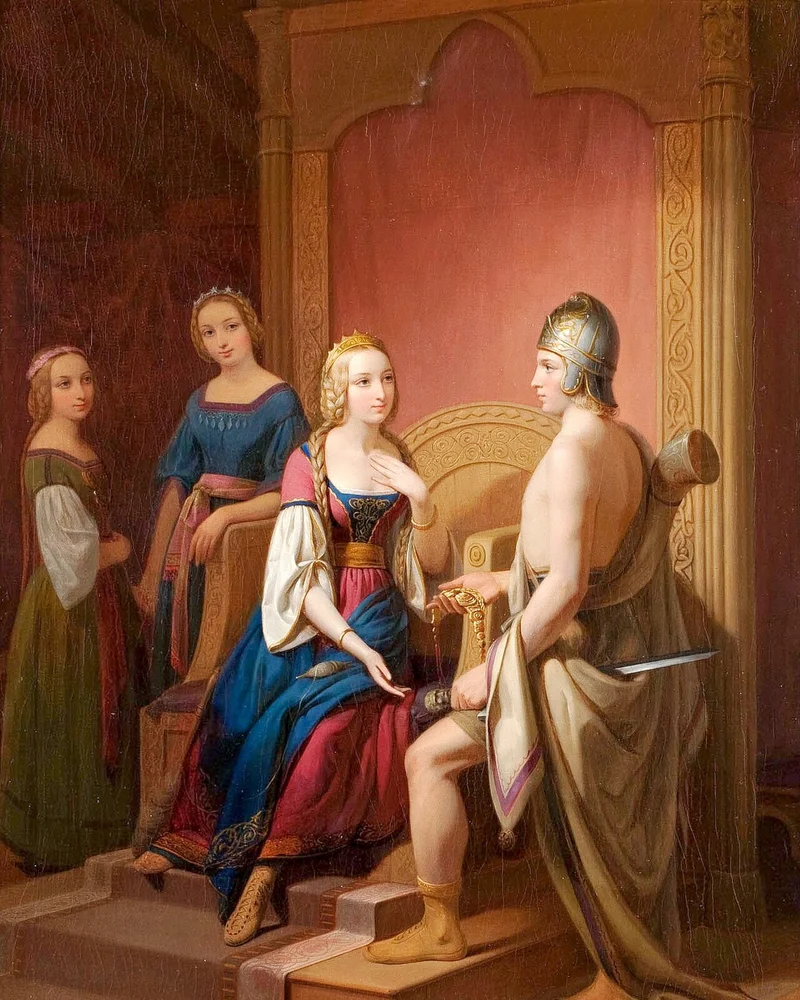
Brisingamen
The necklace of the Brisings, a magnificent piece of jewelry belonging to Freya. It enhances her already irresistible beauty and is one of the most coveted treasures in all the Nine Worlds.
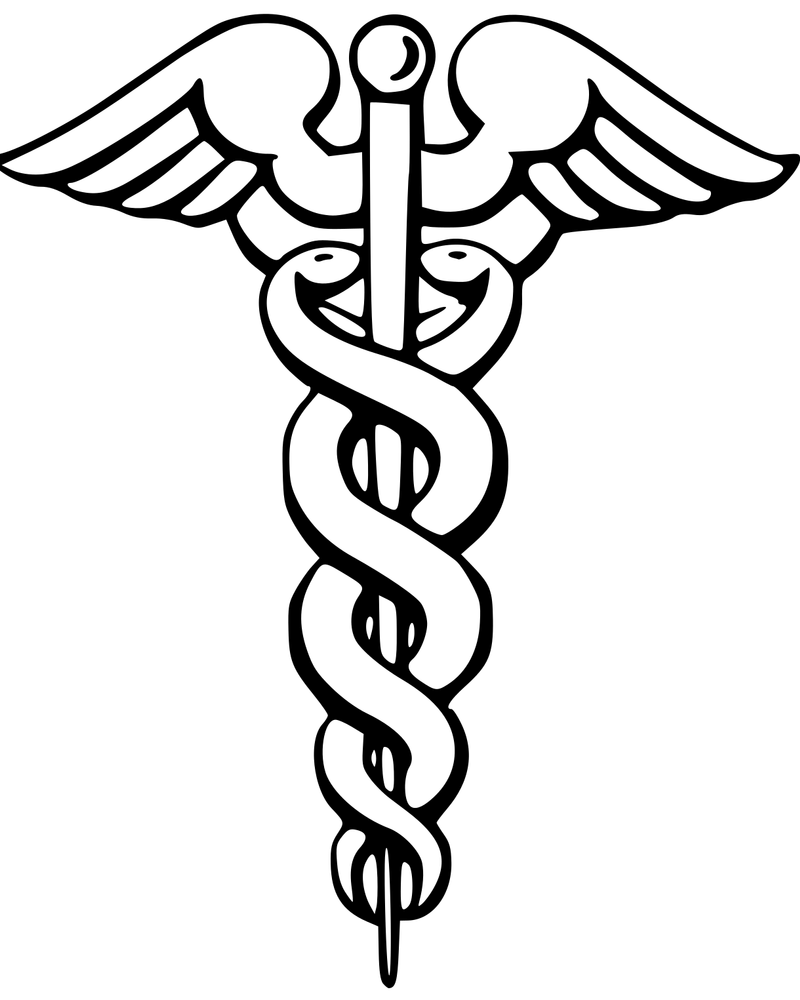
Caduceus
The winged staff entwined by two serpents, carried by Hermes as messenger of the gods. It grants safe passage between realms and the power to guide souls to the underworld.
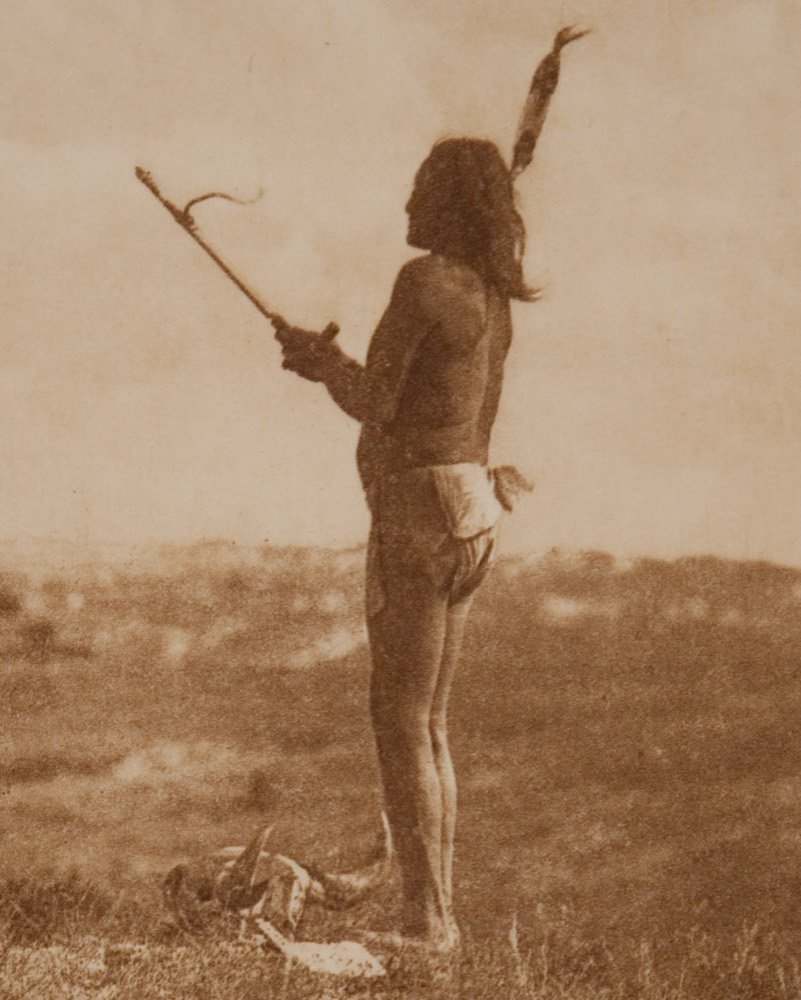
Chanunpa, the Sacred Pipe
The instrument at the heart of all Seven Lakota Rites: a red stone bowl on a wooden stem, its smoke carrying prayer to Wakan Tanka. The original Calf Pipe remains with its nineteenth-generation keeper.
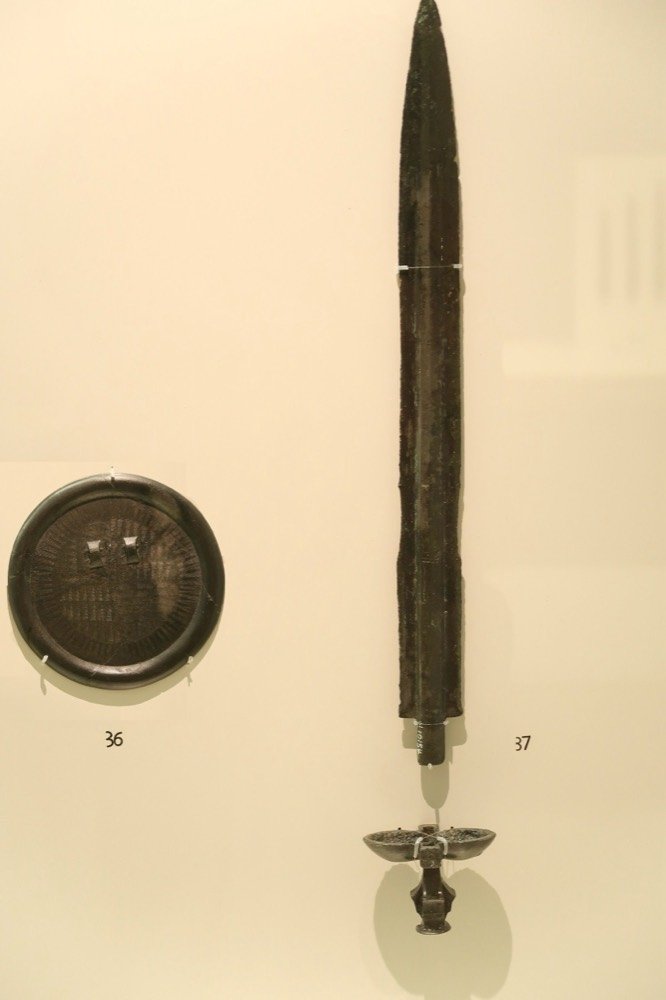
Cheonbuin
Three tokens given by the heavenly ruler Hwanin to his son Hwanung before his descent to Mount Taebaek; the text counts them but never describes them, and later tradition guesses at sword, mirror, and bell.
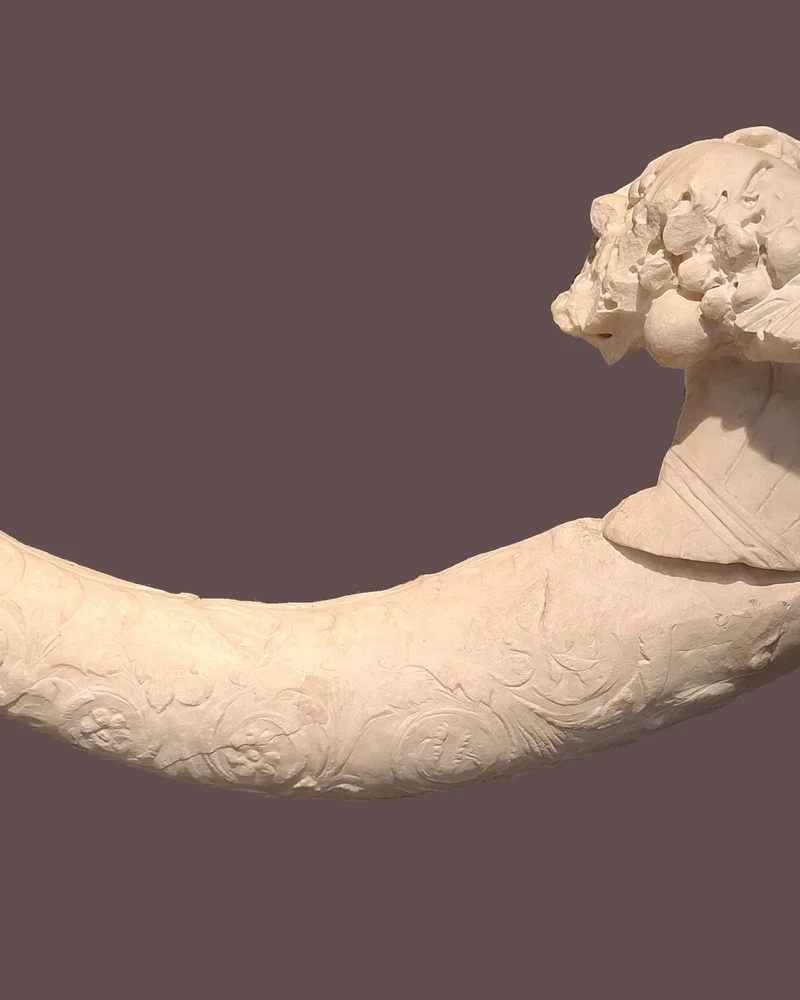
Cornucopia
The Horn of Plenty, a magical horn that produces endless food and drink. Associated with the goddess Abundantia and the infant Jupiter, who was nursed by the goat Amalthea whose horn became the cornucopia.
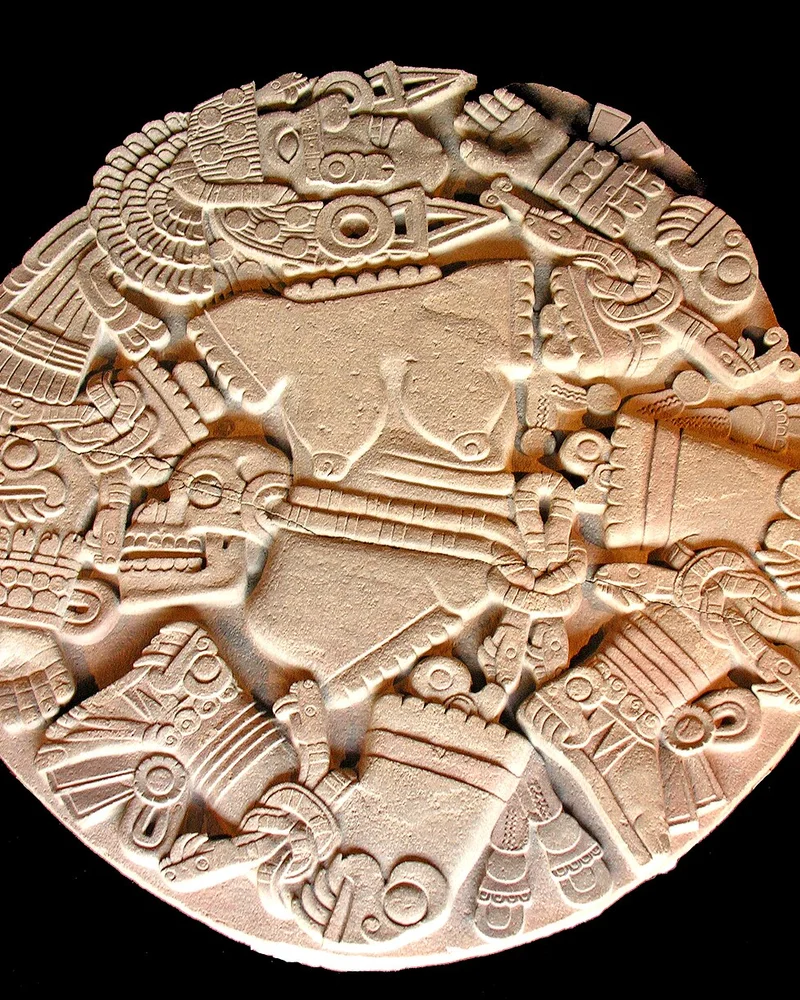
Coyolxauhqui Stone
The great disk depicting the dismembered moon goddess Coyolxauhqui, a cosmic emblem of defeat beneath the Templo Mayor.
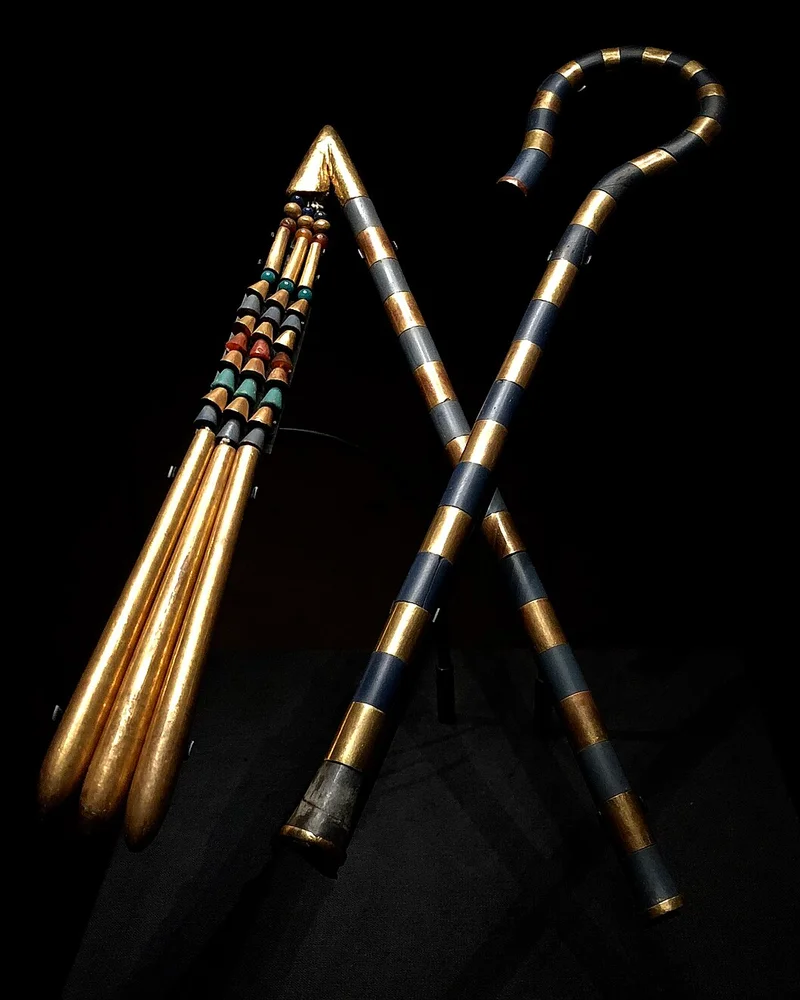
Crook and Flail
The twin symbols of pharaonic authority and divine kingship. The crook represents the ruler as shepherd of the people, while the flail symbolizes the power to provide sustenance.
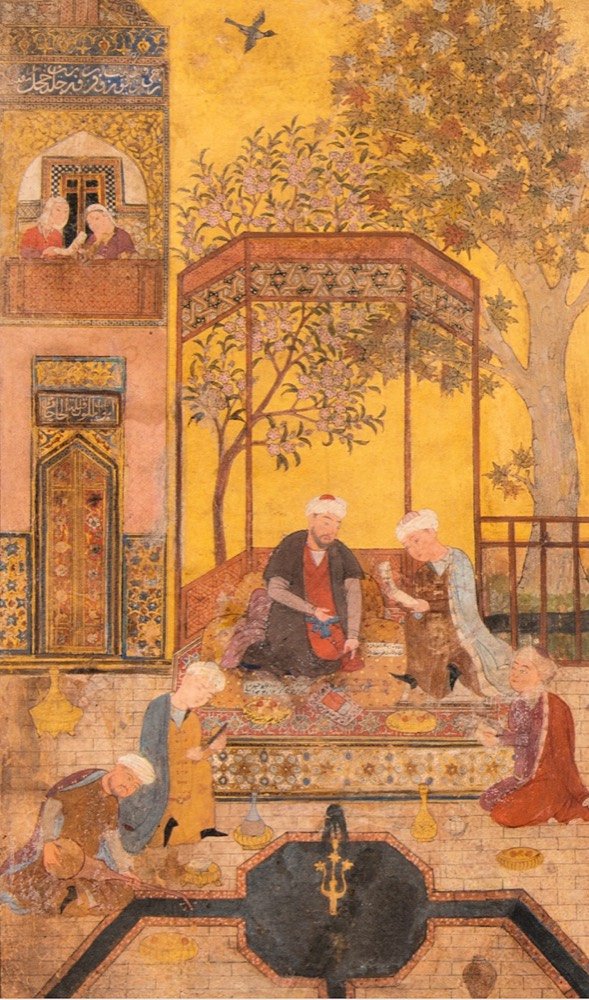
Cup of Jamshid
The legendary cup that mirrors all the world. In the Shahnameh, Kay Khosrow uses it to find Bizhan trapped in a pit in Turan; later poetry attributed it to King Jamshid.
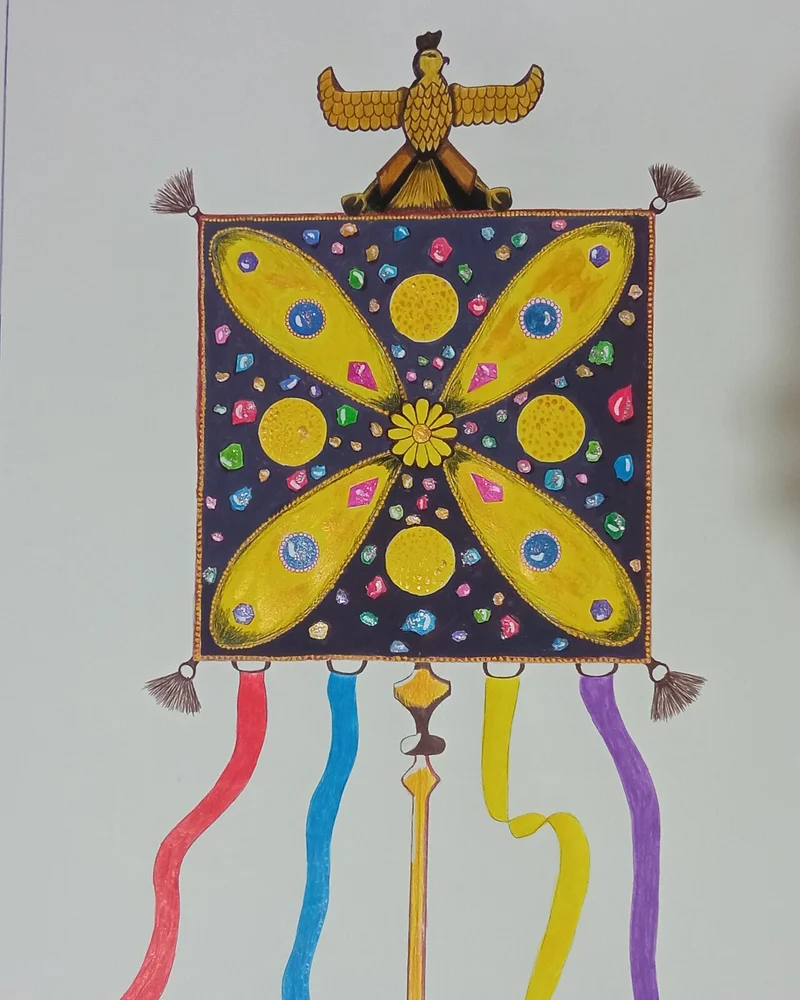
Derafsh-e Kaviani
The banner of Kaveh: the leather apron the blacksmith raised on a spear against the tyrant Zahhak, adorned with jewels by Fereydun and carried as Iran's royal standard until, the historians say, it was captured in the Arab conquest.
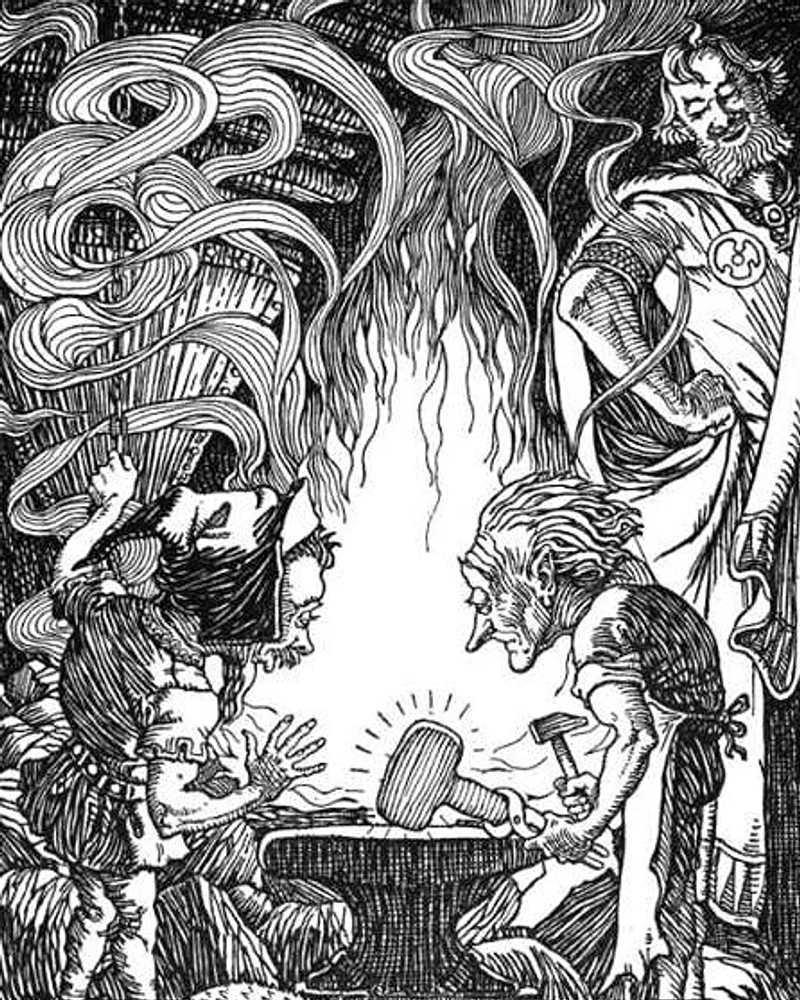
Draupnir
Odin's magical gold ring that multiplies itself every ninth night, producing eight identical rings of equal weight and beauty. It represents endless wealth and regeneration.
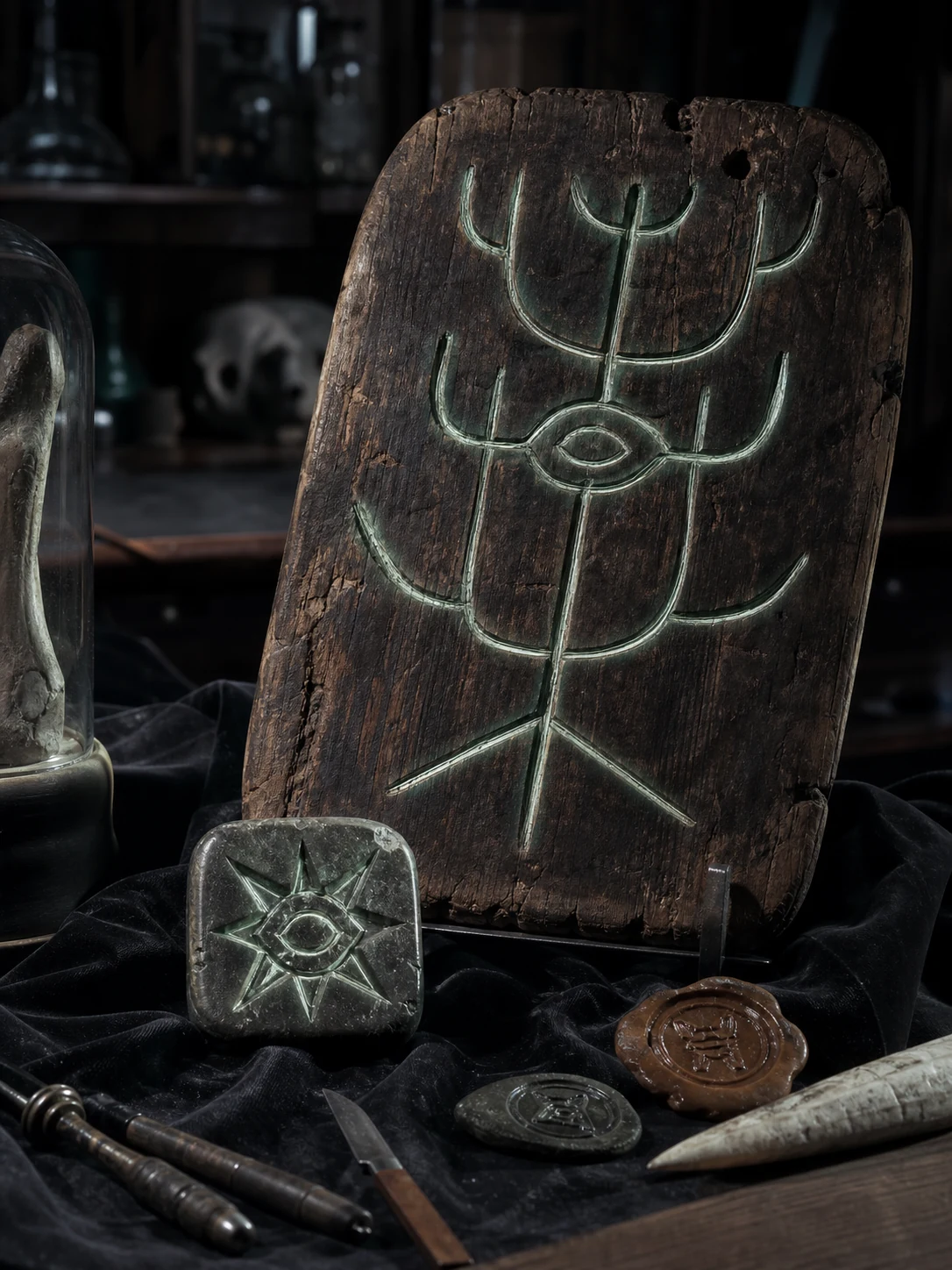
Elder Sign
A protective or prohibitive mark whose twig-like Lovecraft form and later star-and-eye design belong to different layers.
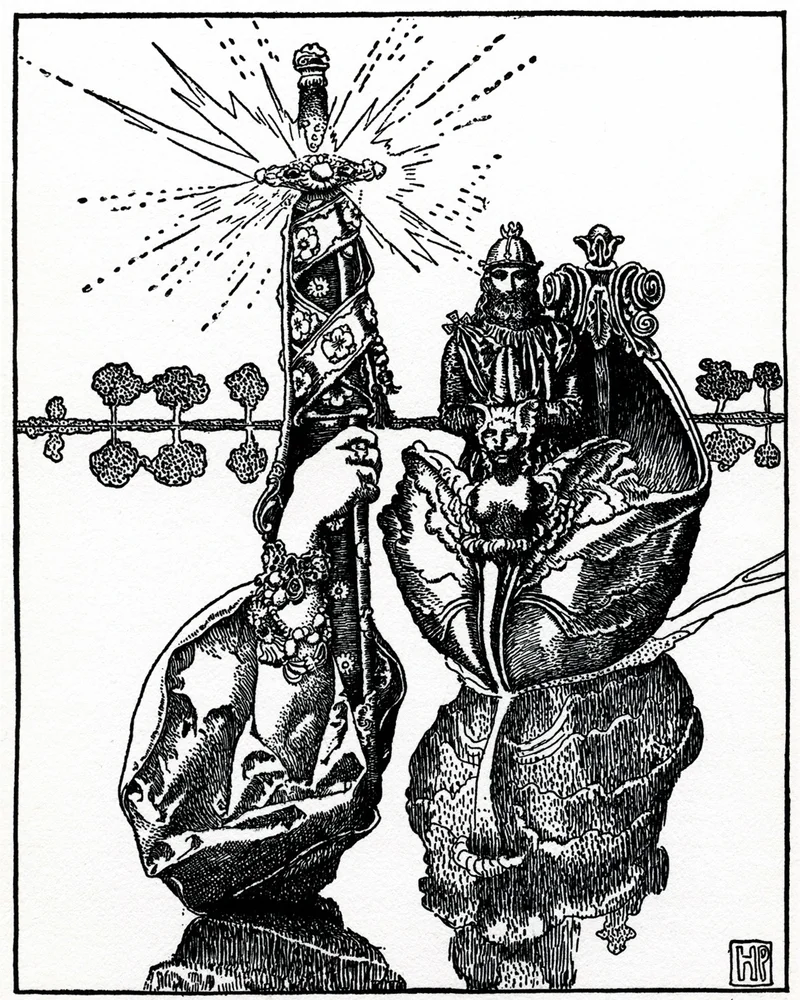
Excalibur
The legendary sword of King Arthur, symbol of rightful sovereignty over Britain. Its blade could cut through anything, and its scabbard protected the bearer from all wounds.
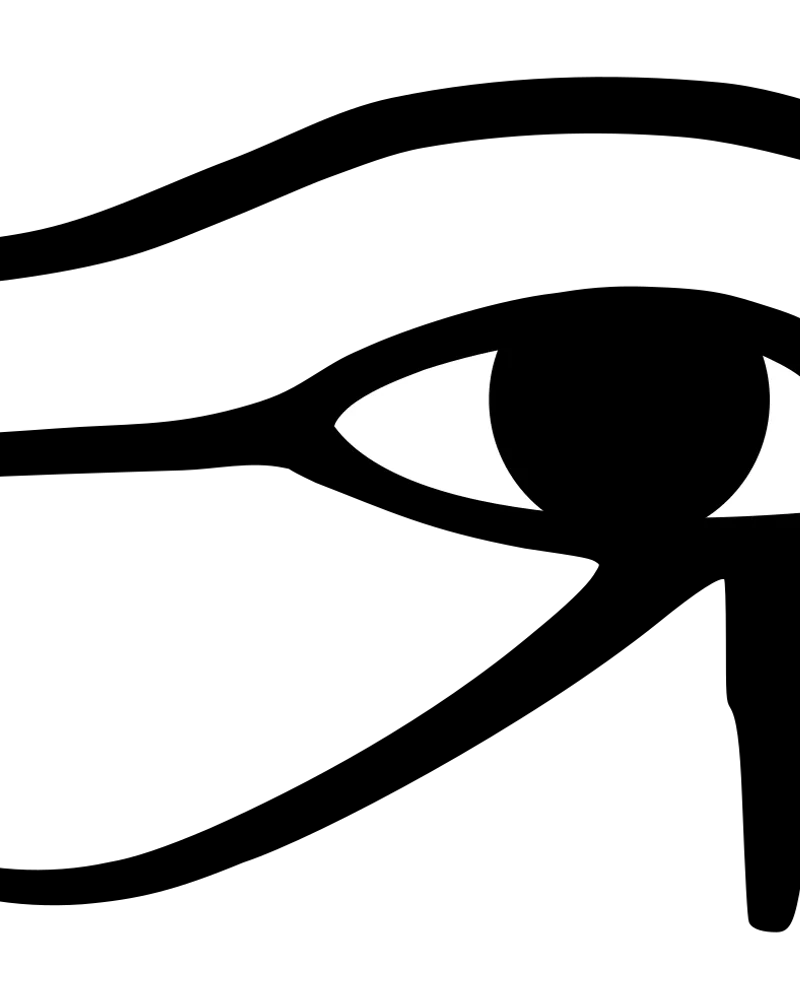
Eye of Ra
A powerful solar disk that embodies the destructive aspect of the sun god. It can be sent forth as a weapon of divine wrath, often taking the form of the goddess Sekhmet to punish humanity.
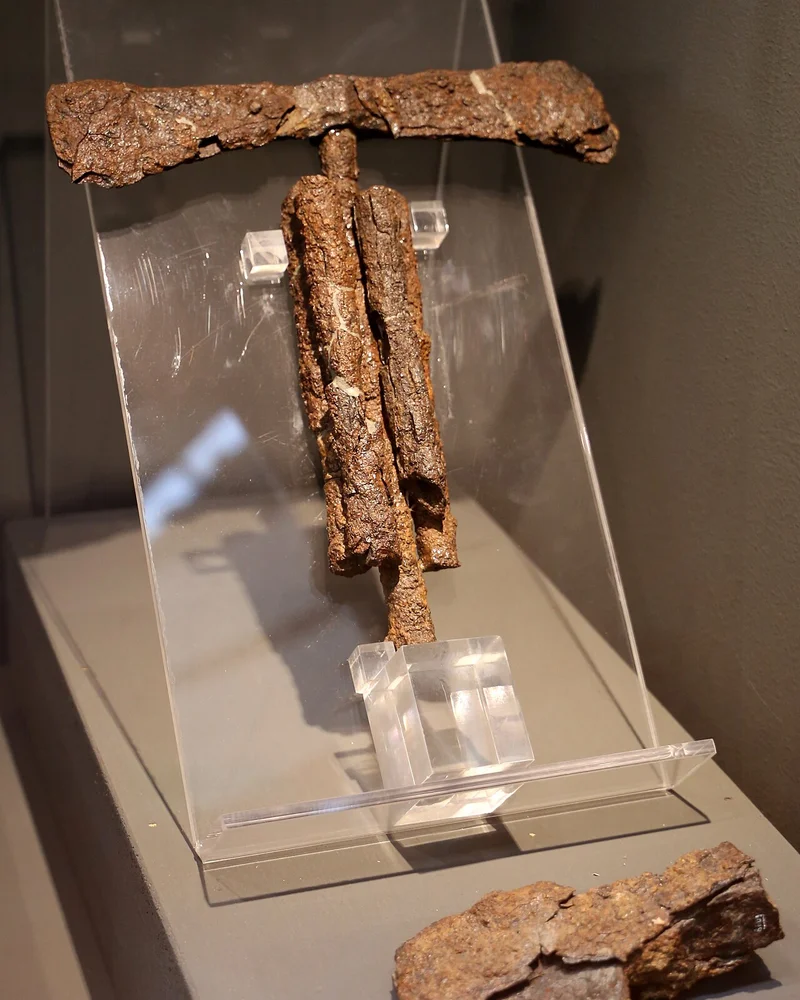
Fasces
A bundle of wooden rods bound together around an axe, symbolizing the power and jurisdiction of Roman magistrates. The rods represented the authority to punish, while the axe signified the power over life and death.
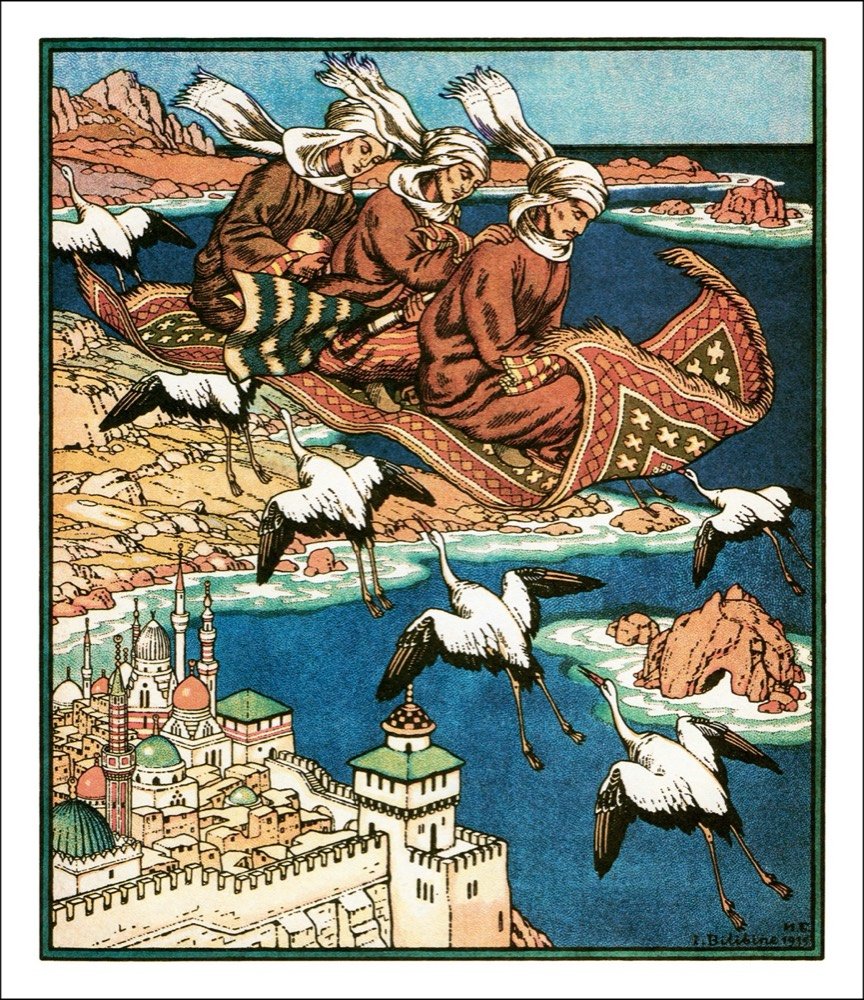
Flying Carpet
The carpet that flies. In Islamic legend Solomon's vast green silk carpet bore his whole court upon the wind; in the Nights' tale of Prince Ahmed, a plain-looking little rug carries its rider anywhere in an instant.
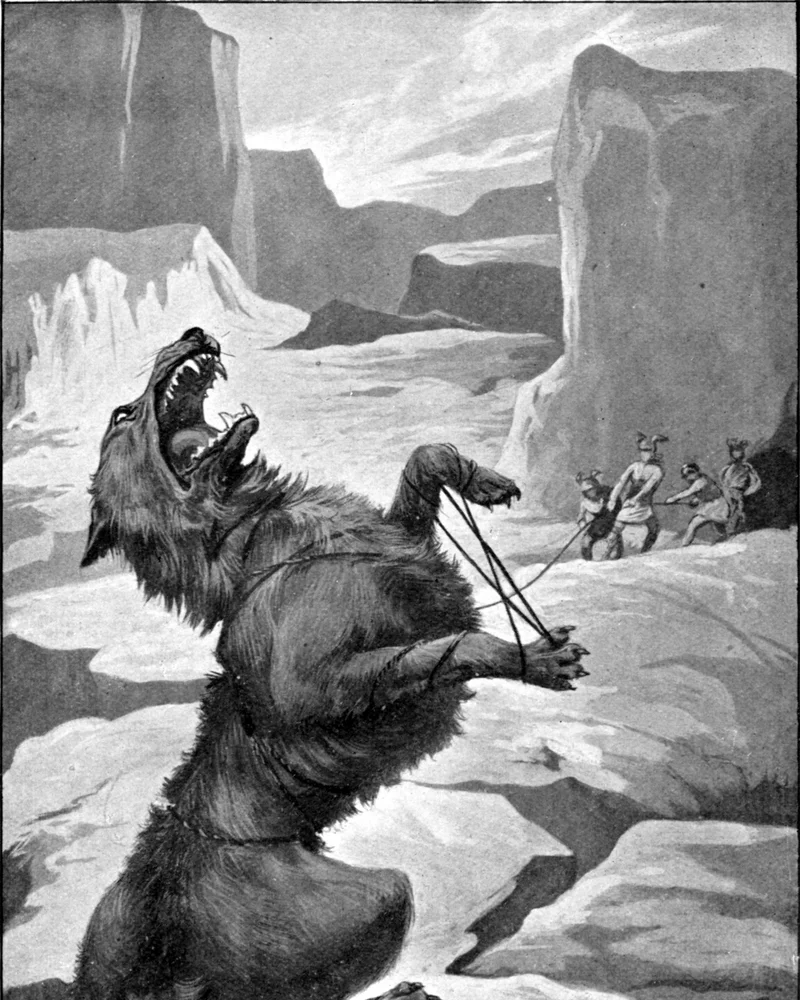
Gleipnir
The magical fetter that binds the monstrous wolf Fenrir. Though thin as a silk ribbon, it is stronger than any iron chain, forged from impossible ingredients by the dwarves.
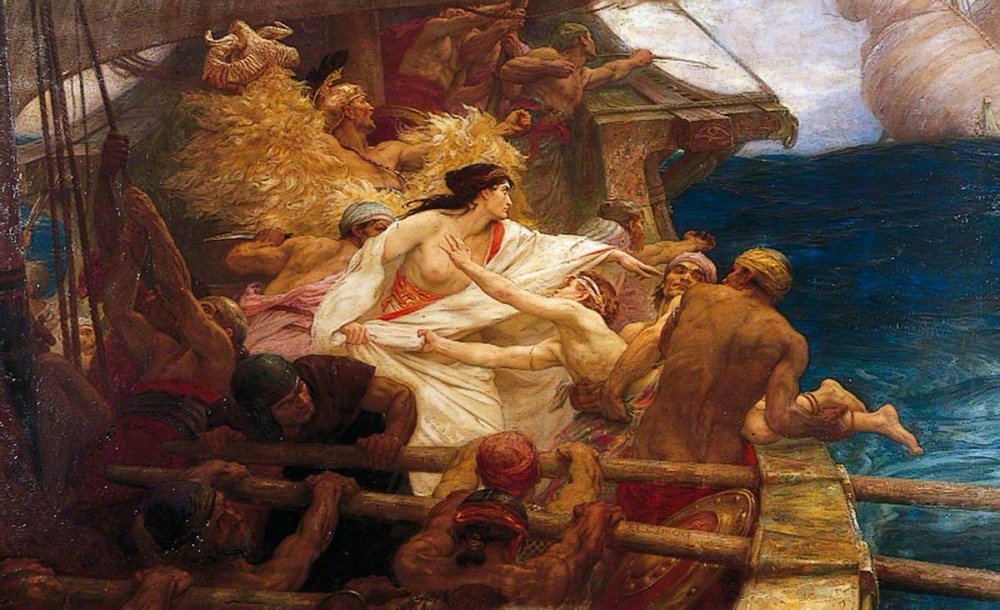
Golden Fleece
The fleece of a flying golden ram, nailed to an oak in the grove of Ares at Colchis and guarded by a sleepless dragon, won by Jason with Medea's help.
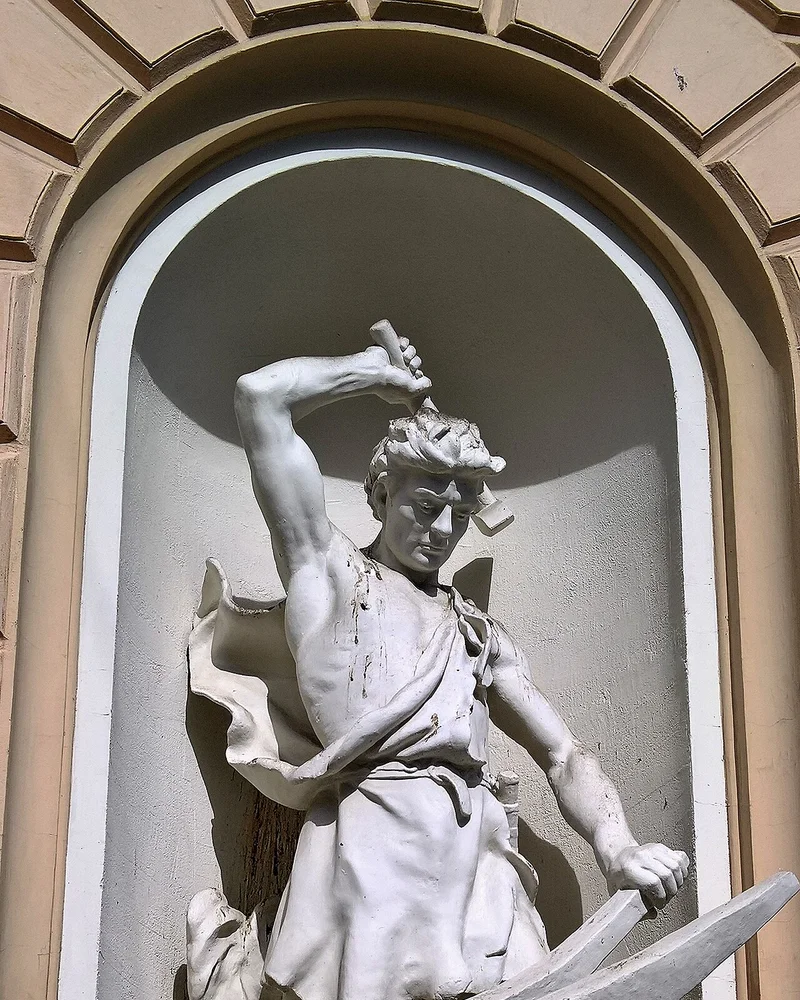
Golden Maiden of Ilmarinen
The bride of gold and silver that the grieving smith Ilmarinen forges after his wife's death, beautiful but cold as ice beside him at night; Väinämöinen tells him to melt her down and warns young men never to court gold.
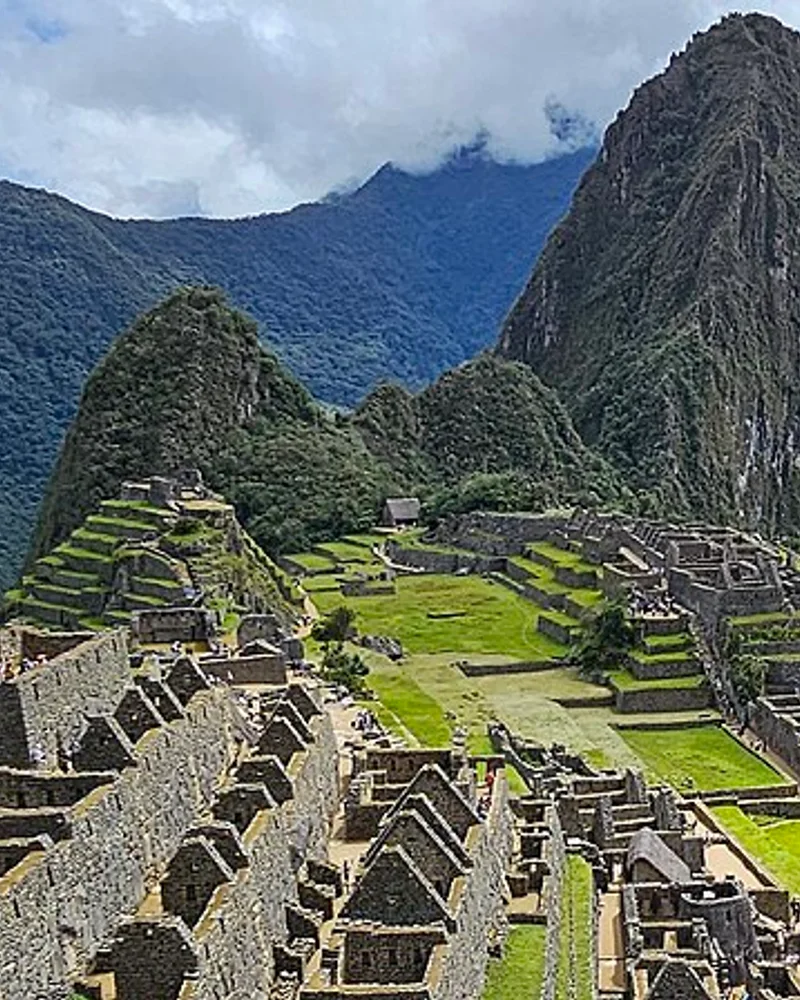
Golden Rod of Manco Cápac
The rod of gold that the Sun gave to his children at Lake Titicaca, which would show them where to found their city by sinking into the ground at a single thrust; it vanished into the earth at Huanacauri above Cusco.
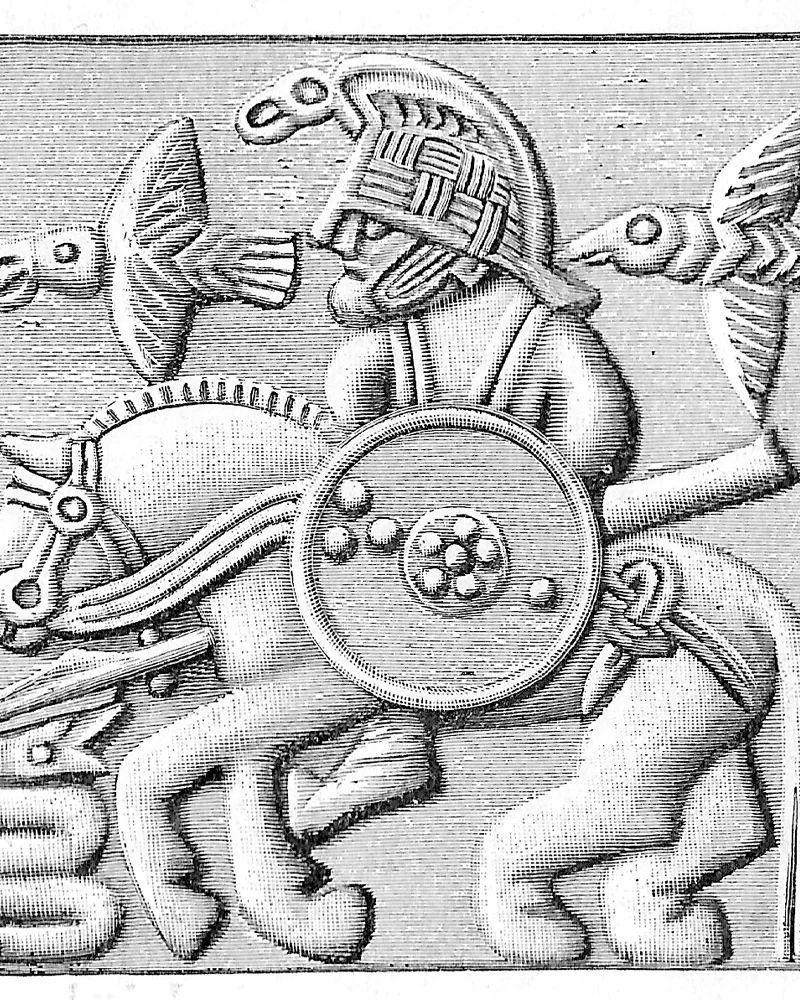
Gungnir
Odin's mighty spear that never misses its mark and always kills its target. Oaths sworn upon Gungnir are unbreakable, and it was used to begin the first war in creation.
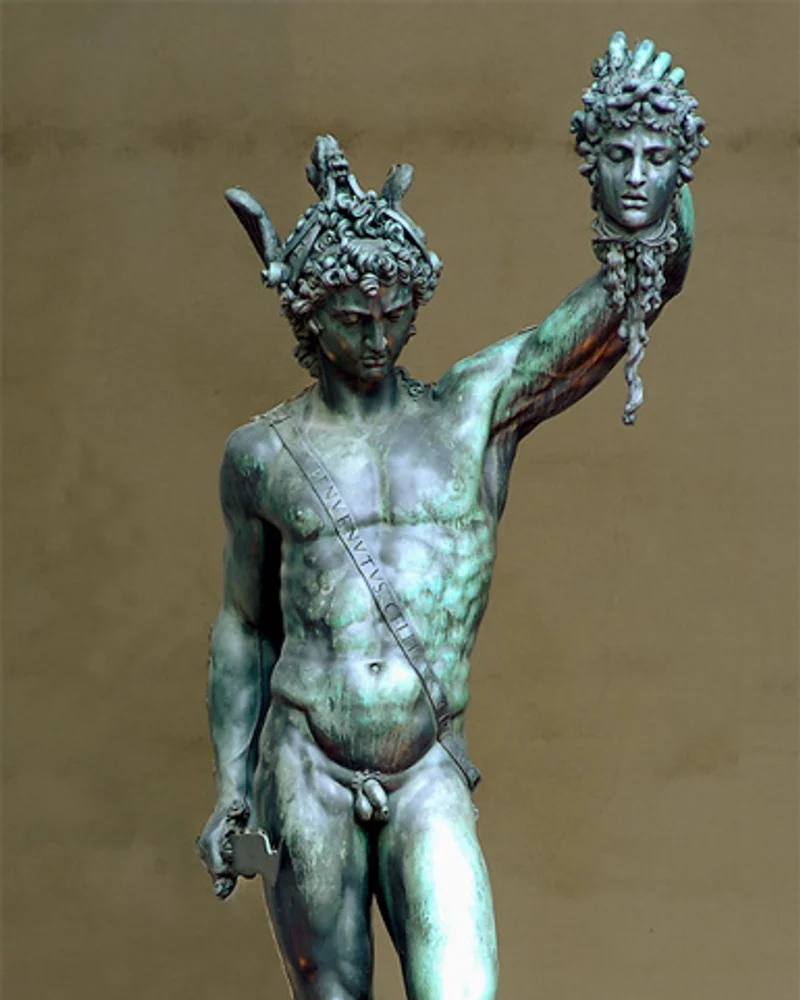
Helm of Darkness
The helmet of invisibility belonging to Hades, lord of the underworld. This dark artifact renders the wearer completely invisible to gods, mortals, and even other supernatural beings.
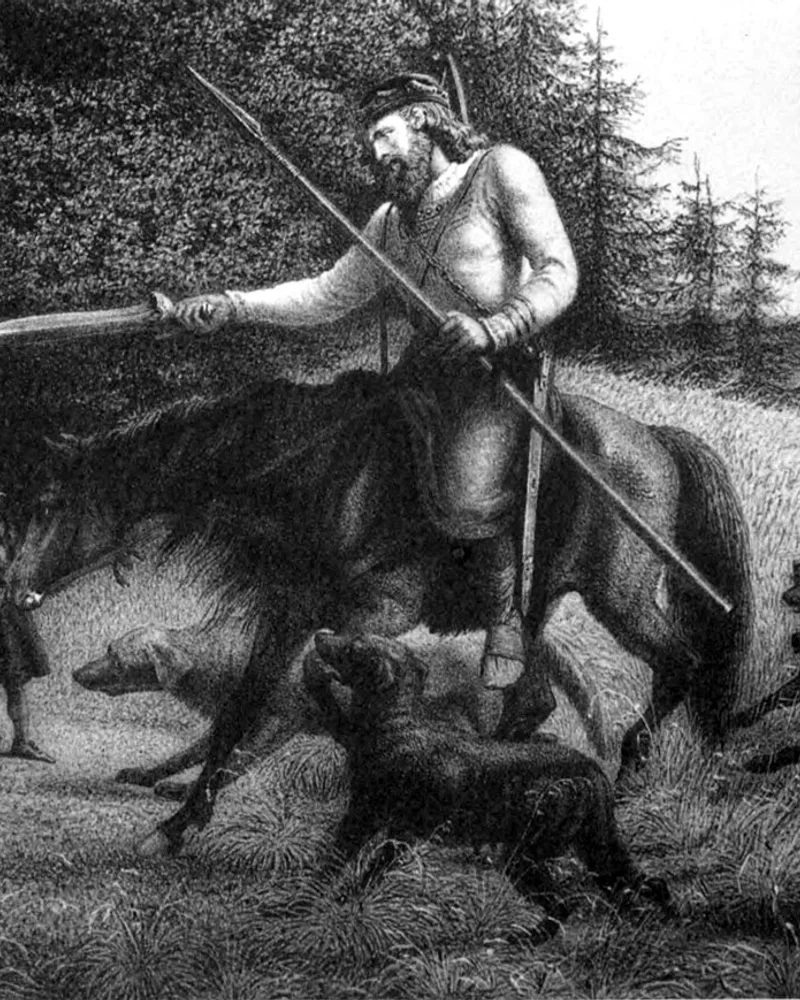
Hofud
The sword of Heimdall, guardian of the Bifrost. This legendary blade will be used in the final battle at Ragnarok, where Heimdall and Loki are fated to slay each other.
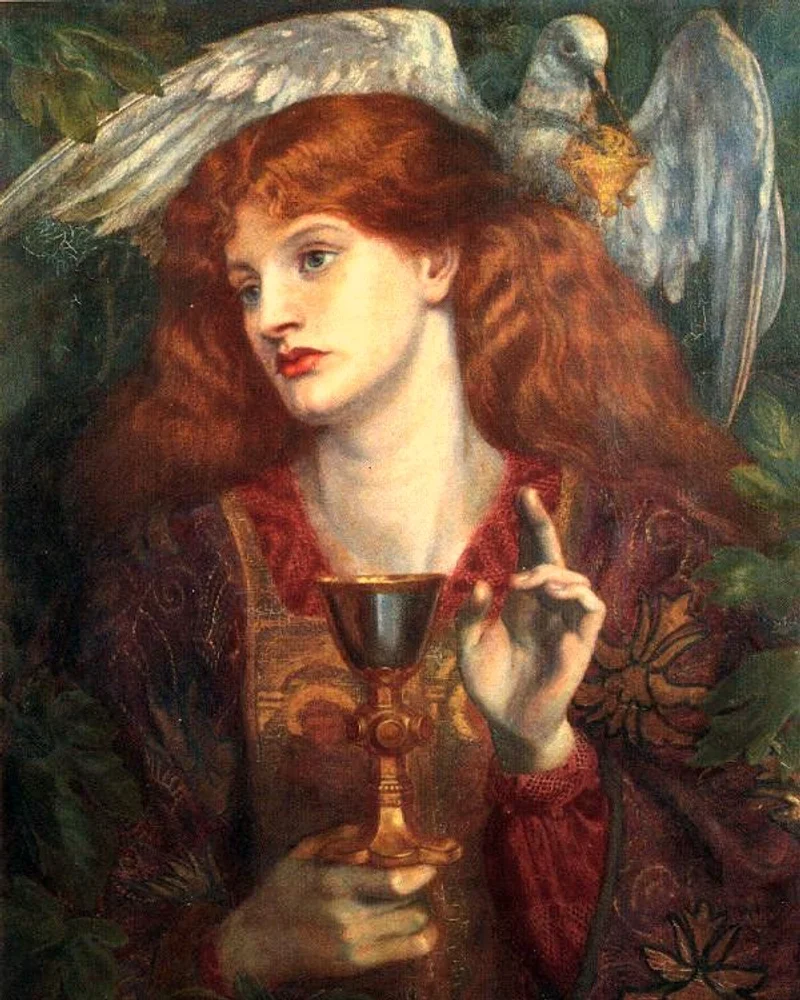
Holy Grail
The sacred cup of the Last Supper, said to possess miraculous powers of healing and eternal life. The quest for the Grail became the ultimate spiritual journey for the Knights of the Round Table.
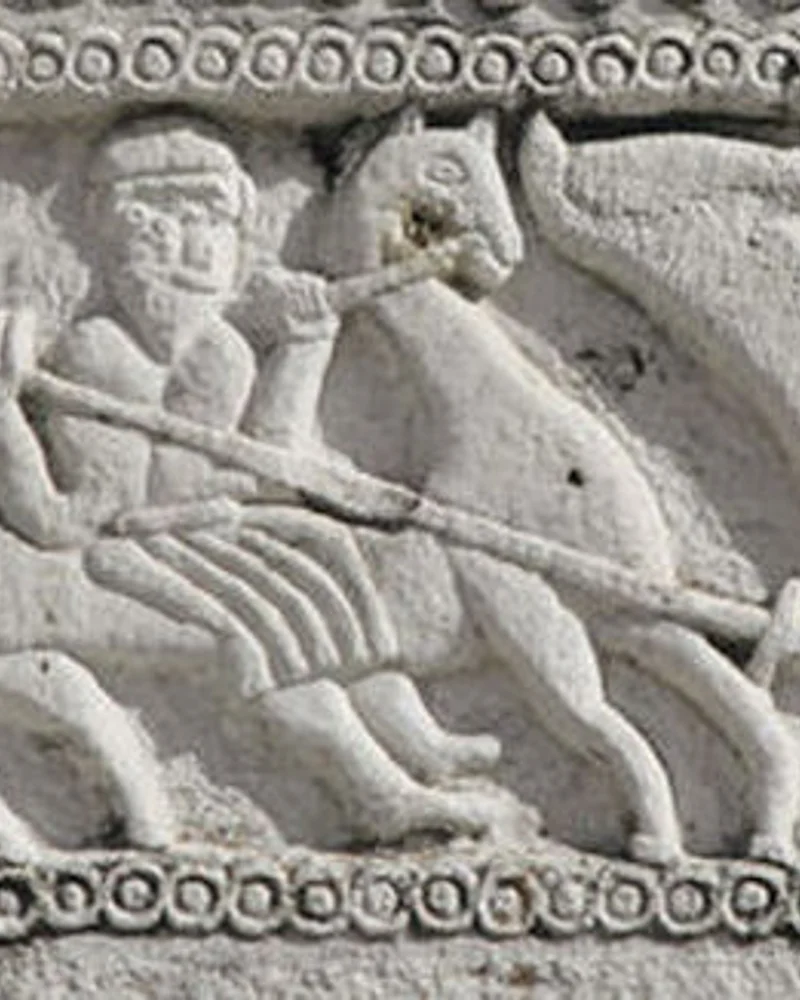
Idol of Perun at Kyiv
The wooden image of Perun with a silver head and a golden moustache that Prince Vladimir set up on the hill outside his palace in 980, and had thrown into the Dnieper at his conversion in 988.
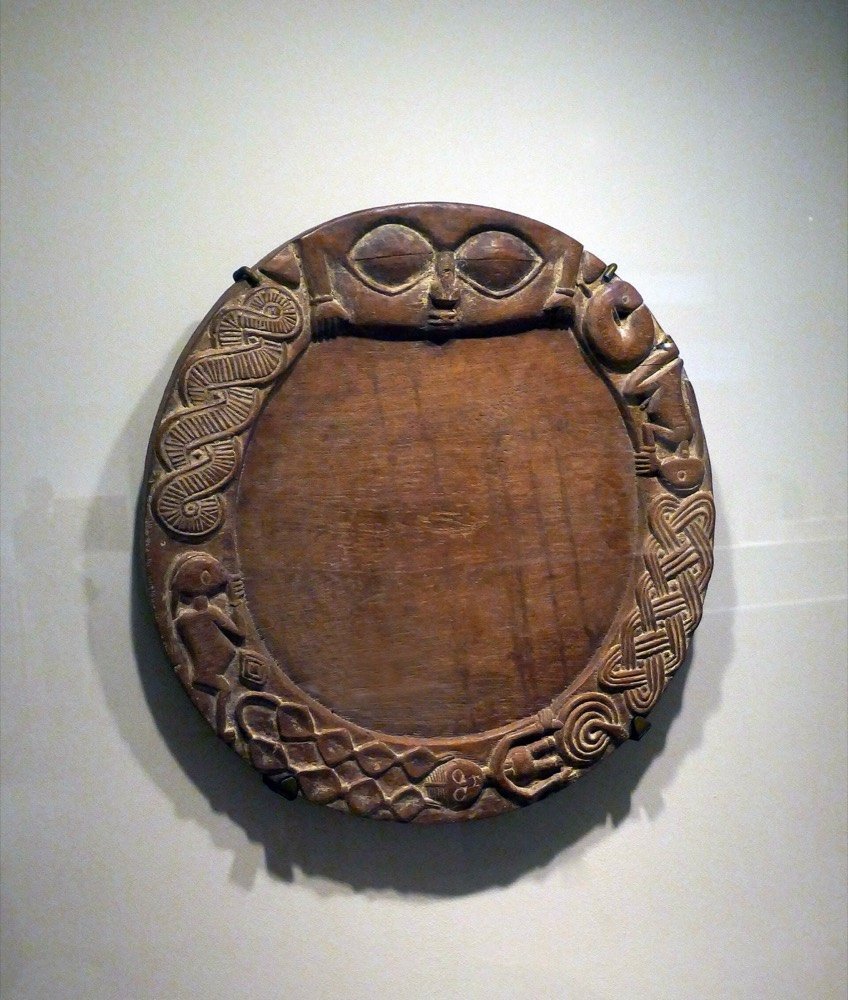
Ifa Divination
Divination by sixteen sacred palm nuts or the eight-shell opele chain, casting one of 256 odu, each heading a corpus of memorized verses recited by babalawo priests. Inscribed on UNESCO's intangible heritage list in 2008.
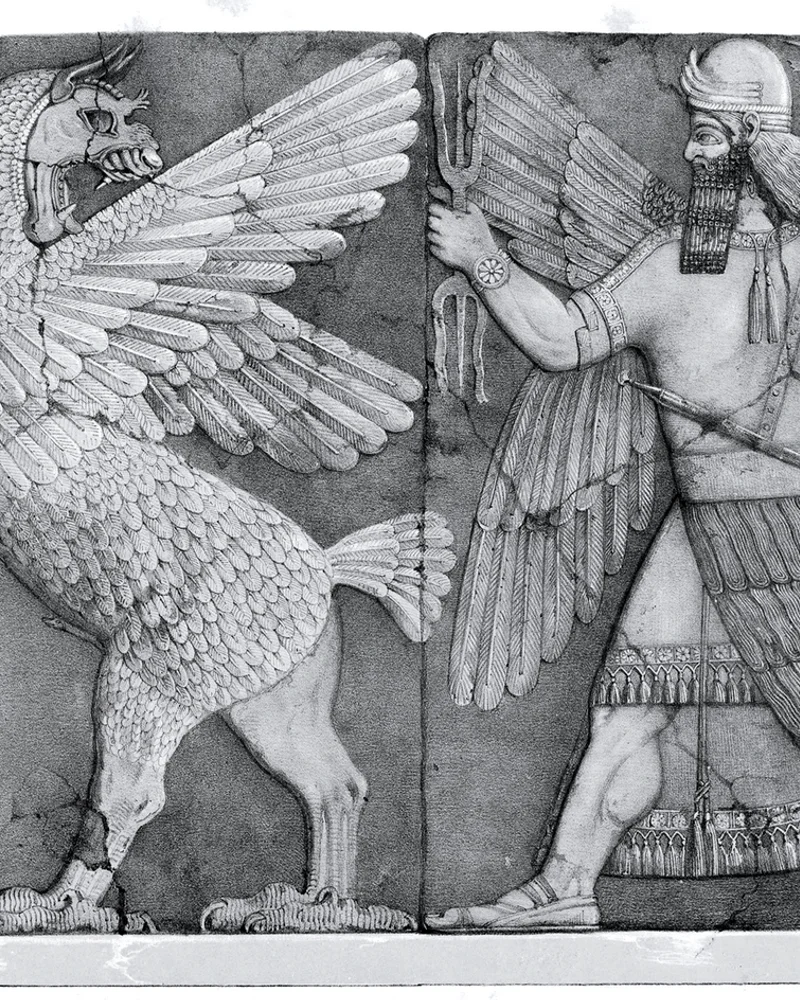
Imhullu (Evil Wind)
The storm-weapon Marduk used to swell Tiamat's belly before piercing her with an arrow in the Enuma Elish.
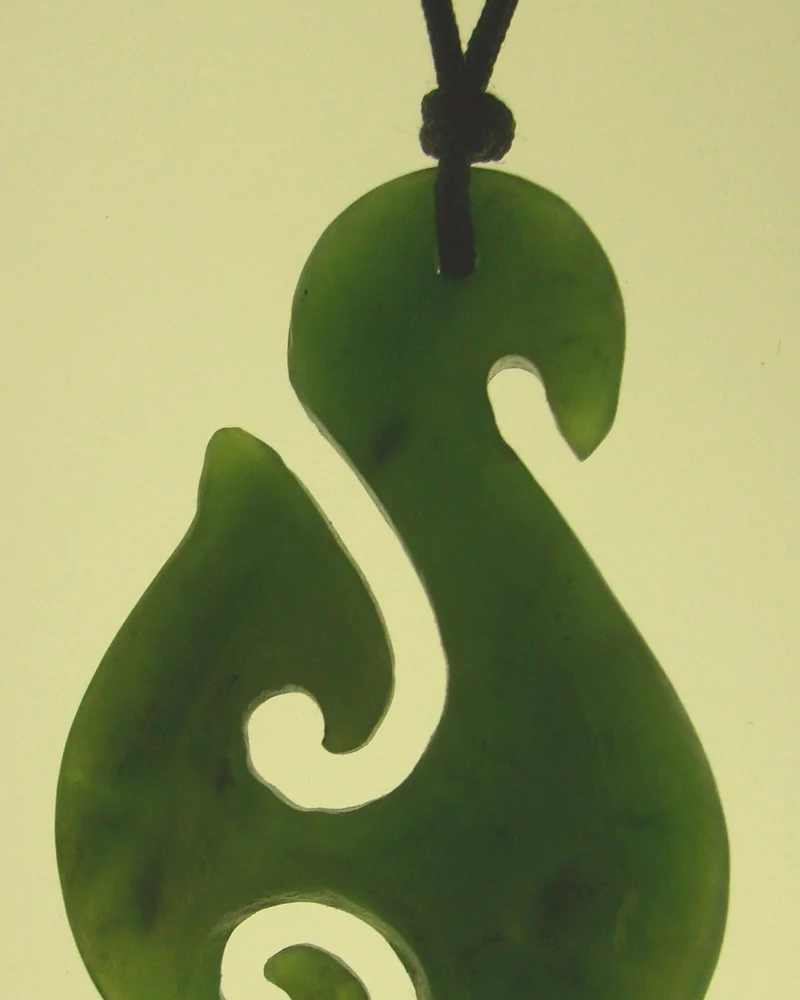
Jawbone of Muri-ranga-whenua
The enchanted jawbone of Māui's grandmother Muri-ranga-whenua, which, in the Māori traditions George Grey published, Māui used as a weapon to beat the sun and as the hook with which he fished up the North Island.
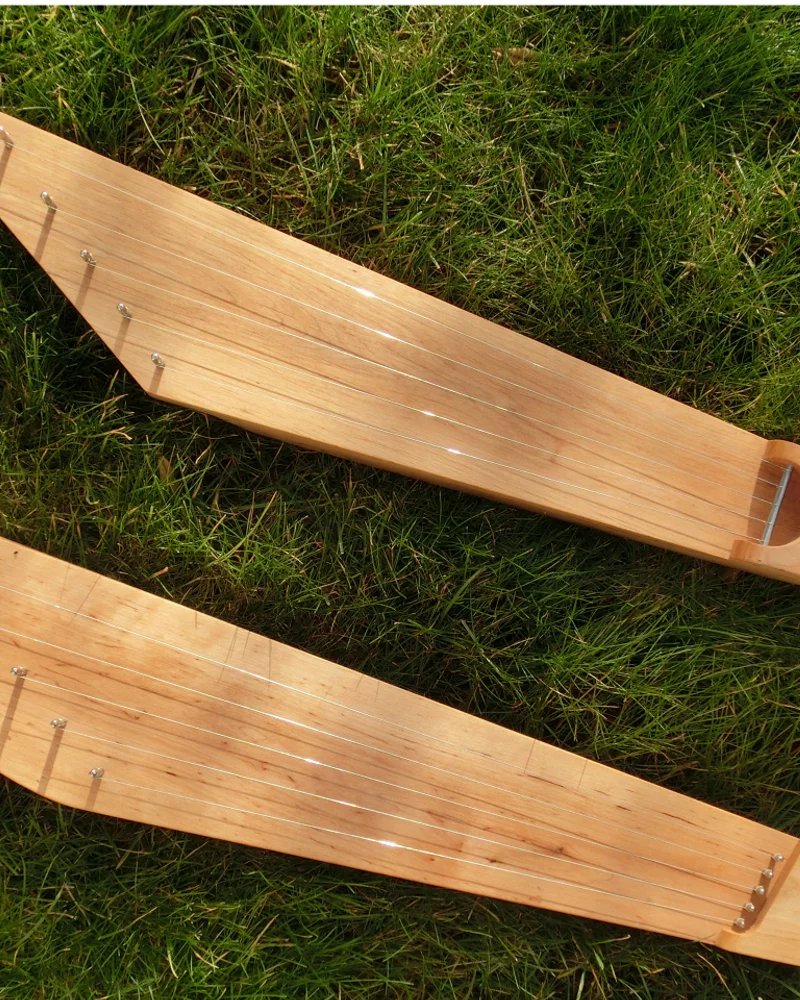
Kantele of Väinämöinen
The first kantele, made by Väinämöinen from the jawbone of a giant pike, whose music draws every creature to listen and puts Pohjola to sleep; lost overboard in Louhi's storm and replaced with one of birch.
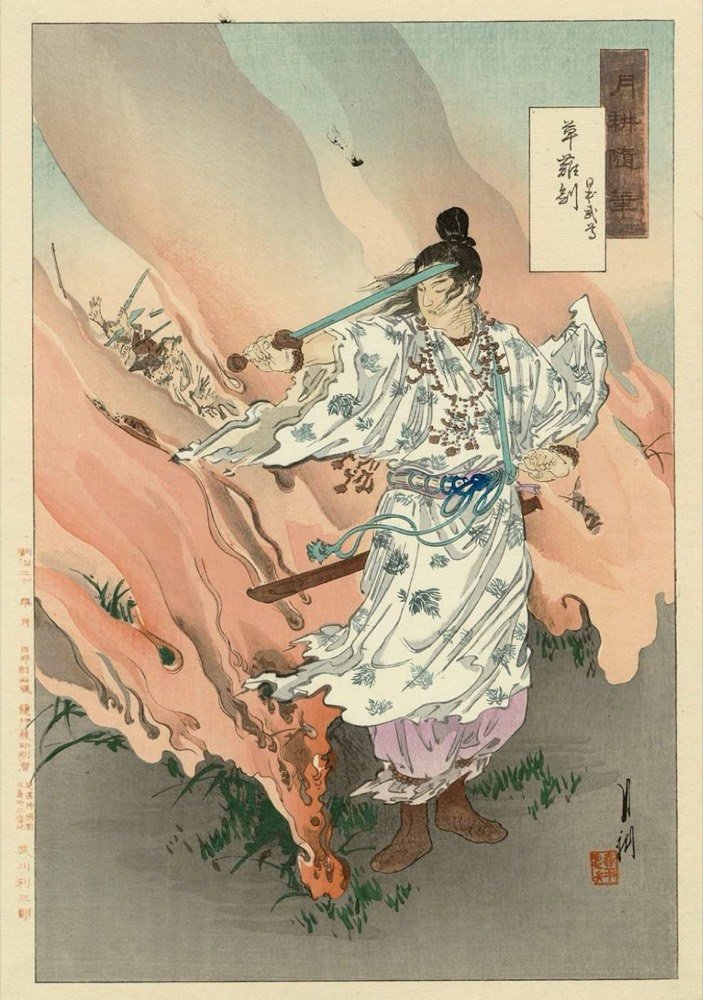
Kusanagi
The divine sword Susanoo drew from the serpent's tail, first called Ame-no-Murakumo; renamed 'Grass-Mower' after Yamato Takeru cut his way out of a fire with it. One of the three imperial regalia, enshrined at Atsuta.
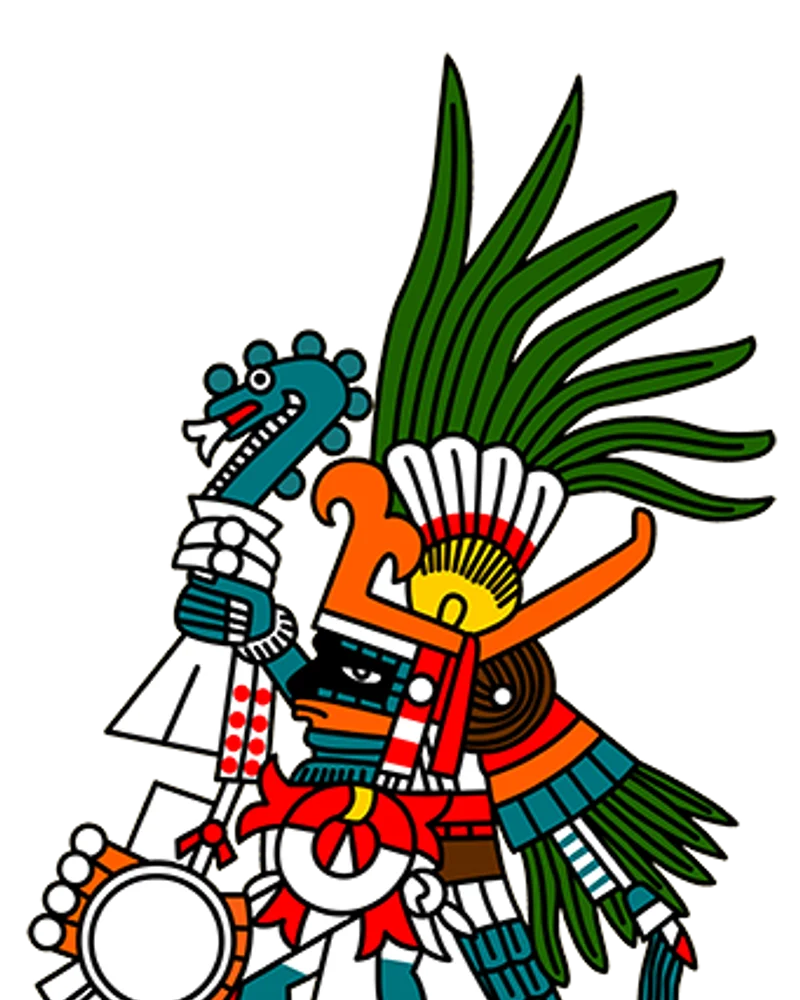
Macuahuitl of Huitzilopochtli
An obsidian-edged war club associated with the Mexica war god — a weapon that cuts like a blade and carries solar war-fire into battle.
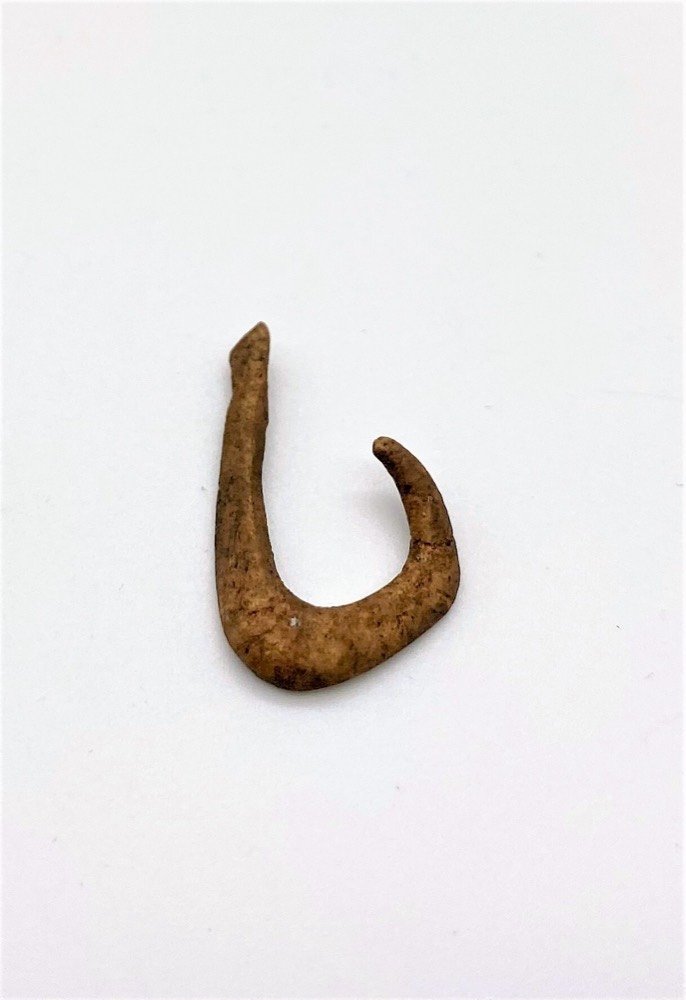
Manaiakalani
Maui's magic fishhook, Manaiakalani in Hawaiian tradition, with which he tried to draw the islands together; in Maori telling it was his grandmother's jawbone and hauled up the North Island. Scorpius's tail still bears its name.
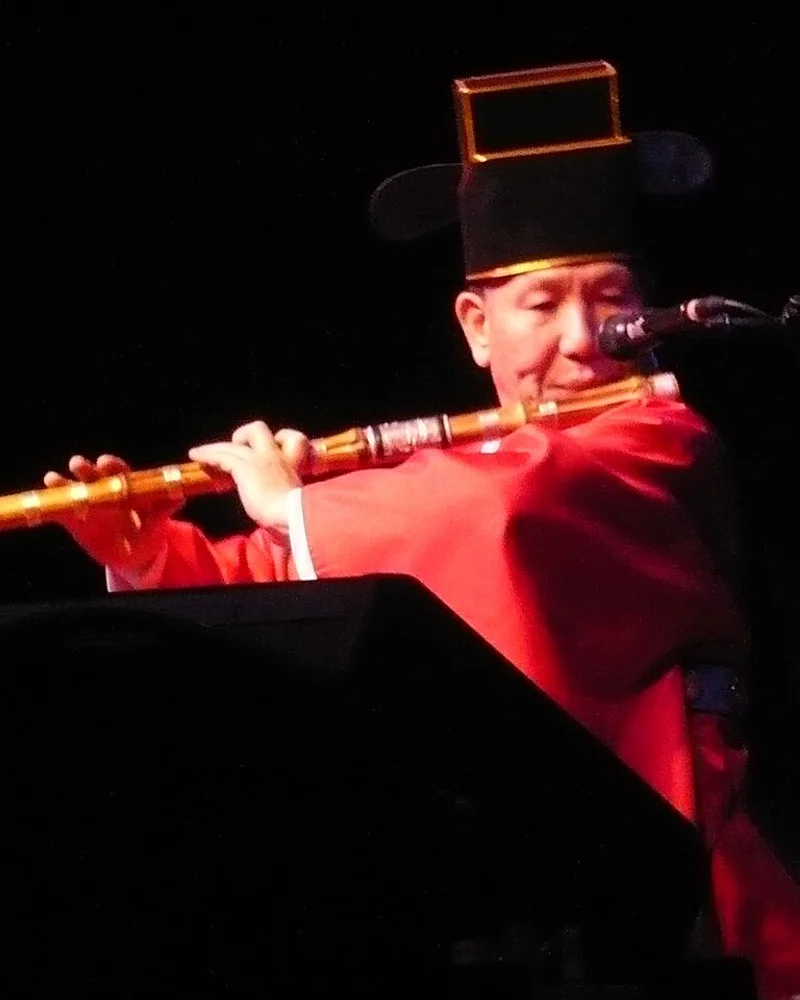
Manpasikjeok
The bamboo flute made from a stalk that was two by day and one by night, given to Silla by the sea dragon of King Munmu; when played it drove off enemies, cured sickness, brought rain in drought, and calmed the wind and waves.
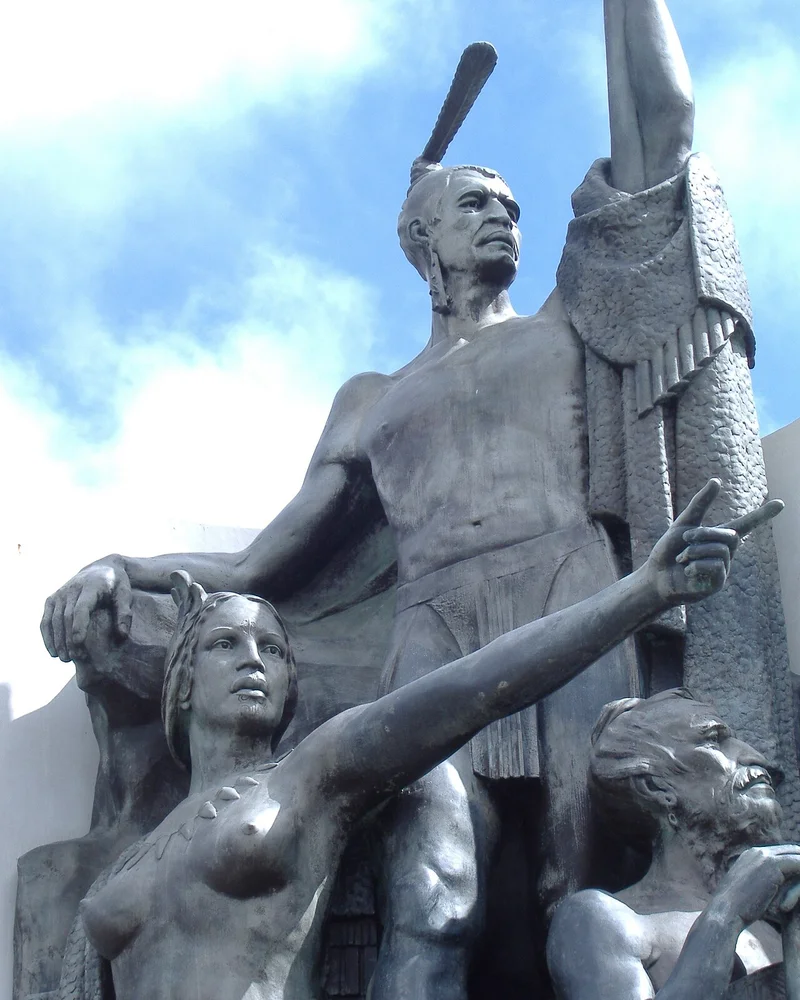
Matahourua
The voyaging canoe in which, in Māori tradition, Kupe crossed from Hawaiki, pursued the great octopus of Muturangi, and discovered Aotearoa.
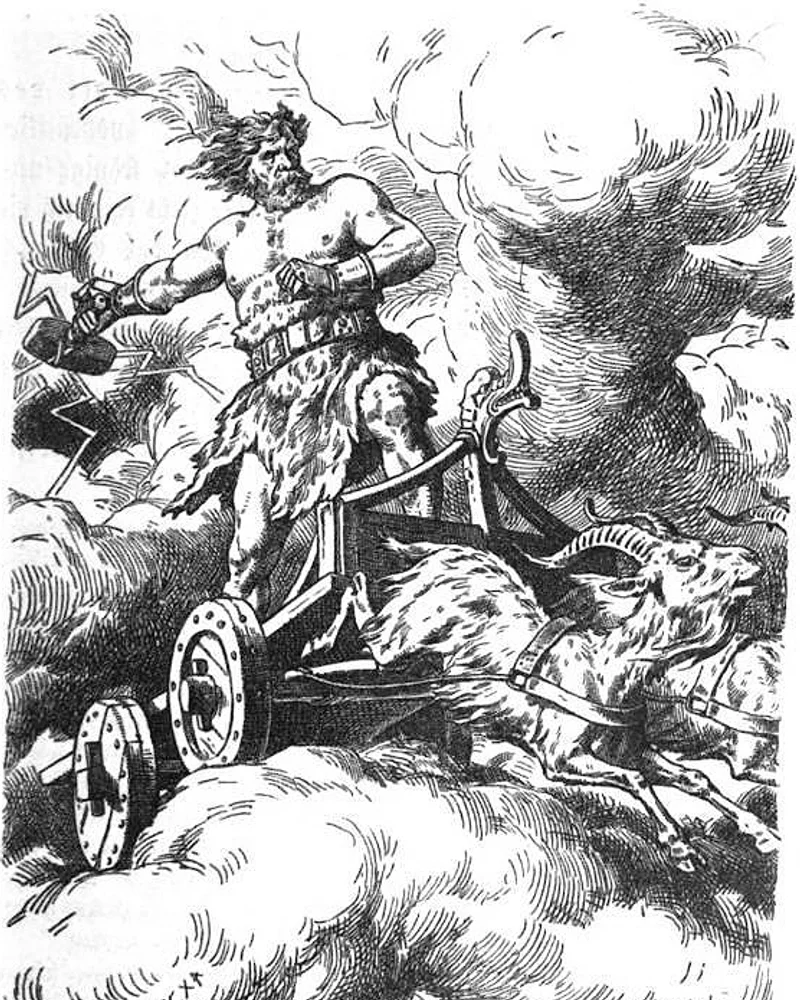
Megingjord
Thor's belt of strength that doubles his already immense godly power. When worn, it allows Thor to lift and wield Mjolnir with even greater devastating force.
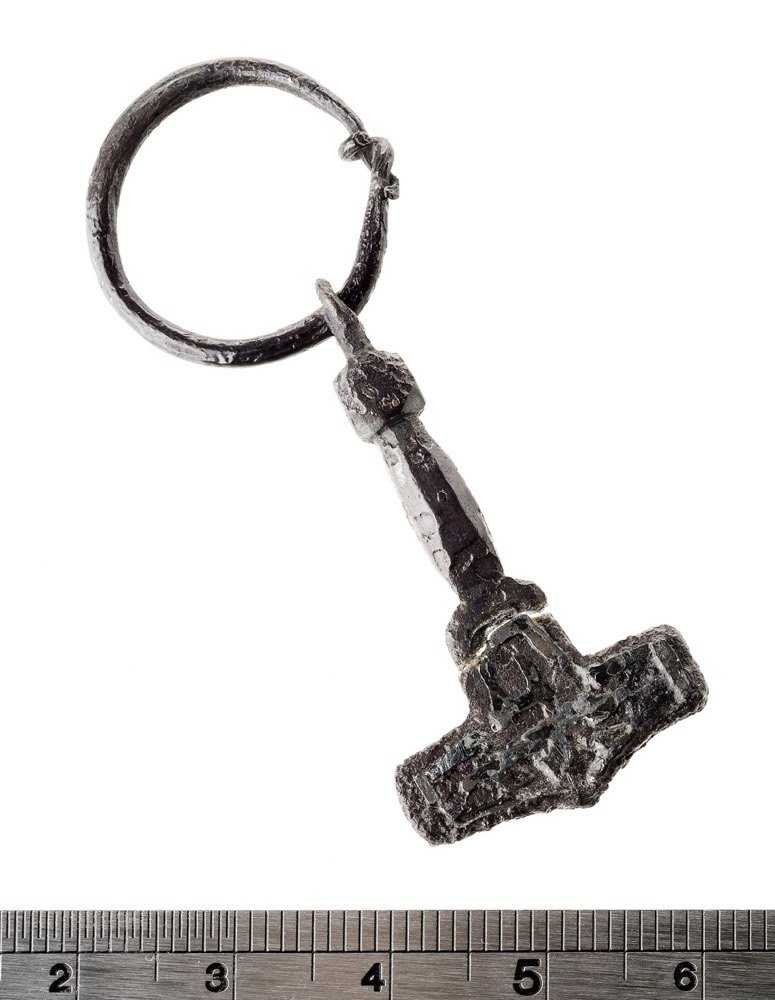
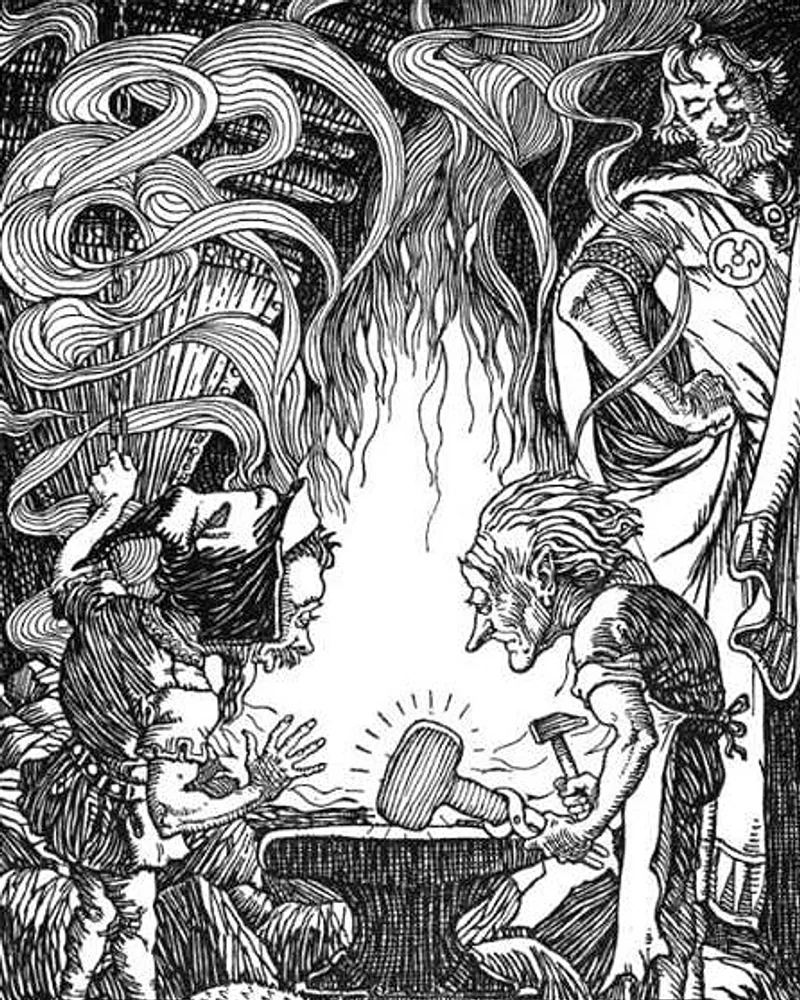
Mjolnir
The short-hafted hammer forged by dwarf brothers: it never misses, always returns to the hand, slays giants, and hallows weddings and funerals alike.
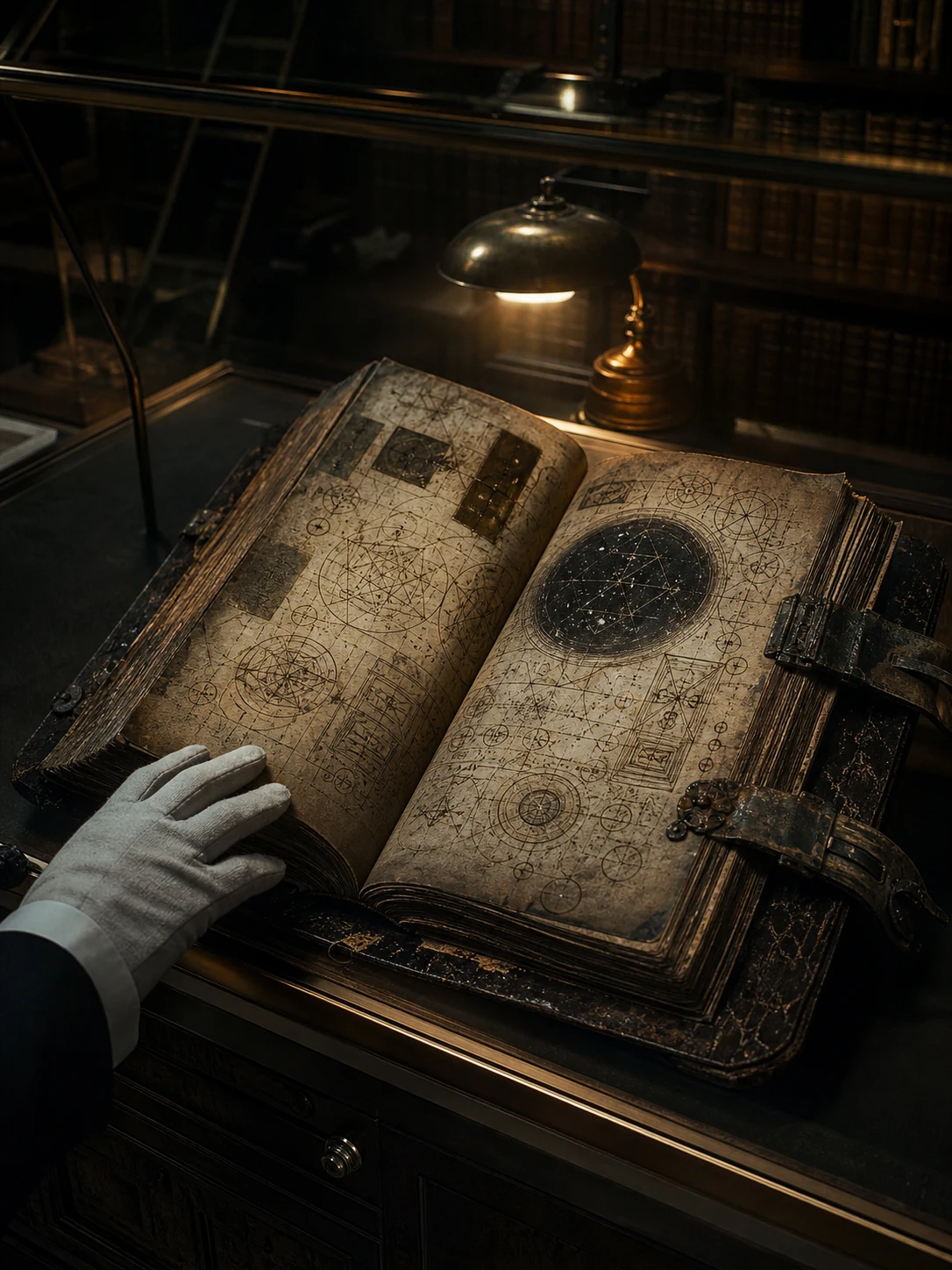
Necronomicon
A fictional grimoire by Abdul Alhazred, furnished with translations, lost editions, library copies, and no authentic volume in reality.
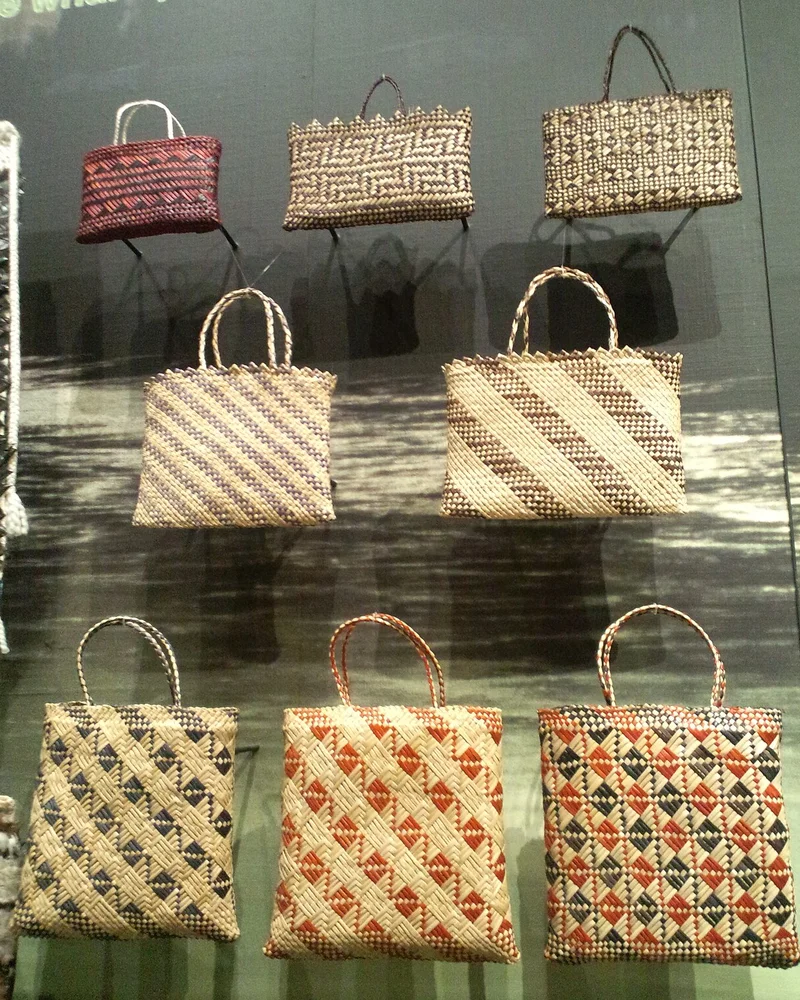
Ngā Kete o te Wānanga
The three baskets of knowledge that, in Māori tradition, were brought down from the uppermost heaven: most often credited to Tāne, and in other tribal traditions to Tāwhaki.
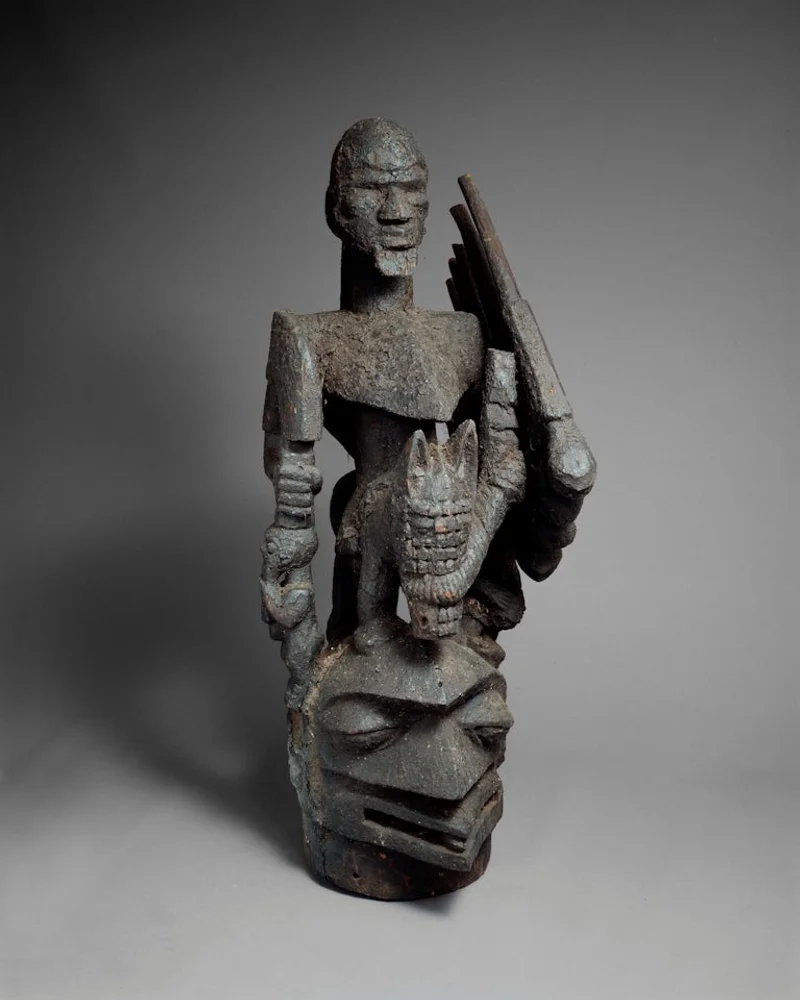
Ogun's Iron
Sacred iron of Ogun, orisha of metalworking, war, and the open road. Tools, machetes, and weapons dedicated to him carry his cutting, clearing power.
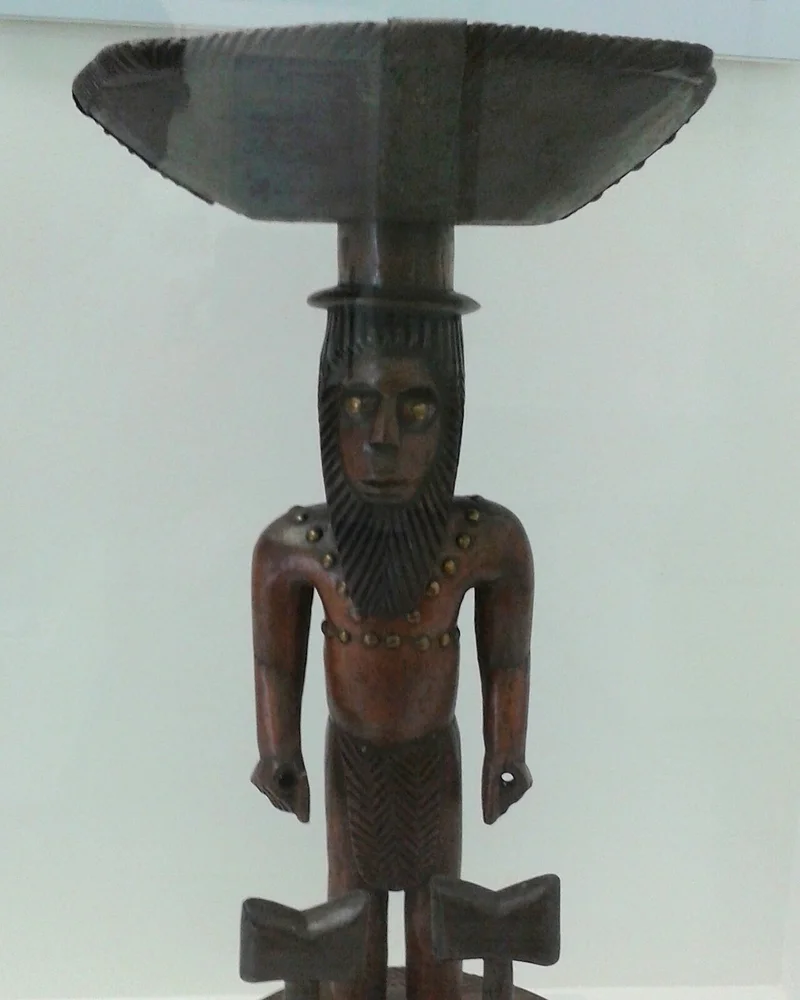
Oshe of Shango
The double-headed axe of Shango, orisha of thunder and kingship. It channels lightning and asserts just rule — a symbol of power that must not be abused.
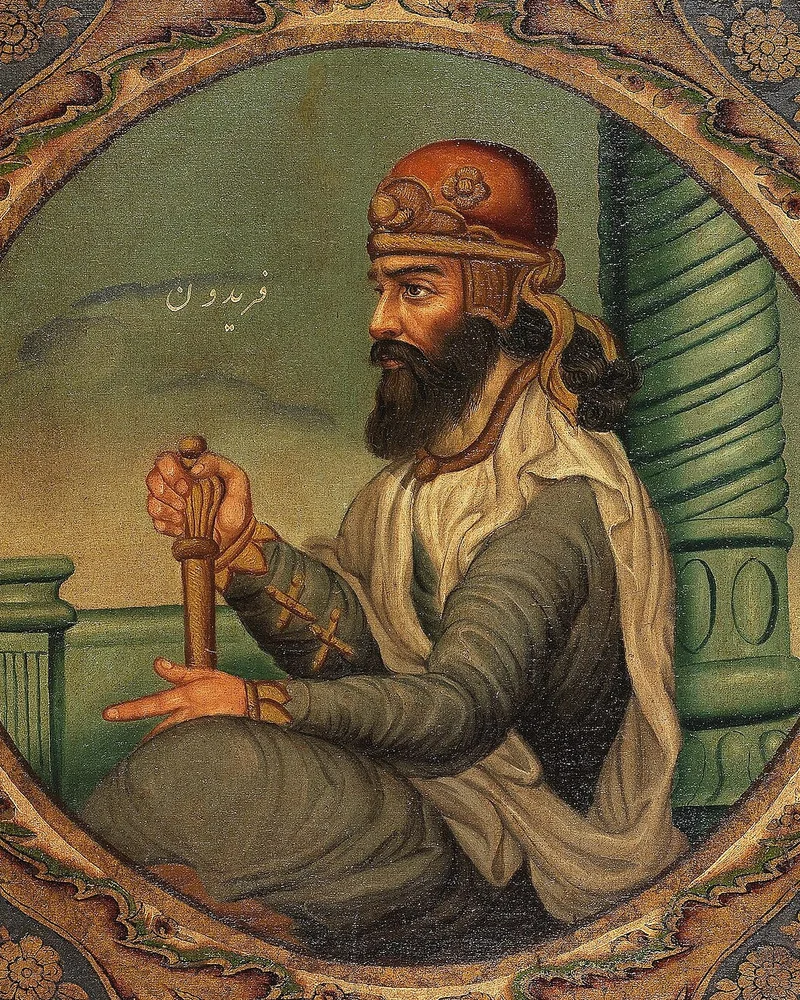
Ox-Headed Mace of Fereydun
The mace with the head of an ox that Fereydun had forged to fight Zahhak, in memory of the cow Barmayeh that nursed him; with it he struck down the tyrant before binding him in Mount Damavand.
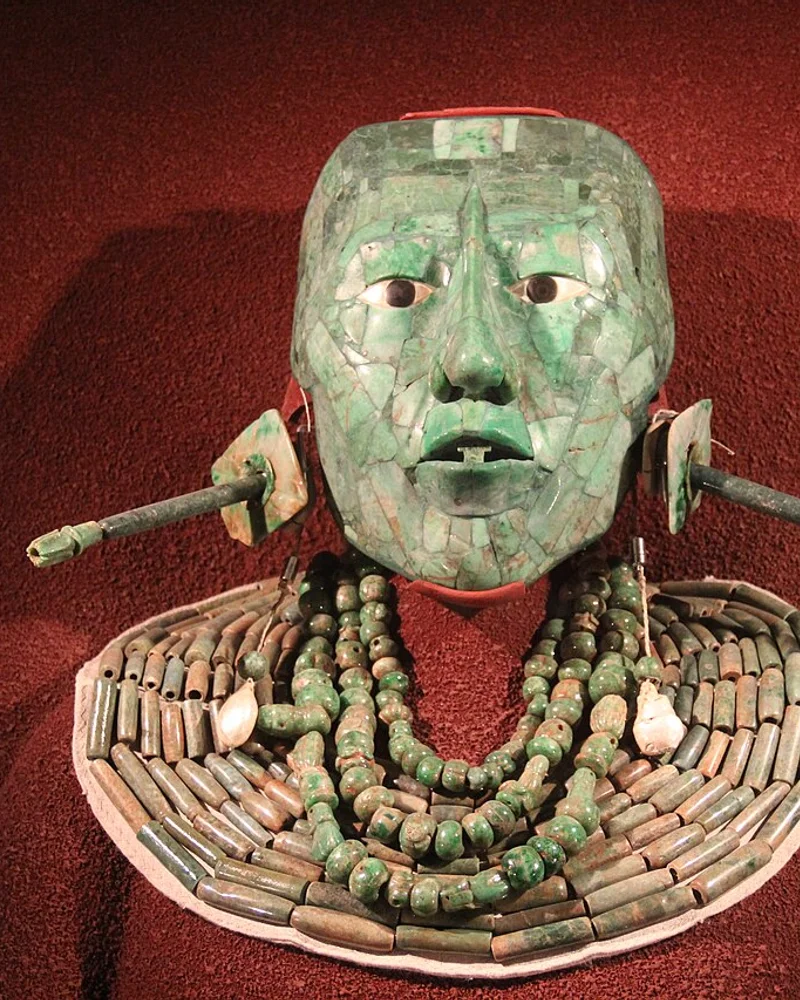
Pakal's Sarcophagus Lid
The carved lid of K'inich Janaab' Pakal's tomb at Palenque — a world-tree vision of descent and rebirth between underworld and sky.
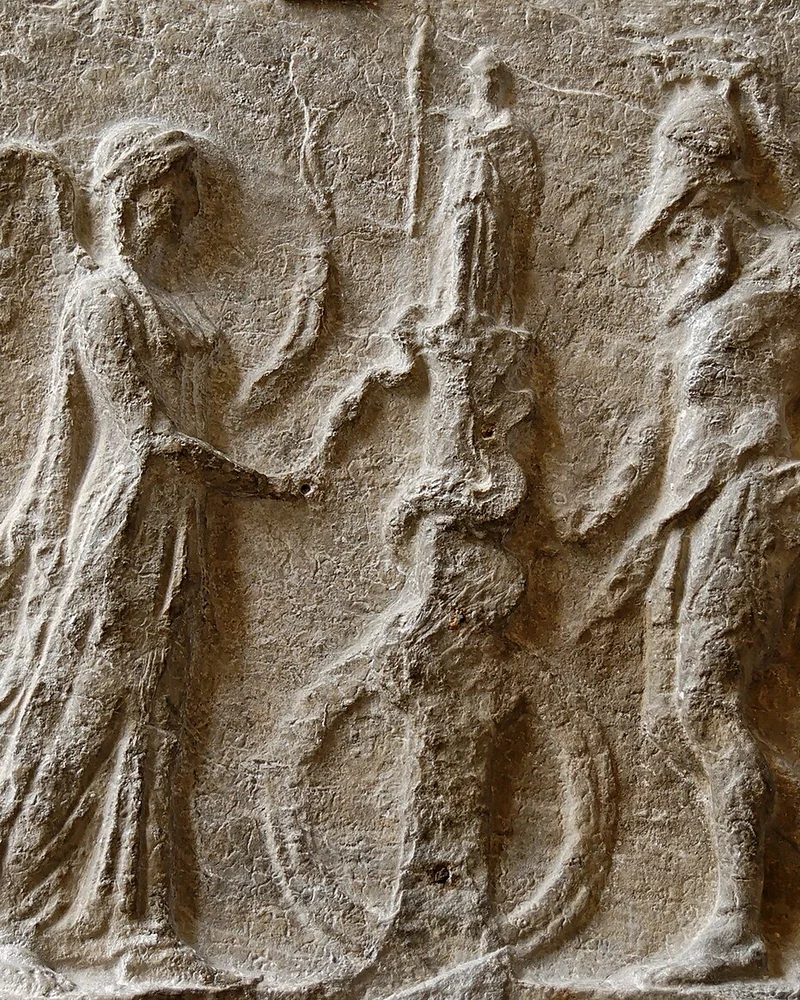
Palladium
A sacred wooden statue of Minerva that fell from the heavens and guaranteed the safety of the city that possessed it. As long as Rome held the Palladium, the city could never fall to its enemies.
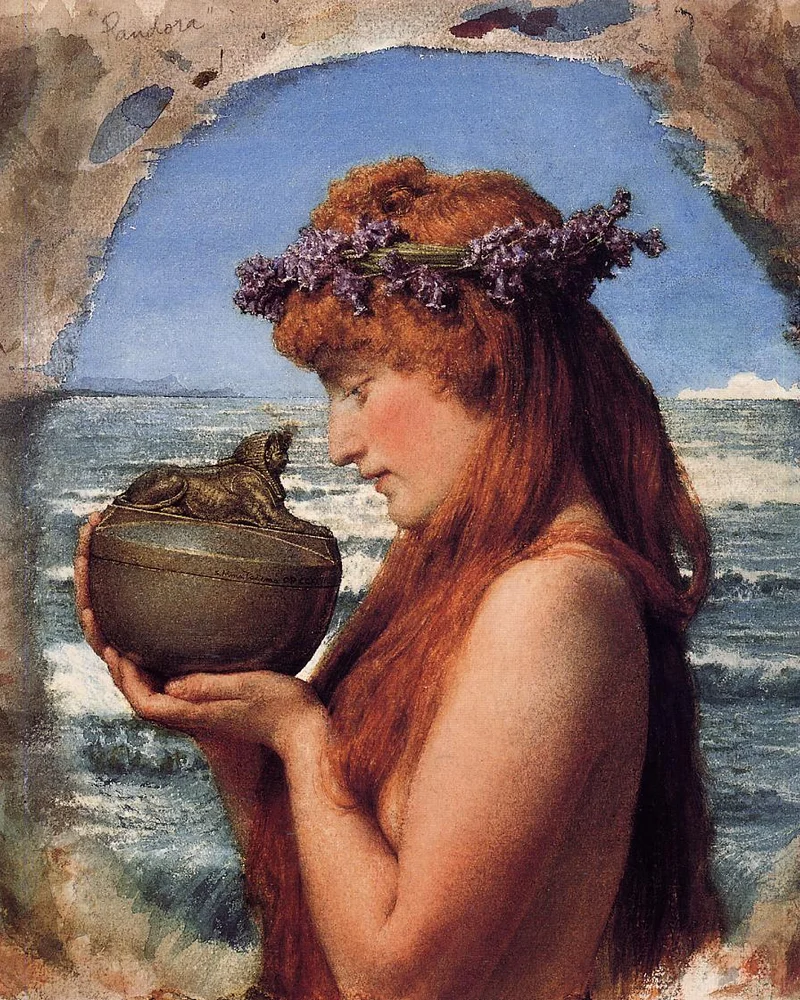
Pandora's Box
The infamous pithos given to Pandora by Zeus, containing all the evils of the world. When opened, it released sickness, death, and countless other plagues upon humanity, leaving only hope trapped inside.
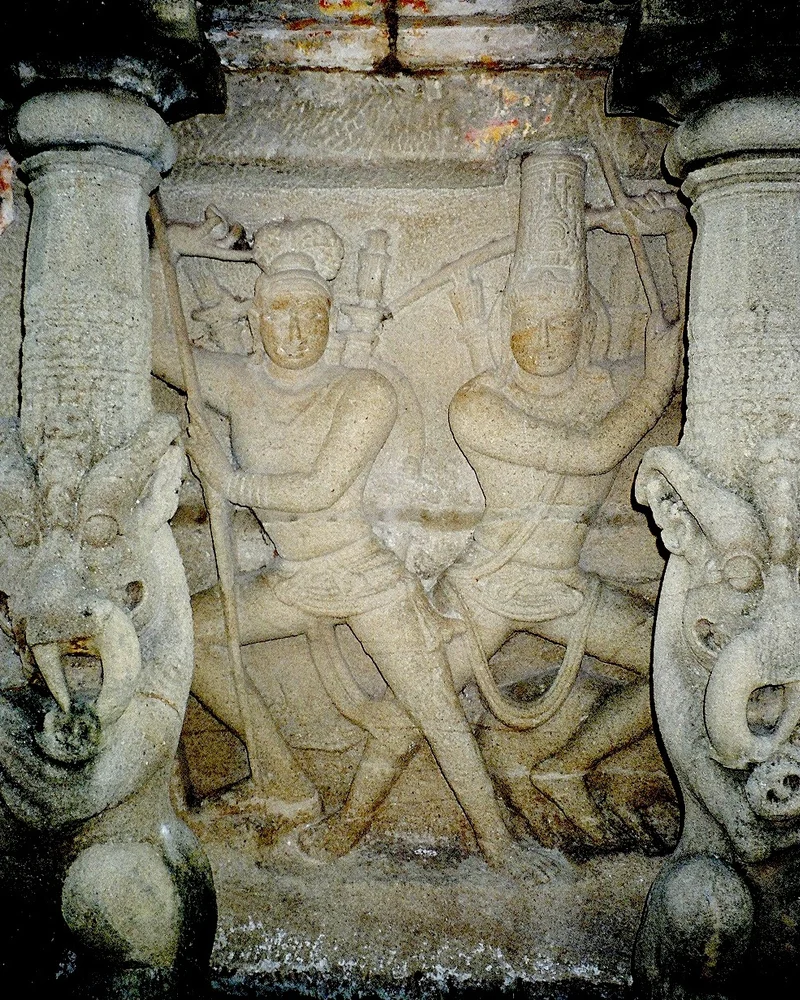
Pashupatastra
The most destructive weapon in Hindu mythology, capable of annihilating all of creation. It can destroy any target and cannot be countered by any other divine weapon.
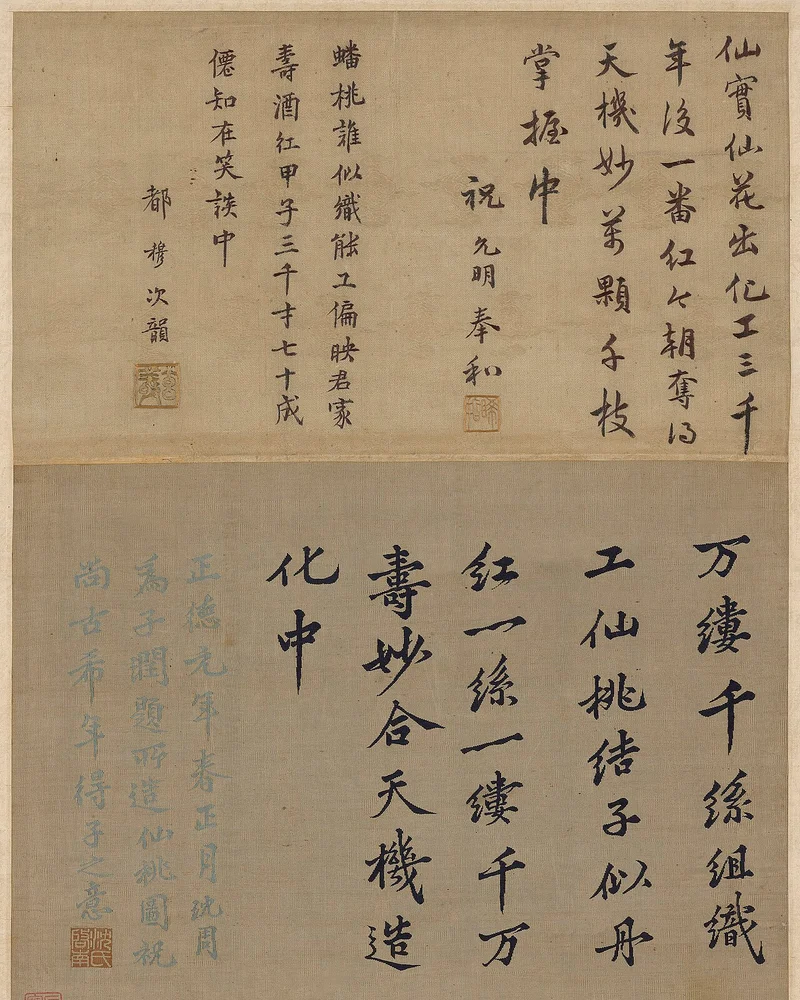
Peach of Immortality
Sacred peaches from the garden of Xi Wangmu that ripen only once every few thousand years. Eating one grants longevity approaching immortality.
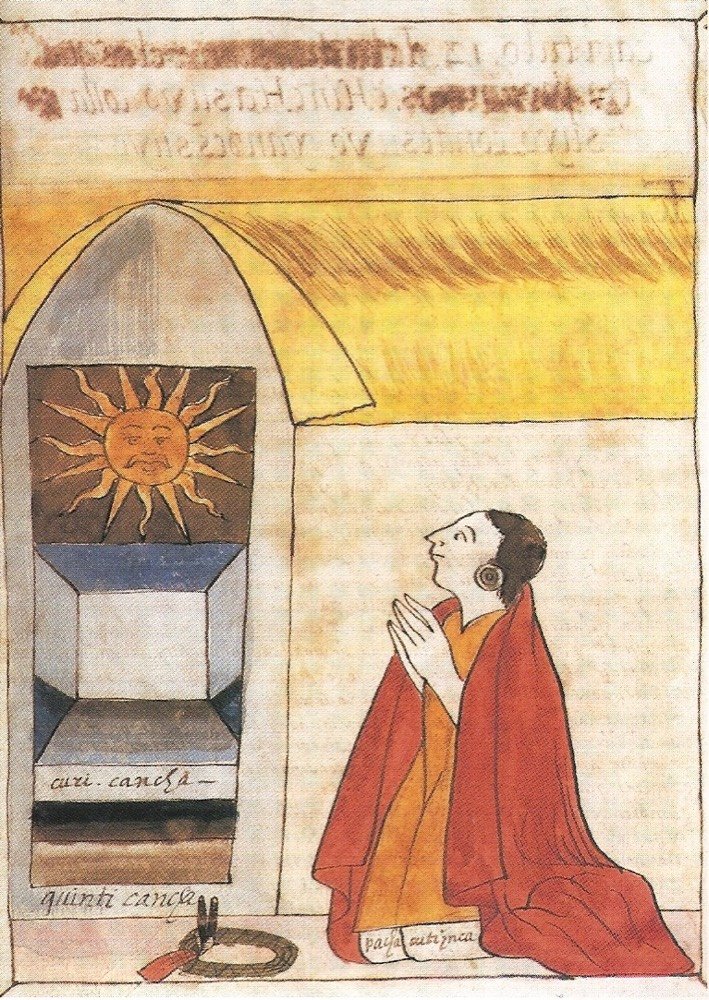
Punchao
The solid-gold sun image of Coricancha, shaped as a boy, its hollow chest holding a paste made from the hearts of dead Inca kings. Seized at the fall of Vilcabamba in 1572, it vanished after being sent to Spain.
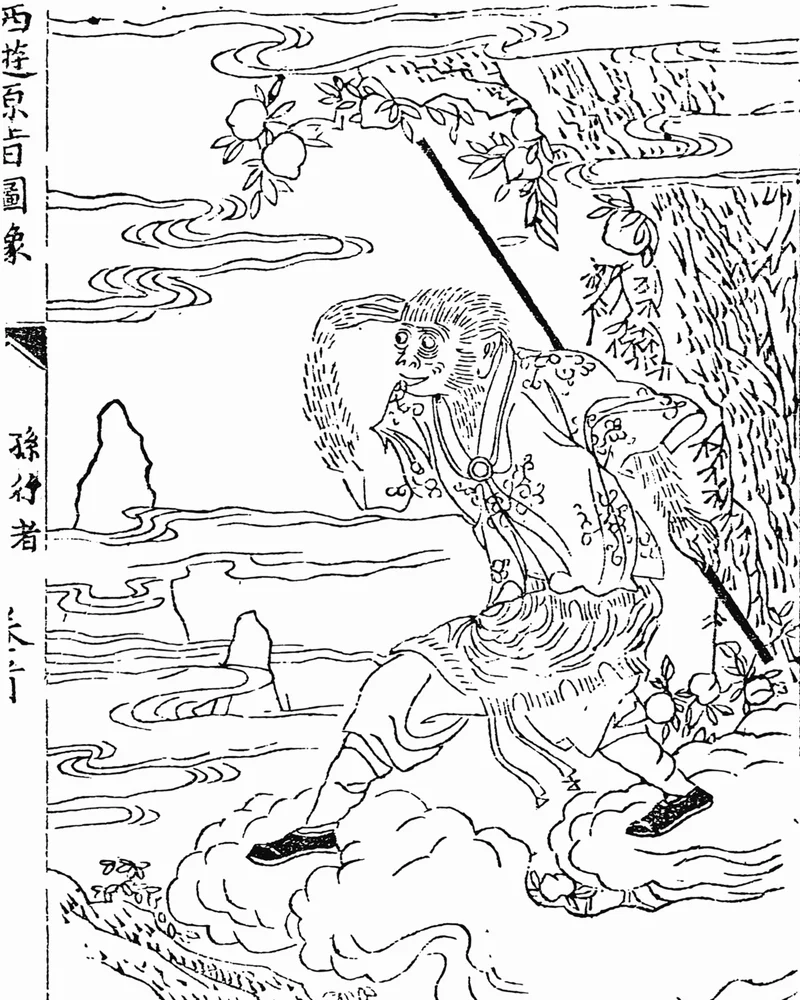
Ruyi Jingu Bang
The magical golden-hooped staff of the Monkey King, Sun Wukong. It can change size from a massive pillar to a needle small enough to hide behind an ear, weighing 17,550 pounds.
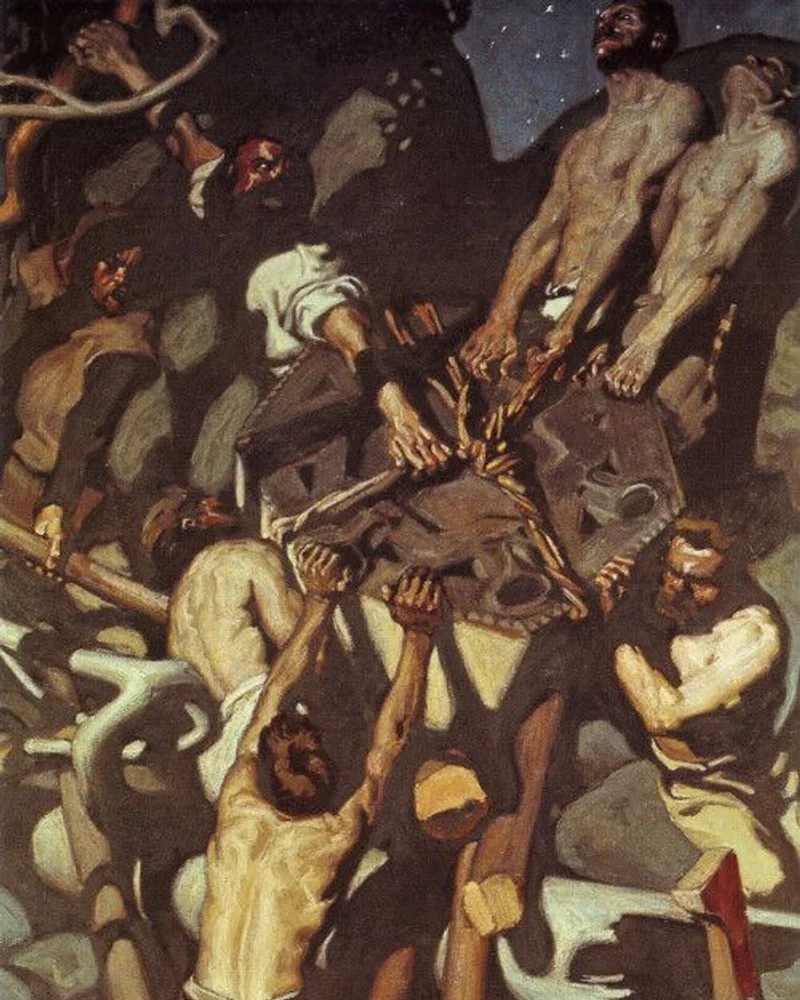
Sampo
The wonder-mill forged by Ilmarinen, with a many-colored lid, that grinds grain, salt, and money; locked in Pohjola's mountain, stolen by the Kalevala heroes, and shattered in the sea during Louhi's pursuit.
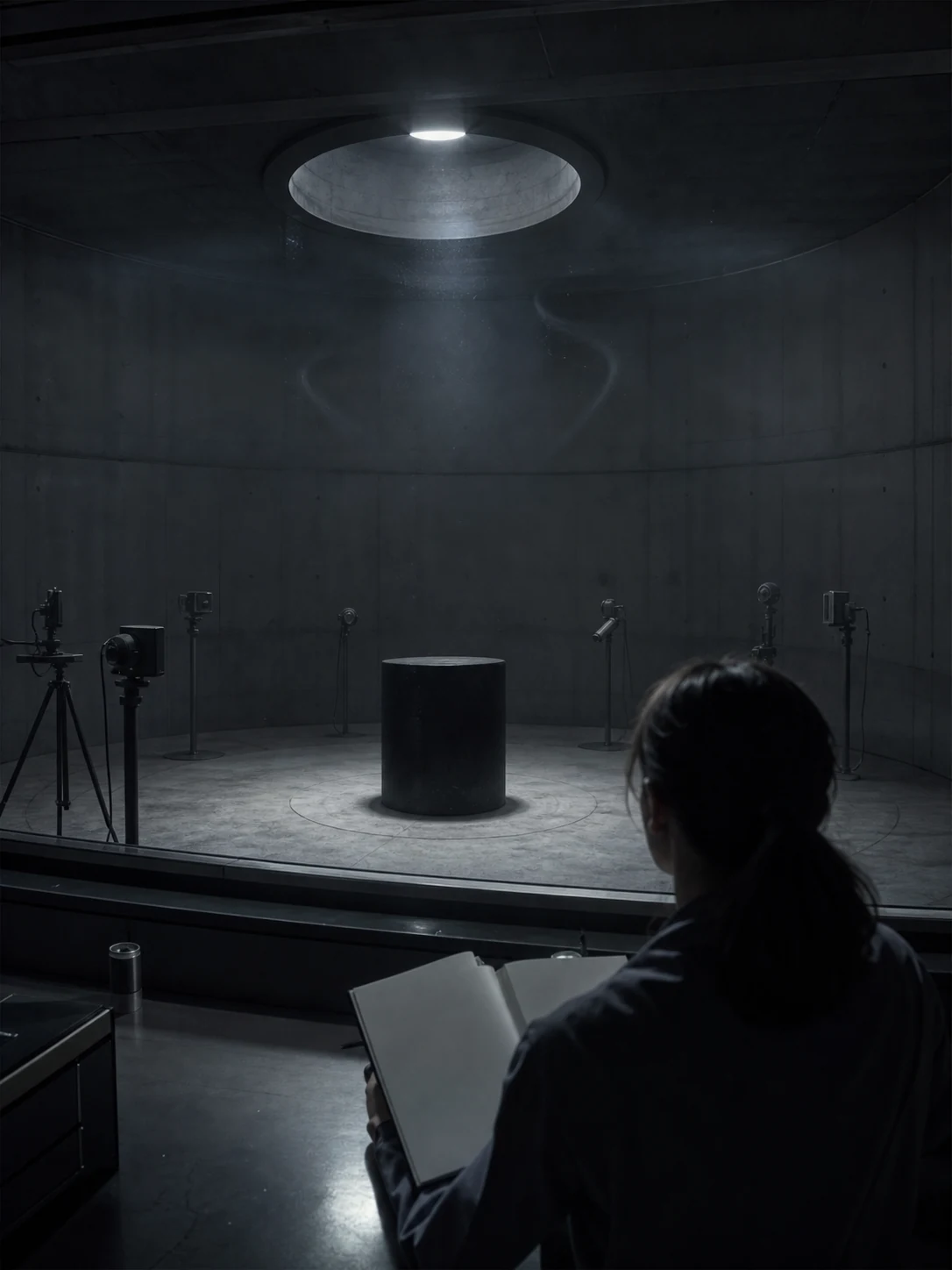
SCP-055 · The Self-Keeping Secret
An object that resists memory and description: observers can retain what it is not, but positive knowledge soon disappears.
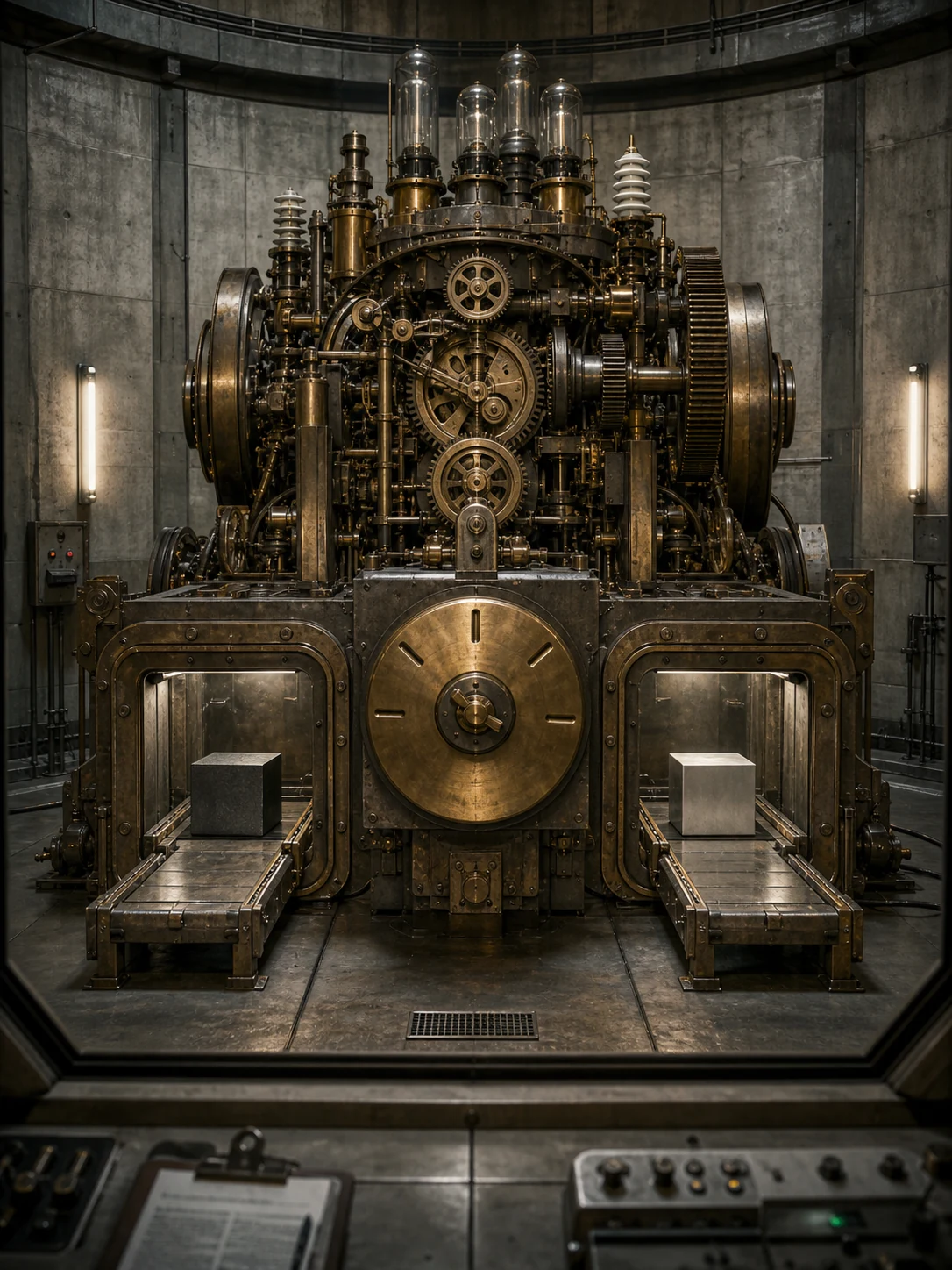
SCP-914 · The Clockworks
A vast clockwork machine that transforms input according to five settings, from destructive simplification to dangerous refinement.
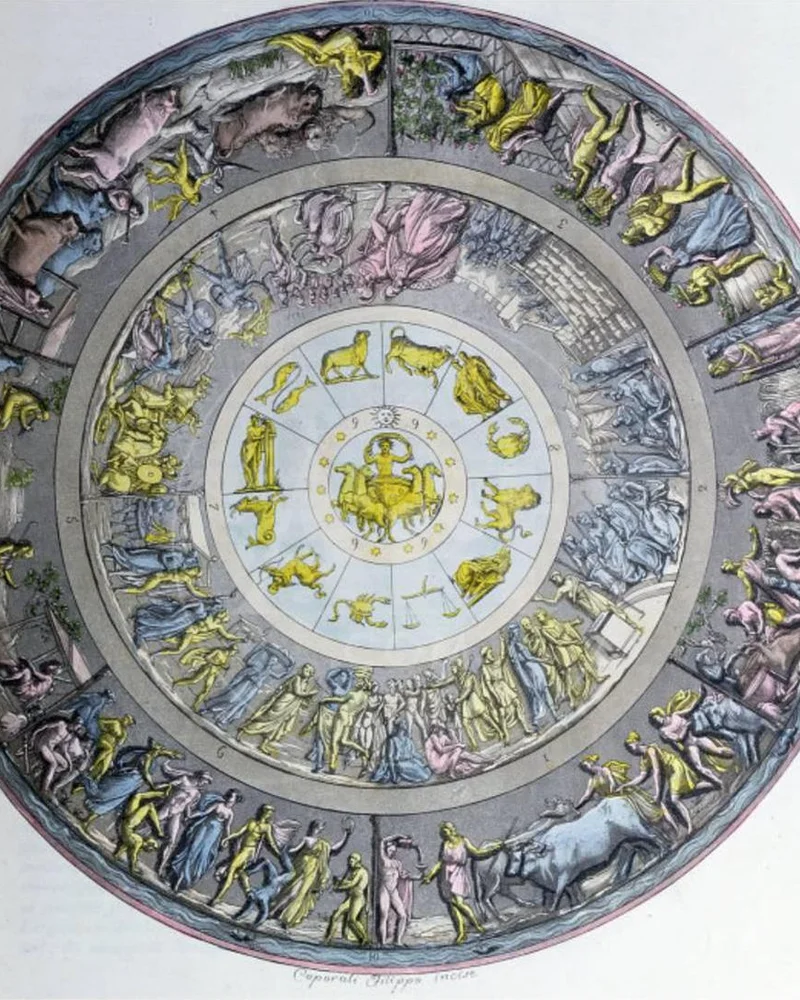
Shield of Achilles
The magnificent shield forged by Hephaestus for the greatest Greek warrior. Its surface depicts the entire cosmos - earth, sea, sky, cities at war and peace, and all aspects of mortal life.
Skidbladnir
The greatest ship ever built, capable of sailing on any sea or flying through the air. It always has favorable wind and can fold up small enough to fit in a pocket.
Sling of Illapa
The sling of the Thunder god: its crack was the thunderclap, and with it Illapa drew water from the river of the sky to pour down as rain and hail.
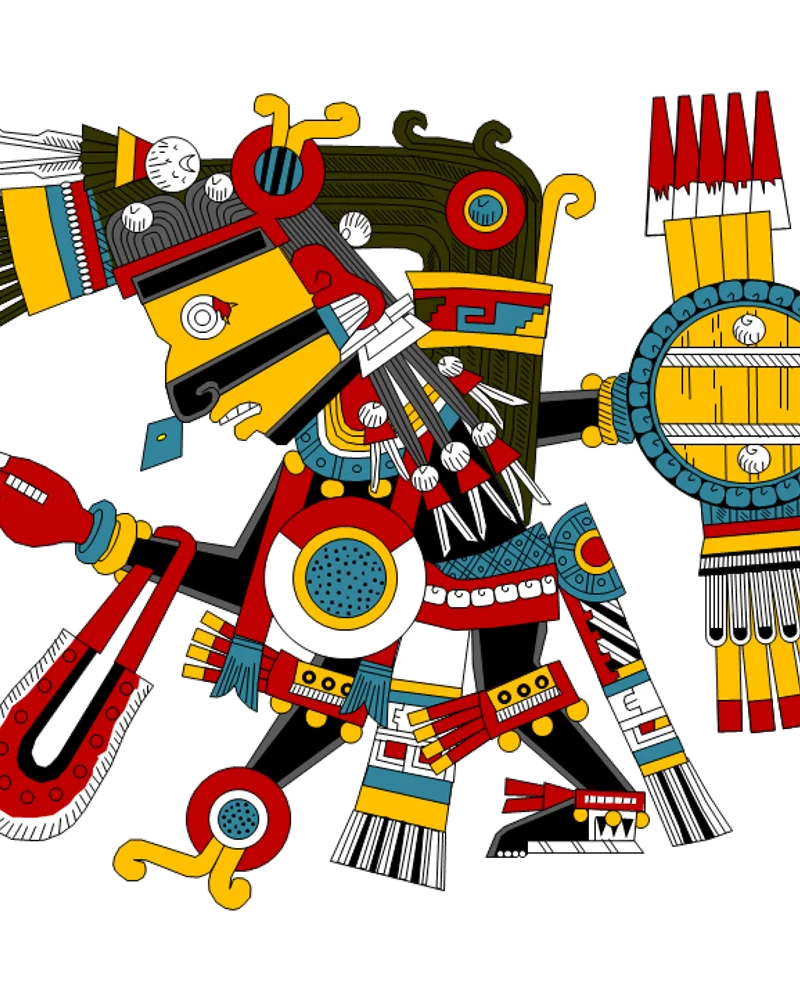
Smoking Mirror of Tezcatlipoca
Obsidian mirror of the night lord Tezcatlipoca, used for divination and revealing hidden truths. Smoke rises from its dark surface — a window into destiny and war.
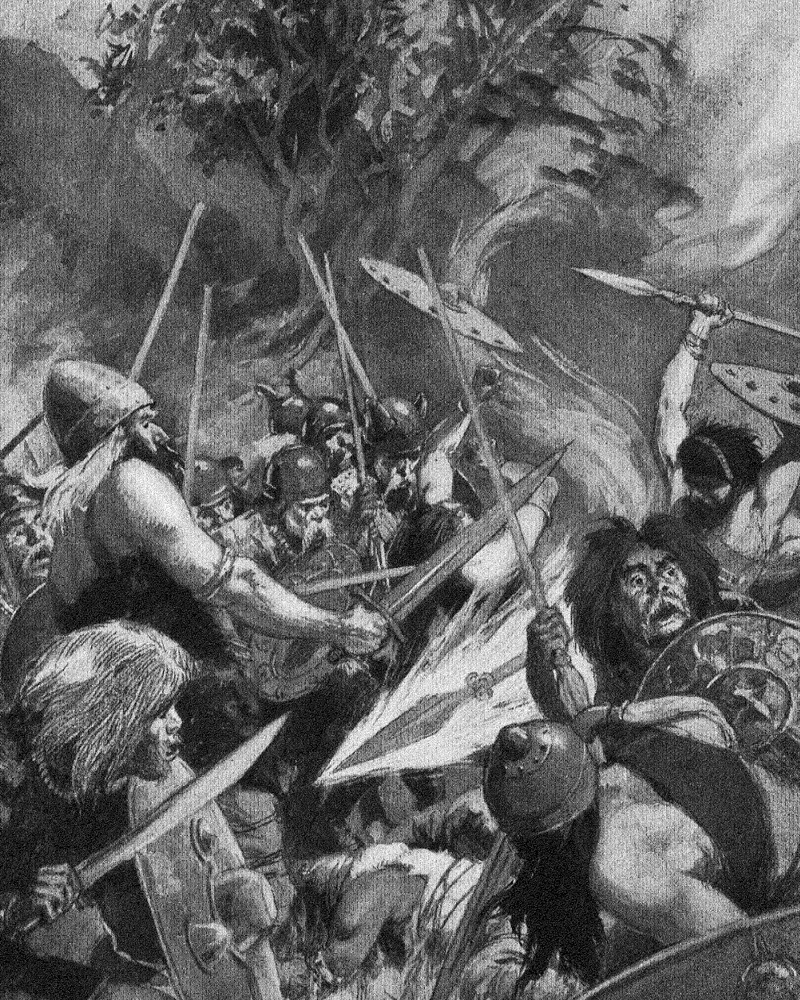
Spear of Lugh
One of the Four Treasures of the Tuatha De Danann, this fiery spear never misses its target and guarantees victory in battle. It must be kept in a cauldron of water to prevent it from igniting.
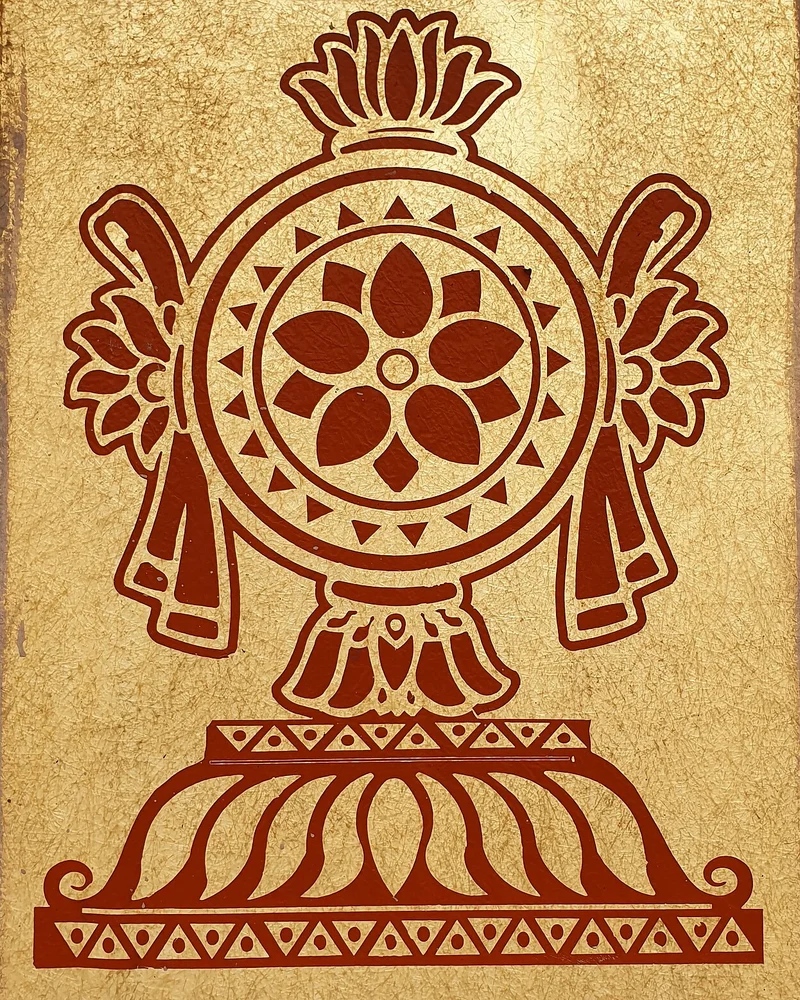
Sudarshana Chakra
Vishnu's divine spinning discus with 108 serrated edges, blazing with the fire of the sun. It destroys evil, protects devotees, and can pursue enemies across any distance.
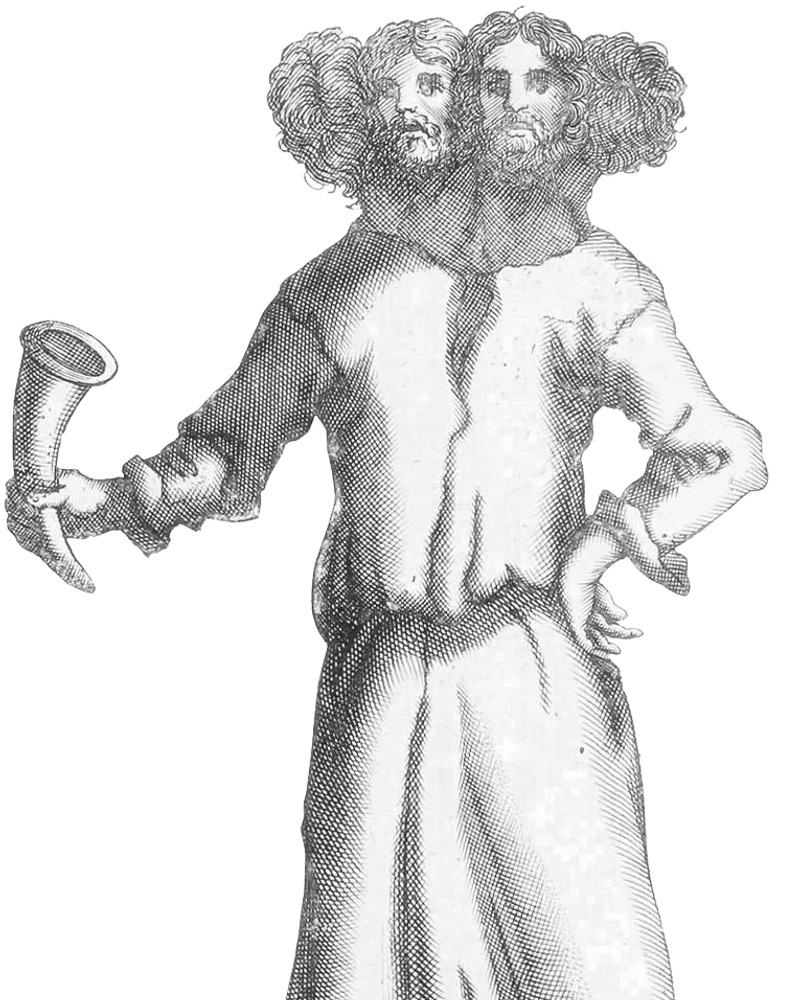
Svantevit's Horn
The drinking horn held in the right hand of Svantevit's four-headed statue at Arkona, filled with wine once a year; the priest read the coming harvest from how much remained.
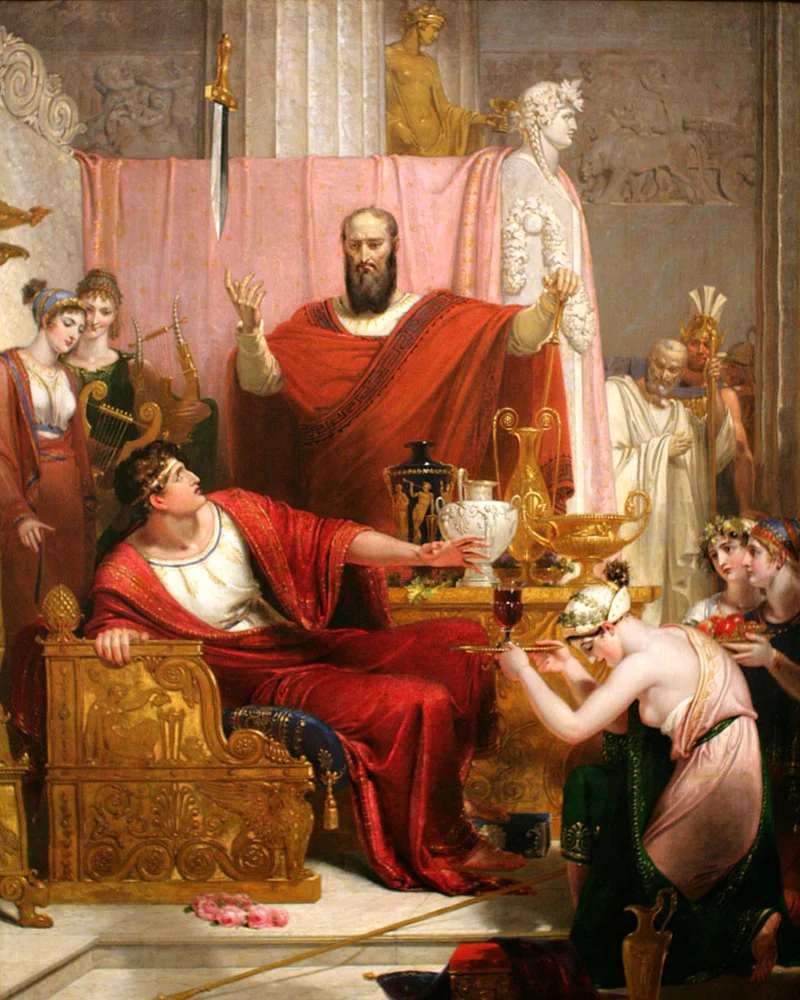
Sword of Damocles
A blade suspended by a single horsehair above the throne, symbolizing the constant peril faced by those in power. It represents the anxiety and danger that accompany great authority.
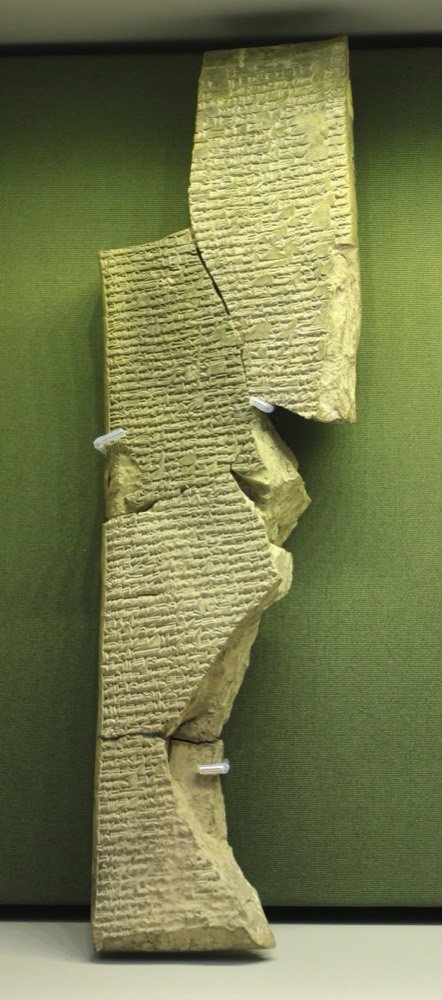
Tablet of Destinies
A sealed clay tablet conferring supreme command: whoever wears it decrees fate. Anzu stole it from bathing Enlil; Tiamat pinned it on Qingu; Marduk finally sealed it as his own.
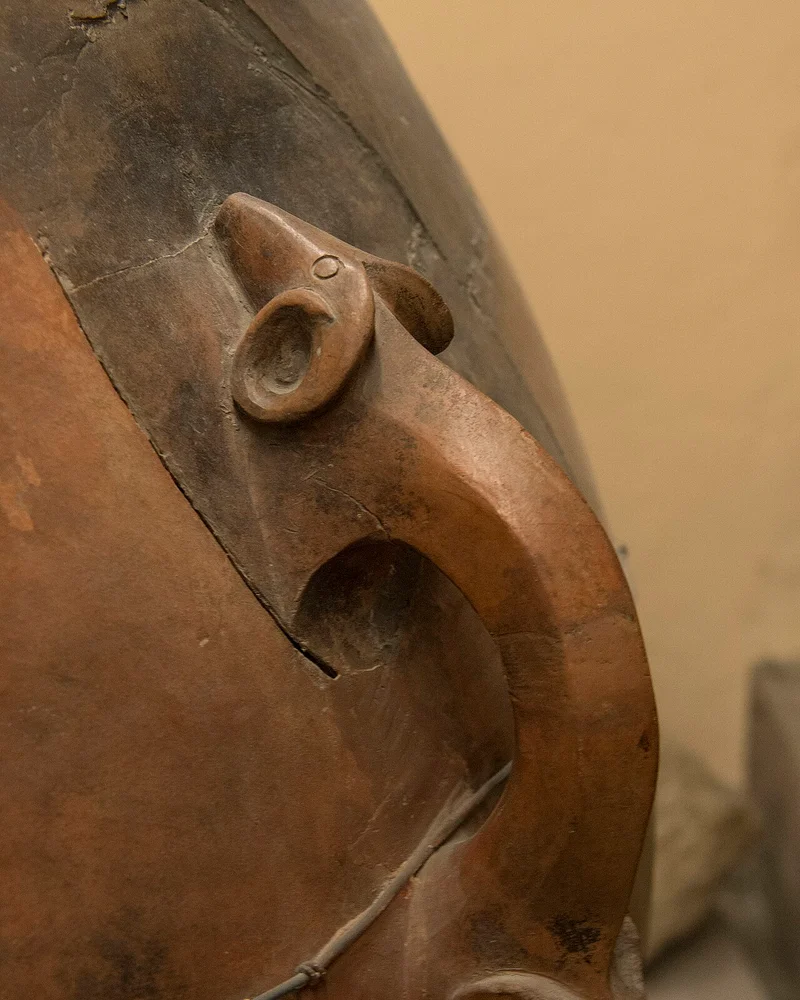
The Ancient Copper Cutter
The primeval copper cutting tool with which heaven and earth were once separated, brought out of the ancient storehouses so that Ea can sever the stone giant Ullikummi from Upelluri's shoulder.
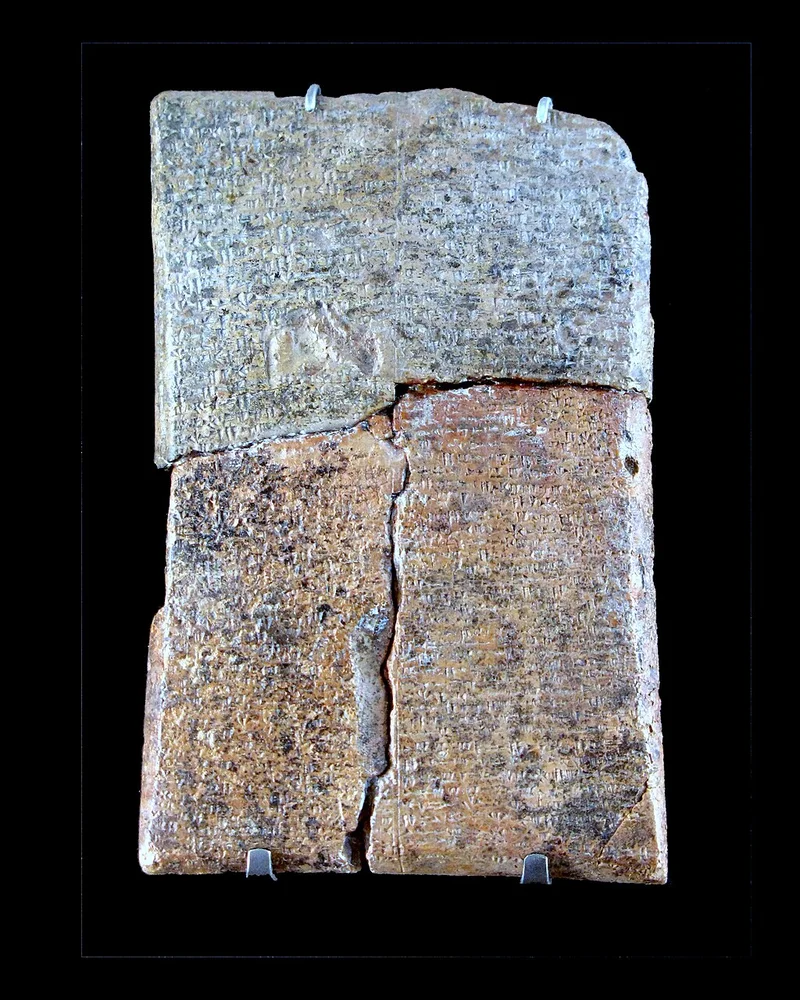
The Bow of Aqhat
The bow and arrows that Kothar-wa-Khasis brings to Danel's house and that pass to Aqhat; the goddess Anat's desire for it leads to Aqhat's death, and it is broken or lost in the killing.
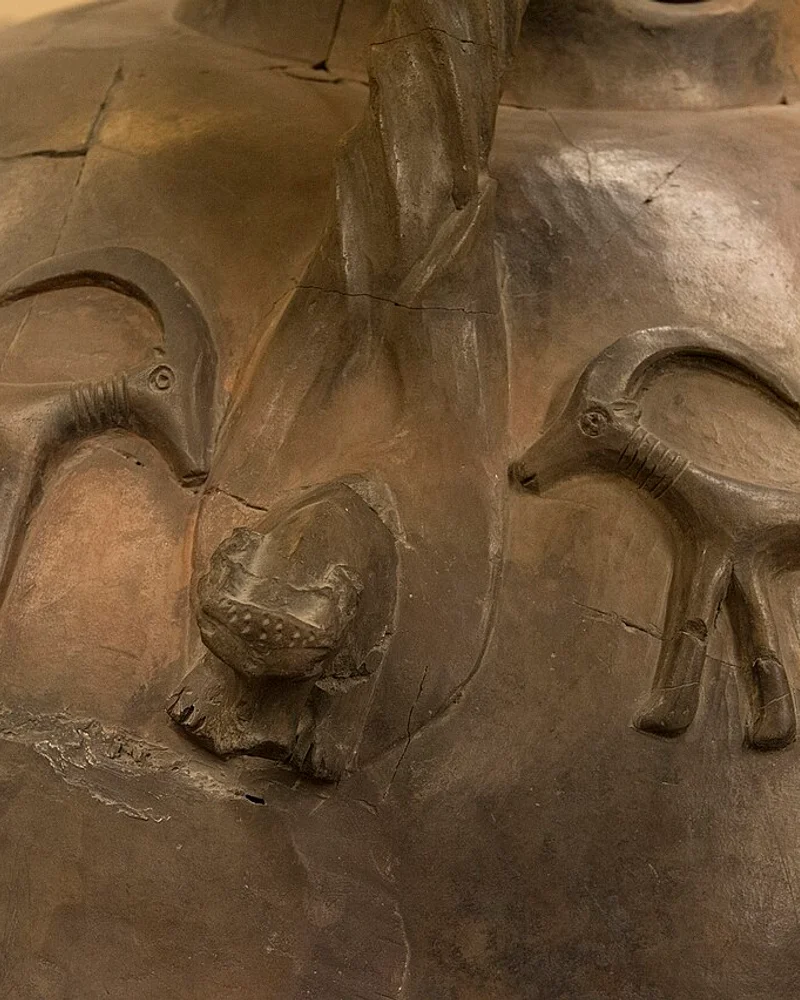
The Kurša Bag on the Eya Tree
The hunting bag of sheep's fleece hung from an evergreen eya tree before the returned Telipinu, holding fat, grain, wine, cattle, sheep, long life, and offspring: a cult object as well as a mythic image.
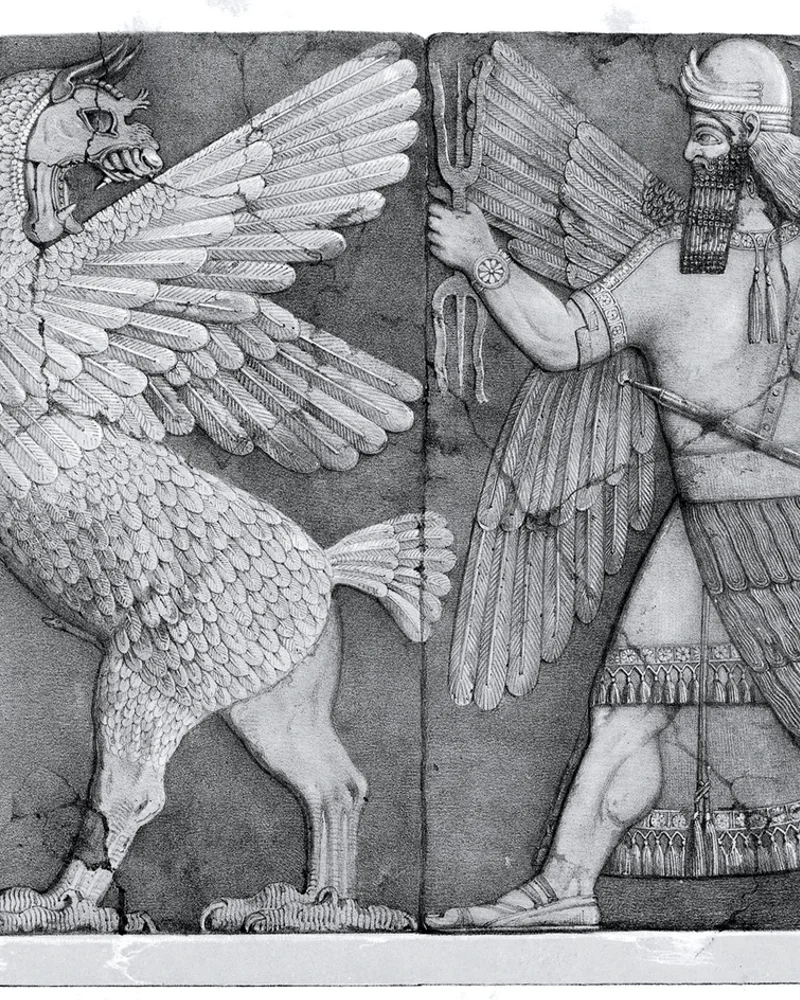
The Me (Divine Decrees)
The foundational powers of civilization — crafts, kingship, music, law — stolen and gifted by Inanna from Enki's house in Eridu.
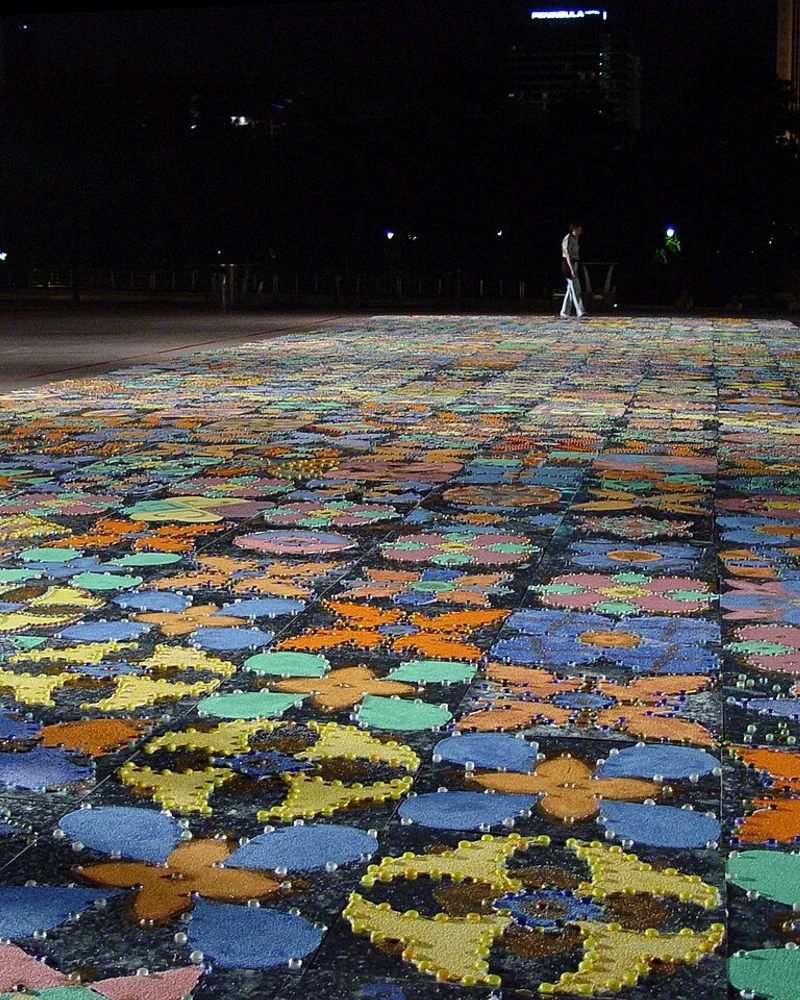
The Sun's Gifts to the Hero Twins
The armour of flint and the weapons, among them arrows of lightning, that the Sun gave his sons when he at last acknowledged them, and with which they killed Yéʼiitsoh and the other monsters.
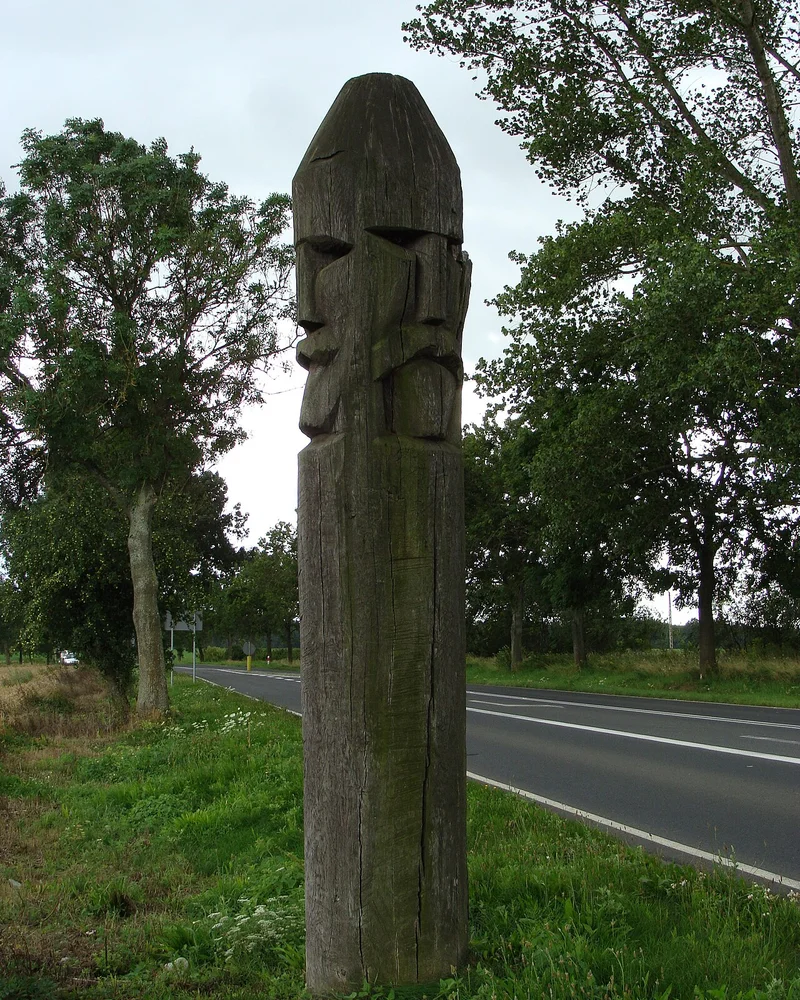
Three-Headed Idol of Triglav
The three-headed image of Triglav at Szczecin, described by the biographers of Bishop Otto of Bamberg, who had it broken during his mission to Pomerania in the 1120s and sent its heads away as a trophy.
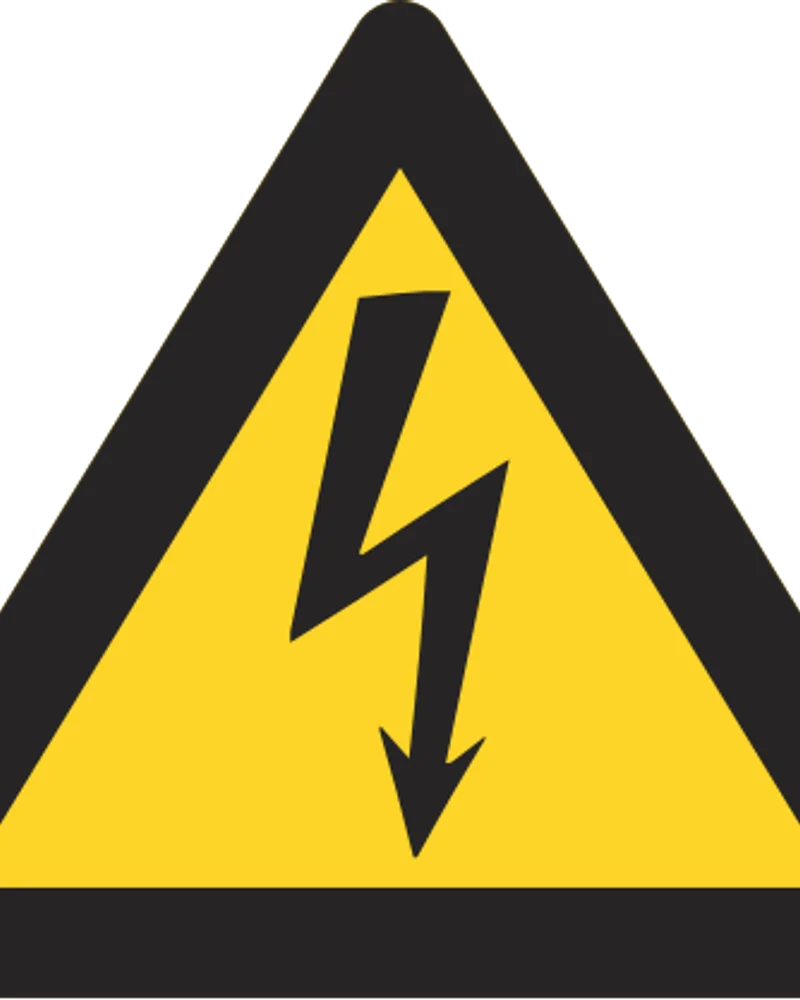
Thunderbolt of Zeus
The supreme weapon of the king of the gods, capable of striking down titans and mortals alike. These divine bolts of lightning represent Zeus's absolute authority over the heavens and earth.
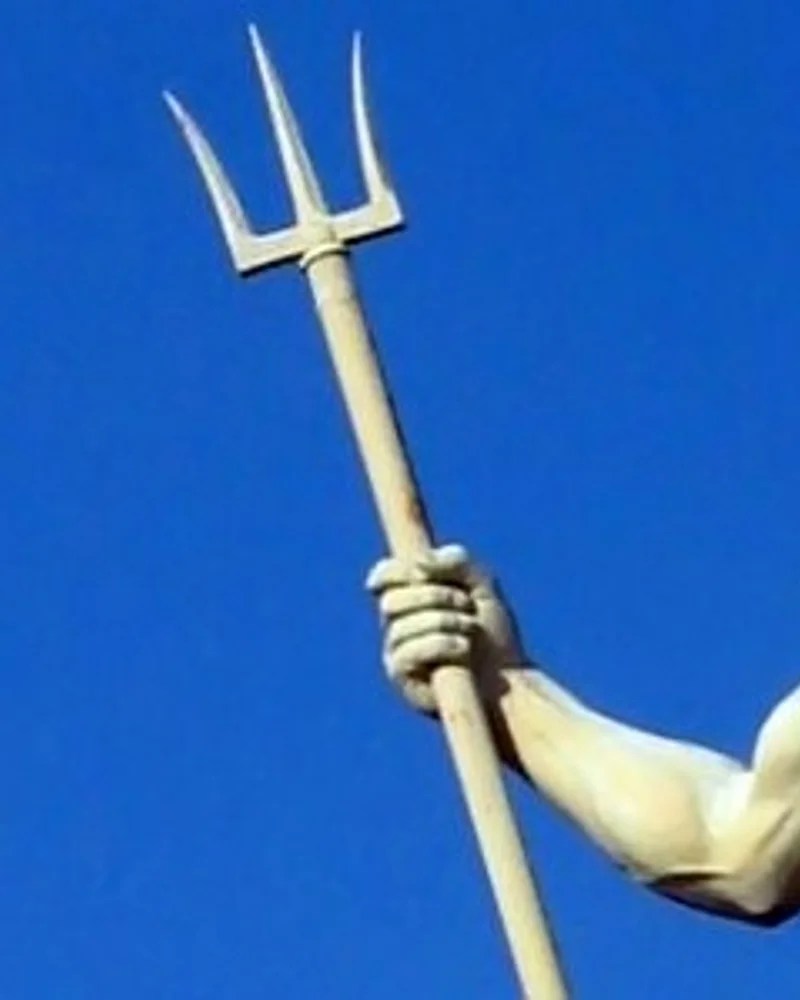
Trident of Poseidon
The three-pronged spear of the sea god, granting dominion over all oceans, rivers, and waters. With a single strike, Poseidon can summon earthquakes, storms, and tidal waves.
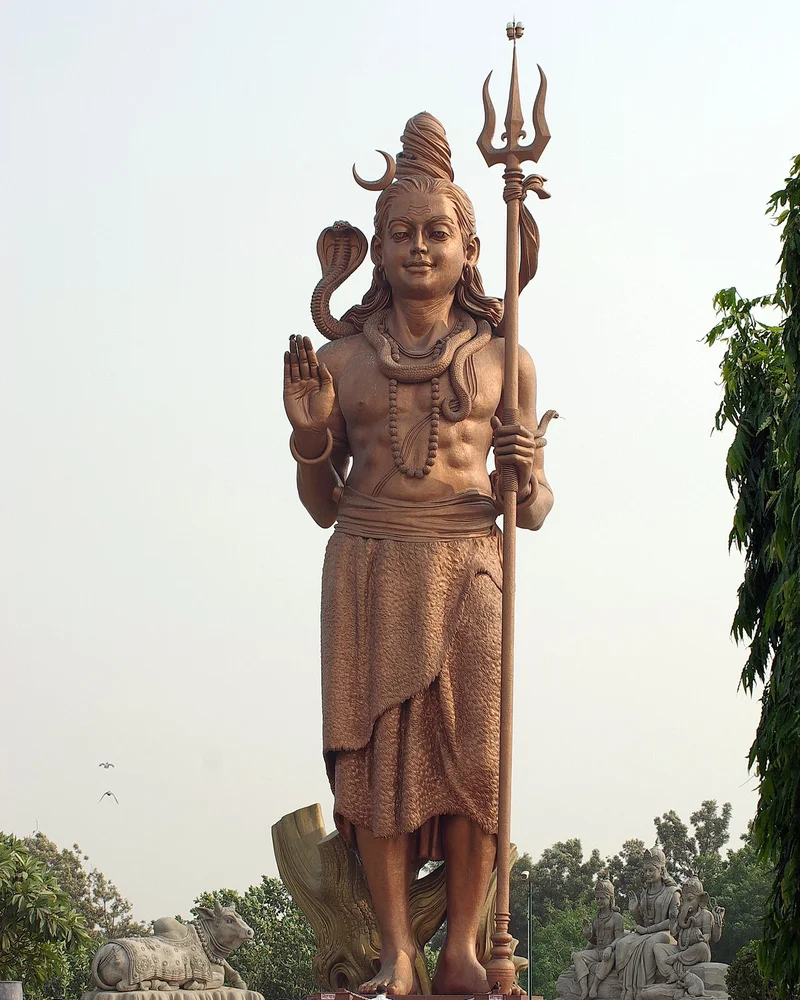
Trishula
Shiva's three-pronged trident representing the three aspects of consciousness, the three gunas, and the power to destroy, preserve, and create. It is the symbol of Shiva's supreme authority.
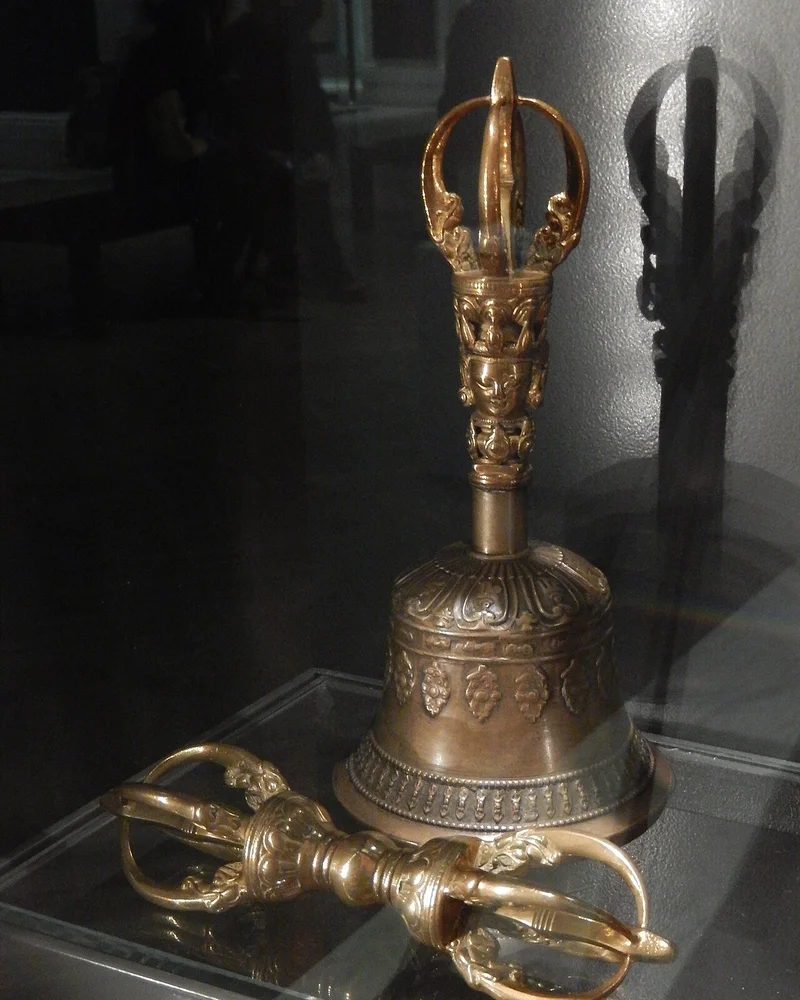
Vajra
Indra's thunderbolt, the weapon of the king of gods. Indestructible and irresistible, it represents both the hardness of diamond and the unstoppable force of lightning.
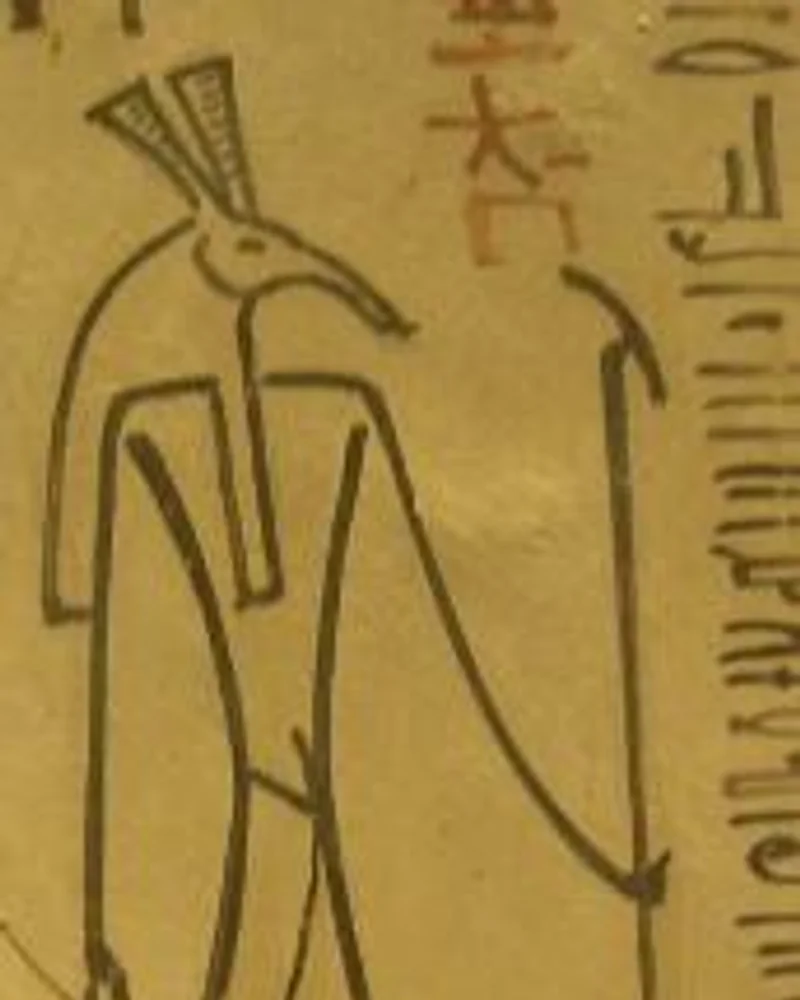
Was Scepter
The scepter of power and dominion, featuring a forked base and an animal head. It represents control over the forces of chaos and the authority of divine and royal power.
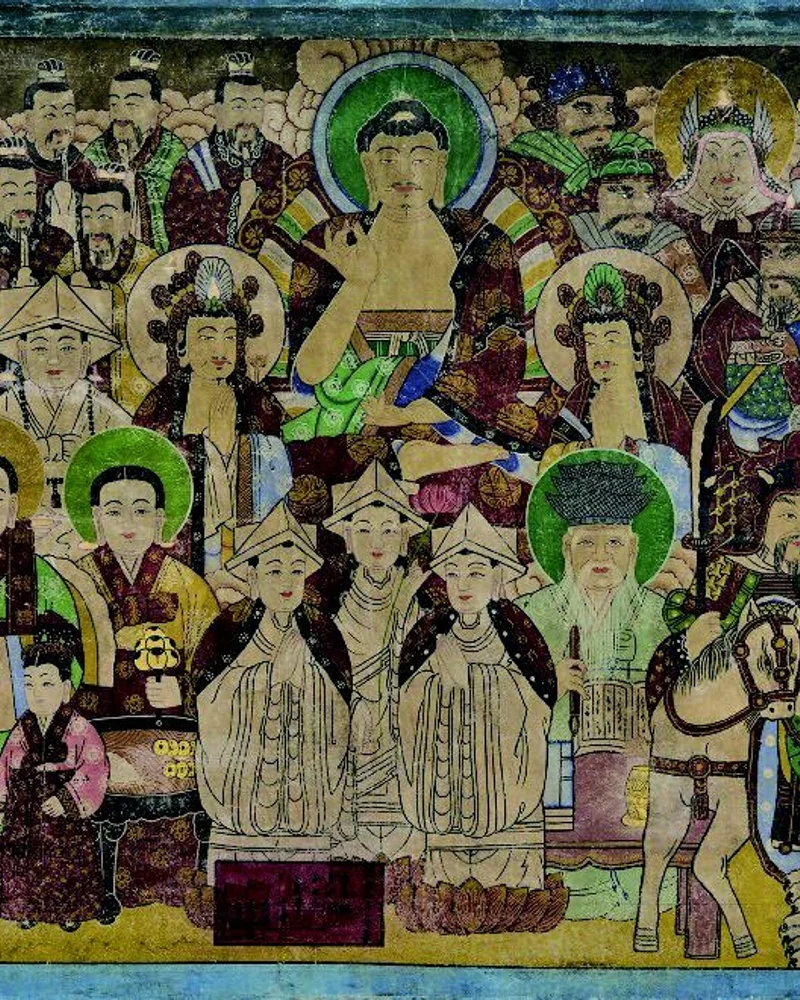
Water of Life and Flowers of Revival
The medicinal water of the Western Heaven and the flowers that restore bone, flesh, and breath, which Princess Bari brings back from the end of the world to revive her dead parents.
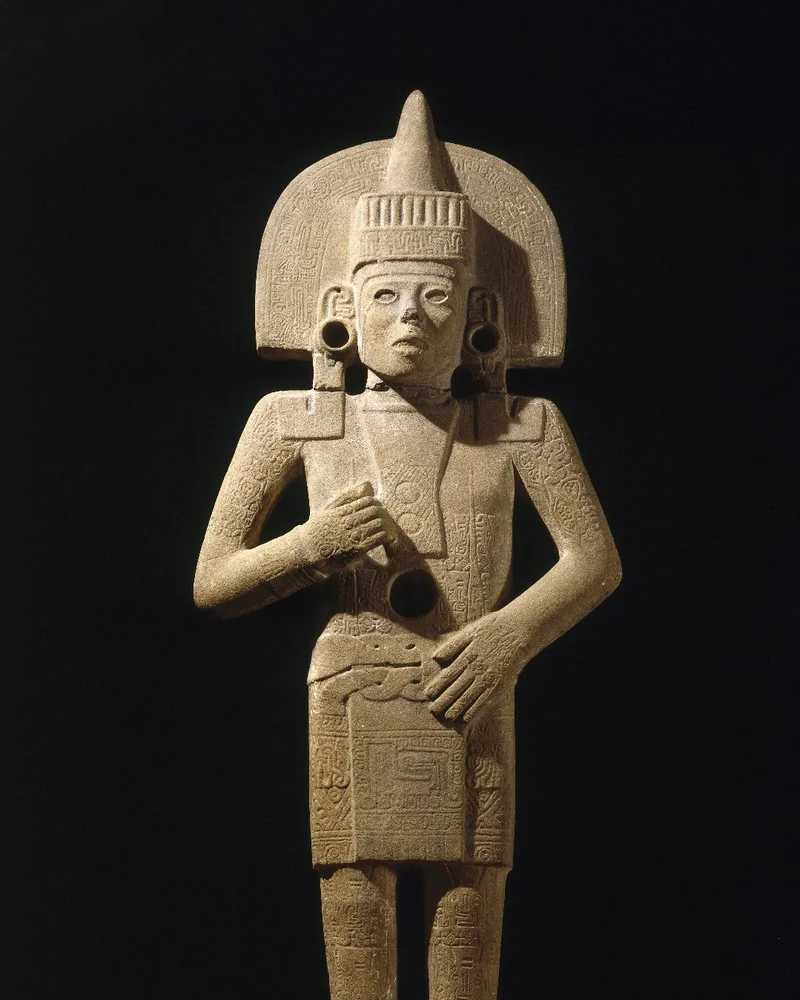
Wind Jewel of Quetzalcoatl
The spiral wind jewel (ehēcatl) associated with Quetzalcoatl as Ehecatl, the wind aspect — breath that clears the way for rain and life.
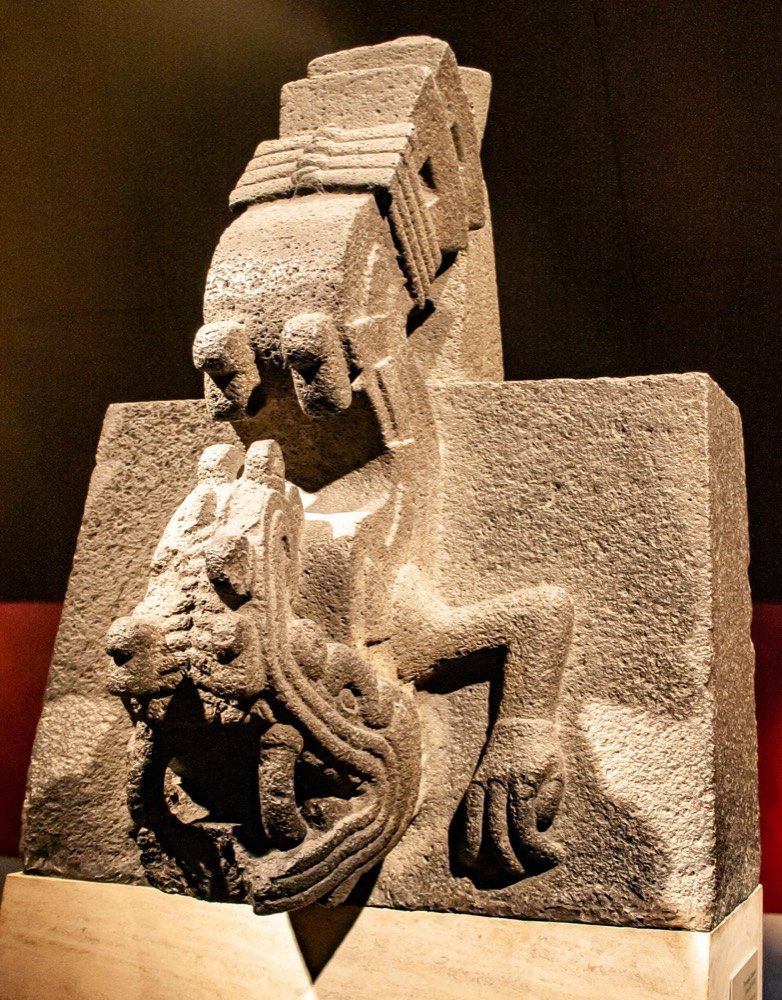
Xiuhcoatl
The Turquoise Serpent, a weapon of living fire with which the newborn Huitzilopochtli slew the moon goddess Coyolxauhqui. Two fire serpents encircle the rim of the Sun Stone.
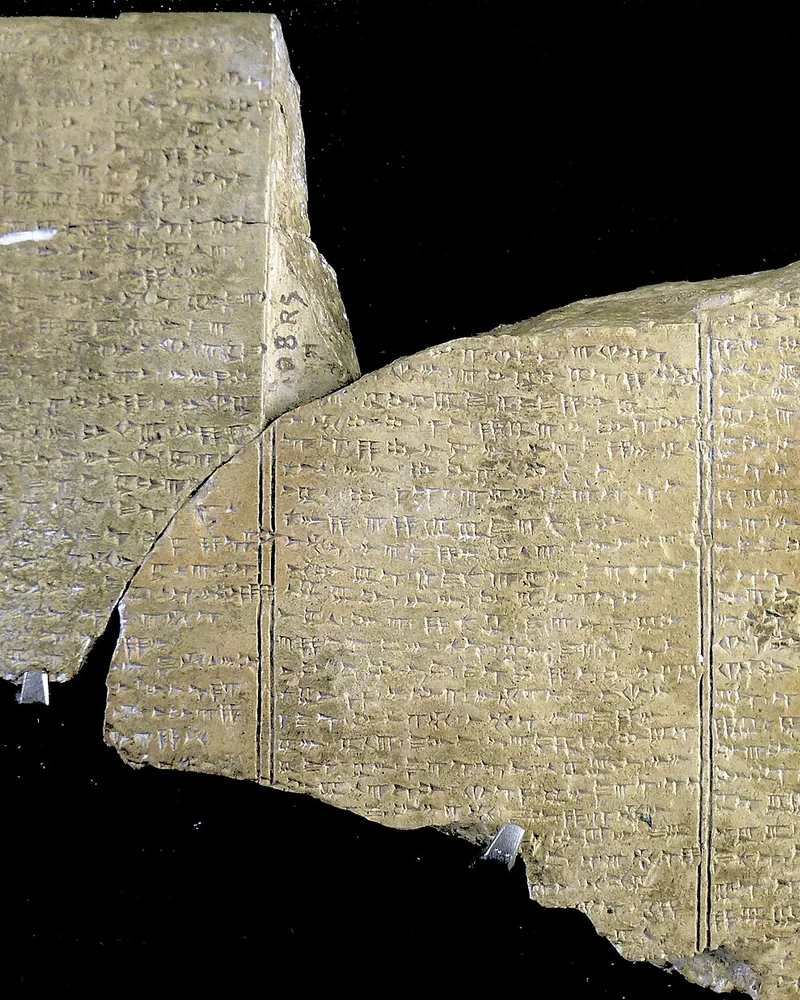
Yagrush and Ayyamur
The two clubs that Kothar-wa-Khasis makes and names for Baal: Yagrush, 'Driver', which fails to fell Yam, and Ayyamur, 'Expeller', which strikes him down.
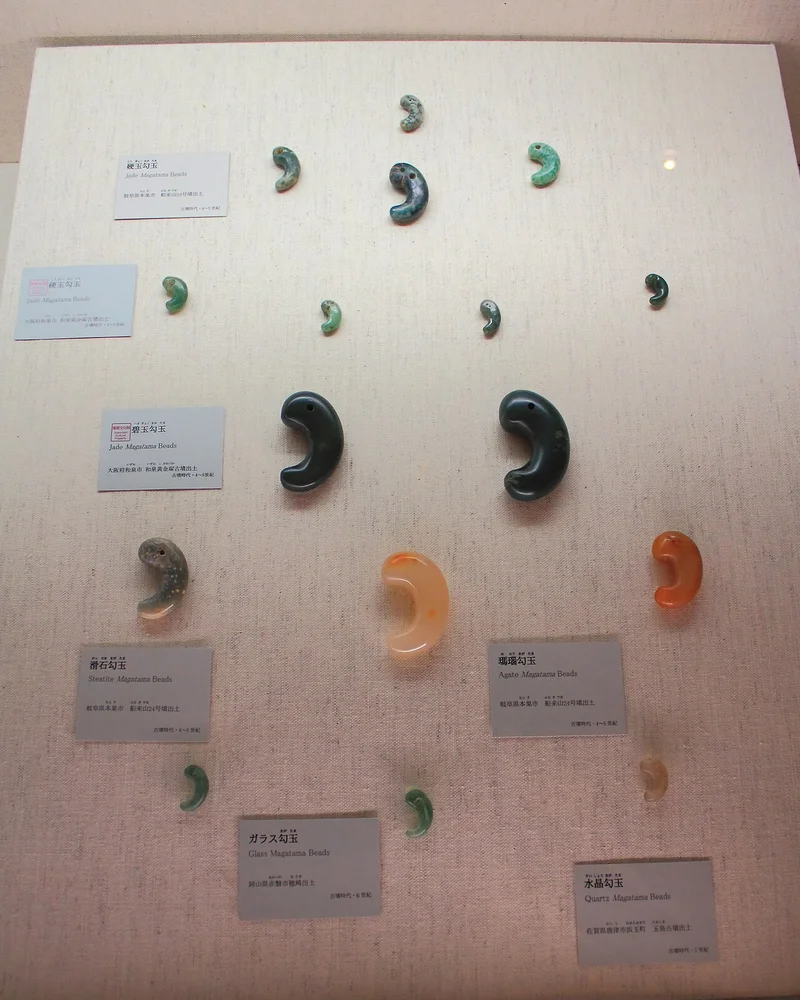
Yasakani no Magatama
The Grand Jewel, one of the three Imperial Regalia representing the virtue of benevolence. This comma-shaped jewel holds the spiritual essence of imperial authority.
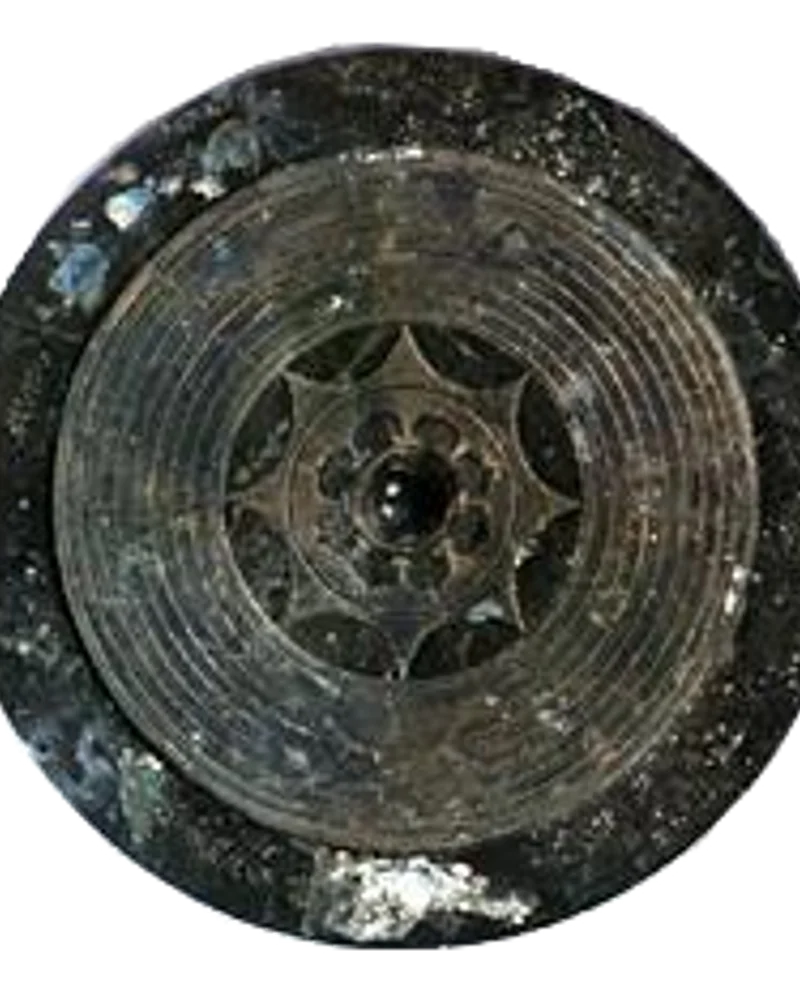
Yata no Kagami
The Eight-Span Mirror, one of the three Imperial Regalia representing the virtue of wisdom. It was used to lure Amaterasu from the cave where she hid, restoring light to the world.
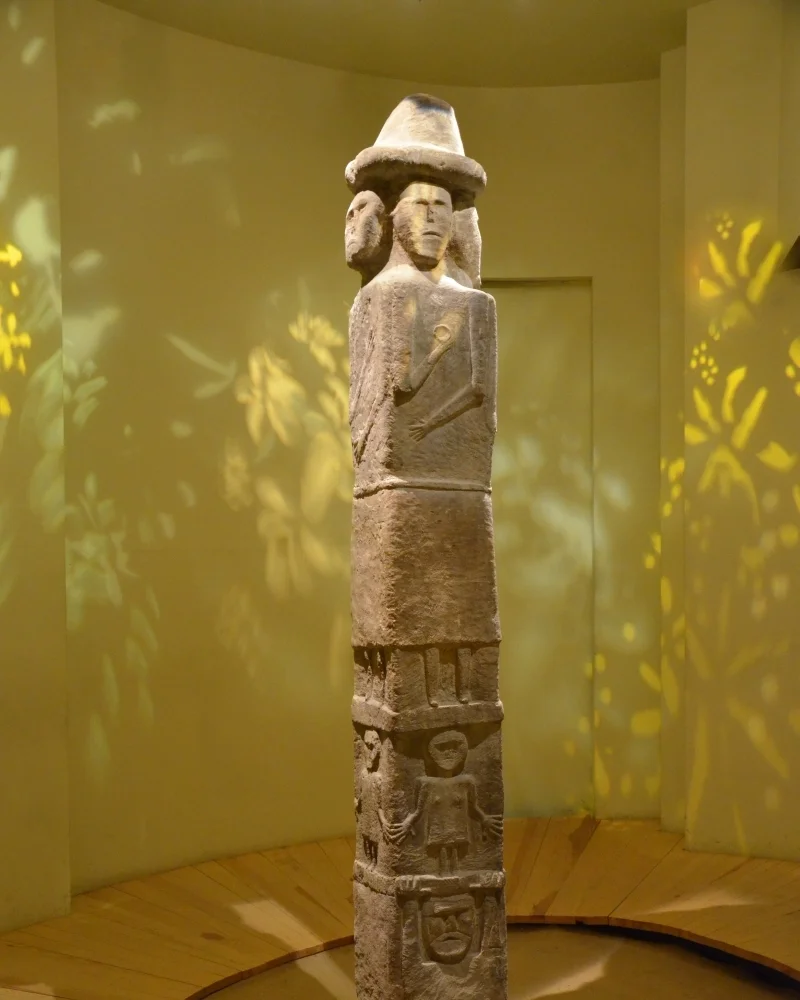
Zbruch Idol
A four-sided limestone pillar about 2.6 metres tall, carved with four faces under a single cap and tiers of figures below, found in the Zbruch River in 1848 and now in the Archaeological Museum in Kraków; its identification with Svantevit is a modern hypothesis.