


Myths of the Philippine Archipelago
Myths of the Philippine Archipelago traditions, cosmology, and ancient mythology.
Mythological Figures & Lore
Showing all 8 records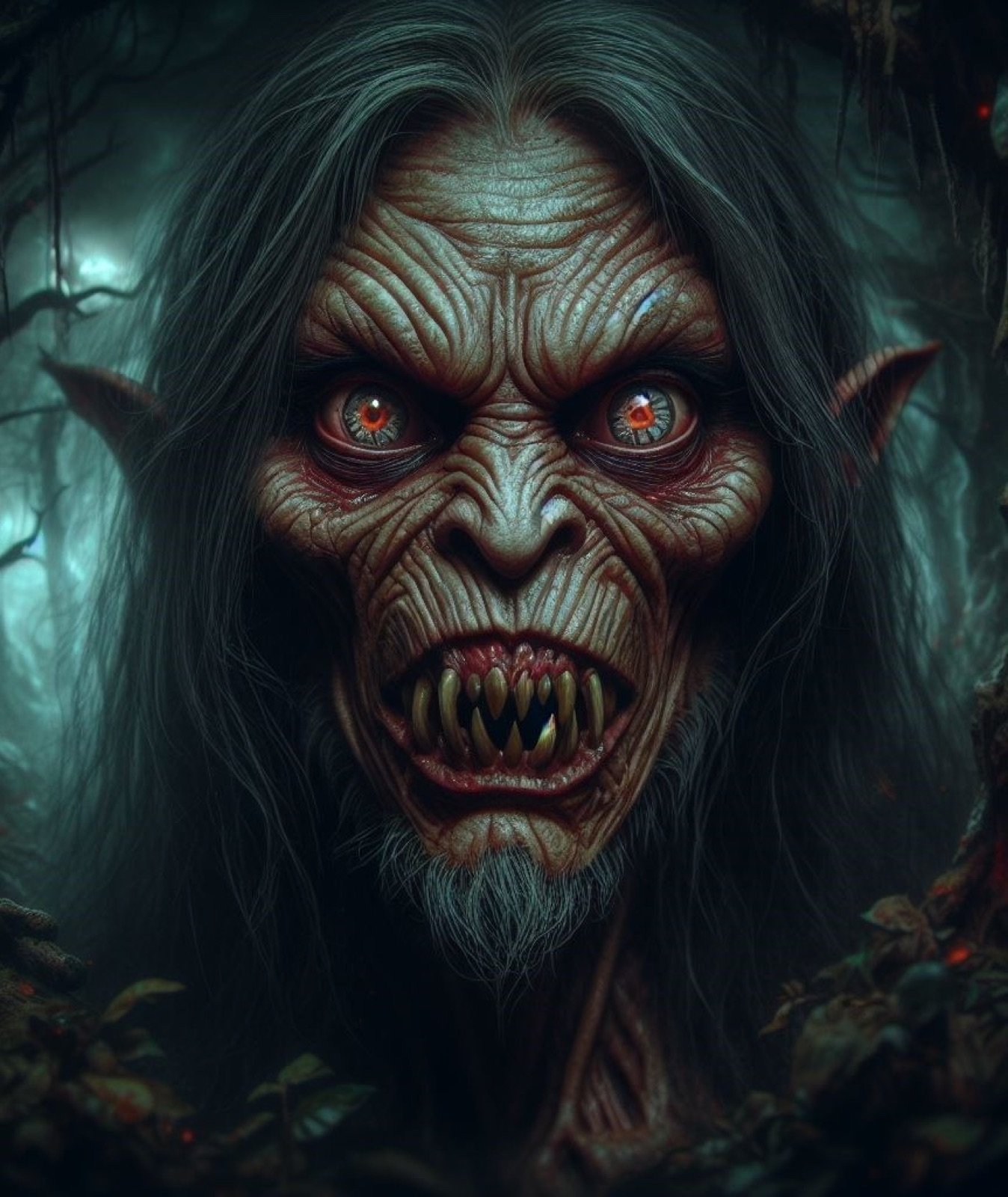 creature
Aswang
An umbrella of fear covering witches, corpse-eaters, shape-shifters, and nocturnal predators.
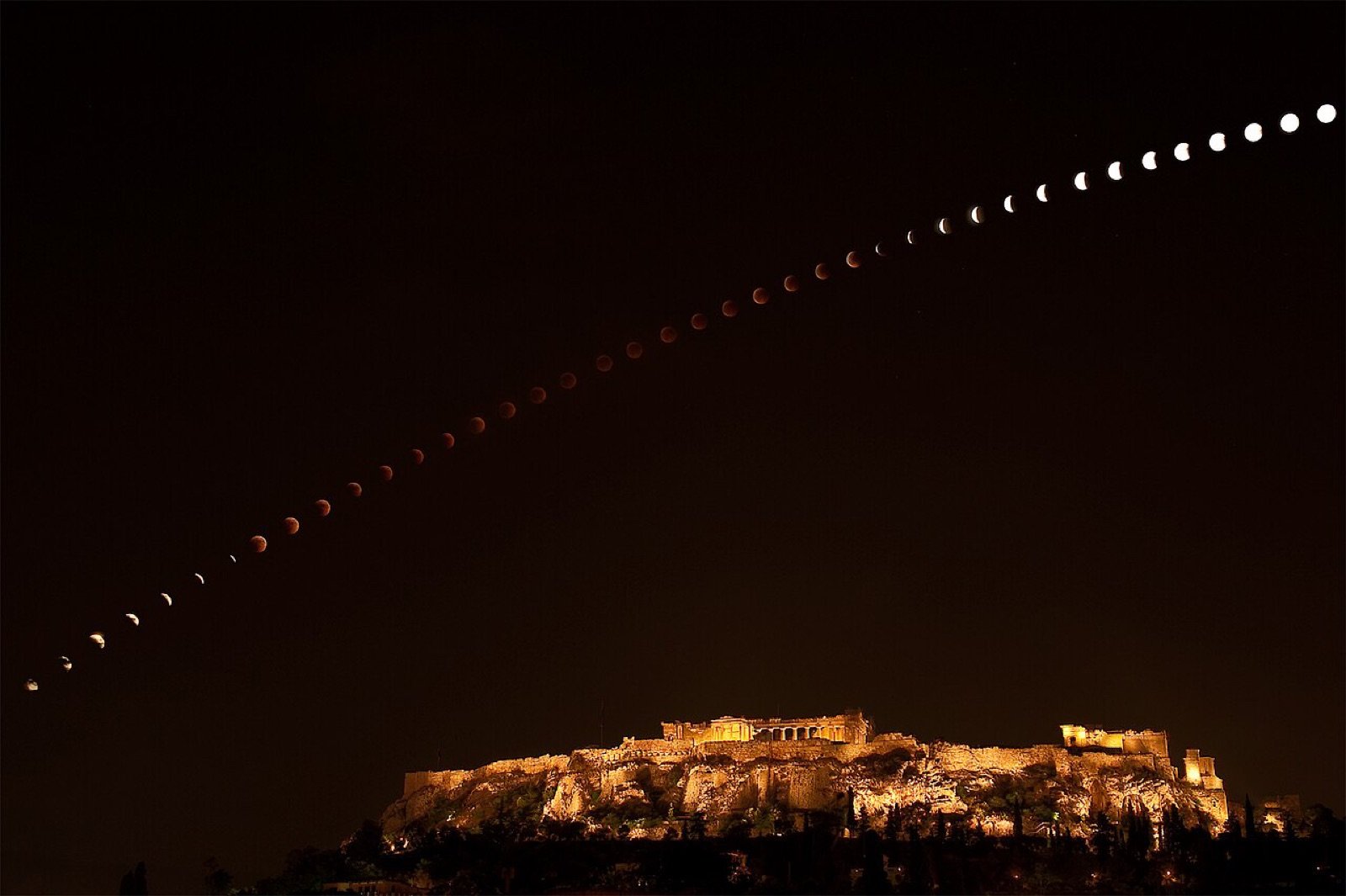 creature
Bakunawa
The moon-swallowing serpent driven away by a community’s gongs, pans, and shouts.
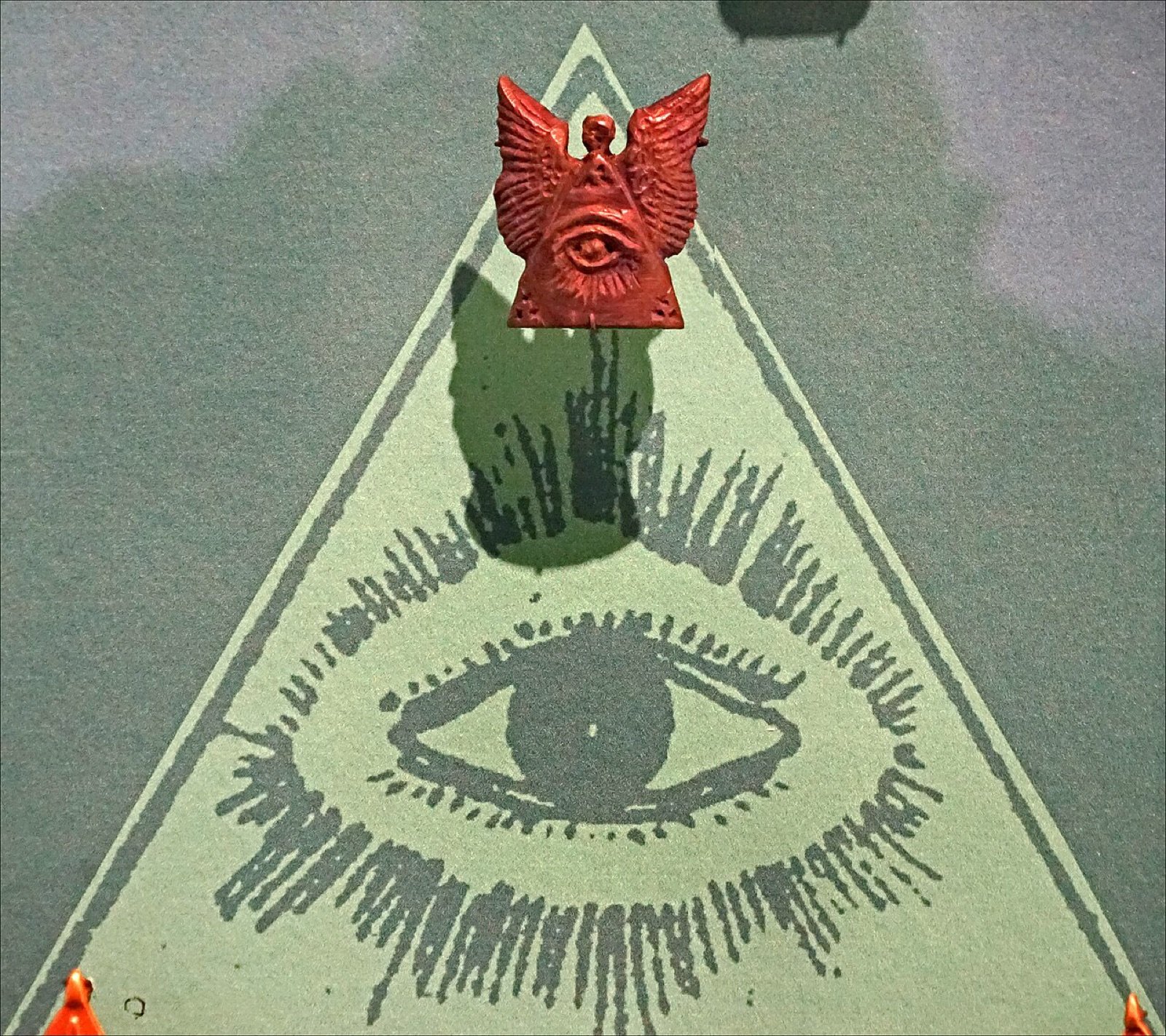 deity
Bathala
The Tagalog creator and sustainer whose name became layered with the Christian God under colonial rule.
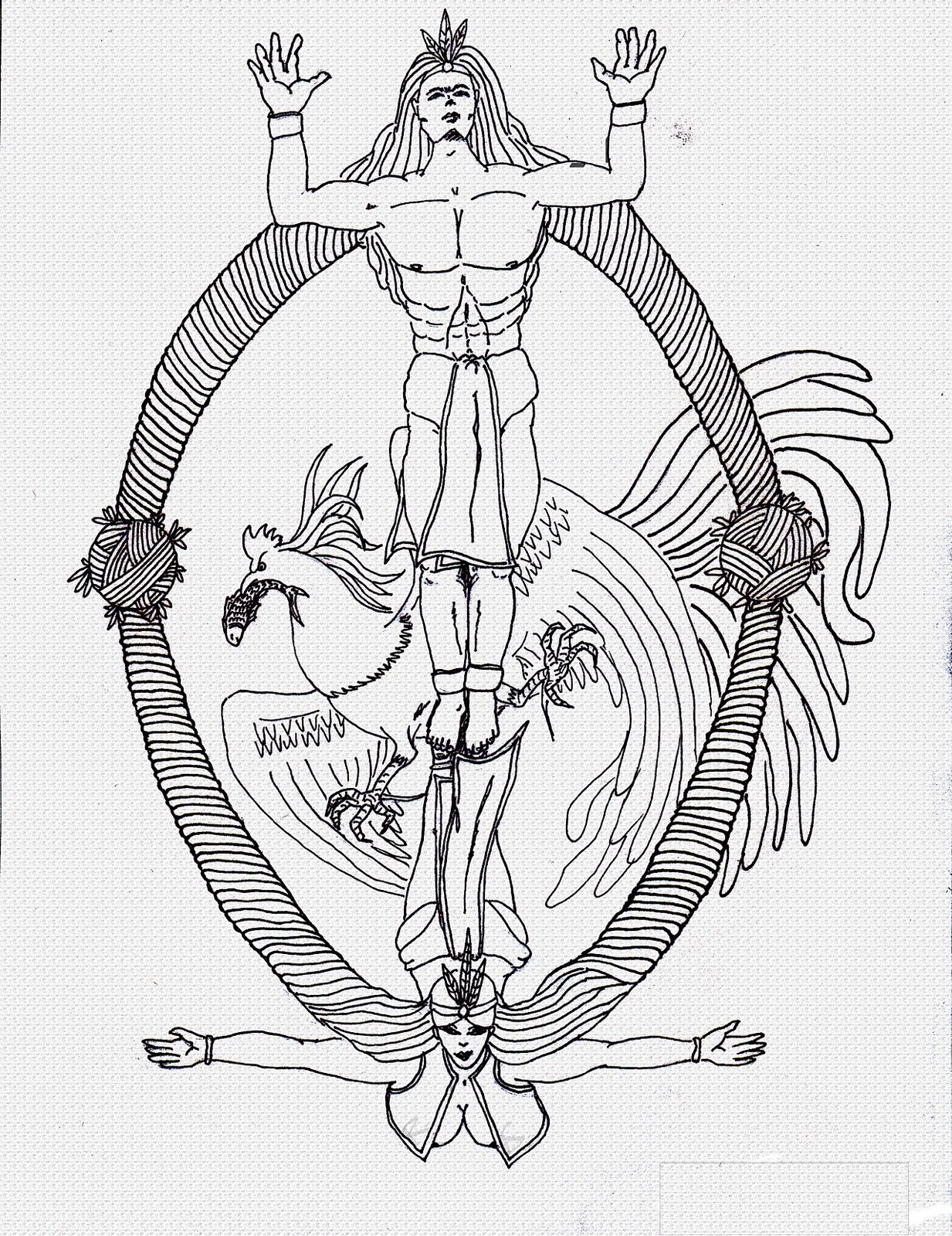 spirit
Diwata
A widespread name for deities and place-spirits who heal and bless, yet punish intrusion and neglect.
 creature
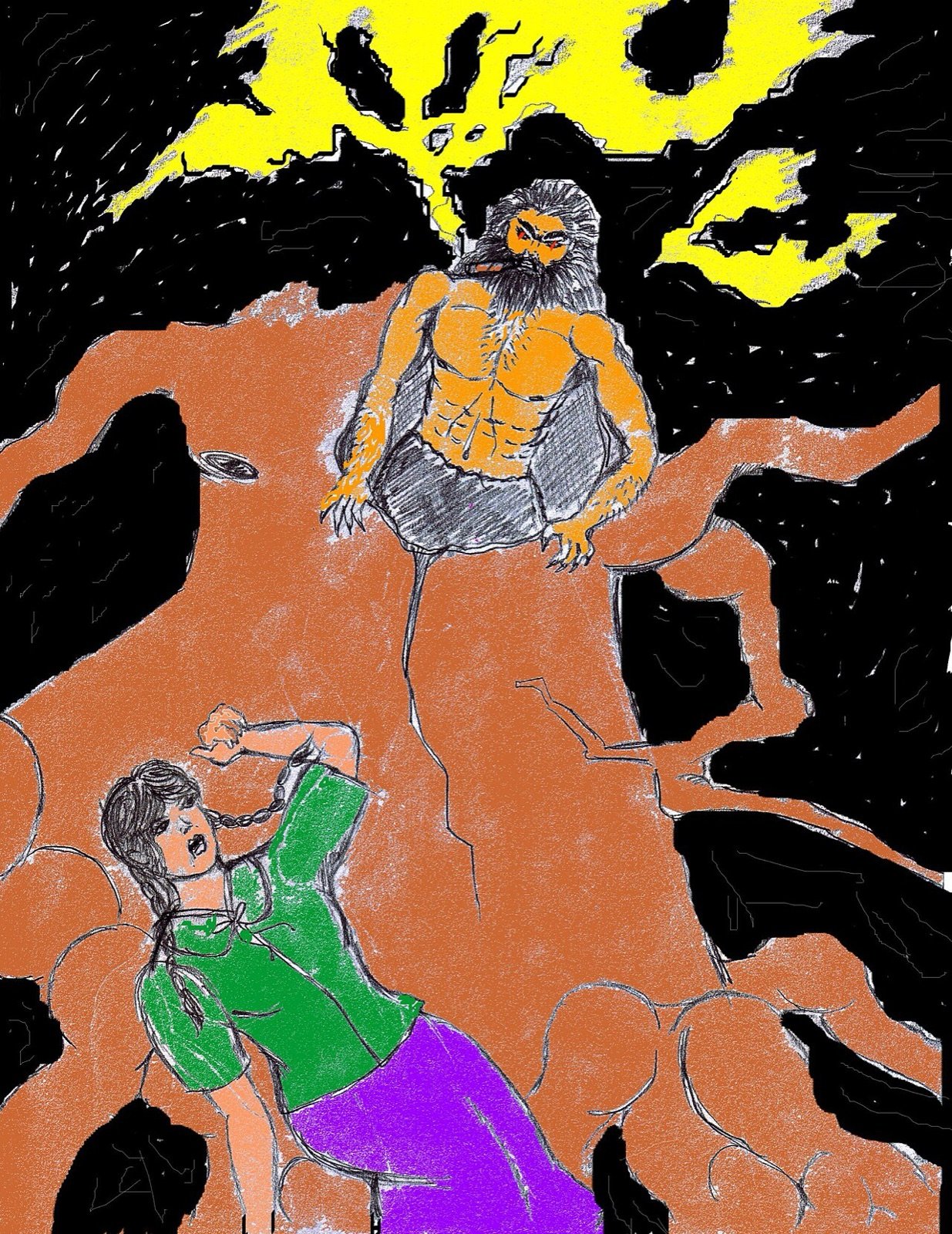
Kapre
A dark giant smoking in an ancient tree, capable of misleading strangers or guarding a chosen place.
 creature
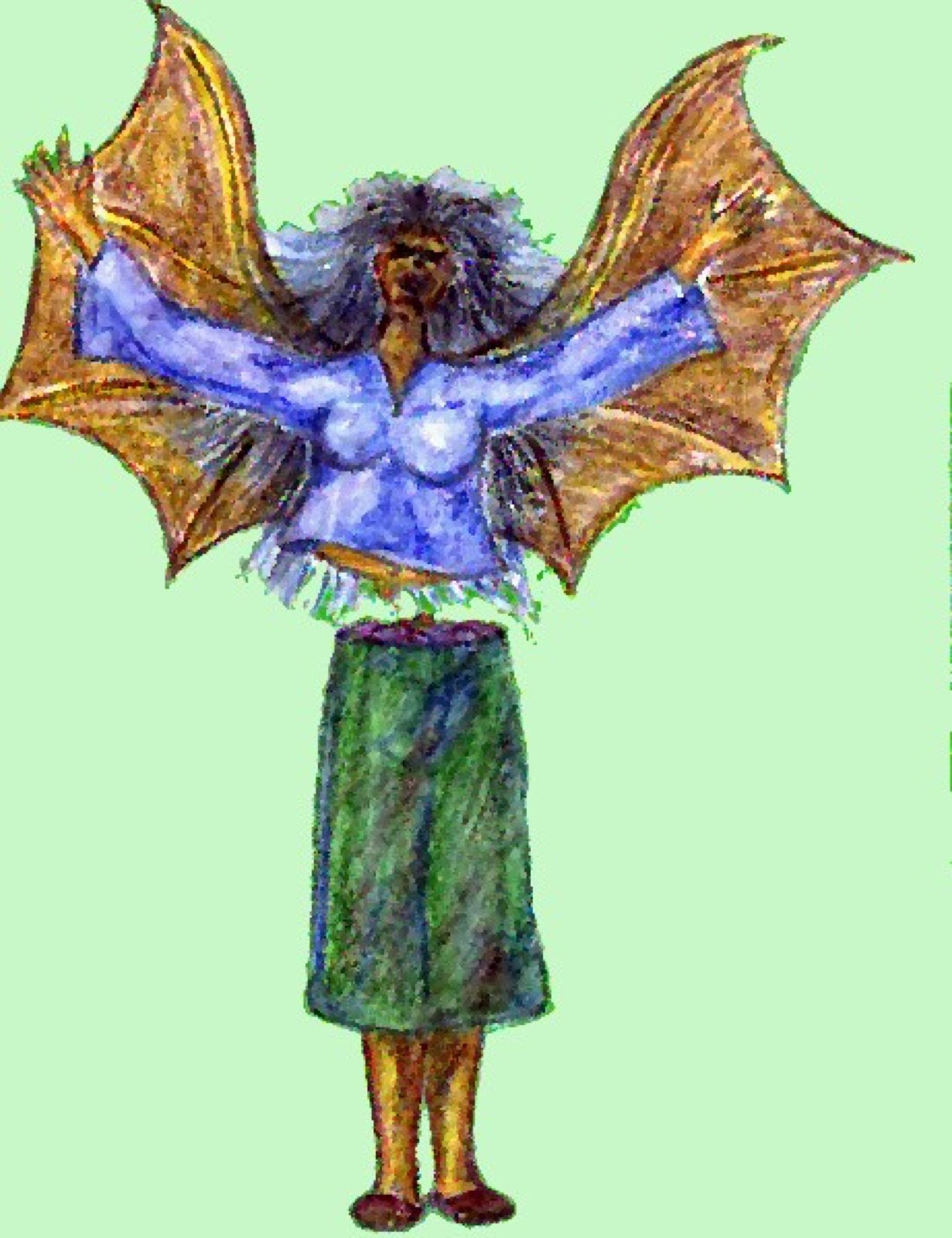
Manananggal
A winged upper body hunting by night while its vulnerable lower half waits hidden for dawn.
 creature
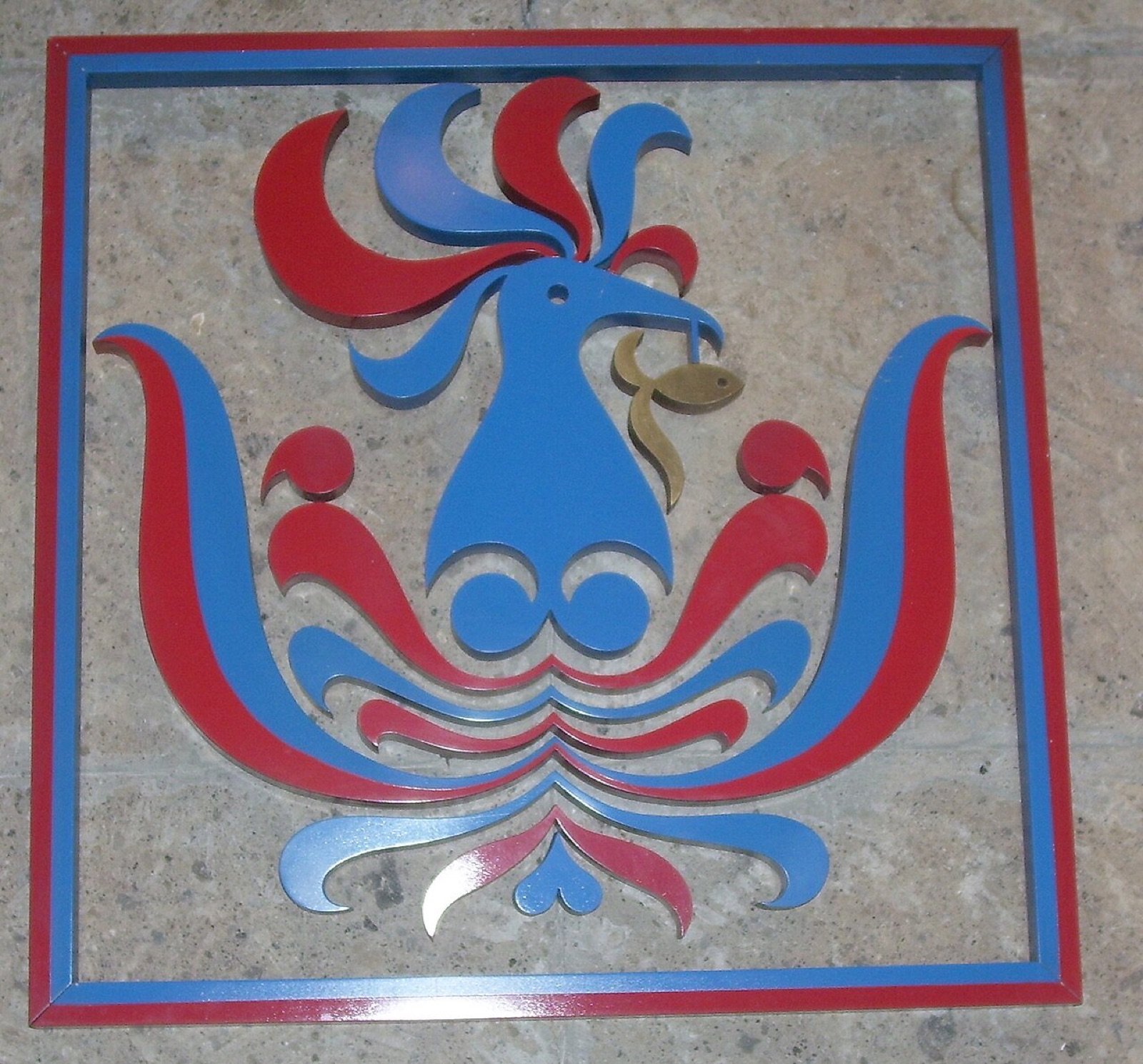
Sarimanok
The radiant Maranao bird bearing a fish, an emblem of rank, fortune, and messages from the upper world.
 creature
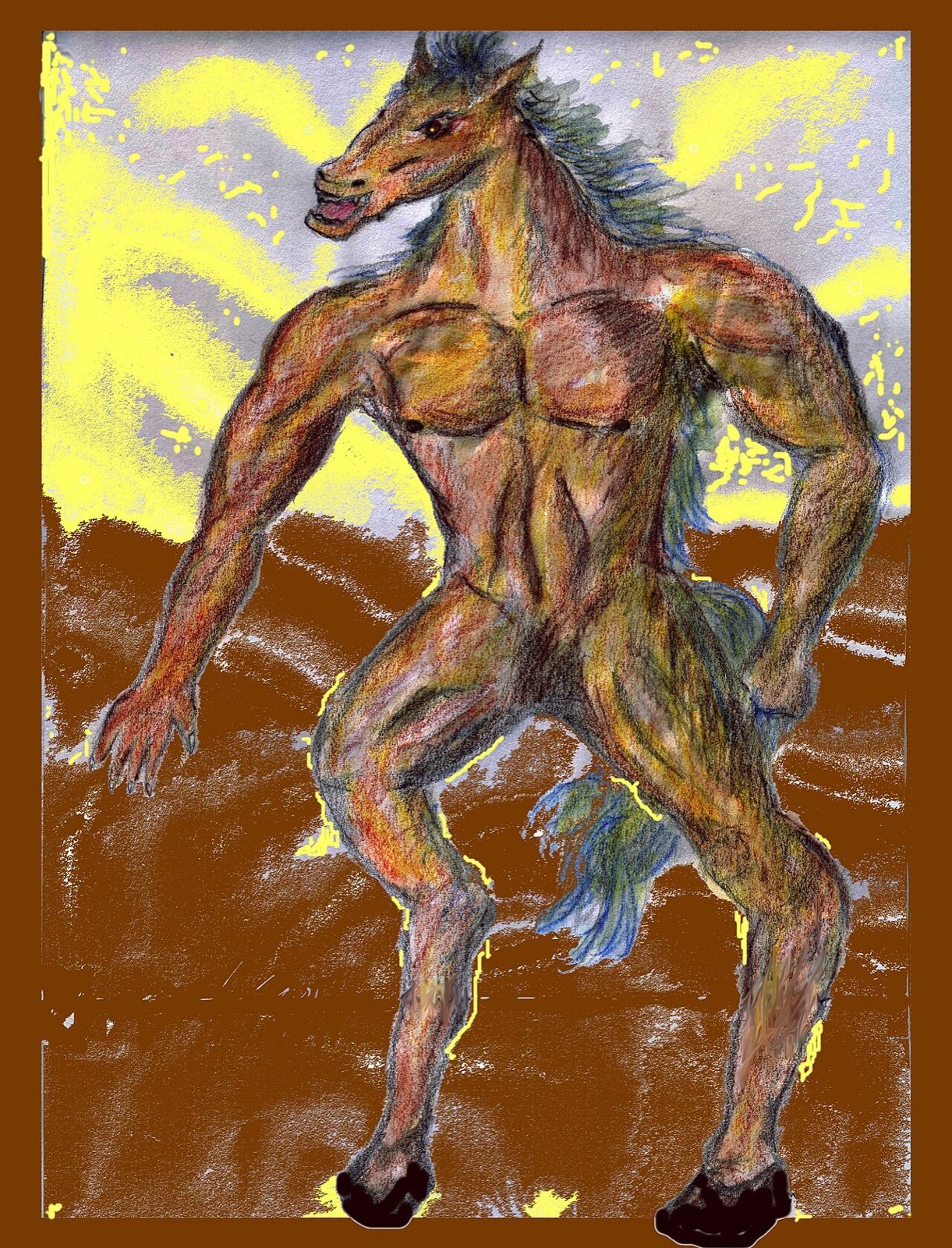
Tikbalang
A tall wilderness trickster who loops a traveler’s path, later acquiring its famous horse-headed form.