


Japanese Mythology
Japanese Mythology traditions, cosmology, and ancient mythology.
Mythological Figures & Lore
Showing all 31 records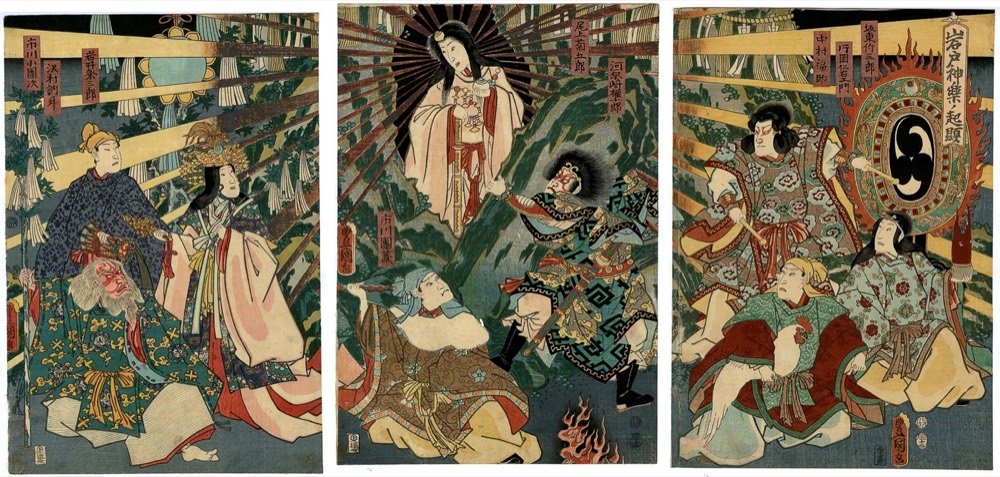 tale
Ama-no-Iwato
Outraged by Susanoo's violence, Amaterasu sealed herself in a rock cave and the world went dark, until the gods lured her out with a mirror, jewels, and Ame-no-Uzume's wild dance.
 deity
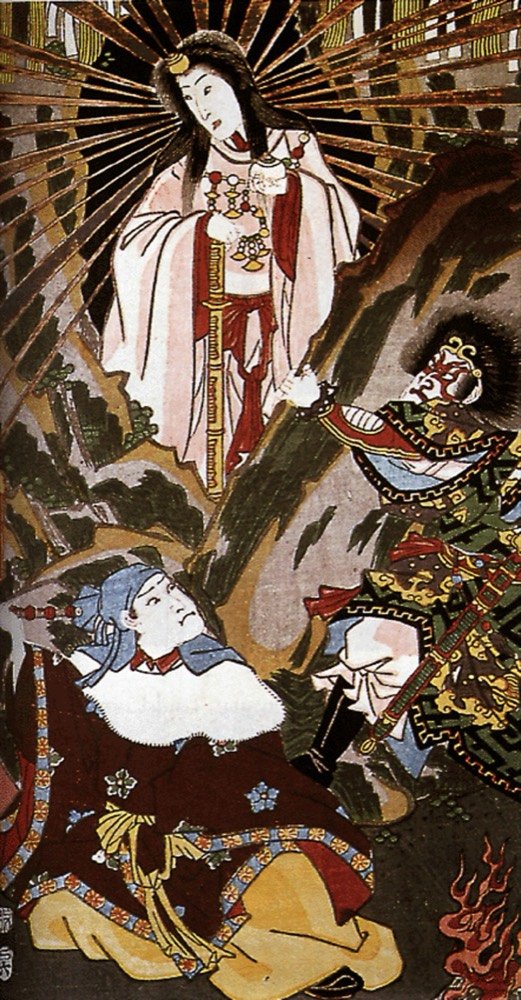
Amaterasu
The sun goddess who rules Takamagahara and heads the imperial mythic lineage; her retreat into the Heavenly Rock Cave plunged heaven and earth into darkness.
 artifact
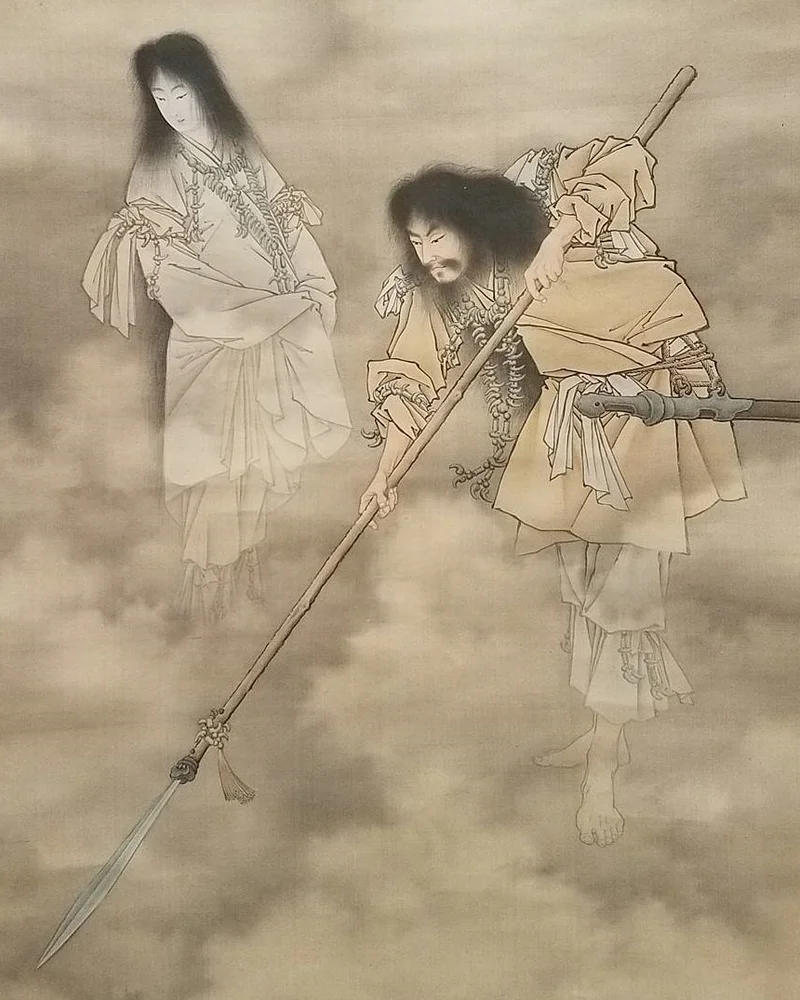
Ame-no-Nuboko
The Heavenly Jeweled Spear used by Izanagi and Izanami to churn the primordial sea and create the first Japanese islands. It is the divine tool of creation itself.
 deity
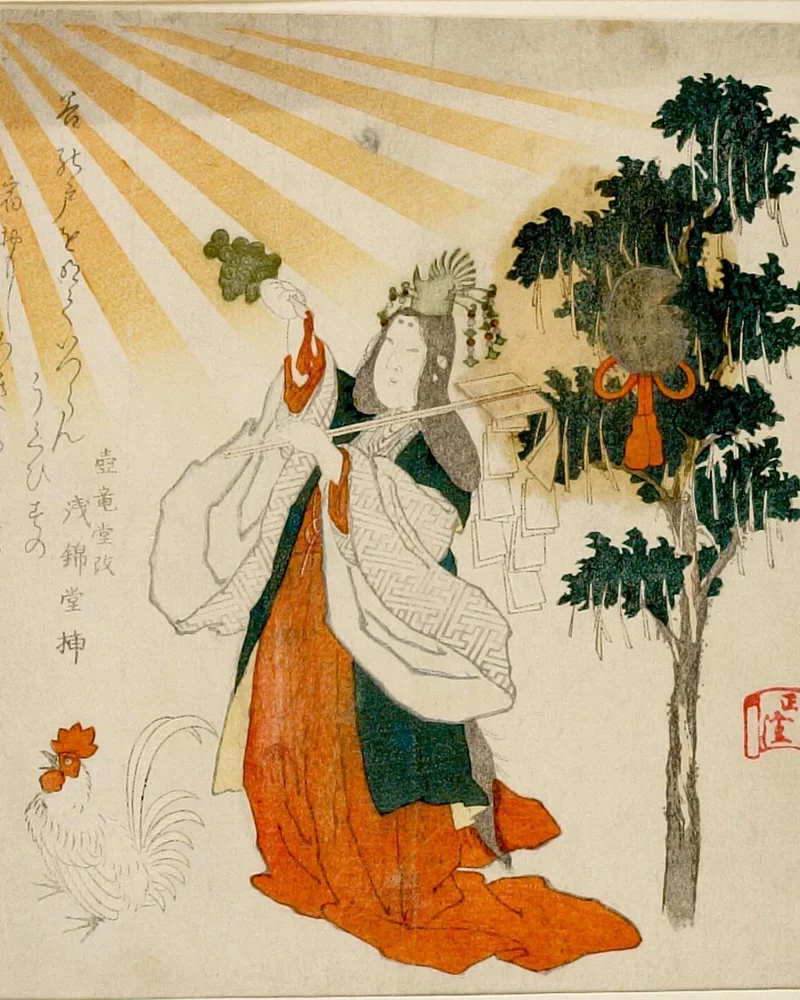
Ame-no-Uzume
Goddess of dawn, mirth, and revelry. Her wild, comedic dance lured Amaterasu from the Heavenly Rock Cave, restoring light to the world. Ancestral deity of performing arts.
 deity
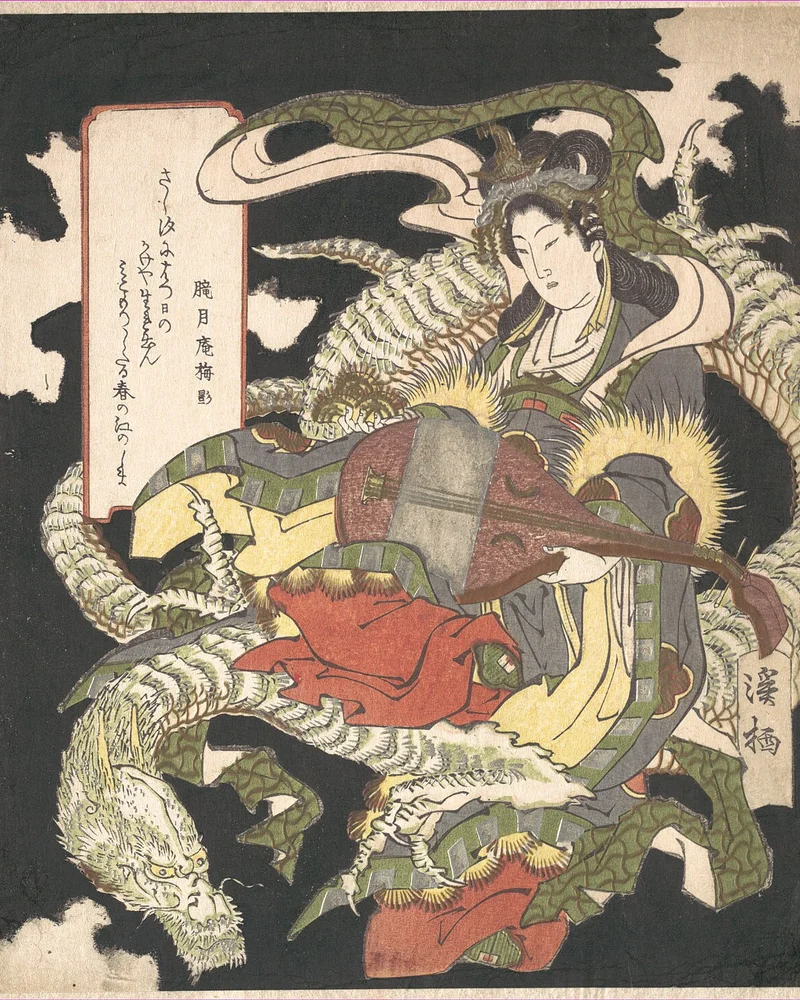
Benzaiten
Goddess of everything that flows: water, time, words, music, and knowledge. One of the Seven Lucky Gods. Originated from Hindu goddess Saraswati.
 deity
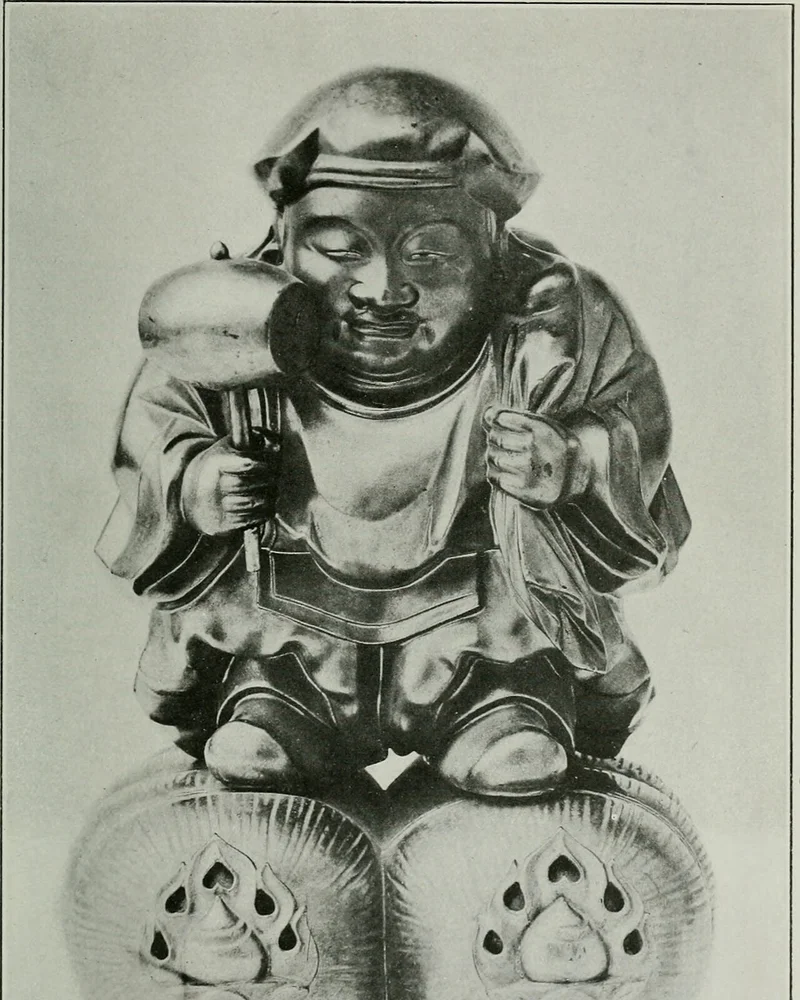
Daikokuten
One of the Seven Lucky Gods. God of wealth, farmers, and the kitchen. Derived from the Hindu deity Mahakala but merged with the native kami Okuninushi in Japan.
 deity
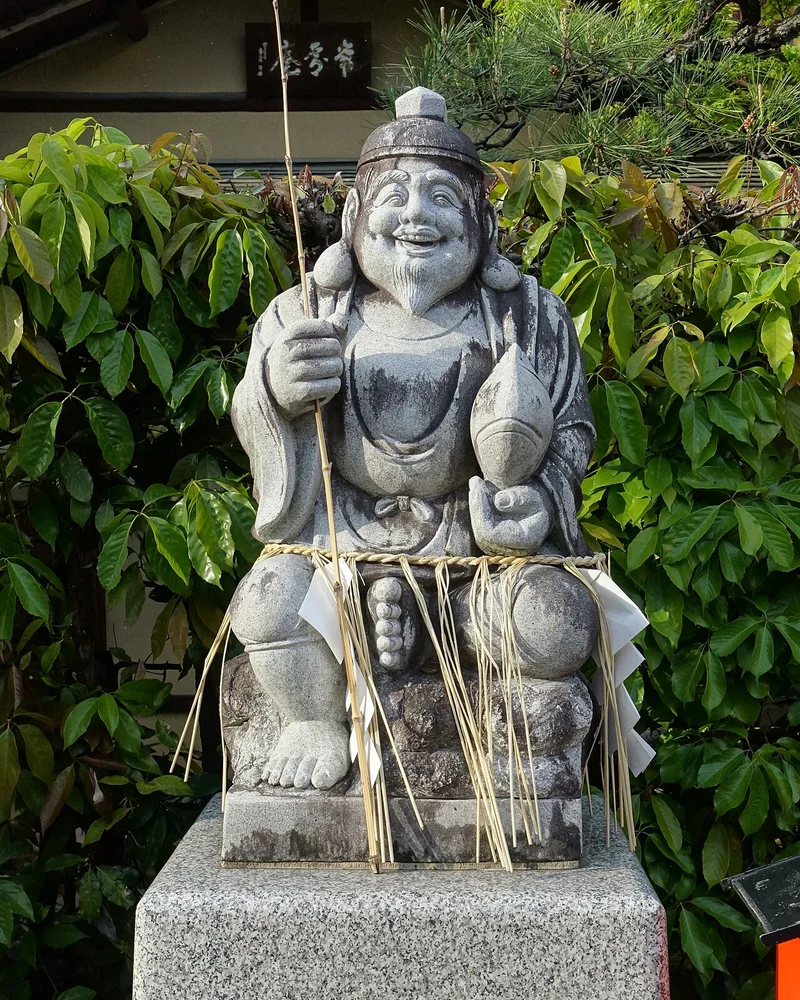
Ebisu
One of the Seven Lucky Gods (Shichifukujin). God of fishermen, merchants, and honest labor. The only purely Japanese deity among the Seven, known for his cheerful disposition.
 deity
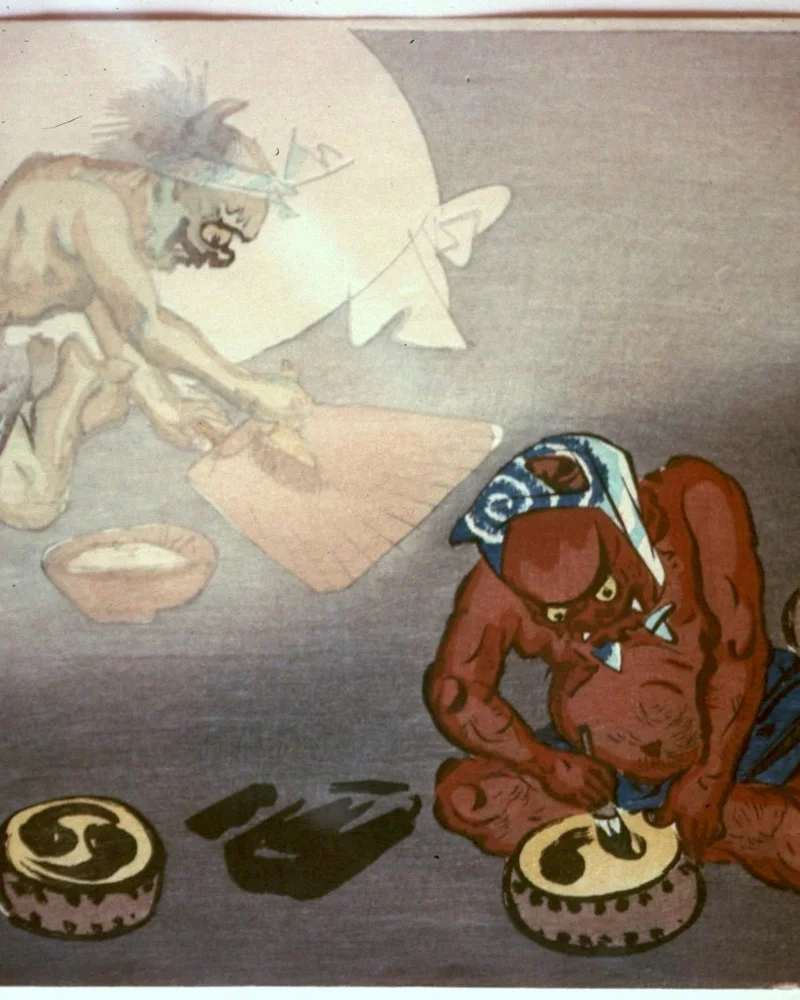
Fujin
God of wind and air. Depicted as a demon carrying a large bag of winds. Twin to Raijin. Controls gentle breezes and destructive typhoons.
 deity
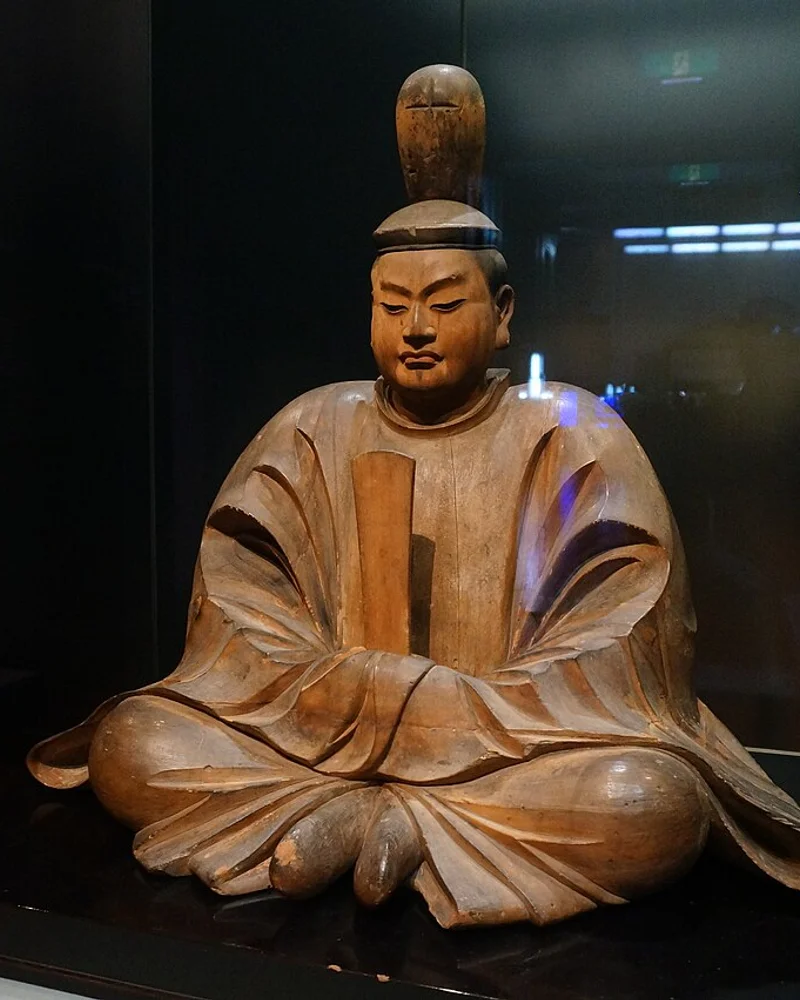
Hachiman
Syncretic god of war, archery, and protector of Japan and warriors. Originally Emperor Ojin deified. Patron of the samurai clans.
 deity
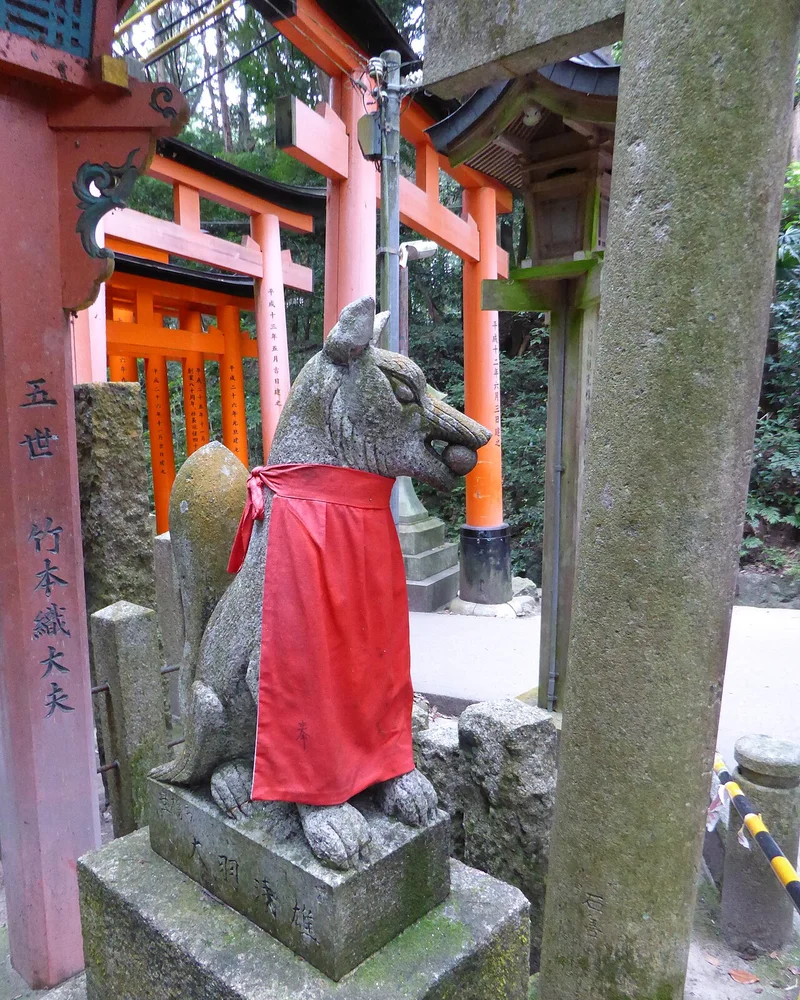
Inari
Kami of rice, fertility, agriculture, industry, and prosperity. One of the most popular kami in Japan. Associated with foxes (kitsune) as messengers.
 deity
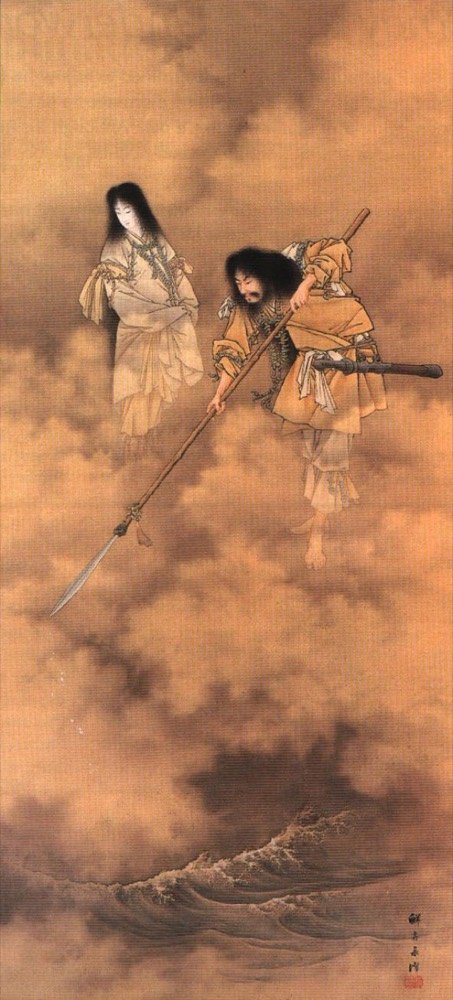
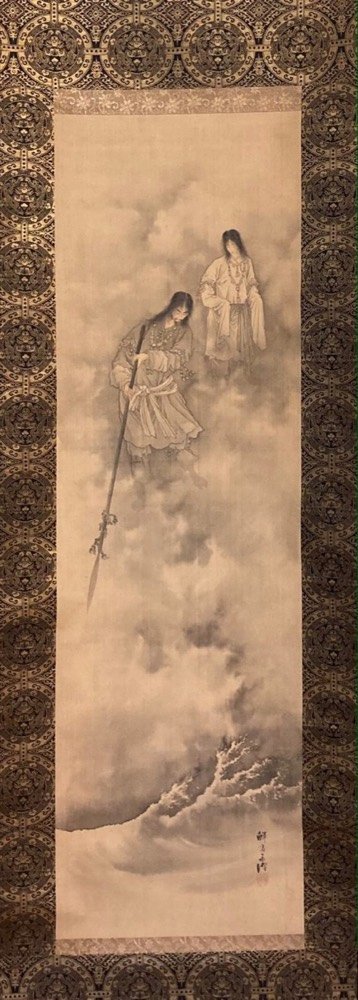
Izanagi
The male creator who stirred the sea into islands with Izanami and fathered the land and its gods; after a failed descent to the underworld, his purification produced the three noble children.
 deity
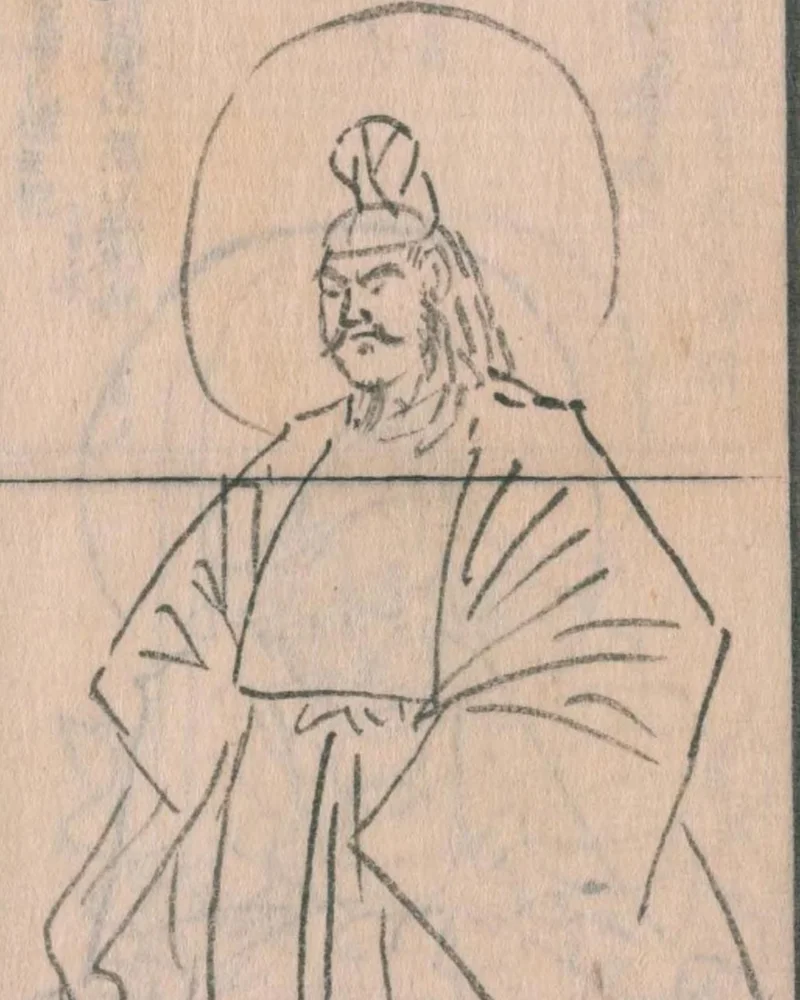
Izanami
The goddess who bore the islands of Japan with Izanagi. Burned to death delivering the fire god, she became ruler of Yomi and vowed to strangle a thousand people each day.
 deity
Kagutsuchi
The fire god whose birth killed his mother Izanami, triggering Izanagi's descent to Yomi and the eternal separation of life and death. From his death came many kami.
 creature
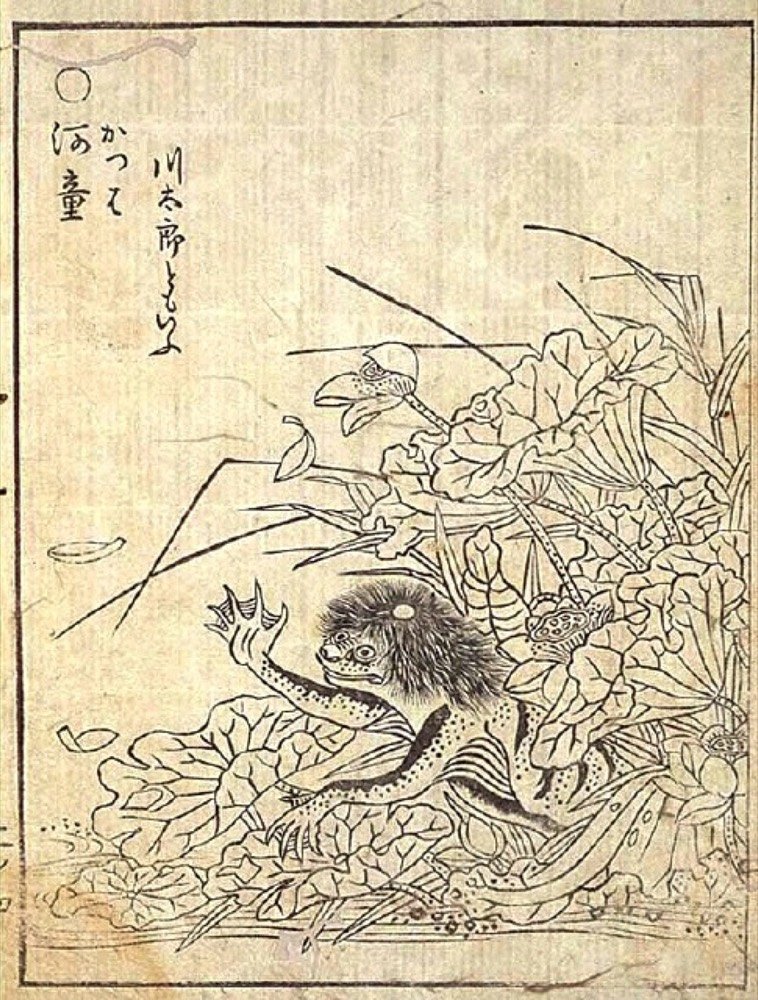
Kappa
A child-sized water imp with a water-filled dish atop its head, fond of cucumbers and sumo, notorious for dragging horses into rivers and stealing a ball said to reside in the human rump.
 creature
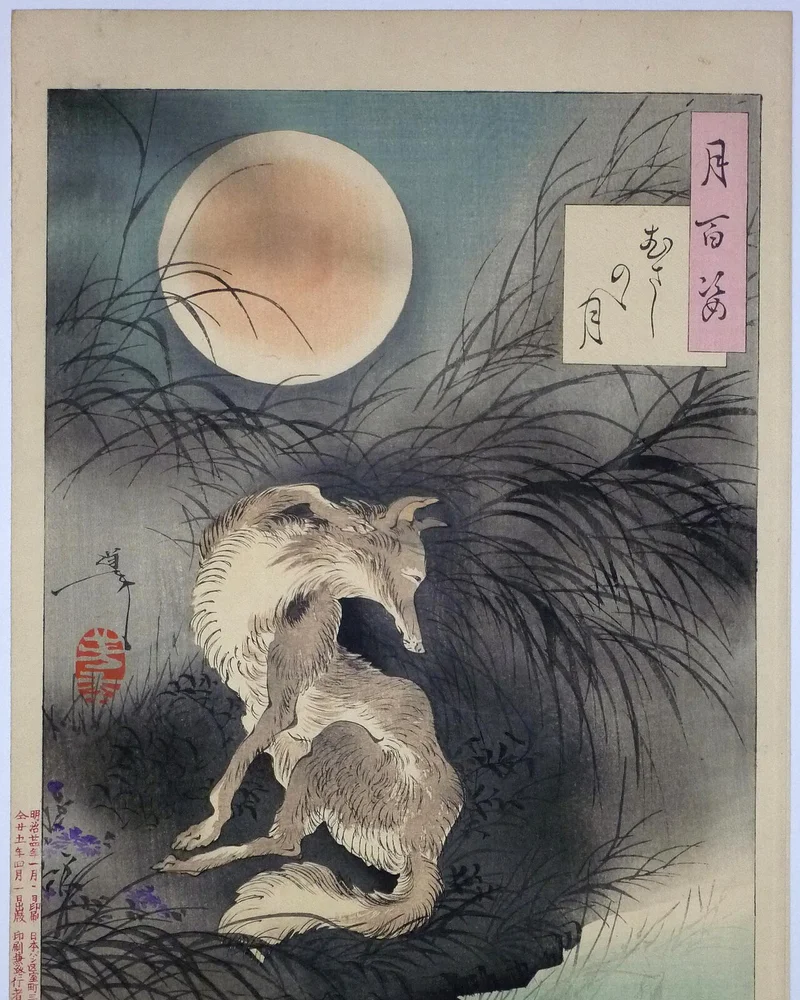
Kitsune
Intelligent fox spirits who grow additional tails as they age, up to nine. They can be benevolent guardians or mischievous tricksters, and possess powerful shapeshifting abilities.
 artifact
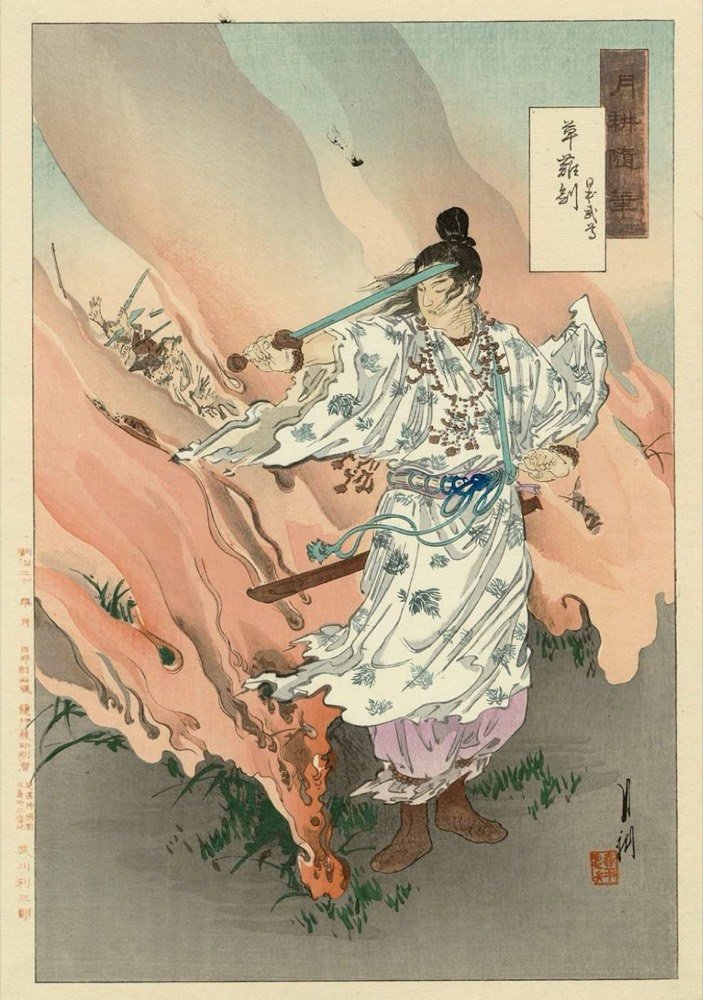
Kusanagi
The divine sword Susanoo drew from the serpent's tail, first called Ame-no-Murakumo; renamed 'Grass-Mower' after Yamato Takeru cut his way out of a fire with it. One of the three imperial regalia, enshrined at Atsuta.
 deity
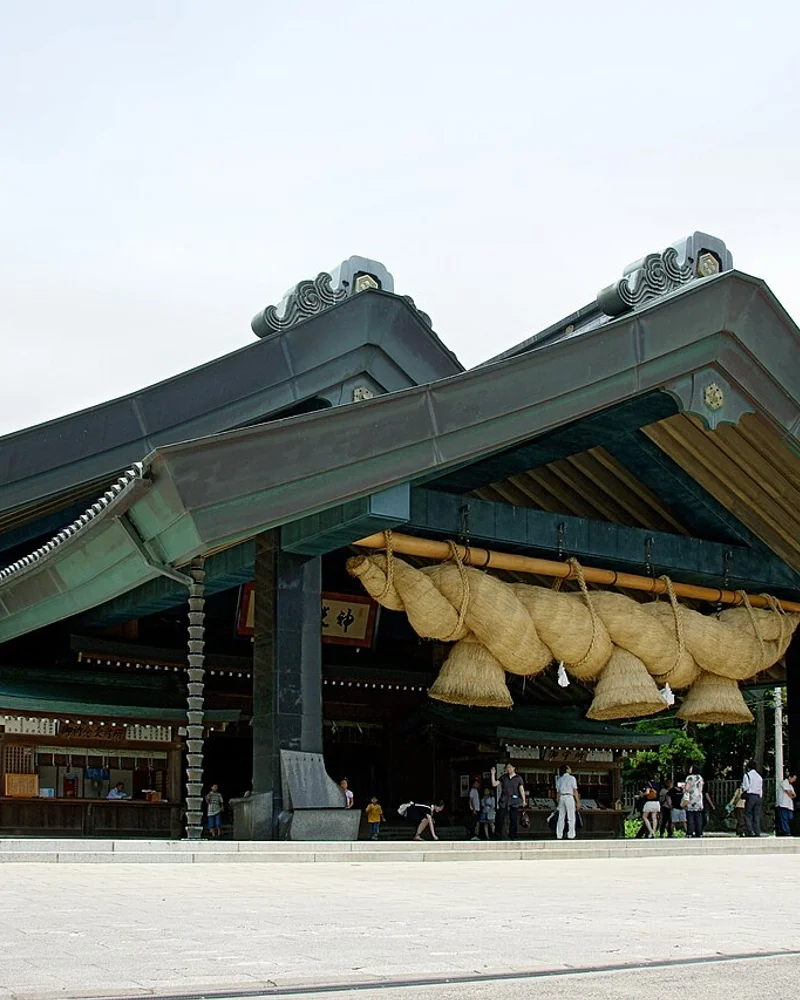
Okuninushi
The Great Land Master who built and ruled the earthly realm before ceding it to Amaterasu's descendants. God of nation-building, medicine, magic, and matchmaking. Principal deity of Izumo Grand Shrine.
 deity
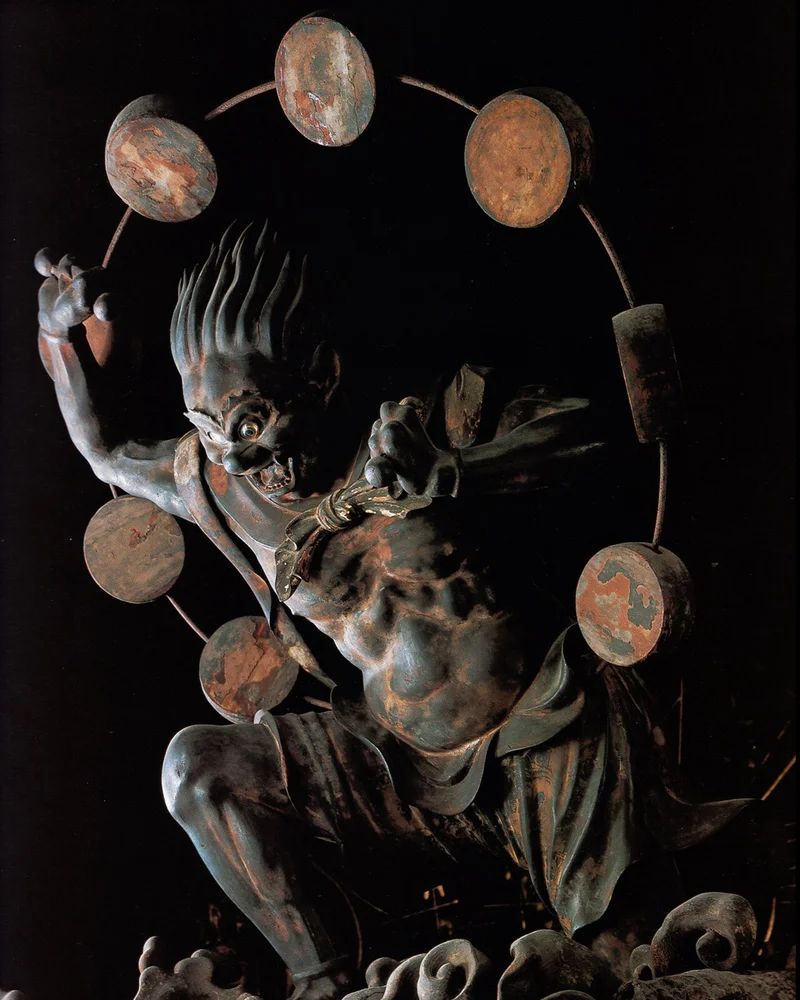
Raijin
God of thunder, lightning, and storms. Depicted as a demon beating drums to create thunder. Works with Fujin (wind god).
 deity
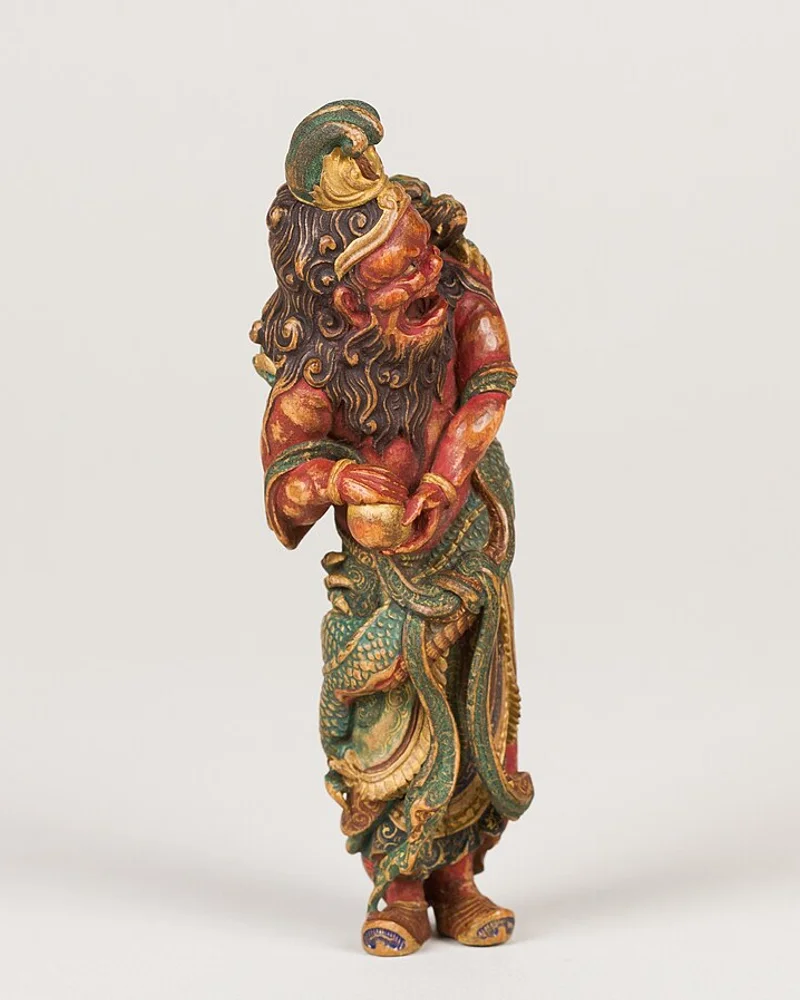
Ryujin
Dragon god of the sea who dwells in an underwater palace made of red and white coral. Ruler of all sea creatures and controller of the tides through his magical tide jewels.
 creature
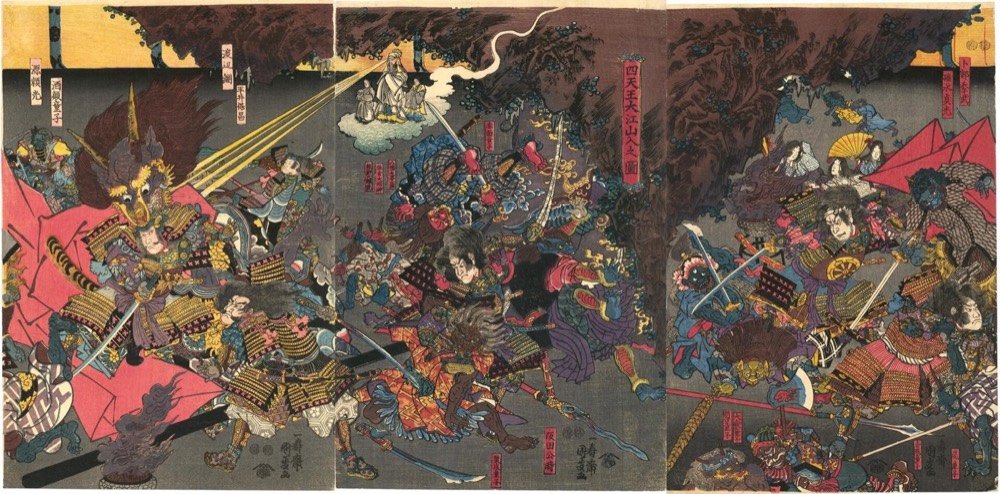
Shuten-doji
The oni king of Mount Oe who carried off noblewomen from Kyoto. Minamoto no Raiko and his four champions, disguised as mountain ascetics, drugged him with divine sake and took his head, which flew up and bit Raiko's helmet.
 deity
Susanoo
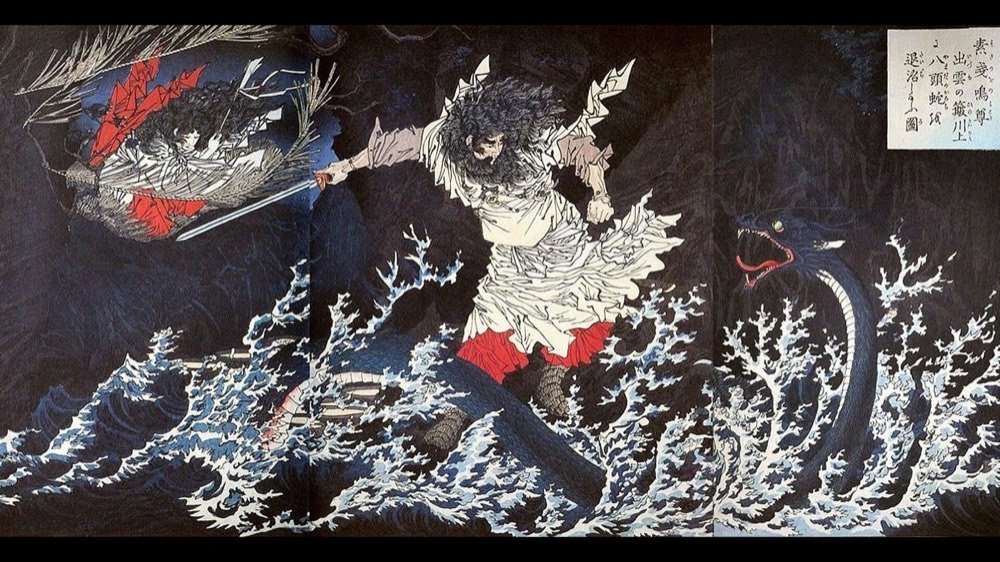
Amaterasu's tempestuous younger brother. Expelled from heaven, he descended to Izumo, got the eight-headed serpent drunk on strong sake, slew it, and drew the sword Kusanagi from its tail.
 place
Takamagahara
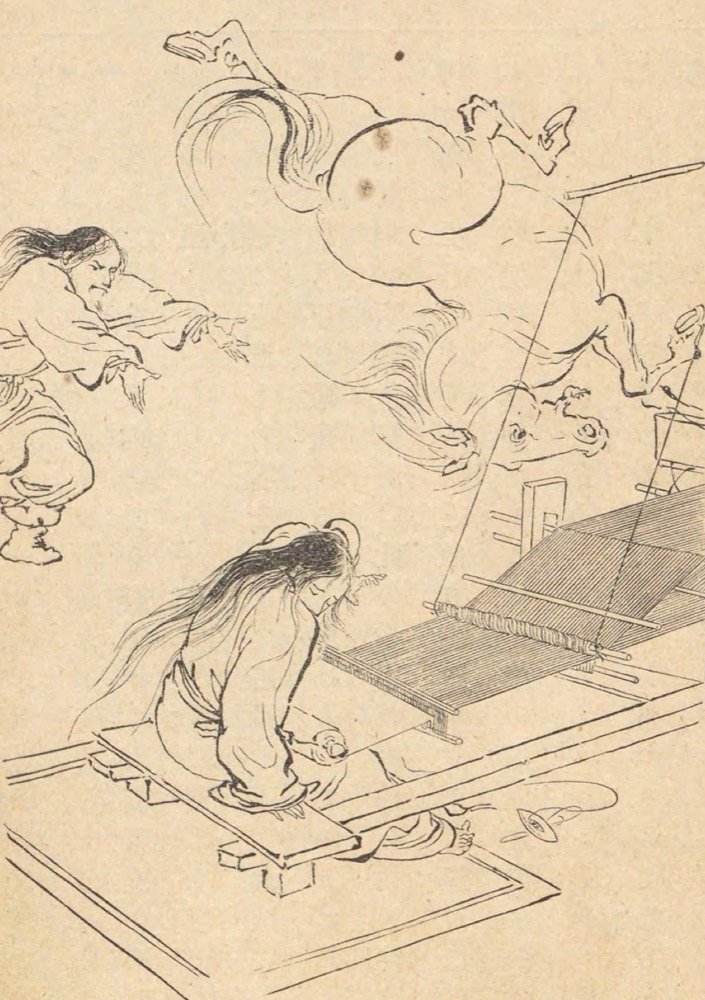
The celestial realm of the heavenly gods in the eighth-century chronicles, ruled by Amaterasu; the gods held council on the bed of the Tranquil River of Heaven, and Ninigi descended from here to earth.
 spirit
Tamamo no Mae
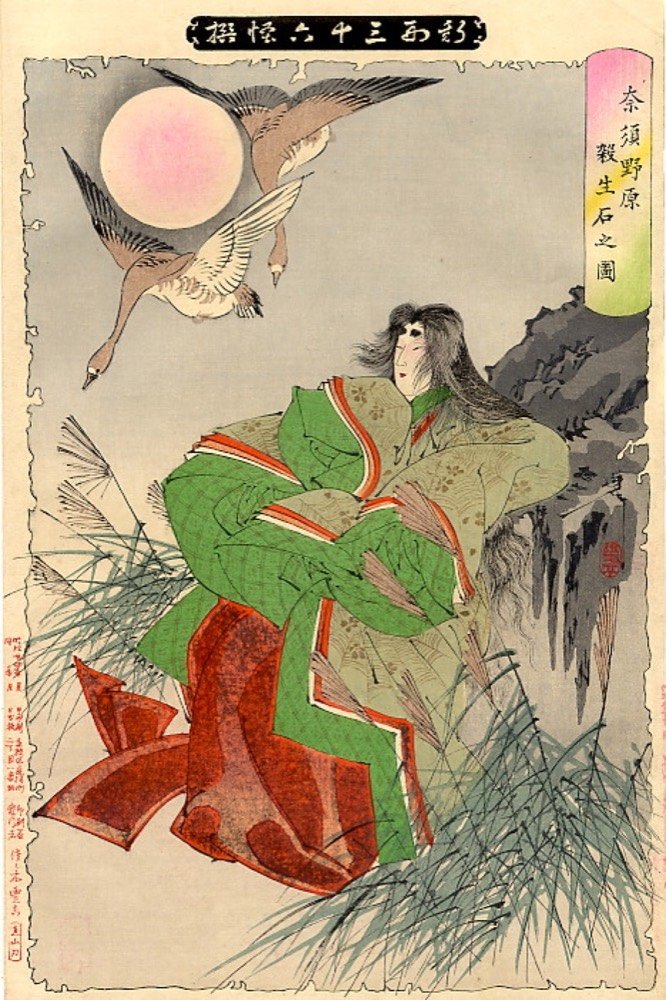
A fox spirit who charmed Retired Emperor Toba as a peerless court lady; unmasked by a diviner, hunted down on the Nasu plain, she became the poison-breathing Killing Stone, later tied to the nine-tailed fox and Daji.
 creature
Tengu
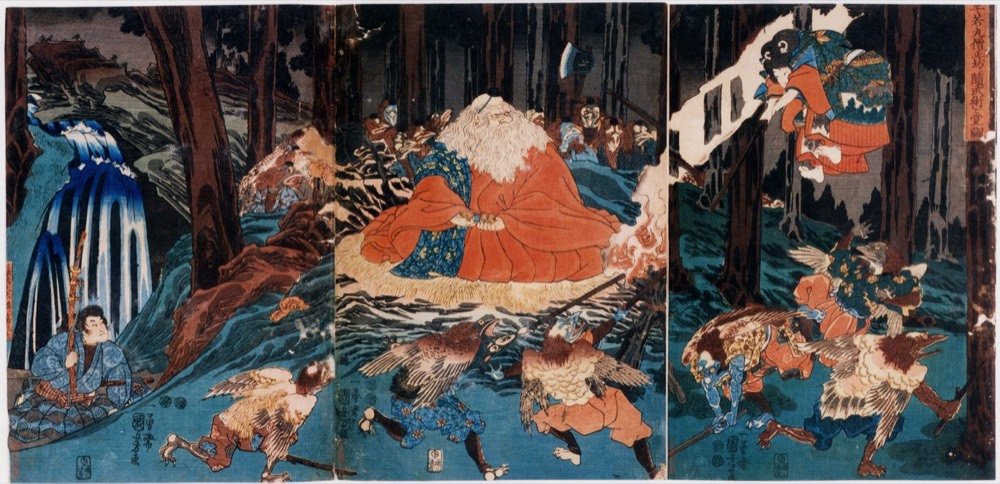
Red-faced, long-nosed mountain goblins in the garb of ascetic monks, wielding feather fans and given to flight and abduction; a name borrowed from a Chinese meteor omen that grew into the emblematic spirit of Japan's mountains.
 deity
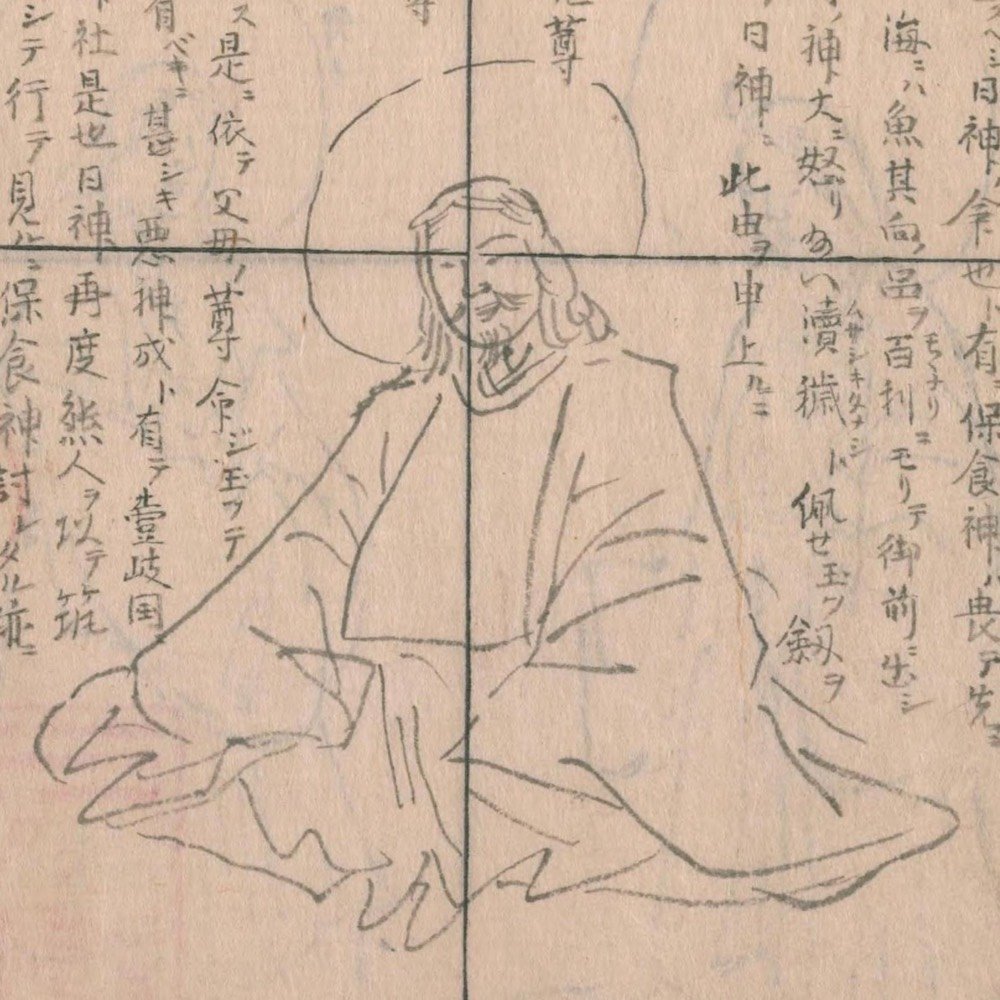
Tsukuyomi
The moon god born from Izanagi's right eye, given the realm of night. The chronicles record almost nothing of him beyond one episode: his killing of the food goddess Ukemochi.
 creature
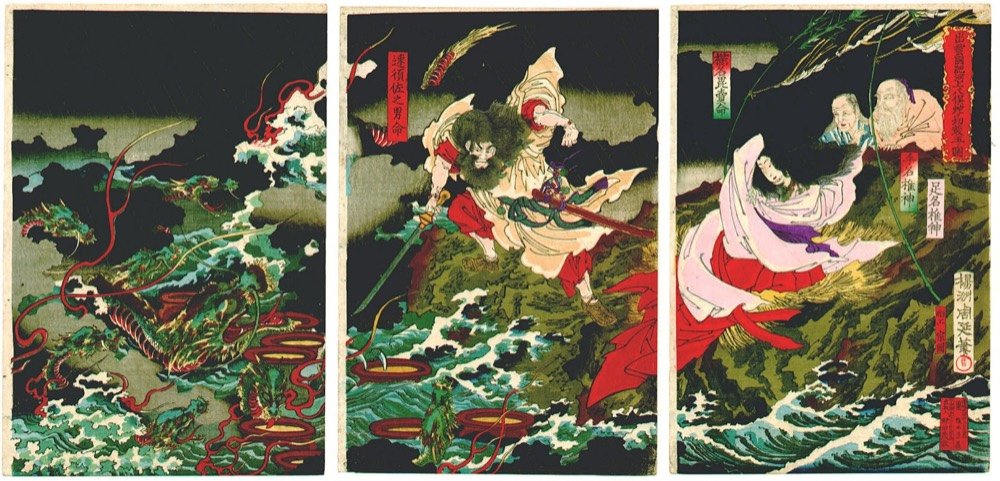
Yamata no Orochi
A colossal serpent with eight heads and eight tails, its back grown over with moss and cypress, that devoured a maiden each year until Susanoo slew it drunk and found the sword Kusanagi in its tail.
 hero
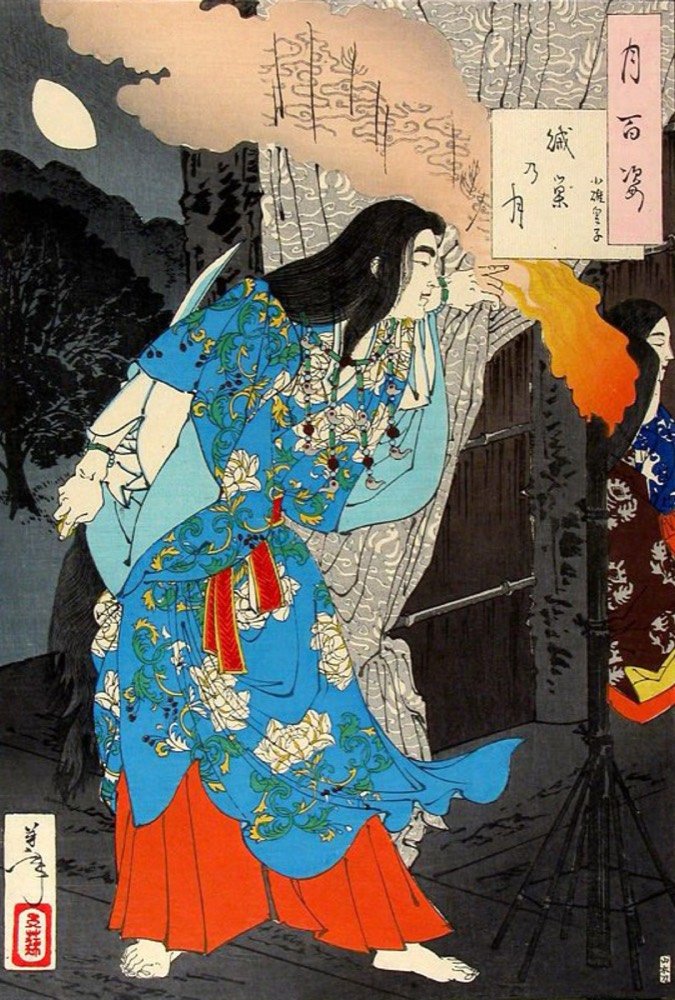
Yamato Takeru
Son of Emperor Keiko who won his name killing the Kumaso chief disguised as a girl, escaped a grass fire with Kusanagi, and died after facing the god of Mount Ibuki bare-handed, becoming a white bird.
 artifact
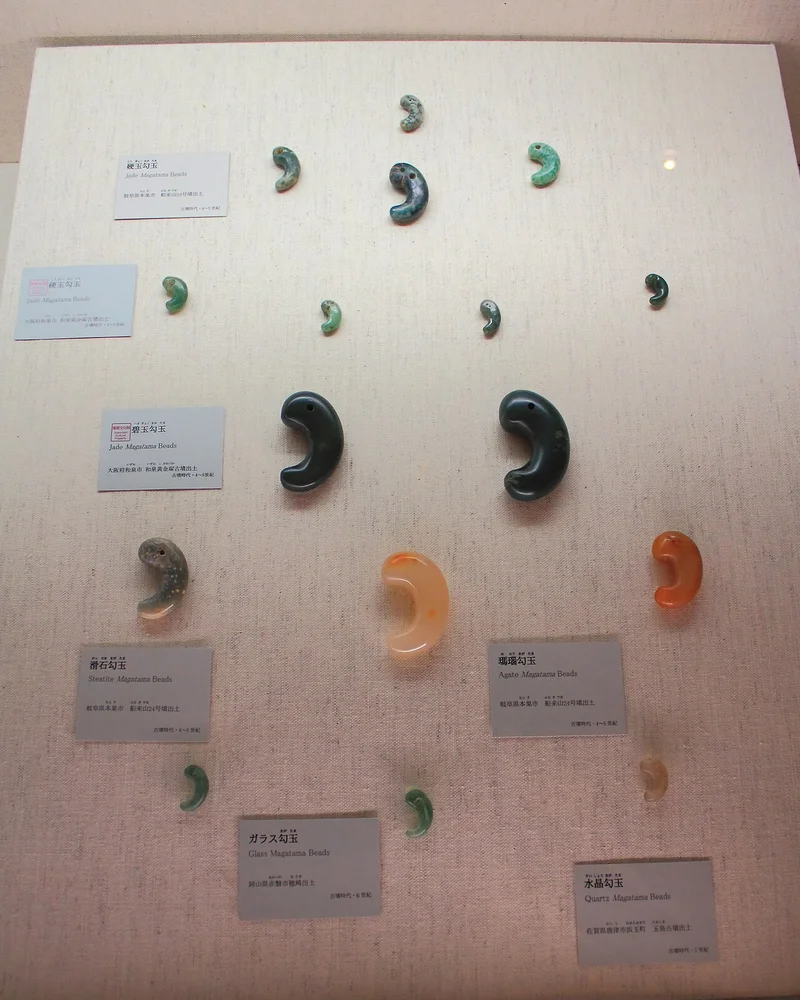
Yasakani no Magatama
The Grand Jewel, one of the three Imperial Regalia representing the virtue of benevolence. This comma-shaped jewel holds the spiritual essence of imperial authority.
 artifact
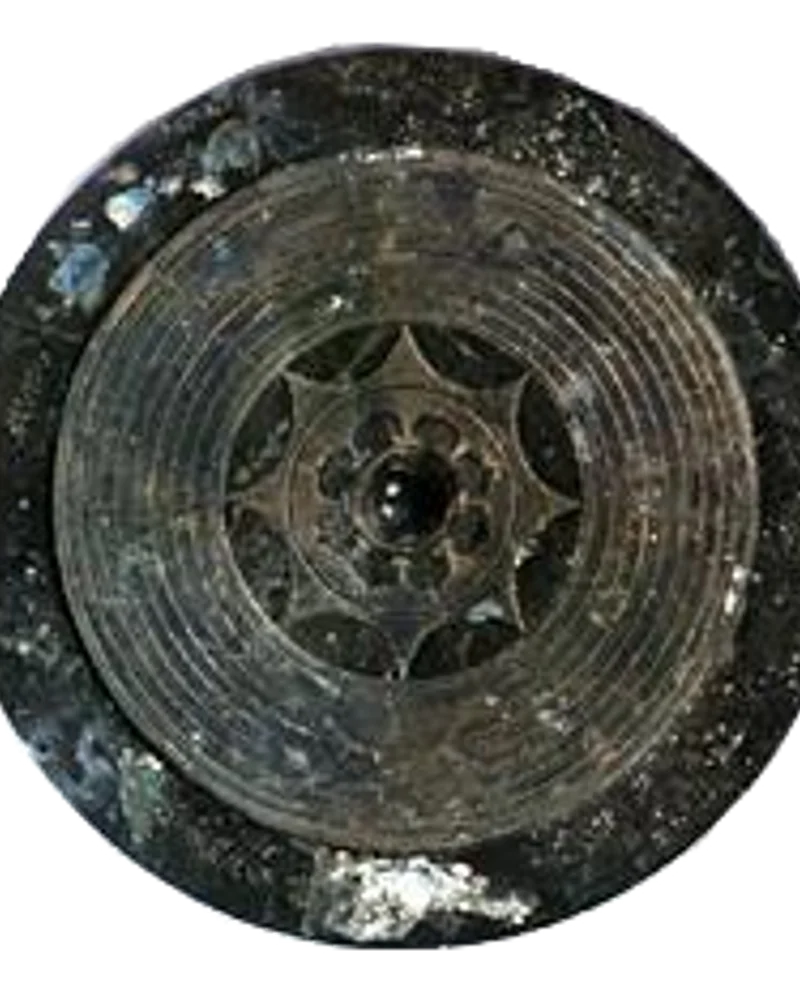
Yata no Kagami
The Eight-Span Mirror, one of the three Imperial Regalia representing the virtue of wisdom. It was used to lure Amaterasu from the cave where she hid, restoring light to the world.
 spirit
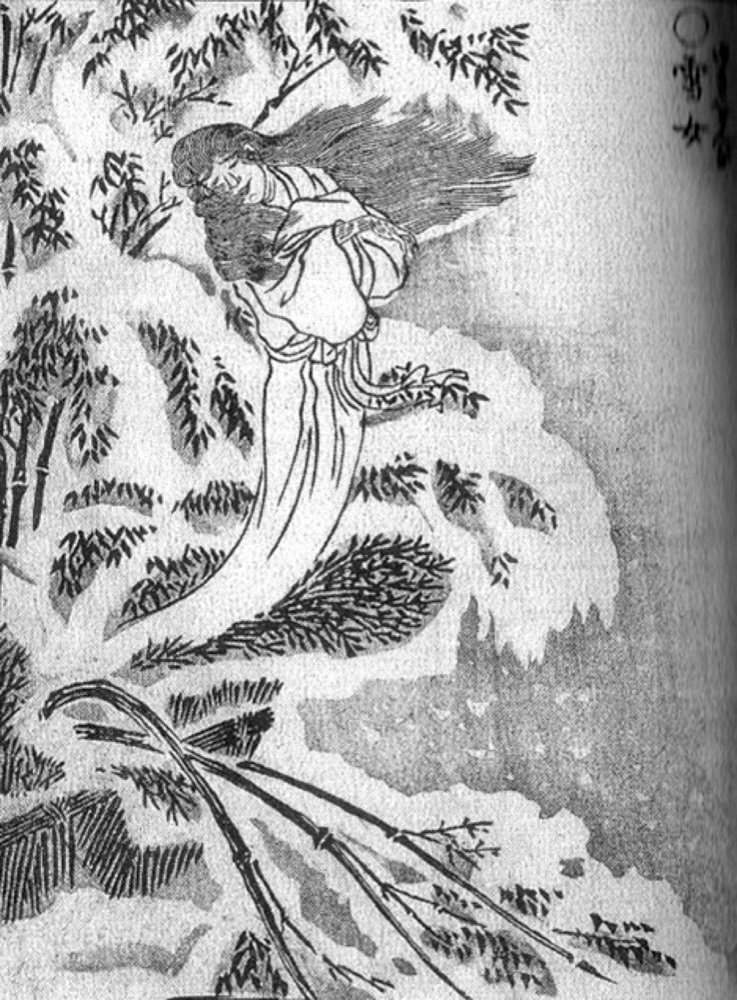
Yuki-onna
A pale woman in white who appears in snowstorms and freezes travelers with her breath. In Hearn's Kwaidan she spares young Minokichi, marries him in disguise, and vanishes when he breaks his vow of silence.
 spirit
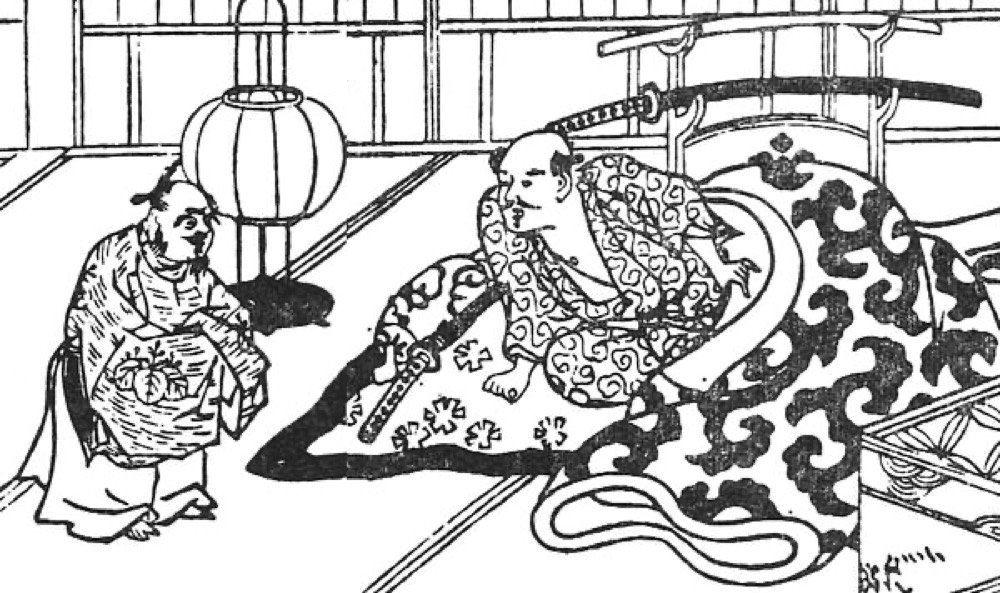
Zashiki-warashi
A child spirit dwelling in the parlors of old houses in northeastern Japan, heard as night footsteps and pillow-turning pranks. A house it inhabits prospers; when it leaves, the family's fortune goes with it.