


Slavic Mythology
Slavic Mythology traditions, cosmology, and ancient mythology.
Mythological Figures & Lore
Showing all 29 records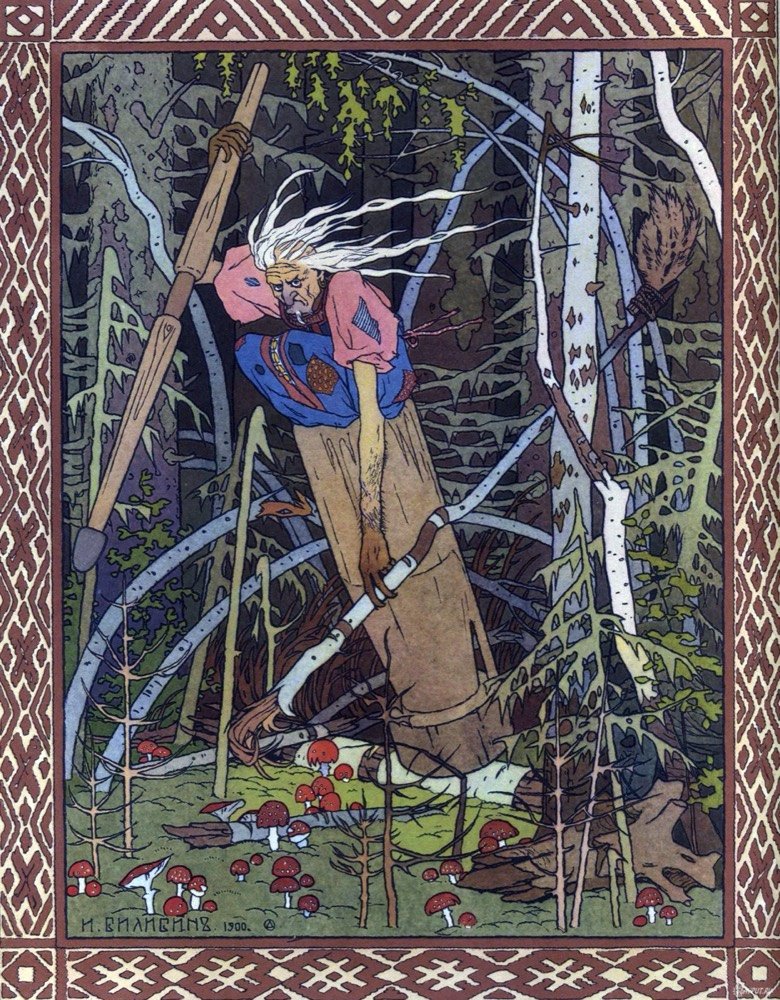 spirit
Baba Yaga
The bony-legged crone of the spinning hut on hen's legs, who rides a mortar with a pestle; in the tales she devours heroes or, just as often, tests and rewards them.
 place
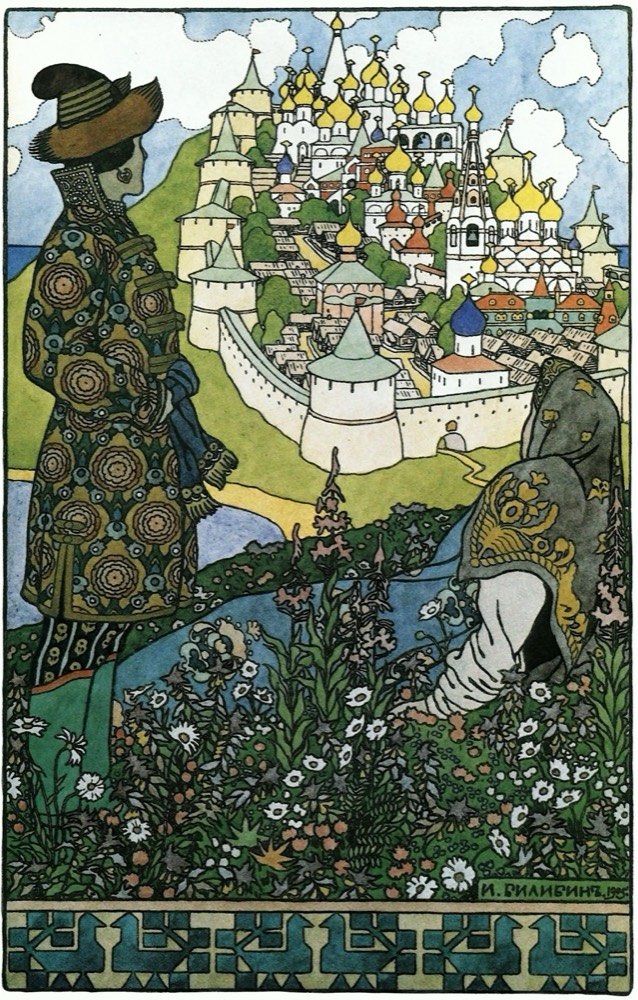
Buyan
The mythical island of Russian incantations — "on the ocean-sea, on the island of Buyan" — home of the Alatyr stone and, in some tales, hiding place of Koschei's death.
 deity
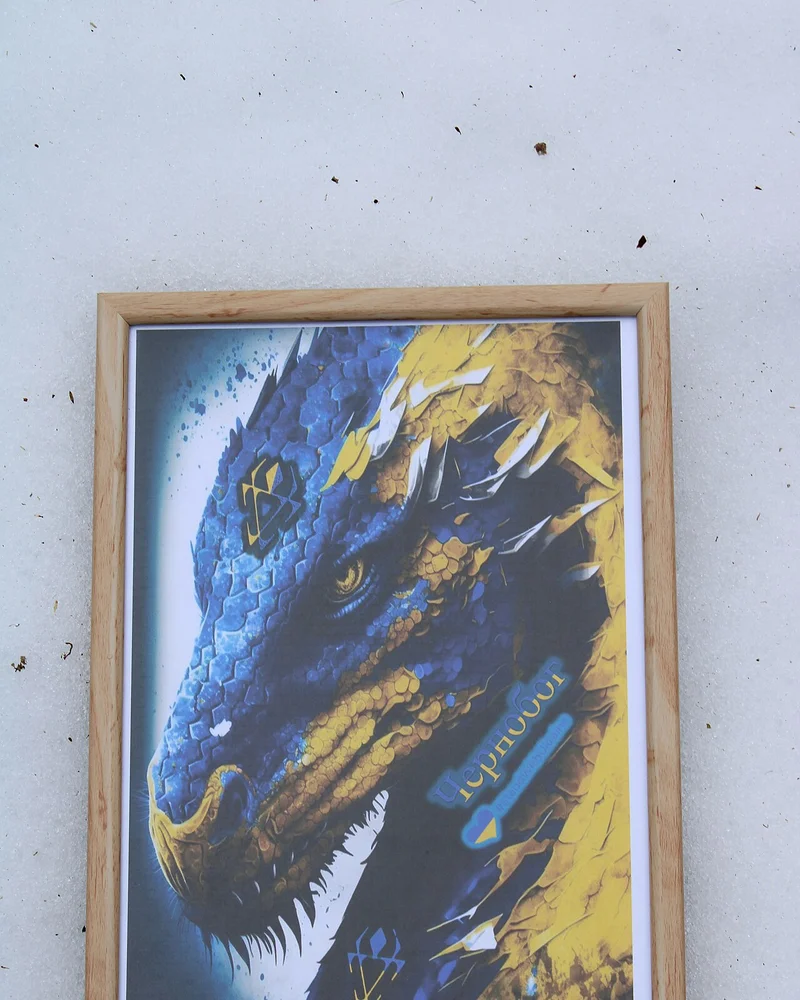
Chernobog
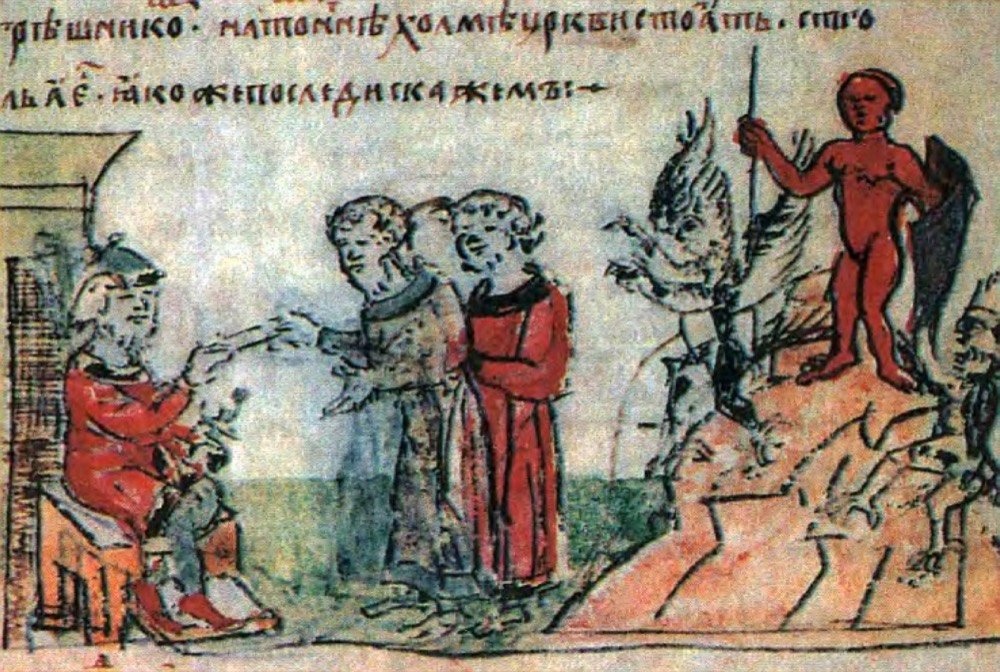
A "black god" of misfortune mentioned in exactly one medieval source, a Christian chronicler's brief and moralizing account of a feast toast; the paired "white god" Belobog appears only in much later sources, and most of what is said about Chernobog today goes beyond the evidence.
 deity
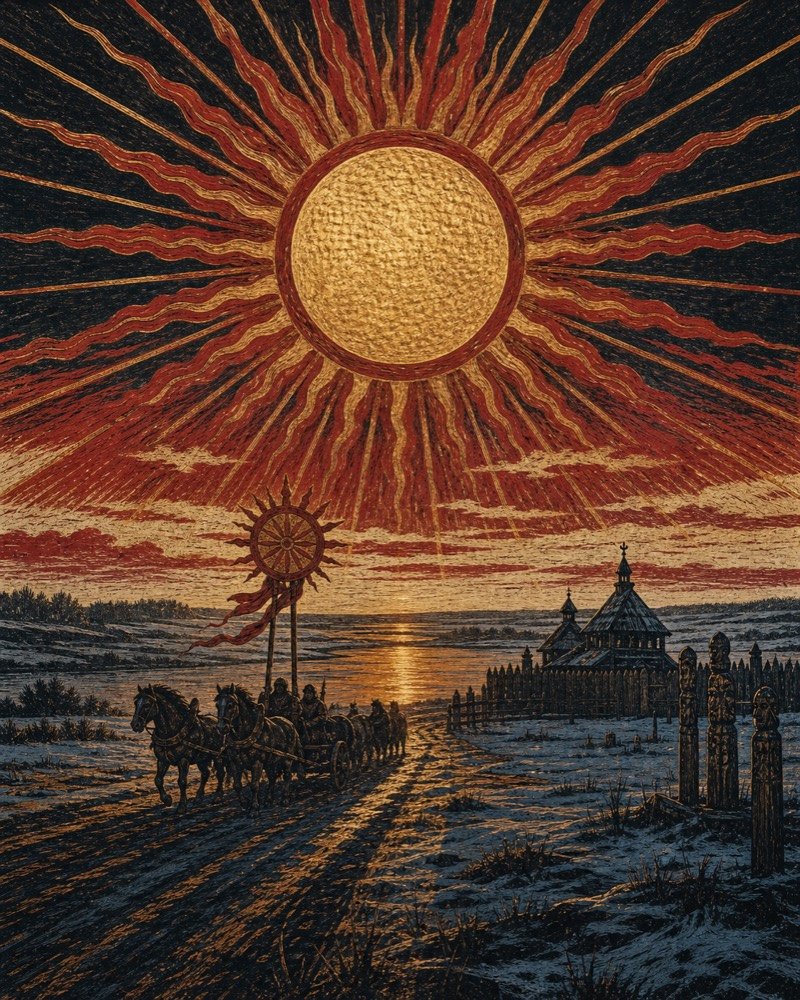
Dazhbog
One of the few Rus gods attested in medieval writing: Prince Vladimir raised his idol at Kyiv, while a Slavonic chronicle identified him with the sun-god Helios.
 hero
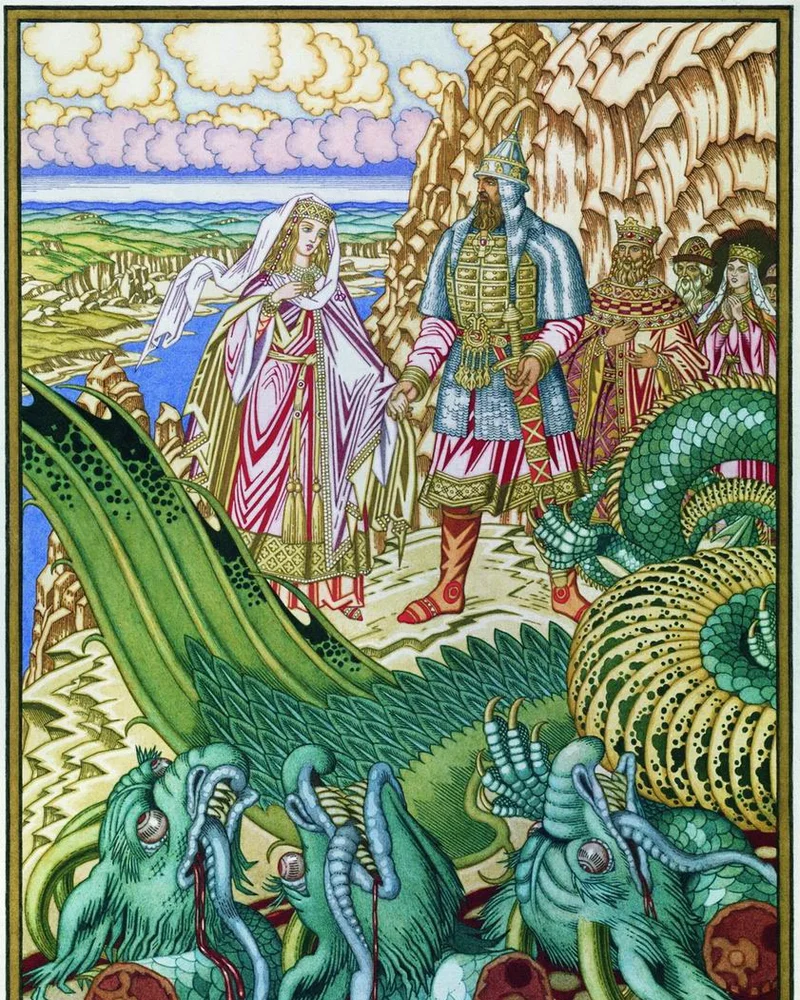
Dobrynya Nikitich
Second of the great bogatyrs of the Kievan Rus' byliny after Ilya Muromets, celebrated for slaying the dragon Zmey Gorynych and rescuing Prince Vladimir's niece from its lair.
 creature
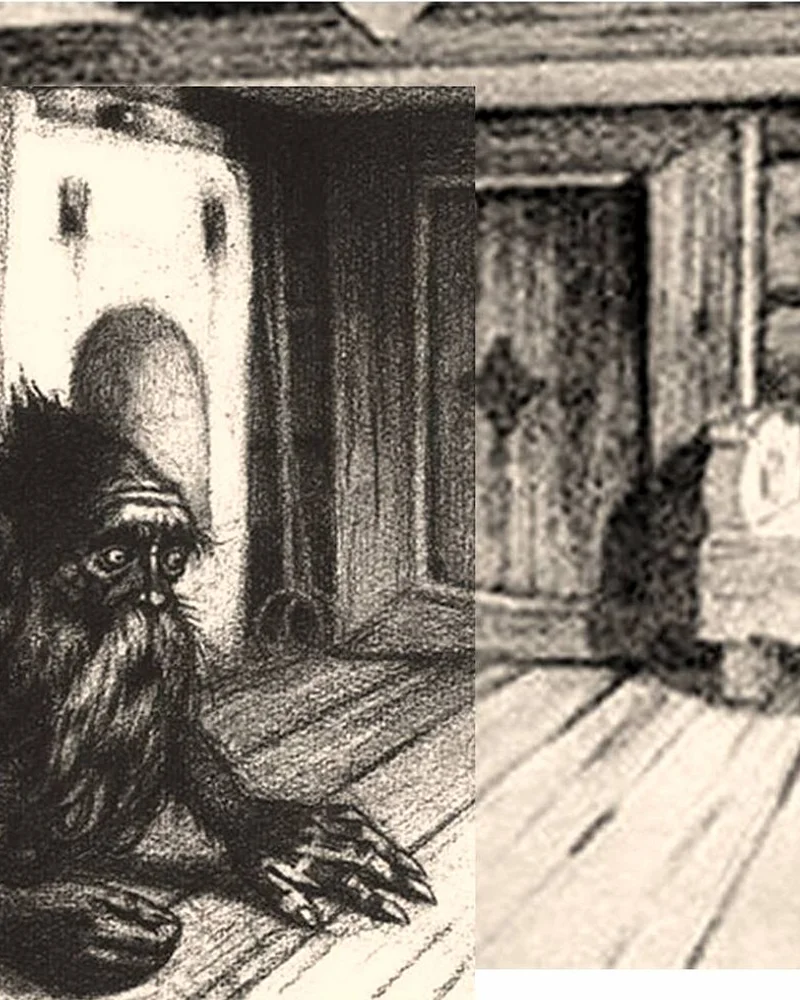
Domovoi
A small, hairy household guardian spirit of East Slavic folklore, usually benevolent, who protects a family's home and livestock as long as he is shown respect.
 spirit
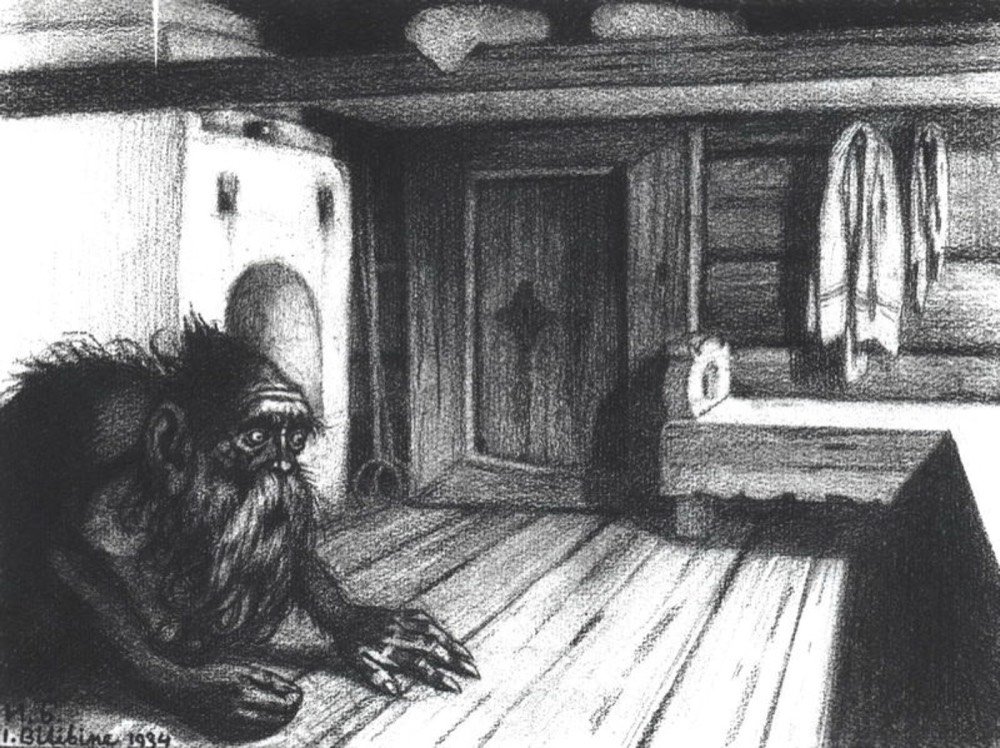
Domovoy
The hairy little old man of the household, one to each home, living behind the stove; he tends the horses and guards the house, and must be formally invited along when the family moves.
 artifact
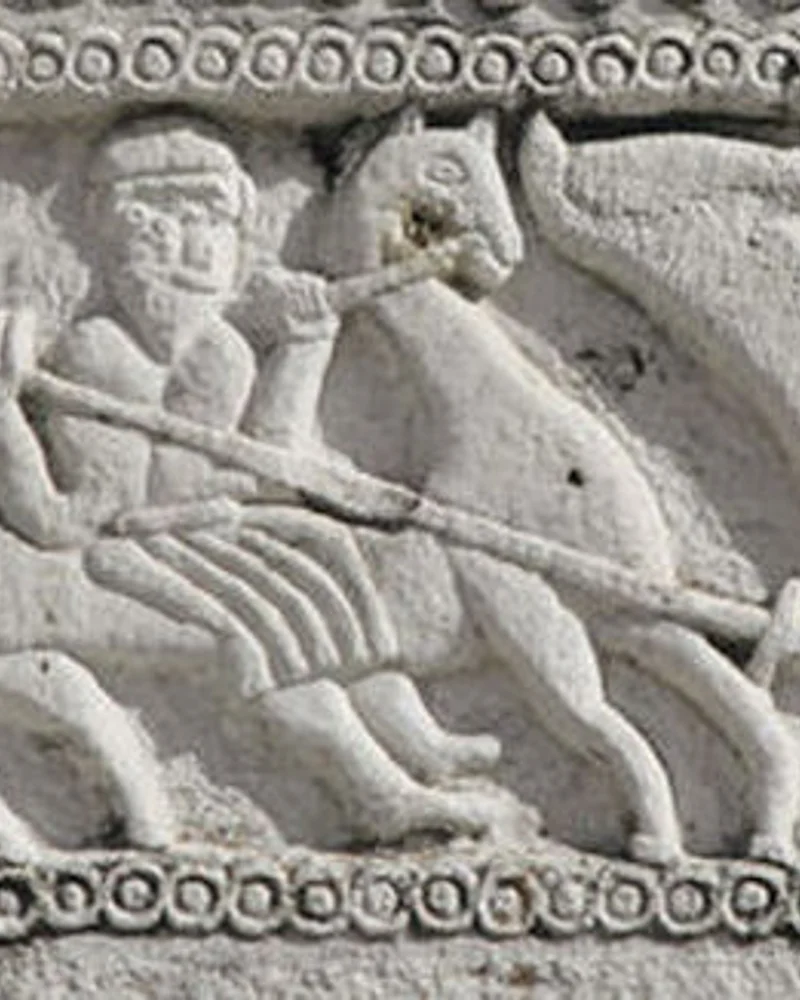
Idol of Perun at Kyiv
The wooden image of Perun with a silver head and a golden moustache that Prince Vladimir set up on the hill outside his palace in 980, and had thrown into the Dnieper at his conversion in 988.
 hero
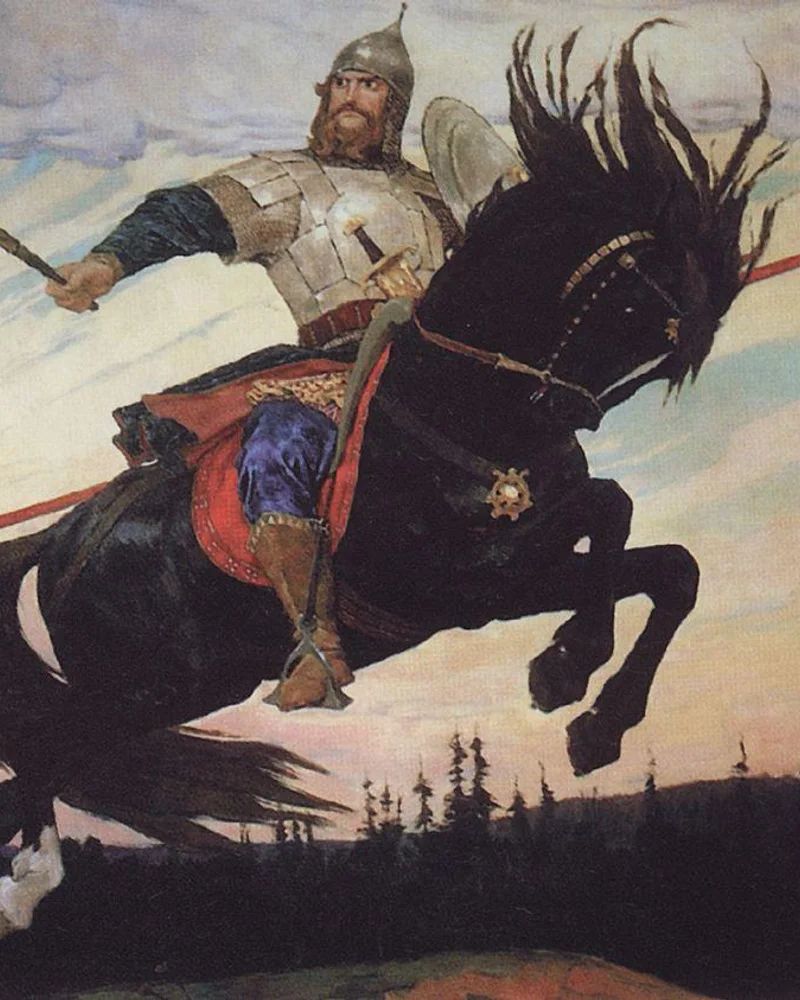
Ilya Muromets
Mightiest of the bogatyrs, the heroic warriors of the Russian byliny (oral epic songs), healed of lifelong paralysis by wandering pilgrims and sent to serve Prince Vladimir of Kiev. Best known for defeating the monstrous Nightingale-Robber.
 deity
Khors
One of the most obscure of Vladimir's 980 idols; his name is probably an Iranian loanword, but scholars still dispute whether he was a sun god, a moon god, or something else, especially since Dazhbog already covers the sun.
 spirit
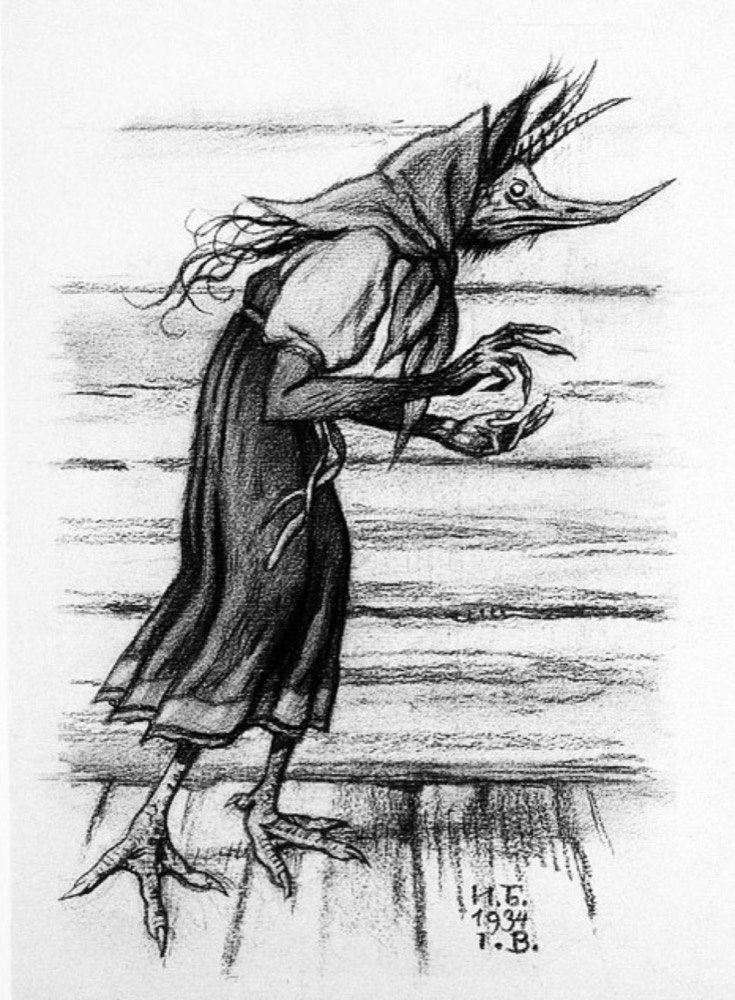
Kikimora
The scrawny female spirit under the floorboards who comes out at night to spin, tangling and fouling the housewife's yarn; the whirr of her wheel was an omen of trouble.
 spirit
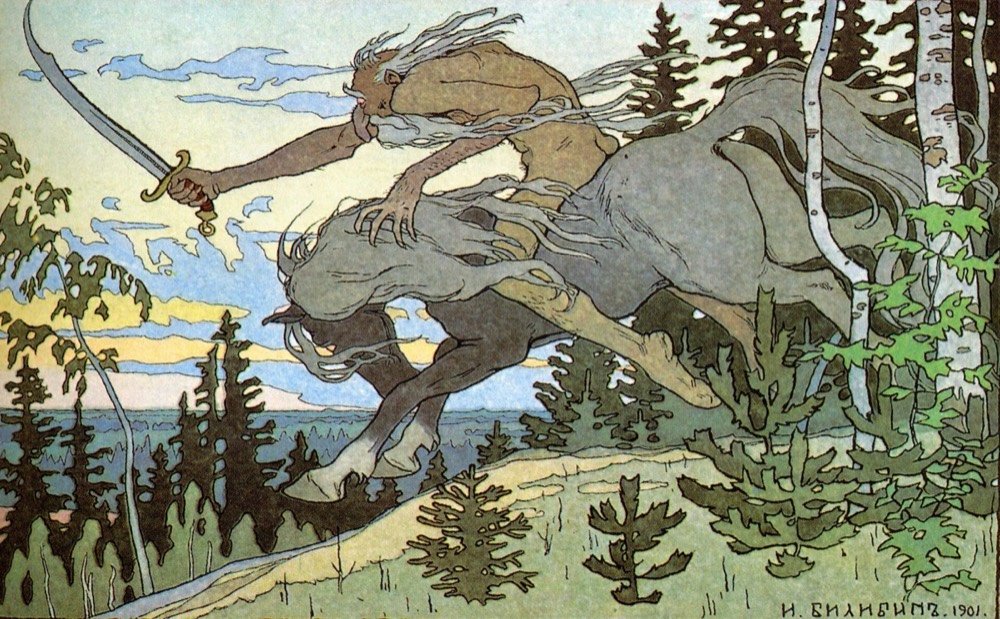
Koschei the Deathless
The skeletal abductor of brides in Russian tales, deathless because his death lies outside his body: in a needle, inside an egg, a duck, a hare, in a chest by an oak.
 spirit
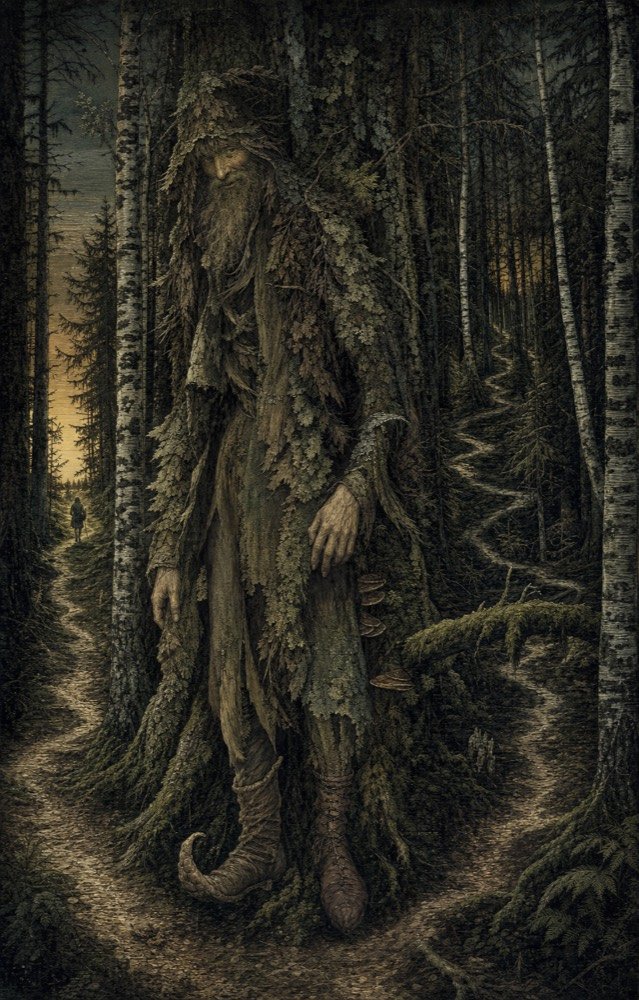
Leshy
Master of the East Slavic forest, changing size with the trees and mimicking familiar voices so that hunters and herds circle endlessly on paths they know.
 deity
Mokosh
The only goddess in Vladimir's pantheon of 980, patroness of spinning, wool and women's work, later absorbed into the cult of Saint Paraskeva-Friday.
 deity
Perun
Chief god of Kievan Rus, lord of thunder, war and oaths; Prince Vladimir raised his silver-headed idol in 980 and drowned it in the Dnieper after baptism.
 spirit
Rusalka
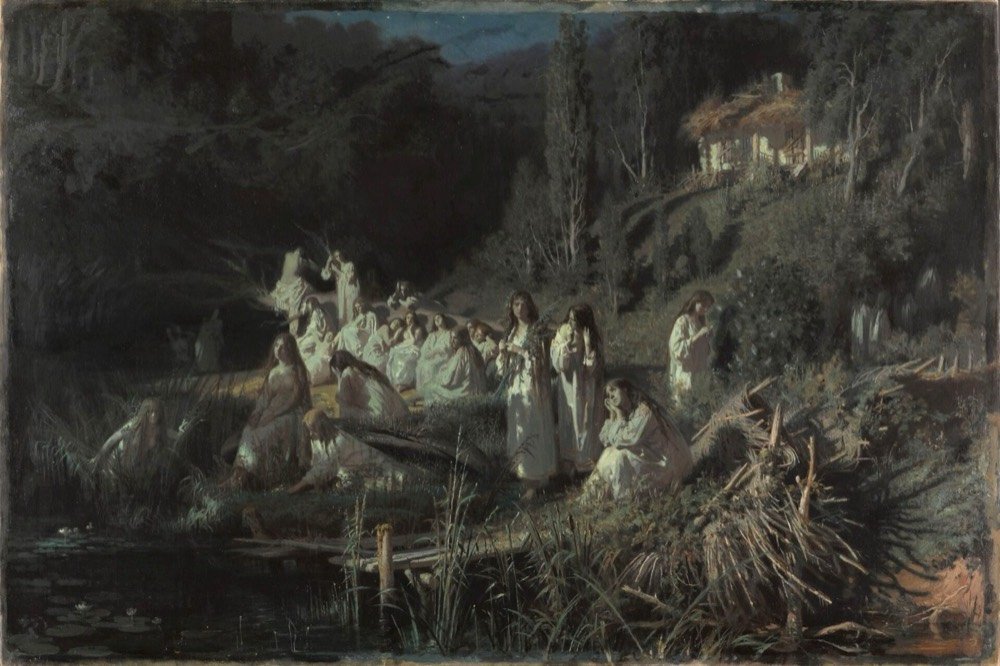
Female water spirits born of drowned girls and other unquiet dead; loose-haired, they leave the water around Trinity week to swing in birches, tickling victims to death or luring them in.
 deity
Simargl
The most obscure of Vladimir's 980 idols; his name almost certainly derives from the Iranian mythic bird-dog Simurgh, but no medieval Slavic source explains what function, if any, he served.
 deity
Stribog
A wind god among Vladimir's 980 idols, remembered in the Tale of Igor's Campaign as the ancestor of the winds that blow arrows against the poem's defeated Rus' army.
 deity
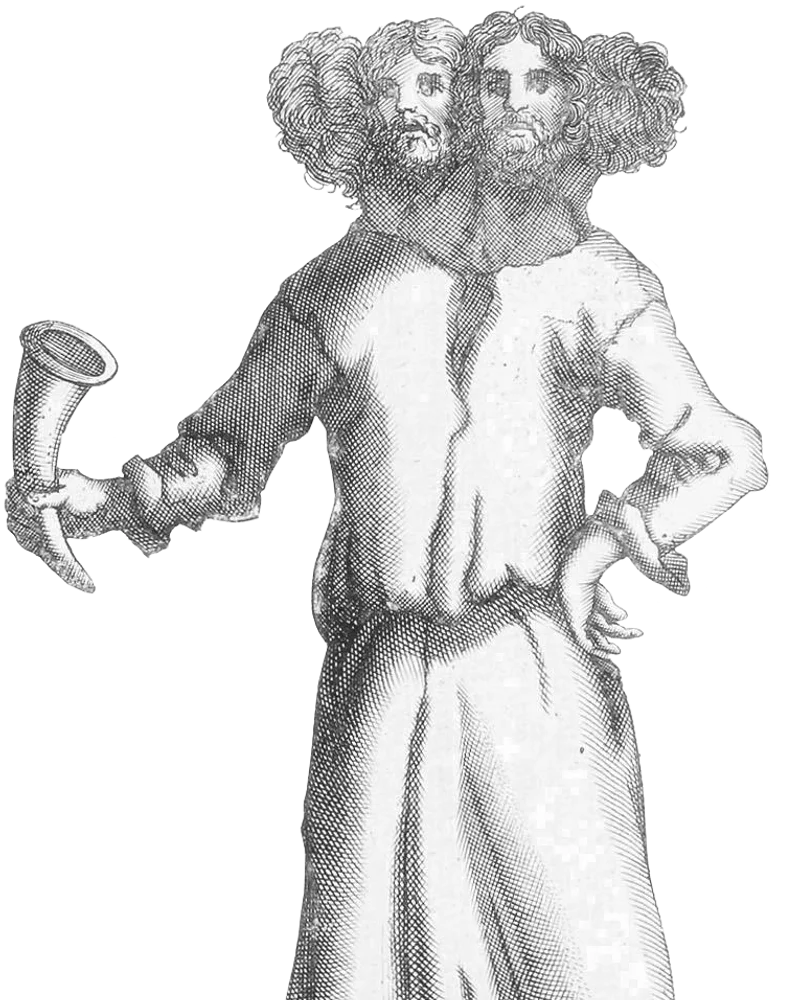
Svantevit
The four-faced war and oracle god of the Rani on the island of Rügen, whose temple at Cape Arkona was the last great pagan shrine on the Baltic coast until the Danes destroyed it in 1168.
 artifact
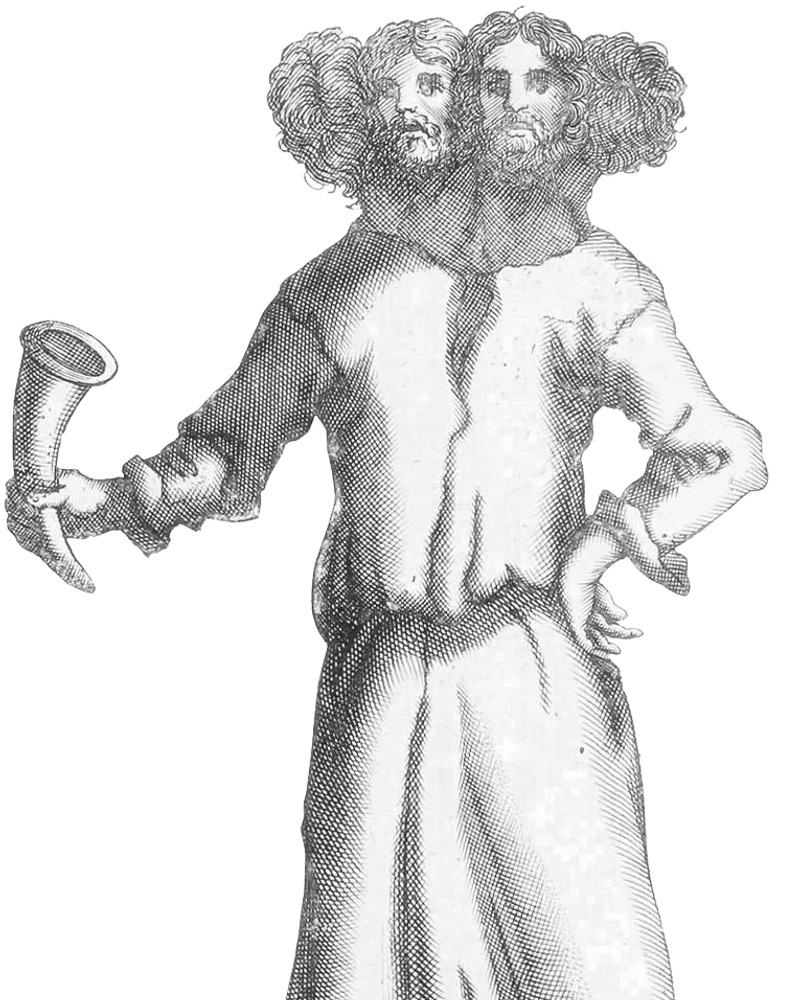
Svantevit's Horn
The drinking horn held in the right hand of Svantevit's four-headed statue at Arkona, filled with wine once a year; the priest read the coming harvest from how much remained.
 deity
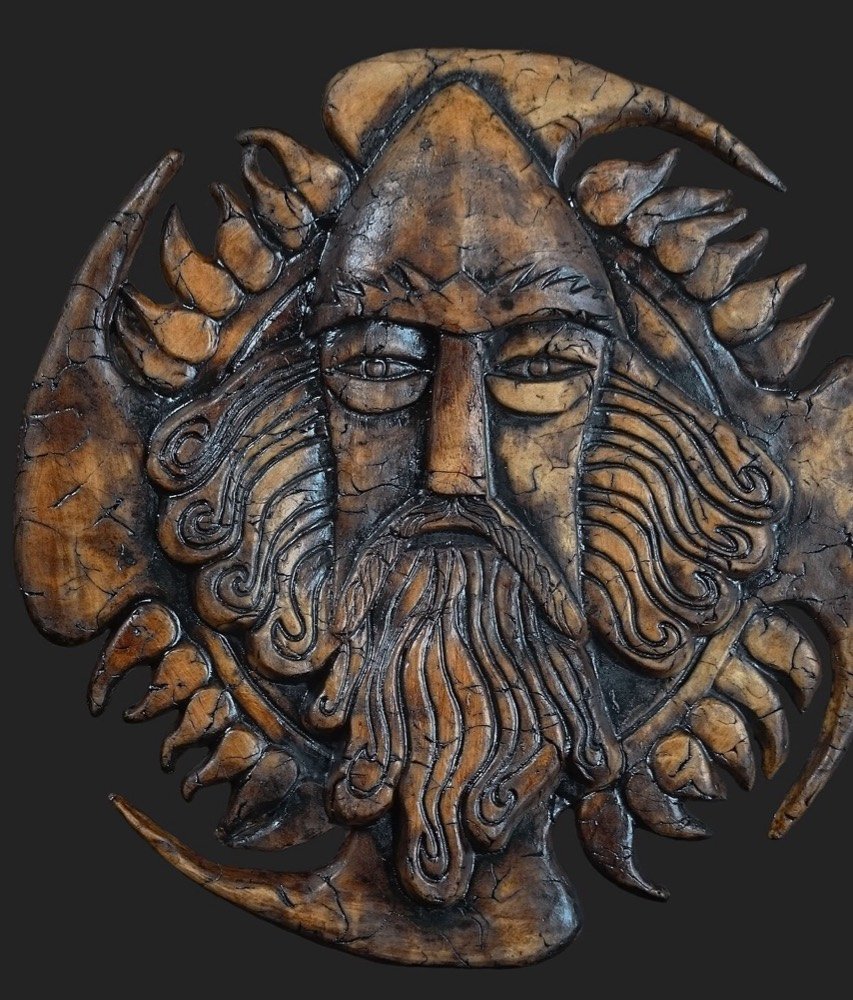
Svarog
A chronicle gloss renders Hephaestus as Svarog and makes the sun god Dazhbog his son; "Svarozhich" named the sacred fire itself.
 deity
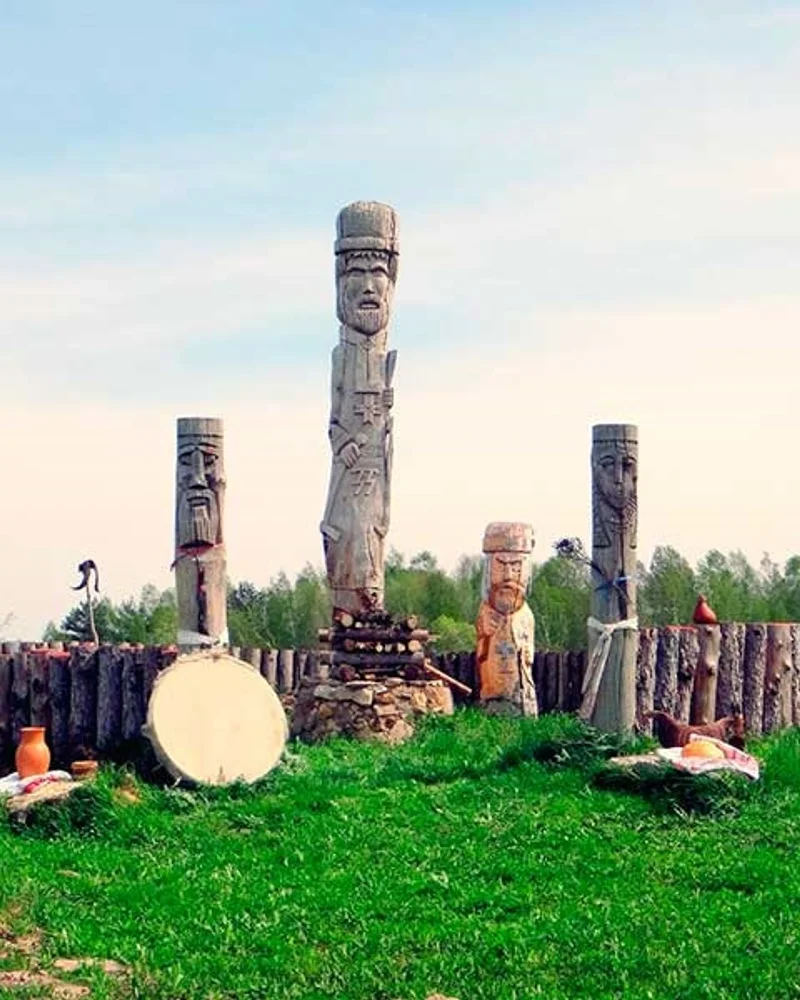
Svarozhich
The chief god of the West Slavic Redarii, worshipped at a temple in Riedegost and consulted before war through the movements of a sacred horse and lots, known from a German bishop's firsthand account.
 artifact
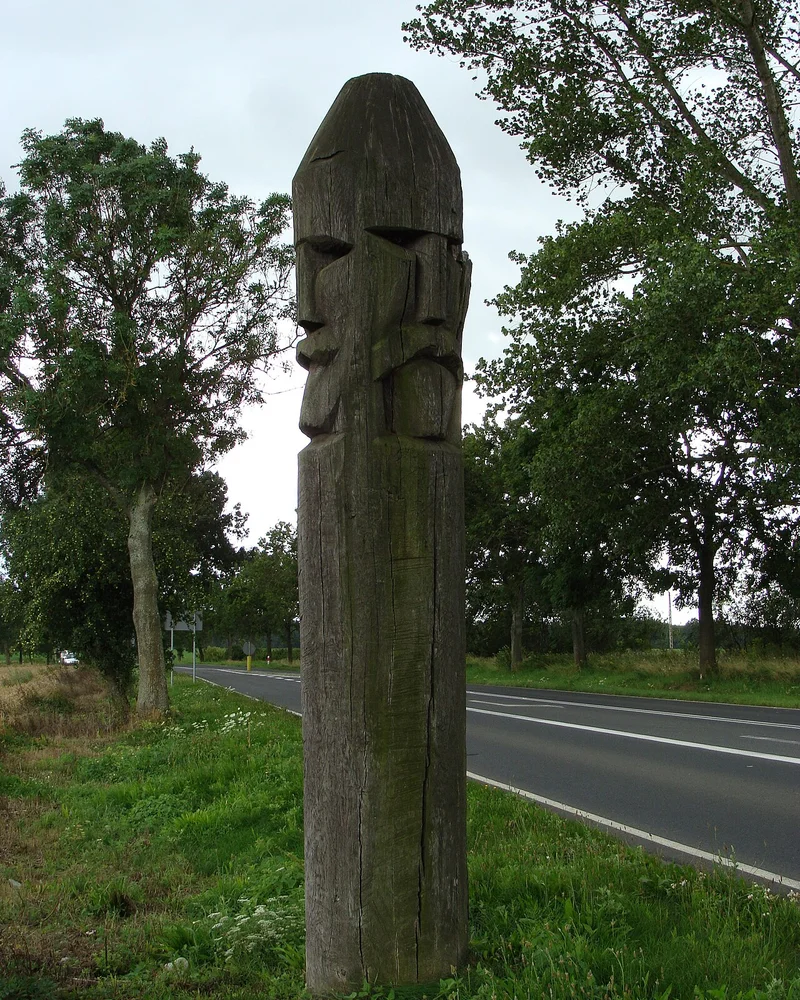
Three-Headed Idol of Triglav
The three-headed image of Triglav at Szczecin, described by the biographers of Bishop Otto of Bamberg, who had it broken during his mission to Pomerania in the 1120s and sent its heads away as a trophy.
 deity
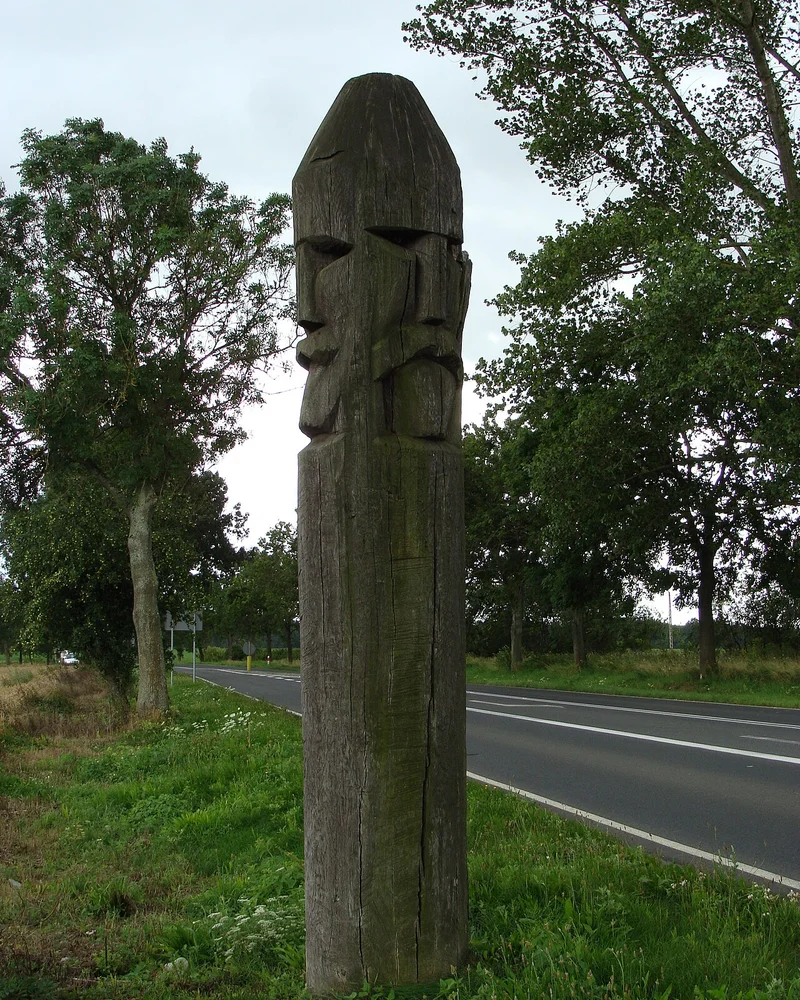
Triglav
The three-headed chief god of pagan Szczecin, whose temple and golden idol were destroyed during Bishop Otto of Bamberg's Christianizing mission of 1124–1128.
 deity
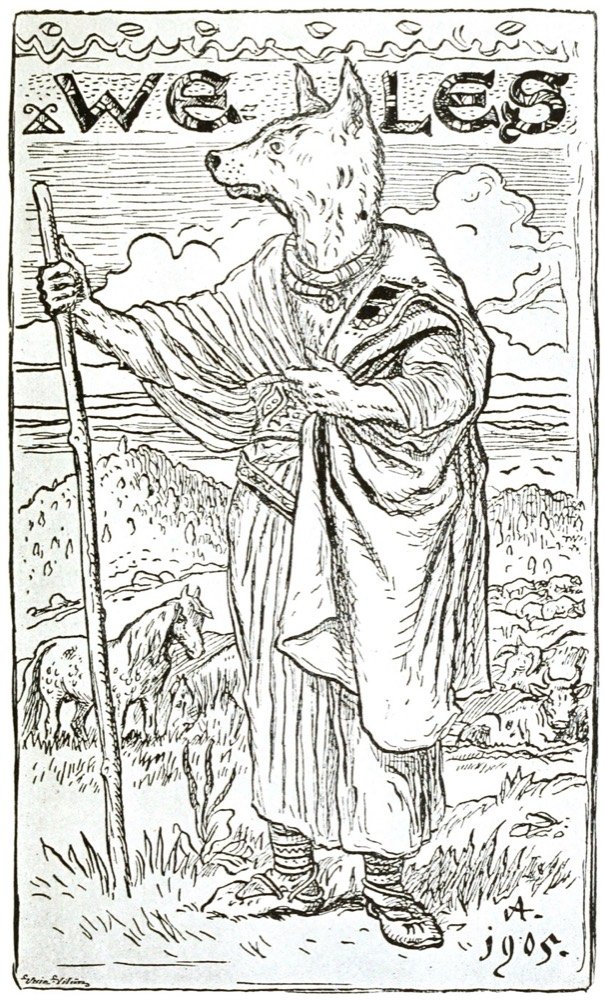
Veles
The "cattle god" of the chronicles, keeper of livestock, wealth and oaths; the Tale of Igor's Campaign calls the bard Boyan his grandson.
 spirit
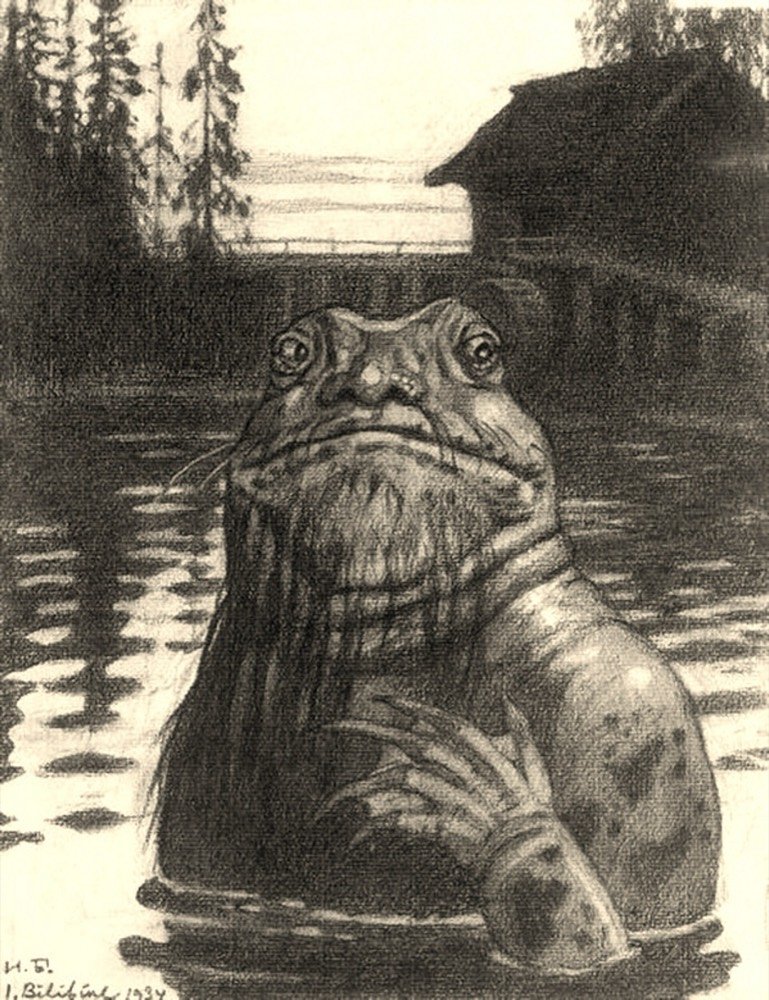
Vodyanoy
The bloated old master of millponds and whirlpools, his beard tangled with waterweed, riding a catfish; the drowned serve him, and millers owed him offerings.
 artifact
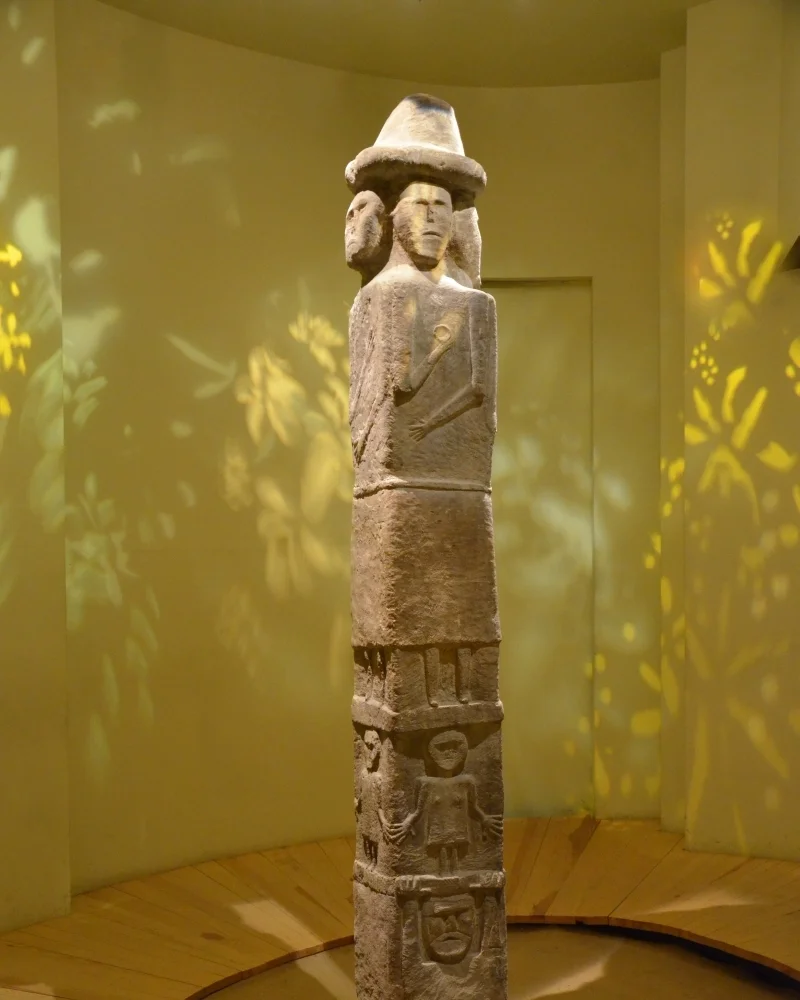
Zbruch Idol
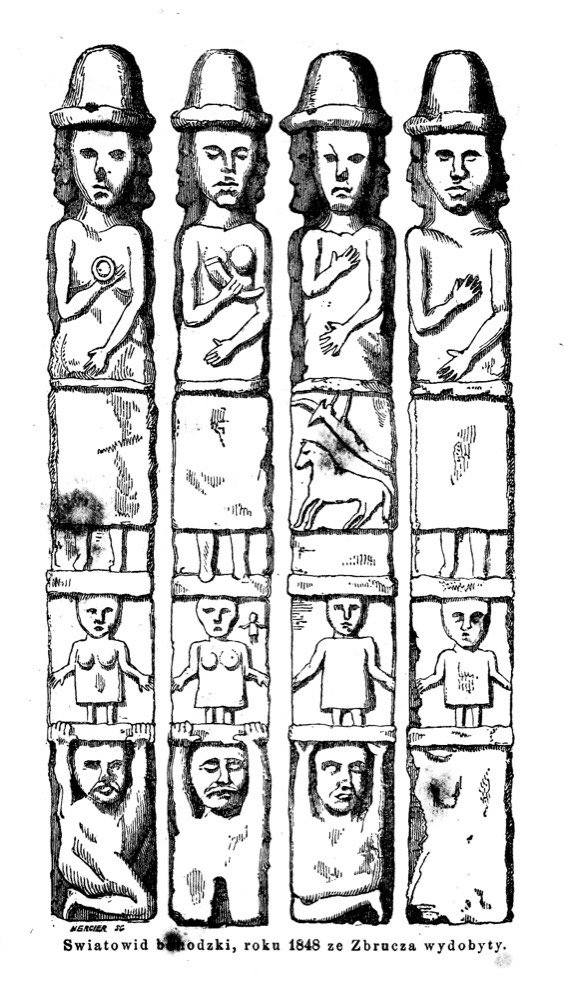
A four-sided limestone pillar about 2.6 metres tall, carved with four faces under a single cap and tiers of figures below, found in the Zbruch River in 1848 and now in the Archaeological Museum in Kraków; its identification with Svantevit is a modern hypothesis.
 creature
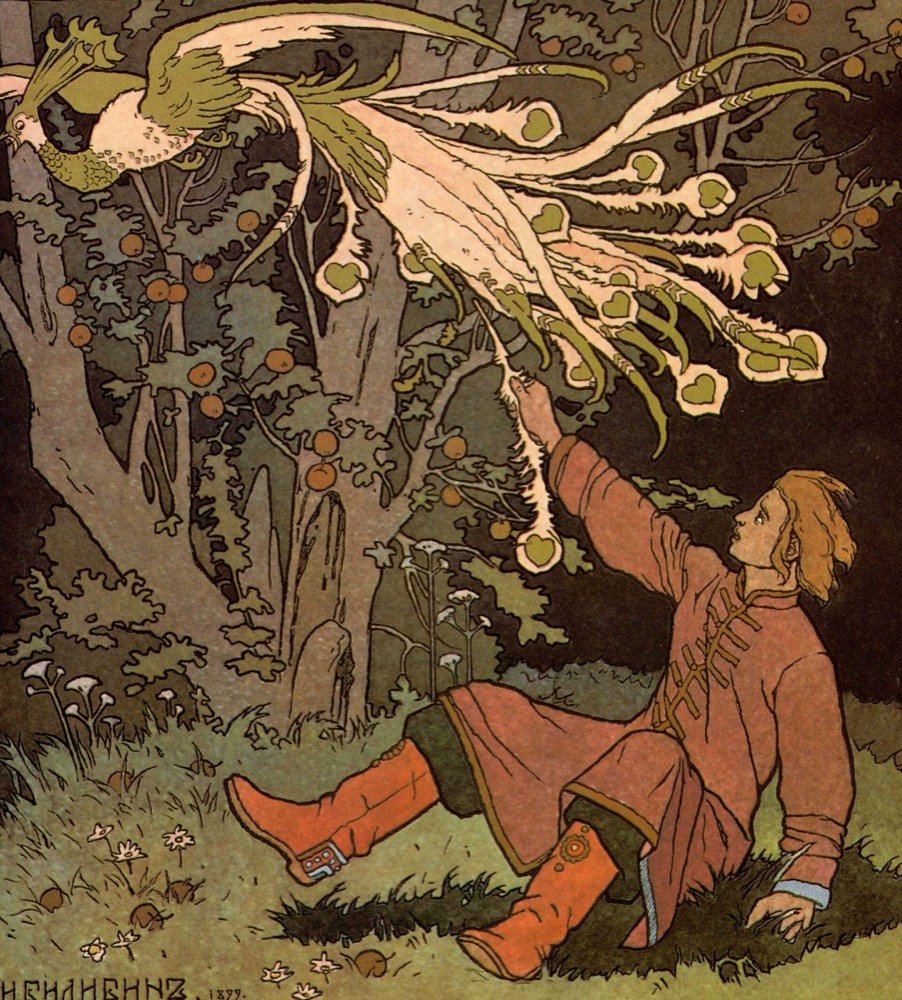
Firebird
The glowing marvel-bird of Russian tales, whose golden-red plumage burns like fire and whose single feather lights a room; its theft of golden apples launches the hero's quest.
 creature
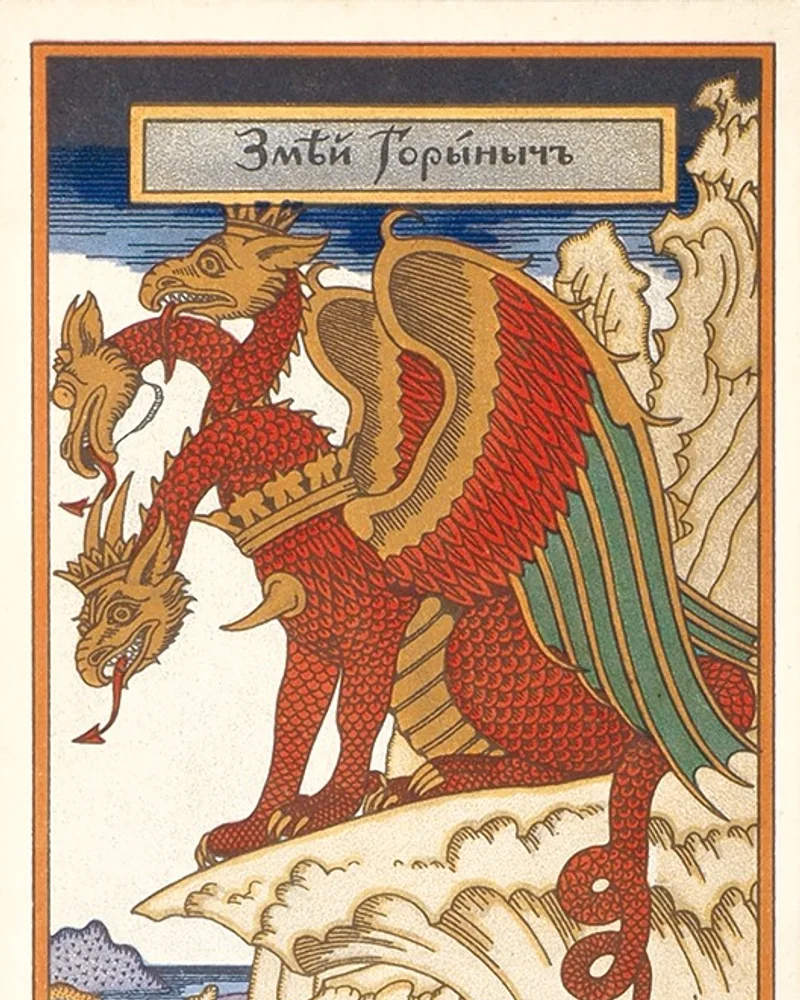
Zmey Gorynych
A three-headed, fire-breathing dragon of East Slavic byliny (heroic epic songs) and fairy tales, the classic monstrous antagonist defeated by heroes such as the bogatyr Dobrynya Nikitich.