


Korean Mythology
Korean Mythology traditions, cosmology, and ancient mythology.
Mythological Figures & Lore
Showing all 25 records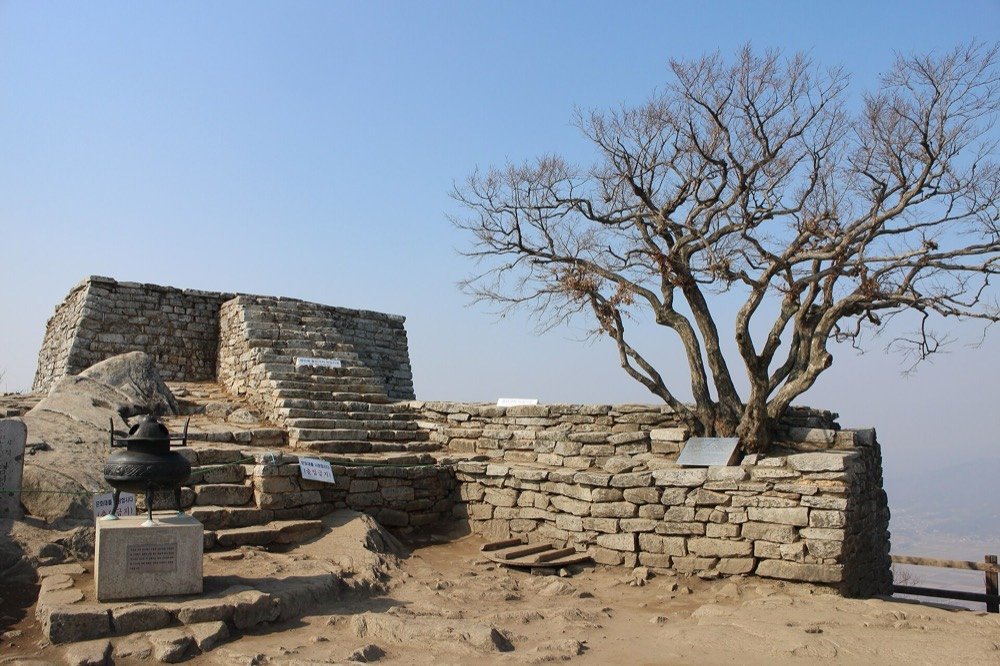 place
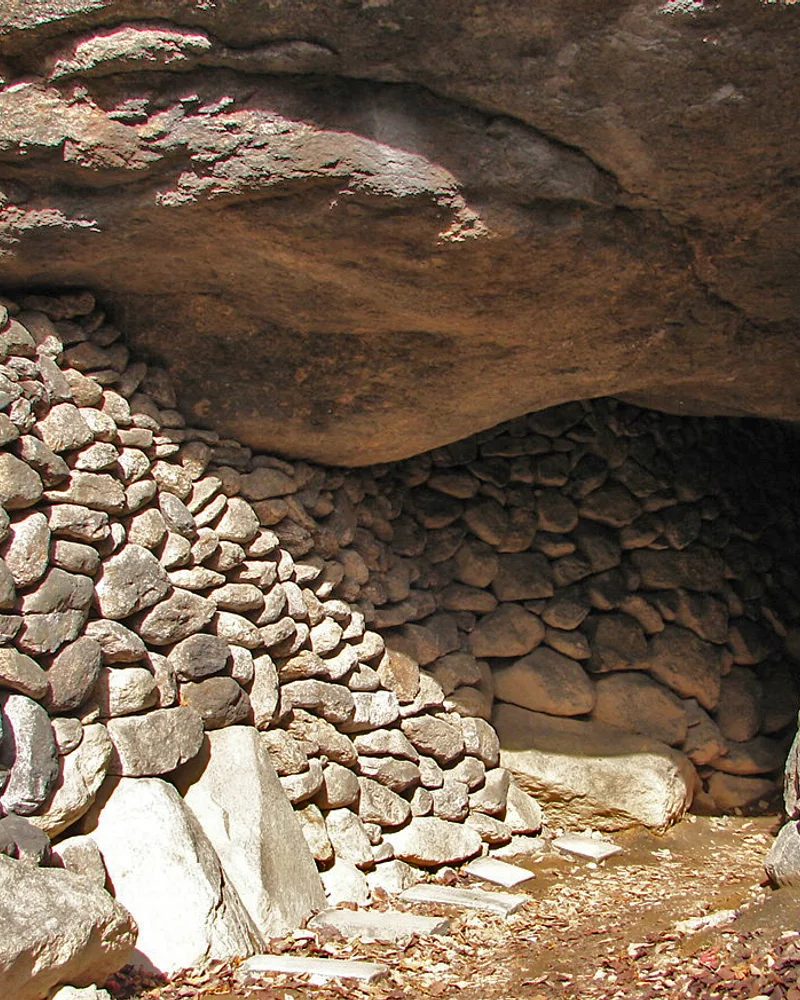
Asadal
The city to which Dangun moved his capital and the mountain into which he finally withdrew as a mountain god; its name is often read as 'land of morning,' its location still disputed.
 deity
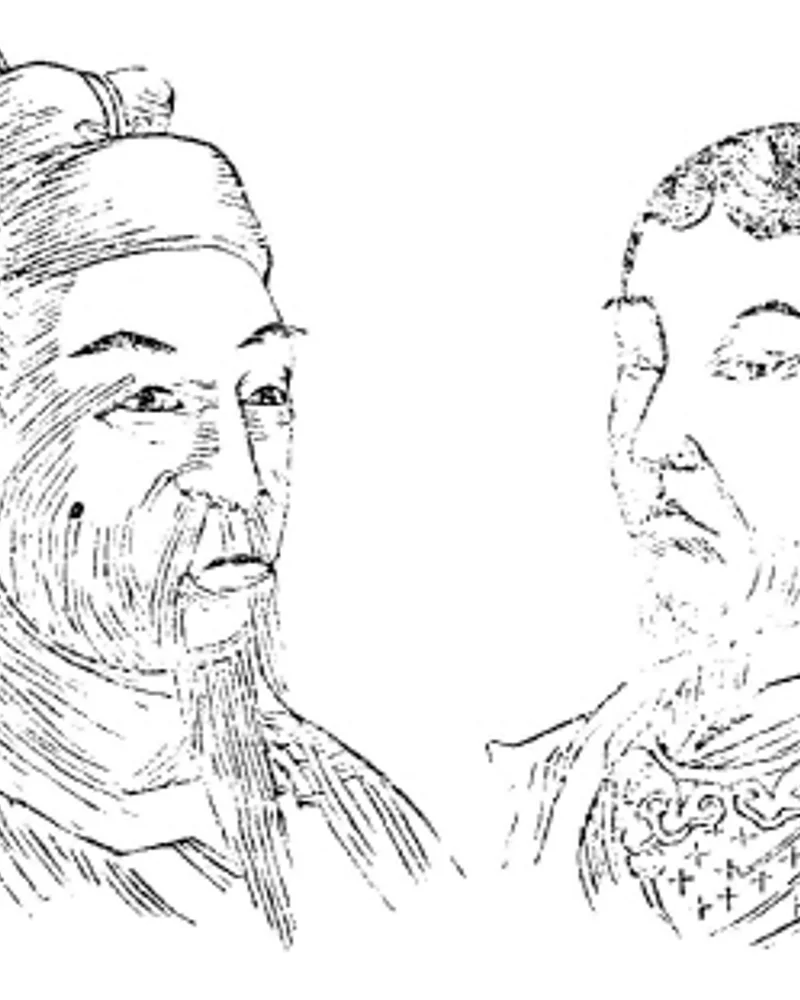
Bak Hyeokgeose
The egg-born founder of Silla, found by the six village chiefs beside the Najeong well where a white horse knelt and then rose into heaven; crowned at thirteen with his queen Aryeong, born from a dragon at another well.
 deity
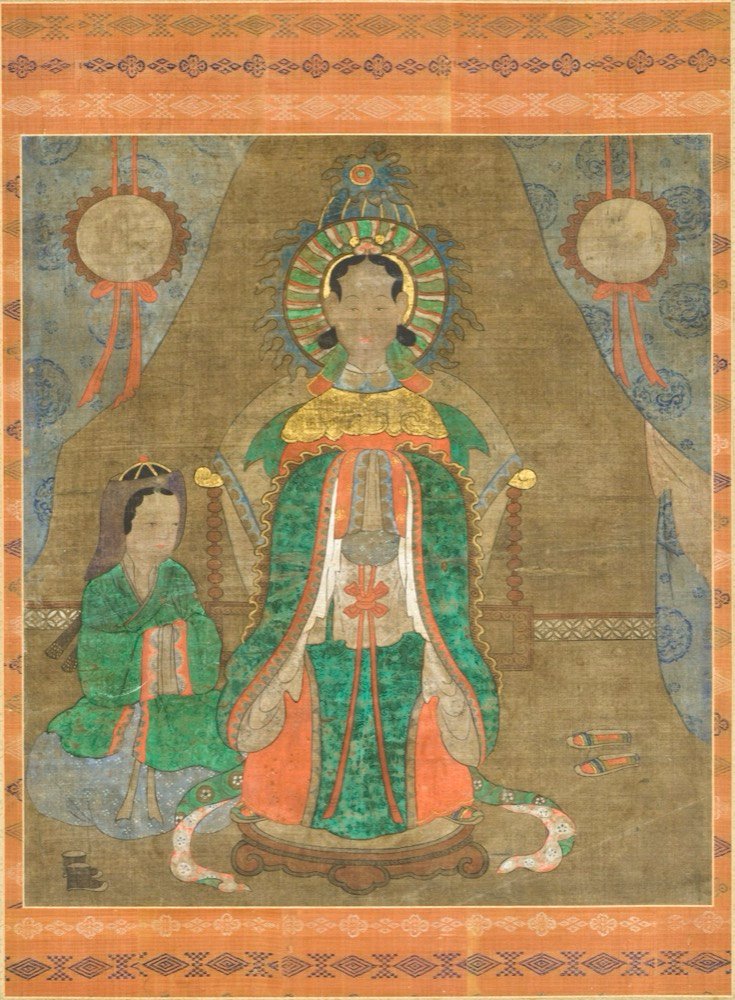
Princess Bari
Cast into the water at birth for being a seventh daughter, she alone journeyed to the western sky for the water of life that revived her dying parents, and became the goddess who leads dead souls onward.
 artifact
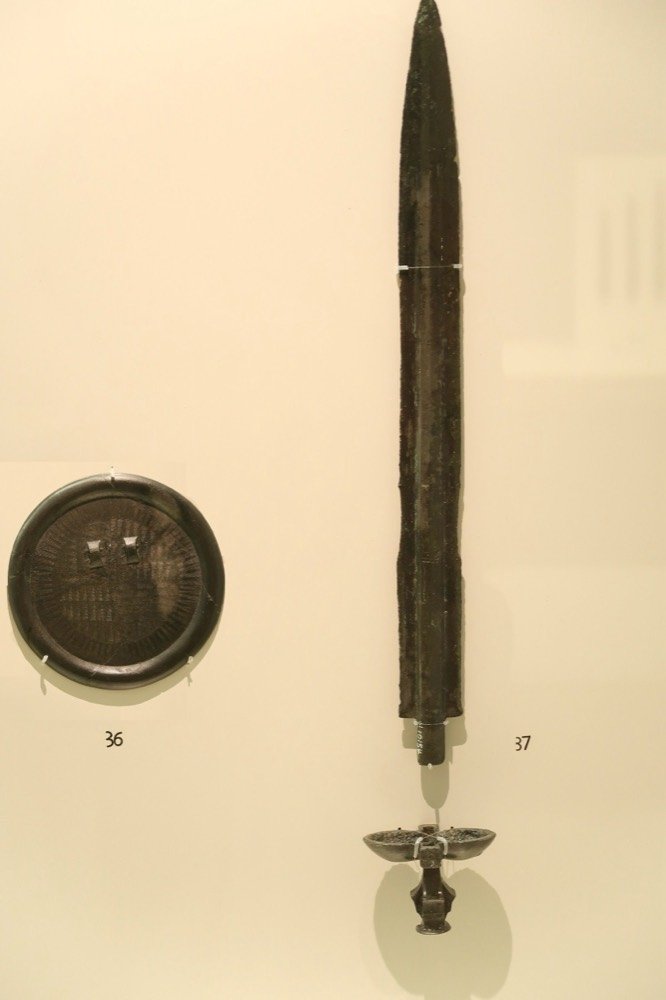
Cheonbuin
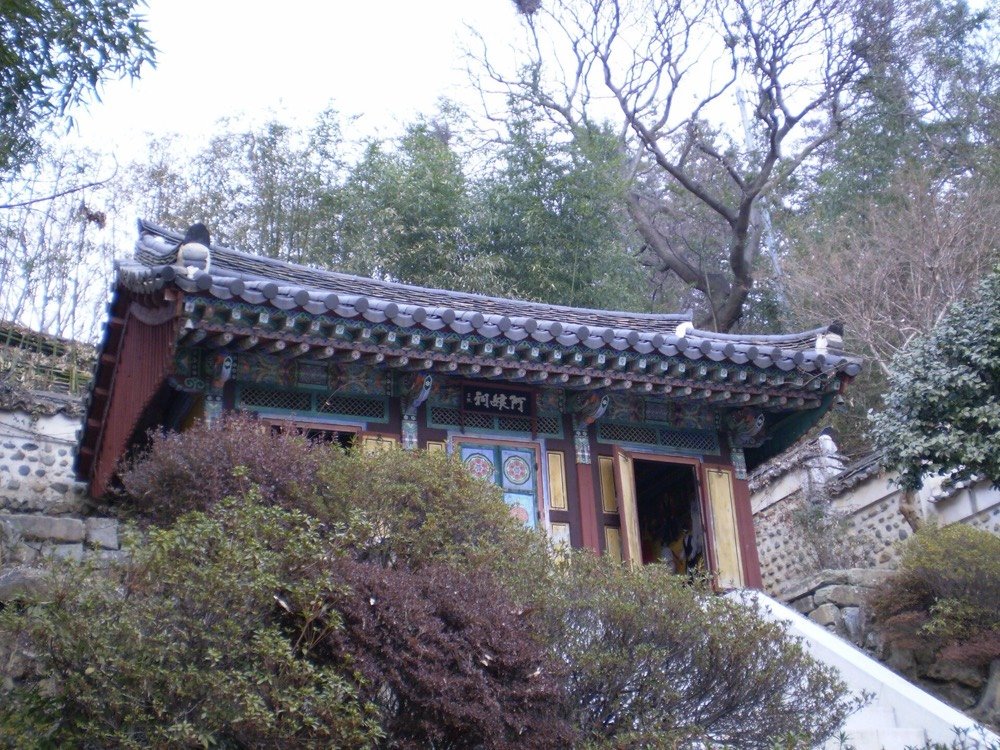
Three tokens given by the heavenly ruler Hwanin to his son Hwanung before his descent to Mount Taebaek; the text counts them but never describes them, and later tradition guesses at sword, mirror, and bell.
 spirit
Cheonyeo Gwisin
The ghost of a woman who died unmarried, white-robed with loose black hair, bound to the world by grievance; the wronged Arang of Miryang frightened magistrate after magistrate to death until one stayed to hear her.
 hero
Dangun
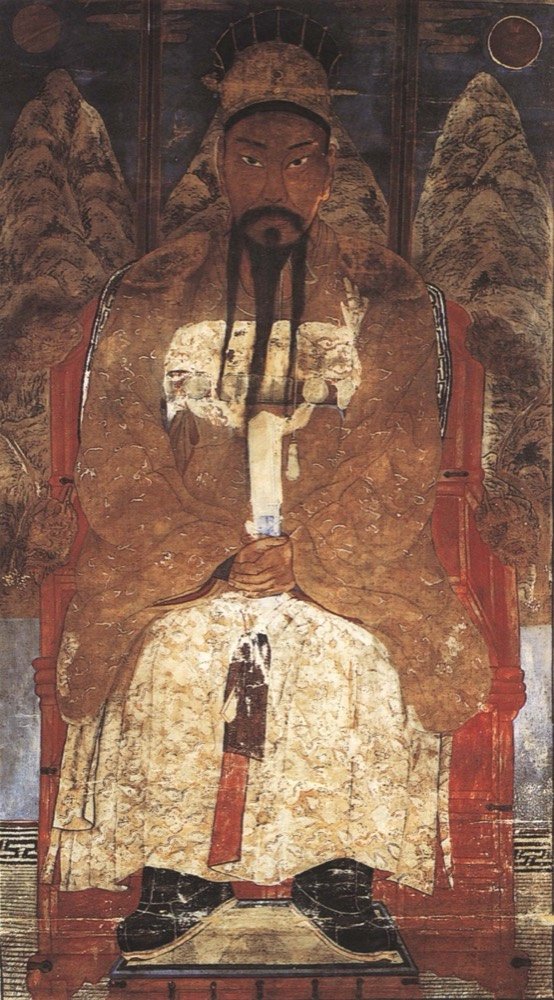
Legendary founder of Gojoseon, son of the heavenly prince Hwanung and the bear-woman Ungnyeo; tradition dates his kingdom to 2333 BCE, and he ended his days as a mountain god.
 spirit
Dokkaebi
A goblin spirit born from worn household objects; fond of wrestling, buckwheat jelly, and rice wine, it conjures gold with a strike of its club, punishes the greedy, and repays debts with absurd generosity.
 deity
Habaek
The River Earl, water god of the Amnok (Yalu) region and father of Yuhwa, who tests Haemosu's divine claim in a contest of transformations and is claimed by Goguryeo's kings as the founder's maternal grandfather.
 deity
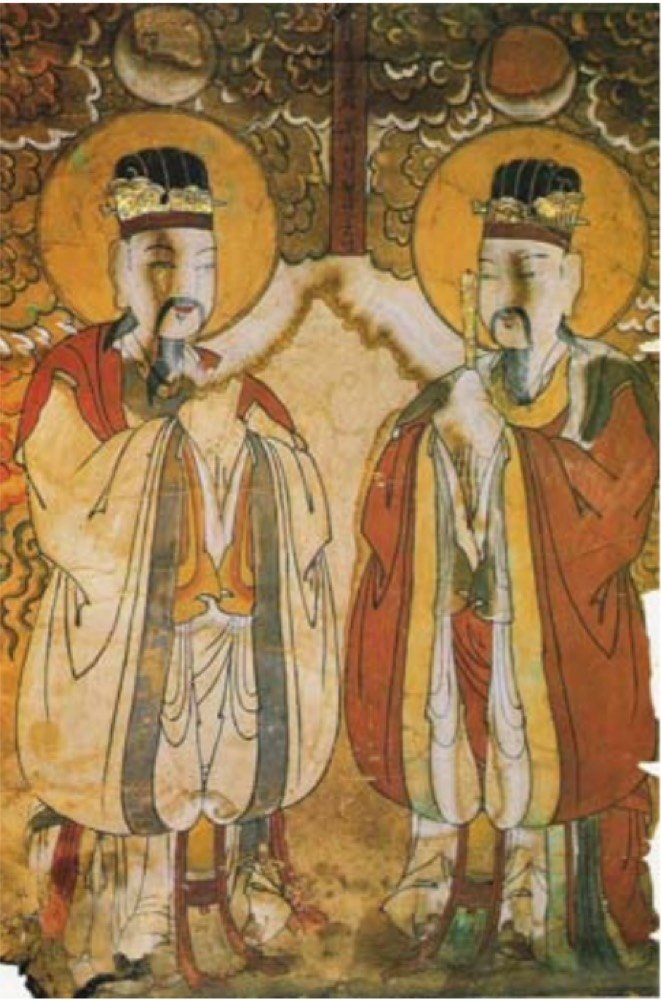
Haemosu
The Son of Heaven who descends in a five-dragon chariot, seduces Yuhwa, daughter of the River Earl, by the Amnok (Yalu) River, and becomes the father of Jumong, founder of Goguryeo.
 creature
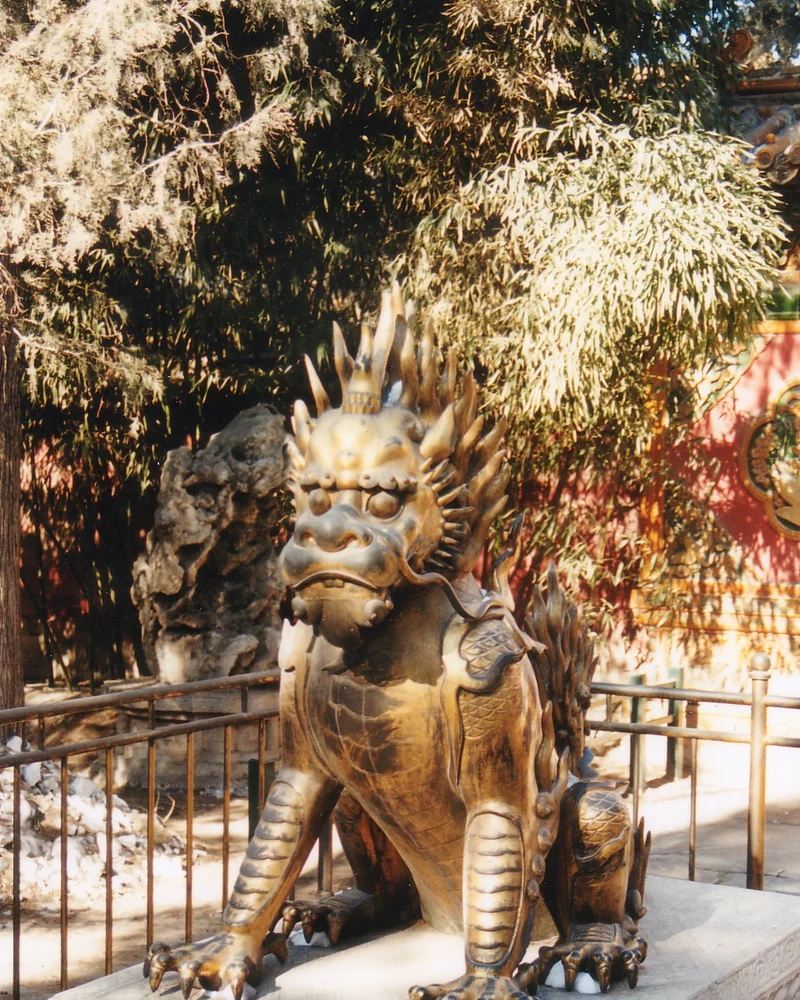
Haetae
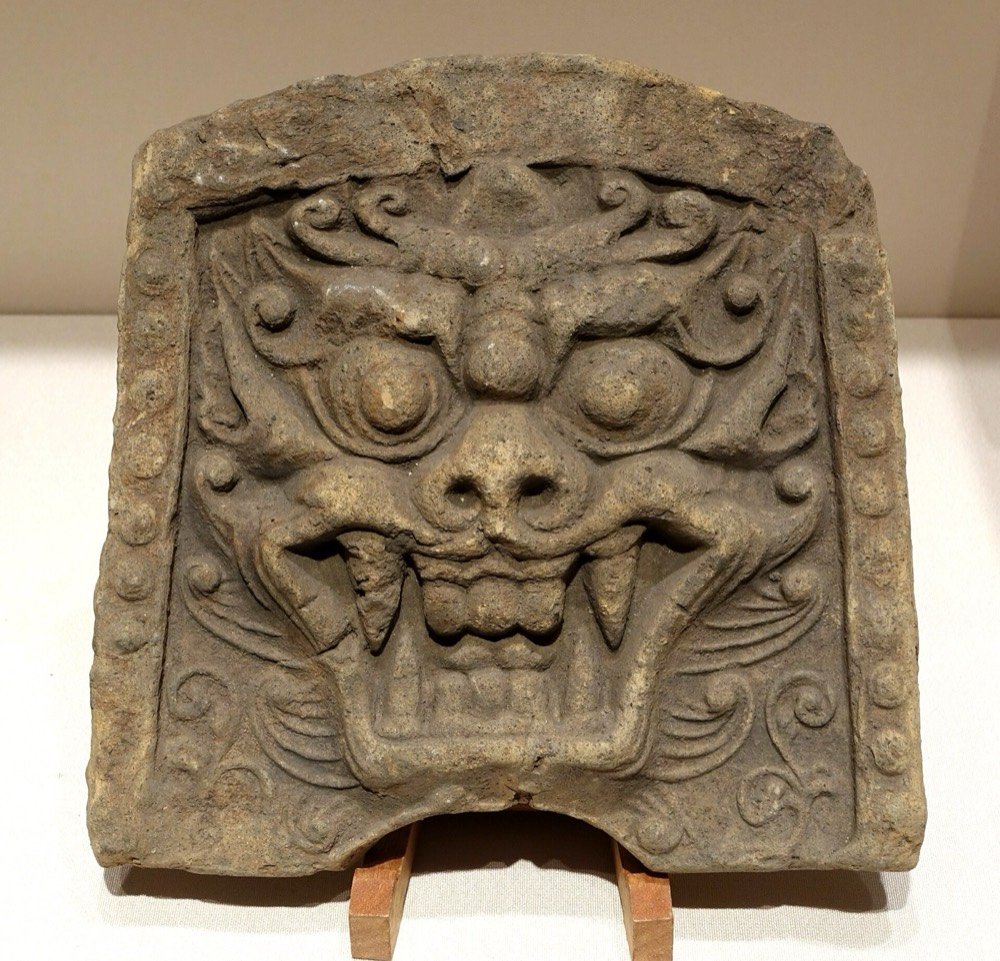
A lion-like guardian beast that can tell right from wrong, whose stone statues guard Gyeongbokgung Palace in Seoul and were believed to protect it from fire.
 tale
The Brother and Sister Who Became the Sun and Moon
A tiger takes a mother's rice cakes pass by pass, then eats her and comes for her children in her clothes; the siblings climb a heaven-sent rope to become sun and moon, while the tiger's fall stains the sorghum red.
 deity
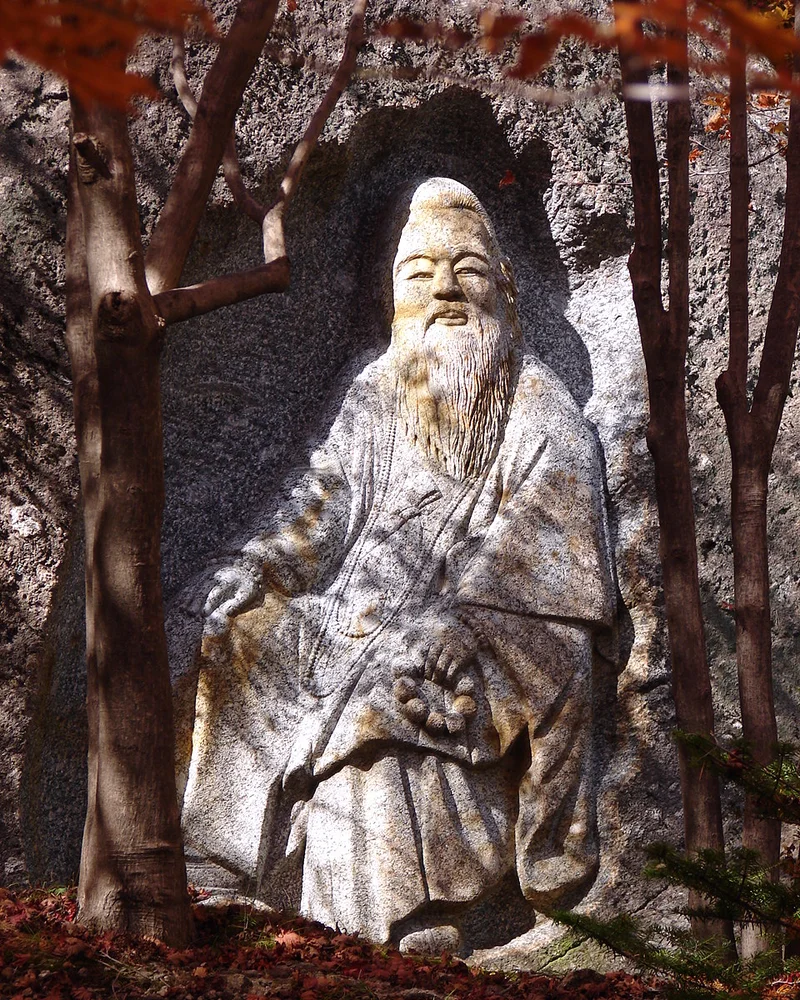
Hwanin
The Lord of Heaven in the Dangun myth, who sees that his son Hwanung longs for the human world, looks down on Mount Taebaek as a place where he could 'widely benefit humanity', and sends him down with three heavenly seals.
 deity
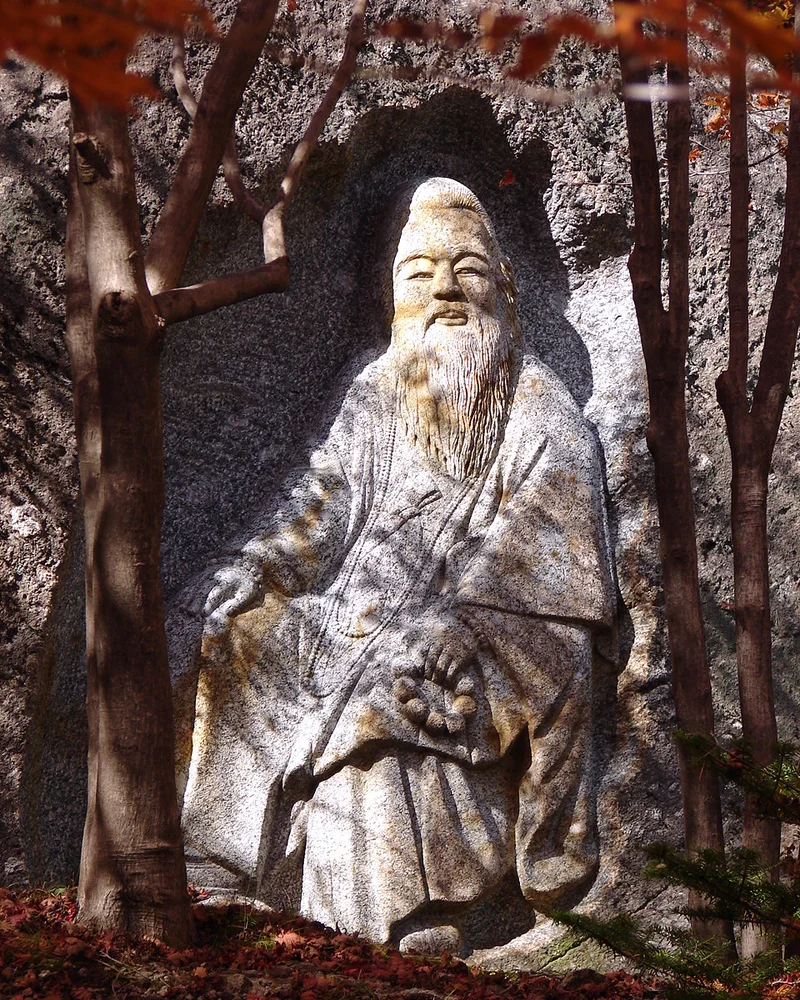
Hwanung
The son of the Lord of Heaven who descends to Mount Taebaek with three thousand followers and the ministers of wind, rain, and clouds, founds the 'City of God' beneath the sacred altar tree, and fathers Dangun with the bear-woman Ungnyeo.
 hero
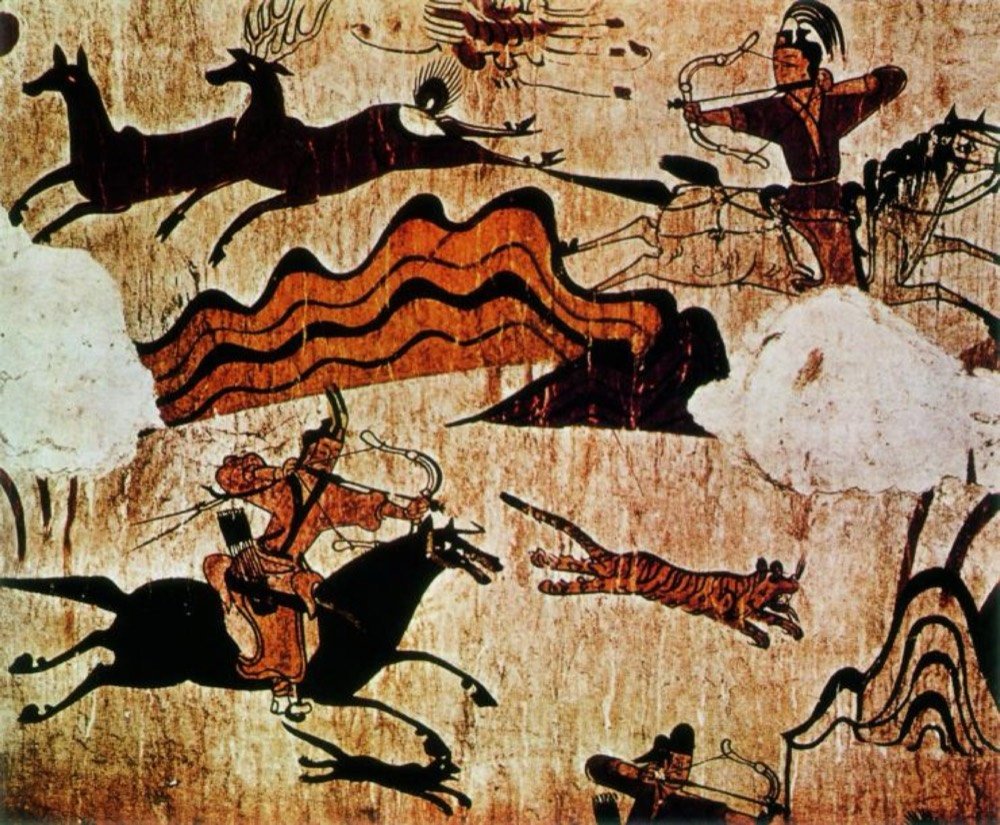
Jumong
Born from an egg after sunlight pursued his mother Yuhwa, daughter of the river god; a master archer who fled Buyeo over a bridge of fish and turtles and founded Goguryeo in 37 BCE.
 creature
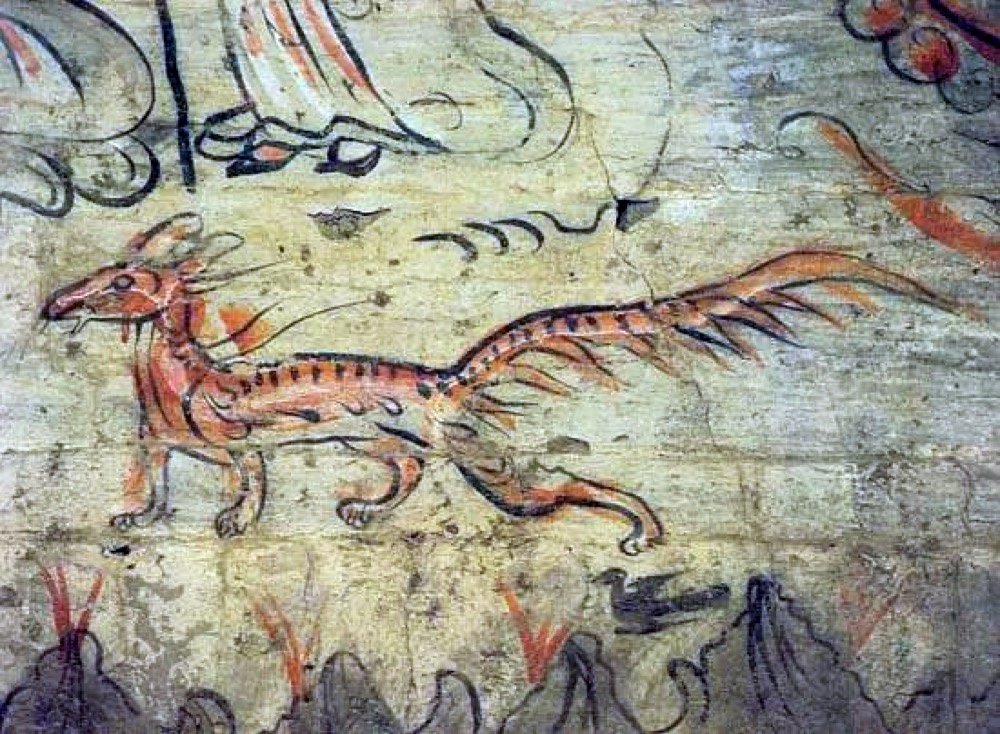
Kumiho
A fox that has lived a thousand years grows nine tails and takes the shape of a bride or lost woman to eat human livers; in other tales it endures long trials to become human, failing at the last moment.
 artifact
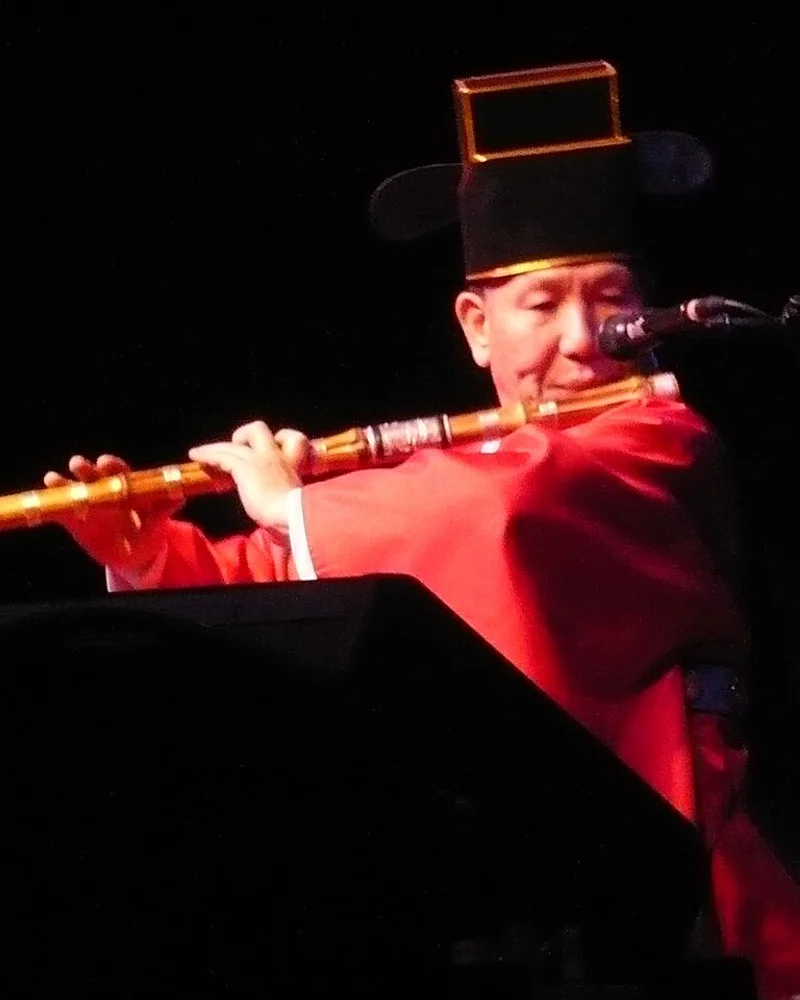
Manpasikjeok
The bamboo flute made from a stalk that was two by day and one by night, given to Silla by the sea dragon of King Munmu; when played it drove off enemies, cured sickness, brought rain in drought, and calmed the wind and waves.
 deity
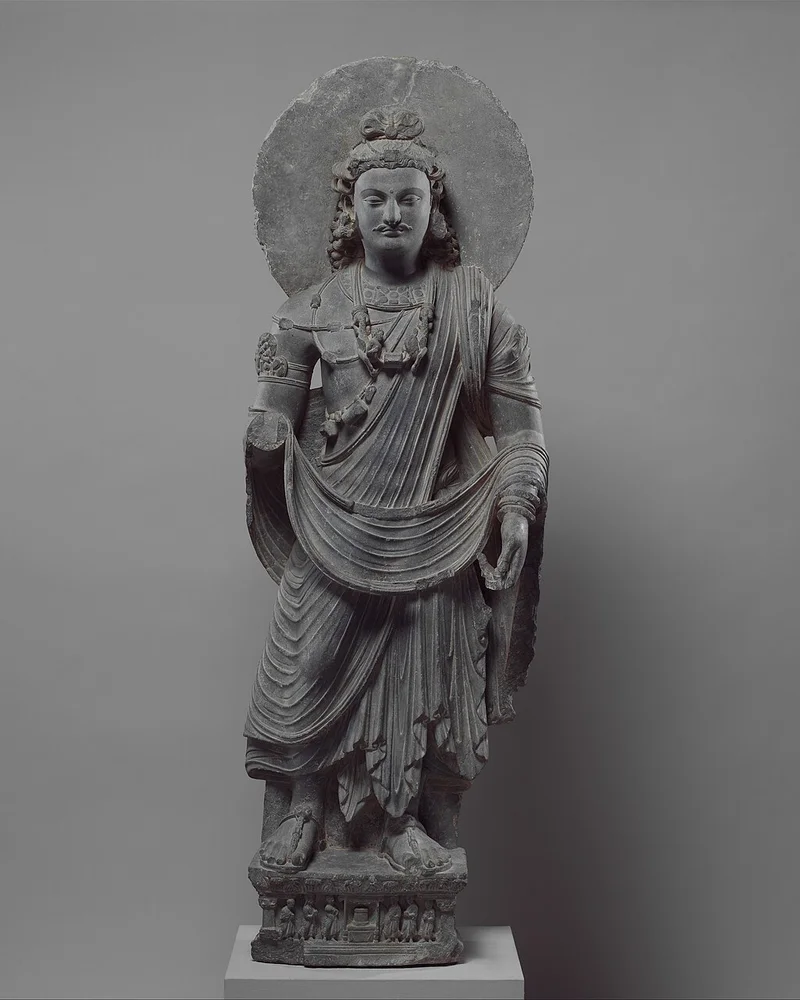
Mireuk
The creator of the world in the Korean shamanic Song of Creation, who separates heaven and earth, props up the sky with copper pillars, makes stars from an extra sun and moon, and creates the first humans, before losing the world to the cheating Seokga.
 creature
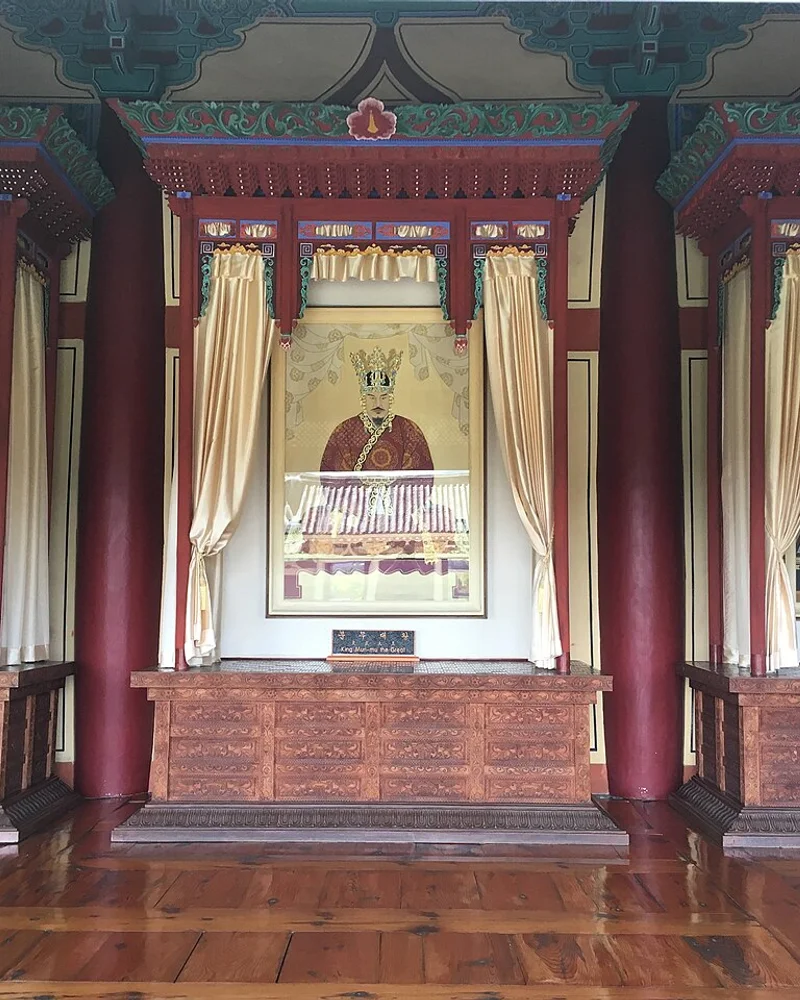
Sea Dragon of King Munmu
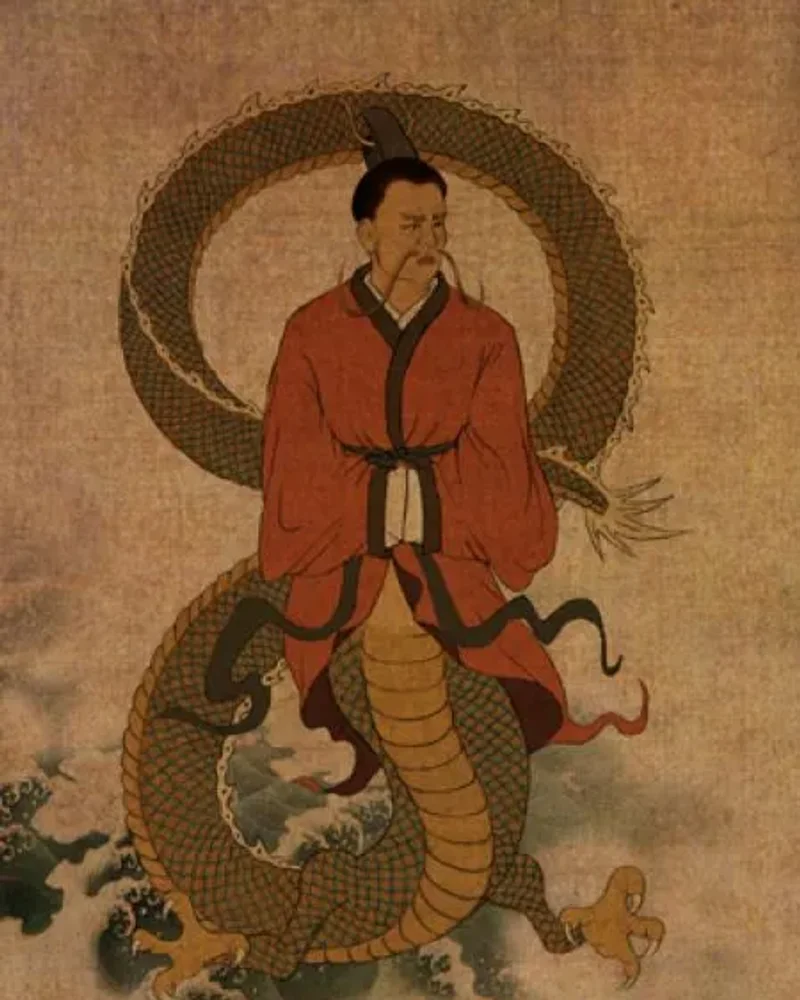
The great dragon of the East Sea that King Munmu of Silla vowed to become after death to protect his kingdom, and who gave his son the bamboo for the flute Manpasikjeok.
 creature
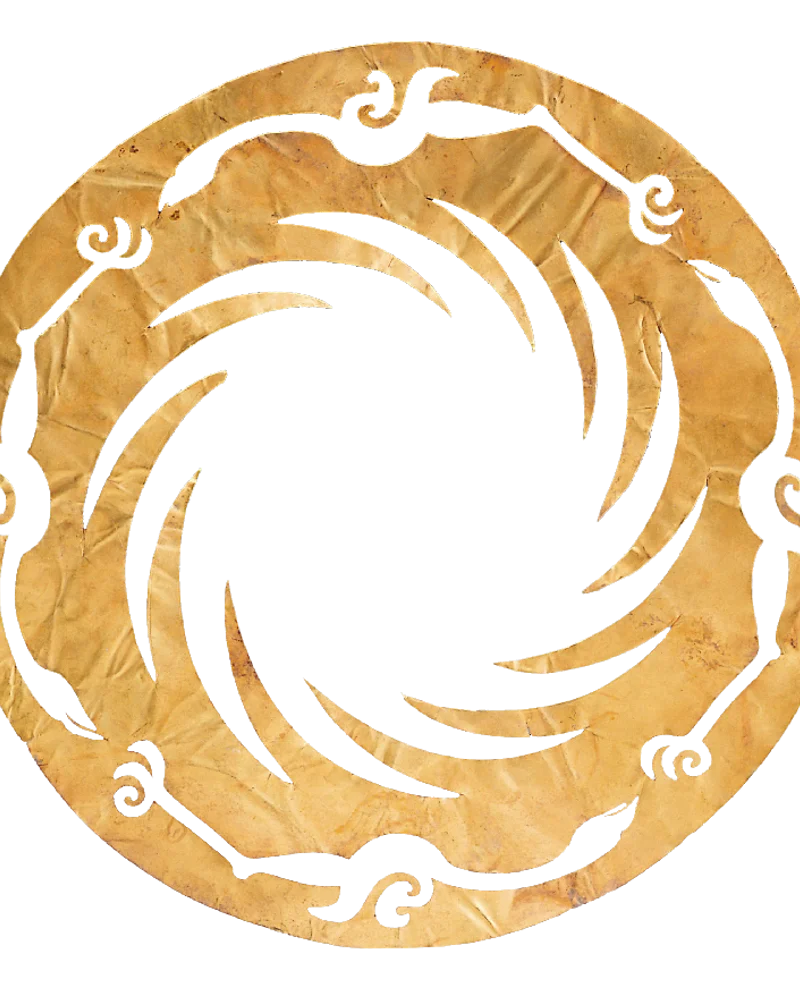
Samjok-o
The three-legged crow that lives in the sun, painted in a solar disk on the walls of Goguryeo tombs, usually paired with a toad or hare in the moon.
 deity
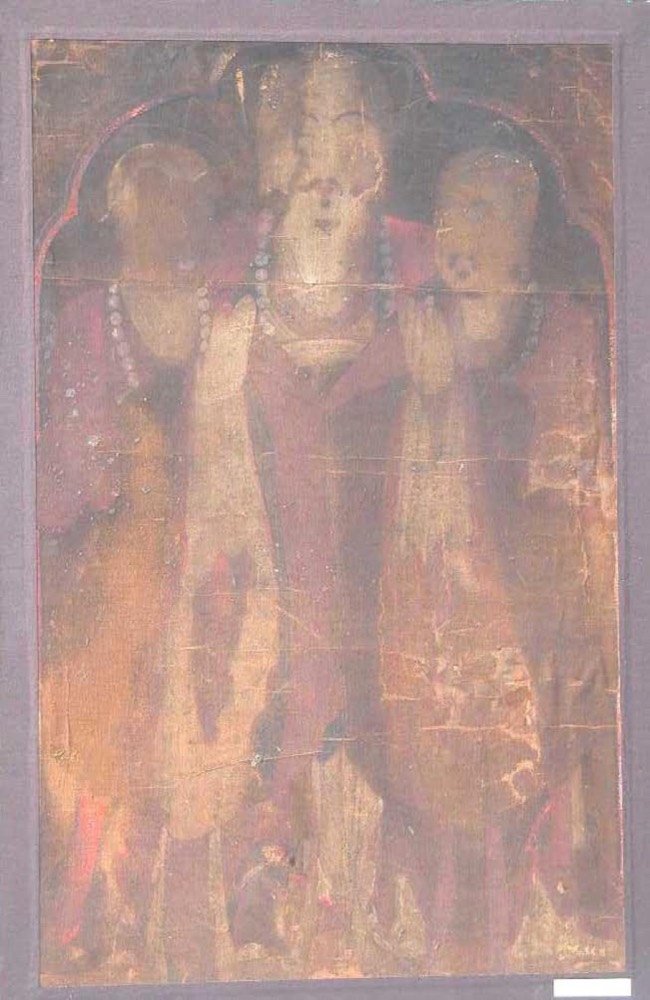
Samsin Halmoni
The grandmother goddess of conception, safe delivery, and small children, honored with rice and seaweed soup in the birthing room; the blue spot on a newborn's bottom is said to be her hurrying slap.
 deity
Seokga
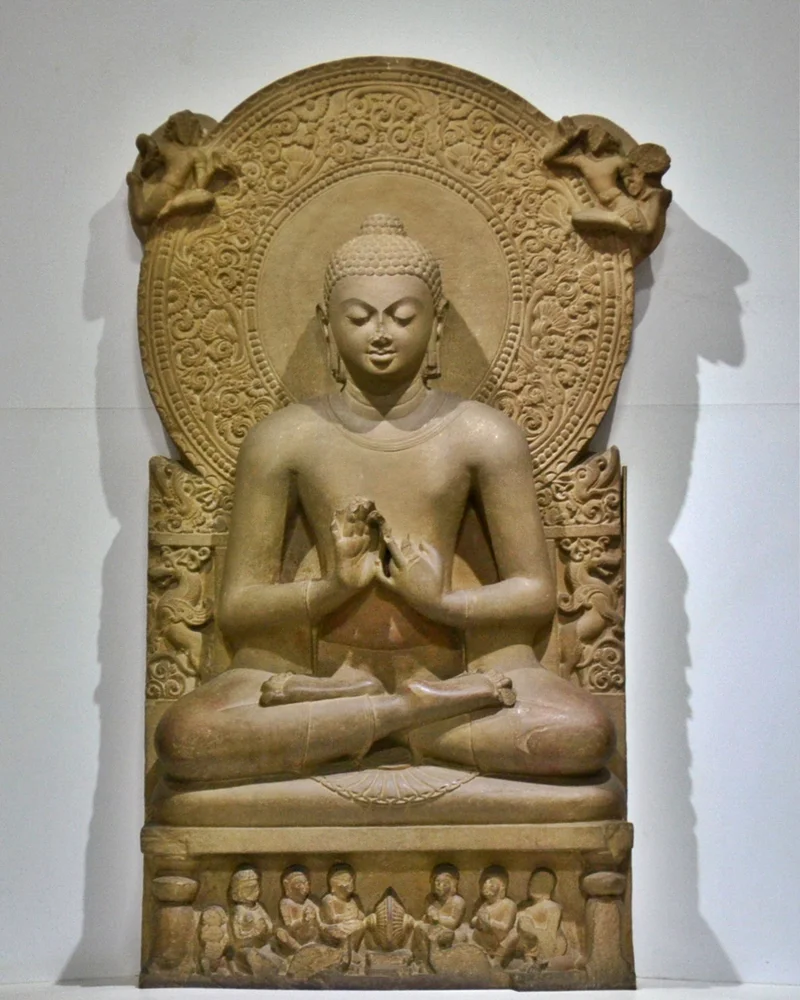
The rival of Mireuk in the Korean shamanic Song of Creation, who wins rule of the world by stealing the flower that blossomed on Mireuk's knee while they slept, bringing about the imperfect present age.
 deity
Seolmundae Halmang
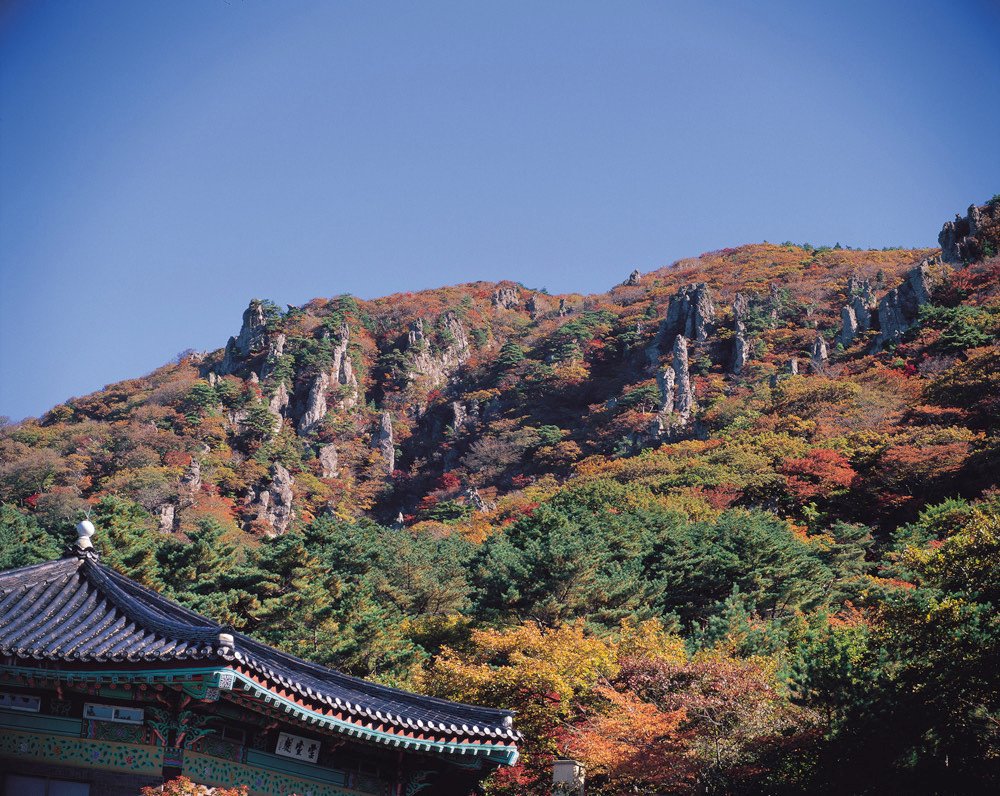
The giant grandmother of Jeju who piled up Hallasan with earth carried in her skirt; soil leaking through its holes became the island's hundreds of small volcanic cones, and her five hundred sons turned to stone.
 creature
Ungnyeo
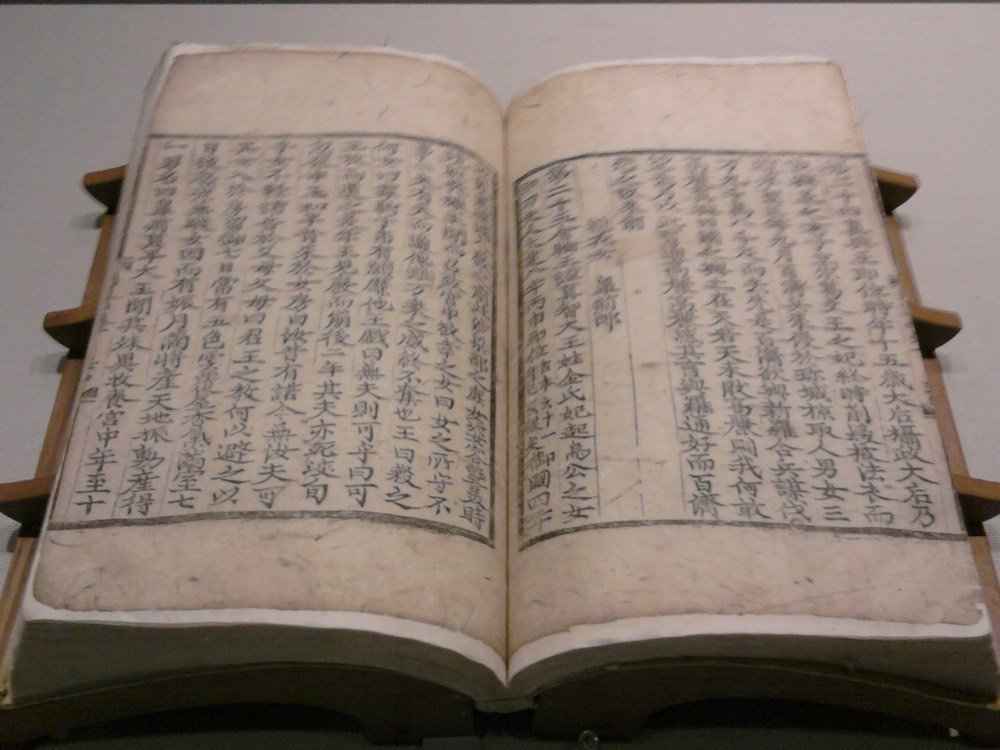
A she-bear who shared a cave with a tiger; by enduring darkness on mugwort and twenty cloves of garlic she became human, prayed for a child, and bore Dangun to Hwanung.
 artifact
Water of Life and Flowers of Revival
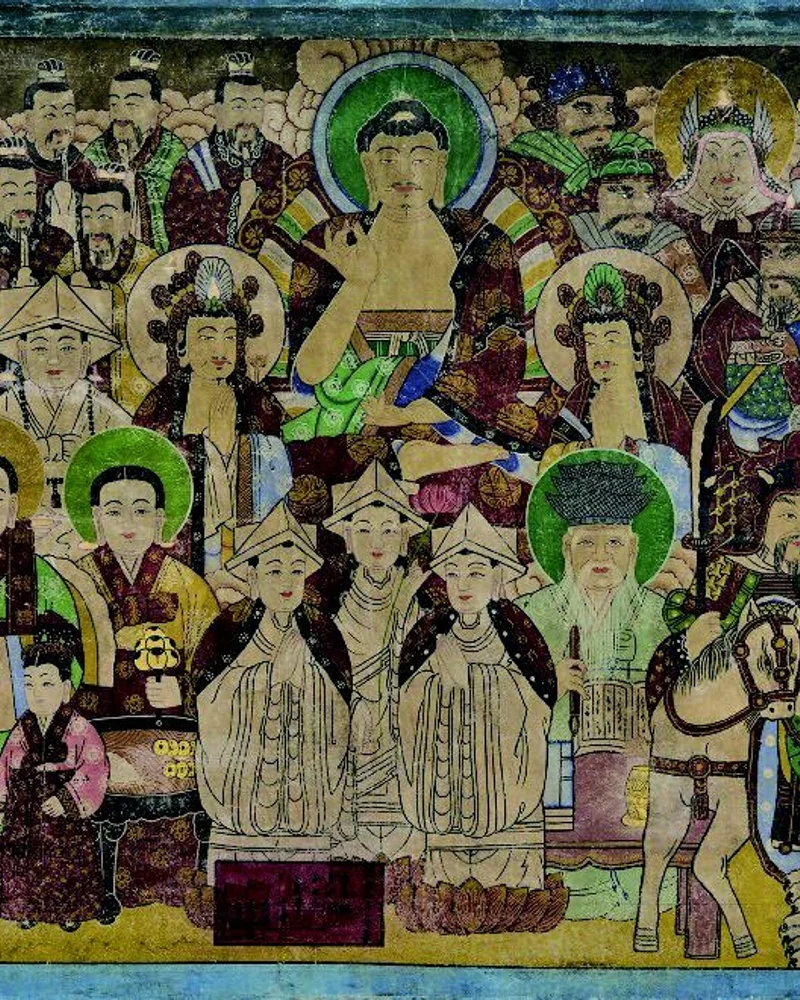
The medicinal water of the Western Heaven and the flowers that restore bone, flesh, and breath, which Princess Bari brings back from the end of the world to revive her dead parents.
 deity
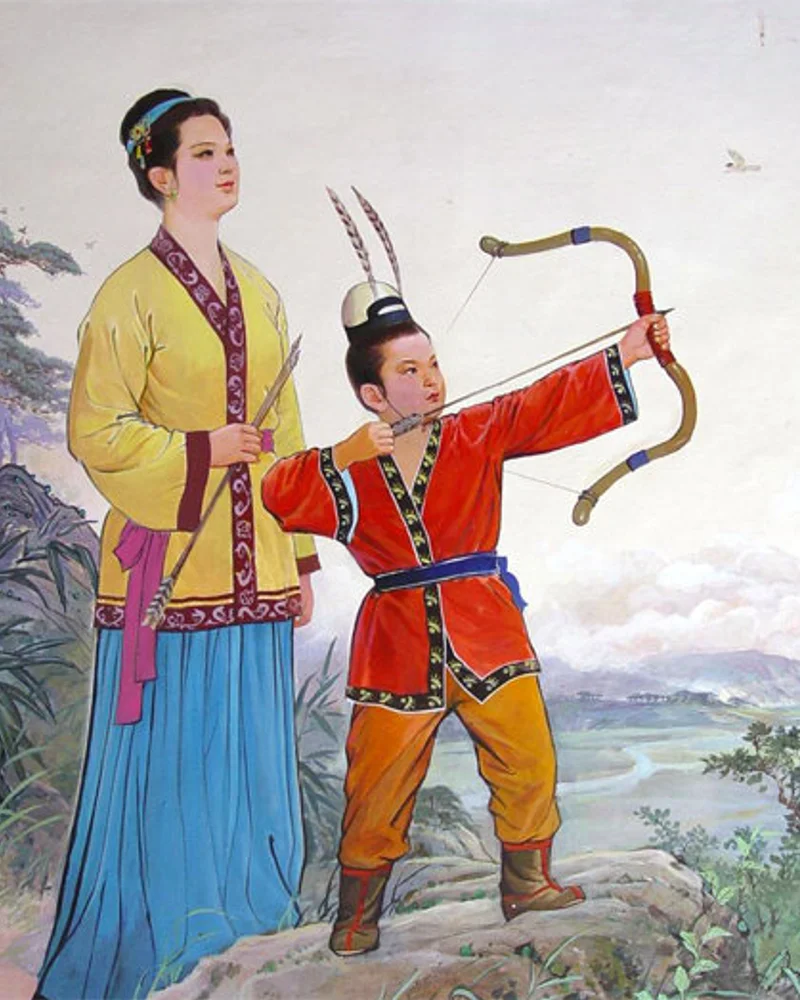
Yuhwa
The daughter of Habaek, the River Earl, who is seduced and abandoned by Haemosu, banished by her parents, sheltered by King Geumwa of East Buyeo, and there lays the egg from which Jumong hatches; later worshipped by Goguryeo as a mother goddess.