


Finnish Mythology (Kalevala)
Finnish Mythology (Kalevala) traditions, cosmology, and ancient lore.
Mythological Figures & Lore
Showing all 18 records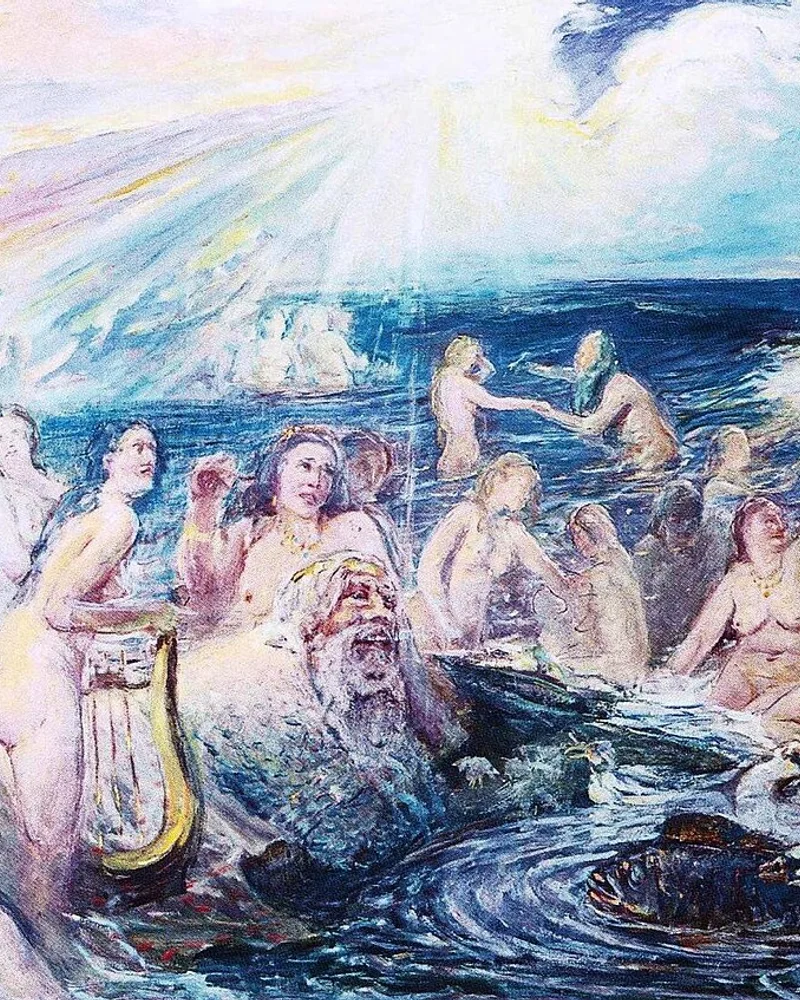 deity
Ahti
The god of waters and fish, named by Agricola in 1551 as the one who brought fish from the water, called king of the waves in the runo-songs, husband of Vellamo and lord of the underwater realm of Ahtola.
 creature
Elk of Hiisi
The magical elk built by the demon Hiisi's folk from forest materials, which Louhi sets Lemminkäinen to ski down as the first of his tasks, and which he captures only after praying to Tapio and Mielikki.
 artifact
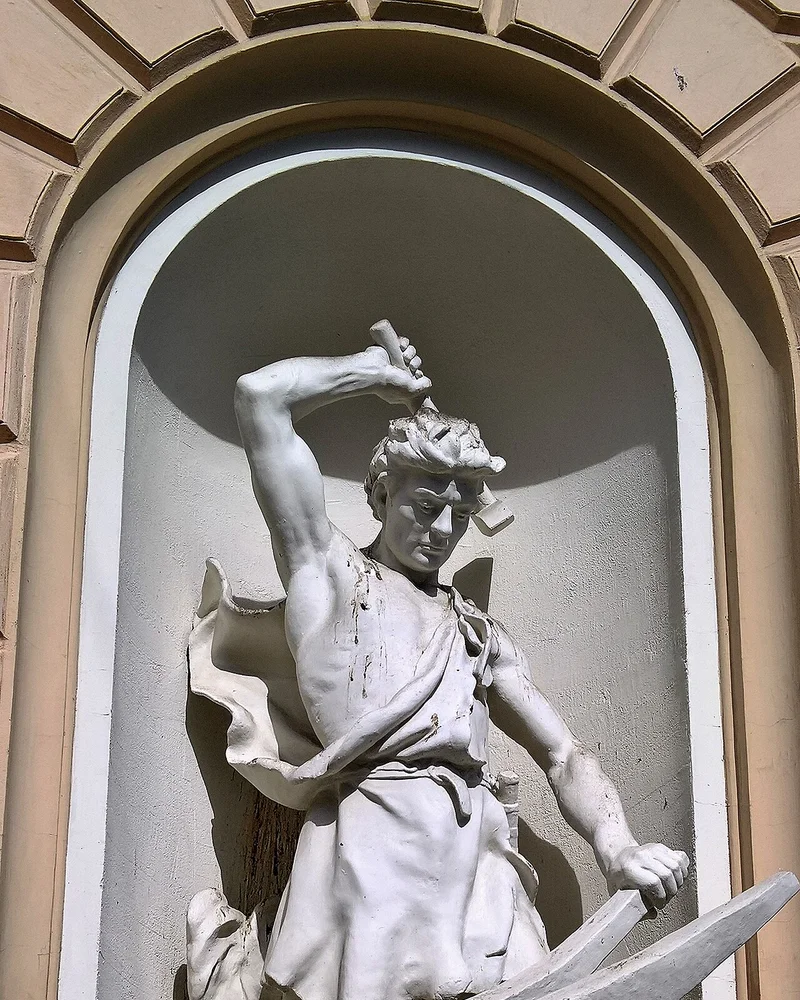
Golden Maiden of Ilmarinen
The bride of gold and silver that the grieving smith Ilmarinen forges after his wife's death, beautiful but cold as ice beside him at night; Väinämöinen tells him to melt her down and warns young men never to court gold.
 creature
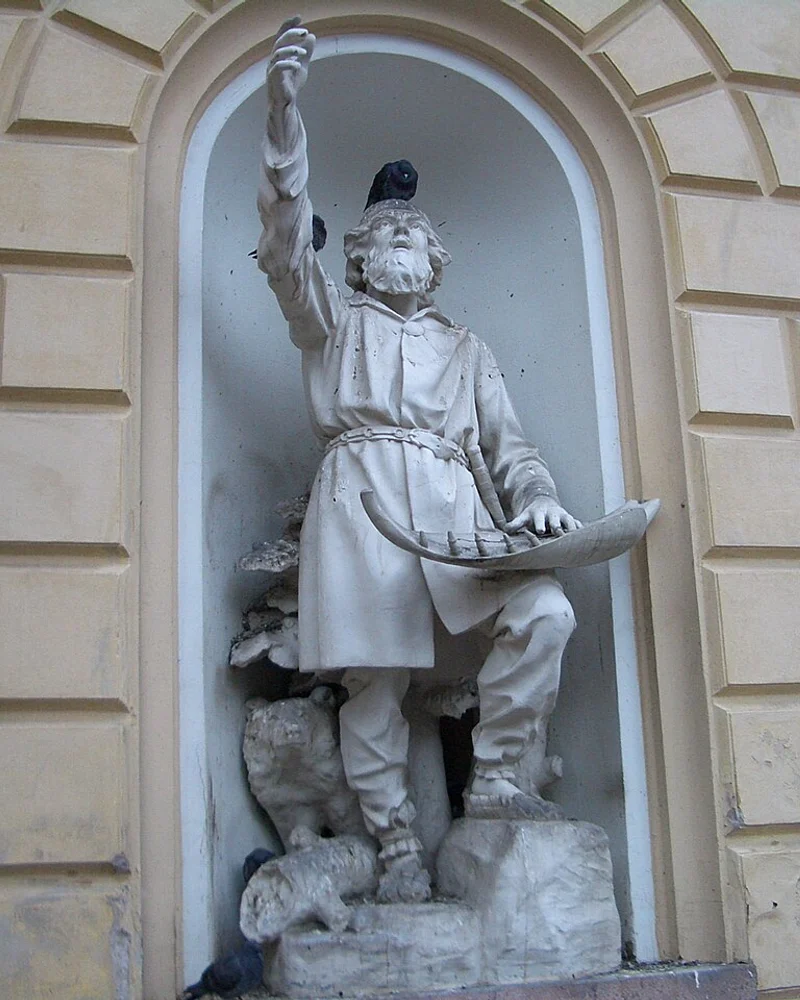
The Great Pike
The gigantic pike on whose shoulders the heroes' ship runs aground on the way to steal the Sampo; Väinämöinen kills it and makes the first kantele from its jawbone.
 creature
Iku-Turso
The sea-monster of Finnish tradition whom Louhi raises from the depths to stop the heroes carrying off the Sampo; Väinämöinen lifts him out of the water by the ears and makes him swear never to rise before men again.
 deity
Ilmarinen
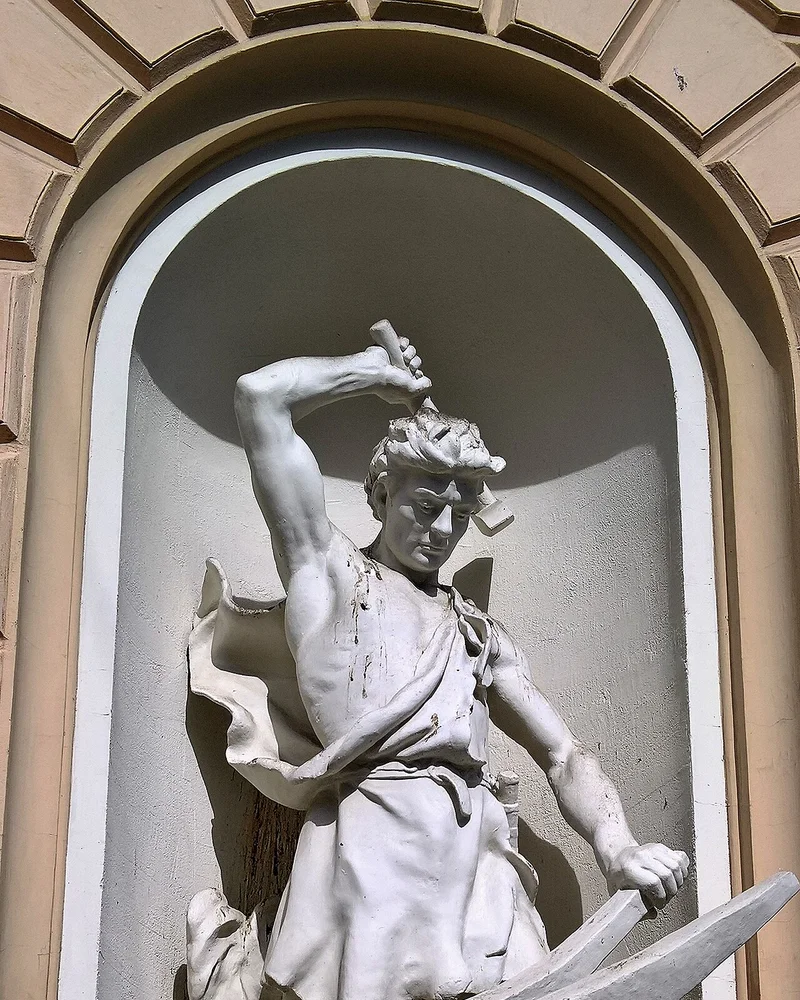
The eternal smith of Finnish tradition, who forged the vault of the sky and, in the Kalevala, the Sampo for Louhi of Pohjola; named by Agricola in 1551 as the maker of calm and storm who carried travelers on their way.
 deity
Ilmatar
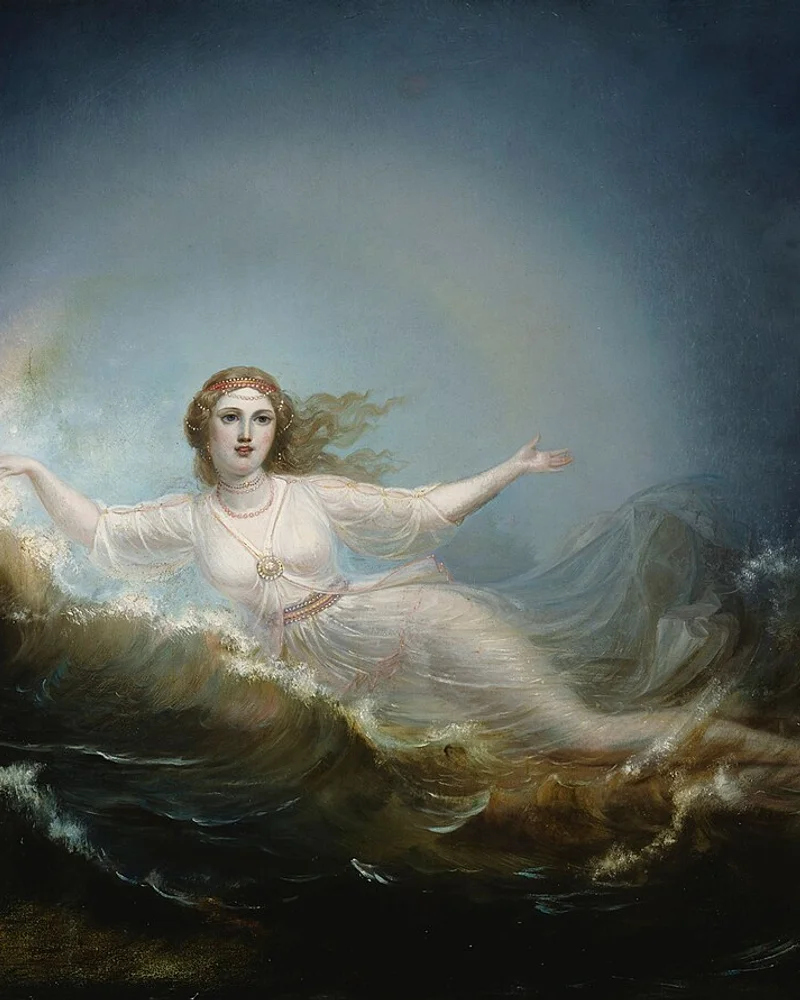
The virgin daughter of the air who, in the Kalevala's first rune, descends to the primeval sea, becomes pregnant by wind and wave, and on whose knee a duck lays the eggs from which earth, sky, sun, moon, and stars are made; mother of Väinämöinen.
 deity
Lemminkäinen
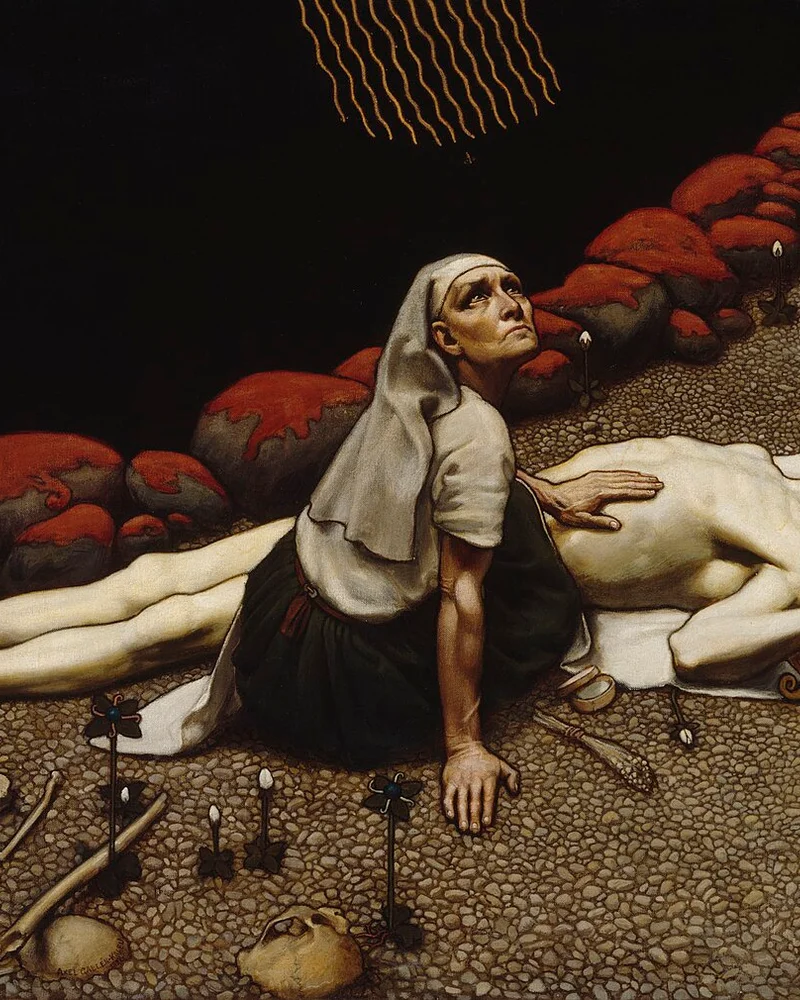
The reckless, handsome adventurer of the Kalevala, who is killed at the river of Tuonela while trying to shoot its swan and cut to pieces, and whom his mother rakes from the river and restores to life.
 deity
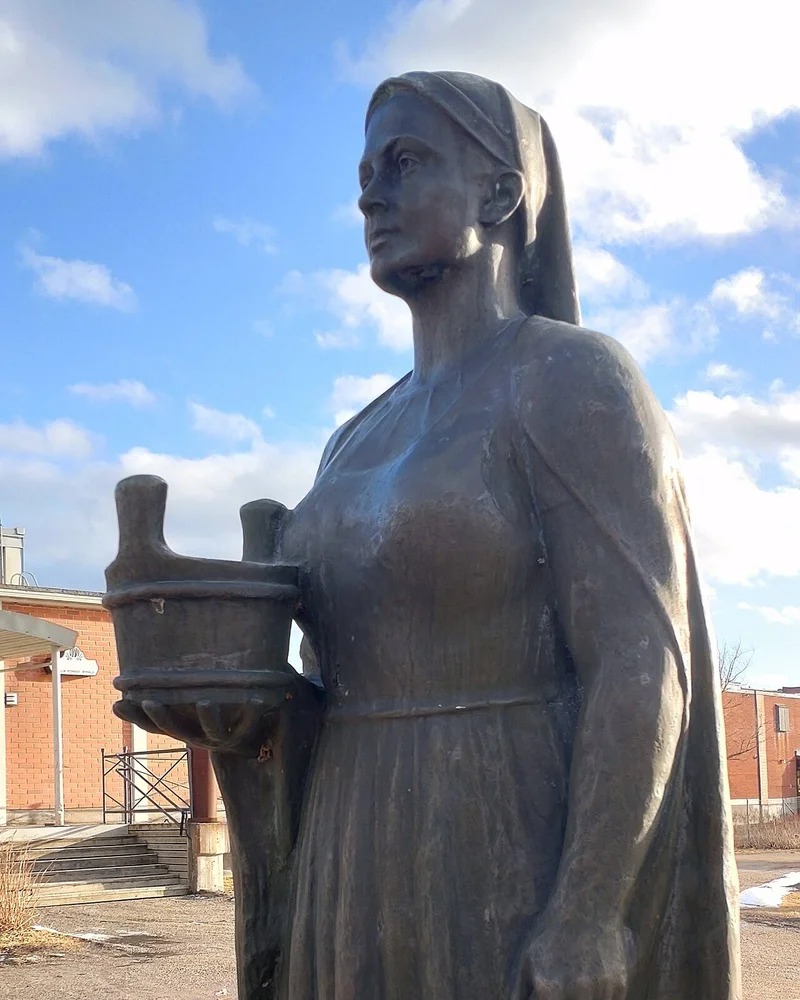
Louhi
The powerful, gap-toothed mistress of Pohjola, the dark North, who demands the forging of the Sampo in exchange for her daughter, pursues the heroes as a giant eagle when they steal it, and hides the sun and moon in a mountain.
 deity
Mielikki
The mistress of the forest and wife of Tapio, who holds the keys to the forest's storehouse of game and whom hunters and herders, and Lemminkäinen in the Kalevala, entreat for luck and protection.
 artifact
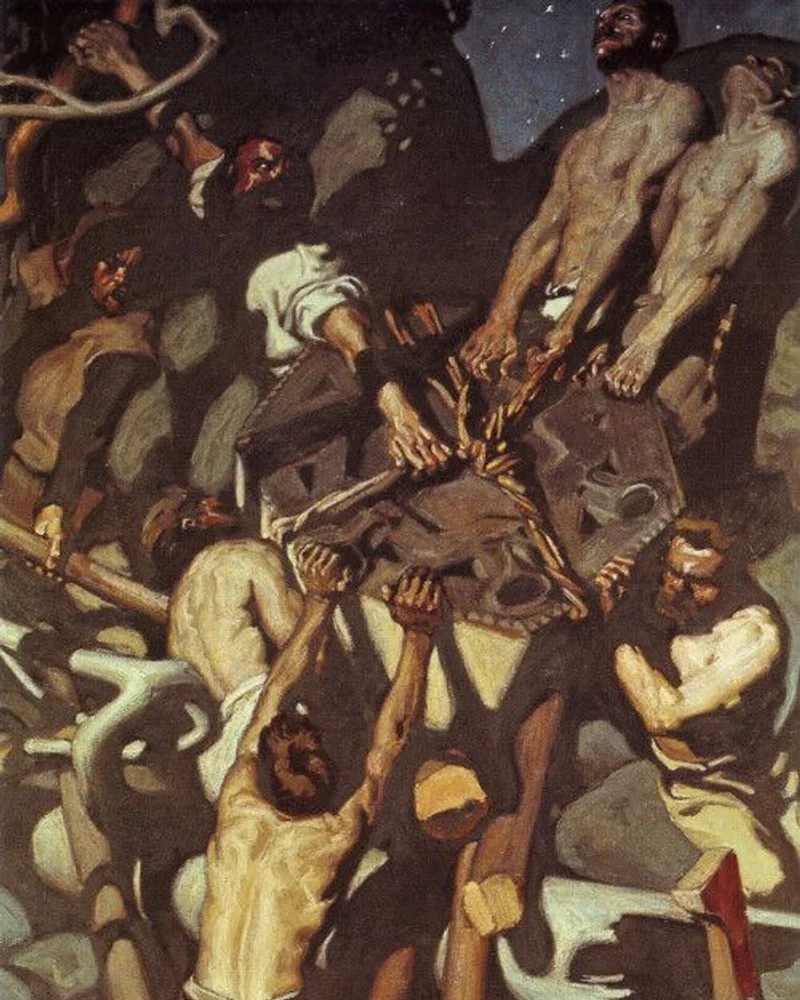
Sampo
The wonder-mill forged by Ilmarinen, with a many-colored lid, that grinds grain, salt, and money; locked in Pohjola's mountain, stolen by the Kalevala heroes, and shattered in the sea during Louhi's pursuit.
 creature
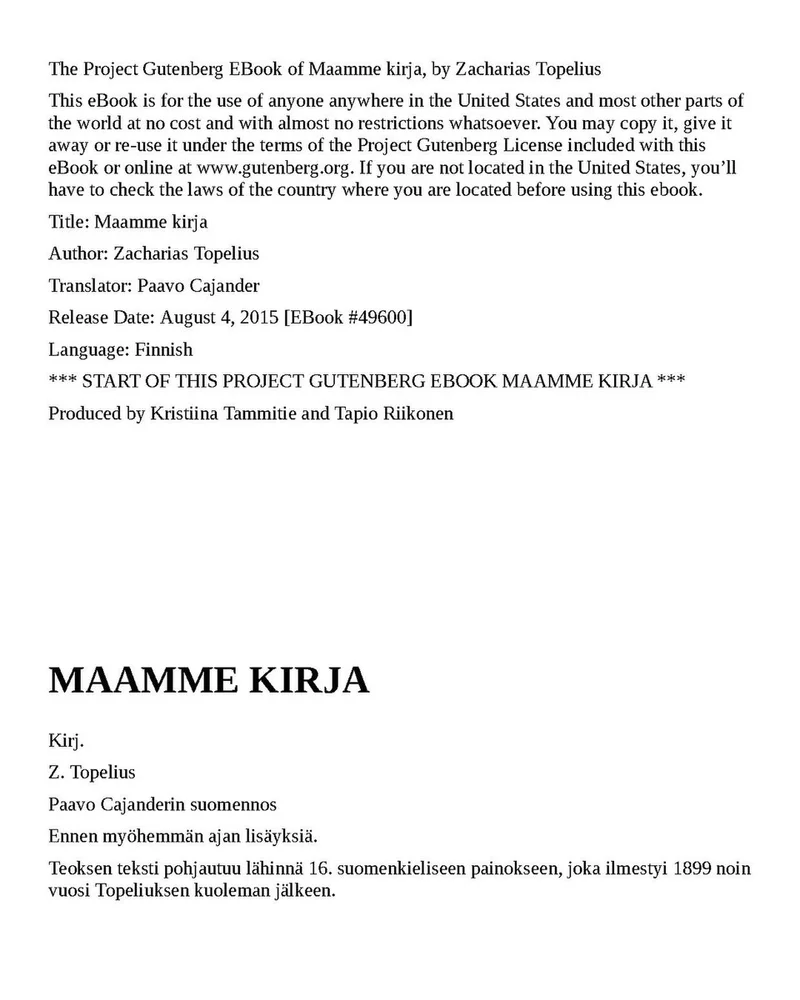
Swan of Tuonela
The swan that swims on the black river of Tuonela, the river of the dead, which Louhi orders Lemminkäinen to shoot with a single arrow; the task leads to his death.
 deity
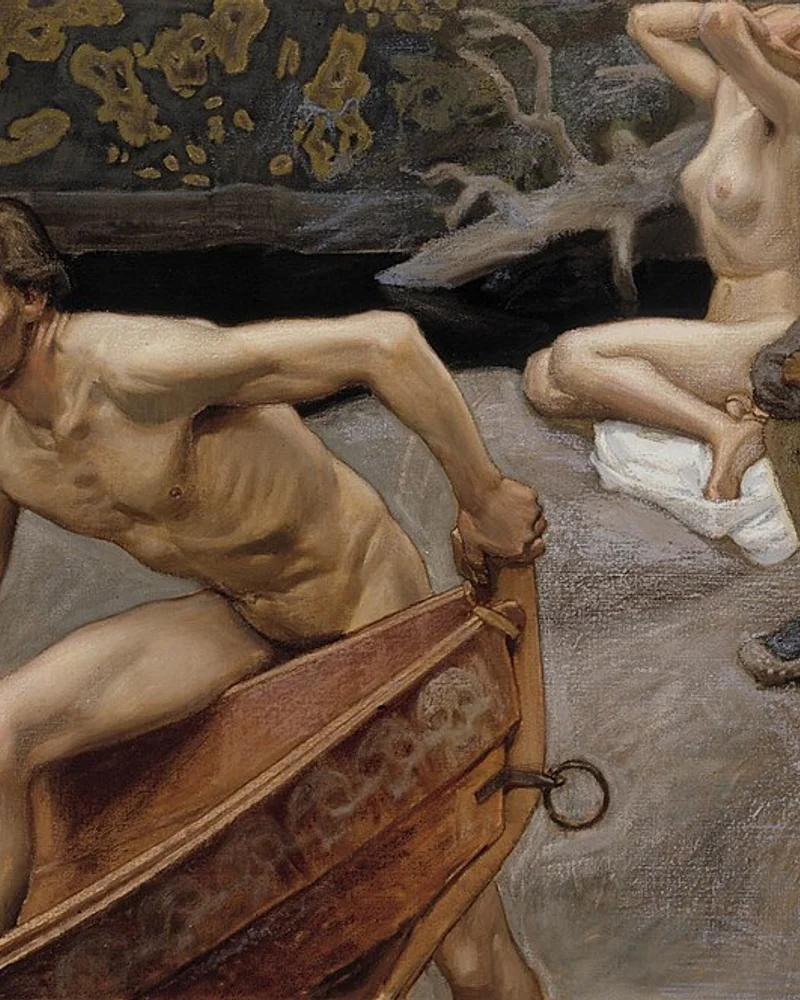
Tapio
The god of the forest and giver of game, named by Agricola in 1551, whom hunters in the runo-songs and the Kalevala address with his wife Mielikki to open the forest's storehouse to them.
 deity
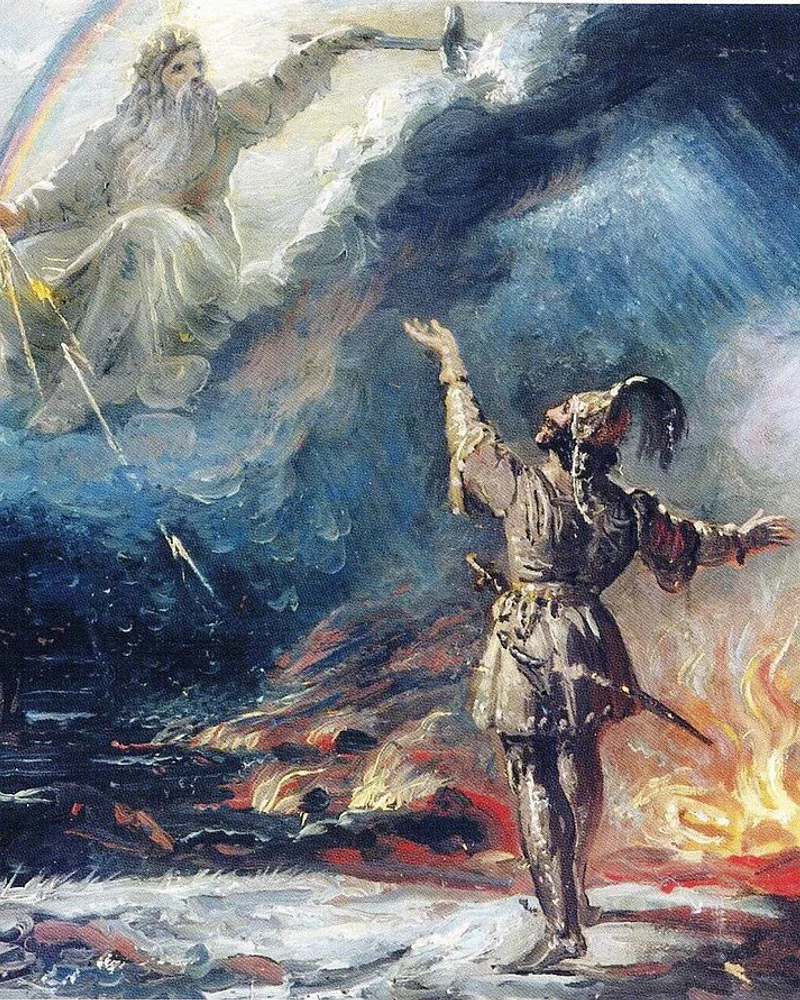
Tuoni
The lord of Tuonela, the land of the dead beyond a dark river, whose daughter ferries the dead, whose son hacks Lemminkäinen to pieces, and whose realm Väinämöinen escapes only by turning himself into a serpent.
 deity
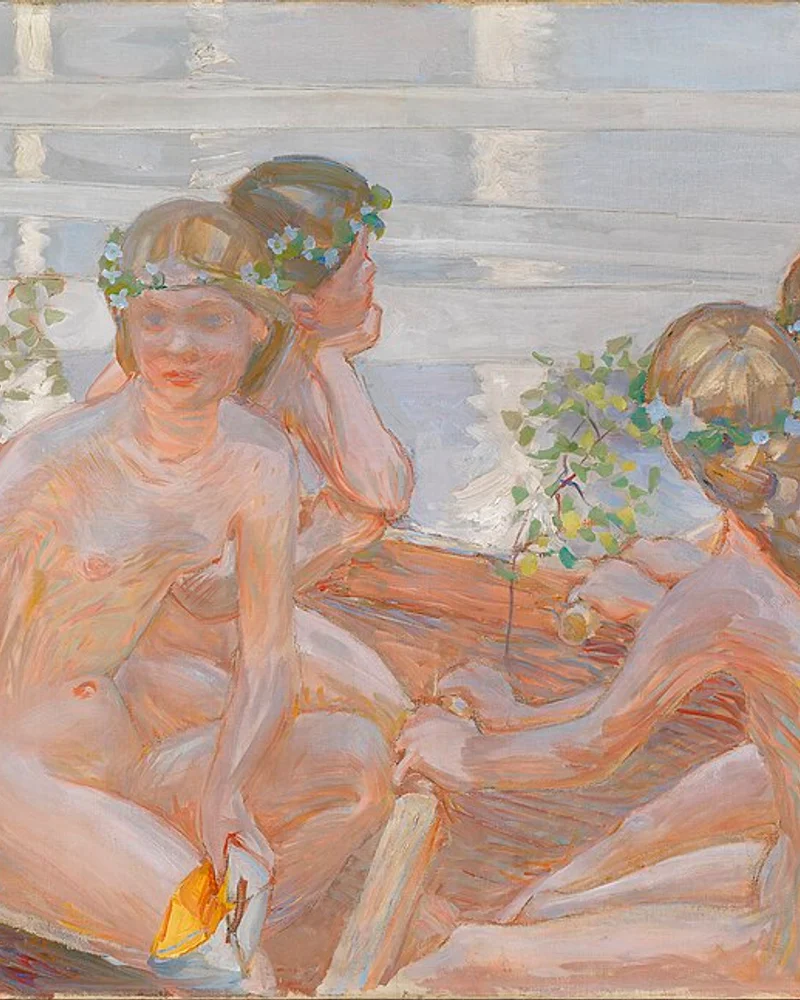
Ukko
The sky and thunder god of Finnish and Karelian tradition, 'highest god' of the runo-songs, whose feast at the spring sowing Agricola condemned in 1551 and whom the Kalevala's heroes and Ilmatar call on in need.
 deity
Väinämöinen
The 'steady old' singer and sage of Finnish runo-song, named by Agricola in 1551 as the maker of songs, who in the Kalevala is born of Ilmatar, sings his rival into a bog, builds the first kantele from a pike's jawbone, leads the theft of the Sampo, and finally sails away.
 artifact
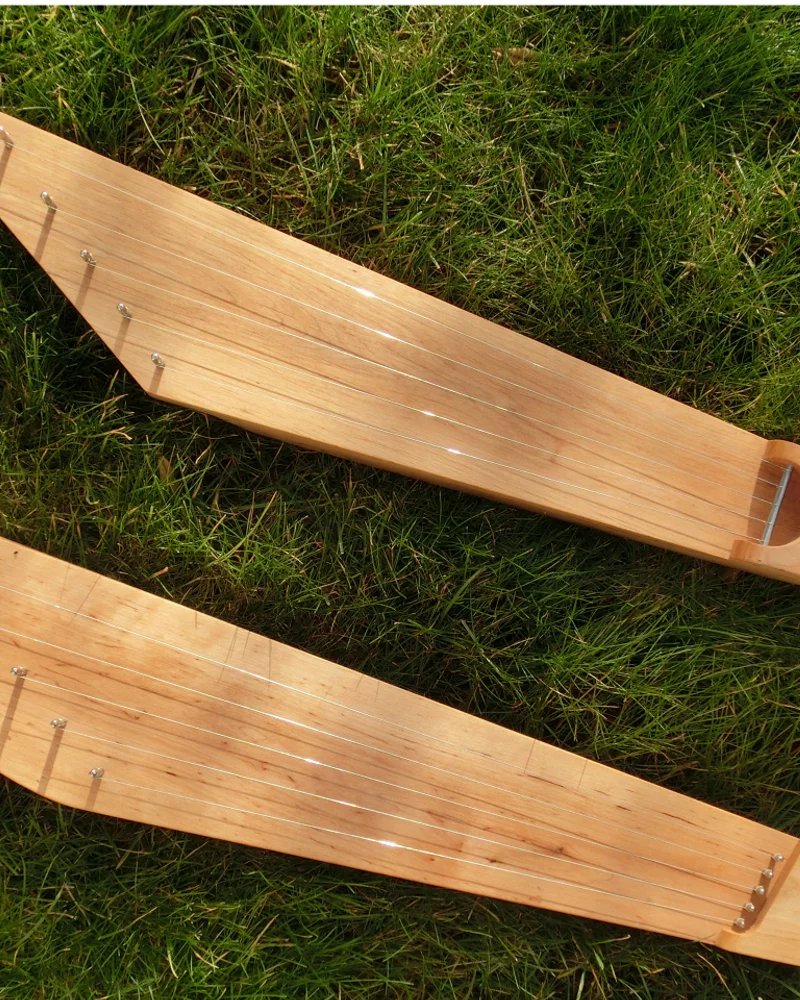
Kantele of Väinämöinen
The first kantele, made by Väinämöinen from the jawbone of a giant pike, whose music draws every creature to listen and puts Pohjola to sleep; lost overboard in Louhi's storm and replaced with one of birch.
 deity
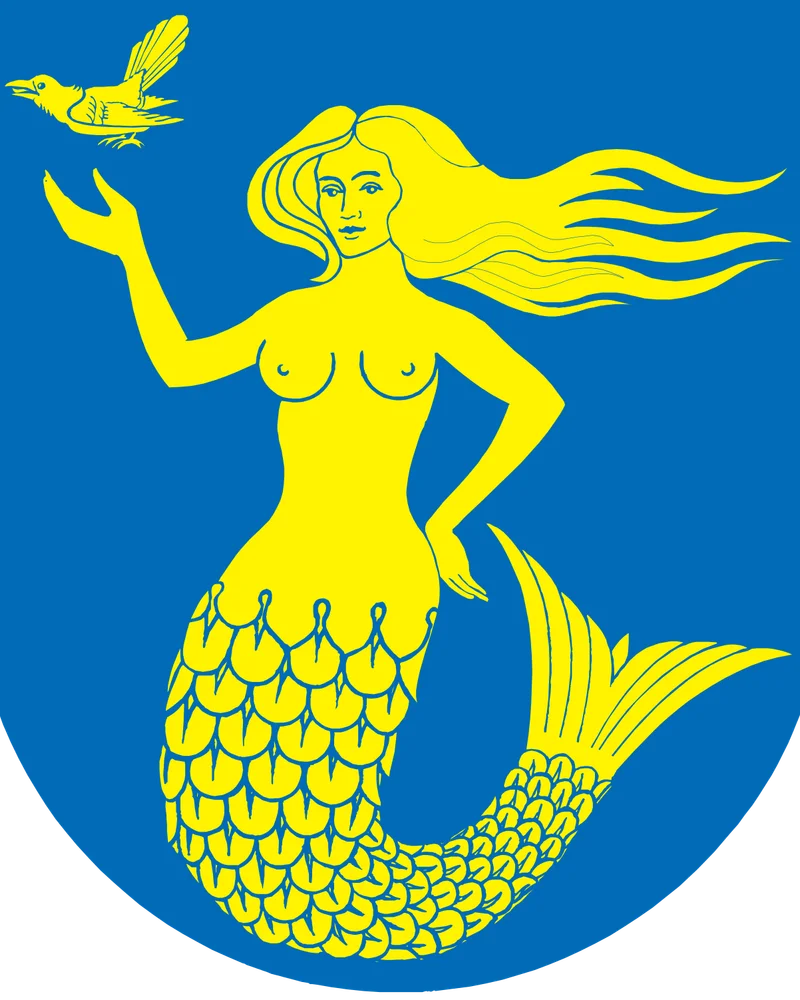
Vellamo
The mistress of the waters and wife of Ahti in Finnish runo-song, whose water-maidens appear in the Kalevala and who was asked for good fishing and calm seas.