

Whose story this is
The Wagyl belongs to the Noongar people of the south-west of Western Australia, and this story in particular to the Whadjuk Noongar, whose Country includes the city of Perth and the Derbarl Yerrigan, the Swan River. Noongar organisations, including the South West Aboriginal Land and Sea Council through its Kaartdijin Noongar (Noongar Knowledge) project, and local councils working with Noongar Elders share this story publicly. The summary below follows those public tellings; Noongar people tell it in their own ways, and some Wagyl knowledge is not public.
The Nyitting
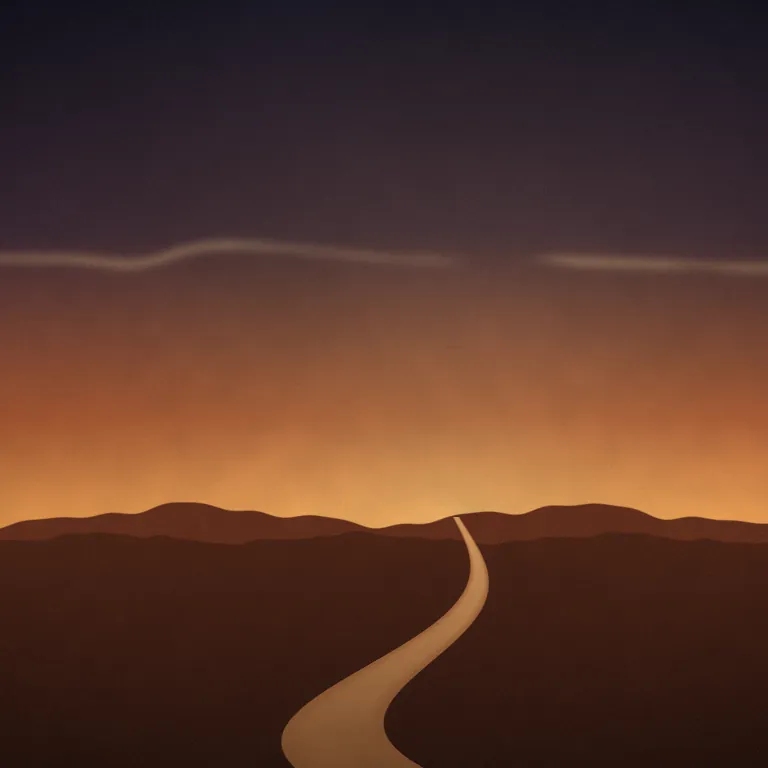
Noongar people speak of the Nyitting, the creation time, often translated as "the cold time", when the land took its present shape. In the Nyitting, the Wagyl, a great serpent being, moved across the land. As it travelled, its body carved out the land, and its tracks became the rivers, lakes, and wetlands. The Derbarl Yerrigan, winding from the hills to the sea through what is now Perth, follows the Wagyl's movements.
Resting places
Along the river are places where the Wagyl rested, and these are important to Whadjuk Noongar people. One such place is associated with the foot of Kaarta Gar-up (Mount Eliza, below Kings Park), at Goonininup, near a freshwater spring. The Wagyl continues to be present in the waters it made, and Noongar people have responsibility for caring for them.
Protecting the Wagyl's places
In 1989 Noongar people began a long protest against the redevelopment of the Old Swan Brewery site at Goonininup, because of its association with the Wagyl. The protest became one of the best-known Aboriginal heritage struggles in Western Australia. Although the redevelopment eventually went ahead, the campaign brought wide public attention to Noongar connections to the river, and to the Wagyl as a living part of Noongar law rather than a figure of the past.
Water and responsibility
The Wagyl is associated with fresh water, and Noongar people describe the Wagyl's waters as places to be respected. Some tellings say the Wagyl should not be disturbed, and that certain places should be approached only with care. In a dry region, the story connects people to the sources of fresh water and to the obligation to protect them.
Many waterways
Wagyl stories are told across Noongar Country, not only in Perth, and connect other rivers, lakes, and wetlands of the south-west. Different Noongar groups tell them differently. Readers who want to know more should seek out the tellings of Noongar Elders and organisations.
A note on names
The Swan River's Noongar name is often spelled Derbarl Yerrigan, and the Wagyl's name Wagyl, Waugal, or Waakal; Noongar spelling varies because the language was written down by many different people. This site uses the spellings found in current Noongar-led public sources.